The Best Fluffy Pancakes recipe you will fall in love with. Full of tips and tricks to help you make the best pancakes.
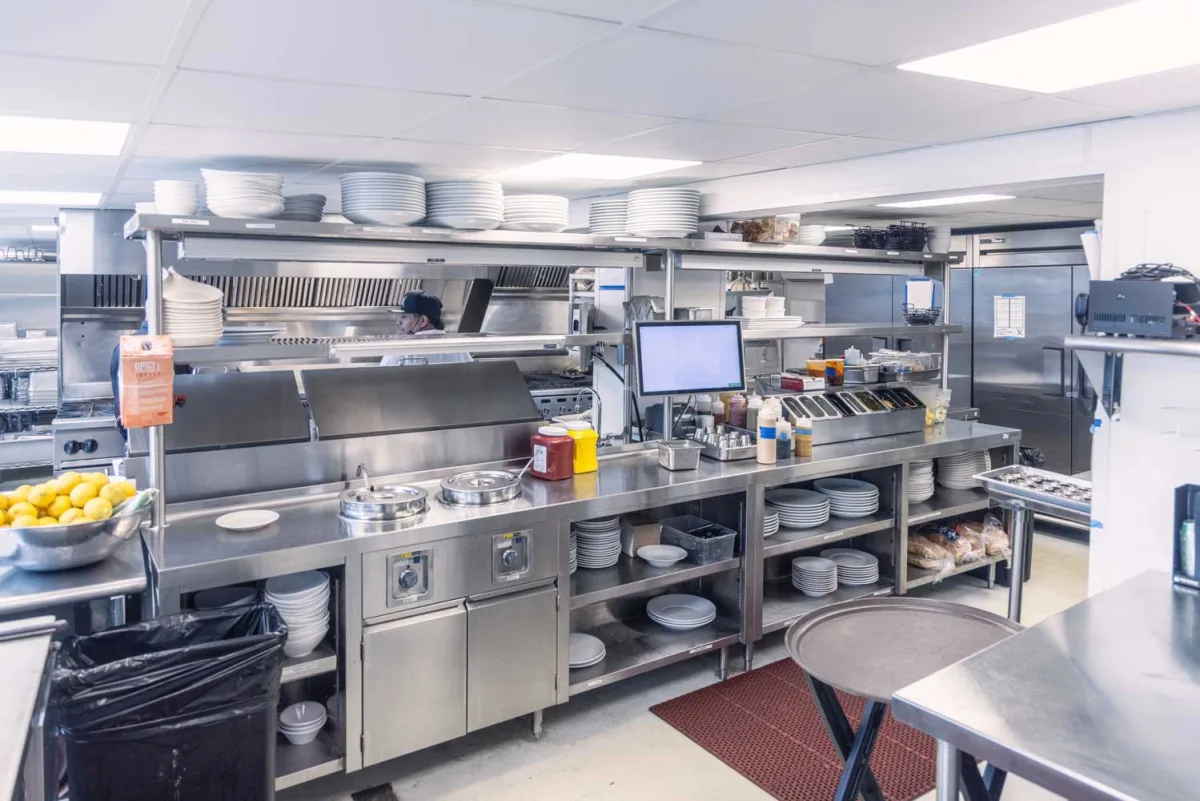
Let me tell you about the first time I stepped into a high-volume commercial kitchen during the dinner rush. It was chaos, orders flying, timers beeping, chefs shouting, and the expediter’s voice cutting through it all like a knife. I was there to observe for an article, but within minutes, I was handed an apron and put to work. My task? Prepping a mountain of vegetables for the night’s special. I thought I was decent in the kitchen, but this? This was next-level pressure. By the time I finished chopping what felt like an entire farm’s worth of onions, my eyes were watering, my back ached, and I realized something crucial: time is the most precious resource in a commercial kitchen. And that’s when it hit me, meal bases aren’t just a shortcut; they’re a lifeline.
Fast forward to today, and I’ve spent the last few years talking to chefs, kitchen managers, and foodservice operators across the country, from Nashville’s bustling food halls to San Francisco’s Michelin-starred kitchens. What I’ve learned is that the best kitchens don’t just use meal bases; they master them. They treat them like a secret weapon, a way to shave minutes (or hours) off prep time without compromising on flavor or quality. But here’s the thing: not all meal bases are created equal, and using them effectively isn’t as simple as opening a can or thawing a bag. There’s an art to it, a science, and, if I’m being honest, a bit of trial and error.
So, why am I writing this guide? Because I’ve seen too many kitchens waste time and money on meal bases that don’t fit their workflow, or worse, end up with dishes that taste like they were made from a packet (because, well, they were). This isn’t about cutting corners; it’s about working smarter. Whether you’re running a 24/7 diner, a catering operation, or a high-end restaurant with a seasonal menu, this guide will walk you through everything you need to know about meal bases, how to choose them, how to use them, and how to make them taste like they were made from scratch. And if I’m being totally honest? I’m still learning, too. There are days when I second-guess my own advice, wonder if I’m missing something, or debate whether a particular base is worth the trade-off. But that’s the beauty of this industry: it’s always evolving, and so are we.
By the end of this guide, you’ll have a clear roadmap for integrating meal bases into your kitchen in a way that saves time, reduces waste, and keeps your customers coming back. And who knows? Maybe you’ll even teach me a thing or two. Let’s dive in.
Why Meal Bases Are a Game-Changer for Commercial Kitchens
The Myth of “From-Scratch” Everything
Let’s start with a hard truth: the idea that every dish in a commercial kitchen must be made entirely from scratch is a myth. Don’t get me wrong, I love the romance of a chef hand-rolling pasta or simmering a stock for 12 hours. But in the real world, where labor costs are skyrocketing and diners expect consistency at breakneck speeds, that approach isn’t always practical. Or even necessary.
I remember talking to a chef in Austin who ran a farm-to-table restaurant. He was adamant that everything had to be made in-house, down to the last spice blend. His food was incredible, but his staff was exhausted, his food costs were through the roof, and his menu was so limited that regulars started complaining about the lack of variety. Then, one day, he had an epiphany. He was at a food show, sampling a pre-made demi-glace base, and he realized it tasted just as good as the one he spent hours reducing every week. That moment changed everything. He started incorporating high-quality meal bases into his menu, freeing up his team to focus on the dishes that truly set his restaurant apart. The result? Happier staff, lower costs, and a menu that could finally keep up with demand.
Here’s the thing: using meal bases doesn’t mean you’re “cheating.” It means you’re being strategic. It’s about recognizing that your time and energy are finite resources and that there are some tasks, like making a perfect béchamel or a rich tomato sauce, where a high-quality base can do 80% of the work for you. The key is knowing when and how to use them.
The Psychology of Speed vs. Quality
There’s a psychological battle that happens in every commercial kitchen: the push and pull between speed and quality. On one hand, you’ve got customers who want their food fast, especially in today’s on-demand culture. On the other hand, you’ve got diners who can spot a shortcut from a mile away, and they’ll call you out on it if your food tastes like it came from a factory. So, how do you strike the right balance?
I’ve seen kitchens try to solve this problem in all sorts of ways. Some go all-in on speed, using pre-made everything and sacrificing flavor for efficiency. Others double down on quality, insisting on making everything from scratch, even if it means longer wait times and higher prices. But the kitchens that really thrive? They find a middle ground. They use meal bases to handle the heavy lifting, things like stocks, sauces, and soups, while still putting their own spin on dishes with fresh ingredients and creative plating.
Take, for example, a busy brunch spot I visited in Nashville. Their hollandaise sauce was legendary, but it took forever to make, and if it broke (which it sometimes did), the whole kitchen would panic. Then, they switched to a high-quality hollandaise base. It wasn’t exactly the same as their from-scratch version, but it was close enough that most customers didn’t notice. And the best part? They could make it in bulk, hold it safely, and never worry about it breaking. That one change saved them hours of stress every week.
So, is this the best approach? Let’s consider the alternatives. If you’re making everything from scratch, you’re spending more on labor, ingredients, and energy. If you’re using low-quality bases, you’re risking your reputation. But if you’re using the right bases in the right way? You’re giving yourself the best of both worlds: speed and quality. It’s not about choosing one over the other; it’s about using meal bases to buy yourself time to focus on the things that really matter.
How to Choose the Right Meal Bases for Your Kitchen
Understanding the Different Types of Meal Bases
Not all meal bases are created equal, and choosing the wrong one can be a costly mistake. I learned this the hard way when I first started experimenting with bases in my own (admittedly small) test kitchen. I grabbed a random “soup base” off the shelf, mixed it with water, and tasted it. Let’s just say it was… not good. It tasted like salt, MSG, and regret. That’s when I realized that meal bases come in all shapes and sizes, and not all of them are worth your time.
Here’s a quick breakdown of the most common types of meal bases you’ll encounter in a commercial kitchen:
- Stock Bases: These are concentrated pastes or powders that you reconstitute with water to make a stock. They’re great for soups, sauces, and braising liquids. Look for ones with a short ingredient list, ideally, just vegetables, herbs, and maybe a little meat extract. Avoid anything with artificial flavors or excessive preservatives.
- Sauce Bases: These are pre-made sauces that you can use as-is or customize with your own ingredients. Think béchamel, marinara, or demi-glace. The best ones are shelf-stable or frozen, so they’re easy to store and use as needed. Some even come in “concentrate” form, which means you can dilute them to your preferred consistency.
- Soup Bases: These are similar to stock bases but are often more flavorful and designed to be used as the foundation for specific types of soup (e.g., chicken noodle, minestrone, or clam chowder). Some come with dehydrated vegetables or noodles already mixed in, which can save you even more time.
- Gravy Bases: These are a godsend for diners and cafeterias. They’re typically powdered or paste-like and can be mixed with water or pan drippings to create a rich, flavorful gravy in minutes. The best ones have a deep, meaty flavor without being overly salty.
- Seasoning Bases: These are blends of spices, herbs, and sometimes dehydrated vegetables that you can use to season meats, vegetables, or grains. They’re not a complete meal on their own, but they can save you a ton of time when you’re prepping proteins or sides. Think taco seasoning, curry powder, or Italian herb blends.
- Complete Meal Bases: These are the most convenient (and sometimes the most controversial) option. They’re essentially pre-made meals that just need to be heated and served. Think pre-cooked pasta sauces, chili mixes, or even pre-marinated proteins. They’re great for high-volume operations where speed is critical, but they can be limiting if you’re trying to create a unique menu.
So, how do you choose the right type for your kitchen? It depends on your menu, your volume, and your goals. If you’re running a fast-casual spot with a limited menu, complete meal bases might be a great fit. If you’re a fine-dining restaurant looking to save time on stocks and sauces, stock and sauce bases are probably your best bet. And if you’re somewhere in between? You might need a mix of both.
What to Look for in a High-Quality Meal Base
Not all meal bases are worth your time or money. I’ve tasted enough bad ones to know that a low-quality base can ruin a dish faster than you can say “pass the salt.” So, what should you look for when choosing a meal base? Here are the non-negotiables:
- Short, Recognizable Ingredient List: If you can’t pronounce half the ingredients, put it back on the shelf. The best meal bases have simple, clean ingredient lists. For example, a good chicken stock base should list things like chicken meat, vegetables (onions, carrots, celery), herbs, and maybe a little salt. That’s it. If you see things like “hydrolyzed vegetable protein” or “autolyzed yeast extract,” run the other way.
- No Artificial Flavors or Preservatives: This one’s a biggie. Artificial flavors and preservatives might extend shelf life, but they also make your food taste… well, artificial. Look for bases that use natural ingredients and minimal preservatives. Some brands use vinegar or citric acid as natural preservatives, which is fine. But if you see a laundry list of unpronounceable chemicals, keep looking.
- Low Sodium Content (or No Added Salt): Salt is a flavor enhancer, but too much of it can overpower your dish and make it taste one-dimensional. Some meal bases are loaded with salt to compensate for lack of flavor. Look for low-sodium or no-salt-added options, so you can control the seasoning yourself. This is especially important if you’re using the base in a dish that already has salty ingredients (like cheese or cured meats).
- Versatility: A good meal base should be versatile enough to use in multiple dishes. For example, a high-quality chicken stock base can be used for soups, sauces, risottos, and braising liquids. If a base is too specific (like a “creamy tomato pasta sauce base”), it might not be worth the shelf space unless you use it all the time.
- Consistency: This is especially important for commercial kitchens. You need a base that tastes the same every time you use it. Some brands are more consistent than others, so it’s worth doing a little research (or asking other chefs) before committing to a large order. If a base tastes different from batch to batch, it can throw off your entire menu.
- Packaging and Shelf Life: How a base is packaged can make a big difference in how easy it is to use. For example, paste bases in squeeze bottles are great because they’re easy to measure and store. Powdered bases in resealable bags are also convenient. Avoid bases in bulky, hard-to-store containers unless you’re using them in very high volume. Also, pay attention to shelf life. Some bases can last for years, while others need to be used within a few months.
I’m torn between recommending brands here because preferences can vary so much from kitchen to kitchen. But I will say this: don’t be afraid to experiment. Order a few samples from different brands and do a taste test with your team. See which ones hold up under pressure and which ones fall flat. And remember, just because a base is expensive doesn’t mean it’s good. Some of the best bases I’ve tried are from smaller, lesser-known brands that focus on quality over marketing.
How to Integrate Meal Bases into Your Kitchen Workflow
The Art of Customization: Making Bases Taste Like Your Own
Here’s the thing about meal bases: they’re not meant to be used straight out of the package. The best kitchens use them as a starting point, a foundation to build on. Think of them like a blank canvas. You wouldn’t hang a blank canvas in a gallery and call it art, right? The same goes for meal bases. You’ve got to add your own touches to make them shine.
Let me give you an example. I was working with a chef in Chicago who was using a pre-made marinara base for his pasta dishes. It was fine, but it lacked depth. So, we started experimenting. We added a splash of red wine to the base and let it simmer for 10 minutes. Then, we stirred in some fresh basil and a pinch of sugar to balance the acidity. The result? A sauce that tasted like it had been simmering for hours, even though it only took 15 minutes to make. That’s the power of customization.
Here are a few ways to customize meal bases to make them taste like your own:
- Fresh Herbs and Aromatics: Adding fresh herbs like basil, thyme, or cilantro can elevate a base from “meh” to “wow.” The same goes for aromatics like garlic, onions, or ginger. Sauté them in a little oil before adding the base to bring out their flavors.
- Acid: A splash of lemon juice, vinegar, or wine can brighten up a base and balance out rich flavors. This is especially useful for creamy sauces or soups. Just be careful not to overdo it, start with a little and taste as you go.
- Umami Boosters: Ingredients like soy sauce, Worcestershire sauce, or fish sauce can add depth and complexity to a base. A little goes a long way, so use them sparingly. You can also add umami with ingredients like mushrooms, Parmesan cheese, or tomato paste.
- Texture: Sometimes, a base just needs a little something to give it texture. That could mean adding cooked vegetables, beans, or even a sprinkle of toasted breadcrumbs. For example, adding sautéed mushrooms and onions to a beef gravy base can take it to the next level.
- Heat: If your base is lacking a little kick, don’t be afraid to add some heat. That could mean fresh chili peppers, hot sauce, or a pinch of cayenne. Just remember that you can always add more heat, but you can’t take it away, so start small.
- Sweetness: A little sweetness can balance out salty or acidic flavors. That could mean a drizzle of honey, a pinch of sugar, or even some caramelized onions. This is especially useful for tomato-based sauces or soups.
Maybe I should clarify: customizing a meal base isn’t about masking its flavor. It’s about enhancing it, taking it to the next level. The goal is to make it taste like it was made from scratch, even if it wasn’t. And the best part? Once you find a combination you love, you can replicate it over and over again, ensuring consistency across your menu.
Batch Cooking and Prep Strategies
One of the biggest time-savers in a commercial kitchen is batch cooking. And meal bases? They’re the ultimate batch-cooking tool. But here’s the catch: you’ve got to use them strategically. If you’re just slapping a base into a pot and calling it a day, you’re missing out on a huge opportunity to save time and reduce waste.
Let me walk you through how I’ve seen kitchens use meal bases for batch cooking. Take, for example, a catering company I worked with in Nashville. They were prepping for a large event-500 people, and they needed to make a creamy mushroom soup. Instead of making the soup from scratch, they used a high-quality mushroom soup base. But here’s where they got smart: they made a huge batch of the base ahead of time, then customized it with fresh mushrooms, cream, and herbs the day of the event. That way, they weren’t stuck in the kitchen all day stirring a giant pot of soup. They could focus on other dishes while the base did most of the work.
Here are a few batch-cooking strategies to consider:
- Pre-Make and Store: Some meal bases, like stock or sauce bases, can be pre-made in large quantities and stored in the fridge or freezer. For example, you can make a big batch of chicken stock using a base, then portion it out and freeze it for later use. This is a huge time-saver for soups, sauces, and braising liquids.
- Customize on Demand: Instead of customizing a base ahead of time, keep it plain and add your own touches when you’re ready to serve. This is especially useful for bases that you use in multiple dishes. For example, you might keep a plain tomato sauce base on hand and customize it with different herbs and spices depending on the dish.
- Use as a Marinade or Rub: Some bases, like seasoning blends or sauce concentrates, can be used as marinades or rubs for meats. For example, you can mix a barbecue sauce base with a little oil and vinegar to create a quick marinade for chicken or ribs. This not only saves time but also ensures that your proteins are flavorful and consistent.
- Combine with Fresh Ingredients: Meal bases work best when they’re combined with fresh ingredients. For example, you can use a pre-made chili base and add fresh beans, ground beef, and vegetables to create a hearty, from-scratch-tasting chili. This gives you the best of both worlds: the convenience of a base and the freshness of real ingredients.
- Repurpose Leftovers: If you have leftover bases or sauces, don’t let them go to waste. Get creative! For example, leftover marinara sauce can be turned into a pizza sauce, a base for shakshuka, or even a quick pasta dish. The key is to think of meal bases as versatile tools, not just one-trick ponies.
I’m torn between recommending a specific batch-cooking schedule because every kitchen is different. But here’s a general rule of thumb: plan your batch cooking around your busiest times. If you know you’re going to be slammed on Friday nights, spend Thursday prepping and storing as much as you can. That way, you’re not stuck chopping onions or stirring sauces when you should be focusing on service.
The Hidden Benefits of Meal Bases (Beyond Saving Time)
Reducing Food Waste and Improving Sustainability
Let’s talk about food waste. It’s a huge problem in the foodservice industry, one that costs kitchens thousands of dollars every year and contributes to environmental issues. But here’s the thing: meal bases can actually help reduce food waste if you use them the right way.
I remember visiting a small café in Portland that was struggling with food waste. They were throwing out pounds of vegetables every week because they couldn’t use them up fast enough. Then, they started using a vegetable stock base to make soups and sauces. Instead of letting those veggies go to waste, they’d chop them up and add them to the stock. The result? Less waste, lower food costs, and a menu that changed based on what was fresh and available. It was a win-win.
Here’s how meal bases can help you reduce food waste:
- Use Up Odds and Ends: Got a few carrots that are starting to wilt? A handful of celery that’s not quite fresh? Instead of throwing them out, chop them up and add them to a stock or sauce base. They’ll add flavor and texture, and you won’t have to waste them.
- Extend the Life of Ingredients: Some meal bases, like soup or sauce bases, can help extend the life of fresh ingredients. For example, if you’ve got a surplus of tomatoes, you can blend them into a marinara base and freeze it for later use. That way, you’re not stuck using them all at once.
- Repurpose Leftovers: As I mentioned earlier, meal bases can be a great way to repurpose leftovers. Got leftover roasted chicken? Shred it and add it to a chicken soup base. Got extra rice? Mix it with a curry base for a quick fried rice dish. The possibilities are endless.
- Reduce Overproduction: One of the biggest sources of food waste in commercial kitchens is overproduction. You make too much of something, and it goes to waste. Meal bases can help you avoid this by allowing you to make smaller batches of dishes. For example, instead of making a huge pot of soup that might not get eaten, you can make a smaller batch using a soup base and customize it as needed.
But here’s the catch: meal bases can also contribute to food waste if you’re not careful. For example, if you’re using a pre-made sauce base and not customizing it, you might end up with a dish that doesn’t sell well, leading to waste. Or, if you’re not storing your bases properly, they might go bad before you can use them. The key is to use meal bases strategically-as a tool to help you reduce waste, not as a crutch that leads to more of it.
Consistency: The Secret Weapon for Customer Retention
Consistency is everything in the foodservice industry. Customers don’t just want good food; they want the same good food every time they visit. And that’s where meal bases can be a game-changer. When you use a high-quality base, you’re ensuring that your dishes taste the same no matter who’s cooking or what time of day it is.
I’ve seen this firsthand in a chain of diners I worked with in California. They were struggling with consistency, some locations had amazing chili, while others were serving something that barely resembled chili at all. The problem? Each location was making their chili from scratch, and no two batches were the same. Then, they switched to a high-quality chili base. Suddenly, every location was serving the same delicious, hearty chili. Customer complaints dropped, and sales went up. It was that simple.
Here’s why consistency matters:
- Customer Trust: When customers know they can count on your food to taste the same every time, they’re more likely to become regulars. They’ll trust your brand, and they’ll keep coming back.
- Brand Reputation: Consistency is key to building a strong brand reputation. If your food is hit or miss, customers will notice, and they’ll take their business elsewhere. But if your food is consistently good, they’ll spread the word.
- Operational Efficiency: When your dishes are consistent, your kitchen runs more smoothly. There’s less guesswork, less waste, and less stress. Your staff knows exactly what to expect, and they can focus on executing rather than improvising.
- Menu Engineering: Consistency allows you to fine-tune your menu. If you know that a dish is always going to taste the same, you can experiment with pricing, portion sizes, and presentation to maximize profits.
But here’s the thing: consistency isn’t just about using the same ingredients every time. It’s also about training your staff to use those ingredients the same way. That means standardizing your recipes, measuring ingredients precisely, and following the same steps every time. Meal bases can help with this, but they’re not a magic bullet. You’ve still got to put in the work to ensure that your team is using them correctly.
Common Mistakes to Avoid When Using Meal Bases
Over-Reliance on Bases: When Convenience Becomes a Crutch
Let me start by saying this: meal bases are a tool, not a replacement for skill or creativity. I’ve seen too many kitchens fall into the trap of relying on them too heavily, and the results are never pretty. It’s like using a calculator for every math problem, sure, it might get you the right answer, but you’re not actually learning anything. The same goes for meal bases. If you’re using them for every single dish, you’re missing out on the opportunity to develop your team’s skills and create something truly unique.
Take, for example, a fast-casual chain I visited in Denver. They were using pre-made everything, sauces, soups, even their salad dressings. The food was… fine. It was edible, it was consistent, and it was fast. But it lacked soul. There was nothing that made it stand out from the dozens of other fast-casual spots in the city. And that’s the problem with over-reliance on meal bases: it turns your menu into a commodity. Your food becomes interchangeable with everyone else’s, and customers have no reason to choose you over the competition.
So, how do you avoid this trap? Here are a few tips:
- Use Bases for the Heavy Lifting: Meal bases should handle the time-consuming, labor-intensive tasks, things like making stocks, sauces, or soups. But they shouldn’t do all the work. Leave room for fresh ingredients, creative plating, and dishes that showcase your team’s skills.
- Rotate Your Menu: If you’re using meal bases for every dish, your menu is going to feel stale and repetitive. Instead, rotate your menu seasonally or even monthly. That way, you can use bases for some dishes while keeping others fresh and exciting.
- Train Your Staff: Meal bases can be a great training tool for new staff. They allow you to teach them the basics of cooking without overwhelming them. But don’t let them become dependent on bases. Encourage them to experiment, to taste as they go, and to develop their own techniques.
- Keep It Fresh: Just because you’re using a meal base doesn’t mean your dish has to taste pre-made. Add fresh herbs, aromatics, or vegetables to give it a homemade feel. The goal is to make it taste like it was made from scratch, even if it wasn’t.
I’m torn between recommending a specific ratio of base-to-fresh ingredients because it really depends on the dish. But as a general rule, I’d say aim for at least 30% fresh ingredients in any dish that uses a meal base. That could mean fresh vegetables, herbs, or proteins. The key is to strike a balance between convenience and quality.
Ignoring the Importance of Seasoning
Here’s a mistake I see all the time: chefs using a meal base straight out of the package without adjusting the seasoning. And let me tell you, nothing screams “pre-made” like a dish that’s either too salty or completely bland. Seasoning is what makes a dish sing, and if you’re not paying attention to it, your food is going to fall flat.
I learned this lesson the hard way when I was testing a pre-made curry base for an article. I followed the instructions to the letter, mixed the base with water, added some chicken, and served it. It was… okay. The flavors were there, but they were muted, like they were hiding behind a curtain of salt. Then, I tried it again, but this time I adjusted the seasoning. I added a little more coconut milk to balance the salt, a squeeze of lime for acidity, and some fresh cilantro for brightness. The difference was night and day. The second version was vibrant, flavorful, and, most importantly, delicious.
So, why do so many chefs skip this step? I think it’s a combination of things. Some are in a rush and don’t take the time to taste as they go. Others assume that the base is already perfectly seasoned (spoiler: it’s not). And some just don’t trust their own palates. But here’s the thing: seasoning is a skill, and like any skill, it takes practice. The more you do it, the better you’ll get at it.
Here’s how to avoid this mistake:
- Taste as You Go: This is the golden rule of cooking, and it applies to meal bases, too. Don’t just mix a base with water and call it a day. Taste it, adjust the seasoning, and taste it again. And again. And again. Until it’s perfect.
- Start with Less Salt: If you’re using a base that already has salt in it, start with less than you think you need. You can always add more, but you can’t take it out. And remember, some ingredients, like cheese or cured meats, are already salty, so you might not need as much as you think.
- Balance the Flavors: A well-seasoned dish has a balance of salt, acid, sweetness, and umami. If your base is too salty, add a little acid (like lemon juice or vinegar) to balance it out. If it’s too sweet, add a little salt. And if it’s lacking depth, add a little umami (like soy sauce or Parmesan cheese).
- Use Fresh Ingredients: Fresh ingredients can elevate a meal base and make it taste like it was made from scratch. For example, adding fresh garlic and ginger to a curry base can take it to the next level. The same goes for fresh herbs, vegetables, and proteins.
- Don’t Be Afraid to Experiment: Seasoning is subjective, and what works for one person might not work for another. Don’t be afraid to experiment with different flavors and ingredients. The worst that can happen is that you’ll learn something new.
Maybe I should clarify: seasoning isn’t just about salt. It’s about creating a balance of flavors that makes a dish sing. And that’s something that can’t be rushed. Take your time, taste as you go, and don’t be afraid to make adjustments. Your customers will thank you.
How to Train Your Staff to Use Meal Bases Effectively
Standardizing Recipes for Consistency
One of the biggest challenges in a commercial kitchen is getting everyone on the same page. You can have the best meal bases in the world, but if your staff isn’t using them consistently, your food is going to suffer. That’s where standardized recipes come in. They’re like a roadmap for your kitchen, ensuring that every dish turns out the same no matter who’s cooking it.
I remember working with a chef in Seattle who was frustrated because his team couldn’t seem to make his signature mac and cheese the same way twice. Some batches were creamy, while others were dry. Some were cheesy, while others were bland. The problem? They weren’t following a standardized recipe. So, we sat down and wrote one out, step by step, with exact measurements and instructions. We even included photos to show what the dish should look like at each stage. The result? Perfect mac and cheese every time.
Here’s how to create standardized recipes for meal bases:
- Write It Down: This might seem obvious, but you’d be surprised how many kitchens don’t have written recipes. If you want your staff to use meal bases consistently, you’ve got to write down exactly how to do it. That means listing every ingredient, every measurement, and every step in the process.
- Include Photos or Videos: Sometimes, words aren’t enough. Including photos or videos of the process can help your staff visualize what they’re supposed to do. For example, you might include a photo of what the base should look like after it’s been mixed with water, or a video of how to properly fold in fresh ingredients.
- Use the Same Tools: Consistency is all about using the same tools and techniques every time. That means using the same measuring cups, the same pots and pans, and the same cooking methods. If one chef is using a whisk while another is using a spoon, the results are going to be different.
- Train Your Staff: Once you’ve got your standardized recipes, you’ve got to train your staff on how to use them. That means going over the recipes step by step, answering questions, and making sure everyone understands the process. It might take some time, but it’s worth it in the long run.
- Test and Adjust: Standardized recipes aren’t set in stone. If something isn’t working, don’t be afraid to adjust it. Maybe the base needs a little more water, or maybe the cooking time needs to be tweaked. The key is to test, adjust, and test again until you get it right.
I’m torn between recommending a specific format for standardized recipes because every kitchen is different. But here’s a general template you can use:
- Recipe Name: The name of the dish.
- Ingredients: A list of all the ingredients, including the meal base, with exact measurements.
- Equipment: A list of all the tools and equipment needed to make the dish.
- Instructions: Step-by-step instructions for making the dish, including how to prepare the meal base, how to add fresh ingredients, and how to adjust the seasoning.
- Photos/Videos: Visual aids to help your staff understand the process.
- Yield: The number of servings the recipe makes.
- Storage Instructions: How to store the dish if it’s not being served immediately.
Encouraging Creativity Within Boundaries
Here’s the thing about standardized recipes: they’re essential for consistency, but they can also stifle creativity. If your staff is just following a recipe like a robot, they’re not going to develop their own skills or come up with new ideas. And that’s a problem, because creativity is what keeps a menu fresh and exciting.
So, how do you encourage creativity while still maintaining consistency? It’s all about setting boundaries. Give your staff the freedom to experiment, but within certain limits. For example, you might let them play around with different herbs or spices in a sauce base, but you’d still expect them to follow the same cooking method and use the same measurements.
I saw this in action at a food truck in San Francisco. The owner had a standardized recipe for his signature burrito, but he encouraged his staff to come up with their own variations. One chef added chipotle peppers to the rice, while another experimented with different types of cheese. The result? A menu that was consistent but also exciting and ever-changing. Customers loved it because they knew they could count on the burrito to be good, but they also had the option to try something new.
Here’s how to encourage creativity within boundaries:
- Set Clear Guidelines: Let your staff know what they can and can’t change. For example, you might let them experiment with different herbs in a soup base, but you’d still expect them to use the same cooking method and measurements.
- Encourage Feedback: Your staff is on the front lines, and they might have ideas that you haven’t thought of. Encourage them to share their feedback and suggestions. You never know, one of them might come up with the next big thing.
- Hold Taste Tests: Once a month, hold a taste test where your staff can present their own variations on a dish. Let everyone vote on their favorite, and if it’s a hit, add it to the menu. This is a great way to encourage creativity and get your team excited about the menu.
- Reward Innovation: If a staff member comes up with a new dish or variation that becomes a hit with customers, reward them. That could mean a bonus, a shout-out in the kitchen, or even a promotion. The key is to show your staff that their ideas are valued.
- Keep It Fresh: Don’t let your menu get stale. Rotate your dishes seasonally or even monthly to keep things exciting. And don’t be afraid to experiment with new meal bases or ingredients. The goal is to keep your menu fresh and your staff engaged.
Maybe I should clarify: creativity isn’t about throwing out the rules. It’s about working within them to create something new and exciting. And that’s something that every kitchen can benefit from.
Cost Analysis: Are Meal Bases Worth the Investment?
Calculating the True Cost of Meal Bases
Let’s talk money. Because at the end of the day, that’s what it all comes down to. Are meal bases worth the investment? The answer, like most things in life, is: it depends. It depends on your menu, your volume, your labor costs, and a dozen other factors. But here’s the thing: if you’re not doing the math, you’re flying blind. And that’s a recipe for disaster.
I remember working with a small café in Nashville that was struggling with food costs. They were making everything from scratch, and their labor costs were through the roof. They were considering switching to meal bases, but they were worried about the upfront cost. So, we sat down and did the math. We calculated how much they were spending on ingredients, labor, and energy to make their soups and sauces from scratch. Then, we compared that to the cost of using a high-quality meal base. The result? They were spending 30% more to make everything from scratch. That’s a huge difference, especially for a small business.
Here’s how to calculate the true cost of meal bases:
- Ingredient Costs: Start by calculating how much you’re spending on ingredients to make a dish from scratch. That includes everything from the vegetables to the herbs to the stock. Don’t forget to factor in waste, if you’re throwing out half your ingredients because they’ve gone bad, that’s money down the drain.
- Labor Costs: Next, calculate how much you’re spending on labor. How many hours does it take to make a dish from scratch? How much are you paying your staff per hour? Don’t forget to factor in things like benefits and overtime.
- Energy Costs: Cooking from scratch takes energy, literally. How much are you spending on gas or electricity to simmer stocks, reduce sauces, or bake bread? These costs can add up quickly, especially in a high-volume kitchen.
- Meal Base Costs: Now, calculate how much you’d spend on a meal base to make the same dish. That includes the cost of the base itself, as well as any additional ingredients you’d need to customize it.
- Compare the Numbers: Once you’ve got all the numbers, compare them. How much are you spending to make a dish from scratch vs. using a meal base? Don’t forget to factor in things like consistency, waste, and customer satisfaction. Sometimes, the numbers don’t tell the whole story.
Here’s a simple formula you can use:
Total Cost (From Scratch) = Ingredient Cost + Labor Cost + Energy Cost Total Cost (Meal Base) = Meal Base Cost + Additional Ingredient Cost + Labor Cost (for customization)
I’m torn between recommending a specific tool for this because there are so many variables. But I will say this: don’t rely on guesswork. Use a spreadsheet or a cost-calculator tool to crunch the numbers. And don’t forget to factor in things like waste, consistency, and customer satisfaction. Sometimes, the cheapest option isn’t the best option.
Long-Term Savings vs. Short-Term Costs
Here’s the thing about meal bases: they’re an investment. And like any investment, they come with upfront costs. But if you use them the right way, they can save you money in the long run. The key is to think beyond the sticker price and consider the bigger picture.
Let me give you an example. I was talking to a chef in New York who was hesitant to switch to meal bases because they seemed expensive. He was making his own stocks, sauces, and soups from scratch, and he was proud of it. But when we did the math, we realized that he was spending 40 hours a week on prep alone. That’s a full-time job! And when we factored in the cost of ingredients, labor, and energy, we realized that he could save $10,000 a year by switching to meal bases. That’s a game-changer for any kitchen.
Here’s how meal bases can save you money in the long run:
- Reduced Labor Costs: Meal bases can save you hours of prep time, which means you can reduce your labor costs. That could mean hiring fewer staff, reducing overtime, or freeing up your team to focus on other tasks.
- Lower Ingredient Costs: Meal bases are often cheaper than buying all the ingredients separately. Plus, they can help you reduce waste by allowing you to make smaller batches of dishes.
- Energy Savings: Cooking from scratch takes energy, literally. Meal bases can help you reduce your energy costs by cutting down on cooking time.
- Consistency: Consistency is key to customer retention. If your food is consistently good, customers are more likely to come back. And that means more revenue for your business.
- Menu Flexibility: Meal bases can help you create a more flexible menu. That means you can offer more dishes without increasing your prep time or labor costs. And that can lead to more sales and higher profits.
But here’s the catch: meal bases aren’t a magic bullet. They’re a tool, and like any tool, they’ve got to be used the right way. If you’re using low-quality bases or not customizing them, you’re not going to see the same benefits. And if you’re not doing the math, you might end up spending more than you save.
So, is it worth the investment? Let’s consider the alternatives. If you’re making everything from scratch, you’re spending more on labor, ingredients, and energy. If you’re using low-quality bases, you’re risking your reputation. But if you’re using high-quality bases in the right way? You’re giving yourself the best of both worlds: speed and quality. And that’s something that every kitchen can benefit from.
Case Studies: How Real Kitchens Are Using Meal Bases to Save Time
Case Study 1: A High-Volume Diner in Nashville
Let me tell you about a diner in Nashville that I’ve been following for the past few years. It’s a high-volume spot, open 24/7, with a menu that’s as long as your arm. They were struggling with prep time, it was taking them hours every day just to get ready for service. Then, they started using meal bases, and everything changed.
Here’s what they did:
- Stock Bases: They switched from making their own stocks to using a high-quality stock base. That saved them hours of simmering time every week. They used the stock base for soups, sauces, and braising liquids, and they customized it with fresh herbs and aromatics to make it taste like their own.
- Gravy Bases: They started using a gravy base for their mashed potatoes and meatloaf. That saved them the hassle of making gravy from scratch, and it ensured that the gravy was consistent every time.
- Soup Bases: They used a soup base for their daily soup specials. That allowed them to offer a wider variety of soups without increasing their prep time. They customized the base with fresh vegetables and proteins to make each soup unique.
- Sauce Bases: They used a sauce base for their pasta dishes. That saved them the time and effort of making sauces from scratch, and it ensured that the sauces were consistent every time. They customized the base with fresh herbs, garlic, and Parmesan cheese to make it taste like their own.
The result? They cut their prep time in half, reduced their labor costs, and increased their menu offerings. And the best part? Their customers didn’t even notice the difference. The food was just as good as it had always been, but now it was faster and more consistent.
Here’s the kicker: they didn’t stop there. They started experimenting with new meal bases, like seasoning blends and complete meal bases. They even created their own signature dishes using a combination of bases and fresh ingredients. And they did it all without sacrificing quality or flavor.
Case Study 2: A Catering Company in San Francisco
Now, let me tell you about a catering company in San Francisco that I worked with last year. They were prepping for a huge event-1,000 people, and they needed to make a variety of dishes, from soups to sauces to main courses. They were overwhelmed, and they were worried about keeping up with demand. Then, they started using meal bases, and everything changed.
Here’s what they did:
- Batch Cooking: They used meal bases to batch cook their dishes ahead of time. For example, they made a huge batch of chicken stock using a stock base, then used it to make soups, sauces, and braising liquids. That saved them hours of prep time and ensured that everything was ready to go on the day of the event.
- Customization: They customized their meal bases with fresh ingredients to make them taste like their own. For example, they added fresh mushrooms and herbs to a mushroom soup base to create a rich, flavorful soup. They also added fresh vegetables and proteins to a chili base to create a hearty, from-scratch-tasting chili.
- Repurposing Leftovers: They repurposed leftover bases and sauces to create new dishes. For example, they used leftover marinara sauce to make a quick pasta dish, and they used leftover stock to make a risotto. That saved them time and reduced waste.
- Consistency: They used meal bases to ensure that every dish was consistent. That meant that no matter which station a dish came from, it tasted the same. That was a huge relief for the catering team, who were worried about keeping up with demand.
The result? They pulled off the event without a hitch. The food was delicious, the service was smooth, and the clients were thrilled. And the best part? They did it all without sacrificing quality or flavor. In fact, the clients said it was some of the best catering they’d ever had.
Here’s the thing: meal bases aren’t just for restaurants. They’re for anyone who needs to feed a lot of people quickly and consistently. Whether you’re running a diner, a catering company, or a food truck, meal bases can help you save time, reduce waste, and improve your bottom line.
Conclusion: The Future of Meal Bases in Commercial Kitchens
So, where do we go from here? Are meal bases the future of commercial kitchens, or are they just a passing trend? I’ll be honest: I’m not sure. What I do know is that the best kitchens aren’t just using meal bases, they’re mastering them. They’re treating them like a tool, a way to save time and reduce waste without sacrificing quality or flavor. And that’s something that every kitchen can benefit from.
But here’s the thing: meal bases aren’t a magic bullet. They’re not going to solve all your problems overnight. You’ve still got to put in the work, choosing the right bases, customizing them, training your staff, and doing the math to make sure they’re worth the investment. And you’ve got to be willing to experiment, to take risks, and to learn from your mistakes.
So, here’s my challenge to you: pick one dish on your menu and try using a meal base. It could be a soup, a sauce, or a gravy. Start small, experiment, and see what happens. And if it works? Try another dish. And another. Before you know it, you’ll be saving hours of prep time every week, and your customers won’t even notice the difference. Because at the end of the day, that’s what it’s all about: working smarter, not harder.
And who knows? Maybe one day, you’ll be the one teaching me a thing or two. Because that’s the beauty of this industry: it’s always evolving, and so are we.
FAQ
Q: Are meal bases really as good as making everything from scratch?
A: It depends on the base and how you use it. High-quality meal bases can be just as good as making something from scratch, especially when you customize them with fresh ingredients. The key is to choose the right base and use it as a starting point, not as a replacement for skill or creativity. Think of it like using a pre-made pie crust, it’s not the same as making your own, but it can save you time and still taste great if you use it the right way.
Q: How do I know if a meal base is high-quality?
A: Look for a few key things: a short, recognizable ingredient list; no artificial flavors or preservatives; low sodium content (or no added salt); and versatility. The best meal bases have simple, clean ingredients and can be used in multiple dishes. It’s also a good idea to do a taste test with your team to see which bases hold up under pressure and which ones fall flat. And remember, just because a base is expensive doesn’t mean it’s good, some of the best bases I’ve tried are from smaller, lesser-known brands.
Q: Can meal bases help me reduce food waste?
A: Absolutely! Meal bases can help you reduce food waste in a few ways. First, they allow you to make smaller batches of dishes, which means you’re less likely to overproduce. Second, they can help you use up odds and ends, like wilted vegetables or leftover proteins, by incorporating them into soups, sauces, or stews. And third, they can help you repurpose leftovers. For example, leftover marinara sauce can be turned into a pizza sauce, a base for shakshuka, or even a quick pasta dish. The key is to use meal bases strategically, as a tool to help you reduce waste, not as a crutch that leads to more of it.
Q: How do I train my staff to use meal bases effectively?
A: Start by creating standardized recipes that outline exactly how to use the meal base, including measurements, cooking methods, and customization tips. Include photos or videos to help your staff visualize the process, and train them on how to use the recipes step by step. Encourage feedback and suggestions, and hold taste tests to let your staff experiment with different variations. The goal is to strike a balance between consistency and creativity, giving your staff the freedom to experiment within certain boundaries. And don’t forget to reward innovation! If a staff member comes up with a new dish or variation that becomes a hit with customers, recognize their contribution and consider adding it to the menu.
@article{the-ultimate-commercial-kitchen-time-saving-meal-bases-guide-slash-prep-without-sacrificing-quality,
    title   = {The Ultimate Commercial Kitchen Time-Saving Meal Bases Guide: Slash Prep Without Sacrificing Quality},
    author  = {Chef's icon},
    year    = {2026},
    journal = {Chef's Icon},
    url     = {https://chefsicon.com/commercial-kitchen-time-saving-meal-bases-guide/}
}