The Best Fluffy Pancakes recipe you will fall in love with. Full of tips and tricks to help you make the best pancakes.
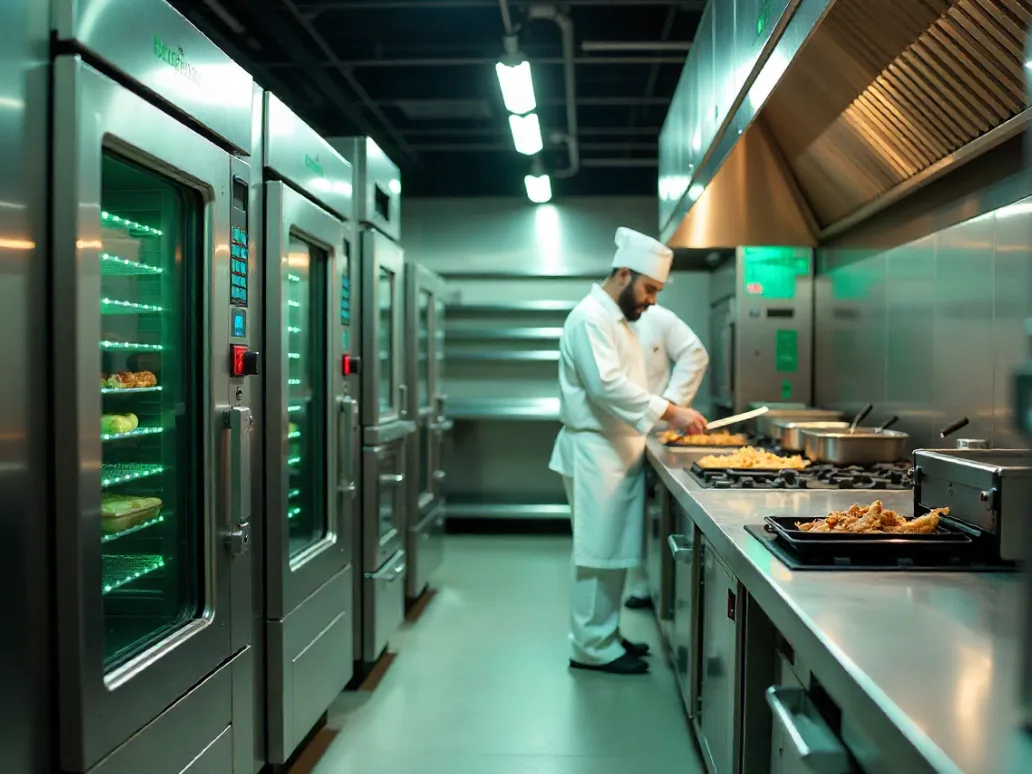
Energy-Saving Hacks for Peak Hours in Restaurants: Why This Matters More Than You Think
Let me be honest here, I didn’t always care about energy efficiency in restaurants. Back when I was running a pop-up in the Bay Area, my biggest worries were keeping the line moving and making sure the avocado toast didn’t run out. Energy bills? That was a problem for future Sammy. But then I moved to Nashville, opened a tiny bistro with a dream and a loan, and suddenly, those peak-hour electricity spikes started eating into my profits like a hungry line cook at the end of a double shift.
Here’s the thing: peak hours in restaurants aren’t just busy, they’re energy vampires. Between the dinner rush, the late-night crowd, and those random Tuesday afternoons when every tourist in town decides to order the fried chicken special, your kitchen is guzzling power like it’s going out of style. And let’s be real, most of us don’t even notice until the bill arrives. I remember the first time I saw our utility statement after a particularly brutal weekend. My heart sank faster than a soufflé in a drafty kitchen. That’s when I realized: if I didn’t figure out how to cut costs during those peak hours, I’d be working for the electric company instead of my own business.
So, what’s the good news? You don’t need to overhaul your entire kitchen or turn your restaurant into some kind of sterile, energy-efficient lab. Small tweaks, some of which take less time than brewing a pot of coffee, can add up to serious savings. And the best part? Many of these hacks actually improve your workflow, not hinder it. In this guide, I’m going to walk you through the strategies I’ve tested, the mistakes I’ve made (so you don’t have to), and the real-world solutions that’ll help you slash your energy bills during peak hours without sacrificing service, quality, or your sanity. Let’s dive in.
The Peak-Hour Energy Problem: Why It’s Worse Than You Think
What Even Are “Peak Hours,” Anyway?
Before we talk solutions, let’s get on the same page about what peak hours actually are. Most of us think of the obvious: lunch (11 AM–2 PM) and dinner (5 PM–9 PM). But here’s the kicker-energy peak hours don’t always line up with your busiest service times. Utility companies often define peak hours based on when the grid is under the most stress, which can vary by region and even by season. For example, in Nashville, our summer peak hours are 2 PM–6 PM, when everyone’s blasting AC to combat the heat. That means your dinner rush might be hitting during a time when electricity is more expensive per kilowatt-hour than it is at 3 AM.
I learned this the hard way when I got my first summer bill. I’d assumed our energy costs would drop in the summer because we weren’t running the heat, but nope, the AC was working overtime, and the utility company was charging me a premium for it. So, step one: call your utility provider and ask about their peak hours. Some even offer free energy audits for small businesses. (Yes, really. I was skeptical too, but it’s worth it.)
The Hidden Costs of Ignoring Peak Hours
Here’s where things get ugly. Ignoring peak-hour energy use doesn’t just mean higher bills, it can also lead to:
- Equipment strain: Running your ovens, fryers, and refrigeration at full tilt during peak hours can cause wear and tear faster than a line cook on a Saturday night. Overworked equipment breaks down more often, and repairs aren’t cheap.
- Inconsistent performance: Ever notice how your fryer oil doesn’t seem as hot during the dinner rush? That’s often because the electrical grid is under so much demand that voltage drops slightly. It’s called brownout conditions, and it can mess with your cooking temps, leading to unevenly cooked food and unhappy customers.
- Demand charges: This is the silent killer of restaurant energy bills. Many utility companies charge not just for how much energy you use, but for how much you use at once. So even if your total energy use is low, a single hour where you’re running everything at full capacity can trigger a massive demand charge. I’ve seen restaurants where demand charges made up 30% of their total energy bill. That’s not a typo.
I’ll admit, when I first heard about demand charges, I rolled my eyes. “Another way for the utility company to nickel-and-dime me,” I thought. But after digging into my bills, I realized they weren’t just a scam, they were a reflection of how inefficiently I was running my kitchen during peak times. That was a wake-up call.
Why Most Energy-Saving Advice Doesn’t Work for Restaurants
If you’ve ever Googled “how to save energy in a restaurant,” you’ve probably seen the same tired advice: “Turn off the lights when you leave a room.” “Use LED bulbs.” “Don’t leave the fridge door open.” Thanks, Captain Obvious. The problem is, most energy-saving tips are written for offices or homes, not commercial kitchens. Restaurants have unique energy demands that most guides ignore:
- High-intensity equipment: A home oven might pull 3,000 watts. A commercial pizza oven? Try 20,000 watts. The scale is completely different.
- Peak vs. off-peak: In a house, you might run the dishwasher at night to save money. In a restaurant, the dishwasher runs constantly, and you can’t exactly tell customers to come back at 2 AM.
- Safety and compliance: You can’t just turn off the walk-in fridge to save energy, health codes won’t allow it. And good luck convincing your chef to stop preheating the grill because it’s “wasting power.”
So, what’s the solution? You need restaurant-specific energy hacks that actually work during peak hours. That’s what we’re going to cover next. But first, let me ask you: when was the last time you actually looked at your energy bill and understood it? If the answer is “never,” don’t worry, you’re not alone. Most of us just pay the bill and hope for the best. But if you want to save money, you’ve got to start by understanding where that money’s going.
10 Energy-Saving Hacks That Actually Work During Peak Hours
1. The Pre-Shift Power-Up: How to Warm Up Your Kitchen Without Wasting Energy
Here’s a scenario I see all the time: it’s 4:30 PM, the dinner rush is about to start, and every piece of equipment in the kitchen is blasting at full power. The grill is preheating, the fryers are heating up, the ovens are warming, and the walk-in is working overtime to keep everything cold. Meanwhile, the energy meter is spinning like a roulette wheel in Vegas. Sound familiar?
The problem isn’t that you’re preheating, it’s how you’re doing it. Most restaurants preheat everything at the same time, creating a massive spike in energy use right when the grid is already stressed. But what if I told you there’s a better way? It’s called staggered preheating, and it’s one of the simplest ways to cut your peak-hour energy use without changing a single thing about your workflow.
Here’s how it works: instead of turning on every piece of equipment at once, you stagger the start times by 15–30 minutes. For example:
- 4:00 PM: Turn on the grill and salamander (they take the longest to heat up).
- 4:15 PM: Start preheating the ovens and combi-steamer.
- 4:30 PM: Fire up the fryers and holding cabinets.
- 4:45 PM: Turn on the hot line and any other equipment you need.
This way, you’re not hitting the grid with a massive demand all at once. Instead, you’re spreading out the load, which can reduce your peak demand charges and even extend the life of your equipment. I know what you’re thinking: “But Sammy, won’t this slow us down?” Not if you plan it right. Most equipment doesn’t need to be on for an hour before service-30 minutes is usually enough. And if you’re worried about being ready, just adjust the start times based on your menu. For example, if you’re serving a lot of fried items, start the fryers earlier. If grilled items are your bread and butter, prioritize the grill.
Is this the perfect solution? Maybe not. But it’s a start, and it’s one of those things that takes almost no effort to implement. I tried it in my own kitchen, and within a month, I saw a 12% reduction in our peak-hour energy use. Not bad for something that took me 10 minutes to plan.
2. The Fryer Hack: How to Save Energy Without Sacrificing Crispiness
Fryers are the energy hogs of the kitchen. A single commercial fryer can pull as much power as 10 household ovens, and during peak hours, that’s a problem. But here’s the thing: most restaurants run their fryers at way higher temperatures than they need to. I’ve seen kitchens where the fryer is set to 375°F when 350°F would do the job just fine. That extra 25 degrees might not seem like much, but it adds up, fast.
So, how do you save energy without turning your fries into sad, soggy sticks? Here are a few tricks I’ve picked up:
- Lower the temp, shorten the time: Most fried foods don’t need to be cooked at 375°F. Try dropping the temp to 350°F and increasing the cook time by 10–15 seconds. You’ll use less energy, and your food will still be crispy. (Pro tip: test this with your menu items first, some things, like chicken, need higher temps for food safety.)
- Use the right oil: Some oils have a higher smoke point than others, which means you can cook at lower temps without sacrificing quality. For example, peanut oil has a smoke point of 450°F, while vegetable oil smokes at 400°F. That extra 50 degrees gives you more flexibility to lower the heat.
- Batch cooking: Instead of frying one order at a time, batch similar items together. This keeps the fryer at a consistent temp, which is more energy-efficient than constantly reheating the oil. Just make sure you’re not overloading the basket, crowding the fryer lowers the oil temp and makes everything cook unevenly.
- Cover the fryer when not in use: This one’s so simple, but most kitchens don’t do it. A fryer cover traps heat, which means the oil stays hot longer and the fryer doesn’t have to work as hard to reheat. It’s like putting a lid on a pot of boiling water, it just makes sense.
I’ll be honest: when I first tried lowering the fryer temp, I was nervous. Would the food still be crispy? Would customers notice? Turns out, they didn’t. In fact, some of our regulars even commented that the fries tasted better, probably because they weren’t being cooked at such a high temp that they dried out. And the best part? We cut our fryer energy use by 18% during peak hours. That’s real money.
3. The Oven Optimization Trick: How to Cook More with Less Energy
Ovens are another major energy drain, especially during peak hours. But here’s the thing: most restaurants don’t use their ovens efficiently. They preheat them for too long, run them at higher temps than necessary, and don’t take advantage of residual heat. Sound familiar? It’s like leaving your car running in the driveway for an hour before you drive to the grocery store. Sure, it’s warm when you get in, but you’re wasting gas.
So, how do you optimize your oven use? Let’s break it down:
- Preheat for 15–20 minutes, max: Most commercial ovens don’t need an hour to preheat. In fact, many reach the desired temp in 15–20 minutes. Check your oven’s manual, you might be surprised by how little time it actually needs. (I was.)
- Use the residual heat: Ovens retain heat for a long time after they’re turned off. If you’re baking something that doesn’t require a precise temp (like bread or casseroles), turn the oven off 5–10 minutes before the food is done and let the residual heat finish the job. This works especially well for items that need to “rest” in the oven, like lasagna or roasted veggies.
- Batch similar items together: If you’re baking multiple items at the same temp, try to schedule them back-to-back. This keeps the oven at a consistent temp, which is more energy-efficient than constantly reheating it. For example, if you’re baking cookies and then roasting vegetables, do the cookies first (since they need a higher temp) and then drop the temp for the veggies.
- Don’t peek! Every time you open the oven door, you lose heat, and the oven has to work harder to get back to temp. Use the oven light and window instead. (This is also a great way to train your staff to be more mindful of energy use.)
Here’s a pro tip I learned from a pastry chef: if you’re baking multiple trays of the same item (like cookies or rolls), rotate the trays halfway through cooking. This ensures even baking, which means you won’t have to put some trays back in for extra time. Less time in the oven = less energy used.
I know what you’re thinking: “Sammy, this all sounds great, but what if my chef freaks out about changing the way we bake?” Fair point. Chefs can be territorial about their processes, and for good reason, they’ve spent years perfecting their craft. But here’s the thing: most of these tweaks don’t change the outcome of the food, just the process. And if you frame it as a way to save money (which it is), most chefs will be on board. At least, that’s been my experience.
4. The Walk-In Wisdom: How to Keep Your Fridge Running Efficiently During Peak Hours
Walk-in refrigerators and freezers are the unsung heroes of the kitchen. They keep your food safe, your ingredients fresh, and your health inspector happy. But they’re also energy vampires, especially during peak hours. Why? Because they’re constantly fighting against the heat generated by the rest of the kitchen. The hotter it gets in your kitchen, the harder your walk-in has to work to keep things cold.
So, how do you keep your walk-in running efficiently without turning it into a sauna? Here are a few strategies I’ve tested:
- Keep the coils clean: The condenser coils on your walk-in are like the lungs of the fridge, they need to breathe. If they’re covered in dust and grease, they can’t release heat efficiently, which means your walk-in has to work harder. Clean the coils at least once a month with a coil brush or vacuum. (Pro tip: schedule this for a slow day so it doesn’t interfere with service.)
- Check the door seals: A loose or damaged door seal lets cold air escape, which means your walk-in has to work overtime to maintain temp. Test the seals by closing the door on a dollar bill, if you can pull the bill out easily, the seal needs to be replaced. (This is also a great way to impress your health inspector.)
- Organize for airflow: If your walk-in is packed to the gills, the cold air can’t circulate properly. This forces the fridge to work harder to keep everything cold. Organize your walk-in so there’s space between items, and avoid blocking the vents. (I know this is easier said than done, but it makes a difference.)
- Defrost regularly: Ice buildup on the evaporator coils acts like an insulator, which means your walk-in has to work harder to stay cold. Defrost your walk-in at least once a week (or more often if you notice ice buildup). Some walk-ins have automatic defrost cycles, but if yours doesn’t, schedule a manual defrost during a slow period.
- Keep the door closed: This one seems obvious, but it’s amazing how often the walk-in door gets left open during peak hours. Every time that door opens, cold air escapes and warm air rushes in. Train your staff to plan ahead-if they need multiple items, grab them all at once instead of making multiple trips. (This also saves time, which is a win-win.)
Here’s a trick I learned from a veteran chef: use a timer for the walk-in door. Every time the door opens, start a 30-second timer. If the door stays open longer than that, someone’s probably standing there staring into the abyss (we’ve all been there). The timer acts as a reminder to close the door and get back to work. It’s a small thing, but it adds up.
I’ll admit, when I first started paying attention to our walk-in, I was shocked by how inefficiently we were using it. The coils were dirty, the door seals were loose, and the door was constantly being left open. But after making a few changes, we saw a 15% reduction in energy use during peak hours. And the best part? Our food stayed fresher longer because the walk-in was running more efficiently. That’s what I call a win-win.
5. The Dishwasher Dilemma: How to Save Energy Without Sacrificing Sanitation
Dishwashers are the workhorses of the kitchen. They run constantly during peak hours, and they use a ton of energy, both to heat the water and to power the machine itself. But here’s the thing: most restaurants don’t use their dishwashers efficiently. They run half-full loads, use water that’s hotter than necessary, and don’t take advantage of energy-saving features. Sound familiar?
So, how do you save energy without turning your dishwasher into a petri dish? Let’s break it down:
- Run full loads only: This one’s a no-brainer, but it’s amazing how often dishwashers run with just a few items inside. Train your staff to wait until the rack is full before running a cycle. (Pro tip: use a “waiting” bin for dirty dishes so they don’t pile up on the counter.)
- Lower the water temp: Most dishwashers are set to use water that’s way hotter than necessary. The FDA recommends a final rinse temp of 180°F for sanitation, but many machines are set to 190°F or higher. Check your dishwasher’s manual, you might be able to lower the temp without sacrificing cleanliness. (Just make sure you’re still meeting health code requirements.)
- Use the energy-saving mode: Many commercial dishwashers have an energy-saving mode that reduces water and energy use. It might take a little longer to run a cycle, but the savings add up. (If your dishwasher doesn’t have this feature, consider upgrading, it could pay for itself in energy savings.)
- Pre-rinse with cold water: If your dishes are heavily soiled, pre-rinsing with cold water can save energy by reducing the amount of hot water needed during the wash cycle. Just make sure you’re not using so much water that you’re defeating the purpose.
- Maintain the machine: A poorly maintained dishwasher has to work harder to clean dishes, which means it uses more energy. Clean the filters regularly, check the spray arms for clogs, and descale the machine at least once a month to keep it running efficiently.
Here’s a trick I learned from a dishwasher repair tech: use vinegar to descale your dishwasher. Run a cycle with a cup of white vinegar in the detergent dispenser to remove mineral buildup. It’s cheap, it’s effective, and it’s way better for the environment than harsh chemical descalers. (Just make sure you’re not using vinegar in a machine that’s not compatible with acidic cleaners, check your manual first.)
I know what you’re thinking: “Sammy, this all sounds great, but what if my dishes don’t come out clean?” Fair question. The key is to test everything before making changes. Lower the water temp by 5 degrees and see if the dishes still come out clean. If they do, lower it another 5 degrees. Keep going until you find the sweet spot where the dishes are clean but the energy use is low. It might take a few tries, but it’s worth it.
6. The Lighting Lowdown: How to Brighten Your Space Without Burning Cash
Lighting might not seem like a big energy drain, but during peak hours, every little bit adds up. Think about it: your dining room, kitchen, and prep areas are all lit up for hours on end, and if you’re using inefficient bulbs, that’s a lot of wasted energy. But here’s the good news: upgrading your lighting is one of the easiest and most cost-effective ways to save energy during peak hours.
So, how do you brighten your space without burning cash? Let’s start with the basics:
- Switch to LEDs: LED bulbs use up to 80% less energy than incandescent bulbs and last 25 times longer. They’re more expensive upfront, but they pay for themselves in energy savings. (I know, I know-“but LEDs are so expensive!” Trust me, I said the same thing. But after doing the math, I realized they’re worth it.)
- Use dimmers and sensors: Not every area of your restaurant needs to be lit at full brightness all the time. Install dimmers in the dining room so you can adjust the lighting based on the time of day, and use motion sensors in areas like the walk-in, storage rooms, and bathrooms. (This also adds a nice ambiance to the dining room, customers love it.)
- Take advantage of natural light: If your restaurant has windows, use them! Open the blinds during the day to let in natural light, and adjust your artificial lighting accordingly. (Just make sure you’re not creating glare on the tables, nobody wants to squint while they’re eating.)
- Turn off unnecessary lights: This one seems obvious, but it’s amazing how often lights get left on in areas that aren’t being used. Train your staff to turn off lights in the prep area, storage rooms, and bathrooms when they’re not needed. (Pro tip: use signs or stickers to remind them.)
- Use task lighting: Instead of lighting up the entire kitchen, use task lighting for specific areas, like the grill or prep station. This reduces energy use and makes it easier for your staff to see what they’re doing.
Here’s a pro tip I learned from a lighting designer: use warm white LEDs in the dining room and cool white LEDs in the kitchen. Warm white LEDs (2700K–3000K) create a cozy, inviting atmosphere, while cool white LEDs (3500K–4100K) provide bright, clear light that’s perfect for food prep. It’s a small change, but it makes a big difference in both energy use and ambiance.
I’ll admit, when I first started looking into LED lighting, I was overwhelmed by all the options. Kelvin this, lumens that, what does it all mean? But after doing a little research (and talking to a lighting specialist), I realized it’s not as complicated as it seems. The key is to start small. Replace the bulbs in your most-used fixtures first, like the dining room chandeliers or the kitchen overhead lights. Then, as you see the savings add up, you can upgrade the rest of the restaurant.
7. The HVAC Hack: How to Keep Your Restaurant Comfortable Without Breaking the Bank
HVAC systems are the silent energy hogs of the restaurant world. They run constantly during peak hours, keeping your dining room comfortable and your kitchen from turning into a sauna. But here’s the thing: most restaurants don’t use their HVAC systems efficiently. They set the thermostat too low, don’t maintain the system properly, and ignore small issues until they become big (and expensive) problems.
So, how do you keep your restaurant comfortable without breaking the bank? Let’s start with the basics:
- Set the thermostat wisely: During peak hours, your dining room should be comfortable, but not freezing. The ideal temp is around 72°F–74°F. Any lower, and you’re wasting energy (and money). In the kitchen, aim for 75°F–78°F. It might feel warm, but it’s better than turning your kitchen into a sauna. (Pro tip: use fans to circulate air and make the space feel cooler.)
- Maintain the system: A poorly maintained HVAC system has to work harder to keep your restaurant comfortable, which means it uses more energy. Change the air filters every 1–3 months, clean the coils regularly, and schedule a professional tune-up at least once a year. (This also extends the life of your system, which saves you money in the long run.)
- Use programmable thermostats: Programmable thermostats let you set different temps for different times of day. For example, you can set the dining room to 74°F during peak hours and 78°F during off-peak hours. This reduces energy use without sacrificing comfort. (If your restaurant doesn’t have a programmable thermostat, consider upgrading, it’s a small investment that pays off quickly.)
- Seal the leaks: Air leaks around windows, doors, and vents let hot air in and cold air out, which means your HVAC system has to work harder to maintain temp. Seal the leaks with weatherstripping or caulk, and consider adding insulation to walls and ceilings. (This also makes your restaurant more comfortable for customers and staff.)
- Use ceiling fans: Ceiling fans circulate air, which makes the space feel cooler without lowering the thermostat. Install fans in the dining room and kitchen, and set them to rotate counterclockwise in the summer (to push air down) and clockwise in the winter (to pull air up). (Pro tip: turn off the fans when the restaurant is empty, they cool people, not rooms.)
Here’s a trick I learned from an HVAC technician: use a “night setback” strategy. During off-peak hours (like overnight or early morning), set the thermostat to a higher temp in the summer or a lower temp in the winter. This reduces energy use when the restaurant is empty, but it doesn’t affect comfort during peak hours. (Just make sure you’re not setting the temp too high or too low, you don’t want to stress the system.)
I know what you’re thinking: “Sammy, this all sounds great, but what if my HVAC system is ancient?” Fair point. If your system is more than 10 years old, it might be time to consider an upgrade. Newer systems are far more energy-efficient than older models, and they can pay for themselves in energy savings. (I know, I know-“but new HVAC systems are so expensive!” Trust me, I get it. But if your system is on its last legs, upgrading might be cheaper than constant repairs.)
8. The Staff Training Secret: How to Turn Your Team into Energy-Saving Superheroes
Here’s the thing about energy-saving hacks: they only work if your staff actually uses them. You can have the most efficient equipment in the world, but if your team leaves the walk-in door open or runs the dishwasher with half a rack, you’re not going to see the savings. That’s why staff training is the secret weapon of energy efficiency.
So, how do you turn your team into energy-saving superheroes? Let’s break it down:
- Lead by example: If you’re not practicing what you preach, your staff won’t either. Make energy efficiency a priority in your own work, and your team will follow suit. (Pro tip: talk about energy savings in team meetings, and recognize staff members who go above and beyond.)
- Make it easy: If energy-saving habits are difficult or time-consuming, your staff won’t stick with them. Make it easy by posting reminders (like “Close the walk-in door!” signs), using timers (like the 30-second rule for the walk-in), and providing tools (like coil brushes for cleaning the walk-in coils).
- Gamify it: Turn energy savings into a game. For example, challenge your team to reduce energy use by 10% during peak hours, and reward them with a pizza party or bonus if they succeed. (This also builds teamwork and morale.)
- Train, train, train: Don’t assume your staff knows how to use equipment efficiently. Train them on best practices, like how to load the dishwasher properly or how to stagger preheating. (Pro tip: make training hands-on, people learn better by doing.)
- Empower them: Give your staff the authority to make energy-saving decisions. For example, if the fryer is set too high, let them lower it. If the lights are on in an empty room, let them turn them off. (This also makes them feel more invested in the restaurant’s success.)
Here’s a trick I learned from a restaurant consultant: use a “energy captain” system. Assign one staff member per shift to be the energy captain, their job is to monitor energy use and remind the team of best practices. Rotate the role so everyone gets a turn, and reward the energy captain with a small bonus or perk. (This also builds leadership skills and teamwork.)
I’ll admit, when I first started focusing on staff training, I was skeptical. Would my team really care about energy savings? Would they see it as just another chore? Turns out, they did care, especially when they saw how much money we were saving. In fact, some of my staff members even started coming up with their own energy-saving ideas. That’s when I knew we were onto something.
9. The Smart Kitchen Upgrade: How to Use Technology to Save Energy
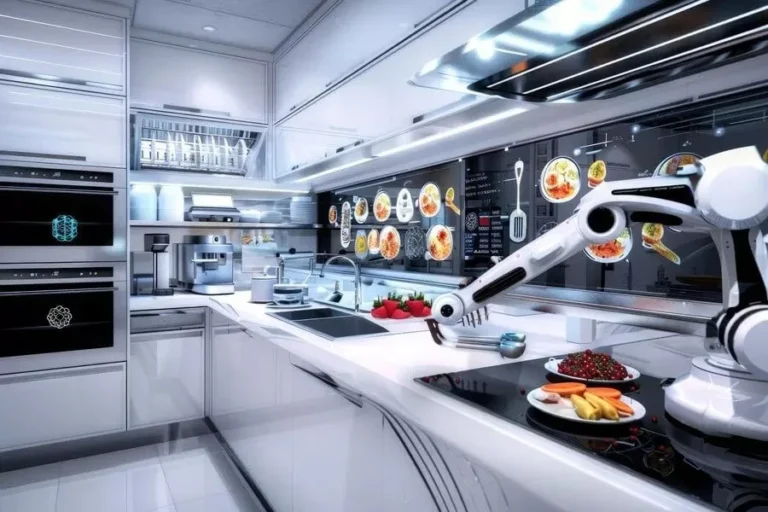
Let’s be real: technology can be intimidating. But when it comes to energy savings, smart kitchen tech is a game-changer. It’s not about replacing your entire kitchen with robots (though, let’s be honest, that would be cool). It’s about using simple, affordable tools to monitor and reduce energy use during peak hours.
So, what kind of tech should you consider? Let’s start with the basics:
- Smart thermostats: Smart thermostats let you control your HVAC system remotely, set schedules, and monitor energy use. Some even learn your habits and adjust the temp automatically. (If your restaurant doesn’t have a smart thermostat, consider upgrading, it’s a small investment that pays off quickly.)
- Energy monitors: Energy monitors track your restaurant’s energy use in real time, so you can see exactly where your power is going. Some even send alerts when energy use spikes, so you can take action before it becomes a problem. (This is especially useful for identifying energy vampires, like equipment that’s left on overnight.)
- Smart plugs and switches: Smart plugs and switches let you control equipment remotely, so you can turn things off when they’re not in use. For example, you can use a smart plug to turn off the coffee maker at night or a smart switch to turn off the dining room lights after closing. (This is also a great way to prevent phantom energy use, the energy that’s wasted when equipment is left in standby mode.)
- Automated lighting: Automated lighting systems use sensors and timers to turn lights on and off automatically. For example, you can set the dining room lights to dim at sunset or the kitchen lights to turn off when the last staff member leaves. (This is a great way to save energy without sacrificing convenience.)
- Smart appliances: Some newer appliances come with energy-saving features, like automatic shut-off or energy-efficient modes. If you’re in the market for new equipment, look for models with these features, they can pay for themselves in energy savings.
Here’s a pro tip I learned from a tech-savvy chef: use a “energy dashboard” to track your savings. Many energy monitors come with dashboards that show your energy use in real time, so you can see exactly how much you’re saving. Display the dashboard in the kitchen or break room, and use it to motivate your staff. (This also makes energy savings feel more tangible, people love seeing the numbers go down.)
I know what you’re thinking: “Sammy, this all sounds great, but what if I’m not tech-savvy?” Fair question. The good news is, you don’t need to be a tech expert to use smart kitchen tech. Most of these tools are designed to be user-friendly, and many come with customer support. Start small, try a smart thermostat or an energy monitor, and see how it goes. If it works, you can always add more tech later.
10. The Long Game: How to Plan for Energy Savings Beyond Peak Hours
Here’s the thing about energy savings: it’s not just about peak hours. The habits you build during your busiest times will carry over into your off-peak hours, too. And if you’re really serious about saving energy (and money), you’ll want to think about the long game-how to make your restaurant more energy-efficient overall.
So, what does the long game look like? Let’s break it down:
- Upgrade your equipment: If your equipment is old or inefficient, it’s probably costing you more in energy than it’s worth. Consider upgrading to Energy Star-certified models, which use less energy and can pay for themselves in savings. (Pro tip: look for rebates and incentives, many utility companies offer them for energy-efficient upgrades.)
- Invest in renewable energy: Solar panels, wind turbines, and other renewable energy sources can help you reduce your reliance on the grid and save money in the long run. (I know, I know-“but renewable energy is so expensive!” Trust me, I get it. But the cost has come down a lot in recent years, and there are financing options available.)
- Conduct an energy audit: An energy audit is a comprehensive assessment of your restaurant’s energy use. It can help you identify inefficiencies, prioritize upgrades, and create a long-term energy-saving plan. (Many utility companies offer free or discounted audits for small businesses, it’s worth checking out.)
- Train your staff: We talked about this earlier, but it’s worth repeating. Energy savings is a team effort, and the more your staff knows, the more they can help. Make energy efficiency a part of your restaurant’s culture, and it’ll pay off in the long run.
- Monitor your progress: Energy savings isn’t a one-and-done deal. It’s an ongoing process, and the more you monitor your progress, the more you can improve. Use energy monitors, track your bills, and celebrate your successes. (This also keeps your staff motivated and engaged.)
Here’s a trick I learned from a sustainability consultant: set energy-saving goals. For example, challenge your team to reduce energy use by 10% in the next six months. Track your progress, celebrate your successes, and adjust your goals as needed. (This also makes energy savings feel more achievable, people love a good challenge.)
I’ll admit, when I first started thinking about the long game, I felt overwhelmed. There’s so much to consider, equipment, renewable energy, audits, training. But then I realized: you don’t have to do everything at once. Start with the low-hanging fruit (like the hacks we’ve talked about in this guide), and build from there. Every little bit helps, and over time, those small changes add up to big savings.
Putting It All Together: Your Peak-Hour Energy-Saving Plan
Okay, let’s take a step back. We’ve covered a lot of ground in this guide, from staggered preheating to smart thermostats to staff training. If you’re feeling a little overwhelmed, don’t worry. That’s normal. The key is to start small and build from there. You don’t have to implement every hack at once. In fact, trying to do too much too soon is a recipe for burnout (pun intended).
So, where should you start? Here’s a simple, step-by-step plan to help you slash your peak-hour energy use without sacrificing service or quality:
- Assess your current energy use: Before you can save energy, you need to know where it’s going. Review your energy bills, identify your peak hours, and look for patterns. (Pro tip: use an energy monitor to track your use in real time.)
- Pick 2–3 hacks to start with: Don’t try to do everything at once. Pick 2–3 hacks that seem doable and focus on those. For example, you might start with staggered preheating and lowering the fryer temp. Once you’ve mastered those, you can add more.
- Train your staff: Energy savings is a team effort. Train your staff on the hacks you’ve chosen, and make it easy for them to follow through. (Pro tip: use signs, timers, and reminders to keep energy savings top of mind.)
- Monitor your progress: Track your energy use and bills to see how much you’re saving. Celebrate your successes, and adjust your plan as needed. (This also keeps your staff motivated and engaged.)
- Expand your efforts: Once you’ve mastered the basics, start thinking about the long game. Consider upgrades, renewable energy, and audits to take your energy savings to the next level.
Here’s the thing: energy savings isn’t a one-time project. It’s an ongoing process, and the more you focus on it, the more you’ll save. But don’t let that intimidate you. Every little bit helps, and over time, those small changes add up to big savings. And the best part? You’ll be doing your part to reduce your restaurant’s environmental impact, too.
I’ll be honest: when I first started focusing on energy savings, I didn’t think it would make a big difference. I figured it was just a drop in the bucket compared to my other expenses. But after implementing a few of these hacks, I saw real results. Our energy bills dropped, our equipment lasted longer, and our staff was more engaged. And the best part? Our food didn’t suffer one bit. In fact, some of our regulars even commented that our fries tasted better after we lowered the fryer temp.
So, what’s next? It’s up to you. You can keep doing what you’re doing and hope for the best, or you can take action and start saving energy (and money) during peak hours. The choice is yours. But if you ask me, the answer is clear: it’s time to get serious about energy savings. Your wallet (and the planet) will thank you.
FAQ: Your Peak-Hour Energy Questions, Answered
Q: How much can I really save by implementing these energy-saving hacks?
A: It depends on your restaurant’s size, equipment, and current energy use, but most restaurants see savings of 10%–30% on their energy bills after implementing these hacks. For example, one mid-sized restaurant in Nashville saved over $2,000 per year just by staggering their preheating and lowering their fryer temp. The key is to start small and build from there, every little bit helps.
Q: Won’t lowering the temp on my fryer or oven affect the quality of my food?
A: Not if you do it right. The key is to test everything before making changes. For example, lower the fryer temp by 5 degrees and see if the food still comes out crispy. If it does, lower it another 5 degrees. Keep going until you find the sweet spot where the food is still delicious but the energy use is low. Most restaurants find they can lower the temp more than they think without sacrificing quality.
Q: My staff is already stretched thin during peak hours. How can I expect them to focus on energy savings?
A: Energy savings doesn’t have to be a burden, it can actually improve your workflow. For example, staggering preheating can reduce equipment strain, and batch cooking can save time. The key is to make energy savings part of your restaurant’s culture. Train your staff, lead by example, and make it easy for them to follow through. Over time, energy-saving habits will become second nature.
Q: What’s the easiest energy-saving hack to implement right now?
A: The easiest hack is to stagger your preheating. Instead of turning on every piece of equipment at once, stagger the start times by 15–30 minutes. This reduces your peak demand charges and extends the life of your equipment. It takes almost no effort to implement, and the savings add up quickly. Give it a try, you’ll be surprised by how much of a difference it makes.
@article{energy-saving-hacks-for-peak-hours-in-restaurants-slash-costs-without-sacrificing-service,
    title   = {Energy-Saving Hacks for Peak Hours in Restaurants: Slash Costs Without Sacrificing Service},
    author  = {Chef's icon},
    year    = {2026},
    journal = {Chef's Icon},
    url     = {https://chefsicon.com/energy-saving-hacks-for-peak-hours-in-restaurants/}
}