The Best Fluffy Pancakes recipe you will fall in love with. Full of tips and tricks to help you make the best pancakes.
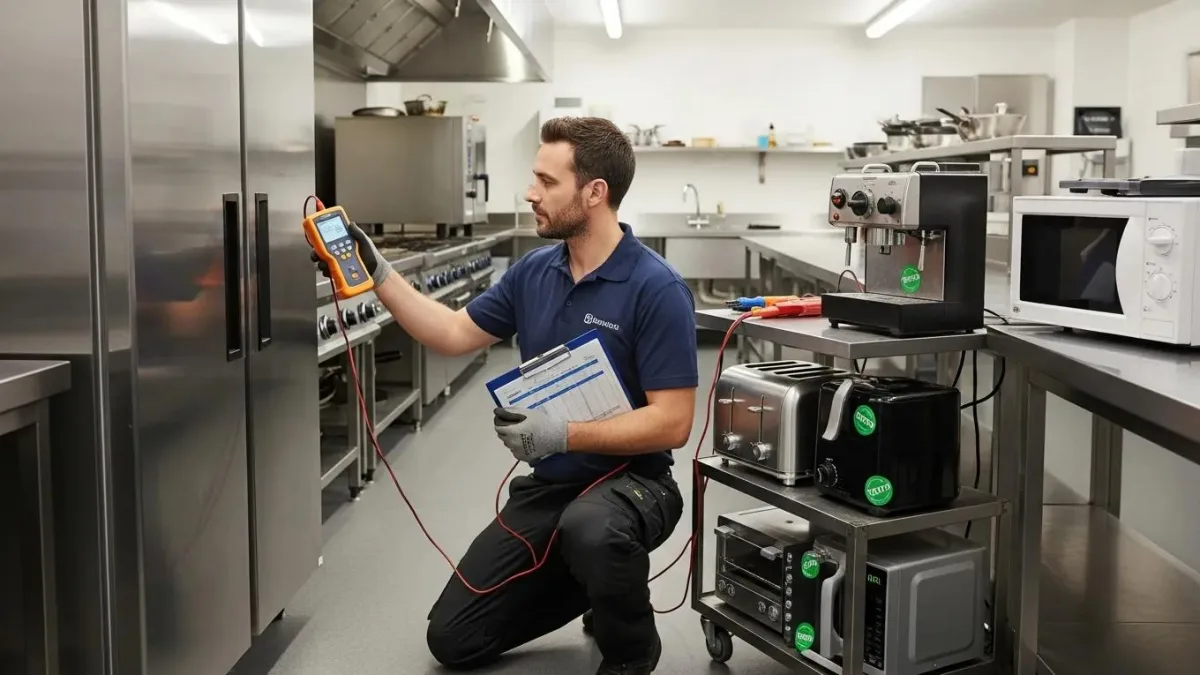
Let me tell you something that keeps restaurant owners up at night, energy bills. Not food costs, not staffing shortages, but those relentless monthly statements from the utility company that seem to climb higher every season. I remember walking into a bustling Nashville diner last summer, the kind with vinyl booths and a jukebox in the corner, only to hear the owner mutter under his breath about “another $1,200 bill” while flipping pancakes. That’s when it hit me: most of us in the food service industry treat energy like some mysterious force we can’t control. But here’s the truth-a commercial kitchen energy audit isn’t just some bureaucratic checkbox. It’s your secret weapon against waste, inefficiency, and those budget-busting surprises.
Now, I’m not gonna lie, when I first started researching this topic, I assumed an energy audit was just some guy in a hard hat poking around your walk-in freezer with a clipboard. Oh, how wrong I was. This process is equal parts detective work, engineering, and financial strategy. And the best part? You don’t need to be an HVAC expert to make it work for your kitchen. What you doeed is curiosity, a willingness to question how things have “always been done,” and maybe a little patience for spreadsheets (or at least someone on your team who enjoys them).
In this guide, I’m walking you through every single step of conducting a commercial kitchen energy audit, from the pre-audit prep that most guides skip to the post-audit actions that actually move the needle. We’ll cover the equipment you didn’t realize was draining your profits, the behavioral tweaks that add up faster than you’d think, and even how to sell these changes to your team (because let’s face it, no one likes being told to “stop leaving the fridge door open”). By the end, you’ll have a roadmap that’s worked for food trucks, Michelin-starred restaurants, and everything in between. And who knows? You might just find yourself looking forward to your next utility bill, well, maybe not looking forward to it, but at least not dreading it like a root canal.
So grab a coffee (or something stronger, depending on how your last energy bill looked), and let’s dive in. First question: When was the last time you actually read your utility statement instead of just paying it?
Why Bother With a Commercial Kitchen Energy Audit Anyway?
Before we get into the nitty-gritty, let’s address the elephant in the room: Is this really worth the time? I get it. You’ve got health inspections to prep for, staff to train, menus to update, and about a hundred other fires to put out before lunch service. The idea of adding “energy audit” to your to-do list probably feels like signing up for a marathon when you’re already winded from the sprint. But here’s what changed my mind, and what I hope will change yours.
Last year, I shadowed a team conducting a commercial kitchen energy audit at a mid-sized catering company in East Nashville. The owner, Maria, was skeptical. “We’re not some corporate chain with money to burn on fancy consultants,” she told me, wiping flour off her hands. Three weeks later, after implementing just a few of the audit’s recommendations, her monthly energy costs dropped by 22%. That’s not a typo-twenty-two percent. For a business operating on razor-thin margins, that was the difference between scraping by and actually turning a profit. And here’s the kicker: most of the changes didn’t cost her a dime. They were about behavior, not hardware.
But the benefits go beyond the balance sheet. A well-executed energy audit can:
- Extend the life of your equipment by identifying issues before they become catastrophic failures (imagine your reach-in fridge dying mid-dinner rush, yeah, no thanks).
- Improve food safety by ensuring your refrigeration and cooking equipment is operating at peak efficiency (no one wants to explain to the health inspector why your walk-in is warmer than it should be).
- Boost staff morale by creating a more comfortable working environment (ever tried cooking in a kitchen that feels like a sauna? Your line cooks haven’t forgotten).
- Enhance your brand by demonstrating a commitment to sustainability (customers notice this stuff, especially the younger crowd).
Still not convinced? Let me put it this way: Ignoring your energy use is like leaving money on the table every single day. And not just a few dollars, we’re talking hundreds, sometimes thousands, depending on the size of your operation. So ask yourself: Can you afford ot to do this?
Now, I’m not saying this process is going to be a walk in the park. There will be spreadsheets. There will be moments of frustration when you realize your “energy-efficient” fryer is actually a gas-guzzling monster. There might even be some tough conversations with staff about changing long-standing habits. But here’s the thing: Every minute you spend on this audit is an investment in your business’s future. And unlike some investments, this one starts paying dividends almost immediately.
Pre-Audit Prep: What You Need Before You Start
Gather Your Utility Bills (And Actually Read Them)
I’ll admit it, I used to toss my utility bills into a drawer without a second glance. They were just another expense, like rent or insurance, something I paid without really understanding. But when I started digging into energy audits, I realized those bills are goldmines of information. They’re not just telling you how much you owe; they’re telling you how and when you’re using energy.
For a proper commercial kitchen energy audit, you’ll need at least 12 months of utility statements. Why a full year? Because energy use in a commercial kitchen isn’t static, it fluctuates with the seasons, with your menu, even with how busy you are. A summer in Nashville is a whole different beast than a winter in Nashville, energy-wise. Here’s what to look for in those bills:
- Usage patterns: Are there spikes during certain months? Certain days of the week? (Hint: If your energy use jumps every Friday night, you might want to investigate what’s happening during your busiest shift.)
- Demand charges: These are fees based on your highest level of energy use during a billing cycle. They can account for up to 50% of your bill, so don’t ignore them.
- Rate structures: Are you on a flat rate, or do you have time-of-use pricing? If it’s the latter, you might be able to save money by shifting some of your energy-intensive tasks to off-peak hours.
- Hidden fees: Some utilities charge extra for things like power factor penalties (a measure of how efficiently your equipment uses electricity). If you see these, it’s a red flag that something in your kitchen isn’t running as efficiently as it could be.
Pro tip: If your bills are confusing (and let’s be real, most of them are), call your utility company and ask for a breakdown. Some even offer free energy assessments for commercial customers. It’s worth the 10-minute phone call.
Map Out Your Kitchen (Like You’re Planning a Heist)
Remember those old movies where thieves would map out a bank before a heist? That’s basically what you’re doing here, except instead of stealing money, you’re saving it. You need a detailed layout of your kitchen, including:
- All equipment: List every piece of equipment that uses energy, ovens, fryers, grills, refrigerators, freezers, ice machines, dishwashers, even those little countertop appliances like blenders and coffee makers. Don’t forget the “invisible” stuff like exhaust hoods, ventilation systems, and water heaters.
- Age and condition: Note how old each piece of equipment is and whether it’s been well-maintained. A 15-year-old reach-in fridge might still be chugging along, but it’s probably costing you a fortune in energy compared to a newer model.
- Usage patterns: When is each piece of equipment used? How long does it run each day? Is it left on overnight, or turned off between services?
- Location: Where is each piece of equipment situated in relation to others? For example, is your walk-in freezer next to your pizza oven? (Spoiler: That’s a bad idea.)
You don’t need fancy software for this, good old-fashioned graph paper or a simple digital floor plan will do. The goal is to create a visual representation of your kitchen’s energy ecosystem. Once you have it, you’ll start to see patterns and inefficiencies you never noticed before. Like, why is your ice machine right next to your fryer? Or why is your walk-in fridge in the hottest corner of the kitchen?
I’ll never forget the first time I did this for my friend’s food truck. We realized his generator was running at full tilt all day, even during slow periods, because he had no way to monitor its output. A simple $20 plug-in energy monitor later, and he was saving $150 a month. That’s the power of mapping.
Assemble Your Dream Team (Or at Least a Functional One)
You can’t do this alone. Well, you can, but it’ll be a lot harder and less effective. A good commercial kitchen energy audit requires input from multiple perspectives. Here’s who you should loop in:
- Your chef or kitchen manager: They know the equipment inside and out, the quirks, the workarounds, the things that drive them crazy. They’ll also be the ones implementing any changes, so their buy-in is crucial.
- Your maintenance person (or team): If you have someone who handles repairs and upkeep, they’re your secret weapon. They know which pieces of equipment are on their last legs and which ones are energy hogs.
- A front-of-house representative: Someone who interacts with customers can give you insight into how energy use affects the dining experience. For example, are customers complaining about the dining room being too hot or too cold? That’s a clue that your HVAC system might need attention.
- An energy auditor (optional but highly recommended): If you can afford it, hiring a professional energy auditor can save you time and uncover issues you might miss. Look for someone with experience in commercial kitchens, they’ll understand the unique challenges of your space.
If you’re a small operation and can’t afford a professional auditor, don’t worry. There are plenty of resources out there to help you DIY this. The Department of Energy, for example, offers free tools and guides for conducting your own energy audit. And honestly, sometimes the best insights come from the people who work in your kitchen every day. They might not know the technical terms, but they know that the fryer takes forever to heat up or that the walk-in fridge ices over every other week.
Set Your Goals (Because “Save Money” Isn’t Specific Enough)
Before you start poking around your kitchen with a flashlight and a clipboard, take a step back and ask yourself: What do I actually want to get out of this audit? If your answer is “save money,” that’s a great start, but it’s not specific enough. You need clear, measurable goals. Here are a few examples:
- Reduce energy costs by 15% within six months.
- Identify and replace at least two pieces of inefficient equipment.
- Lower demand charges by 20% by shifting energy-intensive tasks to off-peak hours.
- Improve the comfort of the kitchen environment for staff.
- Reduce our carbon footprint by 10%.
Your goals will shape the rest of the audit. For example, if your primary goal is to reduce demand charges, you’ll focus more on peak usage times and how to spread out your energy load. If you’re more concerned about staff comfort, you’ll pay closer attention to your HVAC system and ventilation.
Write your goals down and keep them somewhere visible during the audit. It’s easy to get bogged down in the details and lose sight of the bigger picture. Every time you feel overwhelmed, take a step back and ask: How does this finding relate to my goals?
Oh, and one more thing, be realistic. If your kitchen is a 30-year-old relic with original equipment, you’re not going to cut your energy use in half overnight. But you can make meaningful progress, and that’s what matters.
The Step-by-Step Commercial Kitchen Energy Audit Process
Step 1: The Walkthrough (Or, How to Play Detective in Your Own Kitchen)
Alright, it’s time to put on your detective hat. The walkthrough is where you’ll start to see your kitchen with fresh eyes-ot as a place where you make food, but as a system that consumes energy. Your goal here is to observe, question, and document everything. And I mean everything.
Start by walking through your kitchen during a slow period, when you can take your time without disrupting service. Bring your floor plan, a notebook, and a camera (or your phone). Here’s what to look for:
- Equipment in use: What’s running right now? Is it supposed to be running? I’ve seen kitchens where the fryer is left on all day, even when it’s not in use, just because no one thought to turn it off.
- Equipment not in use: Is anything left on unnecessarily? Coffee makers, blenders, even lights, these little things add up.
- Temperature and airflow: How does the kitchen feel? Are there hot spots? Cold spots? Is the air stagnant, or is there a good flow? Poor airflow can make your HVAC system work harder than it needs to.
- Lighting: Are there areas that are overlit? Underlit? Are you using energy-efficient bulbs? (Spoiler: If you’re still using incandescent bulbs, you’re basically burning money.)
- Refrigeration: Are the doors on your fridges and freezers closing properly? Is there frost buildup? Are the seals intact? A fridge with a bad seal is like leaving the door open all day.
- Water use: Are there leaks? Is the water running when it shouldn’t be? A dripping faucet might seem minor, but it can waste hundreds of gallons of water (and the energy to heat it) over time.
- Staff behavior: How are your employees interacting with the equipment? Are they leaving doors open, overfilling pots, or preheating ovens longer than necessary? These habits can have a big impact on your energy use.
Take notes on everything, even if it seems insignificant. You never know what might turn out to be important. And don’t be afraid to ask questions. If you see a line cook preheating the oven an hour before service, ask why. Maybe there’s a good reason (like the oven takes forever to heat up), or maybe it’s just a habit that’s wasting energy.
Pro tip: Do a second walkthrough during a busy period. Your kitchen’s energy use looks very different at 7 p.m. on a Saturday than it does at 2 p.m. on a Tuesday. You might notice that your exhaust hoods are running at full blast even when they’re not needed, or that your walk-in fridge is struggling to keep up with the demand.
Step 2: The Equipment Deep Dive (Or, Why Your Fryer Might Be a Money Pit)
Now that you’ve done your initial walkthrough, it’s time to dive deeper into your equipment. This is where the real detective work begins. You’re not just looking at what’s running, you’re looking at how efficiently it’s running.
Start by making a list of all your major equipment. For each piece, gather the following information:
- Make and model: This will help you research the equipment’s energy efficiency and compare it to newer models.
- Age: Older equipment is almost always less efficient than newer models. If something is more than 10 years old, it’s probably costing you more to run than it’s worth.
- Maintenance history: Has the equipment been well-maintained? Are there any recurring issues? Poorly maintained equipment runs less efficiently and is more likely to break down.
- Usage patterns: How often is the equipment used? How long does it run each day? Is it left on overnight?
- Energy source: Is it electric, gas, or steam? Some energy sources are more efficient (and cheaper) than others, depending on your location and utility rates.
Once you have this information, it’s time to start evaluating. Here are a few key things to look for:
- Energy Star ratings: If your equipment is Energy Star certified, it meets strict energy efficiency guidelines set by the EPA. If it’s not, it might be time for an upgrade.
- Idle energy use: Some equipment, like fryers and ovens, use a surprising amount of energy even when they’re not in use. Look for equipment with low idle energy use or features like automatic shut-off.
- Heat recovery: Some newer equipment is designed to capture and reuse heat that would otherwise be wasted. For example, a heat recovery system on your exhaust hood can preheat water or air, reducing your overall energy use.
- Insulation: Poorly insulated equipment loses heat, which means it has to work harder to maintain the right temperature. Check the insulation on your ovens, fryers, and even your hot water pipes.
Let me tell you about a piece of equipment that’s often overlooked but can be a huge energy hog: the commercial fryer. I once audited a diner where the fryer was using more energy than the entire rest of the kitchen combined. Why? Because it was old, poorly maintained, and left on all day. The owner thought he was saving time by not turning it off between services, but he was actually wasting hundreds of dollars a month. A simple timer and some maintenance later, and his energy use dropped by 30%.
Another common culprit? Refrigeration. Walk-in fridges and freezers are some of the biggest energy users in a commercial kitchen. Look for things like:
- Dirty condenser coils (they should be cleaned regularly to maintain efficiency).
- Poor door seals (if you can slide a piece of paper between the door and the frame, the seal needs to be replaced).
- Frost buildup (this is a sign that the defrost system isn’t working properly).
- Overcrowding (if the fridge is packed too tightly, air can’t circulate properly, and the unit has to work harder).
Don’t forget about your HVAC system. It’s easy to overlook because it’s not directly involved in food prep, but it can account for a significant portion of your energy use. Look for things like:
- Dirty air filters (they should be changed regularly).
- Leaky ducts (if air is escaping, your system has to work harder to maintain the right temperature).
- Poor insulation (if your kitchen isn’t well-insulated, your HVAC system has to work overtime).
- Thermostat settings (are you heating or cooling your kitchen more than necessary?).
Step 3: The Data Dive (Or, How to Turn Numbers Into Insights)
Alright, you’ve done your walkthrough, you’ve inspected your equipment, and now you have a mountain of notes. What do you do with all this information? It’s time to crunch the numbers.
First, gather all your data in one place. This could be a spreadsheet, a notebook, or even a whiteboard, whatever works for you. The goal is to organize your findings so you can start to see patterns. Here’s what to include:
- Energy use by equipment: How much energy does each piece of equipment use? You can find this information in the equipment’s manual or by using an energy monitor. If you don’t have an energy monitor, you can estimate based on the equipment’s wattage and how long it runs each day.
- Energy use by time of day: When are your peak energy use times? This will help you identify opportunities to shift energy-intensive tasks to off-peak hours.
- Energy use by day of the week: Are there certain days when your energy use spikes? This could be due to menu changes, special events, or staffing patterns.
- Energy use by season: How does your energy use change with the seasons? This can help you identify opportunities to improve insulation, adjust thermostat settings, or optimize your HVAC system.
Once you have all this data, it’s time to start analyzing. Look for trends and anomalies. For example:
- Is your energy use higher on weekends? Maybe you’re running more equipment or leaving things on longer.
- Does your energy use spike in the summer? Maybe your HVAC system is struggling to keep up with the heat.
- Is there a piece of equipment that’s using more energy than it should? Maybe it’s old, poorly maintained, or just inefficient.
Here’s where things get interesting. Let’s say you notice that your energy use spikes every Friday night. What’s happening during that shift? Are you running more equipment? Are you leaving things on longer? Is your staff less diligent about turning things off? Once you identify the cause, you can start to brainstorm solutions. Maybe you can stagger your equipment use, or train your staff to be more energy-conscious.
Another example: Let’s say your energy use is higher in the summer. What’s causing that? Is it your HVAC system? Maybe you can improve your insulation, adjust your thermostat settings, or install shades to block out the sun. Is it your refrigeration? Maybe you can add strip curtains to your walk-in fridge to keep the cold air in.
The key here is to connect the dots. Your data is telling you a story, your job is to figure out what that story is and how to change the ending.
Step 4: The Behavioral Audit (Or, Why Your Staff Might Be Your Biggest Energy Problem)
Here’s a hard truth: Even the most energy-efficient equipment in the world won’t save you money if your staff isn’t using it properly. I’ve seen kitchens with top-of-the-line Energy Star appliances that were wasting more energy than a diner with 30-year-old equipment. Why? Because the staff didn’t know how to use them efficiently.
This is where the behavioral audit comes in. You need to observe how your staff interacts with your equipment and identify opportunities for improvement. Here’s what to look for:
- Preheating: Are your staff preheating ovens and fryers longer than necessary? Many pieces of equipment don’t need as much preheating time as people think.
- Door discipline: Are your staff leaving fridge and freezer doors open? Are they propping them open with boxes or other objects? This is a huge energy waster.
- Equipment left on: Are your staff leaving equipment on when it’s not in use? This is especially common with things like coffee makers, blenders, and even lights.
- Overfilling: Are your staff overfilling pots and pans? This can make your equipment work harder and use more energy.
- Water use: Are your staff leaving the water running when it’s not needed? Are they using more water than necessary for tasks like rinsing or cleaning?
- Thermostat settings: Are your staff adjusting the thermostat to make themselves more comfortable? This can lead to unnecessary heating or cooling.
Don’t assume that your staff knows the most efficient way to use your equipment. Many of them have worked in other kitchens where energy efficiency wasn’t a priority, and they’ve developed habits that might not be optimal. The good news is that small changes in behavior can lead to big energy savings.
Here’s an example: I once audited a pizza place where the staff was preheating the oven for an hour before service. Why? Because that’s what they’d always done. When I asked them to time how long it actually took the oven to reach the right temperature, they were shocked to find out it only took 20 minutes. By cutting their preheating time in half, they saved hundreds of dollars a year.
Another example: A café I worked with had a habit of leaving their blenders running for long periods, even when they weren’t in use. A simple reminder to turn them off between uses saved them $50 a month.
The key here is to involve your staff in the process. Don’t just tell them what to do, explain why it’s important and how it benefits them. For example, if you’re asking them to be more diligent about closing fridge doors, explain that it will help the fridge run more efficiently, which means it won’t break down as often. If you’re asking them to adjust their preheating habits, explain that it will save money, which could lead to bonuses or other benefits.
You might also consider appointing an energy champion-someone on your staff who’s responsible for promoting energy efficiency. This person can remind their coworkers to turn things off, report equipment issues, and even come up with their own energy-saving ideas.
Step 5: The Benchmarking (Or, How Your Kitchen Stacks Up Against the Competition)
You know how you’re always comparing your restaurant to the one down the street? Well, it’s time to do the same thing with your energy use. Benchmarking is the process of comparing your energy use to similar businesses to see how you stack up. This can help you identify opportunities for improvement and set realistic goals.
Here’s how to do it:
- Find comparable businesses: Look for businesses that are similar to yours in size, type, and location. For example, if you’re a mid-sized Italian restaurant in Nashville, you’ll want to compare yourself to other mid-sized Italian restaurants in the area.
- Gather energy data: You’ll need at least 12 months of energy data for your business and the businesses you’re comparing yourself to. If you don’t have this information, you can estimate based on your utility bills.
- Calculate your energy use intensity (EUI): EUI is a measure of how much energy your business uses per square foot. To calculate it, divide your total energy use (in kWh or therms) by your total square footage. This will give you a number that you can compare to other businesses.
- Compare your EUI to industry averages: The Department of Energy and other organizations publish EUI benchmarks for different types of businesses. Compare your EUI to these benchmarks to see how you stack up.
Let’s say you calculate your EUI and find out that it’s 20% higher than the industry average. What does that mean? It means you’re using more energy than similar businesses, which suggests there’s room for improvement. Maybe your equipment is less efficient, or maybe your staff isn’t using it properly. Either way, it’s a sign that you should dig deeper.
Benchmarking can also help you set goals. If the industry average EUI for your type of business is 150 kWh/sq ft/year, and yours is 200, you might set a goal to reduce it to 175 within a year. This gives you a concrete target to work toward.
Here’s the thing about benchmarking: It’s not about being the best, it’s about being better. You don’t need to have the lowest EUI in your industry to make a difference. Even small improvements can add up to big savings.
Step 6: The Low-Hanging Fruit (Or, How to Save Money Without Spending Money)
Now that you’ve gathered all this data, it’s time to start making changes. And the best place to start? The low-hanging fruit-the changes that are easy and inexpensive but can still make a big impact.
Here are some examples of low-hanging fruit in a commercial kitchen:
- Adjust thermostat settings: Are you heating or cooling your kitchen more than necessary? A few degrees can make a big difference in your energy use.
- Turn off equipment when it’s not in use: This might seem obvious, but it’s amazing how often equipment is left on unnecessarily. Coffee makers, blenders, even lights, these little things add up.
- Improve door discipline: Are your staff leaving fridge and freezer doors open? Are they propping them open with boxes or other objects? This is a huge energy waster.
- Optimize preheating times: Many pieces of equipment don’t need as much preheating time as people think. Experiment to find the shortest preheating time that still gets the job done.
- Fix leaks: A dripping faucet or a leaky pipe might seem minor, but it can waste hundreds of gallons of water (and the energy to heat it) over time.
- Clean equipment regularly: Dirty equipment runs less efficiently. Make sure your staff is cleaning equipment like fryers, ovens, and refrigerators regularly.
- Use lids on pots and pans: This might seem like a small thing, but it can make a big difference in how quickly your food cooks, which means less energy use.
- Shift energy-intensive tasks to off-peak hours: If your utility company offers time-of-use pricing, you can save money by shifting tasks like dishwashing or baking to off-peak hours.
Let me tell you about a restaurant I audited in Memphis. The owner was convinced that he needed to replace all his equipment to save energy. But when we dug into the data, we realized that most of his energy waste was due to simple behavioral issues. His staff was leaving the fryer on all day, even when it wasn’t in use. They were propping open the walk-in fridge door with a box. They were preheating the oven for an hour before service. By addressing these issues, we were able to reduce his energy use by 15% without spending a dime on new equipment.
The key here is to start small. Don’t try to tackle everything at once. Pick one or two low-hanging fruit items and focus on those. Once you’ve made progress, you can move on to bigger changes.
Step 7: The Big Ticket Items (Or, When It’s Time to Open Your Wallet)
Okay, so you’ve picked all the low-hanging fruit. Now what? It’s time to start thinking about the big ticket items-the changes that require an upfront investment but can lead to significant long-term savings.
Here are some examples of big ticket items in a commercial kitchen:
- Upgrade to Energy Star equipment: If your equipment is old or inefficient, upgrading to Energy Star-certified models can lead to big energy savings. This is especially true for major energy users like refrigerators, fryers, and ovens.
- Install a heat recovery system: A heat recovery system captures waste heat from your exhaust hood and uses it to preheat water or air. This can reduce your overall energy use by up to 30%.
- Improve your insulation: Poor insulation can make your HVAC system work harder than it needs to. Adding insulation to your walls, ceiling, and even your hot water pipes can lead to significant energy savings.
- Upgrade your lighting: If you’re still using incandescent or fluorescent bulbs, upgrading to LED lighting can reduce your lighting energy use by up to 75%.
- Install variable speed drives (VSDs): VSDs allow your equipment to run at different speeds depending on the demand. This can lead to significant energy savings, especially for equipment like exhaust fans and refrigeration compressors.
- Upgrade your HVAC system: If your HVAC system is old or inefficient, upgrading to a newer, more efficient model can lead to big energy savings. Look for models with a high SEER (Seasonal Energy Efficiency Ratio) rating.
Now, I know what you’re thinking: “This all sounds expensive.” And you’re right, it can be. But here’s the thing: These investments pay for themselves over time. Let’s say you spend $5,000 on a new Energy Star-certified fridge. If it saves you $100 a month in energy costs, it will pay for itself in just over four years. And after that, it’s pure savings.
Plus, there are often incentives available to help offset the cost. Many utility companies offer rebates for energy-efficient equipment, and there are federal and state tax credits available for certain upgrades. Do your research, you might be surprised at how much you can save.
Here’s an example: A catering company I worked with in Chattanooga was able to secure a $2,000 rebate from their utility company for upgrading to Energy Star-certified refrigeration. Combined with the energy savings, the new equipment paid for itself in just three years.
The key here is to prioritize. Not all big ticket items are created equal. Some will give you a bigger bang for your buck than others. Use the data from your audit to identify the upgrades that will give you the best return on investment.
Step 8: The Implementation Plan (Or, How to Actually Make This Happen)
You’ve done your audit, you’ve identified your opportunities, and now it’s time to make it happen. But how? Where do you start? And how do you ensure that your changes stick?
This is where the implementation plan comes in. A good implementation plan is like a roadmap, it tells you where you’re going and how you’re going to get there. Here’s how to create one:
- Prioritize your opportunities: Not all changes are created equal. Some will give you a bigger bang for your buck than others. Use the data from your audit to prioritize your opportunities. Focus on the changes that will give you the best return on investment.
- Set a timeline: When do you want to implement each change? Some changes, like behavioral tweaks, can be implemented immediately. Others, like equipment upgrades, might take weeks or even months.
- Assign responsibilities: Who is responsible for implementing each change? Make sure everyone knows what they’re responsible for and when it needs to be done.
- Set milestones: Break your implementation plan into smaller, manageable chunks. Set milestones for each phase of the plan, and celebrate when you reach them.
- Monitor progress: How will you track your progress? Will you review your utility bills each month? Will you conduct regular walkthroughs to ensure that your changes are sticking?
- Adjust as needed: Your implementation plan isn’t set in stone. If something isn’t working, don’t be afraid to adjust your approach.
Let’s say you’ve identified three opportunities from your audit:
- Upgrade to LED lighting (low cost, high impact).
- Install a heat recovery system (high cost, high impact).
- Train staff on energy-efficient behaviors (no cost, medium impact).
Here’s how you might prioritize and implement these changes:
- Month 1: Train staff on energy-efficient behaviors. This is a no-brainer, it doesn’t cost anything, and it can start saving you money immediately.
- Month 2: Upgrade to LED lighting. This is a low-cost change that can lead to significant energy savings. Plus, it’s a visible change that can help build momentum for your energy-saving efforts.
- Months 3-6: Research and install a heat recovery system. This is a bigger project, so it will take more time and planning. Start by getting quotes from contractors, then apply for any available rebates or incentives. Once you’ve secured funding, schedule the installation.
The key here is to start small and build momentum. Don’t try to tackle everything at once. Focus on the low-hanging fruit first, then move on to bigger changes. And don’t forget to celebrate your successes along the way, it will help keep your team motivated.
Step 9: The Follow-Up (Or, How to Ensure Your Changes Stick)
You’ve done the hard work, you’ve conducted your audit, identified your opportunities, and implemented your changes. Now what? Do you just sit back and enjoy the savings? Not quite. The follow-up is just as important as the audit itself.
Here’s why: Energy efficiency isn’t a one-time project, it’s an ongoing process. Your kitchen is a dynamic environment. Equipment breaks down, staff turnover, menus change. If you don’t stay on top of it, your energy use can creep back up over time.
So how do you ensure that your changes stick? Here are a few strategies:
- Monitor your energy use: Keep an eye on your utility bills. Are your energy costs going down? If not, it might be a sign that your changes aren’t sticking or that there are other issues you need to address.
- Conduct regular walkthroughs: Schedule regular walkthroughs to ensure that your changes are being implemented. Are your staff still leaving the fridge door open? Are they still preheating the oven for too long? If not, it might be time for a refresher training.
- Train new staff: As staff turnover, make sure you’re training new employees on your energy-efficient practices. Don’t assume that they’ll pick it up on their own.
- Review your equipment: Regularly review your equipment to ensure that it’s running efficiently. Are there any new issues that need to be addressed? Are there any new opportunities for improvement?
- Stay up to date on new technologies: Energy efficiency is a rapidly evolving field. New technologies and best practices are emerging all the time. Stay up to date on the latest developments, and be open to new opportunities for improvement.
Let me tell you about a restaurant I worked with in Knoxville. They conducted a commercial kitchen energy audit, implemented a bunch of changes, and saw their energy costs drop by 20%. But a year later, their energy use was back to where it started. Why? Because they didn’t follow up. Their staff had reverted to their old habits, and their equipment had started to break down. By the time they realized what was happening, they’d lost all their savings.
Don’t let this happen to you. Energy efficiency is a journey, not a destination. It requires ongoing effort and attention. But if you stay on top of it, the rewards are well worth it.
Step 10: The ROI Calculation (Or, How to Prove That This Was Worth It)
Alright, you’ve done the audit, you’ve implemented your changes, and you’re starting to see the savings. Now it’s time to prove that this was worth it. This is where the ROI (return on investment) calculation comes in.
Calculating ROI is simple. Here’s the formula:
ROI = (Net Savings / Cost of Investment) x 100
Let’s break it down:
- Net Savings: This is the amount of money you’ve saved as a result of your energy efficiency efforts. To calculate it, subtract your current energy costs from your energy costs before the audit.
- Cost of Investment: This is the total cost of implementing your changes, including any equipment upgrades, training, and labor.
Here’s an example: Let’s say you spent $5,000 on a new Energy Star-certified fridge and staff training. As a result, your energy costs dropped by $1,500 a year. Here’s how you would calculate your ROI:
ROI = ($1,500 / $5,000) x 100 = 30%
This means that for every dollar you invested, you’re getting 30 cents back in savings each year. Not bad, right?
But ROI isn’t just about the money. It’s also about the on-financial benefits of your energy efficiency efforts. For example:
- Improved staff morale: A more comfortable working environment can lead to happier, more productive staff.
- Enhanced brand reputation: Customers appreciate businesses that are committed to sustainability.
- Reduced risk of equipment failure: Well-maintained equipment is less likely to break down, which means less downtime and fewer repair costs.
- Increased equipment lifespan: Energy-efficient equipment tends to last longer, which means you’ll save money on replacements.
When calculating your ROI, don’t forget to factor in these non-financial benefits. They might not show up on your balance sheet, but they’re just as important.
Here’s the thing about ROI: It’s not just a number, it’s a story. It’s the story of how you took control of your energy use, how you made your kitchen more efficient, and how you saved money in the process. And that’s a story worth telling.
What’s Next? (Or, How to Keep the Momentum Going)
So you’ve conducted your commercial kitchen energy audit, you’ve implemented your changes, and you’re starting to see the savings. What’s next? How do you keep the momentum going?
First, take a moment to celebrate your success. Energy efficiency isn’t easy, it takes time, effort, and dedication. You’ve earned the right to pat yourself on the back. Share your success with your team, your customers, even your competitors. The more people know about what you’ve accomplished, the more motivated you’ll be to keep going.
But don’t get complacent. Energy efficiency is an ongoing process, not a one-time project. Here are a few ways to keep the momentum going:
- Set new goals: Now that you’ve made some progress, it’s time to set new goals. Maybe you want to reduce your energy use by another 10%, or maybe you want to tackle a new area of your kitchen. Whatever it is, make sure it’s specific, measurable, and achievable.
- Stay up to date on new technologies: Energy efficiency is a rapidly evolving field. New technologies and best practices are emerging all the time. Stay up to date on the latest developments, and be open to new opportunities for improvement.
- Involve your team: Energy efficiency isn’t a one-person job. It requires the buy-in and participation of your entire team. Keep them involved in the process, and make sure they understand the importance of energy efficiency.
- Share your story: Don’t keep your success to yourself. Share your story with other restaurant owners, your customers, even your local media. The more people know about what you’ve accomplished, the more motivated you’ll be to keep going.
- Consider certification: If you’re really committed to energy efficiency, consider getting your kitchen certified. Programs like the Green Restaurant Association’s certification can help you demonstrate your commitment to sustainability and attract environmentally conscious customers.
Here’s the thing: Energy efficiency isn’t just about saving money, it’s about making your kitchen a better place to work and your business a better place to eat. It’s about creating a more comfortable environment for your staff, a more sustainable business for your community, and a more profitable future for yourself.
So what’s next for you? Maybe it’s time to tackle that old HVAC system. Maybe it’s time to train your staff on new energy-efficient practices. Maybe it’s time to set a new goal and challenge yourself to do even better. Whatever it is, I encourage you to keep going. The rewards are well worth it.
And who knows? Maybe one day, I’ll be sitting in your restaurant, enjoying a meal, and I’ll overhear you telling another owner about how you reduced your energy costs by 30%. And I’ll smile, because I’ll know that you’re part of a growing movement of restaurant owners who are taking control of their energy use, and their futures.
FAQ: Your Burning Questions About Commercial Kitchen Energy Audits
Q: How often should I conduct a commercial kitchen energy audit?
A: Ideally, you should conduct a full energy audit at least once a year. However, you don’t need to wait a full year to make improvements. Regular walkthroughs and check-ins can help you catch issues early and keep your energy use in check. Think of it like a car, you don’t wait until it breaks down to get an oil change. The same goes for your kitchen. A little maintenance goes a long way.
Q: Do I need to hire a professional to conduct an energy audit, or can I do it myself?
A: You can absolutely do a basic energy audit yourself, especially if you’re a small operation with a limited budget. There are plenty of resources available to help you, including guides from the Department of Energy and utility companies. However, if you have a larger kitchen or more complex equipment, it might be worth hiring a professional. They can provide a more detailed analysis and identify opportunities you might miss. Think of it like this: You could probably change your own oil, but a professional mechanic will do a better job, and they might spot other issues while they’re at it.
Q: How much can I realistically save with an energy audit?
A: The amount you can save depends on a lot of factors, including the size of your kitchen, the age of your equipment, and how energy-efficient your practices are to begin with. However, most restaurants can save anywhere from 10% to 30% on their energy costs by implementing the recommendations from an energy audit. And remember, these savings add up over time. A 20% reduction in energy costs could mean thousands of dollars in savings each year, money that goes straight to your bottom line.
Q: What’s the biggest energy waster in a commercial kitchen?
A: It’s hard to pick just one, but if I had to choose, I’d say refrigeration is often the biggest energy waster. Walk-in fridges and freezers are some of the biggest energy users in a commercial kitchen, and they’re often poorly maintained. Things like dirty condenser coils, bad door seals, and frost buildup can make them run less efficiently. But don’t overlook other big energy users, like fryers, ovens, and HVAC systems. The key is to look at your kitchen as a whole and identify the biggest opportunities for improvement.
@article{the-ultimate-step-by-step-guide-to-conducting-a-commercial-kitchen-energy-audit-and-why-it-might-save-your-business,
    title   = {The Ultimate Step-by-Step Guide to Conducting a Commercial Kitchen Energy Audit (And Why It Might Save Your Business)},
    author  = {Chef's icon},
    year    = {2026},
    journal = {Chef's Icon},
    url     = {https://chefsicon.com/commercial-kitchen-energy-audit-step-by-step-guide/}
}