The Best Fluffy Pancakes recipe you will fall in love with. Full of tips and tricks to help you make the best pancakes.
The Hidden Heroes of Restaurant Efficiency: Why the Right Gadgets Can Make or Break Your Workflow
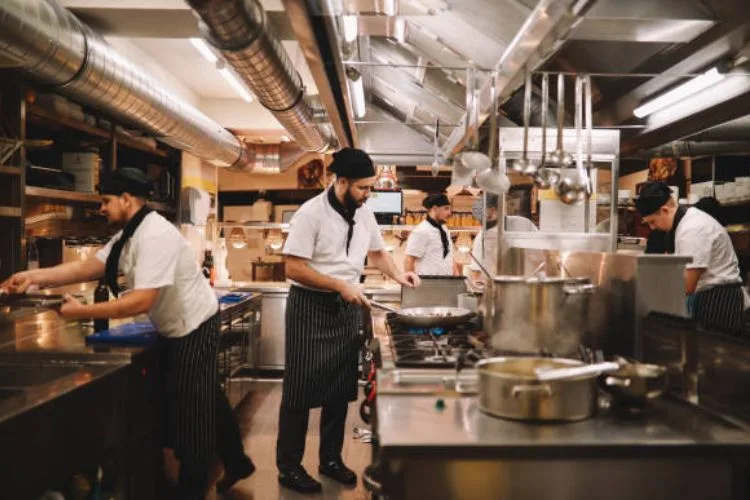
Let me be honest, I didn’t always appreciate the power of a well-placed gadget. Early in my career, I worked a line cook shift at a tiny Bay Area bistro where the chef insisted on doing everything by hand. “Real cooking doesn’t need shortcuts,” he’d say while we peeled 50 pounds of garlic with paring knives. Fast forward to my time consulting for Nashville’s booming restaurant scene, and I’ve seen the other side: kitchens where a single piece of equipment saves hours of labor, prevents burnout, and, here’s the kicker, actually improves food quality. The difference isn’t just about speed; it’s about sustainable workflows that let your team focus on what matters: great food and happy customers.
But here’s the catch: not all gadgets are created equal. I’ve watched restaurants blow thousands on shiny new toys that gather dust because they don’t solve real problems. The key is identifying the pain points in your specific operation, whether it’s prep time, ticket times, or staff turnover, and matching them with tools that integrate seamlessly. In this deep dive, I’ll share the commercial kitchen gadgets that have consistently delivered results across different types of restaurants, from food trucks to fine dining. Some are obvious; others are underrated gems. All of them have one thing in common: they work.
Before we jump in, a quick disclaimer: I’m not here to sell you anything. (Though full disclosure, I do have affiliate relationships with some brands I trust, you’ll see those clearly marked.) My goal is to help you avoid the mistakes I’ve made and the money I’ve wasted. So let’s talk about the gadgets that actually streamline restaurant workflow, why they matter, and how to decide if they’re right for you.
The Psychology of Kitchen Gadgets: Why We Resist (and Why We Shouldn’t)
There’s a weird stigma around kitchen gadgets in professional settings. Maybe it’s the lingering ghost of “back in my day” mentality, or the fear that automation will replace craftsmanship. I get it, I’ve felt that resistance myself. But here’s what changed my mind: watching a line cook at a high-volume Nashville hot chicken spot go from frazzled to focused after they installed a commercial-grade veggie chopper. The difference wasn’t just in the speed; it was in her demeanor. Less stress, fewer mistakes, more energy for the actual cooking.
That’s the thing about workflow gadgets: they’re not about replacing skill. They’re about amplifying it. Think of them like a sous chef who never calls in sick, never complains, and works at a consistent pace. The best ones don’t just save time, they reduce cognitive load, minimize repetitive strain injuries, and free up mental space for creativity. But how do you separate the game-changers from the gimmicks? Let’s break it down.
1. The Prep Revolution: Gadgets That Cut Hours Down to Minutes
If there’s one area where gadgets can make an immediate impact, it’s prep work. I’ve seen restaurants where prep cooks spend 4-5 hours a day on tasks that could be done in 30 minutes with the right tools. The problem? Many chefs underestimate how much time these tasks actually take. It’s not just the chopping or dicing, it’s the setup, cleanup, and the mental fatigue of repetitive motion. Here are the prep gadgets that consistently deliver:
- Commercial Food Processors: Not all processors are created equal. For high-volume kitchens, look for models with at least 3.5 horsepower and a continuous-feed chute. The Robot Coupe R2N is the gold standard here, it can handle everything from slicing potatoes for fries to pureeing gallons of soup. Pro tip: invest in multiple bowl sizes to avoid constant switching.
- Veggie Prep Stations: These are the unsung heroes of prep work. A good one, like the Hobart FP100, can julienne, dice, and slice with precision. The key is to train your team on proper knife skills first, these machines work best when you understand the cuts you’re automating.
- Automatic Peelers: Sounds basic, but peeling 20 pounds of potatoes by hand is soul-crushing. An automatic peeler like the Dito Dean VSP-12 can handle root vegetables in bulk, saving hours of labor. Bonus: it’s gentler on produce than hand peeling, reducing waste.
But here’s where I’m torn: are these gadgets making us lazy? Maybe. But is that necessarily a bad thing? If it means your prep cook can spend more time perfecting your signature sauce or training new staff, isn’t that a win? I’m still grappling with this, but the numbers don’t lie, kitchens that automate prep see a 30-40% reduction in prep time. That’s not just efficiency; that’s competitive advantage.
2. The Ticket Time Game-Changers: Gadgets That Keep the Line Moving
Nothing kills a restaurant’s reputation faster than slow ticket times. I’ve seen otherwise great spots go under because they couldn’t keep up with dinner rushes. The solution isn’t always more staff, it’s smarter tools. Here are the gadgets that directly impact ticket times:
- Combi Ovens: These are the Swiss Army knives of commercial kitchens. A good combi oven, like the Rational SelfCookingCenter, can steam, bake, roast, and even sous vide. The real magic is in the automated cooking programs-set it and forget it, which frees up your line cooks to focus on other tasks. I’ve seen kitchens reduce ticket times by 20% just by switching to combi ovens for proteins.
- Induction Burners: Gas is traditional, but induction is the future. The Vollrath Mirage Pro heats up instantly and offers precise temperature control. No more waiting for burners to heat up or dealing with uneven cooking. Plus, they’re safer and more energy-efficient. The catch? You’ll need induction-compatible cookware.
- Automated Fryers: Frying is one of the most labor-intensive tasks in a kitchen. An automated fryer, like the Frymaster H50, can handle multiple batches at once with consistent results. The best part? They filter oil automatically, extending its life and reducing waste. I’ve seen restaurants save thousands a year on oil costs alone.
Is this the best approach for every kitchen? Let’s consider: fine dining spots might balk at the idea of automation, but even they can benefit from gadgets that handle the grunt work. The key is to identify your bottlenecks. If your ticket times are slow because your fry cook is overwhelmed, an automated fryer might be the answer. If your proteins are holding up the line, a combi oven could be the game-changer.
3. The Underrated Heroes: Gadgets That Solve Problems You Didn’t Know You Had
Some of the best gadgets don’t get the attention they deserve because they solve problems we’ve just accepted as part of the job. Take labeling systems, for example. How many times have you wasted time searching for that one container of prepped onions? A simple label printer, like the Brother QL-820NWB, can save hours of frustration. Or what about automatic can openers? Sounds basic, but in a high-volume kitchen, opening 50 cans by hand is a recipe for carpal tunnel.
Here are a few more underrated gadgets:
- Portion Scales with Memory: Consistency is key in restaurants, but measuring every ingredient by hand is time-consuming. A scale like the Escali Primo P115 can store multiple recipes, so your team can portion ingredients with a single button press.
- Magnetic Knife Strips: This one’s simple but effective. Mounting knives on a magnetic strip keeps them within reach and reduces the risk of accidents. No more digging through drawers or dealing with dull blades from improper storage.
- Automated Coffee Systems: If you serve coffee, this is a no-brainer. A system like the Bunn Trifecta can brew, hold, and dispense coffee automatically, freeing up your baristas to focus on other tasks. Plus, it ensures consistent quality every time.
Maybe I should clarify: these aren’t flashy gadgets. They’re not going to impress your chef friends at a dinner party. But they solve real problems, and that’s what matters. The best workflow gadgets are the ones that fade into the background, you don’t notice them until they’re gone.
4. The Digital Backbone: Gadgets That Bring Your Kitchen Into the 21st Century
We can’t talk about streamlining workflow without mentioning digital tools. The right tech can transform your kitchen from a chaotic mess into a well-oiled machine. Here’s where things get interesting:
- Kitchen Display Systems (KDS): If you’re still using paper tickets, you’re living in the past. A KDS, like the Toast KDS, displays orders in real-time, reducing errors and speeding up communication. The best part? It integrates with your POS system, so orders flow seamlessly from front to back of house.
- Inventory Management Software: Keeping track of inventory manually is a nightmare. Software like MarketMan or BlueCart can automate the process, reducing waste and saving you money. I’ve seen restaurants cut food costs by 10% just by switching to digital inventory management.
- Smart Thermometers: Temperature control is critical in commercial kitchens, but traditional thermometers are slow and prone to errors. A smart thermometer, like the Thermoworks Smoke, can monitor temperatures in real-time and alert you if something’s off. Some even integrate with your KDS for seamless tracking.
But here’s where I’m torn: is all this tech making us too reliant on gadgets? What happens when the power goes out or the system crashes? It’s a valid concern, but the benefits outweigh the risks. The key is to have backup systems in place, like a manual ticket printer or a traditional thermometer, just in case. Technology should enhance your workflow, not replace common sense.
5. The Space Savers: Gadgets That Maximize Small Kitchens
Not every restaurant has the luxury of a spacious kitchen. If you’re working with limited square footage, every inch counts. The right gadgets can help you maximize space without sacrificing functionality. Here are a few that have saved the day in tight kitchens:
- Stackable Cookware: Space is at a premium in small kitchens, so stackable cookware is a game-changer. Look for pots and pans that nest together, like the All-Clad Stackable Set. Bonus: they’re easier to store and transport.
- Under-Counter Refrigeration: If you’re short on floor space, under-counter fridges and freezers are a lifesaver. The True TUC-24 is a great option, it fits under most counters and offers ample storage. Just make sure you have proper ventilation.
- Wall-Mounted Shelving: This one’s simple but effective. Wall-mounted shelves keep ingredients and tools within reach without taking up valuable counter space. Look for heavy-duty options, like the Metro Super Erecta, that can handle the weight of commercial kitchen equipment.
I’m still figuring out the best way to balance space and functionality. It’s a constant struggle, especially in urban kitchens where real estate is at a premium. But the right gadgets can make a big difference. The key is to prioritize what you really need and avoid clutter. Every piece of equipment should earn its place in your kitchen.
6. The Sustainability Angle: Gadgets That Save Money and the Planet
Sustainability isn’t just a buzzword, it’s a smart business move. The right gadgets can help you reduce waste, save energy, and cut costs. Here are a few that do double duty:
- Energy-Efficient Appliances: Look for appliances with the ENERGY STAR certification. They use less energy, which saves you money on utility bills. The Viking VEC53044B is a great example, it’s a high-performance range that’s also energy-efficient.
- Composters: Food waste is a major issue in commercial kitchens. A composter, like the Lomi, can turn food scraps into compost in hours, reducing waste and saving you money on disposal fees. Plus, it’s a great way to engage your staff in sustainability efforts.
- Water-Saving Dishwashers: Dishwashing is one of the biggest water hogs in a kitchen. A water-saving dishwasher, like the Hobart AM14, can cut water usage by up to 50%. That’s good for the planet and your bottom line.
Is this the best approach for every restaurant? Let’s consider: sustainability isn’t just about gadgets, it’s about mindset. But the right tools can make it easier to adopt sustainable practices. The key is to start small and build from there. Even something as simple as switching to energy-efficient light bulbs can make a difference.
7. The Training Tools: Gadgets That Help New Staff Hit the Ground Running
Training new staff is one of the biggest challenges in the restaurant industry. High turnover means you’re constantly bringing new people up to speed. The right gadgets can make the process faster and more effective. Here are a few that have helped me:
- Interactive Training Software: Software like Learn2Serve or ServSafe can help new staff learn the basics quickly. Some even offer gamified training, which makes the process more engaging.
- Video Tutorials: Sometimes, the best way to train is to show, not tell. Creating video tutorials for common tasks, like how to use the POS system or how to plate a dish, can save you hours of one-on-one training. Tools like Loom make it easy to record and share videos.
- Digital Checklists: Checklists are a great way to ensure consistency, but paper checklists can get lost or ignored. Digital checklists, like those offered by Checklist.com, can be accessed from any device and updated in real-time. Plus, they’re easier to track and analyze.
I’m still figuring out the best way to train new staff. It’s a constant work in progress, but the right tools can make a big difference. The key is to find a balance between technology and hands-on training. Gadgets can help, but they’re not a substitute for good old-fashioned mentorship.
8. The Maintenance Must-Haves: Gadgets That Keep Your Kitchen Running Smoothly
Maintenance is the unsung hero of kitchen efficiency. A well-maintained kitchen runs smoother, lasts longer, and saves you money in the long run. Here are the gadgets that help keep your kitchen in top shape:
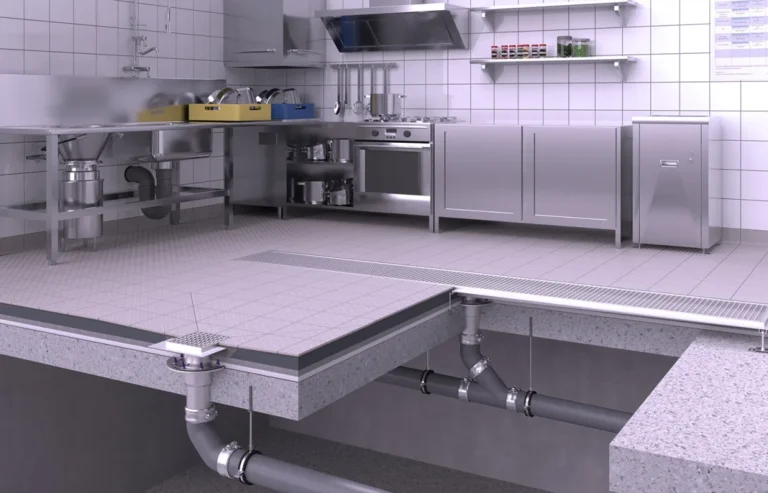
- Grease Trap Cleaners: Grease traps are a necessary evil in commercial kitchens, but they can be a pain to clean. A grease trap cleaner, like the Therma-Kleen GT-100, can make the process faster and more effective. Plus, it reduces the risk of clogs and backups.
- Automatic Descalers: Hard water is a common problem in commercial kitchens, and it can wreak havoc on your equipment. An automatic descaler, like the ScaleBlaster SB-3000, can prevent buildup and extend the life of your appliances.
- Portable Steam Cleaners: Deep cleaning is essential in a commercial kitchen, but it can be time-consuming. A portable steam cleaner, like the Dupray Neat, can make the process faster and more effective. Plus, it’s chemical-free, which is better for the environment and your staff.
Maybe I should clarify: maintenance isn’t the most exciting topic, but it’s one of the most important. A well-maintained kitchen is a happy kitchen. The key is to make maintenance a priority, not an afterthought. The right gadgets can help, but they’re not a substitute for regular upkeep.
9. The Future of Kitchen Gadgets: What’s Next?
The world of commercial kitchen gadgets is always evolving. Here are a few trends to watch:
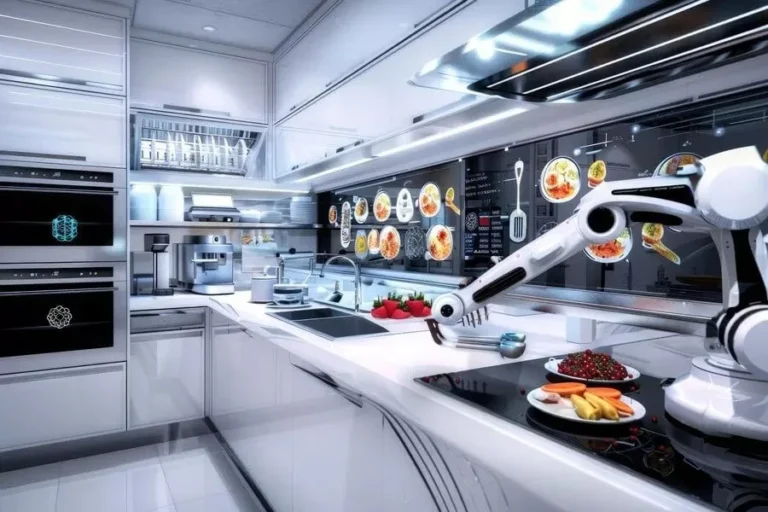
- AI-Powered Cooking: Artificial intelligence is making its way into commercial kitchens. AI-powered cooking systems, like the Moley Robotics Kitchen, can prepare meals autonomously. It’s still early days, but the potential is exciting.
- Smart Appliances: Appliances are getting smarter. From refrigerators that track inventory to ovens that adjust cooking times automatically, the future is all about connectivity. The Samsung Smart Chef is a great example, it can be controlled from your phone and integrates with your KDS.
- 3D Food Printing: This one’s still in the experimental phase, but 3D food printers are making waves. They can create intricate designs and customized meals, opening up new possibilities for creativity. The Natural Machines Foodini is one to watch.
I’m torn between excitement and skepticism about these trends. On one hand, they offer incredible potential for efficiency and creativity. On the other hand, they’re expensive and unproven. The key is to stay informed and adopt new technologies thoughtfully. Don’t jump on every trend, focus on what will actually benefit your kitchen.
10. How to Choose the Right Gadgets for Your Kitchen
Not every gadget is right for every kitchen. Here’s how to decide what’s worth the investment:
- Identify Your Pain Points: What’s slowing down your workflow? Is it prep time, ticket times, or something else? Focus on gadgets that solve your specific problems.
- Consider Your Space: Do you have room for a new gadget? If space is limited, look for compact or multi-functional options.
- Think About Your Staff: Will your team actually use the gadget? If it’s too complicated or time-consuming, it might end up gathering dust.
- Calculate the ROI: Will the gadget save you enough time or money to justify the cost? Run the numbers before you buy.
- Read Reviews: Don’t just take the manufacturer’s word for it. Look for reviews from other restaurant owners to see how the gadget performs in real-world settings.
I’m still figuring out the best way to choose gadgets. It’s a process of trial and error, but the key is to start small and build from there. Don’t overhaul your kitchen all at once, focus on one or two gadgets at a time and see how they work for you.
Final Thoughts: The Gadgets Are Just the Beginning
Here’s the thing about commercial kitchen gadgets: they’re not a magic bullet. They won’t fix a broken workflow or replace a well-trained team. But when used thoughtfully, they can make a real difference. The best gadgets are the ones that fade into the background, they’re not flashy, but they solve real problems and make your kitchen run smoother.
So where do you start? Pick one pain point in your kitchen and look for a gadget that addresses it. Maybe it’s a prep tool that saves time, or a digital system that improves communication. Start small, track your results, and build from there. And remember: the goal isn’t to automate everything. It’s to create a workflow that lets your team focus on what they do best, creating great food and memorable experiences for your customers.
I’d love to hear from you: what’s the one gadget you can’t live without in your kitchen? Or is there a tool you’ve tried that didn’t live up to the hype? Drop a comment below, I’m always looking for new ideas to test out.
FAQ: Your Commercial Kitchen Gadget Questions Answered
Q: What’s the most underrated gadget for small restaurants?
A: Hands down, it’s a labeling system. Small kitchens often overlook organization, but a simple label printer can save hours of frustration. It’s cheap, easy to use, and makes a huge difference in workflow. I’ve seen restaurants go from chaotic to organized just by labeling their prep containers.
Q: Are combi ovens worth the investment for a mid-sized restaurant?
A: It depends on your menu, but in most cases, yes. Combi ovens are versatile and can handle a wide range of cooking tasks, from steaming to roasting. They’re especially valuable if you’re short on space, you can replace multiple appliances with one. The key is to train your staff properly. A combi oven is only as good as the people using it.
Q: What’s the biggest mistake restaurants make when buying kitchen gadgets?
A: The biggest mistake is buying gadgets without a clear plan for how they’ll fit into the workflow. I’ve seen restaurants spend thousands on shiny new toys that end up gathering dust because they don’t solve a real problem. Before you buy, ask yourself: What pain point is this addressing? If you can’t answer that question, hold off on the purchase.
Q: How do I justify the cost of new gadgets to my investors or partners?
A: Focus on the return on investment (ROI). Will the gadget save you time, reduce waste, or improve quality? If so, calculate the financial impact. For example, if a gadget saves you 10 hours of labor a week at $20/hour, that’s $10,400 a year. Present the numbers clearly and show how the gadget will pay for itself over time. Investors love data, give them the numbers they need to say yes.
@article{15-commercial-kitchen-gadgets-that-actually-streamline-restaurant-workflow-and-why-theyre-worth-the-investment,
    title   = {15 Commercial Kitchen Gadgets That Actually Streamline Restaurant Workflow (And Why They’re Worth the Investment)},
    author  = {Chef's icon},
    year    = {2026},
    journal = {Chef's Icon},
    url     = {https://chefsicon.com/commercial-kitchen-gadgets-that-streamline-restaurant-workflow/}
}