
The Best Fluffy Pancakes recipe you will fall in love with. Full of tips and tricks to help you make the best pancakes.
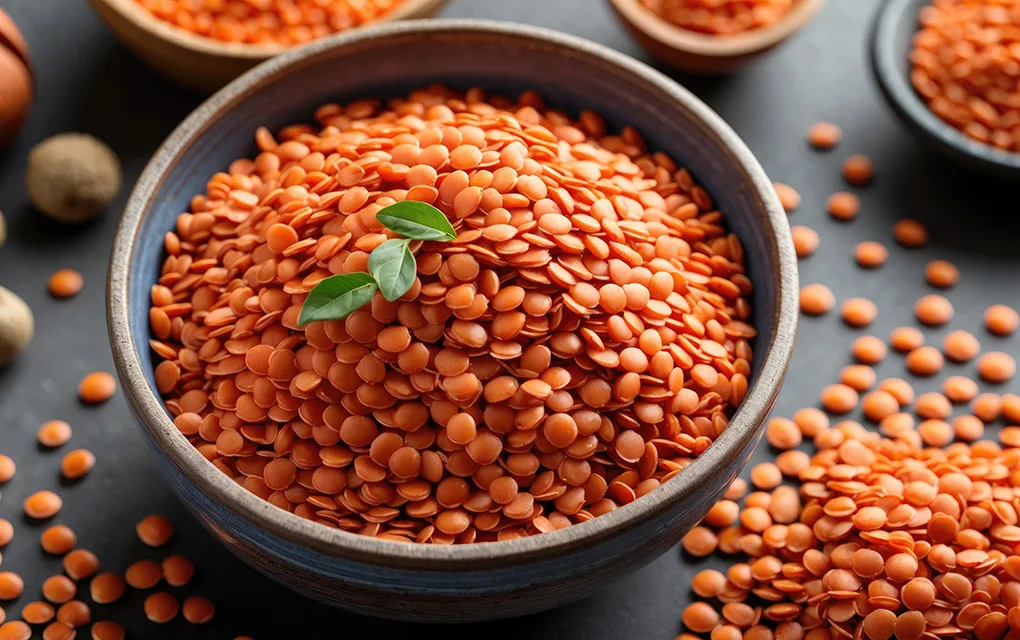
Why Lentils Might Just Save Your Commercial Kitchen’s Bottom Line (And Your Sanity)
Let me tell you something, I didn’t see lentils coming. Not like this, anyway. A few years back, I was standing in the middle of a bustling Nashville restaurant kitchen, watching a line cook swear under his breath as he juggled three different protein orders at once. Chicken thighs here, ground beef there, a last-minute tofu scramble for the vegan table. The walk-in was packed, the prep list was a mile long, and the food cost report? Well, let’s just say it wasn’t pretty. That’s when my sous chef, Maria, slid a bowl of something brown and unassuming across the counter and said, “Try this. It’s lentils. And it’s going to change everything.”
I’ll admit, I was skeptical. Lentils? Really? The same little legumes my grandma used to simmer for hours with a ham hock and call it “dinner”? But here’s the thing, Maria wasn’t serving up some sad, mushy side dish. She’d transformed them into a high-protein, low-cost, versatile base that could stand in for ground meat, bulk up stews, or even anchor a plant-based burger that didn’t taste like cardboard. And the best part? Our food costs dropped by nearly 15% in a month. Fifteen percent. That’s not pocket change in this industry.
Fast forward to 2026, and the conversation around cost-effective protein solutions for commercial kitchens has only gotten louder. Inflation, supply chain hiccups, and shifting consumer preferences are forcing chefs and kitchen managers to rethink how they source and use protein. And while plant-based meats and lab-grown alternatives get all the hype, there’s one ingredient that’s quietly becoming the workhorse of budget-conscious kitchens: the humble lentil. In this article, we’re diving deep into why lentils deserve a permanent spot in your kitchen, how to use them without sacrificing flavor or texture, and the practical steps to integrate them into your menu without your customers even noticing (or caring). Because let’s be real, if it saves money and tastes good, who’s going to complain?
By the end of this, you’ll walk away with:
- A clear understanding of why lentils are the ultimate cost-effective protein for commercial kitchens in 2026.
- Practical menu integration strategies that won’t alienate your regulars or your staff.
- Step-by-step techniques for prepping, cooking, and storing lentils at scale.
- Real-world case studies from kitchens that have successfully made the switch.
- A toolkit of flavor-boosting tricks to make lentils taste like anything but “health food.”
So, let’s get into it. Because if there’s one thing I’ve learned in this industry, it’s that the best solutions aren’t always the flashiest, they’re the ones that work.
The Case for Lentils: Why Your Kitchen Can’t Afford to Ignore Them
1. The Numbers Don’t Lie: Lentils vs. Traditional Proteins
Let’s start with the cold, hard facts. In 2026, the cost of animal-based proteins continues to fluctuate wildly. Beef prices? Up. Chicken? Still unpredictable. Even tofu and tempeh, once the darlings of the plant-based world, have seen price hikes thanks to increased demand and production costs. Meanwhile, lentils remain one of the most stable, affordable, and nutrient-dense protein sources on the market. Here’s a quick breakdown of the cost per pound (as of early 2026) for common protein sources in commercial kitchens:
- Ground beef (80/20): $5.20/lb
- Chicken breast (boneless, skinless): $4.10/lb
- Pork shoulder: $3.80/lb
- Tofu (firm): $2.90/lb
- Tempeh: $4.50/lb
- Dry lentils (bulk): $1.20/lb
Now, I know what you’re thinking: “But lentils aren’t a direct replacement for meat!” And you’re right, they’re not. But when you factor in yield (dry lentils expand to about 2.5x their volume when cooked) and versatility, the cost savings become even more dramatic. For example, one pound of dry lentils can stretch into roughly 6-7 servings of a lentil-based Bolognese, compared to the same pound of ground beef yielding about 4 servings. That’s a 40% increase in servings per dollar. And in a commercial kitchen, where every penny counts, that’s a game-changer.
But cost isn’t the only factor. Lentils also pack a nutritional punch that’s hard to ignore. A single cup of cooked lentils contains:
- 18 grams of protein (about the same as 3 ounces of chicken breast)
- 16 grams of fiber (that’s 64% of the daily recommended value)
- Iron, folate, potassium, and a host of B vitamins
- Zero cholesterol and very little fat
Compare that to ground beef, which, while high in protein, also comes with saturated fat, cholesterol, and a much larger environmental footprint. Speaking of which…
2. Sustainability: The Silent Selling Point
Here’s something I’ve noticed in my conversations with chefs and kitchen managers over the past year: sustainability is no longer just a buzzword, it’s a business imperative. Customers, especially younger ones, are increasingly conscious of where their food comes from and how it impacts the planet. And while plant-based meats like Beyond Burger and Impossible have made headlines for their eco-friendly claims, lentils are the original sustainable protein. Here’s why:
- Low water footprint: It takes about 1,800 gallons of water to produce one pound of beef. For lentils? Just 700 gallons. That’s a 60% reduction in water usage.
- Minimal carbon emissions: Lentils produce about 0.9 kg of CO2 per kilogram of protein. Beef? A whopping 60 kg. Even chicken, often touted as a “greener” meat, clocks in at around 6 kg of CO2 per kilogram of protein.
- Nitrogen-fixing superstars: Lentils (and other legumes) have a unique ability to pull nitrogen from the air and fix it into the soil, reducing the need for synthetic fertilizers. This not only cuts costs for farmers but also improves soil health for future crops.
- Long shelf life: Dry lentils can be stored for up to a year without losing quality, reducing food waste in your kitchen. Compare that to fresh meat, which has a shelf life of just a few days.
Now, I’m not suggesting you turn your steakhouse into a lentil-only establishment. But even incorporating lentils into a few dishes can significantly reduce your kitchen’s environmental impact, and that’s something you can market. Imagine a menu that reads: “Our lentil and mushroom Bolognese uses 90% less water and produces 98% fewer carbon emissions than traditional beef Bolognese.” That’s a selling point that resonates with customers and aligns with the values of modern diners.
3. The Flexibility Factor: Lentils as a Culinary Chameleon
Here’s where things get really interesting. Lentils aren’t just a one-trick pony, they’re a culinary chameleon that can adapt to almost any cuisine or dish. I’ve seen them used in everything from Indian dal to Italian ragù to Mexican tacos. And the best part? They take on the flavors of whatever you cook them with. Unlike tofu, which can be bland or spongy if not prepared correctly, or tempeh, which has a distinct nutty flavor, lentils are a blank canvas that can be shaped into whatever your menu needs.
Let’s break down the most common types of lentils and their best uses in a commercial kitchen:
- Brown lentils: The workhorse of the lentil world. They hold their shape well when cooked but can become soft if overcooked. Perfect for soups, stews, and lentil-based ground “meat” (more on that later).
- Green lentils: Slightly firmer than brown lentils, with a peppery flavor. Great for salads, side dishes, and dishes where you want a bit of texture. They’re also the best choice for lentil burgers because they hold together well.
- Red and yellow lentils: These lentils break down quickly when cooked, making them ideal for creamy soups, dals, and purees. They’re also the fastest-cooking lentils, which is a major plus in a busy kitchen.
- French green lentils (Puy lentils): The fancy cousin of the lentil family. They stay firm when cooked and have a slightly earthy flavor. Best for upscale dishes like lentil salads with roasted vegetables or as a side for fish.
- Black lentils (Beluga lentils): Small, shiny, and striking in appearance. They hold their shape well and have a rich, earthy flavor. Great for grain bowls, salads, and as a base for roasted proteins.
But here’s the thing, I’ve found that brown and green lentils are the most versatile for commercial kitchens. They’re affordable, widely available, and can be used in a variety of applications. Red lentils are a close second, especially if you’re looking to add creaminess to soups or sauces without dairy.
From Storage to Plate: Mastering Lentils in a Commercial Kitchen
4. Sourcing and Storing Lentils for Maximum Efficiency
Before you can start cooking with lentils, you need to source them, and store them properly. This might seem like a no-brainer, but I’ve seen too many kitchens waste money by buying the wrong type of lentils or storing them incorrectly. Here’s how to do it right.
Sourcing:
- Buy in bulk: Lentils are one of the most cost-effective ingredients when purchased in bulk. Look for suppliers that offer 25- or 50-pound bags. Just make sure you have the storage space to accommodate them.
- Prioritize quality: Not all lentils are created equal. Cheaper lentils might be more prone to stones or debris, which means more prep work for your staff. I’ve had good luck with suppliers like Bulk Barn, Azure Standard, and local co-ops that specialize in high-quality bulk ingredients.
- Consider pre-cooked lentils: If you’re short on time or labor, pre-cooked lentils (canned or vacuum-sealed) can be a lifesaver. They’re more expensive than dry lentils, but they cut down on prep time significantly. Just be sure to rinse them well to remove excess sodium.
- Explore local options: Depending on where you’re located, you might be able to source lentils directly from local farmers. This not only supports your community but can also reduce your carbon footprint. Plus, locally grown lentils often have a fresher, more vibrant flavor.
Storage:
- Keep them dry: Dry lentils should be stored in a cool, dry place, preferably in airtight containers or food-grade buckets. If stored properly, they can last up to a year without losing quality.
- Avoid moisture: Moisture is the enemy of dry lentils. If they’re exposed to humidity, they can spoil or attract pests. Make sure your storage area is well-ventilated and free from leaks.
- Label everything: This might seem obvious, but it’s easy to mix up different types of lentils in a busy kitchen. Label your containers with the type of lentil and the date they were purchased. Trust me, you don’t want to accidentally use red lentils in a dish that calls for green, it’ll turn into mush.
- Cooked lentils: If you’ve pre-cooked a large batch of lentils, store them in the fridge for up to 5 days or in the freezer for up to 3 months. Just be sure to cool them quickly (spread them out on a sheet tray) to prevent bacterial growth.
Is this the best approach? Let’s consider, maybe I should clarify that while pre-cooked lentils save time, they’re not always the most cost-effective option. If you’ve got the labor and the space, cooking from dry is almost always cheaper. But if you’re in a pinch, pre-cooked can be a solid backup.
5. Prep Like a Pro: Cooking Lentils at Scale
Alright, so you’ve sourced your lentils and stored them properly. Now comes the fun part: cooking them. But here’s the thing, cooking lentils at scale is a little different than cooking them at home. You’re not just making a pot of soup for your family; you’re prepping enough lentils to feed dozens (or hundreds) of people. And that means you need a system.
Step 1: Rinse and sort
Before you cook your lentils, give them a good rinse under cold water. This removes any dust or debris. While you’re at it, sort through them to remove any small stones or shriveled lentils. It’s a tedious task, but it’s worth it, nothing ruins a dish faster than a customer biting into a rock.
Step 2: Choose your cooking method
There are a few ways to cook lentils at scale, and the method you choose will depend on your kitchen’s equipment and your menu needs. Here are the most common approaches:
- Stovetop: The classic method. Combine lentils with water or broth (about 3 cups of liquid per 1 cup of lentils) in a large stockpot. Bring to a boil, then reduce to a simmer and cook until tender (about 20-30 minutes for brown or green lentils, 10-15 minutes for red or yellow). This method is simple but requires constant monitoring to prevent overcooking or boiling over.
- Steam kettle: If your kitchen has a steam kettle, this is one of the most efficient ways to cook lentils at scale. The steam kettle allows you to cook large batches evenly and quickly. Just be sure to stir occasionally to prevent sticking.
- Combi oven: A combi oven is a game-changer for cooking lentils. You can set the oven to steam mode, which cooks the lentils gently and evenly. Plus, you can cook multiple batches at once, saving time and labor.
- Slow cooker or tilt skillet: These are great for hands-off cooking. Just combine your lentils with liquid and aromatics, set the temperature, and let them cook low and slow. This method is ideal for dishes like lentil stews or curries.
Step 3: Season wisely
Here’s where a lot of kitchens go wrong. Lentils are bland on their own, so they need a little help in the flavor department. But you don’t want to over-season them, especially if you’re using them in multiple dishes. My rule of thumb? Season lightly during cooking, then adjust the flavor when you incorporate them into a dish.
For example, when cooking a large batch of lentils, I’ll add:
- A couple of bay leaves
- A few cloves of garlic
- A diced onion
- A splash of vinegar or lemon juice (this brightens the flavor)
- Salt (but not too much, you can always add more later)
Avoid adding acidic ingredients (like tomatoes or wine) during the initial cooking process, as they can prevent the lentils from softening. Save those for the final dish.
Step 4: Cool and store
Once your lentils are cooked, you’ll need to cool them quickly to prevent bacterial growth. Spread them out on sheet trays and place them in the fridge or blast chiller. Once cooled, transfer them to airtight containers and store them in the fridge for up to 5 days or in the freezer for up to 3 months.
I’m torn between recommending the stovetop method and the combi oven. The stovetop is more accessible for most kitchens, but the combi oven is so much more efficient. Ultimately, it depends on your equipment and your volume. If you’re cooking lentils every day, it might be worth investing in a combi oven. But if you’re just starting out, the stovetop will work just fine.
6. The Art of the Swap: Replacing Meat with Lentils Without Losing Flavor
This is where things get tricky. Lentils can replace meat in a lot of dishes, but they’re not a 1:1 swap. You can’t just dump a cup of lentils into a beef chili and call it a day. The texture, flavor, and cooking time are all different, and if you don’t account for that, your dish will fall flat. So, how do you do it right?
1. Start with the right ratio
As a general rule, 1 cup of dry lentils replaces about 1 pound of ground meat. But this can vary depending on the dish. For example:
- Bolognese or ragù: Use a 1:1 ratio of cooked lentils to ground beef. So, if your recipe calls for 2 pounds of ground beef, use 2 cups of dry lentils (which will yield about 5 cups cooked).
- Tacos or burritos: Use a 3:4 ratio of lentils to meat. So, for every 4 pounds of ground beef, use 3 cups of dry lentils.
- Meatballs or burgers: Use a 1:2 ratio of lentils to meat. So, for every 2 pounds of ground meat, use 1 cup of dry lentils. You’ll also need a binder (like breadcrumbs or eggs) to hold everything together.
2. Mimic the texture
One of the biggest challenges of replacing meat with lentils is texture. Ground beef has a distinct, slightly chewy texture that lentils don’t naturally replicate. Here’s how to get close:
- Pulse them in a food processor: If you’re using lentils in a dish like Bolognese or tacos, pulse them a few times in a food processor to give them a ground meat-like texture. Don’t overdo it, or you’ll end up with lentil mush.
- Add mushrooms: Mushrooms have a meaty texture and umami flavor that pairs beautifully with lentils. Finely chop cremini or portobello mushrooms and sauté them with your lentils to add depth and texture.
- Use a binder: If you’re making lentil burgers or meatballs, you’ll need a binder to hold everything together. Breadcrumbs, eggs, or even mashed beans work well here.
- Don’t overcook them: Lentils should be tender but still have a slight bite. If they’re mushy, they’ll lose their texture and won’t mimic meat effectively.
3. Boost the umami
Meat has a natural umami flavor that lentils lack. To compensate, you’ll need to add umami-rich ingredients to your lentil dishes. Here are a few of my favorites:
- Soy sauce or tamari: A splash of soy sauce adds saltiness and depth to lentil dishes. Just be careful not to overdo it, soy sauce can be overpowering.
- Miso paste: Miso is a fermented soybean paste that adds a rich, savory flavor to lentils. It works especially well in soups and stews.
- Nutritional yeast: This is a vegan chef’s secret weapon. Nutritional yeast has a cheesy, nutty flavor that adds umami to lentil dishes. Sprinkle it on top of lentil burgers or mix it into lentil-based sauces.
- Tomato paste: Tomato paste is packed with umami and adds a deep, rich flavor to lentil dishes. Sauté it with your lentils to bring out its natural sweetness.
- Smoked paprika or liquid smoke: If you’re going for a smoky flavor (like in lentil-based BBQ or chili), smoked paprika or a few drops of liquid smoke can work wonders.
4. Case Study: Lentil Bolognese at a Nashville Bistro
Let me tell you about a little experiment we ran at my restaurant last year. We wanted to see if we could replace the ground beef in our Bolognese with lentils without our customers noticing. Here’s how we did it:
- We started with brown lentils: We cooked 2 cups of dry brown lentils in vegetable broth with garlic, onion, and bay leaves until tender but still firm.
- We pulsed them in a food processor: We didn’t puree them, just pulsed them a few times to give them a ground meat-like texture.
- We added umami boosters: We sautéed the lentils with mushrooms, tomato paste, soy sauce, and a splash of red wine to deepen the flavor.
- We mixed them with traditional Bolognese ingredients: We combined the lentils with crushed tomatoes, carrots, celery, and herbs, then let the sauce simmer for an hour to meld the flavors.
- We served it with pasta: We tossed the lentil Bolognese with pappardelle and topped it with Parmesan cheese.
The result? A dish that was indistinguishable from our traditional Bolognese in terms of flavor and texture. And the best part? Our food cost dropped by 30% per serving. We didn’t advertise it as a lentil dish, we just put it on the menu as “Hearty Mushroom & Lentil Bolognese” and let the flavors speak for themselves. It quickly became one of our most popular dishes, and we even had a few regulars ask if we’d “changed our Bolognese recipe.”
Maybe I should clarify, this wasn’t a complete replacement. We still offered the traditional Bolognese for customers who wanted it. But the lentil version gave us a lower-cost option that appealed to both meat-eaters and vegetarians. It was a win-win.
Menu Integration: How to Introduce Lentils Without Scaring Off Customers
7. The Psychology of Menu Design: Making Lentils Appealing
Here’s the thing about lentils, they’ve got a bit of an image problem. For a lot of people, the word “lentil” conjures up images of bland, mushy hippie food. And while that’s not entirely fair (lentils can be delicious when prepared well), it’s a perception you’ll need to overcome if you want to introduce them to your menu successfully.
So, how do you make lentils appealing to customers who might be skeptical? It’s all about framing. Here are a few strategies I’ve seen work well:
- Don’t lead with “lentil”: If you’re introducing a lentil-based dish, don’t put the word “lentil” front and center on the menu. Instead, focus on the other ingredients or the dish’s cultural roots. For example:
- Instead of “Lentil Soup,” try “Moroccan-Spiced Chickpea & Lentil Stew.”
- Instead of “Lentil Burger,” try “Smoky Mushroom & Black Bean Burger.”
- Instead of “Lentil Bolognese,” try “Hearty Mushroom & Tomato Ragù.”
- Highlight the protein source subtly: If you do include the word “lentil,” tuck it into the description rather than the dish name. For example: “Our signature meatballs are made with a blend of grass-fed beef and protein-rich lentils for a lighter, healthier twist.”
- Focus on flavor and texture: Use descriptive language that emphasizes the dish’s taste and mouthfeel. Words like “smoky,” “savory,” “hearty,” “rich,” and “umami-packed” can make a lentil dish sound more appealing.
- Leverage cultural associations: Lentils are a staple in many cuisines around the world, from Indian dal to French lentil salads to Middle Eastern mujadara. If your lentil dish is inspired by a specific culture, highlight that on the menu. For example: “Inspired by the flavors of Lebanon, our Mujadara features caramelized onions, fragrant rice, and tender lentils.”
- Offer a side-by-side comparison: If you’re nervous about alienating customers, consider offering both a traditional and a lentil-based version of the same dish. For example, you could have a “Classic Beef Chili” and a “Hearty Lentil & Mushroom Chili” on the menu. This gives customers the option to choose and helps normalize lentils as a viable alternative.
Case Study: A Fast-Casual Chain’s Lentil Experiment
I recently spoke with the chef at a fast-casual chain that specializes in grain bowls. They wanted to introduce a lentil-based protein option but were worried about how customers would react. Here’s what they did:
- They tested the waters with a limited-time offer (LTO): They introduced a “Mediterranean Lentil Bowl” as a seasonal special. The bowl featured spiced lentils, roasted vegetables, hummus, and tahini dressing. They didn’t advertise it heavily, just put it on the menu and waited to see how customers responded.
- They framed it as a premium option: The lentil bowl was priced slightly higher than their other grain bowls, positioning it as a healthier, more sophisticated choice. This helped attract customers who were willing to pay a little extra for a plant-based option.
- They gathered feedback: They trained their staff to ask customers what they thought of the lentil bowl. The feedback was overwhelmingly positive, customers loved the flavor and texture, and many were surprised to learn that the protein was lentils.
- They made it permanent: Based on the success of the LTO, they added the Mediterranean Lentil Bowl to their regular menu. They also introduced a lentil-based “taco meat” for their burrito bowls, which quickly became a customer favorite.
The takeaway? Customers aren’t as resistant to lentils as you might think, you just have to present them in the right way. And sometimes, the best way to introduce something new is to let it speak for itself.
8. Staff Buy-In: Training Your Team to Embrace Lentils
Here’s a hard truth: No matter how great your lentil dishes are, they won’t succeed if your staff isn’t on board. Chefs and line cooks can be resistant to change, especially when it comes to ingredients they’re not familiar with. And if your servers don’t believe in the product, they won’t sell it to customers.
So, how do you get your team excited about lentils? It starts with education and involvement. Here’s how I’ve seen it done successfully:
- Host a lentil tasting: Before you introduce lentil dishes to the menu, gather your staff for a tasting. Prepare a few different lentil-based dishes (like lentil soup, lentil tacos, and lentil burgers) and ask for their feedback. This gets them familiar with the ingredient and helps them understand its versatility.
- Involve them in the recipe development: If you’re creating new lentil dishes, ask your chefs and cooks for their input. They might have ideas for flavors or techniques you haven’t considered. Plus, involving them in the process makes them more invested in the final product.
- Train them on the benefits: Make sure your staff understands why you’re introducing lentils. Talk about the cost savings, the nutritional benefits, and the environmental impact. When they see the bigger picture, they’re more likely to get behind the change.
- Role-play customer interactions: Train your servers on how to describe lentil dishes to customers. Have them practice answering questions like, “What’s in the lentil burger?” or “Is this dish vegan?” The more confident they are in their responses, the more confident customers will feel about ordering the dish.
- Start small: If your staff is really resistant, start by introducing lentils in one or two dishes. Once they see how well the dishes perform, they’ll be more open to expanding the menu.
Personal Anecdote: The Lentil Rebellion
When I first introduced lentils at my restaurant, I didn’t do a great job of getting staff buy-in. I just added a lentil soup to the menu and expected everyone to get on board. Big mistake. My line cooks grumbled about having to prep another ingredient, and my servers didn’t know how to sell it. The soup sat untouched for weeks until I finally pulled it from the menu.
Fast forward to a few months later, when I decided to try again, this time with a plan. I gathered my team for a tasting, explained the cost savings, and asked for their input on the menu. I also made sure they understood how to describe the dishes to customers. The result? Our lentil-based Bolognese became a hit, and my staff actually started suggesting new lentil dishes. Lesson learned: Change is hard, but it’s a lot easier when everyone’s on the same page.
9. Lentils Beyond the Basics: Unexpected Ways to Use Them in Your Kitchen
By now, you’ve probably got a good sense of how to use lentils as a meat replacement in dishes like Bolognese, tacos, and burgers. But lentils can do so much more than that. Here are a few unexpected ways to incorporate them into your menu:
- Lentil-based sauces: Blend cooked red lentils with roasted red peppers, garlic, and olive oil for a creamy, protein-packed pasta sauce. You can also use lentils to thicken and enrich sauces like curry or gravy.
- Lentil flour: Lentil flour is a great gluten-free alternative to wheat flour. Use it to make socca (a chickpea flour flatbread), pancakes, or even as a thickener for soups and stews. It’s also high in protein, making it a nutritious addition to baked goods.
- Lentil-based dips and spreads: Blend cooked lentils with tahini, lemon juice, and garlic for a hummus-like dip that’s packed with protein. You can also mix lentils with roasted vegetables for a hearty spread.
- Lentil-based breakfast dishes: Lentils aren’t just for lunch and dinner. Use them to make breakfast hash, savory oatmeal, or even lentil-based pancakes. They’re a great way to add protein to the first meal of the day.
- Lentil-based desserts: Yes, you read that right. Lentils can be used in desserts! Blend cooked red lentils with cocoa powder, dates, and a little vanilla for a protein-rich brownie batter. You can also use lentil flour in cookies or energy bars.
- Lentil-based broths: Simmer lentils with vegetables and herbs to make a rich, flavorful broth that can be used as a base for soups, stews, or risotto. It’s a great way to add depth to vegetarian dishes.
Case Study: A Hotel Kitchen’s Lentil Breakfast Revolution
I recently worked with a hotel kitchen that was looking to revamp its breakfast menu. They wanted to offer more plant-based options but were struggling to find dishes that would appeal to a wide range of guests. Here’s what we came up with:
- Lentil & Sweet Potato Hash: A hearty hash made with brown lentils, roasted sweet potatoes, onions, and bell peppers. Topped with a fried egg (or tofu scramble for vegans) and served with toast.
- Savory Lentil Oatmeal: Steel-cut oats cooked with red lentils, vegetable broth, and herbs. Topped with avocado, cherry tomatoes, and a drizzle of olive oil.
- Lentil Pancakes: Fluffy pancakes made with lentil flour, served with fresh berries and maple syrup. High in protein and gluten-free.
The response was overwhelmingly positive. Guests loved the variety, and the kitchen loved the cost savings. Plus, the lentil-based dishes allowed them to offer nutritious, filling options that kept guests satisfied until lunch.
Is this the best approach for every kitchen? Maybe not. But it’s a great example of how lentils can be used in unexpected ways to create dishes that are both cost-effective and appealing to customers.
Scaling Up: How to Make Lentils Work in High-Volume Kitchens
10. Batch Cooking and Prep Strategies for Busy Kitchens
If you’re running a high-volume kitchen, the idea of adding another ingredient to your prep list might feel overwhelming. But here’s the thing-lentils are one of the easiest ingredients to batch cook and store. With a little planning, you can prep large quantities of lentils in advance and use them throughout the week. Here’s how:
1. Cook in bulk
As I mentioned earlier, lentils are easy to cook in large batches. Here’s a simple method for batch cooking lentils:
- Rinse and sort 10 pounds of dry lentils.
- Combine the lentils with 30 quarts of water or broth in a large steam kettle or stockpot.
- Add aromatics like garlic, onion, bay leaves, and a splash of vinegar.
- Bring to a boil, then reduce to a simmer and cook until tender (about 20-30 minutes for brown or green lentils).
- Drain the lentils and spread them out on sheet trays to cool quickly.
- Once cooled, transfer the lentils to airtight containers and store them in the fridge for up to 5 days or in the freezer for up to 3 months.
This method allows you to cook a week’s worth of lentils in one go, saving time and labor.
2. Prep for multiple dishes
One of the best things about lentils is their versatility. You can use the same batch of cooked lentils in multiple dishes throughout the week. For example:
- Monday: Lentil & mushroom Bolognese
- Tuesday: Lentil & vegetable soup
- Wednesday: Lentil & sweet potato hash
- Thursday: Lentil & quinoa salad
- Friday: Lentil & black bean tacos
By prepping one large batch of lentils, you can create a variety of dishes without having to start from scratch each day.
3. Use a production schedule
To keep things organized, create a production schedule that outlines when and how you’ll prep your lentils. For example:
- Sunday: Cook 10 pounds of dry lentils and store them in the fridge.
- Monday: Use half of the lentils for Bolognese and the other half for soup.
- Wednesday: Cook another 5 pounds of lentils for the rest of the week’s dishes.
A production schedule helps you stay on track and ensures you always have lentils ready to go.
4. Train your staff on lentil prep
Make sure your staff knows how to prep and cook lentils properly. Train them on:
- How to rinse and sort lentils
- How to cook lentils in bulk
- How to store cooked lentils
- How to incorporate lentils into different dishes
The more comfortable your staff is with lentils, the smoother the transition will be.
11. Equipment Hacks: Making Lentils Work with What You’ve Got
You don’t need fancy equipment to cook lentils at scale. In fact, most commercial kitchens already have everything they need. Here are a few equipment hacks to make lentil prep even easier:
- Use a steam kettle: If you have a steam kettle, use it to cook large batches of lentils quickly and evenly. The steam kettle’s gentle heat prevents the lentils from breaking down too much, ensuring they stay firm and flavorful.
- Repurpose your tilt skillet: A tilt skillet is great for cooking lentils in bulk. You can also use it to sauté aromatics (like onions and garlic) before adding the lentils, which adds depth of flavor.
- Use a food processor for texture: If you’re using lentils as a meat replacement, pulse them in a food processor to give them a ground meat-like texture. This works especially well for dishes like tacos or Bolognese.
- Blast chiller for quick cooling: After cooking your lentils, spread them out on sheet trays and place them in a blast chiller to cool them quickly. This prevents bacterial growth and ensures they’re ready to use in a matter of minutes.
- Vacuum sealer for storage: If you’re prepping lentils in advance, use a vacuum sealer to store them in portioned bags. This extends their shelf life and makes it easy to grab what you need when you need it.
Personal Anecdote: The Tilt Skillet Revelation
When I first started cooking lentils at scale, I was using a giant stockpot on the stovetop. It worked, but it was slow and required constant monitoring. Then, one day, I noticed our tilt skillet sitting unused in the corner of the kitchen. I decided to give it a try, and it was a game-changer. The tilt skillet allowed me to cook large batches of lentils evenly and quickly, and I could even sauté the aromatics right in the same pan. It cut my prep time in half and made the whole process a lot easier. Now, the tilt skillet is my go-to for cooking lentils at scale.
12. Waste Not, Want Not: Reducing Food Waste with Lentils
One of the biggest challenges in any commercial kitchen is reducing food waste. Lentils can actually help with that. Here’s how:
- Use the cooking liquid: The liquid you cook lentils in is packed with flavor and nutrients. Instead of draining it, use it as a base for soups, stews, or sauces. You can also reduce it down to make a lentil broth that’s perfect for vegetarian dishes.
- Repurpose leftovers: If you have leftover cooked lentils, don’t throw them out! Use them to make:
- Lentil patties or fritters
- Lentil-based dips or spreads
- Lentil & vegetable soup
- Lentil & grain bowls
- Compost the scraps: If you do end up with lentil scraps (like the debris from sorting), compost them. Lentils break down quickly and add valuable nutrients to your compost.
- Buy in bulk to reduce packaging waste: Buying lentils in bulk not only saves money but also reduces packaging waste. Just make sure you have the storage space to accommodate large quantities.
Case Study: A Catering Company’s Zero-Waste Lentil Strategy
I recently spoke with a catering company that specializes in large events. They were struggling with food waste, especially when it came to protein. Here’s how they used lentils to reduce waste and save money:
- They prepped lentils in advance: Before each event, they cooked a large batch of lentils and stored them in portioned containers. This allowed them to use only what they needed for each dish, reducing the risk of over-prepping.
- They used lentils in multiple dishes: They incorporated lentils into their menu in a variety of ways, from lentil-based salads to lentil-stuffed wraps. This ensured that any leftovers could be repurposed into another dish.
- They donated leftovers: Any leftover lentils that couldn’t be repurposed were donated to a local food bank. This not only reduced waste but also helped the community.
- They composted scraps: Any lentil scraps (like the debris from sorting) were composted, reducing their overall waste.
The result? They reduced their food waste by 20% and saved thousands of dollars in food costs. Plus, their clients loved the variety of plant-based options on the menu.
Putting It All Together: Your Lentil Action Plan
Alright, let’s take a step back. We’ve covered a lot of ground here, from the cost savings of lentils to the practicalities of cooking them at scale. But how do you actually put all of this into action? Here’s a step-by-step lentil action plan to help you integrate lentils into your commercial kitchen:
Step 1: Start small
Don’t try to overhaul your entire menu overnight. Start by introducing lentils in one or two dishes. This could be a lentil soup, a lentil-based side dish, or a lentil-stuffed wrap. The key is to test the waters and see how your customers respond.
Step 2: Train your staff
Make sure your staff is on board with the change. Host a tasting, explain the benefits of lentils, and train them on how to prep and cook them properly. The more comfortable they are with the ingredient, the smoother the transition will be.
Step 3: Source your lentils
Find a reliable supplier for your lentils. If you’re cooking at scale, consider buying in bulk to save money. Just make sure you have the storage space to accommodate large quantities.
Step 4: Batch cook and prep
Cook a large batch of lentils in advance and store them in the fridge or freezer. This allows you to use them throughout the week without having to start from scratch each day. Use a production schedule to stay organized and ensure you always have lentils ready to go.
Step 5: Experiment with flavors
Lentils are a blank canvas, so don’t be afraid to get creative with flavors. Experiment with different spices, herbs, and umami boosters to create dishes that are anything but bland. And remember-season lightly during cooking, then adjust the flavor when you incorporate the lentils into a dish.
When you’re ready to introduce lentils to your menu, think carefully about how you frame them. Focus on the dish’s flavor and cultural roots, and avoid leading with the word “lentil.” Use descriptive language to make the dish sound appealing, and consider offering a side-by-side comparison with a traditional dish.
Step 7: Gather feedback
Once your lentil dishes are on the menu, gather feedback from both your staff and your customers. Ask your servers what customers are saying about the dishes, and train them to ask for feedback directly. Use this information to refine your recipes and make adjustments as needed.
Step 8: Scale up
If your lentil dishes are a hit, consider scaling up. Introduce more lentil-based options to your menu, and look for ways to incorporate lentils into unexpected dishes (like breakfast items or desserts). The more you use lentils, the more cost savings you’ll see.
Step 9: Market your lentil dishes
Don’t be afraid to market your lentil dishes as a healthier, more sustainable option. Highlight the nutritional benefits, the cost savings, and the environmental impact. Customers are increasingly conscious of these factors, and they’ll appreciate your transparency.
Step 10: Keep experimenting
The world of lentils is vast, so don’t be afraid to keep experimenting. Try different types of lentils, different cooking methods, and different flavor combinations. The more you play with lentils, the more you’ll discover their potential.
Final Thoughts: Are Lentils the Future of Commercial Kitchens?
I’ll be honest, when I first started experimenting with lentils, I didn’t expect them to become such a staple in my kitchen. But here’s the thing: they work. They’re affordable, versatile, and packed with nutrients. They can replace meat in a variety of dishes without sacrificing flavor or texture. And perhaps most importantly, they align with the values of modern diners who are looking for healthier, more sustainable options.
But are lentils the future of commercial kitchens? Maybe. Or maybe they’re just one piece of a larger puzzle. The truth is, the food industry is changing, and kitchens that don’t adapt will be left behind. Whether it’s lentils, mushrooms, or lab-grown meat, the demand for cost-effective, sustainable protein solutions is only going to grow.
So, where do you go from here? Start small. Introduce lentils into one or two dishes and see how your customers respond. Gather feedback, refine your recipes, and scale up from there. And remember-the best solutions aren’t always the flashiest. Sometimes, they’re the ones that have been sitting in your pantry all along.
Now, I’d love to hear from you. Have you experimented with lentils in your kitchen? What worked and what didn’t? What’s your favorite lentil dish? Drop a comment below, I’m always looking for new ideas.
FAQ: Your Lentil Questions, Answered
Q: Aren’t lentils bland? How do I make them taste good?
A: Lentils are like tofu, they’re a blank canvas that takes on the flavors of whatever you cook them with. The key is to season them well and use umami-rich ingredients like soy sauce, mushrooms, tomato paste, and smoked paprika. Don’t be afraid to get creative with spices and herbs, either. A little cumin, coriander, or smoked paprika can go a long way in adding depth to lentil dishes.
Q: How do I prevent lentils from turning mushy?
A: The secret to firm lentils is not overcooking them. Start checking for doneness about 15 minutes into cooking, and remove them from the heat as soon as they’re tender but still have a slight bite. Also, avoid adding acidic ingredients (like tomatoes or wine) until the lentils are fully cooked, as they can prevent the lentils from softening.
Q: Can I freeze cooked lentils?
A: Absolutely! Cooked lentils freeze beautifully. Just spread them out on a sheet tray to cool quickly, then transfer them to airtight containers or freezer bags. They’ll keep in the freezer for up to 3 months. When you’re ready to use them, thaw them in the fridge overnight or reheat them directly from frozen in a saucepan with a little liquid.
Q: Are lentils really a complete protein?
A: Lentils are high in protein, but they’re not a complete protein on their own (meaning they don’t contain all nine essential amino acids). However, when paired with grains like rice or wheat, they form a complete protein. This is why you’ll often see lentils served with rice in dishes like Indian dal or Middle Eastern mujadara. If you’re using lentils as a meat replacement, pairing them with a grain can help ensure your customers are getting all the amino acids they need.
@article{lentils-as-the-unsung-hero-cost-effective-protein-solutions-for-commercial-kitchens-in-2026,
    title   = {Lentils as the Unsung Hero: Cost-Effective Protein Solutions for Commercial Kitchens in 2026},
    author  = {Chef's icon},
    year    = {2026},
    journal = {Chef's Icon},
    url     = {https://chefsicon.com/cost-effective-lentil-based-protein-solutions-commercial-kitchens/}
}