The Best Fluffy Pancakes recipe you will fall in love with. Full of tips and tricks to help you make the best pancakes.
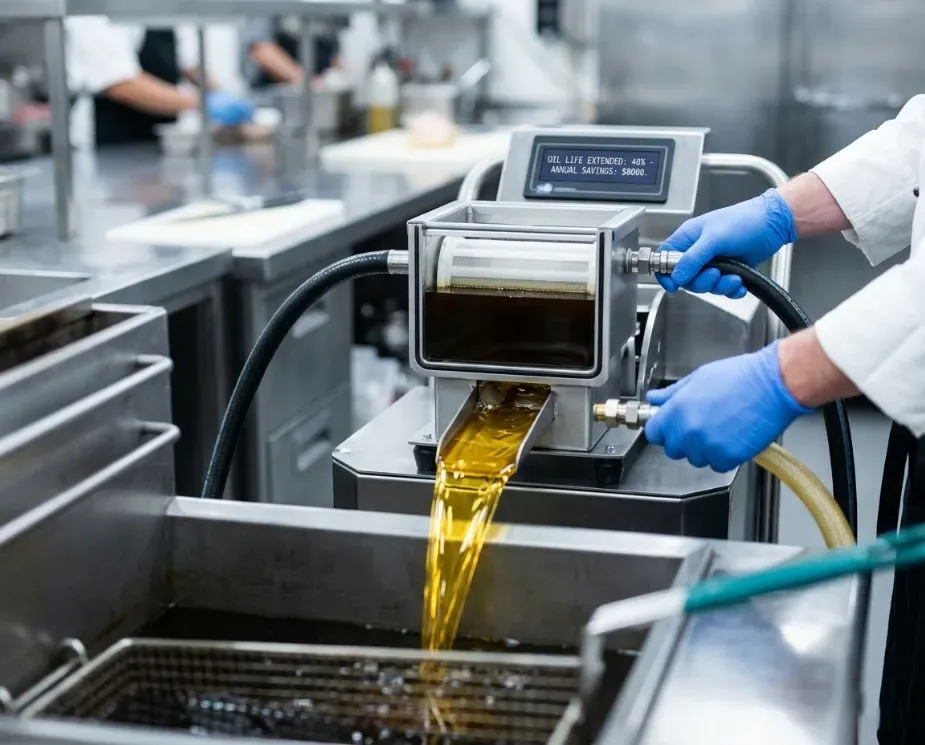
How to Use Exotic Oils in Commercial Kitchens: Beyond Olive Oil and Canola
Let me be honest, I didn’t always get the hype around exotic oils. Sure, I’d drizzle a little toasted sesame oil over a stir-fry or swirl avocado oil into a vinaigrette, but it wasn’t until I started working with a high-volume catering team in Nashville that I realized how much depth these oils could add. We were prepping for a farm-to-table event, and the chef handed me a bottle of camelina oil-golden, nutty, and completely unfamiliar. “Use this for the amuse-bouche,” he said. “It’s got a high smoke point, but it’s also got this… I don’t know, this *earthy* thing.” I hesitated. Was this just another trendy ingredient destined to collect dust in the pantry? Turns out, it wasn’t. That night, the oil didn’t just hold up under heat; it transformed a simple roasted beet salad into something memorable. And that’s when it clicked: exotic oils aren’t just about flavor. They’re about storytelling, efficiency, and even cost savings-if you know how to use them right.
Now, I’m not saying you should toss out your trusty olive oil or fry in perilla oil tomorrow. But if you’re running a commercial kitchen and you’re curious about how to integrate these oils without disrupting your workflow (or your budget), this guide is for you. We’ll cover everything from smoke points and flavor profiles to storage hacks and menu integration. And yes, I’ll even admit where I’ve messed up, because let’s be real, no one gets this perfect on the first try.
By the end of this, you’ll have a clear roadmap for experimenting with exotic oils in a way that’s practical, profitable, and, dare I say-fun. So grab a notepad (or, let’s be honest, your phone’s notes app), and let’s dive in.
The Why: Why Bother with Exotic Oils in a Commercial Kitchen?
1. Flavor Complexity Without the Heavy Lifting
Here’s the thing about commercial kitchens: you’re often working with ingredients that are, by necessity, versatile and consistent. A high-oleic sunflower oil might be great for frying, but it doesn’t exactly sing on its own. Exotic oils, on the other hand, can add layers of flavor without requiring additional prep time. Take walnut oil, for example. A drizzle over a warm goat cheese salad or a seared scallop can add a toasted nuttiness that would otherwise take hours of roasting and blending to achieve. And the best part? You’re not adding another step to your mise en place, just swapping out one ingredient for another.
But here’s where I’ve seen chefs go wrong: they treat exotic oils like a magic bullet. “Oh, this dish needs more depth? Let’s just add some hemp seed oil!” Spoiler: it doesn’t work like that. Exotic oils are amplifiers, not fixes. They work best when they’re complementing, not overpowering. Think of them like a seasoning-a little goes a long way, and the wrong choice can throw off the whole dish.
2. Health Trends and Customer Demand
Let’s talk about the elephant in the room: health-conscious diners. I know, I know, trends come and go, and not every customer is asking for omega-3-rich oils in their meal. But here’s the reality: more and more people are paying attention to what they eat, and they’re willing to pay a premium for dishes that align with their values. Exotic oils can help you tap into that market without overhauling your menu.
For example, avocado oil has a high smoke point and a neutral flavor, making it a great substitute for vegetable oil in frying. But it’s also rich in monounsaturated fats, which are often marketed as “heart-healthy.” Similarly, flaxseed oil is packed with omega-3 fatty acids, which can be a selling point for health-focused dishes. Now, I’m not saying you should start slapping “superfood” labels on everything, that’s a quick way to lose credibility. But if you’re already using these oils, why not highlight their benefits in a way that feels authentic?
Of course, this only works if you’re using the oils correctly. Drizzling flaxseed oil over a hot dish? That’s a waste. It’s heat-sensitive and should only be used in cold applications. Which brings me to my next point…
3. Functional Benefits: Smoke Points, Stability, and Shelf Life
Not all oils are created equal, and that’s especially true when it comes to heat stability. In a commercial kitchen, you’re dealing with high-volume cooking, which means you need oils that can handle the heat, literally. Exotic oils can offer higher smoke points than traditional options, which means less oxidation, less off-flavors, and less waste.
Take rice bran oil, for example. It’s got a smoke point of around 490°F (254°C), making it one of the most stable oils for deep-frying. Compare that to extra virgin olive oil, which starts to break down around 375°F (190°C). If you’re frying in bulk, using an oil with a higher smoke point can save you money in the long run because it lasts longer and produces fewer free radicals (which can affect both flavor and health).
But here’s the catch: smoke point isn’t the only factor. You also need to consider oxidative stability. Some oils, like camelina oil, have a relatively high smoke point but can go rancid quickly if not stored properly. Others, like grapeseed oil, have a moderate smoke point but are more stable over time. It’s a balancing act, and it’s one of the reasons why I’m still learning, even after years in the industry.
4. Cost vs. Value: Are Exotic Oils Worth the Investment?
Let’s talk money. Exotic oils are expensive. There’s no way around it. A liter of toasted sesame oil can cost three times as much as a liter of vegetable oil. So why would you bother?
First, because a little goes a long way. You’re not using these oils for every dish or every fry. You’re using them as accent oils-for finishing, for dressings, for marinades. A single bottle can last weeks or even months in a busy kitchen if you’re using it strategically. Second, because they can elevate your menu in a way that justifies a higher price point. A dish finished with pumpkin seed oil or black cumin seed oil can command a premium, especially if you’re marketing it as a signature item.
But, and this is a big but, you need to calculate the cost per serving. If you’re using truffle oil (which, by the way, is often synthetic and not actually made from truffles), you’re probably not getting your money’s worth. On the other hand, if you’re using arugula seed oil (yes, that’s a thing) to finish a high-end dish, the cost might be negligible compared to the perceived value.
I’ll admit, I’ve made mistakes here. Early on, I thought expensive = better, so I’d splurge on oils that didn’t actually add much to the dish. Now, I’m more selective. I ask myself: Is this oil worth the cost per serving? Does it add something unique that I can’t get from a cheaper alternative? If the answer isn’t a clear “yes,” I move on.
How to Choose the Right Exotic Oil for Your Kitchen
5. Understanding Smoke Points and Heat Tolerance
If you’re going to use exotic oils in a commercial kitchen, you have to understand smoke points. I can’t stress this enough. The smoke point is the temperature at which an oil starts to break down and release acrid smoke and harmful compounds. In a high-volume kitchen, where temperatures can fluctuate rapidly, using an oil with a low smoke point is a recipe for disaster, literally.
Here’s a quick cheat sheet for some common exotic oils and their smoke points:
- Avocado oil: 520°F (270°C) – Great for frying, searing, and high-heat cooking.
- Rice bran oil: 490°F (254°C) – Another excellent choice for deep-frying.
- Grapeseed oil: 420°F (216°C) – Good for sautéing and medium-heat cooking.
- Camelina oil: 475°F (246°C) – High smoke point but less stable over time.
- Walnut oil: 320°F (160°C) – Best for cold applications or finishing.
- Flaxseed oil: 225°F (107°C) – Never use for cooking; only for dressings or drizzling.
Now, here’s where it gets tricky: smoke points aren’t absolute. They can vary based on the oil’s refinement process, storage conditions, and even the type of cooking vessel you’re using. For example, an oil might have a higher smoke point in a stainless steel pan than in a onstick pan. And if you’re reusing oil (which, let’s be honest, most commercial kitchens do), the smoke point can drop significantly over time.
So how do you navigate this? Start by testing small batches. If you’re considering using avocado oil for frying, try it out in a single fryer first. Monitor the temperature, watch for smoke, and taste the results. Does the oil hold up? Does it add the flavor you’re looking for? If not, it’s back to the drawing board.
6. Flavor Profiles: Matching Oils to Dishes
Not all exotic oils are created equal when it comes to flavor. Some are eutral, while others are bold and distinctive. The key is to match the oil to the dish in a way that enhances, rather than overpowers, the other ingredients.
Here’s a breakdown of some popular exotic oils and their flavor profiles:
- Avocado oil: Mild, buttery, slightly grassy. Works well in both hot and cold applications.
- Walnut oil: Rich, nutty, slightly bitter. Best for finishing dishes like salads, pastas, or roasted vegetables.
- Pumpkin seed oil: Deep, earthy, slightly sweet. Pairs well with root vegetables, meats, and even desserts.
- Sesame oil (toasted): Intense, nutty, almost smoky. A little goes a long way, great for Asian-inspired dishes.
- Black cumin seed oil: Peppery, slightly bitter, with a hint of onion. Common in Middle Eastern and Indian cuisines.
- Hemp seed oil: Earthy, grassy, slightly nutty. Best for cold dishes like salads or dips.
But here’s the thing: flavor is subjective. What I describe as “earthy,” someone else might describe as “dirty.” And that’s okay! The best way to figure out what works is to taste, taste, taste. Set up a tasting session with your team. Try drizzling different oils over a plain piece of bread or a simple salad. Which ones stand out? Which ones clash? Which ones would you actually want to eat?
I’ll never forget the first time I tasted perilla oil. It’s popular in Korean cuisine, and it’s got this herbaceous, almost minty quality that I wasn’t expecting. At first, I wasn’t sure if I liked it. But when I paired it with a spicy kimchi pancake, it worked. The oil cut through the heat and added a freshness that balanced the dish. That’s the power of pairing, it’s not about the oil in isolation, but how it interacts with the other flavors on the plate.
7. Storage and Shelf Life: Keeping Oils Fresh
Exotic oils are perishable. Unlike your standard vegetable oil, which can sit in the pantry for months (or even years), many exotic oils have a short shelf life and need to be stored carefully. If you’re not paying attention, you could end up with a bottle of rancid oil-and trust me, you will know when it’s gone bad. The smell is unmistakable: sour, stale, almost like old paint.
So how do you keep your oils fresh? Here are a few rules of thumb:
- Store in a cool, dark place. Heat and light are the enemies of oil. Keep your oils in a pantry or cabinet away from the stove or oven. If you’re storing large quantities, consider a temperature-controlled storage area.
- Use airtight containers. Oxygen is another enemy of oil. Once you open a bottle, make sure it’s sealed tightly after each use. Some chefs even transfer their oils to smaller bottles to minimize air exposure.
- Buy in small quantities. It’s tempting to buy in bulk to save money, but if you’re not using the oil quickly, it’s better to buy smaller bottles. Most exotic oils have a shelf life of 3-6 months once opened, so plan accordingly.
- Refrigerate when necessary. Some oils, like flaxseed oil and hemp seed oil, should be refrigerated immediately after opening. Others, like avocado oil, can be stored at room temperature but will last longer in the fridge.
- Label everything. Write the date of opening on the bottle so you know when it’s time to toss it. And if you’re transferring oils to smaller containers, label those too. There’s nothing worse than grabbing a bottle of oil and not knowing if it’s walnut oil or almond oil.
Now, I’ll be the first to admit: I’ve messed this up. More than once. There was that time I left a bottle of toasted sesame oilear the stove for a week, only to realize it had gone rancid. Or the time I bought a gallon of pumpkin seed oil because it was on sale, only to use half of it before it expired. Lesson learned: storage matters. If you’re not going to use an oil quickly, don’t buy it in bulk.
8. Sourcing and Quality: Where to Buy and What to Look For
Not all exotic oils are created equal. The quality can vary dramatically depending on the source, the extraction method, and even the packaging. If you’re going to invest in these oils, you need to make sure you’re getting the good stuff.
Here’s what to look for when sourcing exotic oils:
- Cold-pressed or expeller-pressed. These methods extract oil without using heat or chemicals, which helps preserve the oil’s flavor and utritional value. Avoid oils that are labeled as “refined” or “processed,” as these often have a eutral flavor and lower nutritional content.
- Dark glass bottles. Light can degrade oil quickly, so look for oils that are packaged in amber or green glass bottles. Avoid clear plastic bottles, as they offer little protection against light and oxygen.
- Reputable brands. Do your research. Some brands specialize in high-quality exotic oils, while others cut corners. Look for brands that are transparent about their sourcing and production methods. If a brand isn’t willing to share where their oil comes from, that’s a red flag.
- Certifications. Look for certifications like USDA Organic, Non-GMO Project Verified, or Fair Trade. These aren’t just marketing buzzwords, they can indicate a higher level of quality and ethical sourcing.
- Country of origin. Some oils are closely tied to specific regions. For example, argan oil is primarily produced in Morocco, while camelina oil is often sourced from Northern Europe. If an oil is being sold as a regional specialty, make sure it’s actually coming from that region.
Where should you buy these oils? Here are a few options:
- Specialty food distributors. Many commercial kitchens already work with distributors who carry exotic oils. Ask your rep if they can source high-quality options for you.
- Online retailers. Websites like Amazon, Thrive Market, or specialty food stores often carry a wide selection of exotic oils. Just make sure to read reviews and check the shipping conditions-some oils need to be shipped with temperature control.
- Local farmers’ markets or gourmet shops. If you’re lucky enough to live near a farmers’ market or gourmet shop, you might find small-batch oils that are fresher and more unique than what you’d find online.
- Direct from producers. Some small-scale producers sell their oils directly to consumers. This can be a great way to get fresh, high-quality oil, but it’s not always practical for commercial kitchens that need large quantities.
I’ve had mixed experiences with sourcing. There was that time I ordered a bottle of black cumin seed oil from an online retailer, only to receive a bottle that smelled like motor oil. Turns out, it was a low-quality product that had been sitting in a warehouse for who knows how long. On the other hand, I’ve had great luck with a local distributor who sources small-batch oils from artisanal producers. The key is to build relationships with your suppliers and ask questions. If a deal seems too good to be true, it probably is.
How to Integrate Exotic Oils into Your Menu
9. Start Small: Testing and Experimenting
You don’t have to overhaul your entire menu to start using exotic oils. In fact, I’d argue that’s a terrible idea. Instead, start small. Pick one or two oils to experiment with, and introduce them in a way that’s low-risk and high-reward.
Here’s how I recommend testing exotic oils in a commercial kitchen:
- Choose a signature dish. Pick a dish that’s already popular on your menu and see how it changes with the addition of an exotic oil. For example, if you serve a roasted beet salad, try finishing it with pumpkin seed oil instead of olive oil. Or if you offer a grilled steak, experiment with a black garlic oil drizzle.
- Run a special. Introduce the oil as part of a limited-time offer or a chef’s special. This gives you a chance to gauge customer reaction without committing to a permanent menu change. Plus, it creates a sense of urgency-people are more likely to try something if they think it’s only available for a short time.
- Get feedback. Ask your staff and customers what they think. Does the oil enhance the dish? Does it feel gimmicky or thoughtful? Use this feedback to refine your approach.
- Track costs. Keep an eye on how much the oil is costing you per serving. If it’s adding significant value, great! If not, it might not be worth the investment.
I’ll never forget the first time I introduced walnut oil to my menu. I was working at a farm-to-table restaurant in Nashville, and we were serving a kale and apple salad with a maple vinaigrette. It was good, but it wasn’t great. So I swapped out the olive oil in the vinaigrette for walnut oil, and suddenly, the dish had this depth and complexity that it was missing before. The customers noticed, too. One regular even asked if we’d changed the recipe. That’s when I knew I was onto something.
But not every experiment is a success. There was that time I tried using hemp seed oil in a pesto. It sounded like a good idea, hemp seeds are nutty and earthy, right? But the oil was too strong, and it overpowered the basil and garlic. The dish was a flop, and I had to scrap the idea. That’s the thing about experimenting: not every idea is a winner, and that’s okay. The key is to learn from your mistakes and keep trying.
10. Menu Descriptions: How to Market Exotic Oils
If you’re going to use exotic oils in your dishes, you need to tell your customers about it. But here’s the catch: you can’t just slap a label on a dish and call it a day. You need to educate your customers in a way that feels authentic and appetizing.
Here are a few tips for writing menu descriptions that highlight exotic oils:
- Focus on the experience. Instead of just listing the oil, describe how it enhances the dish. For example, instead of writing “Roasted Beets with Pumpkin Seed Oil,” try “Roasted Beets Drizzled with Rich, Earthy Pumpkin Seed Oil for a Nutty Finish.”
- Highlight the benefits. If the oil has health benefits, mention them, but keep it subtle. For example, “Finished with Omega-3-Rich Flaxseed Oil for a Nutritious Boost.”
- Tell a story. People love a good story. If the oil has a unique origin or history, share it. For example, “Drizzled with Moroccan Argan Oil, a Rare and Luxurious Ingredient Used in Traditional Berber Cuisine.”
- Use sensory language. Words like “toasted,” “nutty,” “earthy,” and “silky” can help customers imagine the flavors. For example, “Silky Avocado Oil Adds a Buttery Richness to Our Grilled Vegetables.”
- Keep it simple. You don’t need to write a novel. A few well-chosen words can make a big impact. For example, “Finished with a Drizzle of Toasted Sesame Oil for a Deep, Nutty Flavor.”
Here’s an example of how I’ve seen this done well. At a restaurant in Nashville, they serve a dish called “Smoked Duck Breast with Black Garlic Oil.” The menu description reads: “Tender Smoked Duck Breast Drizzled with Black Garlic Oil, a Fermented Delicacy with a Deep, Umami-Rich Flavor.” It’s simple, it’s descriptive, and it makes the dish sound irresistible.
But here’s where I’ve seen chefs go wrong: they overpromise. If you’re using truffle oil (which, again, is often synthetic), don’t call it “Truffle-Infused” unless it’s actually made with real truffles. Customers can tell when you’re being disingenuous, and it erodes trust. Be honest about what you’re using, and let the quality speak for itself.
11. Training Your Staff: Ensuring Consistency
Introducing exotic oils to your menu is only half the battle. The other half? Training your staff. If your team doesn’t understand how to use these oils, you’re going to run into problems-inconsistent dishes, wasted product, and unhappy customers.
Here’s how to train your staff effectively:
- Start with education. Hold a training session where you explain what exotic oils are, why you’re using them, and how they should be incorporated into dishes. Bring in samples so your staff can taste the oils and understand their flavor profiles.
- Create clear guidelines. Write down specific instructions for how each oil should be used. For example, “Drizzle 1/2 teaspoon of walnut oil over the salad just before serving.” Include photos or videos if possible, visual aids can be incredibly helpful.
- Practice, practice, practice. Have your staff practice using the oils in a controlled setting. For example, if you’re introducing pumpkin seed oil to a salad, have them plate the dish multiple times until they get the amount right.
- Encourage feedback. Ask your staff for their input. Do they think the oil is enhancing the dish? Do they have any concerns about workflow or consistency? Their feedback can help you refine your approach.
- Monitor and adjust. Keep an eye on how the oils are being used in the kitchen. Are they being overused? Underused? Are there any issues with consistency? Adjust your guidelines as needed.
I’ve learned this the hard way. There was a time when I introduced toasted sesame oil to a stir-fry dish without properly training my staff. The result? Some plates had a light drizzle of oil, while others were drowning in it. Customers noticed, and we got complaints. Lesson learned: consistency is key. If you’re going to use exotic oils, make sure your team knows exactly how to use them.
12. Cost Control: Maximizing Value Without Sacrificing Quality
Let’s circle back to the money conversation, because it’s important. Exotic oils are expensive, but there are ways to maximize their value without sacrificing quality.
Here are a few strategies for controlling costs:
- Use them as accent oils. You don’t need to use exotic oils in every dish. Instead, use them as finishing oils or in small quantities to add flavor. A little goes a long way, and this approach can help stretch your supply.
- Buy in bulk (when it makes sense). If you’re using a lot of a particular oil, buying in bulk can save you money. Just make sure you have the storage space and turnover rate to justify the purchase.
- Negotiate with suppliers. If you’re ordering large quantities, ask your supplier for a discount. Many suppliers are willing to negotiate, especially if you’re a repeat customer.
- Track usage. Keep an eye on how much oil you’re using and adjust your orders accordingly. If you’re consistently throwing out half-empty bottles, you’re wasting money.
- Repurpose leftovers. If you have leftover oil from a dish, find another use for it. For example, if you’re using walnut oil in a salad dressing, you could also use it to finish a pasta dish or a roasted vegetable plate.
Here’s an example of how I’ve seen this done well. At a restaurant I worked with, they used avocado oil for frying and walnut oil for finishing. The avocado oil was bought in bulk and used for high-volume cooking, while the walnut oil was purchased in smaller quantities and used sparingly to add flavor. This approach allowed them to control costs while still offering a premium dining experience.
But here’s where I’ve messed up: I’ve bought oils in bulk without considering how quickly I’d use them. There was that time I ordered a gallon of pumpkin seed oil because it was on sale, only to use half of it before it went rancid. Now, I’m much more cautious about bulk purchases. I ask myself: Will I use this within the next few months? Do I have the storage space? Is this the best use of my budget? If the answer isn’t a clear “yes,” I don’t buy it.
Final Thoughts: Are Exotic Oils Right for Your Kitchen?
So, after all this, are exotic oils worth the hype? The answer, as with most things in cooking, is it depends. If you’re running a high-volume, fast-casual kitchen where speed and consistency are everything, exotic oils might not be the best fit. But if you’re looking to elevate your menu, differentiate your restaurant, or tap into health-conscious trends, they can be a game-changer.
Here’s my advice: start small. Pick one or two oils to experiment with, and introduce them in a way that’s low-risk and high-reward. Test them, get feedback, and refine your approach. And most importantly, don’t be afraid to fail. Some experiments will work, and some won’t. But every time you try something new, you’re learning, and that’s what cooking is all about.
As for me? I’m still experimenting. Just last week, I tried using perilla oil in a kimchi pancake, and it was a hit. Will it become a staple in my kitchen? Maybe. Maybe not. But that’s the fun of it, there’s always something new to discover.
So go ahead, grab a bottle of exotic oil, and start playing. Your menu, and your customers, might just thank you for it.
FAQ: Your Exotic Oils Questions Answered
Q: What’s the best exotic oil for deep-frying in a commercial kitchen?
A: For deep-frying, you want an oil with a high smoke point and eutral flavor. Avocado oil and rice bran oil are both excellent choices. Avocado oil has a smoke point of around 520°F (270°C), while rice bran oil clocks in at 490°F (254°C). Both are stable under high heat and won’t impart unwanted flavors to your food. Just make sure to monitor the oil’s quality over time, reusing oil can lower its smoke point and affect flavor.
Q: How do I know if an exotic oil has gone rancid?
A: Rancid oil has a distinct, unpleasant smell-think sour, stale, or even like old paint. It might also taste bitter or off. To check for rancidity, give the oil a sniff. If it smells anything other than fresh and clean, it’s time to toss it. Some oils, like flaxseed oil and hemp seed oil, go rancid more quickly than others, so it’s important to store them properly and use them within their shelf life.
Q: Can I mix exotic oils with other oils for cooking?
A: Absolutely! Mixing oils can be a great way to balance flavor and cost. For example, you could mix avocado oil (high smoke point, neutral flavor) with toasted sesame oil (bold flavor, lower smoke point) for a stir-fry. The avocado oil will handle the heat, while the sesame oil will add flavor. Just be mindful of the smoke points-if you’re mixing a high-smoke-point oil with a low-smoke-point oil, the mixture will have a lower smoke point overall. Also, avoid mixing oils that have conflicting flavors, as this can create a muddled taste.
Q: Are there any exotic oils I should avoid in a commercial kitchen?
A: While most exotic oils can be used effectively in a commercial kitchen, there are a few you might want to approach with caution. Truffle oil is often synthetic and can taste artificial, so it’s best to avoid it unless you’re using a high-quality, real truffle-infused oil. Flaxseed oil and hemp seed oil are heat-sensitive and should only be used in cold applications. Additionally, some oils, like walnut oil and pumpkin seed oil, can be expensive and perishable, so they might not be practical for high-volume kitchens. Always consider your menu, budget, and storage capabilities before committing to an oil.
@article{how-to-use-exotic-oils-in-commercial-kitchens-a-chefs-guide-to-flavor-function-and-finesse,
    title   = {How to Use Exotic Oils in Commercial Kitchens: A Chef’s Guide to Flavor, Function, and Finesse},
    author  = {Chef's icon},
    year    = {2026},
    journal = {Chef's Icon},
    url     = {https://chefsicon.com/how-to-use-exotic-oils-in-commercial-kitchens/}
}