The Best Fluffy Pancakes recipe you will fall in love with. Full of tips and tricks to help you make the best pancakes.
Let me set the scene: It’s Friday night at 7:42 PM, tickets are piling up like dirty dishes in the sink, and the line cook just called out with “food poisoning” (which, let’s be honest, is probably just a hangover). The expediter is yelling about a missing order of truffle fries, and the dishwasher is making that ominous clanking sound that means it’s about to give up the ghost. In moments like these, I don’t pray for divine intervention, I pray for smart kitchen gadgets that can shave precious seconds off every task without sacrificing quality.
I’ve spent the last decade working in, consulting for, and occasionally escaping from commercial kitchens. From the high-volume brunch spots in San Francisco to the meat-and-threes of Nashville, I’ve seen gadgets that are total game-changers and others that are just expensive paperweights. The difference? The best time-saving kitchen tools don’t just speed things up, they integrate seamlessly into your workflow, reduce human error, and (crucially) don’t require a PhD to operate. Oh, and they should actually save you money in the long run, not just make your kitchen look like the bridge of the Starship Enterprise.
In this deep dive, I’m sharing the 15 commercial kitchen gadgets that have earned their keep in real-world restaurant settings. These aren’t just theoretical time-savers; these are the tools that line cooks fight over, chefs swear by, and owners secretly wish they’d invested in sooner. We’ll cover everything from prep to plating, dishwashing to data tracking, and even a few wildcards that might just change how you think about kitchen efficiency. By the end, you’ll have a clear roadmap for upgrading your kitchen without breaking the bank, or your staff’s patience.
Fair warning: I’m not here to sell you on the latest gimmick. If a gadget requires more training time than it saves, I’ll call it out. If it’s overpriced for what it delivers, I’ll say so. And if it’s something I’d personally use in my own (hypothetical) restaurant? You’ll know. Let’s get into it.
The Prep Work Revolution: Gadgets That Turn Hours Into Minutes
1. The Vegetable Prep Powerhouse: Commercial Spiralizers and Dicers
I’ll admit it: I used to think spiralizers were just a fad for Instagram food bloggers. Then I worked a shift at a farm-to-table spot where we hand-cut zucchini noodles for 200 covers. By the end of the night, my wrists were screaming, and the chef was threatening to replace me with a mandoline (which, let’s be real, is just a fancy way to lose a fingertip). Enter the commercial-grade spiralizer.
These machines aren’t just for zoodles. The best models can handle sweet potatoes, beets, carrots, and even firm fruits like apples or pears. We’re talking about turning a 30-minute prep task into a 2-minute job. The key is finding one with multiple blade options, julienne, ribbon, and even waffle cuts, so you’re not limited to one texture. I’ve had good luck with the Robot Coupe J80 Ultra, which can process up to 50 pounds of veggies per hour. It’s not cheap, but when you’re staring down a walk-in full of produce at 6 AM, it feels like a bargain.
Pro tip: Pair your spiralizer with a commercial salad spinner (yes, they make them for restaurants). After washing and spinning, your prepped veggies stay crisp longer, which means less waste and happier cooks. Is it the sexiest gadget in the kitchen? No. But when you’re trying to get ahead on prep during a slow Tuesday lunch, it’s a godsend.
2. The Unseen Hero: Automatic Portioning Scales
Here’s a confession: I used to eyeball everything. A handful of this, a pinch of that, until the day my risotto came out with the consistency of wallpaper paste. Turns out, consistency isn’t just about technique; it’s about precision. That’s where automatic portioning scales come in.
These aren’t your grandma’s kitchen scales. We’re talking about digital scales with programmable portion sizes, tare functions, and even connectivity to your POS system. The Hobart HCM-61 is a workhorse I’ve seen in everything from burger joints to high-end sushi spots. You set the desired weight, place your container on the scale, and it beeps when you’ve hit the mark. No more over-portioning expensive proteins or under-filling those $18 salads.
But here’s where it gets really interesting: Some of the newer models integrate with inventory management software. Every time you portion out 4 ounces of salmon, it deducts from your inventory in real-time. No more surprise shortages mid-service. Is it a little Big Brother? Maybe. But when you’re trying to shave seconds off every plate and dollars off your food cost, it’s a game-changer.
3. The Time Machine: Commercial Food Processors with Attachment Libraries
I’m torn on food processors. On one hand, they’re one of the most versatile tools in a commercial kitchen. On the other, they’re often misused, underutilized, or left to gather dust in a corner. The difference between a good food processor and a great one? Attachments.
The Robot Coupe R2N is the Swiss Army knife of food processors. It comes with a standard blade for chopping, but the real magic is in the optional attachments: a dough blade for pizza or bread, a julienne disc for perfect matchstick cuts, even a citrus press for fresh juice. I’ve seen one of these bad boys shred cabbage for coleslaw, grind meat for burgers, and puree soups, all in the same service.
Here’s the thing about food processors: They’re only as good as your prep game. If you’re throwing whole carrots in without cutting them down first, you’re going to burn out the motor. And if you’re not cleaning the attachments immediately after use, you’re going to end up with a science experiment in your prep area. But when used correctly, a good food processor can save you literal hours of knife work. Just don’t tell the old-school chefs I said that.
Cooking Under Pressure: Gadgets That Speed Up the Line
4. The Induction Revolution: Why You Might Ditch Gas
I can already hear the gasps from the traditionalists: “Induction? In a real kitchen?” Look, I get it. There’s something primal about cooking over an open flame. But hear me out: commercial induction burners are faster, more precise, and (dare I say) safer than gas in a lot of applications.
The Vollrath Mirage Pro is the induction burner I see most often in professional kitchens. It heats up instantly, cools down just as fast, and has precise temperature control, no more guessing if your pan is at the right temp. I’ve seen line cooks sear scallops on induction with better results than on gas because there’s no hot spot in the pan. And because there’s no open flame, you can use them in places where gas isn’t an option (looking at you, food trucks and pop-ups).
But the real time-saver? Cleanup. No more scrubbing carbon off the bottom of pans or dealing with gas buildup on your cookware. And because induction is so efficient, you’re not wasting energy heating up the entire kitchen. Is it perfect for every application? No. But for sauté stations, omelet lines, or anywhere you need precise, fast heat, it’s worth a look.
5. The Pressure Cooker Renaissance: Why Modern Chefs Are Falling in Love Again
Pressure cookers used to be the domain of grandmas and dorm rooms. Then commercial pressure cookers like the Cuisinart CPC-6000 started showing up in restaurant kitchens, and suddenly, chefs were rediscovering what our grandmothers always knew: Pressure cooking saves time.
Here’s the thing about pressure cooking: It’s not just faster, it’s better. The high-pressure environment breaks down tough cuts of meat in a fraction of the time, and it does it without drying them out. I’ve seen short ribs go from tough to tender in 45 minutes instead of 4 hours. And because the cooking happens in a sealed environment, you’re not losing moisture or flavor to evaporation.
But the real game-changer? The new generation of combi ovens that include pressure cooking as one of their functions. The Rational SelfCookingCenter is the gold standard here, it can pressure cook, steam, convection bake, and even hold food at the perfect temperature until service. It’s not cheap, but when you’re trying to get a braise done during a lunch rush, it’s worth its weight in gold.
6. The Grill That Thinks: Smart Commercial Griddles
Grills and griddles are the backbone of a lot of restaurant kitchens. They’re also one of the most inconsistent pieces of equipment, hot spots, cold spots, and temperature fluctuations can turn a simple burger service into a nightmare. That’s where smart commercial griddles come in.
The Vulcan VCCG Series is the first griddle I’ve seen that actually learns. It has sensors that monitor the surface temperature in real-time and adjust the heat to maintain consistency. No more moving patties around to find the hot spot. And because it’s so precise, you’re not wasting energy heating up parts of the griddle that aren’t in use.
But the real time-saver? The programmable cooking zones. You can set one part of the griddle for high-heat searing and another for low-and-slow cooking. And because it’s so consistent, your cooks don’t have to babysit the food as much. I’ve seen kitchens cut their burger cook times by 20% just by switching to a smart griddle. Is it overkill for a small diner? Maybe. But for high-volume spots, it’s a no-brainer.
The Invisible Efficiency Boosters: Gadgets You Don’t See (But Notice When They’re Gone)
7. The Dishwasher That Doesn’t Suck (Literally)
Let’s talk about the unsung hero of the kitchen: the commercial dishwasher. Specifically, the hood-type dishwashers that don’t require a dedicated dishwasher operator. I’ve worked in kitchens where the dishwasher was the bottleneck, dirty dishes piling up, cooks washing their own tools, and the whole line grinding to a halt. It’s a nightmare.
The Hobart AM14 is the workhorse I recommend most often. It’s not the fastest dishwasher on the market, but it’s reliable, easy to maintain, and, crucially, doesn’t require a lot of babysitting. The hood design means you can load and unload from the same side, which saves space in tight kitchens. And because it’s so efficient, you’re not wasting water or energy.
But here’s the thing about dishwashers: They’re only as good as your scrapping and sorting system. If you’re not pre-rinsing and organizing your dishes, you’re going to have a bad time. I’ve seen kitchens install scrapping stations with built-in garbage disposals and pre-rinse sprayers, and it makes a world of difference. It’s not glamorous, but when your dishwasher is running smoothly, your whole kitchen runs smoothly.
8. The Ice Machine That Doesn’t Ice You Out
Ice might seem like a small thing, until you run out during a busy service. Or until your ice machine breaks down and you’re suddenly buying bags of ice from the gas station. Or until you realize that your ice machine is using more energy than your walk-in cooler. Commercial ice machines are one of those things you don’t think about until they’re not working, and then you can’t think about anything else.
The Manitowoc Indigo Series is the ice machine I see most often in restaurants. It’s not the cheapest, but it’s reliable, energy-efficient, and, crucially, makes ice quickly. The nugget ice is popular with customers (and bartenders, who love it for cocktails), and the self-cleaning function means you’re not spending hours descaling the machine.
But here’s the thing about ice machines: They’re not one-size-fits-all. The type of ice you need depends on your menu. Nugget ice is great for drinks, but if you’re doing seafood displays, you might want flake ice. And if you’re in a high-volume bar, you might need a machine that can keep up with the demand. Do your research before you buy, your future self will thank you.
9. The Walk-In Cooler That Doesn’t Waste Your Time (or Money)
Walk-in coolers are one of those things that seem simple, until you realize how much time and money they can waste. A poorly organized walk-in means cooks spending extra time searching for ingredients. A walk-in that’s not energy-efficient means higher utility bills. And a walk-in that’s not properly maintained means food spoilage and health code violations. Smart walk-in coolers are changing the game.
The Master-Bilt SWD Series is the walk-in cooler I recommend most often. It’s not the fanciest, but it’s reliable, energy-efficient, and, crucially, easy to organize. The adjustable shelving means you can customize the space to fit your needs, and the LED lighting makes it easy to find what you’re looking for. But the real game-changer? The temperature monitoring system that alerts you if the cooler is running too warm or too cold.
But here’s the thing about walk-in coolers: They’re only as good as your organization system. I’ve seen kitchens install color-coded bins and labeling systems to make it easy to find ingredients quickly. And I’ve seen kitchens use inventory management software to track what’s in the walk-in and when it needs to be used. It’s not glamorous, but when your walk-in is running smoothly, your whole kitchen runs smoothly.
The Future Is Now: Smart Gadgets That Actually Work
10. The POS System That Talks to Your Kitchen
I’ll be honest: I used to think POS systems were just a way for owners to track sales and employees to clock in and out. Then I worked in a kitchen where the POS system actually integrated with the line, and I realized how much time it could save. The Toast POS is the system I see most often in restaurants these days, and for good reason: It’s intuitive, customizable, and, crucially, it talks to your kitchen.
Here’s how it works: When a server enters an order, it pops up on a screen in the kitchen. No more lost tickets, no more miscommunication between front and back of house. And because it’s digital, you can track how long each dish is taking to prepare, which helps you identify bottlenecks in your line. Some systems even integrate with your inventory, so every time you sell a dish, it deducts the ingredients from your stock.
But here’s the thing about POS systems: They’re only as good as your staff’s training. If your servers don’t know how to use the system, you’re going to have a bad time. And if your kitchen staff doesn’t trust the system, they’re going to ignore it. It’s not a magic bullet, but when used correctly, it can save you a ton of time and headaches.
11. The Inventory System That Doesn’t Require a Spreadsheet
Inventory management is one of those tasks that no one wants to do but everyone has to deal with. In the old days, it meant printing out spreadsheets, walking around the kitchen with a clipboard, and manually counting every ingredient. It was time-consuming, error-prone, and, let’s be honest, boring as hell. Digital inventory systems are changing the game.
The MarketMan system is the one I recommend most often. It’s not the cheapest, but it’s intuitive, customizable, and, crucially, it integrates with your POS system. Here’s how it works: Every time you receive a delivery, you enter the ingredients into the system. Every time you use an ingredient, it deducts from your inventory. And because it’s digital, you can track your usage in real-time, which helps you identify waste and optimize your ordering.
But here’s the thing about inventory systems: They’re only as good as your data. If you’re not entering your deliveries accurately, your inventory numbers are going to be off. And if you’re not tracking your usage, you’re not going to see the benefits. It’s not a magic bullet, but when used correctly, it can save you a ton of time and money.
12. The Temperature Probe That Doesn’t Lie
Food safety is one of those things that can’t be compromised. But checking temperatures manually is time-consuming, and it’s easy to make mistakes. That’s where smart temperature probes come in. The Thermoworks Smoke is the probe I recommend most often. It’s not the cheapest, but it’s reliable, accurate, and, crucially, it connects to your phone via Bluetooth.
Here’s how it works: You insert the probe into your food, and it sends the temperature to your phone in real-time. No more guessing, no more poking and prodding. And because it’s digital, you can track your temperatures over time, which helps you identify trends and make adjustments to your cooking process.
But here’s the thing about temperature probes: They’re only as good as your process. If you’re not using them consistently, you’re not going to see the benefits. And if you’re not calibrating them regularly, your readings are going to be off. It’s not a magic bullet, but when used correctly, it can save you a ton of time and headaches.
The Wildcards: Gadgets That Might Just Change Your Kitchen
13. The Sous Vide That Doesn’t Require a Vacuum Sealer
Sous vide cooking has been around for a while, but it’s always been a bit of a pain to set up. You need a vacuum sealer, a water bath, and a lot of patience. But the new generation of commercial sous vide circulators is changing the game. The Anova Precision Cooker is the one I recommend most often. It’s not the cheapest, but it’s reliable, accurate, and, crucially, it doesn’t require a vacuum sealer.
Here’s how it works: You season your food, put it in a bag (or a reusable silicone pouch), and clip it to the side of a pot of water. The circulator heats the water to the exact temperature you set, and cooks your food evenly and precisely. No more overcooking, no more dry meat. And because it’s so precise, you can cook your food ahead of time and hold it at the perfect temperature until service.
But here’s the thing about sous vide: It’s not for every kitchen. If you’re a high-volume spot with a lot of last-minute orders, it might not be the best fit. But if you’re looking for a way to cook proteins perfectly every time, it’s worth a look.
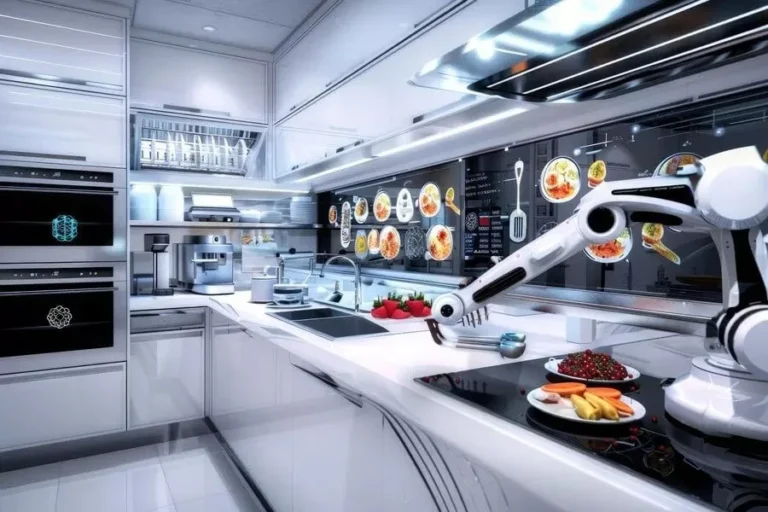
14. The Robot That Plates Your Food (No, Really)
I’ll admit it: When I first heard about food plating robots, I thought it was a gimmick. Then I saw the Moley Robotic Kitchen in action, and I was blown away. It’s not cheap, and it’s not for every kitchen, but it’s a glimpse into the future of restaurant cooking.
Here’s how it works: The robot has two articulated arms with hands that can grip utensils and plates. It’s programmed with recipes, and it can cook and plate dishes with precision and consistency. No more human error, no more variation between plates. And because it’s so precise, you can save on ingredients and reduce waste.
But here’s the thing about food plating robots: They’re not for every kitchen. If you’re a small, chef-driven spot, it might not be the best fit. But if you’re a high-volume restaurant with a lot of repetitive plating, it’s worth a look. And who knows? In a few years, it might be as common as a deep fryer.
15. The AI That Predicts Your Inventory Needs
AI is one of those buzzwords that gets thrown around a lot, but it’s starting to make its way into commercial kitchens in a real way. AI-powered inventory systems like Infor are using machine learning to predict your inventory needs based on historical data, weather patterns, and even local events.
Here’s how it works: The system analyzes your sales data, your inventory usage, and external factors like weather and events. It then predicts how much of each ingredient you’ll need for the upcoming week. No more guessing, no more over-ordering. And because it’s so precise, you can reduce waste and save money.
But here’s the thing about AI: It’s only as good as your data. If you’re not entering your sales and inventory data accurately, the predictions are going to be off. And if you’re not using the system consistently, you’re not going to see the benefits. It’s not a magic bullet, but when used correctly, it can save you a ton of time and money.
Putting It All Together: How to Choose the Right Gadgets for Your Kitchen
So, you’re sold on the idea of time-saving kitchen gadgets, but where do you start? With so many options out there, it’s easy to feel overwhelmed. Here’s my step-by-step guide to choosing the right gadgets for your kitchen:
-
Identify Your Bottlenecks: The first step is to figure out where you’re wasting the most time. Is it prep work? Cooking? Dishwashing? Inventory management? Once you know where the bottlenecks are, you can start looking for gadgets that address those specific pain points.
-
Set a Budget: Gadgets can be expensive, so it’s important to set a budget before you start shopping. Keep in mind that the cheapest option isn’t always the best, sometimes, spending a little more upfront can save you money in the long run.
-
Do Your Research: Read reviews, talk to other chefs, and, if possible, try out the gadgets before you buy. The best gadgets are the ones that your staff will actually use, so it’s important to get their input.
-
Start Small: You don’t have to overhaul your entire kitchen at once. Start with one or two gadgets that address your biggest pain points, and go from there. Once you see the benefits, you can start adding more.
-
Train Your Staff: Gadgets are only as good as the people using them. Make sure your staff knows how to use the new tools, and encourage them to give feedback. If they’re not using the gadgets, they’re not going to save you any time.
-
Monitor and Adjust: Keep track of how the new gadgets are working. Are they saving you time? Are they reducing waste? Are they improving consistency? If not, it might be time to make some adjustments.
Here’s the thing about gadgets: They’re not a magic bullet. They won’t fix a broken kitchen, and they won’t make up for poor training or bad processes. But when used correctly, they can save you time, reduce waste, and improve consistency. And in a busy restaurant, that’s worth its weight in gold.
So, what’s the first gadget you’re going to try? Maybe it’s a commercial spiralizer to speed up your veggie prep. Or maybe it’s a smart griddle to improve your line efficiency. Whatever it is, I hope this guide has given you some ideas for how to make your kitchen run smoother, faster, and more efficiently. Because at the end of the day, that’s what it’s all about, getting food out of the kitchen and onto the plate, where it belongs.
FAQ: Your Burning Questions About Time-Saving Kitchen Gadgets
Q: Are these gadgets really worth the investment? I’m worried about the upfront cost.
A: It’s a valid concern. The upfront cost of some of these gadgets can be steep, but it’s important to think about the long-term savings. For example, a commercial food processor might cost a few thousand dollars, but if it saves you 10 hours of prep time per week, that’s 520 hours per year. At $15 per hour, that’s $7,800 in labor savings. And that’s not even counting the reduced food waste and improved consistency. So, while the upfront cost might be high, the long-term savings can be significant.
Q: How do I know which gadgets are right for my kitchen? I don’t want to waste money on something we won’t use.
A: The key is to identify your biggest pain points first. Are you spending too much time on prep work? Then look into gadgets like automatic portioning scales or commercial spiralizers. Are you struggling with consistency? Then consider smart temperature probes or induction burners. And don’t forget to talk to your staff, they’re the ones who will be using the gadgets, so their input is invaluable. Start small, and once you see the benefits, you can start adding more.
Q: What’s the one gadget you couldn’t live without in your kitchen?
A: That’s a tough one, but if I had to pick just one, it would be the commercial dishwasher. It’s not the sexiest gadget, but when your dishwasher is running smoothly, your whole kitchen runs smoothly. No more dirty dishes piling up, no more cooks washing their own tools, and no more bottlenecks on the line. It’s a game-changer. That said, if I were running a high-volume spot, I’d also be lost without a smart POS system to keep the front and back of house in sync.
Q: Are there any gadgets that are more trouble than they’re worth? I don’t want to waste money on something that will just gather dust.
A: Absolutely. There are plenty of gadgets out there that are more trouble than they’re worth. For example, I’ve seen kitchens invest in automatic plating machines only to realize that they’re too slow or too finicky for a busy service. And I’ve seen kitchens buy high-end sous vide circulators only to realize that they don’t have the space or the staff to use them effectively. The key is to do your research, talk to other chefs, and, if possible, try out the gadgets before you buy. And remember: Just because a gadget is new and shiny doesn’t mean it’s right for your kitchen.
@article{15-commercial-kitchen-gadgets-that-actually-save-time-and-my-sanity-in-busy-restaurants,
    title   = {15 Commercial Kitchen Gadgets That Actually Save Time (And My Sanity) in Busy Restaurants},
    author  = {Chef's icon},
    year    = {2026},
    journal = {Chef's Icon},
    url     = {https://chefsicon.com/commercial-kitchen-gadgets-that-save-time-for-busy-restaurants/}
}