The Best Fluffy Pancakes recipe you will fall in love with. Full of tips and tricks to help you make the best pancakes.
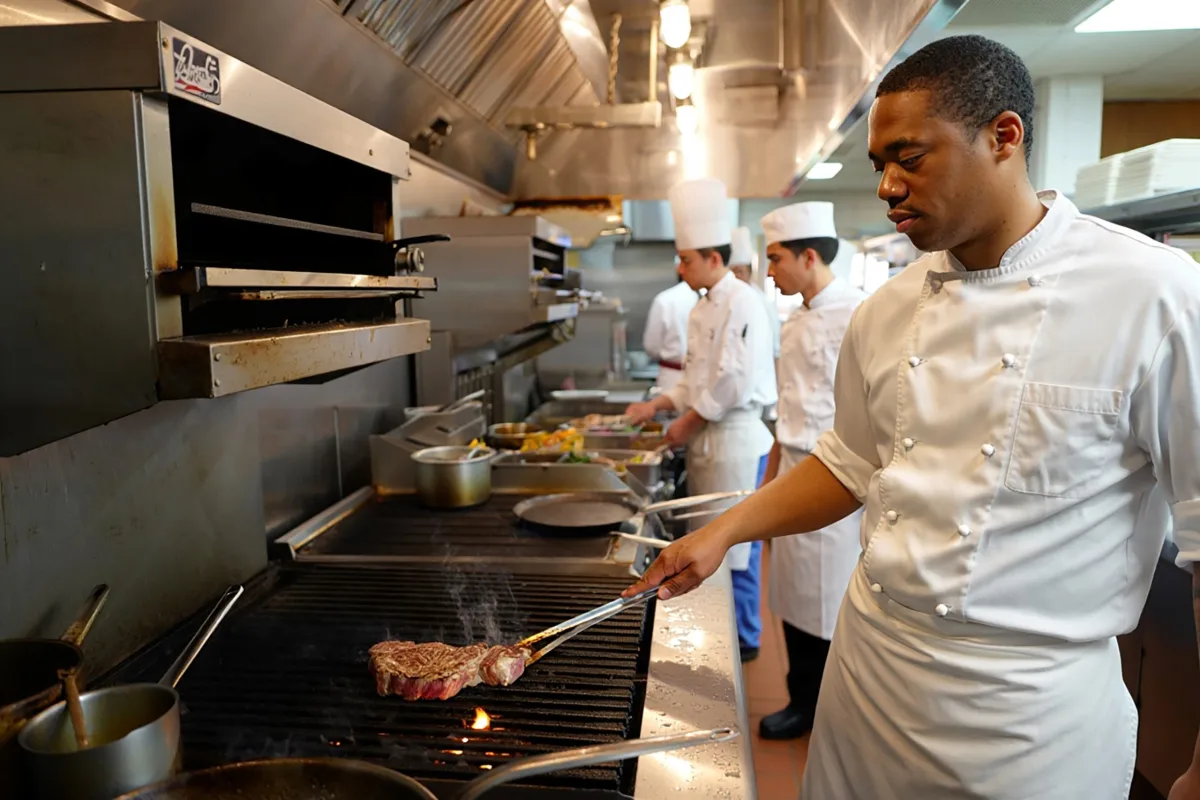
Let me start with a confession: I’ve eaten at hundreds of restaurants over the years, but I’ve also seen behind the curtain more times than I can count. And here’s the thing that keeps me up at night, most restaurants are one bad day away from chaos. Not because the food is bad or the service is slow, but because when emergencies hit, the staff often don’t know what to do. I’ve seen it firsthand: a grease fire that turned into a full-blown panic, a customer choking while the staff froze, or a power outage that left everyone scrambling in the dark. It’s not that these places didn’t care. They just didn’t prepare.
That’s why I’m writing this. Because creating a staff training program for restaurant emergencies isn’t just about ticking boxes for compliance, it’s about saving lives, protecting your business, and making sure your team doesn’t crumble when things go sideways. And let’s be real: things *will* go sideways at some point. The question is, will your team be ready?
In this guide, I’m going to walk you through how to build a training program that’s practical, effective, and, most importantly, sticks. We’ll cover everything from identifying the most common emergencies in restaurants to designing drills that feel less like a chore and more like second nature. I’ll share what’s worked (and what hasn’t) based on my own experiences, conversations with industry veterans, and a healthy dose of trial and error. By the end, you’ll have a blueprint you can adapt to your restaurant’s unique needs. So, let’s dive in.
The Brutal Truth About Restaurant Emergencies (And Why Most Training Fails)
Before we get into the nitty-gritty, let’s talk about why most emergency training programs fall short. It’s not for lack of effort, most restaurant owners and managers *want* their teams to be prepared. But here’s the problem: traditional training often treats emergencies like a checkbox. You watch a video, sign a sheet, and boom, you’re “trained.” But in the heat of the moment, when smoke is filling the kitchen or a customer is collapsing in the dining room, that 10-minute video isn’t going to cut it.
I remember sitting in a manager’s office a few years back, flipping through a binder labeled “Emergency Procedures.” It was thick, filled with policies, diagrams, and step-by-step instructions. But when I asked the staff about it, no one could tell me where it was kept. One server laughed and said, “Oh, that thing? I think it’s in the back office, under a pile of old menus.” That’s the reality for a lot of restaurants. The training exists, but it’s not accessible, it’s not practiced, and it’s certainly not ingrained in the team’s muscle memory.
So, what’s the solution? It starts with shifting your mindset. Emergency training isn’t a one-and-done event, it’s an ongoing process. It’s not about memorizing a script; it’s about building confidence and competence. And most importantly, it’s about making sure your team knows that they’re not alone. Emergencies are scary, but they’re a lot less scary when you’ve practiced for them.
Is this the best approach? Let’s consider: what if we treated emergency training like we treat opening and closing procedures? Those are drilled into the team until they become second nature. Why shouldn’t emergencies be the same? The goal isn’t to create robots who follow a script, it’s to create a team that can think on their feet, communicate clearly, and act decisively when it matters most.
Step 1: Identify the Emergencies That Actually Happen in Restaurants
Not all emergencies are created equal. A power outage is different from a medical emergency, and a grease fire is nothing like a violent altercation. So, the first step in building your training program is figuring out which emergencies are most likely to happen in *your* restaurant. This isn’t about preparing for every possible scenario, it’s about focusing on the ones that are most relevant to your space, your team, and your customers.
Here’s a list of the most common restaurant emergencies, based on industry data and real-world incidents:
- Fires: Grease fires, electrical fires, and kitchen equipment malfunctions are among the most common emergencies in restaurants. The National Fire Protection Association (NFPA) reports that cooking equipment is the leading cause of restaurant fires, accounting for nearly 60% of all incidents.
- Medical Emergencies: Choking, heart attacks, allergic reactions, and seizures can happen anywhere, but they’re especially common in restaurants where people are eating and drinking. The Red Cross estimates that one in four people will experience a medical emergency in their lifetime, and restaurants are no exception.
- Power Outages: Whether it’s a storm, a grid failure, or a blown fuse, power outages can bring a restaurant to a standstill. Without electricity, you can’t cook, process payments, or even see what you’re doing. And if the outage lasts long enough, you might have to deal with spoiled food or unhappy customers.
- Gas Leaks: Natural gas is odorless, but utility companies add a chemical called mercaptan to give it that distinctive “rotten egg” smell. If your team doesn’t recognize the signs of a gas leak, or worse, ignores them, it could lead to an explosion or carbon monoxide poisoning.
- Violent Incidents: Unfortunately, restaurants aren’t immune to violence. This could be anything from a customer getting aggressive to an active shooter situation. While these incidents are rare, they’re also the most dangerous, and your team needs to know how to respond.
- Foodborne Illness Outbreaks: If multiple customers report getting sick after eating at your restaurant, it could be a sign of a larger problem. This isn’t just a PR nightmare, it’s a public health issue that requires immediate action.
- Severe Weather: Tornadoes, hurricanes, floods, and blizzards can all disrupt restaurant operations. Depending on where you’re located, some of these might be more likely than others. But even a heavy rainstorm can cause problems if it leads to flooding or power outages.
- Equipment Failures: A broken walk-in freezer, a malfunctioning oven, or a burst pipe can all create emergencies. These might not be life-threatening, but they can still disrupt your business and cost you money.
Now, here’s the thing: you don’t need to prepare for every single one of these. Instead, focus on the ones that are most likely to happen in your restaurant. For example, if you’re in a coastal area, severe weather might be a bigger concern than if you’re in the desert. If you serve a lot of seafood, allergic reactions might be more common than if you’re a pizza joint. Take a look at your restaurant’s history, your location, and your menu, and prioritize accordingly.
I’m torn between making this list exhaustive and keeping it practical. On one hand, it’s important to be thorough. On the other, if you try to prepare for everything, you’ll end up preparing for nothing. Maybe I should clarify: the goal isn’t to cover every possible scenario, it’s to cover the ones that are most relevant to *your* restaurant. Start with the top three to five emergencies, and build from there.
Step 2: Break Down Each Emergency into Clear, Actionable Steps
Once you’ve identified the emergencies you need to prepare for, the next step is to break each one down into clear, actionable steps. This is where a lot of training programs go wrong. They either give too much information (overwhelming the team) or too little (leaving them unprepared). The key is to find the sweet spot: enough detail to be useful, but not so much that it’s paralyzing.
Let’s take a grease fire as an example. Most people know you shouldn’t throw water on a grease fire, but what *should* you do? Here’s how you might break it down:
- Assess the Situation: Is the fire small and contained, or is it spreading? If it’s small, you might be able to handle it yourself. If it’s large or spreading, you need to evacuate and call 911.
- Turn Off the Heat Source: If it’s safe to do so, turn off the burner or oven to cut off the fire’s fuel supply.
- Cover the Fire: Use a metal lid or baking sheet to smother the flames. Never use glass, it can shatter from the heat.
- Use a Fire Extinguisher: If the fire is still burning, use a Class K fire extinguisher (designed for grease fires). Aim at the base of the fire, not the flames.
- Evacuate if Necessary: If the fire is out of control, get everyone out of the building and call 911. Do not try to be a hero, your safety is the top priority.
- Alert the Team: If the fire is contained, let your manager or supervisor know what happened so they can assess the damage and decide whether to close the kitchen.
See how that works? It’s not just a list of dos and don’ts, it’s a step-by-step process that anyone can follow, even under stress. Now, let’s apply the same approach to a medical emergency, like a customer choking:
- Assess the Situation: Is the person coughing, gagging, or unable to speak? If they’re coughing, they might be able to clear the obstruction on their own. If they’re not coughing or speaking, they need immediate help.
- Ask for Consent: If the person is conscious, ask, “Are you choking? Can I help you?” This isn’t just polite, it’s legally required in some places.
- Perform the Heimlich Maneuver: Stand behind the person, wrap your arms around their waist, and make a fist with one hand. Place your fist just above their navel, grab it with your other hand, and thrust inward and upward until the object is dislodged.
- Call 911 if Necessary: If the person becomes unconscious or the Heimlich doesn’t work, call 911 immediately. Stay with them and continue trying to clear the obstruction.
- Alert the Team: Let your manager know what happened so they can document the incident and decide whether to close the area or continue service.
Notice how both examples follow a similar structure: assess, act, communicate. That’s intentional. When you’re designing your training program, try to keep the steps consistent across different emergencies. This makes it easier for your team to remember what to do, no matter what situation they’re facing.
But here’s the thing: breaking down the steps is only half the battle. The other half is making sure your team understands why each step matters. For example, why do you turn off the heat source in a grease fire? Because it cuts off the fire’s fuel supply. Why do you ask for consent before performing the Heimlich? Because it’s the law in some places, and it’s also a basic respect for the person’s autonomy. When your team understands the “why” behind the steps, they’re more likely to remember them.
Step 3: Design a Training Program That Sticks (Not Just Checks a Box)
Alright, so you’ve identified the emergencies you need to prepare for, and you’ve broken them down into clear, actionable steps. Now comes the hard part: designing a training program that actually sticks. Because let’s be honest, most training programs are about as memorable as a grocery list. You watch a video, take a quiz, and forget everything by the time you clock in for your next shift.
So, how do you make sure your training program is different? How do you make sure your team actually remembers what to do when an emergency hits? Here are a few strategies that have worked for me and the restaurants I’ve consulted with:
1. Make It Hands-On
People learn by doing. That’s just a fact. So, if you want your team to remember how to use a fire extinguisher, don’t just show them a video, let them practice using one. If you want them to know how to perform the Heimlich maneuver, don’t just lecture them, have them practice on a mannequin. Hands-on training isn’t just more effective, it’s also more engaging. And when your team is engaged, they’re more likely to remember what they’ve learned.
Here’s an example: one restaurant I worked with set up a monthly “Emergency Drill Day.” They’d pick one emergency (like a grease fire or a power outage) and run through it step by step. The kitchen staff would practice using fire extinguishers, the front-of-house team would practice evacuating customers, and everyone would get a chance to ask questions and troubleshoot. It wasn’t perfect, there were a few laughs, a few mistakes, and a lot of trial and error, but by the end of the day, everyone knew exactly what to do. And that’s the point.
2. Keep It Short and Frequent
Let’s be real: no one wants to sit through a three-hour training session. And even if they did, they’d forget most of it by the next day. That’s why it’s better to keep your training sessions short and frequent. Think of it like exercise: a 10-minute workout every day is more effective than a three-hour session once a month.
Here’s how you might structure it:
- Weekly 10-Minute Drills: Pick one emergency and spend 10 minutes going over the steps. You could do this at the start of a shift, during a team meeting, or even as part of your pre-shift huddle.
- Monthly Full-Length Drills: Once a month, set aside an hour to run through a full emergency scenario. This could be anything from a fire drill to a medical emergency simulation. The key is to make it as realistic as possible.
- Quarterly Refresher Courses: Every three months, bring in an expert (like a firefighter or a paramedic) to review the basics and answer questions. This is also a good time to update your training materials based on feedback from your team.
I’m torn between making this too rigid and too flexible. On one hand, you want a structure that’s consistent and easy to follow. On the other, you don’t want it to feel like a chore. Maybe I should clarify: the goal isn’t to create a one-size-fits-all program, it’s to create a framework that you can adapt to your restaurant’s needs. If your team is struggling with a particular emergency, spend more time on it. If they’ve got it down, move on to something else.
3. Use Real-World Scenarios
One of the biggest mistakes I see in emergency training is using generic, hypothetical scenarios. “Imagine there’s a fire in the kitchen. What do you do?” That’s not helpful. It’s too vague, too abstract. Instead, use real-world scenarios that are specific to your restaurant. For example:
- “The fryer in Station 3 catches fire during the dinner rush. What do you do?”
- “A customer at Table 5 starts choking on their steak. What do you do?”
- “The power goes out during a busy Saturday night. What do you do?”
See the difference? These scenarios are specific, realistic, and relevant to your team’s daily work. They force your team to think critically and apply what they’ve learned to real-life situations. And that’s what training is all about.
4. Make It Fun (Yes, Really)
Let’s be honest: emergency training isn’t exactly a party. But that doesn’t mean it has to be boring. In fact, the more fun you can make it, the more engaged your team will be. And the more engaged they are, the more they’ll remember.
Here are a few ideas to make your training more fun:
- Gamify It: Turn your drills into a game. For example, you could time how long it takes your team to evacuate the building during a fire drill. The fastest team wins a prize (like a gift card or an extra break).
- Use Humor: A little humor can go a long way. For example, you could create a funny video or skit to demonstrate what *not* to do during an emergency. Just make sure the humor doesn’t undermine the seriousness of the training.
- Reward Participation: Recognize and reward team members who actively participate in training. This could be anything from a shout-out in a team meeting to a small bonus. The key is to make your team feel valued and appreciated.
I know what you’re thinking: “Fun? During emergency training? That sounds ridiculous.” But hear me out. If your team is having fun, they’re more likely to pay attention. And if they’re paying attention, they’re more likely to remember what they’ve learned. It’s a win-win.
5. Test and Refine
Finally, don’t be afraid to test and refine your training program. No program is perfect right out of the gate, and what works for one restaurant might not work for another. So, pay attention to what’s working and what’s not, and be willing to make changes.
Here are a few ways to test your program:
- Run Mock Emergencies: Set up a mock emergency (like a fire or a medical emergency) and see how your team responds. Did they follow the steps correctly? Did they communicate effectively? Did they stay calm under pressure? Use these drills to identify areas for improvement.
- Ask for Feedback: After each training session, ask your team for feedback. What did they like? What didn’t they like? What would they change? This is your chance to get input from the people who are actually going through the training.
- Track Progress: Keep track of how your team is improving over time. Are they getting faster at evacuating the building? Are they more confident using a fire extinguisher? Are they better at communicating during emergencies? Use this data to refine your program and make it even better.
Is this the best approach? Let’s consider: what if we treated emergency training like a living, breathing thing? Something that evolves and improves over time, based on feedback and real-world experience. That’s the goal, right? To create a program that’s not just effective, but also adaptable.
Step 4: Assign Roles and Responsibilities (Because Chaos Loves Company)
Here’s a hard truth: in an emergency, someone needs to be in charge. If everyone is running around like chickens with their heads cut off, nothing gets done. That’s why it’s so important to assign roles and responsibilities ahead of time. When everyone knows what they’re supposed to do, the chaos becomes manageable.
Let’s break down some of the key roles you might assign in your restaurant:
1. The Leader
This is the person who’s in charge during an emergency. They’re the one who makes the big decisions, like whether to evacuate the building or call 911. In most restaurants, this will be the manager or the most senior person on duty. But here’s the thing: the leader isn’t necessarily the person with the most experience, it’s the person who’s calm under pressure and good at making decisions. So, choose wisely.
What does the leader do? Here are a few key responsibilities:
- Assess the situation and decide on the best course of action.
- Delegate tasks to other team members.
- Communicate with emergency services (if necessary).
- Keep the team calm and focused.
- Make sure everyone is accounted for during an evacuation.
2. The Communicator
This is the person who’s responsible for communicating with emergency services, customers, and other stakeholders. They’re the one who calls 911, gives updates to the team, and (if necessary) speaks to the media. This role is especially important in large restaurants or during complex emergencies (like a fire or a medical emergency).
What does the communicator do? Here are a few key responsibilities:
- Call 911 and provide clear, concise information.
- Keep the team updated on what’s happening.
- Communicate with customers (if necessary).
- Speak to the media (if the situation warrants it).
3. The First Responder
This is the person who’s responsible for taking immediate action during an emergency. They’re the one who uses the fire extinguisher, performs the Heimlich maneuver, or administers first aid. In most restaurants, this will be someone from the kitchen or the front-of-house team who’s been trained in basic first aid and emergency response.
What does the first responder do? Here are a few key responsibilities:
- Assess the situation and take immediate action.
- Use a fire extinguisher or other emergency equipment.
- Perform first aid or CPR (if trained).
- Assist with evacuations (if necessary).
4. The Evacuation Coordinator
This is the person who’s responsible for making sure everyone gets out of the building safely during an evacuation. They’re the one who checks all the rooms, makes sure no one is left behind, and accounts for everyone once they’re outside. This role is especially important in large restaurants or during complex emergencies (like a fire or a gas leak).
What does the evacuation coordinator do? Here are a few key responsibilities:
- Check all the rooms and areas of the restaurant to make sure no one is left behind.
- Guide customers and team members to the nearest exit.
- Account for everyone once they’re outside.
- Communicate with the leader and the first responder.
5. The Support Team
This is everyone else on your team. They’re the ones who assist with evacuations, help customers, and support the other roles. While they might not have a specific title, their role is just as important. After all, emergencies are a team effort.
What does the support team do? Here are a few key responsibilities:
- Assist with evacuations (if necessary).
- Help customers and team members who are injured or in distress.
- Support the other roles (like the leader or the first responder).
- Follow the instructions of the leader and the other roles.
Now, here’s the thing: you don’t need to assign all of these roles in every restaurant. In a small café, one person might wear multiple hats. In a large restaurant, you might have a dedicated team for each role. The key is to figure out what works best for your restaurant and your team.
I’m torn between making this too rigid and too flexible. On one hand, you want clear roles and responsibilities. On the other, you don’t want to overwhelm your team with too many titles. Maybe I should clarify: the goal isn’t to create a bureaucracy, it’s to make sure everyone knows what they’re supposed to do during an emergency. Start with the basics (like a leader and a first responder), and add more roles as needed.
Step 5: Create an Emergency Action Plan (And Actually Use It)
Alright, so you’ve identified the emergencies you need to prepare for, broken them down into clear steps, designed a training program, and assigned roles and responsibilities. Now it’s time to put it all together in an Emergency Action Plan (EAP). This is your restaurant’s playbook for emergencies, your go-to guide for what to do when things go wrong.
But here’s the thing: an EAP is only as good as its implementation. If it’s sitting in a binder collecting dust, it’s not doing anyone any good. So, how do you create an EAP that’s actually useful? Let’s break it down.
1. Start with the Basics
Your EAP should start with the basics: a list of emergencies, the steps to take for each one, and the roles and responsibilities of your team. This is the foundation of your plan, so make sure it’s clear, concise, and easy to follow. Here’s an example of what it might look like:
- Fire: Evacuate the building, call 911, use a fire extinguisher (if safe to do so).
- Medical Emergency: Assess the situation, call 911 (if necessary), perform first aid (if trained).
- Power Outage: Use flashlights or emergency lighting, evacuate customers (if necessary), call the power company.
- Gas Leak: Evacuate the building, call 911, do not turn on any lights or appliances.
See how simple that is? It’s not a novel, it’s a quick reference guide that anyone can follow, even under stress.
2. Include Contact Information
Your EAP should also include a list of important contact information, like:
- Emergency services (911, local fire department, police department, etc.)
- Hospital and urgent care centers
- Poison control
- Utility companies (electric, gas, water, etc.)
- Restaurant owner/manager
- Key team members (like the leader or the first responder)
Make sure this information is up-to-date and easily accessible. You don’t want to be scrambling to find a phone number during an emergency.
3. Map Out Evacuation Routes
During an emergency, every second counts. That’s why it’s so important to map out evacuation routes ahead of time. Your EAP should include a floor plan of your restaurant with clearly marked exits, assembly points, and any obstacles (like stairs or narrow hallways) that might slow down an evacuation.
Here’s how you might do it:
- Draw a floor plan of your restaurant (you can use a simple sketch or a digital tool like Google Maps).
- Mark all the exits (including emergency exits).
- Mark the assembly points (where everyone should go once they’re outside).
- Mark any obstacles (like stairs, narrow hallways, or heavy doors).
- Post the floor plan in a visible location (like the kitchen or the break room).
I know what you’re thinking: “This seems like overkill.” But trust me, it’s not. During an emergency, people panic. They forget where the exits are, they take the long way around, they get stuck behind obstacles. A clear evacuation map can save lives.
4. Include Emergency Equipment Locations
Your EAP should also include a list of all the emergency equipment in your restaurant, along with its location. This could include:
- Fire extinguishers
- First aid kits
- Automated External Defibrillators (AEDs)
- Emergency lighting
- Fire alarms
- Emergency shut-off valves (for gas, water, etc.)
Make sure this information is up-to-date and easily accessible. You don’t want to be searching for a fire extinguisher during a grease fire.
5. Outline Communication Protocols
During an emergency, communication is key. Your EAP should outline how your team will communicate with each other, with emergency services, and with customers. This could include:
- Who calls 911 (and what information they should provide).
- How to communicate with the team (like using walkie-talkies or a group chat).
- How to communicate with customers (like using a PA system or a megaphone).
- How to communicate with the media (if the situation warrants it).
I’m torn between making this too detailed and too vague. On one hand, you want clear communication protocols. On the other, you don’t want to overwhelm your team with too much information. Maybe I should clarify: the goal isn’t to create a rigid script, it’s to make sure everyone knows how to communicate effectively during an emergency. Start with the basics (like who calls 911), and add more details as needed.
6. Include Post-Emergency Procedures
Emergencies don’t end when the immediate threat is over. There’s still a lot to do, like:
- Assessing the damage.
- Cleaning up (if necessary).
- Documenting the incident.
- Communicating with customers and stakeholders.
- Reviewing what happened and how to prevent it in the future.
Your EAP should include a section on post-emergency procedures, so your team knows what to do once the immediate threat is over.
7. Make It Accessible
Finally, make sure your EAP is accessible to everyone on your team. This means:
- Posting it in a visible location (like the kitchen or the break room).
- Including it in your employee handbook.
- Making it available digitally (like on a shared drive or a team app).
- Reviewing it regularly during training sessions.
Is this the best approach? Let’s consider: what if we treated the EAP like a living document? Something that’s updated regularly, based on feedback and real-world experience. That’s the goal, right? To create a plan that’s not just effective, but also adaptable.
Step 6: Train Your Team (And Keep Training Them)
Alright, so you’ve got your Emergency Action Plan. Now it’s time to train your team. But here’s the thing: training isn’t a one-and-done event. It’s an ongoing process. You can’t just hand your team a binder and expect them to be prepared. You need to train them, test them, and train them some more.
So, how do you do that? Let’s break it down.
1. Start with the Basics
Before you dive into complex scenarios, start with the basics. Make sure your team knows:
- Where the Emergency Action Plan is located.
- What the most common emergencies are (and how to recognize them).
- What their roles and responsibilities are.
- Where the emergency equipment is located (like fire extinguishers and first aid kits).
- How to communicate during an emergency.
This might seem like a lot, but it’s the foundation of your training program. If your team doesn’t know the basics, they won’t be prepared for anything more complex.
2. Use Hands-On Training
As I mentioned earlier, people learn by doing. So, don’t just lecture your team, let them practice. Here are a few ways to make your training more hands-on:
- Fire Extinguisher Training: Bring in a fire safety professional to teach your team how to use a fire extinguisher. Let them practice on a real fire (under controlled conditions, of course).
- First Aid Training: Bring in a paramedic or a Red Cross instructor to teach your team basic first aid and CPR. Let them practice on mannequins.
- Emergency Drills: Run regular emergency drills (like fire drills or medical emergency simulations). Make them as realistic as possible.
I know what you’re thinking: “This sounds expensive.” And you’re right, it can be. But think of it as an investment. The cost of training is nothing compared to the cost of an emergency that goes wrong.
3. Make It Frequent
Training isn’t a one-and-done event. It’s an ongoing process. So, make sure you’re training your team regularly. Here’s how you might structure it:
- Weekly 10-Minute Drills: Pick one emergency and spend 10 minutes going over the steps. You could do this at the start of a shift, during a team meeting, or even as part of your pre-shift huddle.
- Monthly Full-Length Drills: Once a month, set aside an hour to run through a full emergency scenario. This could be anything from a fire drill to a medical emergency simulation.
- Quarterly Refresher Courses: Every three months, bring in an expert (like a firefighter or a paramedic) to review the basics and answer questions.
I’m torn between making this too rigid and too flexible. On one hand, you want a consistent training schedule. On the other, you don’t want it to feel like a chore. Maybe I should clarify: the goal isn’t to create a one-size-fits-all program, it’s to create a framework that you can adapt to your restaurant’s needs. If your team is struggling with a particular emergency, spend more time on it. If they’ve got it down, move on to something else.
4. Test and Refine
Finally, don’t be afraid to test and refine your training program. No program is perfect right out of the gate, and what works for one restaurant might not work for another. So, pay attention to what’s working and what’s not, and be willing to make changes.
Here are a few ways to test your program:
- Run Mock Emergencies: Set up a mock emergency (like a fire or a medical emergency) and see how your team responds. Did they follow the steps correctly? Did they communicate effectively? Did they stay calm under pressure? Use these drills to identify areas for improvement.
- Ask for Feedback: After each training session, ask your team for feedback. What did they like? What didn’t they like? What would they change? This is your chance to get input from the people who are actually going through the training.
- Track Progress: Keep track of how your team is improving over time. Are they getting faster at evacuating the building? Are they more confident using a fire extinguisher? Are they better at communicating during emergencies? Use this data to refine your program and make it even better.
Is this the best approach? Let’s consider: what if we treated emergency training like a living, breathing thing? Something that evolves and improves over time, based on feedback and real-world experience. That’s the goal, right? To create a program that’s not just effective, but also adaptable.
Step 7: Equip Your Restaurant with the Right Tools (Because Preparation Beats Panic)
You can have the best training program in the world, but if your restaurant isn’t equipped with the right tools, your team won’t be able to respond effectively. So, let’s talk about the essential emergency equipment every restaurant should have.
1. Fire Extinguishers
Fire extinguishers are a no-brainer. Every restaurant should have at least one, and preferably more. But here’s the thing: not all fire extinguishers are created equal. There are different types for different kinds of fires:
- Class A: For ordinary combustibles like wood, paper, and cloth.
- Class B: For flammable liquids like grease, oil, and gasoline.
- Class C: For electrical fires.
- Class K: Specifically for grease fires in commercial kitchens.
For most restaurants, a Class K fire extinguisher is the best choice. It’s designed specifically for grease fires, which are the most common type of fire in restaurants. But it’s also a good idea to have a few Class ABC extinguishers on hand for other types of fires.
Make sure your fire extinguishers are:
- Easily accessible (not locked in a cabinet or hidden behind equipment).
- Regularly inspected and maintained.
- Clearly labeled and visible.
2. First Aid Kits
A well-stocked first aid kit is essential for any restaurant. It should include:
- Bandages and gauze
- Antiseptic wipes and ointment
- Gloves
- Scissors and tweezers
- CPR face shield
- Instant cold packs
- First aid manual
Make sure your first aid kit is:
- Easily accessible (not locked in a cabinet or buried in a drawer).
- Regularly restocked.
- Clearly labeled and visible.
3. Automated External Defibrillators (AEDs)
An AED is a portable device that can save a person’s life during a cardiac emergency. It’s easy to use, even for someone with no medical training, and it can mean the difference between life and death. While AEDs aren’t required in all restaurants, they’re a good investment, especially if you have a large team or a lot of customers.
Make sure your AED is:
- Easily accessible (not locked in a cabinet or hidden away).
- Regularly inspected and maintained.
- Clearly labeled and visible.
4. Emergency Lighting
During a power outage, emergency lighting can be a lifesaver. It helps your team and customers navigate the restaurant safely, and it can prevent injuries and accidents. There are a few different types of emergency lighting:
- Exit Signs: These are required by law in most places. They should be clearly visible and illuminated at all times.
- Battery-Powered Lights: These are portable lights that can be placed around the restaurant during a power outage.
- Backup Generators: These are more expensive, but they can keep your restaurant running during a power outage.
Make sure your emergency lighting is:
- Regularly tested and maintained.
- Clearly labeled and visible.
- Easily accessible (not locked in a cabinet or hidden away).
5. Emergency Shut-Off Valves
In the event of a gas leak or a water main break, you’ll need to shut off the utilities quickly. That’s where emergency shut-off valves come in. Make sure your team knows where these valves are located and how to use them.
Here are a few common shut-off valves:
- Gas Shut-Off Valve: This is usually located near the gas meter or the main gas line.
- Water Shut-Off Valve: This is usually located near the water meter or the main water line.
- Electrical Shut-Off: This is usually located near the electrical panel or the main breaker.
Make sure your shut-off valves are:
- Clearly labeled and visible.
- Easily accessible (not locked in a cabinet or hidden away).
- Regularly tested and maintained.
6. Communication Tools
During an emergency, communication is key. Make sure your team has the tools they need to communicate effectively, like:
- Walkie-Talkies: These are great for communicating with team members who are spread out around the restaurant.
- PA System: This is great for communicating with customers and team members in large or noisy spaces.
- Megaphone: This is great for communicating with customers during an evacuation.
- Emergency Alert System: This is a more advanced option, but it can be useful for large restaurants or multi-location businesses.
I’m torn between making this list exhaustive and keeping it practical. On one hand, you want to be prepared for anything. On the other, you don’t want to overwhelm your team with too much equipment. Maybe I should clarify: the goal isn’t to have every possible tool, it’s to have the tools that are most relevant to your restaurant. Start with the basics (like fire extinguishers and first aid kits), and add more as needed.
Step 8: Foster a Culture of Preparedness (Because Training Starts at the Top)
Here’s the hard truth: no matter how good your training program is, it won’t work if your team doesn’t buy into it. And that starts at the top. If your managers and owners don’t take emergency preparedness seriously, your team won’t either. So, how do you foster a culture of preparedness in your restaurant?
1. Lead by Example
If you want your team to take emergency training seriously, you need to lead by example. That means:
- Participating in training sessions.
- Following the Emergency Action Plan.
- Encouraging your team to ask questions and share ideas.
- Recognizing and rewarding team members who take emergency preparedness seriously.
I know what you’re thinking: “I’m the manager. I don’t have time for this.” But here’s the thing: if you don’t make time for emergency preparedness, you’re putting your team, your customers, and your business at risk. And that’s not a risk worth taking.
2. Make It Part of Your Onboarding Process
Emergency preparedness shouldn’t be an afterthought, it should be part of your onboarding process. That means:
- Including emergency training in your new hire orientation.
- Going over the Emergency Action Plan during the first week.
- Assigning a mentor to help new hires learn the ropes.
I’m torn between making this too rigid and too flexible. On one hand, you want a consistent onboarding process. On the other, you don’t want to overwhelm new hires with too much information. Maybe I should clarify: the goal isn’t to turn new hires into emergency experts overnight, it’s to give them the tools they need to be safe and effective from day one.
3. Encourage Open Communication
A culture of preparedness is built on open communication. That means:
- Encouraging your team to ask questions and share ideas.
- Creating a safe space for team members to report hazards or near-misses.
- Listening to feedback and making changes as needed.
Here’s an example: one restaurant I worked with had a “Safety Suggestion Box” where team members could anonymously report hazards or suggest improvements. It wasn’t fancy, just a box with a slot and a pad of paper, but it made a big difference. Team members felt heard, and the restaurant was able to address issues before they became emergencies.
4. Recognize and Reward Preparedness
Finally, don’t forget to recognize and reward team members who take emergency preparedness seriously. This could be anything from a shout-out in a team meeting to a small bonus. The key is to make your team feel valued and appreciated.
Here’s an idea: create a “Safety Champion” award for the team member who goes above and beyond in emergency preparedness. It doesn’t have to be anything fancy, just a certificate or a small prize, but it can make a big difference in motivating your team.
Is this the best approach? Let’s consider: what if we treated emergency preparedness like a team sport? Something that everyone participates in, not just the managers or the “safety people.” That’s the goal, right? To create a culture where everyone feels responsible for safety and preparedness.
Step 9: Stay Up-to-Date with Regulations and Best Practices
Emergency preparedness isn’t a one-and-done deal. It’s an ongoing process that requires you to stay up-to-date with the latest regulations and best practices. So, how do you do that?
1. Know the Regulations
First, make sure you’re familiar with the regulations that apply to your restaurant. These can vary depending on where you’re located, but they might include:
- Fire Safety Regulations: These are usually set by your local fire department. They might include requirements for fire extinguishers, emergency lighting, and evacuation routes.
- Health and Safety Regulations: These are usually set by your local health department. They might include requirements for first aid kits, food safety, and employee training.
- Occupational Safety and Health Administration (OSHA) Regulations: These are federal regulations that apply to all workplaces in the U.S. They might include requirements for emergency action plans, fire safety, and first aid.
I know what you’re thinking: “Regulations? Ugh.” But here’s the thing: these regulations aren’t just bureaucratic red tape, they’re designed to keep your team and your customers safe. So, take the time to familiarize yourself with them, and make sure your restaurant is in compliance.
2. Stay Informed
Regulations and best practices are always evolving. So, make sure you’re staying informed about the latest developments in emergency preparedness. Here are a few ways to do that:
- Subscribe to Industry Newsletters: There are a lot of great newsletters out there that cover emergency preparedness in the restaurant industry. Subscribe to a few and stay up-to-date on the latest news and trends.
- Attend Industry Events: Conferences, trade shows, and webinars are a great way to learn about the latest developments in emergency preparedness. Plus, they’re a great opportunity to network with other restaurant owners and managers.
- Follow Industry Leaders: Follow thought leaders in the restaurant industry on social media. They often share insights and best practices that can help you improve your emergency preparedness.
- Join Industry Groups: There are a lot of great industry groups out there that focus on emergency preparedness. Join a few and participate in the conversation.
3. Review and Update Your Plan Regularly
Finally, don’t forget to review and update your Emergency Action Plan regularly. This could be anything from a quick review every few months to a full-scale overhaul every year. The key is to make sure your plan is always up-to-date and relevant.
Here’s how you might structure it:
- Monthly: Review your Emergency Action Plan and make any necessary updates.
- Quarterly: Run a full emergency drill and debrief with your team.
- Annually: Bring in an expert (like a firefighter or a paramedic) to review your plan and provide feedback.
I’m torn between making this too rigid and too flexible. On one hand, you want a consistent review process. On the other, you don’t want it to feel like a chore. Maybe I should clarify: the goal isn’t to create a rigid schedule, it’s to make sure your plan is always up-to-date and relevant. If something changes in your restaurant (like a new menu item or a new piece of equipment), update your plan accordingly.
Step 10: Learn from Real-World Emergencies (Because Hindsight Is 20/20)
No matter how well you prepare, emergencies will happen. And when they do, it’s important to learn from them. So, how do you do that?
1. Debrief After Every Emergency
After every emergency, take the time to debrief with your team. This could be anything from a quick chat in the break room to a formal meeting with a facilitator. The key is to:
- Review what happened.
- Identify what went well.
- Identify what could be improved.
- Make a plan for next time.
Here’s an example: one restaurant I worked with had a grease fire during a busy Saturday night. After the fire was out and the restaurant was back up and running, the manager called a team meeting to debrief. They talked about what happened, what went well (like the team’s quick response), and what could be improved (like the need for more fire extinguisher training). Then, they made a plan to run a fire drill the following week.
2. Document Everything
After every emergency, document what happened. This could include:
- A timeline of events.
- Photos or videos (if available).
- Statements from team members and customers.
- A list of what went well and what could be improved.
This documentation isn’t just for your records, it’s also a valuable learning tool. You can use it to identify patterns, spot areas for improvement, and make your training program even better.
Finally, don’t keep the lessons you’ve learned to yourself. Share them with your team, with other restaurant owners, and with the industry as a whole. This could be anything from a blog post to a presentation at a conference. The key is to help others learn from your experiences.
Here’s an idea: create a “Lessons Learned” board in your break room. After every emergency, write down what happened and what you learned. This isn’t just a great learning tool, it’s also a great way to keep your team engaged and motivated.
Is this the best approach? Let’s consider: what if we treated every emergency as a learning opportunity? Something that makes your restaurant stronger, not weaker. That’s the goal, right? To create a culture where emergencies are seen as opportunities to improve, not just disasters to recover from.
Putting It All Together: Your Emergency Preparedness Checklist
Alright, so we’ve covered a lot of ground. Let’s recap with a checklist you can use to create your own staff training program for restaurant emergencies.
- Identify the Emergencies: Figure out which emergencies are most likely to happen in your restaurant.
- Break Down the Steps: Break each emergency down into clear, actionable steps.
- Design the Training Program: Create a training program that’s hands-on, frequent, and engaging.
- Assign Roles and Responsibilities: Make sure everyone knows what they’re supposed to do during an emergency.
- Create an Emergency Action Plan: Put it all together in a clear, concise, and accessible plan.
- Train Your Team: Train your team regularly, and make sure they’re prepared for anything.
- Equip Your Restaurant: Make sure your restaurant is equipped with the right tools for the job.
- Foster a Culture of Preparedness: Make emergency preparedness a priority for your entire team.
- Stay Up-to-Date: Stay informed about the latest regulations and best practices.
- Learn from Emergencies: After every emergency, debrief with your team and make a plan for next time.
Now, I know what you’re thinking: “This seems like a lot of work.” And you’re right, it is. But here’s the thing: emergency preparedness isn’t a one-time project. It’s an ongoing process. It’s something you’ll need to revisit and refine over time. But if you take it one step at a time, you’ll get there. And when an emergency hits, you’ll be glad you did.
So, what’s next? Start with the first step: identify the emergencies that are most likely to happen in your restaurant. Then, break them down into clear, actionable steps. From there, you can build your training program, assign roles and responsibilities, and create your Emergency Action Plan. It’s not rocket science, it’s just a matter of taking it one step at a time.
And remember: you’re not alone. Every restaurant goes through this. Every manager, every owner, every team member has been where you are now. The difference is, you’re taking the time to prepare. And that’s what sets you apart.
FAQ
Q: How often should we run emergency drills in our restaurant?
A: It depends on your restaurant’s needs, but a good rule of thumb is to run a full emergency drill at least once a month. You can supplement this with shorter, more frequent drills (like a 10-minute fire extinguisher training at the start of a shift). The key is to keep your team sharp and engaged. If you notice your team is struggling with a particular emergency, spend more time on it. If they’ve got it down, move on to something else.
Q: What’s the most important thing to include in an Emergency Action Plan?
A: The most important thing is clarity. Your Emergency Action Plan should be clear, concise, and easy to follow. It should include a list of emergencies, the steps to take for each one, and the roles and responsibilities of your team. It should also include important contact information, evacuation routes, and the locations of emergency equipment. But most importantly, it should be accessible to everyone on your team. If it’s sitting in a binder collecting dust, it’s not doing anyone any good.
Q: How do we keep our team engaged during emergency training?
A: The key is to make your training hands-on, frequent, and fun. People learn by doing, so don’t just lecture your team, let them practice. Run regular drills, use real-world scenarios, and gamify the process. For example, you could time how long it takes your team to evacuate the building during a fire drill. The fastest team wins a prize (like a gift card or an extra break). The more engaged your team is, the more they’ll remember.
Q: What’s the biggest mistake restaurants make when it comes to emergency preparedness?
A: The biggest mistake is treating emergency preparedness like a checkbox. You watch a video, sign a sheet, and boom, you’re “trained.” But in the heat of the moment, when smoke is filling the kitchen or a customer is collapsing in the dining room, that 10-minute video isn’t going to cut it. Emergency training isn’t a one-and-done event, it’s an ongoing process. It’s not about memorizing a script; it’s about building confidence and competence. And most importantly, it’s about making sure your team knows that they’re not alone. Emergencies are scary, but they’re a lot less scary when you’ve practiced for them.
Final Thoughts: The Day You Hope Never Comes (But Should Be Ready For)
Let me leave you with this: the day you hope never comes will come. It might be a grease fire during the dinner rush. It might be a customer choking on their steak. It might be a power outage that leaves you scrambling in the dark. But when it does, you’ll be ready. Not because you’ve memorized a script, but because you’ve built a team that’s confident, competent, and prepared.
So, take the time to create a staff training program for restaurant emergencies. Invest in your team. Invest in your restaurant. And most importantly, invest in the safety of your customers and your community. Because at the end of the day, that’s what it’s all about.
Now, I’m going to do something I don’t usually do: I’m going to challenge you. Not to create the perfect training program. Not to check every box. But to take one step today. Pick one emergency. Break it down into clear, actionable steps. Then, run a 10-minute drill with your team. That’s it. One step. Because that’s how it starts.
And when the day comes, and it will, you’ll be glad you did.
@article{how-to-create-a-staff-training-program-for-restaurant-emergencies-that-actually-works,
    title   = {How to Create a Staff Training Program for Restaurant Emergencies That Actually Works},
    author  = {Chef's icon},
    year    = {2026},
    journal = {Chef's Icon},
    url     = {https://chefsicon.com/how-to-create-a-staff-training-program-for-restaurant-emergencies/}
}