The Best Fluffy Pancakes recipe you will fall in love with. Full of tips and tricks to help you make the best pancakes.
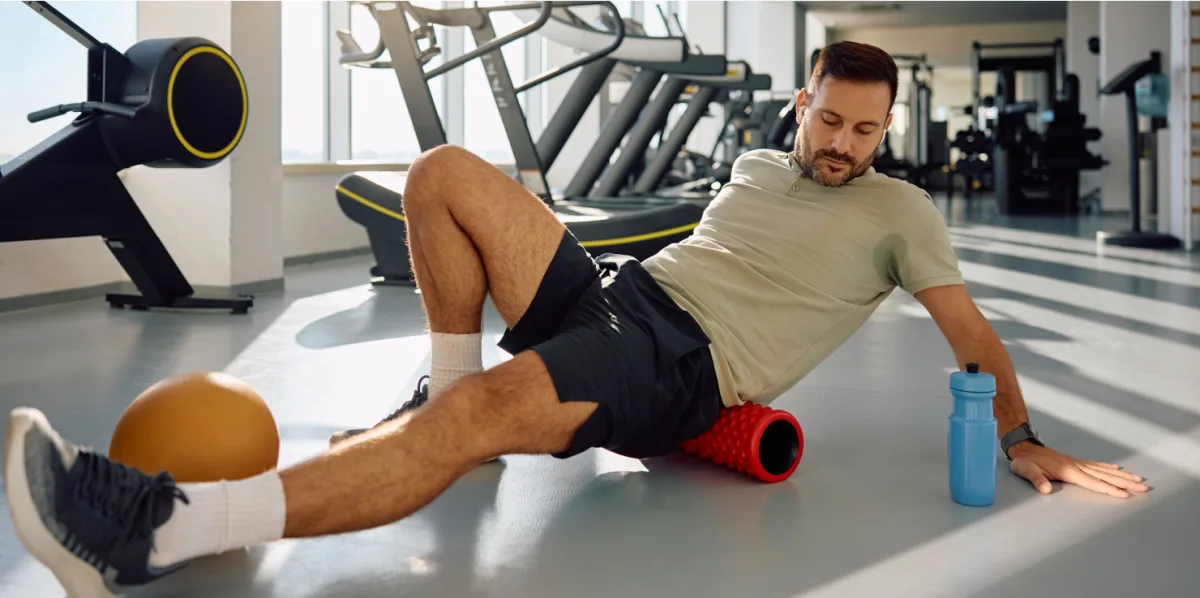
Foam Roller Techniques for Chef Recovery Post-Shift: Why Your Body Will Thank You Tomorrow
Let me set the scene. It’s 11:30 PM, the last ticket’s been fired, the line’s finally quiet, and you’re standing there in your clogs, hands on your hips, wondering why your lower back feels like it’s been through a meat grinder. Again. You’ve just put in a 12-hour shift, your feet are screaming, your shoulders are tighter than a sous-vide bag at 140°F, and the idea of crawling into bed sounds like a five-star review. But here’s the thing, if you don’t take five minutes to do something about it now, tomorrow’s shift is going to feel like you’re starting from scratch. And the day after that? Well, let’s just say your body has a way of keeping score.
I’ve been there. More times than I’d like to admit. Back when I was still in the Bay Area, working the line at a tiny but relentless farm-to-table spot, I’d finish my shift, chug a glass of water (okay, fine, maybe a beer), and collapse onto the couch like a sack of potatoes. The next morning, I’d wake up feeling like I’d been hit by a truck, specifically, one carrying cases of San Marzano tomatoes. It wasn’t until a fellow chef, a guy built like a linebacker who somehow moved like a ballet dancer, tossed me a foam roller and said, “Dude, you’re doing it wrong,” that I realized I’d been neglecting one of the most important tools in my recovery arsenal. And no, I’m not talking about the immersion circulator.
So, what’s the deal with foam rollers? Are they just another fitness fad, or is there something to this whole self-myofascial release thing? And more importantly, how can you use one effectively when you’re running on fumes and the only thing you want to do is sleep for 14 hours? That’s what we’re diving into today. By the end of this, you’ll know exactly why foam rolling is a game-changer for chefs, which techniques target the aches and pains that plague kitchen warriors, and how to incorporate it into your post-shift routine without feeling like you’re adding another chore to your already packed day. Is this the magic bullet that’ll make your body feel 20 years younger? Probably not. But is it a simple, effective way to show your muscles some love after they’ve carried you through another brutal shift? Absolutely. Let’s get into it.
The Science (and Skepticism) Behind Foam Rolling for Chefs
What Even Is a Foam Roller, and Why Should You Care?
First things first, let’s talk about what a foam roller actually is. At its core, it’s a cylindrical piece of foam, usually about 12 to 36 inches long, that you use to apply pressure to specific points on your body. Think of it as a way to give yourself a deep tissue massage, minus the hefty spa bill and the awkward small talk with a stranger about your “energy.” The idea is that by rolling over tight or sore muscles, you’re helping to release tension, improve blood flow, and maybe, just maybe, ward off the kind of chronic pain that makes you groan every time you bend down to grab a case of tomatoes.
But here’s where things get a little murky. The science behind foam rolling is still evolving, and if you dig into the research, you’ll find studies that both sing its praises and question its effectiveness. Some research suggests that foam rolling can improve range of motion, reduce muscle soreness, and even enhance performance. Other studies argue that the benefits are minimal, or that any positive effects are more psychological than physiological. So, what’s a tired chef to believe?
I’m torn between the two camps, to be honest. On one hand, I’ve felt the difference in my own body after a good foam rolling session. My calves, which used to feel like they were made of concrete after a long shift, actually feel… well, not great, but better. Less like they’re plotting a mutiny against me. On the other hand, I’ve also rolled for 10 minutes straight and felt like I’d just wasted a perfectly good opportunity to sit down and do nothing. Maybe the truth lies somewhere in the middle, foam rolling isn’t a miracle cure, but it’s a tool, and like any tool, its effectiveness depends on how you use it.
Let’s consider the mechanics. When you roll over a muscle, you’re essentially applying pressure to the fascia, the connective tissue that wraps around your muscles, bones, and organs. Over time, especially with the kind of repetitive motions we do in the kitchen (chopping, stirring, lifting, standing for hours on end), the fascia can become tight, sticky, or even develop adhesions. This is where foam rolling comes in. By applying pressure to these areas, you’re helping to break up those adhesions, improve circulation, and restore mobility. Or at least, that’s the theory.
But here’s the thing, if you’re rolling like a maniac, pressing down so hard you’re practically bruising yourself, you’re probably doing more harm than good. The key is to find that sweet spot where you’re applying enough pressure to feel a release, but not so much that you’re wincing like you just took a hot pan to the forearm. And that, my friends, is easier said than done. Especially when you’re exhausted and the only thing you want to do is lie down and let gravity do its thing.
Why Chefs Specifically Need This
Now, you might be thinking, “Sure, foam rolling sounds great for athletes or gym rats, but I’m a chef. My job is to cook, not run marathons.” Fair point. But here’s the thing, kitchen work is a marathon. It’s just a marathon where you’re also lifting heavy pots, standing on hard floors, and contorting your body into positions that would make a yoga instructor cringe. And unlike a runner, who might have a designated recovery day, chefs don’t get that luxury. You’re back in the kitchen the next day, and the day after that, and the day after that. Your body doesn’t get a break, so you’ve got to give it one.
Let’s break down the physical demands of a typical shift. You’re on your feet for hours, often in one spot, which puts a ton of pressure on your lower body-calves, quads, hamstrings, and feet. Then there’s the upper body-shoulders, arms, and back, from chopping, stirring, lifting, and carrying. And let’s not forget the core, which is constantly engaged as you twist, turn, and stabilize yourself while juggling multiple tasks at once. Oh, and did I mention the neck and traps? Those get tight from looking down at your station, craning your neck to call out orders, or hunching over a cutting board for what feels like eternity.
All of this adds up. Over time, your muscles adapt to these demands, but not always in a good way. They get tight, they get weak, and they start to protest every time you ask them to do something as simple as bending down to grab a sheet pan. This is where foam rolling comes in. It’s not about turning you into a pretzel or making you feel like you’ve just had a professional massage. It’s about giving your body a fighting chance to recover so that you can show up the next day feeling like a human being, not a zombie who’s been reanimated by the smell of bacon.
But here’s the catch, foam rolling isn’t a one-size-fits-all solution. What works for me might not work for you, and vice versa. The key is to experiment, listen to your body, and figure out what feels good (or at least, what doesn’t feel terrible). And that’s what we’re going to dive into next.
Foam Rolling 101: The Basics You Need to Know Before You Start
Choosing the Right Foam Roller (Because Not All Are Created Equal)
Before you can start rolling, you’ve got to have the right tool for the job. And let me tell you, not all foam rollers are created equal. Walk into any sporting goods store, and you’ll be confronted with a wall of options, soft, firm, textured, smooth, long, short, even ones that look like they belong in a medieval torture device. So, how do you choose?
First, let’s talk about density. Foam rollers come in different densities, usually categorized as soft, medium, or firm. If you’re new to foam rolling, I’d recommend starting with a medium-density roller. It’s firm enough to provide some pressure, but not so hard that it feels like you’re rolling over a concrete pipe. Soft rollers are great for beginners or if you’re dealing with particularly sensitive areas, but they don’t offer as much deep tissue work. Firm rollers, on the other hand, are for those who want to dig deep into their muscles and don’t mind a little (or a lot of) discomfort. I started with a medium roller and eventually graduated to a firm one, but I’ll admit, there are days when I still reach for the softer option because my body just can’t handle the intensity.
Next, consider the texture. Smooth rollers are the most common and are great for general use. They provide even pressure and are less likely to irritate your skin. Textured rollers, on the other hand, have bumps, ridges, or grooves designed to dig deeper into your muscles. These can be great for targeting specific trigger points, but they can also be a bit much if you’re not used to them. I’ve got a textured roller that I use for my calves and quads, but I’ll be honest, I don’t always love it. Sometimes it feels like I’m rolling over a bed of nails, and not in a good way.
Then there’s the size. Most foam rollers are about 36 inches long, which is great for rolling out your back or legs. But if you’re looking for something more portable, or if you want to target smaller areas like your arms or feet, a shorter roller (around 12 to 18 inches) might be a better fit. I keep a long roller at home and a shorter one in my bag for when I’m traveling or need to do a quick session at the restaurant after a shift. Because let’s be real, if it’s not convenient, you’re not going to do it.
Finally, let’s talk about material. Most foam rollers are made of EVA foam, which is durable and provides a good balance of firmness and cushioning. Some higher-end rollers are made of polypropylene, which is even more durable but can be a bit harder. There are also rollers with vibration features, which claim to enhance the benefits of foam rolling by adding an extra layer of stimulation. I’ve tried one of these, and while it was… interesting, I’m not sure it’s worth the extra cost. But hey, if you’re into gadgets, it might be worth a shot.
So, what’s the verdict? If you’re just starting out, I’d recommend a medium-density, smooth, 36-inch foam roller. It’s versatile, it’s affordable, and it’ll give you a good introduction to the world of self-myofascial release. Once you get the hang of it, you can experiment with different densities, textures, and sizes to see what works best for you. And who knows? Maybe you’ll end up with a collection of rollers that rivals your knife roll.
How to Roll Without Feeling Like You’re Being Punished
Alright, so you’ve got your foam roller. Now what? If you’ve never used one before, the idea of rolling over your muscles might sound about as appealing as scrubbing the walk-in with a toothbrush. But trust me, it doesn’t have to be a form of self-inflicted torture. The key is to approach it with a little finesse and a lot of patience.
First things first-warm up. I know, I know, the last thing you want to do after a long shift is more movement. But hear me out. Rolling over cold muscles is like trying to stretch a rubber band that’s been in the freezer, it’s not going to end well. Spend a few minutes doing some light movement to get your blood flowing. March in place, do some arm circles, or even just walk around the kitchen a few times. You don’t need to break a sweat, just get your body moving a little.
Next, start slow. The biggest mistake I see people make (and the one I made when I first started) is rolling too fast or pressing too hard. You’re not trying to grind your muscles into submission. You’re trying to coax them into relaxing. So, take your time. Roll slowly over each muscle group, pausing when you find a tender spot (also known as a trigger point). When you hit one of these spots, don’t just roll over it like you’re trying to put out a fire. Instead, pause and hold the pressure for 20 to 30 seconds. You should feel the muscle start to release. If it doesn’t, that’s okay. Move on and come back to it later.
Now, let’s talk about pressure. How hard should you press? This is where things get a little subjective. The general rule of thumb is to apply enough pressure that you feel some discomfort, but not so much that you’re holding your breath or gritting your teeth. Think of it like a 6 or 7 out of 10 on the pain scale. If it’s a 10, you’re doing it wrong. And if it’s a 1, you’re probably not applying enough pressure to make a difference. It’s a fine line, and it takes some practice to find the right balance. But once you do, it’s like unlocking a secret level in a video game, suddenly, everything feels a little easier.
Another thing to keep in mind-breathe. It sounds obvious, but when you’re in the middle of a foam rolling session, it’s easy to hold your breath, especially when you hit a particularly tender spot. But holding your breath only makes your muscles tighter, which is the opposite of what you’re trying to achieve. So, take slow, deep breaths as you roll. Inhale through your nose, exhale through your mouth. It might feel a little silly at first, but it makes a big difference. Trust me on this one.
Finally, don’t overdo it. Foam rolling is not a competition. You’re not trying to see how much pain you can endure or how many muscles you can roll in one session. Start with just a few minutes, focusing on the areas that feel the tightest. Over time, you can increase the duration and intensity, but there’s no need to go from zero to 60 in one session. And if you’re feeling particularly sore or fatigued, it’s okay to take a day off. Your body will thank you.
Targeted Foam Roller Techniques for the Aches That Plague Chefs
Lower Body: Calves, Quads, Hamstrings, and Feet
Let’s start from the ground up. If you’re a chef, your lower body is probably screaming at you by the end of a shift. All that standing, walking, and lifting takes a toll, and if you don’t address it, those aches and pains will only get worse. The good news? Foam rolling can help. The bad news? It’s not always a walk in the park. But hey, nothing worth doing ever is, right?
First up-calves. If you’ve ever woken up in the middle of the night with a charley horse, you know how tight these can get. To roll your calves, sit on the floor with your legs straight out in front of you. Place the foam roller under your calves, just above your ankles. Lift your hips off the ground so that your body weight is supported by your hands and the roller. Slowly roll from your ankles up to the back of your knees, pausing when you find a tender spot. If you want to increase the pressure, cross one leg over the other so that you’re rolling one calf at a time. And if you’re feeling particularly adventurous, try pointing and flexing your toes as you roll to engage the muscles even more.
Next, let’s talk about quads. These are the muscles on the front of your thighs, and if you’ve ever had to squat down to grab something from a low shelf, you know how tight they can get. To roll your quads, start in a plank position with the foam roller under your thighs. Support your body weight with your hands and toes, and slowly roll from your hips down to your knees. Again, pause when you find a tender spot, and don’t forget to breathe. If this feels too intense, you can do one leg at a time by crossing one ankle over the other and rolling the opposite quad.
Now, hamstrings. These are the muscles on the back of your thighs, and they’re often overlooked until they start screaming at you. To roll your hamstrings, sit on the foam roller with your hands behind you for support. Place the roller under your thighs, just above your knees, and slowly roll up toward your glutes. You can do both legs at once or one at a time, depending on how much pressure you want to apply. And if you’re feeling fancy, try rotating your legs slightly inward and outward as you roll to target different parts of the muscle.
Finally, let’s not forget about the feet. Yes, you can foam roll your feet. And no, it’s not as weird as it sounds. In fact, it’s one of the best things you can do for your feet after a long shift. To roll your feet, stand up and place the foam roller under one foot. Apply gentle pressure and roll from your heel to your toes, pausing when you find a tender spot. You can also try rolling side to side to target the arch of your foot. And if you’re feeling really adventurous, try rolling your feet over a frozen water bottle for some extra relief. It’s like a mini spa day for your feet.
Is this the best approach for everyone? Maybe not. Some people find that rolling their calves or quads makes them feel worse, not better. And that’s okay. The key is to listen to your body and figure out what works for you. If something doesn’t feel right, don’t force it. There’s no one-size-fits-all solution here, and that’s the beauty of it. You get to experiment and find what works best for your body.
Upper Body: Shoulders, Back, and Arms
Now that we’ve covered the lower body, let’s move on to the upper body. If you’ve ever finished a shift with your shoulders up around your ears and your back feeling like it’s been through a wringer, you know how important it is to give these muscles some love. And no, I’m not talking about the kind of love that involves a pint of ice cream and a Netflix binge (though, let’s be real, that has its place too). I’m talking about the kind of love that involves a foam roller and a little bit of patience.
First up-shoulders. These are a big one for chefs. All that chopping, stirring, and carrying can leave your shoulders feeling like they’ve been replaced with concrete. To roll your shoulders, lie on your side with the foam roller under your armpit. Support your body weight with your hand and slowly roll from your armpit down to your elbow. You can also try rolling the front of your shoulders by lying on your stomach with the roller under your chest. This one can be a little intense, so start slow and don’t press too hard. And if you’re feeling particularly tight, try rolling your shoulders over a lacrosse ball or a tennis ball for some targeted pressure.
Next, let’s talk about the upper back. This is where a lot of chefs hold their tension, especially if you’re hunched over a cutting board or a stove for hours on end. To roll your upper back, lie on the foam roller with it positioned horizontally across your back, just below your shoulder blades. Support your head with your hands and slowly roll up and down, keeping your hips lifted off the ground. You can also try rolling side to side to target the muscles along your spine. And if you want to get really fancy, try crossing your arms over your chest to open up your shoulders even more.
Now, the lower back. This is a tricky one, because the lower back is a sensitive area, and foam rolling it can sometimes do more harm than good. If you’ve got a history of lower back issues, it’s best to proceed with caution. That said, if you’re feeling tight and want to give it a try, start by sitting on the foam roller with it positioned horizontally under your lower back. Support your body weight with your hands and slowly roll up and down, keeping the movement small and controlled. And if you feel any sharp pain or discomfort, stop immediately. It’s not worth risking an injury for the sake of a little relief.
Finally, let’s not forget about the arms. Yes, you can foam roll your arms. And no, it’s not as weird as it sounds. In fact, it’s a great way to relieve tension in your forearms, biceps, and triceps. To roll your forearms, start on your hands and knees with the foam roller in front of you. Place one forearm on the roller and slowly roll from your wrist to your elbow. You can also try rolling your biceps and triceps by lying on your side with the roller under your arm. And if you’re feeling particularly tight, try rolling your arms over a lacrosse ball or a tennis ball for some extra pressure.
I’m torn between recommending these techniques to everyone and warning them to proceed with caution. The upper body is a complex area, and what works for one person might not work for another. But if you’re feeling tight and sore, it’s worth giving these a try. Just remember to start slow, listen to your body, and don’t push through pain. And if you’re not sure, it’s always a good idea to check with a physical therapist or a sports medicine professional before diving in.
Incorporating Foam Rolling Into Your Post-Shift Routine (Without Feeling Like It’s Another Chore)
When and Where to Roll for Maximum Benefit
Alright, so you’re sold on the idea of foam rolling. You’ve got your roller, you’ve got your techniques, and you’re ready to give it a shot. But when and where should you do it? After all, the last thing you want is for foam rolling to feel like just another task on your already endless to-do list. The key is to make it as convenient and enjoyable as possible. And that starts with finding the right time and place.
First, let’s talk about timing. When’s the best time to foam roll? The short answer is: whenever you can. The long answer is a little more nuanced. Some people swear by rolling first thing in the morning to loosen up their muscles before the day begins. Others prefer to roll in the evening to unwind and prepare for a good night’s sleep. And then there are those who roll right after a shift to help their body recover. So, which is best?
I’ve tried all three, and here’s what I’ve found. Rolling in the morning is great if you’re feeling stiff and sore from the night before. It’s like giving your body a little wake-up call, a gentle nudge to let it know that it’s time to get moving. But it’s not always practical, especially if you’re rushing to get to work or you’ve got a million other things on your mind. Rolling in the evening is a nice way to wind down, but it can also feel like just another thing to do when all you want to do is collapse on the couch. That leaves rolling right after a shift, which, in my opinion, is the sweet spot. It’s a way to transition from work mode to recovery mode, to give your body the attention it deserves after a long day of hard work. Plus, it’s a great way to decompress and clear your mind before you head home.
But here’s the thing, life doesn’t always cooperate. Some days, you’re so exhausted that the idea of rolling out your muscles feels like climbing Mount Everest. Other days, you’re in a rush to get home, and the last thing you want to do is add another 10 minutes to your routine. And that’s okay. The key is to be flexible. If you can only roll for a few minutes, that’s better than nothing. If you skip a day, don’t beat yourself up. The goal is to make foam rolling a habit, not a chore. And habits take time to build.
Now, let’s talk about location. Where’s the best place to foam roll? Again, the short answer is: wherever you can. The long answer is a little more complicated. Ideally, you want a quiet, comfortable space where you can focus on your body and not be distracted. For some people, that’s at home, in the privacy of their own space. For others, it’s at the gym, where they can combine foam rolling with a workout. And for chefs, it might be in the break room or even in the kitchen after everyone else has left.
I’ve rolled in all sorts of places, my living room, my bedroom, the gym, even the parking lot of the restaurant after a particularly brutal shift. And while some locations are definitely better than others, the most important thing is that you actually do it. If that means rolling out your calves in the break room while you scarf down a quick bite, so be it. If it means rolling your shoulders in the parking lot before you drive home, that’s fine too. The key is to find a space where you feel comfortable and can focus on your body, even if it’s not ideal.
One thing I’ve found helpful is to create a little foam rolling station at home. It doesn’t have to be anything fancy, just a corner of your living room or bedroom where you keep your roller, maybe a yoga mat, and a few other recovery tools like a lacrosse ball or a resistance band. Having a designated space makes it easier to stick to the habit, because it’s always there, ready and waiting for you. And if you’re really feeling ambitious, you can even set up a little routine, like rolling your calves while you watch TV or rolling your shoulders while you listen to a podcast. The more you can integrate foam rolling into your daily life, the easier it’ll be to stick with it.
How to Make It a Habit (Even When You’re Exhausted)
Let’s be real, habits are hard. Especially when you’re exhausted, sore, and the only thing you want to do is crawl into bed and forget about the world. But here’s the thing: the more you can make foam rolling a regular part of your routine, the easier it’ll be to stick with it. And the easier it is to stick with it, the better you’ll feel. It’s a virtuous cycle, but it takes time to get there. So, how do you make foam rolling a habit, even when you’re running on fumes?
First, start small. I know I’ve said this before, but it bears repeating. If you try to go from zero to 20 minutes of foam rolling every day, you’re setting yourself up for failure. Instead, start with just a few minutes, focusing on the areas that feel the tightest. Maybe it’s your calves after a long shift, or your shoulders after a day of chopping. Whatever it is, start small and build from there. The key is to make it manageable, so that it doesn’t feel like just another thing on your to-do list.
Next, pair it with something you already do. Habits are easier to build when they’re attached to something else. So, think about what you already do every day after a shift, and see if you can pair foam rolling with that. Maybe it’s rolling your calves while you wait for your post-shift meal to heat up in the microwave. Or maybe it’s rolling your shoulders while you’re waiting for your coffee to brew in the morning. The key is to find something that you already do consistently and attach foam rolling to it. That way, it becomes part of your routine, not an extra task.
Another thing that’s helped me is to make it enjoyable. Foam rolling doesn’t have to be a chore. In fact, it can be a little moment of self-care, a way to show your body some love after a long day of hard work. So, make it enjoyable. Put on some music, listen to a podcast, or even watch an episode of your favorite show while you roll. The more you can associate foam rolling with something positive, the easier it’ll be to stick with it. And if you’re really feeling ambitious, you can even try turning it into a little ritual. Maybe it’s rolling your calves while you sip on a cup of tea, or rolling your shoulders while you stretch out on your yoga mat. Whatever it is, make it something you look forward to, not something you dread.
Finally, be consistent. Habits are built through repetition, so the more you can do something consistently, the easier it’ll become. That means rolling every day, even if it’s just for a few minutes. Even if you’re exhausted. Even if you don’t feel like it. Because here’s the thing, your body doesn’t care how you feel. It just wants to recover. And the more you can give it the tools it needs to do that, the better you’ll feel in the long run. So, commit to rolling every day, even if it’s just for a few minutes. And if you miss a day, don’t beat yourself up. Just get back on track the next day. Consistency is key, but it’s also important to be kind to yourself.
I’m torn between telling you to push through the exhaustion and reminding you that it’s okay to take a break. On one hand, I know how important it is to build these habits, to give your body the attention it deserves. On the other hand, I also know how exhausting it can be to work in a kitchen, and how sometimes, the best thing you can do is just rest. Maybe the answer lies somewhere in the middle, push yourself to roll when you can, but don’t beat yourself up when you can’t. Because at the end of the day, the most important thing is that you’re taking care of yourself, in whatever way works best for you.
Beyond the Foam Roller: Complementary Recovery Techniques for Chefs
Stretching, Mobility Work, and Active Recovery
Foam rolling is a great tool, but it’s not the only one in your recovery arsenal. If you really want to show your body some love, you’ve got to think beyond the roller. That means incorporating stretching, mobility work, and active recovery into your routine. Because let’s be real, if you’re only foam rolling and then collapsing onto the couch for the rest of the night, you’re not doing your body any favors. You’ve got to move, you’ve got to stretch, and you’ve got to give your muscles a chance to recover in different ways.
First, let’s talk about stretching. I know, I know, stretching is the last thing you want to do after a long shift. But hear me out. Stretching helps to improve your range of motion, reduce muscle soreness, and even prevent injuries. And the best part? It doesn’t have to take long. Just a few minutes of targeted stretching can make a big difference. So, what should you stretch? Focus on the areas that feel the tightest, calves, hamstrings, quads, hips, shoulders, and back. And don’t just hold each stretch for a few seconds. Really take your time, breathing deeply and letting your muscles relax into the stretch. If you’re not sure where to start, there are plenty of resources online (including right here on Chefsicon) that can guide you through a post-shift stretching routine.
Next, let’s talk about mobility work. This is a little different from stretching, in that it’s not just about lengthening your muscles. It’s about improving your body’s ability to move freely and efficiently. Think of it like oiling the hinges on a door, it’s not just about making the door open wider, it’s about making it open smoother. Mobility work often involves dynamic movements, like leg swings, arm circles, or hip openers. The goal is to get your joints moving through their full range of motion, which can help to reduce stiffness and improve your overall movement patterns. And the best part? It doesn’t have to take long. Just a few minutes of mobility work can make a big difference in how you feel.
Finally, let’s talk about active recovery. This is the idea that you don’t have to be completely sedentary to recover. In fact, light movement can actually help to speed up the recovery process by improving blood flow and reducing muscle soreness. So, what does active recovery look like for a chef? It could be a short walk after your shift, a light yoga session, or even just some gentle movement while you’re watching TV. The key is to keep your body moving, but not to push it too hard. Think of it like a cooldown after a workout, you’re not trying to break a sweat, you’re just trying to help your body recover.
I’m torn between recommending a full-blown recovery routine and keeping it simple. On one hand, I know how important it is to take care of your body, and how much of a difference these techniques can make. On the other hand, I also know how exhausting it can be to work in a kitchen, and how sometimes, the best thing you can do is just rest. Maybe the answer is to start small, just a few minutes of stretching or mobility work after your shift, and build from there. Because at the end of the day, the most important thing is that you’re doing something to take care of yourself, even if it’s not perfect.
Hydration, Nutrition, and Sleep: The Holy Trinity of Recovery
Let’s talk about the big three-hydration, nutrition, and sleep. These are the foundation of any good recovery routine, and if you’re not taking care of them, no amount of foam rolling or stretching is going to make a difference. Because let’s be real, you can roll out your muscles all you want, but if you’re dehydrated, malnourished, and running on four hours of sleep, you’re still going to feel like garbage. So, let’s break it down.
First up-hydration. If you’re a chef, you know how important it is to stay hydrated. But let’s be honest, how often do you actually drink enough water during a shift? I’ll be the first to admit that I’m guilty of this. It’s easy to get caught up in the chaos of service and forget to drink water, especially when you’re running on adrenaline and caffeine. But dehydration is a recipe for disaster. It can lead to fatigue, muscle cramps, headaches, and even dizziness. And the worst part? It can make your muscles feel even tighter and more sore. So, how much water should you be drinking? The general rule of thumb is to drink half your body weight (in pounds) in ounces of water each day. So, if you weigh 160 pounds, you should be drinking about 80 ounces of water. And if you’re working a long shift in a hot kitchen, you might need even more. The key is to sip water throughout the day, not just chug it all at once. And if you’re feeling fancy, you can even add some electrolytes to your water to help replenish what you’ve lost through sweat.
Next, let’s talk about nutrition. This is a big one, because what you eat (or don’t eat) can have a huge impact on how you feel. If you’re fueling your body with junk food and processed snacks, you’re not giving it the nutrients it needs to recover. But if you’re eating a balanced diet with plenty of protein, healthy fats, and complex carbohydrates, you’re giving your body the tools it needs to repair itself. So, what should you be eating? Focus on whole, nutrient-dense foods, lean proteins like chicken, fish, and tofu; healthy fats like avocados, nuts, and olive oil; and complex carbohydrates like sweet potatoes, quinoa, and brown rice. And don’t forget about fruits and vegetables, which are packed with vitamins and minerals that can help to reduce inflammation and speed up the recovery process. The key is to eat a balanced diet, not to deprive yourself of the foods you love. Because let’s be real, if you’re not enjoying what you’re eating, you’re not going to stick with it.
Finally, let’s talk about sleep. This is the big one, the holy grail of recovery. If you’re not getting enough sleep, nothing else matters. Your body does most of its repair work while you’re sleeping, so if you’re not getting enough shut-eye, you’re not giving your body the chance to recover. And the worst part? Sleep deprivation can make your muscles feel even tighter and more sore. So, how much sleep should you be getting? The general recommendation is seven to nine hours per night, but the exact amount varies from person to person. The key is to listen to your body and figure out what works best for you. And if you’re having trouble sleeping, there are plenty of things you can do to improve your sleep hygiene, like establishing a bedtime routine, avoiding screens before bed, and creating a dark, quiet, and cool sleep environment.
I’m torn between preaching the gospel of hydration, nutrition, and sleep and acknowledging that life doesn’t always cooperate. Because let’s be real, some days, you’re so exhausted that the idea of drinking enough water, eating a balanced meal, and getting eight hours of sleep feels like a pipe dream. And that’s okay. The key is to do the best you can, even if it’s not perfect. Maybe that means drinking an extra glass of water during your shift, or packing a healthy snack to eat on the go. Maybe it means going to bed 30 minutes earlier than usual, or taking a power nap during your break. Whatever it is, the most important thing is that you’re doing something to take care of yourself, even if it’s not ideal.
The Long Game: Why Consistency Beats Intensity Every Time
Here’s the thing about recovery, it’s not a one-and-done deal. It’s not something you do once and then forget about. It’s a long game, a marathon, not a sprint. And if you want to see real results, you’ve got to be consistent. That means rolling out your muscles regularly, not just when you’re feeling particularly sore. It means stretching and doing mobility work, even when you don’t feel like it. It means hydrating, eating well, and getting enough sleep, day in and day out. Because at the end of the day, consistency beats intensity every time.
I’ll be the first to admit that I’m not always consistent. There are days when I roll out my muscles religiously, and there are days when I skip it entirely. There are days when I eat a balanced meal, and there are days when I survive on coffee and leftover fries. And there are days when I get a full eight hours of sleep, and there are days when I’m lucky to get four. But here’s the thing, I’m trying. And that’s what matters. Because recovery isn’t about perfection. It’s about progress. It’s about showing up for yourself, day after day, and doing the best you can with what you’ve got.
So, what’s the takeaway here? If you want to see real results, you’ve got to be consistent. That means making recovery a priority, not an afterthought. It means rolling out your muscles regularly, even when you don’t feel like it. It means stretching and doing mobility work, even when you’re exhausted. And it means taking care of your body in all the little ways that add up over time. Because at the end of the day, your body is your most important tool. And if you want to keep doing what you love, you’ve got to take care of it.
Is this the best approach for everyone? Maybe not. Some people thrive on intensity, on pushing themselves to the limit and then recovering just as hard. But for most of us, consistency is the key. It’s the little things, done day in and day out, that make the biggest difference. So, start small. Be consistent. And most importantly, be kind to yourself. Because recovery isn’t about perfection. It’s about progress. And progress is what’s going to keep you in the kitchen, doing what you love, for years to come.
Final Thoughts: Your Body, Your Kitchen, Your Rules
At the end of the day, foam rolling is just one tool in your recovery arsenal. It’s not a magic bullet, and it’s not going to solve all your problems. But it is a simple, effective way to show your body some love after a long shift. And if you’re consistent with it, it can make a big difference in how you feel, both in the short term and the long term.
So, where do you go from here? Start small. Get a foam roller, learn a few basic techniques, and commit to rolling out your muscles regularly. Pair it with some stretching, mobility work, and active recovery, and you’ll be well on your way to feeling better. And don’t forget about the big three, hydration, nutrition, and sleep. Because at the end of the day, recovery is about more than just foam rolling. It’s about taking care of your body in all the ways that matter.
I’m torn between ending this on a high note and keeping it real. On one hand, I want to tell you that foam rolling is going to change your life, that it’s going to make all your aches and pains disappear, and that you’ll never feel sore again. But on the other hand, I also know that recovery is a journey, not a destination. It’s not about fixing everything overnight. It’s about showing up for yourself, day after day, and doing the best you can with what you’ve got. So, maybe the best way to end this is with a challenge. Not a big, scary one, but a small, manageable one. For the next week, commit to rolling out your muscles for just five minutes after every shift. That’s it. Five minutes. And if you can do that, maybe you’ll start to see a difference. Maybe you’ll start to feel a little better, a little less sore, a little more like yourself. And if you do, great. If not, that’s okay too. Because at the end of the day, the most important thing is that you’re taking care of yourself, in whatever way works best for you.
So, go ahead. Grab a foam roller. Give it a try. And see what happens. Your body will thank you.
FAQ: Foam Roller Techniques for Chef Recovery Post-Shift
Q: How often should I foam roll after a shift?
A: Ideally, you should foam roll after every shift, even if it’s just for a few minutes. Consistency is key when it comes to recovery, so try to make it a regular part of your post-shift routine. That said, listen to your body, if you’re feeling particularly sore or fatigued, it’s okay to take a day off. The goal is to show your muscles some love, not to punish them.
Q: Is it normal to feel sore after foam rolling?
A: Yes, it’s normal to feel a little sore after foam rolling, especially if you’re new to it or you’ve been rolling particularly tight muscles. This is known as “good pain”-it’s a sign that you’re releasing tension and improving blood flow. That said, if you’re feeling sharp or intense pain, you’re probably pressing too hard. Ease up on the pressure and focus on slow, controlled movements.
Q: Can foam rolling help with chronic pain, like lower back issues?
A: Foam rolling can help with some types of chronic pain, but it’s not a cure-all. If you’re dealing with chronic pain, it’s important to consult with a healthcare professional to rule out any underlying issues. That said, foam rolling can be a helpful tool for managing pain and improving mobility, especially when paired with other recovery techniques like stretching, mobility work, and strength training. Just remember to proceed with caution and listen to your body.
Q: What’s the best way to clean and store my foam roller?
A: Foam rollers are pretty low-maintenance, but they do require a little care to keep them in good condition. To clean your roller, simply wipe it down with a damp cloth and some mild soap. Avoid using harsh chemicals or abrasive scrubbers, as these can damage the foam. To store your roller, keep it in a cool, dry place away from direct sunlight. And if you’re storing it in a bag or a closet, make sure it’s not being crushed or bent out of shape. A little care goes a long way when it comes to prolonging the life of your foam roller.
@article{foam-roller-techniques-for-chef-recovery-post-shift-the-unseen-hero-of-the-kitchen,
    title   = {Foam Roller Techniques for Chef Recovery Post-Shift: The Unseen Hero of the Kitchen},
    author  = {Chef's icon},
    year    = {2026},
    journal = {Chef's Icon},
    url     = {https://chefsicon.com/foam-roller-techniques-for-chef-recovery-post-shift/}
}