The Best Fluffy Pancakes recipe you will fall in love with. Full of tips and tricks to help you make the best pancakes.
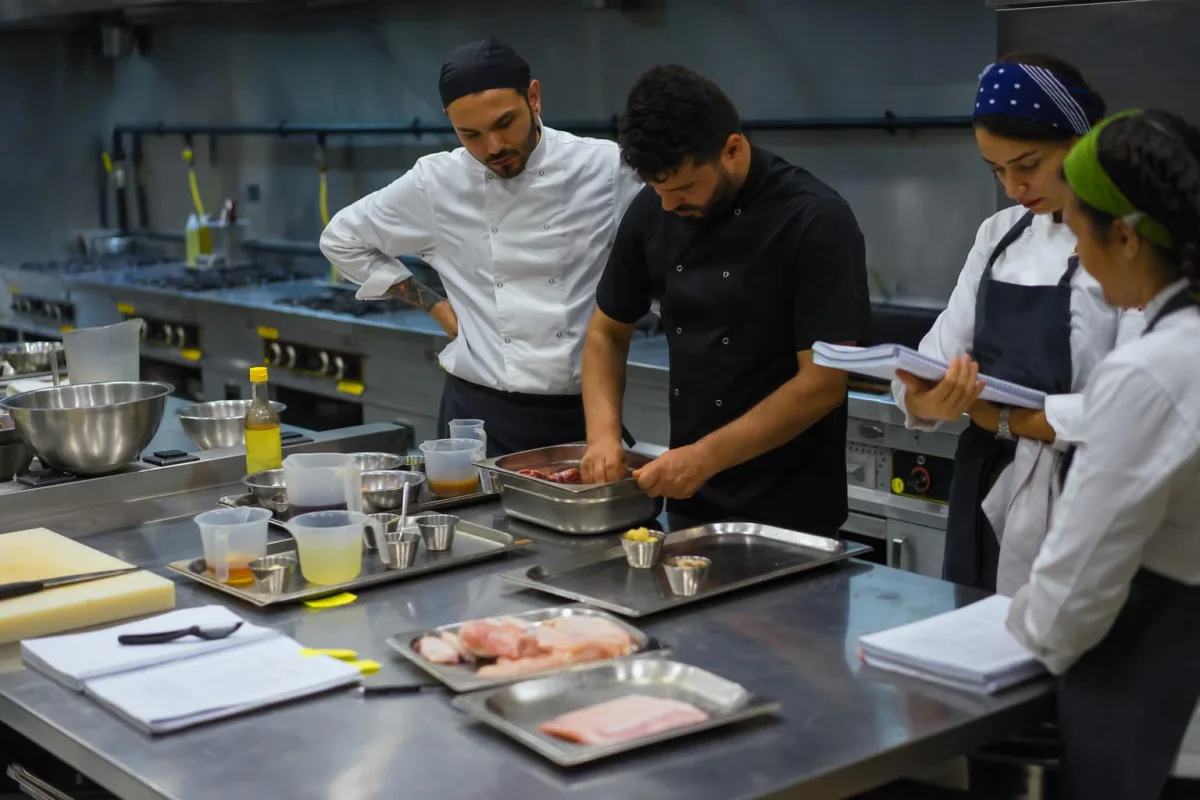
Easy Commercial Kitchen Recipes for Restaurant Staff Training: Why Simple Dishes Are the Secret Weapon of Great Teams
Let me tell you about the first time I walked into a professional kitchen as a wide-eyed line cook. The chef handed me a knife, pointed to a mountain of onions, and said, “Dice these. Uniform. Fast. No tears.” I nodded like I knew what I was doing, spoiler: I did not. By the time I finished, my fingers were sticky, my eyes were watering, and the onions looked like they’d been through a blender. The chef took one look, sighed, and said, “We’re starting with something easier tomorrow.”
That “something easier” turned out to be a revelation. It wasn’t just about making my life less miserable (though that was a nice perk). It was about building muscle memory, consistency, and confidence-the holy trinity of restaurant staff training. Fast forward to today, and I’ve seen the same story play out in kitchens from Nashville to San Francisco: the best teams aren’t the ones that jump straight into complex dishes. They’re the ones that master the fundamentals first, using easy commercial kitchen recipes as their training wheels. And guess what? Those “simple” recipes often become the backbone of the menu.
So, if you’re training new staff, don’t fall into the trap of thinking you need to impress them with elaborate techniques right out of the gate. Instead, ask yourself: What dishes can we use to teach knife skills, timing, plating, and teamwork without overwhelming them? That’s what this guide is all about. We’re diving into 10 foolproof, scalable recipes that double as training tools, plus the psychology behind why they work, common pitfalls to avoid, and how to turn these basics into a foundation for creativity. Whether you’re running a food truck, a fine-dining spot, or a cafeteria, these recipes will help your team move from “I think I can” to “I’ve got this.”
Ready? Let’s start with the most underrated training tool in the book: the humble egg.
The Philosophy Behind “Easy” Recipes in Staff Training
Why Simplicity Is the Ultimate Sophistication (Seriously)
There’s a reason Michelin-starred chefs still practice making perfect scrambled eggs. It’s not because they’re short on ideas, it’s because eggs are a masterclass in technique, timing, and temperature control. The same logic applies to training your staff. When you strip a dish down to its essentials, you’re not just teaching them how to cook; you’re teaching them how to think like a cook.
I remember working at a farm-to-table spot in the Bay Area where the chef made us train on roasted chicken thighs for a full week before we were allowed to touch anything else. At the time, I thought it was a waste of time. Why focus on something so basic when we could be learning to deglaze pans or make emulsions? But here’s the thing: by the end of that week, we could truss a chicken blindfolded, tell doneness by touch, and plate it with the kind of precision that made customers think we’d been doing this for years. That’s the power of simplicity.
But here’s where it gets tricky. Not all “easy” recipes are created equal. Some are so basic they’re boring, and boredom is the enemy of learning. Others are deceptively simple, like a classic vinaigrette-where one wrong move turns your dressing into a greasy, separated mess. So how do you choose the right recipes for training? Ask yourself these questions:
- Does this dish teach a core skill? (e.g., knife cuts, heat control, seasoning)
- Can it be scaled up or down easily? (You don’t want a recipe that only works for 2 servings or 200.)
- Does it have room for creativity later? (A good training recipe should be a launchpad, not a dead end.)
- Is it forgiving enough for mistakes? (Some dishes, like risotto, punish every misstep. Others, like roasted veggies, are more lenient.)
I’m torn between two schools of thought here. On one hand, you want recipes that are foolproof-dishes where even a total newbie can’t mess them up. On the other, you don’t want to lull your team into a false sense of security. Maybe I should clarify: the best training recipes are simple but not simplistic. They should feel achievable, but still require focus and attention to detail. Think of them like training wheels with a little bit of wobble, enough to keep things interesting, but not so much that they’re constantly falling over.
The Psychology of Starting Small
Let’s talk about confidence. It’s the most underrated ingredient in any kitchen. A team that believes they can execute a dish well will move faster, communicate better, and recover from mistakes more gracefully. But confidence doesn’t come from nailing a complicated dish on the first try, it comes from repetition, success, and incremental challenges.
Here’s a scenario I’ve seen play out a hundred times: A new cook is thrown into service on their first day and asked to plate a seared scallop dish with a delicate sauce. They’re nervous, the chef is watching, and suddenly, the scallops are overcooked, the sauce breaks, and the garnish is a mess. That cook leaves the shift feeling defeated, and worse, they’ve now associated cooking with failure. Compare that to a cook who starts with perfectly roasted potatoes. They can focus on one thing: getting the texture right. When they nail it, they feel a sense of accomplishment. The next day, they’re ready to tackle something slightly harder, like pan-seared chicken. And so on.
This is the scaffolding approach to training, and it works because it aligns with how our brains learn. Small wins build momentum. Momentum builds confidence. Confidence builds skill. It’s a virtuous cycle, and it starts with choosing the right recipes.
But here’s the catch: not every dish that seems simple is a good training tool. Take grilled cheese, for example. It’s easy, right? Wrong. A bad grilled cheese is a crime against sandwiches, burnt bread, unmelted cheese, soggy insides. To make a great grilled cheese, you need to understand heat control, butter distribution, and cheese melt points. It’s a deceptively complex dish, which makes it a fantastic training tool if you’re willing to break it down. Is this the best approach? Let’s consider: maybe we should start with something even more fundamental, like toasting bread, before jumping into grilled cheese. Or maybe grilled cheese is the perfect way to teach heat management because it’s so unforgiving. I’m still on the fence about this one, what do you think?
10 Easy Commercial Kitchen Recipes That Double as Training Tools
1. The Perfect Scrambled Eggs: A Masterclass in Heat Control
If you want to teach your staff about temperature control, timing, and texture, there’s no better dish than scrambled eggs. Sounds basic, but here’s the thing: most people make scrambled eggs wrong. They cook them too fast, over high heat, and end up with something dry and rubbery. A perfect scrambled egg is soft, creamy, and just set, like a cloud you can eat. And the best part? It’s a dish that lets you see the consequences of your actions in real time.
Here’s how to turn scrambled eggs into a training exercise:
- Low and slow is the key. Teach your staff to cook eggs on medium-low heat, stirring constantly. This gives them time to observe how the eggs change as they cook, from liquid to soft curds to, if they’re not careful, overcooked disaster.
- Season at the right time. Add salt at the beginning (it helps break down the proteins for a creamier texture) and pepper at the end (so it doesn’t burn). This teaches them about flavor development and how timing affects taste.
- Butter makes everything better. Finish the eggs with a pat of cold butter and a splash of cream (or crème fraîche, if you’re feeling fancy). This teaches them about finishing techniques and how small additions can elevate a dish.
- Plating matters. Have them practice plating the eggs neatly, with a sprinkle of chives or a side of toast cut into perfect triangles. This reinforces the idea that presentation is part of the dish, even for something as simple as eggs.
I’ve seen cooks who couldn’t tell a sauté pan from a saucepan become heat control ninjas after a week of making scrambled eggs. And here’s the kicker: once they master this, they can apply the same principles to omelets, frittatas, and even custards. It’s a gateway dish to so many other skills.
But let’s be real: scrambled eggs can get boring fast. To keep things interesting, challenge your staff to experiment with add-ins-cheese, herbs, smoked salmon, or even truffle oil (if you’re feeling bougie). This keeps them engaged while reinforcing the core technique.
2. Roasted Chicken Thighs: The Forgiving Protein
Chicken thighs are the unsung heroes of the kitchen. They’re cheap, hard to overcook (thanks to their higher fat content), and versatile enough to use in everything from salads to tacos to grain bowls. But don’t let their simplicity fool you, roasting chicken thighs well is a lesson in seasoning, temperature control, and carryover cooking.
Here’s how to turn them into a training tool:
- Seasoning is everything. Teach your staff to dry brine the thighs by salting them at least an hour before cooking (or overnight, if possible). This ensures the salt penetrates the meat, resulting in juicier, more flavorful chicken. It’s a small step, but it teaches them about flavor development over time.
- Skin-side up, always. Roasting the thighs skin-side up allows the fat to render and the skin to crisp. This teaches them about rendering fat and how it affects texture.
- Use a thermometer. Even though thighs are forgiving, teach your staff to use a meat thermometer to check for doneness (165°F in the thickest part). This reinforces the habit of relying on tools, not guesswork.
- Rest before serving. Letting the chicken rest for 10 minutes before cutting teaches them about carryover cooking and why it’s important to factor in resting time for all proteins.
One of the best things about roasted chicken thighs is that they’re endlessly customizable. Have your staff experiment with different spice rubs (smoked paprika, cumin, garlic powder) or marinades (lemon-garlic, soy-honey, or buttermilk). This keeps the training fresh while reinforcing the core technique.
And here’s a pro tip: save the bones and scraps to make stock. It’s a great way to teach your staff about waste reduction and how to get the most out of every ingredient. Plus, homemade stock is a game-changer for sauces and soups.
3. Classic Vinaigrette: The Science of Emulsions
A great vinaigrette is like a flavor bomb-it can turn a simple salad into something extraordinary. But here’s the thing: most people make vinaigrette wrong. They dump oil and vinegar into a bowl, stir it around, and call it a day. The result? A greasy, separated mess. A proper vinaigrette is an emulsion, and making one is a lesson in chemistry, ratios, and patience.
Here’s how to teach it:
- The ratio is key. The classic vinaigrette ratio is 3 parts oil to 1 part acid (vinegar or citrus juice). Teach your staff to measure carefully, this isn’t the time for eyeballing. It’s a great way to reinforce the importance of precision in cooking.
- Emulsifiers matter. To keep the oil and vinegar from separating, you need an emulsifier. Mustard is the easiest (Dijon works best), but you can also use honey, egg yolk, or even mayo. This teaches them about the science of emulsions and how different ingredients interact.
- Whisk like you mean it. Slowly drizzle the oil into the vinegar while whisking constantly. This is a workout for the arms, but it’s the only way to create a stable emulsion. It’s also a great way to teach them about technique and patience-two things that are in short supply in a busy kitchen.
- Season to taste. Once the vinaigrette is emulsified, have them taste and adjust the seasoning. This reinforces the habit of tasting as you go, which is crucial in professional cooking.
I’ll admit, I used to think vinaigrette was too basic to be a good training tool. But then I watched a new cook struggle with it for the first time, and I realized how much it teaches. It’s not just about mixing oil and vinegar, it’s about understanding how ingredients work together, and that’s a skill that applies to everything from sauces to soups.
To keep things interesting, have your staff experiment with different oils (olive, avocado, walnut) and acids (balsamic, red wine vinegar, lemon juice). They can also play with add-ins like herbs, garlic, or shallots. The possibilities are endless, and each variation teaches them something new.
4. Garlic Butter Green Beans: Knife Skills and Timing
Green beans might seem like a boring side dish, but when you turn them into garlic butter green beans, they become a training tool for knife skills, timing, and flavor balancing. Here’s why:
- Trimming the beans. Teach your staff to trim the ends of the beans quickly and uniformly. This is a great way to practice knife control and efficiency. Time them and make it a game, who can trim the most beans in a minute?
- Blanching and shocking. Blanching (boiling the beans briefly) and shocking (plunging them into ice water) is a fundamental technique that applies to everything from veggies to pasta. It teaches them about color retention and texture control.
- Sautéing with garlic and butter. This is where the magic happens. Teach them to cook the garlic just until fragrant (not brown!) and to toss the beans in the butter until they’re coated and heated through. It’s a lesson in heat control and timing-two of the most important skills in a kitchen.
- Seasoning at the end. Have them taste the beans and adjust the seasoning with salt and pepper. This reinforces the habit of tasting and adjusting, which is crucial for consistency.
One of the best things about this dish is that it’s fast and forgiving. If the beans are a little overcooked, they’re still edible. If the garlic burns, you can start over without wasting much. It’s the perfect dish for building confidence.
And here’s a bonus: green beans are cheap and available year-round, so you can use them to train your staff no matter the season. Plus, they’re a great way to teach them about vegetable prep, which is a skill that applies to almost every dish on the menu.
5. Baked Mac and Cheese: The Art of the Roux
Mac and cheese is comfort food at its finest, but it’s also a masterclass in sauce-making. Specifically, it’s a lesson in how to make a roux (a mixture of fat and flour used to thicken sauces) and how to build flavor layer by layer. And let’s be honest: if you can make a perfect mac and cheese, you can make almost any creamy sauce.
Here’s how to turn it into a training exercise:
- Making the roux. Teach your staff to cook equal parts butter and flour over medium heat, stirring constantly, until the mixture is smooth and bubbly. This is the base for the cheese sauce, and it’s a skill that applies to everything from béchamel to gravy.
- Adding the liquid. Slowly whisk in milk (or cream, if you’re feeling indulgent) to create a smooth, lump-free sauce. This teaches them about tempering and how to avoid breaking the sauce.
- Melting the cheese. Add shredded cheese (cheddar is classic, but you can also use Gruyère or Monterey Jack) and stir until melted. This teaches them about cheese melt points and how to avoid a grainy sauce.
- Seasoning and baking. Taste the sauce and adjust the seasoning with salt, pepper, and a pinch of mustard powder (trust me, it makes a difference). Then mix in the cooked pasta, top with breadcrumbs, and bake until golden. This reinforces the importance of tasting and adjusting, as well as baking techniques.
I’ll admit, I used to think mac and cheese was too simple to be a good training tool. But then I watched a new cook struggle with the roux, and I realized how much it teaches. It’s not just about mixing butter and flour, it’s about understanding how sauces work, and that’s a skill that applies to everything from Alfredo to velouté.
To keep things interesting, have your staff experiment with different cheeses (blue cheese, smoked Gouda) or add-ins (bacon, lobster, or even truffle oil). They can also play with the topping-panko, crushed crackers, or even potato chips. The possibilities are endless, and each variation teaches them something new.
6. Pan-Seared Salmon: The Delicate Protein
Salmon is a delicate protein, which makes it a great training tool for teaching heat control, timing, and plating. Unlike chicken or beef, salmon doesn’t have a lot of room for error, cook it too long, and it becomes dry and chalky. But when it’s done right, it’s buttery, flaky, and perfect. Here’s how to teach it:
- Skin-side down first. Teach your staff to place the salmon skin-side down in a hot pan and press it gently with a spatula for the first 10 seconds. This ensures the skin crisps up and doesn’t curl. It’s a small detail, but it makes a big difference in the final dish.
- Don’t overcrowd the pan. Cook the salmon in batches if necessary, and make sure there’s enough space between each piece. This teaches them about heat distribution and why overcrowding leads to steaming instead of searing.
- Use a thermometer. Salmon is best when it’s cooked to 125°F (medium-rare) or 130°F (medium). Teach your staff to use a meat thermometer to check for doneness, and to pull the salmon off the heat a few degrees early, it’ll keep cooking as it rests.
- Rest before serving. Letting the salmon rest for 5 minutes before cutting teaches them about carryover cooking and why it’s important to factor in resting time for all proteins.
One of the best things about salmon is that it’s versatile. You can serve it with a simple lemon-dill sauce, a miso glaze, or even just a squeeze of lemon and a sprinkle of salt. This gives your staff room to experiment and keeps the training fresh.
And here’s a pro tip: save the salmon scraps to make fish stock or salmon cakes. It’s a great way to teach your staff about waste reduction and how to get the most out of every ingredient.
7. Homemade Pizza Dough: The Foundation of a Classic
Pizza dough is one of those things that seems simple but is actually deceptively complex. It’s just flour, water, yeast, and salt, right? Wrong. A great pizza dough is a lesson in dough development, fermentation, and heat control. And the best part? It’s a training tool that’s fun, interactive, and delicious.
Here’s how to turn it into a training exercise:
- Mixing the dough. Teach your staff to mix the ingredients just until they come together, overmixing leads to tough dough. This teaches them about gluten development and why it’s important to handle dough gently.
- Kneading the dough. Show them how to knead the dough until it’s smooth and elastic. This is a great way to teach them about dough texture and how to tell when it’s ready.
- Fermenting the dough. Let the dough rise until it’s doubled in size. This teaches them about yeast activation and why fermentation is crucial for flavor and texture.
- Shaping the dough. Have them practice shaping the dough into rounds, stretching it gently to avoid tearing. This is a great way to teach them about dough handling and why it’s important to work with the dough, not against it.
- Baking the pizza. Teach them to bake the pizza on a hot stone or steel, and to rotate it halfway through for even cooking. This teaches them about heat control and why it’s important to monitor the pizza as it bakes.
I’ll admit, I used to think pizza dough was too advanced for new cooks. But then I watched a group of trainees make their first batch, and I realized how much it teaches. It’s not just about mixing flour and water, it’s about understanding how dough works, and that’s a skill that applies to everything from bread to pasta.
To keep things interesting, have your staff experiment with different flours (bread flour, 00 flour) or fermentation times (overnight in the fridge vs. a quick rise at room temperature). They can also play with toppings-classic Margherita, pepperoni, or even something more creative like fig and prosciutto. The possibilities are endless, and each variation teaches them something new.
8. Tomato Basil Soup: The Power of Simplicity
Tomato basil soup is the ultimate comfort food, but it’s also a training tool for teaching sauce-making, seasoning, and texture control. And here’s the best part: it’s forgiving. Even if the soup is a little too thick or too thin, it’s still delicious. This makes it the perfect dish for building confidence.
Here’s how to turn it into a training exercise:
- Sautéing the aromatics. Teach your staff to sauté onions and garlic until they’re soft and fragrant. This is the base for the soup, and it’s a great way to teach them about building flavor.
- Adding the tomatoes. Use canned tomatoes (San Marzano are the best) and crush them by hand. This teaches them about texture control and why it’s important to break down the tomatoes before simmering.
- Simmering the soup. Let the soup simmer for at least 20 minutes to allow the flavors to meld. This teaches them about flavor development and why simmering is crucial for soups and sauces.
- Blending the soup. Use an immersion blender to puree the soup until it’s smooth. This teaches them about equipment use and why an immersion blender is safer and more efficient than a regular blender.
- Seasoning to taste. Have them taste the soup and adjust the seasoning with salt, pepper, and a pinch of sugar (to balance the acidity of the tomatoes). This reinforces the habit of tasting and adjusting, which is crucial for consistency.
One of the best things about tomato basil soup is that it’s versatile. You can serve it with a grilled cheese sandwich, a side salad, or even as a sauce for pasta. This gives your staff room to experiment and keeps the training fresh.
And here’s a pro tip: save the tomato scraps to make tomato sauce or salsa. It’s a great way to teach your staff about waste reduction and how to get the most out of every ingredient.
9. Chocolate Chip Cookies: The Science of Baking
Baking is a science, and chocolate chip cookies are the perfect way to teach your staff about precision, temperature control, and texture. Unlike cooking, where you can often wing it, baking requires exact measurements, timing, and technique. And let’s be honest: who doesn’t love a warm chocolate chip cookie?
Here’s how to turn it into a training exercise:
- Creaming the butter and sugar. Teach your staff to cream the butter and sugar until it’s light and fluffy. This incorporates air into the dough, which is crucial for a tender cookie. It’s also a great way to teach them about texture and why creaming is important.
- Adding the eggs and vanilla. Have them add the eggs one at a time, mixing well after each addition. This teaches them about emulsification and why it’s important to add ingredients gradually.
- Mixing the dry ingredients. Teach them to whisk together the flour, baking soda, and salt before adding it to the wet ingredients. This ensures the dry ingredients are evenly distributed, which is crucial for a consistent cookie.
- Folding in the chocolate chips. Have them fold in the chocolate chips gently to avoid overmixing the dough. This teaches them about dough handling and why it’s important to mix just until combined.
- Baking the cookies. Teach them to scoop the dough into even portions and bake at 350°F until the edges are golden but the centers are still soft. This teaches them about baking time and why it’s important to monitor the cookies as they bake.
I’ll admit, I used to think baking was too precise for new cooks. But then I watched a group of trainees make their first batch of cookies, and I realized how much it teaches. It’s not just about mixing ingredients, it’s about understanding how baking works, and that’s a skill that applies to everything from cakes to bread.
To keep things interesting, have your staff experiment with different chocolate chips (dark, milk, white) or add-ins (nuts, dried fruit, or even bacon). They can also play with the baking time-shorter for chewy cookies, longer for crispy ones. The possibilities are endless, and each variation teaches them something new.
10. Classic Caesar Salad: The Art of the Dressing
Caesar salad might seem like a simple dish, but a great Caesar is a lesson in emulsions, anchovies, and balance. And here’s the best part: it’s a dish that lets you see the consequences of your actions in real time. Too much lemon? The dressing is sour. Too little garlic? It’s bland. Too much Parmesan? It’s overwhelming. This makes it the perfect training tool for teaching flavor balancing.
Here’s how to turn it into a training exercise:
- Making the dressing. Teach your staff to blend anchovies, garlic, Dijon mustard, lemon juice, and olive oil into a smooth emulsion. This teaches them about emulsions and why it’s important to blend the ingredients thoroughly.
- Adding the Parmesan. Have them grate fresh Parmesan and add it to the dressing. This teaches them about cheese texture and why fresh Parmesan is crucial for a great Caesar.
- Tossing the salad. Teach them to toss the romaine gently to avoid bruising the leaves. This teaches them about salad handling and why it’s important to treat the ingredients with care.
- Seasoning to taste. Have them taste the salad and adjust the seasoning with salt, pepper, and a squeeze of lemon. This reinforces the habit of tasting and adjusting, which is crucial for consistency.
One of the best things about Caesar salad is that it’s versatile. You can serve it as a side dish, a main course (with grilled chicken or shrimp), or even as a wrap. This gives your staff room to experiment and keeps the training fresh.
And here’s a pro tip: save the Parmesan rinds to make Parmesan broth or risotto. It’s a great way to teach your staff about waste reduction and how to get the most out of every ingredient.
Turning Training Recipes into Menu Staples
How to Elevate Simple Dishes Without Overcomplicating Them
Here’s the thing about easy commercial kitchen recipes: they don’t have to stay basic. Once your staff masters the fundamentals, you can start elevating these dishes to make them menu-worthy. The key is to add complexity gradually, so they’re not overwhelmed. Think of it like building a house, you start with the foundation, then add the walls, then the roof, and so on.
Take roasted chicken thighs, for example. Once your staff can roast them perfectly, you can start adding glazes (honey-mustard, teriyaki, or barbecue), marinades (lemon-garlic, soy-honey, or buttermilk), or toppings (crispy shallots, fresh herbs, or pickled onions). Each addition teaches them something new while reinforcing the core technique.
Or consider scrambled eggs. Once they’ve mastered the basics, you can challenge them to make French-style scrambled eggs (cooked low and slow with butter and cream) or shakshuka (eggs poached in a spiced tomato sauce). These dishes build on the skills they’ve already learned while introducing new techniques.
But here’s where it gets tricky. You don’t want to add so much complexity that the dish becomes unrecognizable. The goal is to enhance, not overwhelm. So how do you strike the right balance? Ask yourself these questions:
- Does this addition complement the dish? (e.g., adding truffle oil to scrambled eggs vs. adding ketchup, one enhances, the other detracts.)
- Does it teach a new skill? (e.g., making a glaze teaches them about sauce consistency, while adding pre-made sauce doesn’t.)
- Is it scalable? (You don’t want a dish that only works for 2 servings or 200.)
- Does it fit your menu? (A fine-dining spot might add a foie gras topping to scrambled eggs, while a diner might stick with cheese and herbs.)
I’m torn between two approaches here. On one hand, you want to keep the dishes accessible so your staff doesn’t feel intimidated. On the other, you want to challenge them to grow and improve. Maybe I should clarify: the best approach is to start simple and add complexity gradually. This keeps the training fresh while ensuring your staff doesn’t feel overwhelmed.
From Training to Table: How to Test and Refine Recipes
Once your staff has mastered the basics, it’s time to test and refine the recipes. This is where the real learning happens. Here’s how to do it:
- Start with a small batch. Have your staff make a single serving of the dish and taste it. Does it need more salt? Less acid? More fat? This teaches them about tasting and adjusting.
- Scale it up. Once they’ve nailed the single serving, have them make a larger batch. This teaches them about scaling recipes and why it’s important to adjust cooking times and techniques.
- Get feedback. Have other staff members taste the dish and give feedback. This teaches them about collaboration and why it’s important to listen to others’ opinions.
- Refine the recipe. Based on the feedback, have them adjust the recipe and try again. This teaches them about iteration and why it’s important to keep improving.
- Document the process. Have them write down the final recipe, including any adjustments they made. This teaches them about documentation and why it’s important to keep track of changes.
One of the best things about this process is that it’s collaborative. Your staff will learn from each other, and they’ll feel a sense of ownership over the dishes they’ve helped create. Plus, it’s a great way to build teamwork and communication-two skills that are just as important as cooking.
And here’s a pro tip: keep a recipe journal in the kitchen. Have your staff write down their experiments, adjustments, and feedback. This creates a living document that evolves with your menu, and it’s a great way to track progress over time.
Common Mistakes to Avoid When Training with Easy Recipes
Overcomplicating the Process (and How to Keep It Simple)
Here’s the thing about training: it’s easy to overcomplicate. You want to teach your staff everything at once, so you throw them into the deep end with a complex dish. But here’s the problem: overwhelm leads to frustration, and frustration leads to burnout. The key is to keep it simple, especially in the beginning.
I’ve seen this happen in kitchens time and time again. A chef wants to impress a new cook, so they hand them a recipe for beef Wellington on their first day. The cook is overwhelmed, the chef is frustrated, and the dish is a disaster. Compare that to a cook who starts with roasted potatoes. They can focus on one thing: getting the texture right. When they nail it, they feel a sense of accomplishment. The next day, they’re ready to tackle something slightly harder, like pan-seared chicken. And so on.
So how do you avoid overcomplicating the process? Start with these principles:
- One skill at a time. Don’t try to teach knife skills, heat control, and plating all in one dish. Pick one skill to focus on, and build from there.
- Break it down. If a dish has multiple components (like a salad with dressing, croutons, and protein), teach each component separately before putting it all together.
- Use visual aids. Sometimes, a picture is worth a thousand words. Use photos, diagrams, or even videos to show your staff how a dish should look at each stage.
- Encourage questions. Make it clear that there’s no such thing as a stupid question. The more your staff asks, the more they’ll learn.
I’ll admit, I’ve been guilty of overcomplicating training in the past. I once tried to teach a new cook how to make risotto on their first day. Spoiler: it did not go well. The risotto was gluey, the cook was frustrated, and I realized I’d made a mistake. The next day, we started with scrambled eggs, and it was a game-changer. The cook was engaged, the eggs were perfect, and we built from there.
Ignoring the Importance of Tasting (and How to Teach It)
Here’s a hard truth: most cooks don’t taste their food enough. They season it, cook it, and plate it without ever stopping to taste. And here’s the problem: you can’t fix what you don’t taste. Tasting is the most important skill in cooking, and it’s one that’s often overlooked in training.
I remember working with a cook who was great at following recipes but terrible at tasting. He’d make a dish, plate it, and send it out without ever stopping to check the seasoning. The result? Bland, unbalanced food. It wasn’t until I made him taste every dish before plating that he started to improve. And here’s the kicker: once he started tasting, he realized how much he’d been missing. The difference in his cooking was night and day.
So how do you teach your staff to taste? Here are a few tips:
- Make it a habit. Encourage your staff to taste every dish at every stage, before cooking, during cooking, and after cooking. This teaches them to monitor the dish as it evolves.
- Use the right tools. Give them small spoons or tasting cups so they can sample without contaminating the dish. This teaches them about hygiene and professionalism.
- Ask for feedback. Have them taste the dish and describe what they’re tasting. Is it salty? Sweet? Acidic? Bitter? This teaches them to articulate flavors and develop their palate.
- Compare and contrast. Have them taste two versions of the same dish, one seasoned well, one not, and describe the differences. This teaches them to recognize good seasoning.
One of the best ways to reinforce tasting is to make it a team activity. Have your staff taste each other’s dishes and give feedback. This not only improves their tasting skills but also builds teamwork and communication.
And here’s a pro tip: keep a tasting journal in the kitchen. Have your staff write down what they taste in each dish, along with any adjustments they’d make. This creates a record of their progress and helps them develop their palate over time.
Wrapping Up: Why Easy Recipes Are the Key to a Strong Team
Let’s be real: training restaurant staff is hard. There’s a lot to teach, and not a lot of time to do it. But here’s the thing: you don’t have to teach everything at once. Start with the basics, build confidence, and let your team grow from there. The easy commercial kitchen recipes we’ve covered in this guide aren’t just about making food, they’re about making better cooks.
Think about it this way: every great chef started somewhere. They didn’t wake up one day knowing how to make a perfect hollandaise or a flaky croissant. They started with scrambled eggs, roasted chicken, and vinaigrette. They mastered the fundamentals, built their confidence, and then moved on to more complex dishes. And that’s exactly what your staff can do, too.
So here’s my challenge to you: pick one of these recipes and make it the cornerstone of your training program. Start with scrambled eggs, or roasted chicken thighs, or even chocolate chip cookies. Teach your staff the basics, let them practice, and watch as their confidence grows. Before you know it, they’ll be ready to tackle more complex dishes, and your menu will be all the better for it.
And who knows? Maybe one day, one of your trainees will look back on their first week in the kitchen and remember the dish that started it all. Maybe it’ll be the perfectly roasted potatoes they made on their first day, or the creamy scrambled eggs they nailed after a week of practice. Whatever it is, it’ll be a reminder that great cooking starts with the basics, and that’s something worth celebrating.
FAQ
Q: What’s the best way to introduce these recipes to new staff? Should I start with one dish or rotate through several?
A: Start with one dish that teaches a core skill, like scrambled eggs for heat control or roasted chicken thighs for seasoning. Once they’ve mastered that, introduce a second dish that builds on the first. For example, if they’ve learned to make scrambled eggs, challenge them to make an omelet. This keeps the training focused and builds confidence gradually. Rotating through too many dishes at once can be overwhelming, so it’s best to take it one step at a time.
Q: How do I keep experienced staff engaged when training with these simple recipes?
A: Experienced staff can still benefit from these recipes by focusing on refinement and creativity. Challenge them to elevate the dishes, for example, turning scrambled eggs into a French-style brunch dish with herbs and truffle oil, or experimenting with global flavors in roasted chicken thighs (think harissa, miso, or jerk seasoning). You can also have them mentor newer staff, which reinforces their own skills while building teamwork.
Q: What’s the biggest mistake restaurants make when training staff with easy recipes?
A: The biggest mistake is treating these recipes as “too basic” and not giving them the attention they deserve. Easy recipes are only simple if you skip the details. For example, scrambled eggs might seem straightforward, but if you don’t teach your staff about low-and-slow cooking or proper seasoning, they’ll end up with dry, bland eggs. The key is to treat these dishes with the same rigor as more complex recipes, because they’re the foundation of everything else.
Q: How can I use these recipes to teach teamwork and communication in the kitchen?
A: Assign roles for each recipe to encourage collaboration. For example, when making Caesar salad, have one person focus on the dressing, another on croutons, and another on plating. This teaches them to delegate tasks, communicate clearly, and work together toward a common goal. You can also use these recipes for team challenges, like timing a batch of cookies or plating a dish under pressure. The more they practice working together, the stronger the team becomes.
@article{easy-commercial-kitchen-recipes-for-restaurant-staff-training-build-confidence-and-consistency-from-day-one,
    title   = {Easy Commercial Kitchen Recipes for Restaurant Staff Training: Build Confidence and Consistency from Day One},
    author  = {Chef's icon},
    year    = {2026},
    journal = {Chef's Icon},
    url     = {https://chefsicon.com/easy-commercial-kitchen-recipes-for-restaurant-staff-training/}
}