The Best Fluffy Pancakes recipe you will fall in love with. Full of tips and tricks to help you make the best pancakes.
The Chef’s Guide to Training Staff on Egg Preparation Consistency: From Scrambled to Soufflé
Let me tell you about the time I nearly lost my cool in a high-end Nashville brunch spot. It was a Sunday morning, the kind where the line stretches out the door and the coffee flows like whiskey at a honky-tonk. I was there to review the place, anonymously, of course, and ordered the signature dish: a simple plate of scrambled eggs with truffle oil, chives, and a side of sourdough. What arrived was… well, let’s just say it looked like it had been through a food processor. Dry, rubbery, and so overcooked it could’ve been used as a hockey puck. The server, bless her heart, didn’t even blink when I asked if they’d accidentally given me the wrong order. “Nope, that’s how we do ’em,” she said with a smile. I wanted to cry.
That moment stuck with me. Not because I’m a food snob (okay, maybe a little), but because it highlighted a gaping hole in so many kitchens: egg preparation consistency. Eggs are the ultimate litmus test for a kitchen’s skill. They’re cheap, versatile, and deceptively simple. Nail them, and you’re likely nailing everything else. Mess them up, and well… you might as well serve toast with a side of regret. So, how do you train your staff to handle eggs like they’re conducting a symphony rather than just cracking shells? That’s what we’re diving into today.
By the end of this guide, you’ll have a roadmap for turning your team into egg maestros. We’ll cover everything from the science behind egg proteins to the nitty-gritty of station setup, from common mistakes to the kind of training that sticks. And yes, we’ll even talk about how to handle the inevitable “But Chef, my grandma always made them this way!” pushback. Because let’s be real, training isn’t just about technique. It’s about culture, psychology, and a whole lot of patience. So grab a whisk, and let’s get cracking.
The Psychology of Consistency: Why Your Staff Might Be Resisting
It’s Not Just About the Eggs
Before we dive into the how, let’s talk about the why. Why is it so damn hard to get everyone on the same page when it comes to something as basic as eggs? I’ve seen chefs with Michelin stars under their belts throw tantrums over a poorly poached egg, and I’ve seen line cooks shrug off a scramble that looked like it had been nuked in a microwave. The disconnect isn’t just about skill, it’s about perception.
For some staff, eggs are just another item on the ticket. They don’t see the big deal. For others, eggs are personal. They grew up eating them a certain way, and suddenly you’re asking them to abandon their comfort zone. And then there are the ones who are just plain terrified of screwing up. Eggs are unforgiving. One wrong move, and you’ve got a rubbery disaster on your hands. That fear can lead to resistance, and resistance leads to inconsistency. So, how do you break through?
First, acknowledge that change is hard. Even if your method is objectively better, it’s still a change. And humans? We’re wired to resist change, even when it’s good for us. Think about it: How many times have you tried to switch to a new workout routine or diet, only to fall back into old habits within a week? Your staff is no different. They need a reason to care. And that reason can’t just be “Because I said so.”
Second, make it about pride. People want to be good at their jobs. They want to feel like they’re contributing to something bigger than themselves. Frame egg consistency as a skill that separates the pros from the amateurs. Remind them that every great chef started with the basics. Julia Child didn’t wake up one day and whip up a perfect soufflé. She practiced. A lot. And so should they.
The Ego Factor
Let’s talk about ego. It’s the elephant in the room, the thing no one wants to admit but everyone deals with. In a kitchen, ego can be a double-edged sword. On one hand, it drives people to push themselves, to strive for excellence. On the other, it can make them defensive, resistant to feedback, and downright stubborn. And when it comes to eggs? Oh boy, does the ego come out to play.
I’ve seen cooks with years of experience bristle at the idea of being “trained” on something as simple as frying an egg. “I’ve been doing this since I was a kid,” they’ll say. “I don’t need a lesson.” But here’s the thing: just because you’ve been doing something for a long time doesn’t mean you’ve been doing it right. I’ve been driving since I was 16, but that doesn’t mean I’m a Formula 1 racer. The same logic applies to eggs.
So, how do you handle the ego factor? You flip the script. Instead of framing the training as a correction, frame it as an evolution. “Hey, I’ve been doing some research on egg proteins, and I think we can take our scrambles to the next level. Want to geek out with me for a bit?” Suddenly, it’s not about you telling them they’re wrong. It’s about you and them exploring something new together. It’s collaborative, not confrontational.
And if that doesn’t work? Well, sometimes you just have to let them fail. Not in a malicious way, but in a way that lets them see the difference for themselves. Set up a side-by-side test. Have them cook an egg their way, and then cook one your way. Let them taste both. Let them see the difference. Sometimes, the best teacher is experience. Just be prepared for the inevitable “Huh. That is better.” moment.
The Science of Eggs: Why Technique Matters More Than You Think
Eggs 101: The Building Blocks
Alright, let’s get nerdy for a second. Because if you’re going to train your staff on egg consistency, you need to understand what’s happening under the hood. Eggs aren’t just a blank canvas, they’re a chemical reaction waiting to happen. And like any good reaction, the outcome depends on the ingredients and the process.
At their core, eggs are made up of three main components: the yolk, the white, and the membrane. The yolk is where the fat and flavor live. It’s rich, creamy, and packed with nutrients. The white, on the other hand, is mostly water and protein. It’s the part that gives eggs their structure, but it’s also the part that can turn rubbery if you’re not careful. And then there’s the membrane, the thin layer that holds everything together. It’s the unsung hero of the egg world, and it’s why a fresh egg holds its shape better than an old one.
But here’s where it gets interesting. When you apply heat to an egg, the proteins in the white start to denature. That’s a fancy way of saying they unfold and then re-bond with each other. Think of it like a bunch of tiny springs. When they’re cold, they’re coiled up and relaxed. When you heat them, they stretch out and start grabbing onto each other. If you heat them too quickly or too much, those springs get tangled and tight, squeezing out all the moisture. That’s what makes eggs rubbery. But if you heat them gently and evenly, those springs form a loose, delicate network that traps moisture and creates a creamy, tender texture.
So, what does this mean for your staff? It means that temperature control is everything. It’s not just about how long you cook the egg, it’s about how you cook it. A low and slow approach will give you creamy, luxurious eggs. A high and fast approach will give you something that belongs in a hockey rink. And that’s the difference between a dish that wows and a dish that disappoints.
The Freshness Factor
Here’s something that might surprise you: not all eggs are created equal. The freshness of an egg can dramatically affect how it cooks. A fresh egg has a tight, thick white and a plump yolk. An older egg has a thin, watery white and a flat yolk. And that difference matters. A lot.
Why? Because the proteins in a fresh egg are more tightly coiled. They denature more slowly, which gives you more control over the cooking process. An older egg, on the other hand, has proteins that are already starting to break down. They denature faster, which means they’re more likely to overcook and turn rubbery. So, if you’re using older eggs, you need to adjust your technique accordingly. Lower heat, shorter cooking times, and maybe even a splash of cream or butter to add some moisture back in.
But here’s the kicker: most kitchens don’t track egg freshness. They just grab whatever’s in the walk-in and assume it’s all the same. That’s a mistake. If you want true consistency, you need to start paying attention to the age of your eggs. Label them when they arrive. Rotate your stock. And if you’re using older eggs, adjust your technique. It’s a small change, but it can make a big difference.
And while we’re on the topic of freshness, let’s talk about storage. Eggs should be stored at a consistent temperature, ideally between 35°F and 40°F. If they’re stored too cold, they can absorb odors from the fridge. If they’re stored too warm, they can start to spoil. And if they’re stored in a place where the temperature fluctuates (like near the door of the walk-in), they can sweat, which can lead to cracks and contamination. So, find a spot in your fridge that’s cool, dark, and consistent. And for the love of all things holy, don’t store them in the door.
Setting Up for Success: The Right Tools for the Job
The Non-Negotiables of Egg Equipment
You wouldn’t try to build a house with a butter knife, so why would you try to cook eggs with the wrong tools? The truth is, the right equipment can make or break your egg game. And I’m not just talking about the big-ticket items like ranges and griddles. I’m talking about the small stuff, the tools that most kitchens overlook but that can make a world of difference.
First up: pans. If you’re still using the same scratched-up, warped nonstick pans you’ve had since the Clinton administration, it’s time for an upgrade. A good egg pan should be heavy, with a flat bottom and sloped sides. The weight helps distribute heat evenly, the flat bottom ensures good contact with the burner, and the sloped sides make it easier to flip and fold. And while we’re on the topic of pans, let’s talk about seasoning. A well-seasoned cast iron or carbon steel pan can be just as nonstick as a Teflon-coated one, and it’ll last a lot longer. Plus, it adds a little extra flavor to your eggs. Win-win.
Next: utensils. You need the right tools for the job. A thin, flexible spatula is a must for flipping and folding. A whisk is essential for scrambles and omelets. And don’t even get me started on the importance of a good egg separator. If you’re still using the shell-to-shell method, you’re playing with fire. One wrong move, and you’ve got shell fragments in your batter. And nobody wants that.
But here’s the thing: equipment is only as good as the person using it. You can have the fanciest pans and the sharpest knives, but if your staff doesn’t know how to use them properly, you’re still going to end up with inconsistent results. That’s why training isn’t just about technique, it’s about tool mastery. Your staff needs to know how to care for their equipment, how to use it correctly, and how to troubleshoot when things go wrong.
And speaking of equipment, if you’re in the market for an upgrade, it’s worth checking out suppliers like Chef’s Deal. They offer a wide range of commercial kitchen equipment, from high-quality pans to professional-grade ranges, and they even provide free kitchen design services to help you optimize your space. Plus, their team can offer expert consultation to ensure you’re getting the right tools for your specific needs. It’s like having a kitchen whisperer in your corner.
Station Setup: The Devil’s in the Details
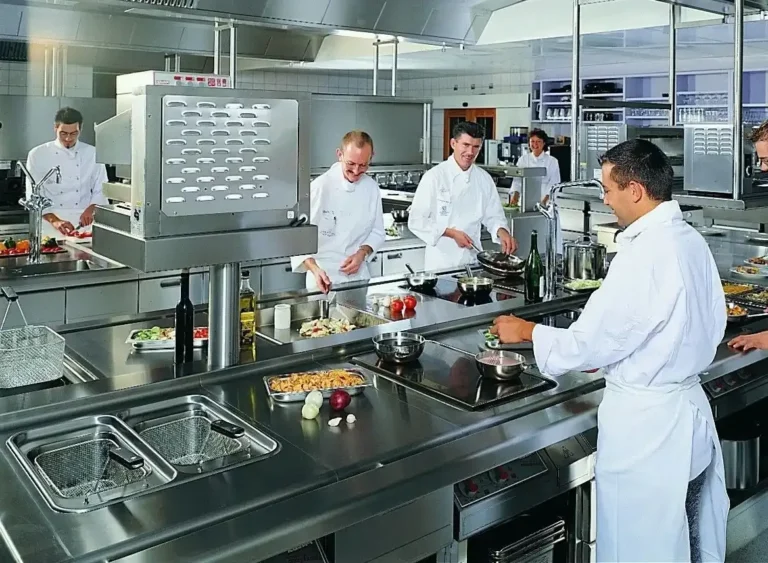
Alright, let’s talk about station setup. Because even the best tools won’t save you if your station is a chaotic mess. A well-organized egg station is like a well-oiled machine, everything has its place, and everything flows smoothly. A poorly organized one? It’s like trying to cook in a tornado.
First, let’s talk about mise en place. It’s a fancy French term that basically means “everything in its place.” And when it comes to eggs, it’s non-negotiable. Your staff should have everything they need within arm’s reach: eggs, butter, salt, pepper, any additional ingredients (like cheese or herbs), utensils, and a clean towel for wiping the pan. If they have to turn their back on the stove to grab something, they’re increasing the risk of overcooking or burning.
But mise en place isn’t just about having the right ingredients, it’s about having them prepped and ready to go. Eggs should be cracked into a bowl, not directly into the pan. That way, you can check for shell fragments and ensure a smooth pour. Butter should be softened and portioned. Cheese should be grated. Herbs should be chopped. The more you can prep ahead of time, the smoother service will run.
Next, let’s talk about heat zones. Not all burners are created equal. Some are hotter than others. Some have hot spots. Some take forever to heat up. Your staff needs to know their station inside and out. They should know which burner is the hottest, which one is the most even, and which one is best for low-and-slow cooking. And they should know how to adjust their technique accordingly.
And finally, let’s talk about cleanliness. A messy station is a recipe for disaster. Spills should be wiped up immediately. Utensils should be cleaned between uses. And the pan should be wiped down and re-seasoned as needed. A dirty pan won’t just affect the flavor of your eggs, it can also affect how they cook. So, make cleanliness a priority. It’s not just about aesthetics, it’s about consistency.
The Step-by-Step Training Process: From Cracking to Plating
Step 1: The Crack Heard ‘Round the Kitchen
Let’s start at the very beginning: cracking the egg. It seems simple, right? You tap it on the edge of a bowl, pull the shells apart, and let the egg slide out. But if you’ve ever ended up with shell fragments in your batter or a yolk that’s been punctured by a jagged edge, you know it’s not always that easy. And when you’re cooking eggs to order, every second counts. A poorly cracked egg can slow you down, ruin a dish, and even lead to food safety issues.
So, how do you crack an egg like a pro? First, use a flat surface, not the edge of a bowl. The edge of a bowl is uneven, which can lead to jagged cracks and shell fragments. A flat surface, like a countertop or cutting board, gives you a clean, even break. Second, tap the egg gently but firmly. You want to crack the shell, not shatter it. And third, use your thumbs to pull the shells apart slowly and carefully. If the yolk breaks, it’s not the end of the world, but it’s not ideal.
But here’s the thing: even the best technique won’t save you if your eggs are old or brittle. That’s why it’s important to use fresh eggs and store them properly. And if you’re cracking a lot of eggs at once, consider using an egg separator. It’s faster, cleaner, and less likely to result in shell fragments. Plus, it keeps the yolks intact, which is essential for dishes like hollandaise or custards.
And while we’re on the topic of cracking, let’s talk about safety. Raw eggs can carry bacteria like Salmonella, so it’s important to handle them with care. Always crack eggs into a separate bowl, not directly into the pan or batter. That way, you can check for shell fragments and ensure the egg is fresh. And always wash your hands after handling raw eggs. It’s a simple step, but it can make a big difference in preventing foodborne illness.
Step 2: The Whisking Game
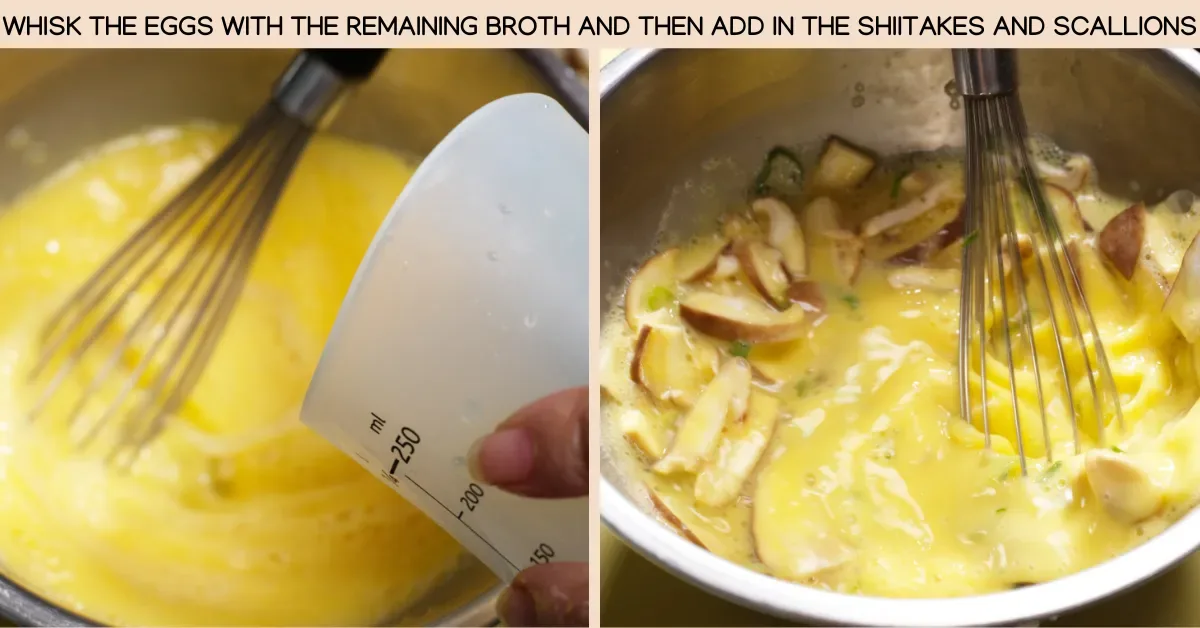
Alright, now that we’ve cracked the egg, let’s talk about whisking. Because if you think whisking is just about mixing things together, you’re missing the point. Whisking is about incorporating air, breaking up proteins, and creating a smooth, homogeneous mixture. And when it comes to eggs, it can make the difference between a light, fluffy scramble and a dense, rubbery one.
First, let’s talk about technique. A lot of people whisk like they’re trying to stir a pot of chili, big, lazy circles that don’t really do much. But a good whisking technique is all about speed and angle. You want to hold the whisk at a 45-degree angle and use quick, vigorous motions. The goal is to create a vortex in the bowl, which helps incorporate air and break up any clumps. And don’t be afraid to put some muscle into it. Whisking should be a workout, not a warm-up.
But here’s the thing: not all whisking is created equal. The way you whisk a scramble is different from the way you whisk a custard. For scrambles, you want to break up the yolks and whites and incorporate a little air. For custards, you want to create a smooth, homogeneous mixture without incorporating too much air. And for meringues, you want to incorporate as much air as possible. So, it’s important to tailor your technique to the dish you’re making.
And let’s not forget about tools. A good whisk is essential. It should be lightweight, with thin, flexible wires that can get into the corners of the bowl. And the bowl itself matters, too. A deep, narrow bowl is ideal for whisking, because it helps create that vortex we talked about earlier. A shallow, wide bowl will just make a mess.
But here’s the kicker: whisking isn’t just about technique, it’s about timing. Over-whisking can break down the proteins in the egg, which can lead to a tough, rubbery texture. Under-whisking can result in a lumpy, uneven mixture. So, it’s important to know when to stop. For scrambles, you want to whisk just until the yolks and whites are combined. For custards, you want to whisk until the mixture is smooth and homogeneous. And for meringues, you want to whisk until the egg whites are stiff and glossy.
Step 3: The Heat is On
Alright, now that we’ve cracked and whisked our eggs, it’s time to talk about the most critical part of the process: cooking. Because let’s be real, this is where most people mess up. They crank up the heat, throw the eggs in the pan, and then wonder why they’re dry and rubbery. But cooking eggs isn’t about brute force, it’s about finesse.
First, let’s talk about temperature. The ideal cooking temperature for eggs is between 145°F and 160°F. That’s the sweet spot where the proteins coagulate without tightening up too much. If you go above 160°F, the proteins start to squeeze out moisture, which leads to a dry, rubbery texture. If you go below 145°F, the eggs won’t cook properly, and you’ll end up with a runny, undercooked mess. So, how do you hit that sweet spot?
It starts with the pan. A heavy-bottomed pan is essential. It distributes heat evenly and prevents hot spots, which can lead to uneven cooking. And it retains heat well, which means it won’t cool down too much when you add the eggs. A thin, lightweight pan, on the other hand, will heat up and cool down quickly, making it harder to control the temperature.
Next, let’s talk about heat control. Most people make the mistake of cranking up the heat and then walking away. But eggs cook quickly, and they need constant attention. The key is to start with a medium-low heat and adjust as needed. If the eggs are cooking too slowly, turn up the heat slightly. If they’re cooking too quickly, turn it down. And don’t be afraid to move the pan on and off the heat to control the temperature. It’s all about finesse, not force.
And finally, let’s talk about fat. Butter, oil, or a combination of both, it doesn’t matter, as long as you’re using enough. Fat adds flavor, prevents sticking, and helps conduct heat evenly. But here’s the thing: not all fats are created equal. Butter has a lower smoke point than oil, which means it burns more easily. So, if you’re cooking at high heat, you might want to use a combination of butter and oil. The oil will raise the smoke point, while the butter adds flavor. And if you’re using a nonstick pan, you can get away with less fat, but don’t skip it entirely. A little fat goes a long way in preventing sticking and adding flavor.
Common Mistakes and How to Fix Them
The Overcooked Scramble: A Tragedy in Three Acts
Let’s start with the most common egg crime: the overcooked scramble. You know the one. It’s dry, rubbery, and about as appealing as a sponge. It’s the kind of scramble that makes you wonder if the cook was trying to punish you. And it’s usually the result of one of three mistakes: too much heat, too little fat, or too much time in the pan.
First, let’s talk about heat. As we discussed earlier, eggs cook best at a medium-low temperature. If you crank up the heat, the proteins will tighten up too quickly, squeezing out moisture and leaving you with a dry, rubbery mess. So, if your scrambles are coming out overcooked, the first thing you should check is the heat. Turn it down. Way down. And if you’re using a gas burner, make sure the flame isn’t licking up the sides of the pan. That can create hot spots, which can lead to uneven cooking.
Next, let’s talk about fat. Fat is your friend. It adds flavor, prevents sticking, and helps conduct heat evenly. But if you’re not using enough, your eggs will stick to the pan and cook unevenly. And if you’re using too much, your eggs will steam in their own fat, which can lead to a greasy, soggy texture. So, how much is enough? For a standard 10-inch pan, you want about a tablespoon of butter or oil. And if you’re cooking a large batch, you might need to add a little more.
And finally, let’s talk about time. Eggs cook quickly. Like, really quickly. We’re talking minutes, not hours. So, if you’re walking away from the pan to check your phone or chat with a coworker, you’re asking for trouble. The key is to stay present. Keep the eggs moving, keep an eye on the heat, and pull them off the stove just before they’re done. They’ll carry over cook a little, so it’s better to err on the side of undercooked than overcooked.
But what if you’ve already overcooked your eggs? Is there any hope? Maybe. If they’re just a little dry, you can try adding a splash of cream or milk and stirring it in. The fat and moisture will help loosen up the proteins and make the eggs creamier. But if they’re really overcooked, you might be out of luck. Sometimes, the best thing to do is start over. And that’s okay. It’s all part of the learning process.
The Broken Yolk: A Sunny-Side-Up Nightmare
Ah, the broken yolk. It’s the bane of every brunch cook’s existence. You crack an egg into the pan, and before you can even reach for the spatula, the yolk has burst like a water balloon. And suddenly, your sunny-side-up egg looks more like a sad, runny mess. So, what went wrong?
First, let’s talk about freshness. As we discussed earlier, the freshness of an egg can dramatically affect how it cooks. A fresh egg has a thick, tight white and a plump yolk. An older egg has a thin, watery white and a flat yolk. And that difference matters. A fresh egg is less likely to break, because the white is thicker and more supportive. An older egg, on the other hand, is more likely to spread out and break, because the white is thinner and less stable.
But freshness isn’t the only factor. Technique plays a big role, too. When you crack an egg into the pan, you want to do it gently. Don’t drop it from a height, or you’ll risk breaking the yolk. And don’t use too much force when you are cracking it. A gentle tap on a flat surface is all you need. Once the egg is in the pan, resist the urge to poke at it. The more you mess with it, the more likely it is to break. And if you’re cooking multiple eggs at once, give them plenty of space. Crowding the pan can lead to uneven cooking and broken yolks.
And let’s not forget about heat. If the pan is too hot, the white will cook too quickly, which can cause the yolk to burst. If the pan is too cold, the white won’t set properly, which can also lead to a broken yolk. The key is to find a medium heat and let the egg cook slowly and evenly. And if you’re using a nonstick pan, make sure it’s properly seasoned. A well-seasoned pan will help the egg slide around easily, which reduces the risk of breaking the yolk.
But what if the yolk breaks anyway? Is there any way to salvage it? Maybe. If the yolk is just starting to leak, you can try gently pushing the white back over it with a spatula. The heat will help set the white, which can stop the yolk from spreading. But if the yolk has already burst, you might be out of luck. In that case, the best thing to do is embrace it. Call it a “basted egg” and move on. Because let’s be real, sometimes, the best-laid plans go awry. And that’s okay. It’s all part of the learning process.
Building a Culture of Consistency: Beyond the Basics
The Power of Peer Learning
Alright, let’s talk about something that doesn’t get enough attention in the kitchen: peer learning. Because let’s be real, no matter how good your training program is, some people are just going to learn better from their peers. There’s something about seeing a coworker nail a technique that makes it feel more achievable. It’s like, “If they can do it, so can I.” And that’s a powerful motivator.
So, how do you harness the power of peer learning? First, identify your stars. Who on your team already has a knack for eggs? Who consistently turns out perfect scrambles, flawless omelets, and sunny-side-up eggs with yolks that look like they were painted by a Renaissance master? Those are the people you want to elevate. Give them a platform. Let them lead a training session. Have them demo their technique for the rest of the team. And encourage them to mentor their coworkers.
But here’s the thing: peer learning isn’t just about the stars. It’s about creating a culture where everyone feels comfortable asking questions, sharing tips, and learning from each other. So, encourage your team to collaborate. Have them taste each other’s eggs and give feedback. Set up a friendly competition. And most importantly, lead by example. If you’re open to learning from your staff, they’ll be more open to learning from you.
And let’s not forget about documentation. Peer learning is great, but it’s not enough on its own. You need to document your techniques and best practices so that everyone is on the same page. Create a standard operating procedure (SOP) for each egg dish. Include step-by-step instructions, photos, and even videos if possible. And make sure everyone has access to it. That way, if someone is struggling, they can refer back to the SOP and see where they’re going wrong.
But here’s the kicker: peer learning isn’t a one-and-done thing. It’s an ongoing process. So, make it a regular part of your training program. Set aside time each week for peer-led training sessions. Encourage your team to share their successes and failures. And most importantly, keep the conversation going. Because the more you talk about eggs, the more comfortable your team will become with them. And the more comfortable they are, the more consistent your results will be.
Feedback Loops: The Secret to Long-Term Success
Alright, let’s talk about feedback. Because let’s be real, training isn’t just about teaching your staff how to cook eggs. It’s about helping them improve over time. And the only way to do that is through constructive feedback. But here’s the thing: not all feedback is created equal. Some feedback is helpful. Some is hurtful. And some is just plain useless. So, how do you give feedback that actually makes a difference?
First, let’s talk about timing. Feedback is most effective when it’s given in the moment. If you wait too long, the details will fade, and the feedback will lose its impact. So, if you see someone struggling with their scrambles, don’t wait until the end of the shift to say something. Pull them aside right then and there. Show them what they’re doing wrong. And most importantly, show them how to fix it.
But here’s the thing: feedback isn’t just about pointing out mistakes. It’s about celebrating successes, too. If you see someone nailing their omelets, tell them. Praise them. Let them know they’re on the right track. Because positive feedback is just as important as constructive criticism. It reinforces good habits and builds confidence. And confidence is key when it comes to consistency.
Next, let’s talk about delivery. The way you give feedback can make or break its effectiveness. If you’re too harsh, your staff will get defensive. If you’re too vague, they won’t know what to do with the information. So, how do you strike the right balance? Start with a compliment sandwich. Begin with something positive, then give the constructive criticism, and end with another positive. For example: “I love how you’re really focusing on your technique with those scrambles. I did notice that they’re coming out a little dry, though. Have you tried lowering the heat a bit? I think that would make a big difference. But keep up the good work, you’re really getting the hang of this.”
And finally, let’s talk about follow-up. Feedback isn’t a one-and-done thing. It’s an ongoing process. So, after you give feedback, check in with your staff to see how they’re doing. Ask them if they have any questions. Offer to demo the technique again if they’re still struggling. And most importantly, be patient. Change takes time. And if you’re not seeing immediate results, don’t give up. Keep reinforcing the feedback, and eventually, it will stick.
Scaling Up: Consistency in High-Volume Kitchens
The Challenges of Volume
Alright, let’s talk about high-volume kitchens. Because let’s be real, cooking eggs for a brunch rush is a whole different ballgame than cooking them for a handful of diners. The pressure is higher, the stakes are higher, and the margin for error is smaller. So, how do you maintain consistency when you’re cranking out dozens of eggs an hour?
First, let’s talk about equipment. In a high-volume kitchen, you need tools that can keep up with the demand. A single nonstick pan isn’t going to cut it. You need multiple burners, multiple pans, and maybe even a griddle if you’re really busy. And not just any pans, you need pans that are durable, even-heating, and easy to clean. Because let’s be real, if your pans are warped, scratched, or caked with burnt-on gunk, your eggs are going to suffer.
But here’s the thing: equipment is only as good as the person using it. So, if you’re upgrading your tools, you need to upgrade your training, too. Your staff needs to know how to use the equipment properly, how to care for it, and how to troubleshoot when things go wrong. And that’s where Chef’s Deal comes in. They offer a wide range of commercial kitchen equipment, from high-quality pans to professional-grade ranges, and they even provide expert consultation to help you choose the right tools for your specific needs. Plus, their team can offer professional installation services to ensure everything is set up correctly. It’s like having a kitchen consultant in your corner.
Next, let’s talk about mise en place. In a high-volume kitchen, prep is everything. You can’t afford to be cracking eggs to order when the tickets are flying in. So, you need to batch prep as much as possible. Crack your eggs into bowls ahead of time. Portion out your butter, cheese, and other ingredients. And make sure everything is within arm’s reach. The more you can prep ahead of time, the smoother service will run.
But here’s the kicker: batch prep can be a double-edged sword. On one hand, it saves time and ensures consistency. On the other, it can lead to waste if you prep too much. So, it’s important to strike the right balance. Start by prepping a small batch, and then adjust as needed based on demand. And if you have leftover eggs at the end of the shift, find a way to use them up. Make a frittata, a quiche, or a batch of cookies. Because waste is the enemy of consistency.
Systems and Processes: The Backbone of Consistency
Alright, let’s talk about systems and processes. Because in a high-volume kitchen, consistency isn’t just about skill, it’s about structure. You need systems in place that ensure every egg is cooked the same way, every time. And that starts with standardized recipes.
Every egg dish on your menu should have a standardized recipe that includes step-by-step instructions, ingredient measurements, and cooking times. And those recipes should be easily accessible to your staff. Print them out and post them at each station. Include photos or videos if possible. And make sure everyone knows where to find them. Because let’s be real, if your staff has to hunt for the recipe, they’re not going to use it.
But standardized recipes aren’t enough on their own. You also need standardized equipment. Every station should be set up the same way, with the same tools and the same ingredients. That way, no matter who’s cooking, they’ll have everything they need within arm’s reach. And it reduces the risk of mistakes, because everyone is working with the same setup.
And let’s not forget about training. In a high-volume kitchen, you can’t afford to have anyone on the line who isn’t fully trained. So, make sure your staff knows the recipes inside and out. Have them practice during slow times. And don’t be afraid to cross-train. The more versatile your staff is, the more flexible your kitchen will be. And the more flexible your kitchen is, the easier it will be to maintain consistency.
But here’s the thing: systems and processes aren’t set-it-and-forget-it. They need to be monitored and adjusted over time. So, keep an eye on your numbers. Track your waste. Monitor your ticket times. And if something isn’t working, don’t be afraid to pivot. Because the best systems are the ones that evolve with your kitchen.
Beyond the Basics: Elevating Your Egg Game
Advanced Techniques for the Ambitious Chef
Alright, let’s talk about advanced techniques. Because once your staff has mastered the basics, it’s time to take things to the next level. And let’s be real, there’s always room for improvement. Even the most seasoned chefs are constantly learning and evolving. So, what are some advanced techniques that can take your egg game to the next level?
First up: sous vide eggs. If you’re not familiar with sous vide, it’s a cooking method that involves vacuum-sealing food in a bag and cooking it in a water bath at a precise temperature. And when it comes to eggs, it’s a game-changer. Because eggs cook at such a low temperature, you can achieve a texture that’s impossible with traditional methods. We’re talking silky, custard-like yolks and tender, creamy whites. And the best part? It’s almost foolproof. Once you set the temperature, the eggs will cook to perfection every time. No more overcooking, no more undercooking, just perfect eggs, every time.
But here’s the thing: sous vide isn’t just for high-end restaurants. With the right equipment, it’s accessible to any kitchen. And if you’re looking to invest in a sous vide setup, it’s worth checking out suppliers like Chef’s Deal. They offer a wide range of commercial sous vide equipment, from immersion circulators to vacuum sealers, and their team can help you choose the right setup for your needs. Plus, they offer competitive pricing and financing options, so you can get the equipment you need without breaking the bank.
Next up: steamed eggs. If you’ve ever had Chinese-style steamed eggs, you know how incredible they can be. They’re light, fluffy, and almost cloud-like in texture. And the best part? They’re surprisingly easy to make. All you need is a steamer, a bowl, and a little patience. The key is to whisk the eggs with a little water or stock, strain them to remove any bubbles, and then steam them gently until they’re just set. The result is a dish that’s as beautiful as it is delicious.
And finally, let’s talk about egg foams. If you’ve ever had a soufflé or a meringue, you’ve experienced the magic of egg foams. They’re light, airy, and almost ethereal in texture. And they’re a great way to add a little drama to your dishes. But here’s the thing: egg foams are tricky. They require precision, patience, and a little bit of science. So, if you’re going to tackle them, make sure your staff is up for the challenge. Start with something simple, like a floating island or a pavlova, and then work your way up to more complex dishes.
Menu Development: Eggs as a Signature Dish
Alright, let’s talk about menu development. Because once your staff has mastered the basics and explored some advanced techniques, it’s time to think about how you can use eggs to elevate your menu. Eggs aren’t just a breakfast item, they’re a versatile ingredient that can be used in a wide range of dishes. So, how can you incorporate them into your menu in a way that sets you apart?
First, let’s talk about signature dishes. Every restaurant should have at least one signature dish, a dish that’s so unique and delicious that people will come from miles around to try it. And eggs are a great ingredient to build a signature dish around. Think about it: eggs Benedict, shakshuka, tamagoyaki-these are all dishes that have become synonymous with the restaurants that serve them. So, what’s your signature egg dish going to be?
But here’s the thing: a signature dish isn’t just about the food. It’s about the story behind it. It’s about the passion that went into creating it. It’s about the experience of eating it. So, when you’re developing your signature egg dish, think about what makes it special. Is it the technique? The ingredients? The presentation? Whatever it is, make sure it’s something that your staff can get behind. Because if they’re not passionate about it, your customers won’t be either.
Next, let’s talk about seasonality. Eggs are a year-round ingredient, but that doesn’t mean they can’t be used in seasonal dishes. In the spring, think about asparagus and pea frittatas. In the summer, think about tomato and basil shakshuka. In the fall, think about pumpkin and sage omelets. And in the winter, think about truffle and mushroom scrambles. By incorporating seasonal ingredients, you can keep your menu fresh and exciting, and you can take advantage of the best produce of the season.
And finally, let’s talk about pairings. Eggs are a versatile ingredient, but they’re not always the star of the show. Sometimes, they’re the supporting player, the ingredient that ties everything together. So, think about how you can use eggs to enhance other dishes on your menu. A poached egg on top of a burger can add richness and depth. A fried egg on a grain bowl can add a touch of indulgence. And a soft-boiled egg in a ramen bowl can add a silky, luxurious texture. The possibilities are endless.
Wrapping It Up: The Egg Consistency Challenge
Alright, let’s bring this full circle. We’ve talked about the psychology of consistency, the science of eggs, the tools of the trade, and the step-by-step training process. We’ve covered common mistakes, high-volume challenges, and even some advanced techniques. But at the end of the day, all of this boils down to one thing: your commitment to consistency.
So, here’s my challenge to you: pick one egg dish on your menu and make it your mission to perfect it. Whether it’s scrambled eggs, poached eggs, or a fancy soufflé, choose one dish and focus on making it the best it can be. Train your staff. Refine your technique. And most importantly, taste everything. Because the only way to know if you’re doing it right is to put it in your mouth.
And remember, consistency isn’t just about the food, it’s about the experience. It’s about the way your staff feels when they nail a dish. It’s about the way your customers feel when they take that first bite. And it’s about the way your restaurant feels when every dish that leaves the kitchen is a reflection of your commitment to excellence. So, go forth and crack some eggs. And don’t be afraid to make a mess. Because sometimes, the best lessons are learned in the process.
FAQ
Q: What’s the best way to store eggs for maximum freshness in a commercial kitchen?
A: The key to storing eggs is consistency. Keep them in their original carton in the coldest part of your walk-in (but not the door, where temperatures fluctuate). Ideally, store them at 35°F to 40°F. If you’re using a lot of eggs, consider rotating your stock so the oldest eggs are used first. And always check for cracks or leaks before storing, one bad egg can spoil the bunch.
Q: How do I train staff to handle eggs during peak service without sacrificing quality?
A: Start by batch-prepping as much as possible, crack eggs into bowls ahead of time, portion out butter and other ingredients, and keep everything within arm’s reach. Use multiple burners and pans to spread out the workload, and consider investing in a griddle for high-volume scrambles or fried eggs. Most importantly, cross-train your staff so everyone knows how to cook every egg dish on the menu. That way, if one station gets overwhelmed, someone else can step in.
Q: What’s the biggest mistake restaurants make when training staff on egg preparation?
A: The biggest mistake is assuming that everyone already knows how to cook eggs. Even experienced cooks can develop bad habits or have gaps in their knowledge. Don’t skip the basics, start with proper cracking techniques, whisking methods, and heat control. And don’t just demo the technique once and call it a day. Reinforce the training with regular practice, feedback, and follow-up. Consistency takes time, so be patient.
Q: How can I ensure my egg dishes are consistent across multiple locations?
A: Standardization is key. Create detailed SOPs (standard operating procedures) for each egg dish, including step-by-step instructions, ingredient measurements, and cooking times. Use the same equipment and ingredients at every location, and train your staff using the same methods. Consider using tools like sous vide for dishes that require precise temperature control. And don’t forget to taste-test regularly, send mystery shoppers to each location to ensure the quality is consistent.
@article{the-chefs-guide-to-training-staff-on-egg-preparation-consistency-from-scrambled-to-souffle,
    title   = {The Chef’s Guide to Training Staff on Egg Preparation Consistency: From Scrambled to Soufflé},
    author  = {Chef's icon},
    year    = {2026},
    journal = {Chef's Icon},
    url     = {https://chefsicon.com/how-to-train-staff-on-egg-preparation-consistency/}
}