The Best Fluffy Pancakes recipe you will fall in love with. Full of tips and tricks to help you make the best pancakes.

How to Conduct Kitchen Safety Training for New Employees Without Putting Anyone to Sleep
Let me tell you about the first time I walked into a professional kitchen as a wide-eyed newbie. The chef handed me a knife, pointed to a mountain of onions, and said, “Don’t cut yourself.” That was my entire kitchen safety training. Needless to say, I learned the hard way that a bandage on your thumb isn’t exactly a badge of honor, it’s a sign someone failed at their job. Fast forward to today, and I’ve seen enough near-misses, minor burns, and one very dramatic slip on a rogue olive oil spill to know that kitchen safety training isn’t just a box to check, it’s the difference between a smooth service and a disaster waiting to happen.
But here’s the thing: most safety training sucks. It’s either a dry PowerPoint presentation that makes everyone’s eyes glaze over or a rushed demo where the trainer clearly just wants to get back to their mise en place. So how do you actually *engage* new employees while covering everything they need to know? How do you make sure they remember the fire extinguisher location when the fryer’s on fire, or that they don’t treat a sharp knife like a butter knife? And, let’s be real, how do you do it without sounding like a nagging parent?
In this guide, I’m breaking down exactly how to conduct kitchen safety training for new employees that’s effective, memorable, and maybe even a little fun. We’ll cover everything from structuring the training to hands-on drills, common mistakes to avoid, and how to reinforce safety habits long after the initial session. Whether you’re a chef, kitchen manager, or small business owner, this is your playbook for turning safety from an afterthought into second nature. Let’s dive in, before someone loses a finger.
Why Kitchen Safety Training Feels Like Pulling Teeth (And How to Fix It)
The Problem with Most Safety Training
I get it. Safety training isn’t sexy. It’s not the part of the job where you get to plate a Michelin-star-worthy dish or experiment with molecular gastronomy. It’s the part where you talk about slip hazards, foodborne illness, and proper glove usage-topics that, let’s face it, don’t exactly scream “culinary excitement.” But here’s the kicker: the best kitchens aren’t the ones with the fanciest equipment or the most creative menus, they’re the ones where the team moves like a well-oiled machine, and that starts with safety.
So why does most safety training fail? A few reasons:
- It’s too theoretical. Telling someone to “be careful” is about as useful as telling a fish to “swim better.” People need to *see* and *do* to really learn.
- It’s one-and-done. Safety isn’t a one-time lecture, it’s a habit. If you don’t reinforce it, it’ll fade faster than last night’s specials.
- It’s boring. Let’s be honest: most safety manuals read like they were written by a robot with a vendetta against joy. If your training feels like a corporate compliance video from the 90s, you’ve already lost your audience.
- It’s not tailored. A line cook in a fast-casual restaurant needs different safety training than a pastry chef in a high-end bakery. One-size-fits-all doesn’t work here.
Here’s the good news: effective safety training doesn’t have to be a snoozefest. It can (and should) be engaging, practical, and even a little entertaining. The key is to treat it like any other skill you’d teach in the kitchen, with clear steps, hands-on practice, and a healthy dose of real-world relevance. So how do you actually do that? Let’s start with the foundation.
What Actually Works: The Three Pillars of Effective Safety Training
After years of trial and error (and a few too many close calls), I’ve landed on three core principles that make safety training stick:
- Make it interactive. People retain about 10% of what they read, 20% of what they hear, and 90% of what they *do*. If your training is just you talking at them, you’re wasting everyone’s time.
- Make it relevant. New employees don’t care about generic safety rules, they care about *their* job, *their* station, and *their* risks. Tailor the training to their role, and they’ll pay attention.
- Make it ongoing. Safety isn’t a one-time event. It’s a culture. Reinforce it daily, weekly, and monthly until it becomes as automatic as washing your hands after handling raw chicken.
Is this the *only* way to do it? Of course not. But I’ve seen these principles work in kitchens of all sizes, from food trucks to five-star hotels. The question is: how do you actually put them into practice? Let’s start with the first step, planning your training before anyone even walks through the door.
Step 1: Pre-Training Prep, Because Winging It Is a Recipe for Disaster
I’ll admit it: I’ve been guilty of winging it. There’s something about the chaos of a kitchen that makes you think, “Eh, I’ll figure it out as I go.” But when it comes to safety training, that’s a terrible idea. A little prep work upfront saves you a lot of headaches (and potential lawsuits) down the road.
So what does “prep” actually look like? It’s not just about printing out a safety manual and calling it a day. It’s about answering three key questions:
- What are the *specific* risks in *your* kitchen?
- Who needs to know what?
- How will you make this engaging (and not soul-crushing)?
Identify Your Kitchen’s Unique Risks
Every kitchen is different. A sushi bar has different hazards than a BBQ joint, and a bakery’s risks aren’t the same as a food truck’s. Before you train anyone, you need to audit your kitchen for the most common (and most dangerous) risks. Here’s how to do it:
- Walk through the kitchen like a newbie. Pretend you’ve never set foot in a professional kitchen before. What looks dangerous? What’s confusing? Where are the slip hazards? The fire risks? The sharp objects just waiting to claim a victim?
- Talk to your team. Ask your current staff: “What’s the most dangerous thing in this kitchen?” You’ll be surprised by what they notice that you’ve overlooked.
- Review past incidents. If you’ve had near-misses, accidents, or injuries in the past, those are your biggest clues. Where do people keep getting hurt? What’s the pattern?
- Check your equipment. Are your fire extinguishers up to date? Are your knives sharp (yes, sharp knives are safer than dull ones)? Are your ventilation systems working properly? If not, fix those *before* you train anyone.
Here’s a quick checklist of common kitchen hazards to get you started:
- Slippery floors (oil, water, food scraps)
- Improper knife handling
- Burns (from stoves, ovens, fryers, steam)
- Fire risks (grease fires, electrical fires, flammable materials near heat sources)
- Foodborne illness (cross-contamination, improper storage, poor hygiene)
- Heavy lifting (injuries from moving equipment, stock, or supplies)
- Chemical hazards (cleaning supplies, sanitizers)
- Electrical hazards (faulty wiring, overloaded outlets)
- Poor ergonomics (repetitive strain injuries, bad posture)
Once you’ve identified your kitchen’s specific risks, you can tailor your training to address them. Generic safety training is forgettable. Specific training is actionable.
Tailor the Training to Different Roles
Not everyone in your kitchen needs to know everything. A dishwasher’s safety concerns are different from a line cook’s, which are different from a pastry chef’s. The more you can tailor the training to each role, the more relevant (and effective) it’ll be.
Here’s a rough breakdown of what each role should focus on:
- Line Cooks: Knife safety, burn prevention, fire safety, food handling, chemical safety (if they’re using degreasers or sanitizers).
- Dishwashers: Slip hazards, chemical safety (detergents, sanitizers), proper lifting techniques, ergonomics (standing for long periods, repetitive motions).
- Pastry Chefs: Electrical safety (mixers, ovens), burn prevention, chemical safety (if using food-grade chemicals), repetitive strain injuries (from piping, kneading, etc.).
- Prep Cooks: Knife safety, foodborne illness prevention, cross-contamination, proper storage.
- Expediters/Front of House: Food allergy awareness, slip hazards, proper food handling (if they’re plating or garnishing).
- Managers/Chefs: Emergency procedures, first aid, fire safety, chemical safety, injury reporting, OSHA compliance (if applicable).
Is this a perfect system? No. Every kitchen is different, and you might have roles that don’t fit neatly into these categories. But the point is: don’t make everyone sit through the same training if they don’t need it. It’s a waste of time, and it’ll make people tune out.
Gather Your Training Materials (Without Overcomplicating It)
You don’t need a fancy PowerPoint or a professionally produced video to conduct effective safety training. But you *do* need a few key materials to make it run smoothly. Here’s what I recommend:
- A safety manual or checklist. This doesn’t have to be a novel, just a simple document outlining your kitchen’s safety rules, emergency procedures, and key contacts. You can find templates online, but make sure to customize it for your kitchen.
- Visual aids. People remember images better than words. Print out posters of proper knife handling, fire extinguisher types, or handwashing steps and hang them in relevant areas. You can also use short videos (more on that later).
- Hands-on props. Have a fire extinguisher on hand to demonstrate how to use it. Bring out a knife to show proper grip and cutting techniques. If you’re training on chemical safety, have the actual bottles of sanitizer or degreaser so people can read the labels.
- A first aid kit. Show them where it is, what’s inside, and how to use the basics (bandages, burn gel, etc.).
- A notepad or whiteboard. Sometimes the best way to explain something is to draw it out. A quick sketch of how to lift a heavy pot or where to stand when using a slicer can make all the difference.
Do you need all of this? Not necessarily. But the more tools you have at your disposal, the easier it’ll be to keep the training engaging. **The goal is to make it as interactive as possible, because the more people *do*, the more they’ll remember.
Step 2: Structure Your Training Like a Recipe (Because Chaos Doesn’t Work)
Here’s the thing about recipes: if you skip a step or do things out of order, the dish falls apart. The same goes for safety training. If you jump around, skip key steps, or assume people already know the basics, you’re setting everyone up for failure.
So how do you structure training so it actually makes sense? I like to break it down into four phases:
- The Big Picture: Why safety matters (and why they should care).
- The Basics: General safety rules that apply to everyone.
- The Specifics: Role-specific risks and procedures.
- The Drills: Hands-on practice to reinforce what they’ve learned.
Let’s go through each one.
Phase 1: The Big Picture, Why Safety Matters (And Why They Should Care)
Before you dive into the nitty-gritty, you need to answer one question: Why should they care?** If new employees don’t understand *why* safety matters, they won’t take it seriously. And let’s be real, most people think they’re invincible until they’re not.
So how do you make safety personal? A few ideas:
- Tell a story. Share a real-life example of a kitchen accident (yours or someone else’s) and how it could’ve been prevented. For example: “Last year, one of our line cooks got distracted and grabbed a hot pan without a towel. He ended up with second-degree burns and was out for three weeks. That’s three weeks of lost wages, three weeks of pain, and three weeks where the rest of us had to pick up his slack. All because of one moment of carelessness.”
- Show the consequences. Talk about how injuries affect *them*-lost wages, medical bills, pain, time off work. If they’re in a union or have workers’ comp, explain how that works (or doesn’t).
- Talk about the team. Safety isn’t just about *them*-it’s about the people they work with. If they’re careless, they could hurt someone else. If they’re safe, they’re making the kitchen a better place for everyone.
- Make it about the business. Injuries cost money, lost productivity, higher insurance premiums, potential lawsuits. If the business suffers, everyone suffers.
Is this a little heavy-handed? Maybe. But people don’t change their behavior unless they understand the stakes. If you can make safety feel personal, they’re more likely to pay attention.
Phase 2: The Basics, General Safety Rules for Everyone
Now that they understand *why* safety matters, it’s time to cover the universal rules that apply to everyone in the kitchen. These are the non-negotiables, the things that, if ignored, will almost certainly lead to an accident.
Here’s what to cover:
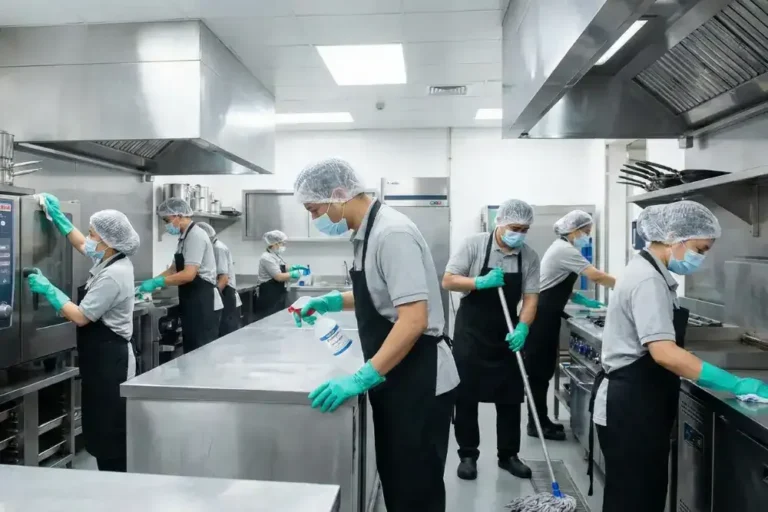
- Personal hygiene. Handwashing (before, during, and after handling food), glove use, hair restraints, no jewelry, no sick employees (this one’s tough, but important).
- Slip and fall prevention. Clean as you go, wipe up spills immediately, wear non-slip shoes, no running (yes, you have to say this).
- Knife safety. How to hold a knife, how to pass a knife, how to store knives, how to sharpen knives (dull knives are more dangerous than sharp ones).
- Burn prevention. How to handle hot pans, how to use oven mitts, how to deal with steam, how to cool down hot oil safely.
- Fire safety. Where the fire extinguishers are, how to use them, how to put out a grease fire (hint: not with water), how to evacuate.
- Chemical safety. How to read labels, how to mix chemicals (or not mix them), where to store them, what to do if there’s a spill.
- Lifting and ergonomics. How to lift heavy objects (bend at the knees, not the waist), how to avoid repetitive strain injuries, how to adjust workstations for comfort.
- Emergency procedures. Where the first aid kit is, who to call in an emergency, how to report an injury, where the emergency exits are.
How do you make this engaging? A few tips:
- Use visuals. Show them a proper handwashing technique (20 seconds, all surfaces, including between fingers). Demonstrate how to hold a knife (pinch the blade, curl your fingers under).
- Make it interactive. Have them practice passing a knife (handle first, blade down). Have them demonstrate how to lift a heavy pot (show them what *not* to do first, it’s more memorable).
- Tell stories. Share examples of what happens when these rules are ignored. For example: “One of our dishwashers once mixed bleach and ammonia because he didn’t read the labels. He ended up in the ER with chemical burns in his lungs. Don’t be that guy.”
- Ask questions. Instead of just telling them the rules, ask: “What’s the most dangerous thing in this kitchen?” or “What’s one thing you’ve seen people do that’s unsafe?” This gets them thinking critically about safety.
Is this a lot to cover? Absolutely. But these are the foundational rules that apply to *everyone*, so it’s worth taking the time to get them right.
Phase 3: The Specifics, Role-Specific Training
Now that everyone’s on the same page with the basics, it’s time to dive into the role-specific risks and procedures. This is where you tailor the training to each person’s job, so they’re not sitting through information that doesn’t apply to them.
Here’s how to approach it:
- Break into small groups. If you have multiple new hires, split them up by role. If it’s just one person, focus on their specific job.
- Walk through their station. Show them the specific hazards at their station (e.g., the fryer for a line cook, the slicer for a prep cook, the chemical bottles for a dishwasher).
- Demonstrate proper procedures. Show them how to use their equipment safely, how to clean it, and what to do if something goes wrong.
- Let them practice. Have them perform the tasks while you watch and give feedback. For example, if they’re a line cook, have them safely lower food into the fryer or adjust the flame on the stove.
- Cover emergency scenarios. What should they do if the fryer catches fire? What if the slicer jams? What if they spill a chemical?
Here are some role-specific examples:
- Line Cooks:
- How to safely lower food into hot oil (use a basket or tongs, never drop it).
- How to adjust the flame on a gas stove (turn it down before lighting, use a lighter, not a match).
- How to clean a grill or griddle (let it cool first, use the right tools).
- How to handle a grease fire (turn off the heat, cover with a lid, use a fire extinguisher, never water).
- Dishwashers:
- How to safely load and unload the dishwasher (watch for steam, don’t overload).
- How to mix chemicals (read the labels, never mix bleach and ammonia).
- How to handle broken glass (use a broom and dustpan, not your hands).
- How to lift heavy racks (bend at the knees, ask for help if it’s too heavy).
- Pastry Chefs:
- How to safely use a mixer (turn it off before scraping the bowl, use the guard).
- How to handle hot sugar or caramel (use gloves, be aware of steam).
- How to prevent repetitive strain injuries (take breaks, stretch, adjust workstation height).
- How to clean a dough sheeter (unplug it first, use the right tools).
- Prep Cooks:
- How to safely use a mandoline (use the guard, cut away from your body).
- How to prevent cross-contamination (use separate cutting boards for raw meat and veggies, wash hands between tasks).
- How to store food properly (FIFO, first in, first out, label everything).
- How to handle raw meat (wash hands, sanitize surfaces, use gloves if needed).
Is this exhaustive? No. Every kitchen is different, so you’ll need to adapt based on your equipment and workflows. But the key is to make it specific, make it hands-on, and make it relevant.
Phase 4: The Drills, Hands-On Practice (Because Theory Isn’t Enough)
Here’s the hard truth: people forget 90% of what they hear within a week. If you want safety training to stick, you can’t just *tell* them, you have to *show* them, and then have them *do* it.
That’s where drills come in. Drills are simulated scenarios where new employees can practice what they’ve learned in a low-stakes environment. They’re not just for fire safety, you can (and should) drill for *any* high-risk situation.
Here are some drills to consider:
- Fire drill. Simulate a grease fire (safely, of course). Have them practice using a fire extinguisher (aim at the base of the fire, sweep side to side). Show them how to evacuate if the fire gets out of control.
- Knife safety drill. Have them practice proper knife grip, cutting techniques, and how to pass a knife to someone else. Time them to see how quickly (and safely) they can chop an onion.
- Chemical spill drill. Simulate a chemical spill (use water and food coloring for a safe demo). Have them practice containing the spill, using the right cleanup materials, and reporting the incident.
- Burn drill. Simulate a minor burn (use a warm, not hot, pan). Have them practice cooling the burn under running water, applying a bandage, and reporting the injury.
- Slip and fall drill. Create a slip hazard (use a damp towel or a bit of oil on the floor). Have them practice cleaning it up safely and warning others about the hazard.
- First aid drill. Have them practice applying a bandage, using burn gel, or performing the Heimlich maneuver (if you’re trained to teach it).
How do you make drills effective? A few tips:
- Make them realistic. The more realistic the scenario, the more they’ll take it seriously. If you’re drilling for a grease fire, use a real fryer (safely) and have them go through the actual steps.
- Debrief afterward. After each drill, ask: “What went well? What could you do better? What would you do differently next time?” This reinforces the learning.
- Repeat them. Drills shouldn’t be a one-time thing. Schedule quarterly refreshers to keep skills sharp.
- Make them fun (but not too fun). You don’t want to turn safety into a game, but a little friendly competition (e.g., “Who can chop this onion the fastest *and* the safest?”) can make it more engaging.
Is this overkill? Maybe for some kitchens. But I’ve seen too many accidents happen because someone *thought* they knew what to do, but froze when the moment came. Drills turn knowledge into muscle memory. And in an emergency, muscle memory is what saves lives.
Step 3: Reinforce Safety Daily (Because Training Doesn’t End After Day One)
Here’s the uncomfortable truth: most safety training fails because it stops after the initial session. You spend a few hours going over the rules, everyone nods along, and then… nothing. Life goes back to normal, bad habits creep back in, and before you know it, someone’s got a bandage on their hand or a burn on their arm.
Safety isn’t a one-time event, it’s a daily practice. And if you want it to stick, you have to reinforce it constantly. Here’s how:
Lead by Example (Because Actions Speak Louder Than Words)
I can’t tell you how many times I’ve seen chefs or managers preach safety, then turn around and do something unsafe themselves. If you’re not following the rules, why should they?
Here’s what leading by example looks like:
- Wear your non-slip shoes every day.
- Wash your hands before handling food, even if you’re in a rush.
- Use proper knife techniques when you’re prepping.
- Clean up spills immediately, even if it’s not your mess.
- Follow chemical safety rules when mixing cleaners.
- Take breaks to stretch and avoid repetitive strain injuries.
It’s simple, but it’s powerful. People mimic what they see. If you’re cutting corners, they will too.
Make Safety Part of Your Daily Routine
Safety shouldn’t be something you only talk about during training, it should be part of your kitchen’s culture. Here’s how to weave it into your daily routine:
- Start every shift with a safety moment. Before service begins, gather the team for a quick safety reminder. It doesn’t have to be long, just 2-3 minutes to cover one key rule. For example: “Today’s safety moment: Remember to wipe up spills immediately. We had a close call yesterday with a slippery floor, so let’s make sure that doesn’t happen again.”
- Do a safety walkthrough. Before service starts, do a quick walkthrough of the kitchen to check for hazards. Are the floors clean? Are the knives sharp and stored properly? Are the fire extinguishers accessible? Fix any issues before they become problems.
- End every shift with a debrief. After service, gather the team for a quick debrief. Ask: “What safety issues came up today? What could we do better tomorrow?” This keeps safety top of mind and encourages everyone to look out for each other.
- Post safety reminders. Hang posters in high-risk areas (e.g., a “Wash Your Hands” sign by the sink, a “Slip Hazard” sign by the dish pit). Use color-coded labels for chemicals (red for dangerous, green for safe). The more visual cues, the better.
- Reward safe behavior. When you see someone following safety rules, acknowledge it. A simple “Great job wiping up that spill right away” goes a long way. You can even create a safety incentive program (e.g., a monthly prize for the safest employee).
Is this a lot of work? Yes. But it’s a lot less work than dealing with an injury, a lawsuit, or a failed health inspection.
Schedule Regular Refreshers (Because People Forget)
Even if you reinforce safety daily, people *will* forget things. That’s just how brains work. Regular refreshers help keep safety top of mind and fill in any gaps in knowledge.
Here’s how to do it:
- Monthly safety meetings. Once a month, gather the team for a 15-30 minute safety meeting. Cover one topic in depth (e.g., fire safety, knife safety, chemical safety). Use videos, drills, or guest speakers to keep it engaging.
- Quarterly drills. Every three months, run a full safety drill (e.g., a fire drill, a chemical spill drill, a first aid drill). This keeps skills sharp and ensures everyone knows what to do in an emergency.
- Annual training. Once a year, conduct a full safety training session for all employees. This is a good time to update them on any new rules, equipment, or procedures.
- New hire refreshers. If you have a lot of turnover, consider a monthly refresher for new hires. This ensures everyone gets the same training, even if they missed the initial session.
How often should you do this? It depends on your kitchen. If you have a lot of turnover or high-risk equipment, you might need to do it more often. If your team is stable and low-risk, you can space it out. The key is consistency, don’t let safety become an afterthought.
Create a Culture of Safety (Because Rules Aren’t Enough)
Here’s the thing about rules: **people follow them when they’re enforced, but they *own* them when they’re part of the culture. If safety is just a list of rules posted on the wall, it’ll be ignored. But if it’s part of your kitchen’s identity, people will take it seriously.
So how do you create a culture of safety? A few ideas:
- Make safety a core value. Include it in your mission statement, your onboarding process, and your daily conversations. If it’s important to you, it’ll be important to them.
- Encourage reporting. Create a no-blame culture** where people feel comfortable reporting hazards, near-misses, or injuries. If they’re afraid of getting in trouble, they won’t speak up, and that’s when accidents happen.
- Empower everyone to be a safety leader. Safety isn’t just the manager’s job, it’s *everyone’s* job. Encourage employees to speak up if they see something unsafe, and reward them for it.
- Lead with empathy. People are more likely to follow safety rules if they feel valued and respected. If they feel like they’re just cogs in a machine, they’ll cut corners. But if they feel like part of a team, they’ll look out for each other.
Is this easy? No. Culture change takes time. But it’s worth it. A kitchen with a strong safety culture isn’t just safer, it’s more efficient, more productive, and a better place to work.
Step 4: Common Mistakes to Avoid (Because We’ve All Been There)
I’ve made a lot of mistakes when it comes to safety training. I’ve rushed through it, assumed people already knew the basics, and even skipped it entirely because I was “too busy.” And every time, I’ve regretted it. Here are the most common mistakes I see (and how to avoid them):
Mistake #1: Assuming They Already Know the Basics
This is the biggest mistake I see. You assume that because someone has worked in a kitchen before, they know how to wash their hands properly or use a fire extinguisher. But here’s the thing: assumptions are dangerous.
How to avoid it:
- Start from scratch. Even if someone has years of experience, cover the basics. You’d be surprised how many people “forget” the fundamentals when they’re in a rush.
- Ask questions. Instead of assuming they know, ask: “How do you wash your hands properly?” or “What’s the first thing you do if the fryer catches fire?” This reveals gaps in knowledge.
- Observe them. After training, watch them work. Do they follow the rules? If not, correct them gently and reinforce the training.
Is this patronizing? Maybe a little. But it’s better to be safe than sorry.
Mistake #2: Making It Too Theoretical
I’ve sat through my fair share of safety training sessions that felt like a college lecture. The trainer stands at the front of the room, reads from a PowerPoint, and expects everyone to absorb it through osmosis. Spoiler alert: it doesn’t work.
How to avoid it:
- Make it hands-on. People learn by doing. If you’re training on knife safety, have them hold a knife and practice cutting. If you’re training on fire safety, have them use a fire extinguisher (safely).
- Use real-world examples. Instead of just listing the rules, tell stories about what happens when they’re ignored. For example: “Last year, one of our cooks didn’t wash his hands after handling raw chicken. Three customers got food poisoning, and we had to close for a week. Don’t be that guy.”
- Keep it short and focused. Attention spans are short. Break the training into small chunks (15-20 minutes max) and focus on one topic at a time.
Is this more work? Yes. But it’s worth it.
Mistake #3: Not Tailoring the Training to the Kitchen
I’ve seen kitchens use generic safety training that doesn’t account for their specific risks. For example, a sushi bar using the same training as a BBQ joint, even though their hazards are completely different. This is a recipe for disaster.
How to avoid it:
- Audit your kitchen. Before training, identify your specific risks. What’s dangerous in *your* kitchen? What equipment do you use? What are the most common accidents?
- Customize the training. Once you know your risks, tailor the training to address them. For example, if you have a deep fryer, spend extra time on grease fire safety. If you have a slicer, focus on proper usage and cleaning.
- Involve your team. Ask your staff: “What’s the most dangerous thing in this kitchen?” Their answers might surprise you.
Is this extra work? Yes. But it’s better than a generic training that doesn’t apply to your kitchen.
Mistake #4: Not Reinforcing the Training
This is the mistake I see most often. You spend hours training new employees, they nod along, and then… nothing. Safety becomes an afterthought, bad habits creep back in, and before you know it, someone’s got a burn or a cut.
How to avoid it:
- Make safety part of your daily routine. Start every shift with a safety moment, end every shift with a debrief, and post reminders around the kitchen.
- Schedule regular refreshers. Safety training shouldn’t be a one-time event. Schedule monthly meetings, quarterly drills, and annual refreshers to keep skills sharp.
- Lead by example. If you’re not following the rules, why should they? Model safe behavior every day.
Is this a lot of work? Yes. But it’s a lot less work than dealing with an injury or a lawsuit.
Mistake #5: Not Creating a Culture of Safety
Rules are important, but culture is everything. If safety is just a list of rules posted on the wall, it’ll be ignored. But if it’s part of your kitchen’s identity, people will take it seriously.
How to avoid it:
- Make safety a core value. Include it in your mission statement, your onboarding process, and your daily conversations.
- Encourage reporting. Create a no-blame culture where people feel comfortable reporting hazards, near-misses, or injuries.
- Empower everyone to be a safety leader. Safety isn’t just the manager’s job, it’s *everyone’s* job. Encourage employees to speak up if they see something unsafe.
- Lead with empathy. People are more likely to follow safety rules if they feel valued and respected. If they feel like they’re just cogs in a machine, they’ll cut corners.
Is this easy? No. Culture change takes time. But it’s worth it. A kitchen with a strong safety culture isn’t just safer, it’s more efficient, more productive, and a better place to work.
Step 5: Tools and Resources to Make Training Easier (Because You Don’t Have to Reinvent the Wheel)
Let’s be real: you don’t have to create everything from scratch. There are plenty of tools and resources out there to make safety training easier. Here are some of my favorites:
Free and Low-Cost Training Materials
- OSHA’s Kitchen Safety Guidelines. The Occupational Safety and Health Administration (OSHA) has free resources on kitchen safety, including checklists, posters, and training guides. You can find them on their [website](https://www.osha.gov).
- ServSafe. The National Restaurant Association’s ServSafe program offers food safety training and certification. While it’s not free, it’s affordable and widely recognized.
- YouTube videos. There are tons of free videos on kitchen safety. Just make sure they’re from reputable sources (e.g., OSHA, ServSafe, professional chefs).
- Safety posters. You can find free or low-cost safety posters online. Print them out and hang them in high-risk areas (e.g., a “Wash Your Hands” sign by the sink, a “Slip Hazard” sign by the dish pit).
- First aid training. The American Red Cross offers first aid and CPR training for a fee. It’s a great way to certify your team and give them life-saving skills.
Interactive Training Tools
- Virtual reality (VR) training. Some companies offer VR safety training where employees can practice drills in a simulated kitchen. It’s pricey, but it’s highly effective.
- Mobile apps. There are apps that offer interactive safety training, quizzes, and reminders. Some even let you track compliance and schedule refreshers.
- Online courses. Websites like Udemy or Coursera offer affordable online courses on kitchen safety. You can assign them to new hires as pre-training before they start.
- Gamification. Some companies use games or quizzes to make safety training more engaging. For example, you could create a safety trivia game with prizes for the winners.
Books and Guides
- The Safe Kitchen: A Guide to Food Safety and Sanitation. This book covers everything from foodborne illness to chemical safety. It’s a great reference guide for trainers.
- OSHA’s Small Business Handbook. This free guide covers safety and health programs for small businesses. It’s a great starting point for creating your own training.
- ServSafe Manager Book. This book is required reading for the ServSafe certification, but it’s also a great resource for trainers. It covers food safety, sanitation, and kitchen safety in depth.
Do you need all of these? No. But the more tools you have, the easier training will be. Pick a few that work for your kitchen and build from there.
Wrapping Up: The One Thing You Should Do Right Now
Let’s be honest: this is a lot of information. If you’re feeling overwhelmed, I get it. Safety training isn’t something you can knock out in an afternoon, it’s an ongoing process that requires time, effort, and commitment. But here’s the good news: you don’t have to do it all at once.
So where should you start? Pick one thing from this guide and implement it today. Maybe it’s:
- Auditing your kitchen for hazards.
- Scheduling a safety drill for next week.
- Printing out a few safety posters and hanging them up.
- Starting every shift with a safety moment.
- Signing up for a ServSafe course.
Whatever it is, just start. Because the truth is, safety training isn’t just about preventing accidents, it’s about creating a kitchen where people feel valued, respected, and protected. And that’s worth the effort.
So go ahead. Pick one thing and do it today. Your team (and your future self) will thank you.
FAQ: Your Burning Questions About Kitchen Safety Training
Q: How long should kitchen safety training take?
A: It depends on your kitchen, but a good rule of thumb is 2-4 hours for the initial training, broken into 15-20 minute chunks to keep people engaged. Follow up with daily reminders, monthly meetings, and quarterly drills to reinforce the training. Remember: safety training isn’t a one-time event, it’s an ongoing process.
Q: What’s the most important thing to cover in kitchen safety training?
A: There’s no single “most important” topic, it depends on your kitchen. But if I had to pick one, I’d say fire safety. Fires are fast, dangerous, and often preventable. Make sure everyone knows how to use a fire extinguisher, how to put out a grease fire, and how to evacuate in case of an emergency. Other critical topics include knife safety, foodborne illness prevention, and slip and fall hazards.
Q: How do I make safety training engaging?
A: The key is to make it interactive, relevant, and hands-on. Here are a few tips:
- Tell stories. Share real-life examples of accidents (yours or others’) and how they could’ve been prevented.
- Use visuals. Show them posters, videos, or live demos of proper techniques.
- Make it hands-on. Have them practice knife skills, use a fire extinguisher, or clean up a spill.
- Ask questions. Instead of just telling them the rules, ask: “What’s the most dangerous thing in this kitchen?” or “What’s one thing you’ve seen people do that’s unsafe?”
- Keep it short and focused. Attention spans are short. Break the training into small chunks (15-20 minutes max) and focus on one topic at a time.
Is this easy? No. But it’s worth it. If your training is boring, people will tune out, and that’s when accidents happen.
Q: How do I reinforce safety training after the initial session?
A: Safety training doesn’t end after the initial session, it’s an ongoing process. Here’s how to reinforce it:
- Start every shift with a safety moment. Before service begins, gather the team for a quick safety reminder. It doesn’t have to be long, just 2-3 minutes to cover one key rule.
- Do a safety walkthrough. Before service starts, do a quick walkthrough of the kitchen to check for hazards. Fix any issues before they become problems.
- End every shift with a debrief. After service, gather the team for a quick debrief. Ask: “What safety issues came up today? What could we do better tomorrow?”
- Post safety reminders. Hang posters in high-risk areas (e.g., a “Wash Your Hands” sign by the sink, a “Slip Hazard” sign by the dish pit).
- Schedule regular refreshers. Safety training shouldn’t be a one-time event. Schedule monthly meetings, quarterly drills, and annual refreshers to keep skills sharp.
- Lead by example. If you’re not following the rules, why should they? Model safe behavior every day.
Is this a lot of work? Yes. But it’s a lot less work than dealing with an injury or a lawsuit.
Q: What should I do if someone ignores safety rules?
A: This is a tough one. Ignoring safety rules is a serious issue, and it needs to be addressed immediately. Here’s how to handle it:
- Pull them aside. Don’t call them out in front of the team, this can be embarrassing and counterproductive. Instead, pull them aside and have a private conversation.
- Ask questions. Instead of accusing them, ask: “I noticed you didn’t wash your hands after handling raw chicken. Is there a reason?” This gives them a chance to explain (maybe they forgot, maybe they didn’t know).
- Reinforce the rule. Remind them why the rule is important and what could happen if they ignore it. For example: “If you don’t wash your hands after handling raw chicken, you could spread bacteria and make customers sick. That’s a health code violation, and it could get us shut down.”
- Give them a chance to correct it. Ask: “Can you show me how to wash your hands properly?” This reinforces the training and gives them a chance to demonstrate the correct behavior.
- Document it. If it’s a repeat offense, document the conversation and consider disciplinary action. Safety isn’t optional, it’s a requirement.
- Follow up. Check in with them later to make sure they’re following the rules. If they are, acknowledge it. If not, escalate the issue.
Is this easy? No. But it’s necessary. If someone is ignoring safety rules, they’re putting themselves, their team, and your business at risk. Don’t let it slide.
@article{how-to-conduct-kitchen-safety-training-for-new-employees-a-step-by-step-guide-for-chefs-and-managers,
    title   = {How to Conduct Kitchen Safety Training for New Employees: A Step-by-Step Guide for Chefs and Managers},
    author  = {Chef's icon},
    year    = {2026},
    journal = {Chef's Icon},
    url     = {https://chefsicon.com/how-to-conduct-kitchen-safety-training-for-new-employees/}
}