The Best Fluffy Pancakes recipe you will fall in love with. Full of tips and tricks to help you make the best pancakes.
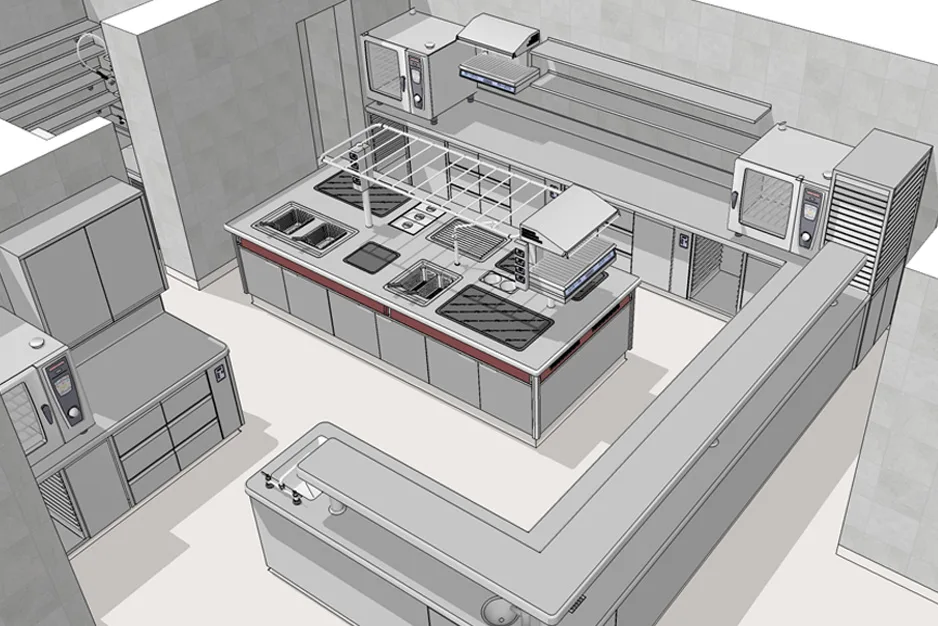
The Hidden Geometry of Dining: How Restaurant Layout Design Shapes Efficiency and Customer Experience
I still remember the first time I walked into Biscuit Love in Nashville’s Gulch neighborhood. The place was packed, wall-to-wall with brunch enthusiasts, the air thick with the scent of fried chicken and maple syrup. But here’s the thing: despite the chaos, everything *worked*. The line moved smoothly, servers navigated the tight spaces like dancers, and even the open kitchen felt like part of the show, not an obstacle. Meanwhile, just a few blocks away, another restaurant with a similar menu and crowd struggled, tables felt cramped, the bar was a bottleneck, and the kitchen staff looked like they were playing a high-stakes game of Tetris with tickets. What was the difference? Layout design efficiency.
This isn’t just about aesthetics or feng shui. A restaurant’s layout is the invisible skeleton that holds everything together, customer flow, staff efficiency, even the mood of the room. Get it right, and your space becomes a well-oiled machine where diners linger happily and your team moves with purpose. Get it wrong, and you’re stuck with a logistical nightmare that drains profits and frustrates everyone. But here’s the kicker: most restaurant owners treat layout as an afterthought, something to squeeze into whatever space they’ve got. That’s like building a house without blueprints and hoping the plumbing works out.
So, what exactly makes a restaurant layout *good*? Is it just about maximizing covers? Or is there something deeper, something psychological, about how we experience space when we eat? And how do you balance the cold, hard math of efficiency with the warm, fuzzy feelings of hospitality? I’ve spent the last decade obsessing over these questions, from the high-end tasting menus of San Francisco to the neon-lit diners of Nashville. And if there’s one thing I’ve learned, it’s this: the best layouts don’t just move people, they move emotions. In this deep dive, we’ll unpack the science, the art, and the gut instincts behind restaurant layout design, with actionable takeaways for owners, chefs, and designers. By the end, you’ll see your dining room (and maybe even your favorite local spot) in a whole new light.
Let’s start with the basics: the three pillars of restaurant layout design-flow, function, and feeling. Miss one, and the whole system wobbles. Nail all three, and you’ve got a space that feels like magic.
The Three Pillars of Restaurant Layout Design: Flow, Function, and Feeling
1. Flow: The Invisible Current That Moves Your Restaurant
Flow is the circulatory system of your restaurant. It’s the path diners take from the host stand to their table, the route servers use to deliver food without playing bumper cars, and the way kitchen staff pivot between stations without tripping over each other. When flow is smooth, it’s like watching a well-rehearsed ballet. When it’s clunky, it’s a mosh pit with plates.
Take fast-casual concepts like Chipotle or Sweetgreen. Their layouts are masterclasses in flow. The line moves in a single direction, with each station (proteins, toppings, checkout) spaced just far enough apart to avoid crowding but close enough to keep momentum. There’s no backtracking, no confusion, just a steady, predictable rhythm. Now compare that to a sit-down restaurant where the host stand is tucked in a corner, the bar is in the middle of the dining room, and the kitchen’s expo line is a mile away from the pass. Suddenly, every step becomes a puzzle.
But here’s where it gets tricky: flow isn’t just about logistics. It’s also about psychological comfort. Ever notice how you feel more relaxed in a restaurant where the path to the bathroom doesn’t require a GPS? Or how a bar positioned near the entrance makes you more likely to linger for a drink? That’s flow working on a subconscious level. The best layouts guide diners without them realizing they’re being guided. It’s like a good host who introduces you to the right people at a party, you leave feeling like it just *happened* that way.
So how do you design for flow? Start by mapping the customer journey from arrival to departure. Where do they pause? Where do they hesitate? Where do they get stuck? Then, do the same for your staff. A server’s path should be a loop, not a zigzag. The kitchen should be arranged in a “work triangle” (more on that later), with high-traffic stations (like the fryer or grill) positioned for easy access. And don’t forget the “golden zone”-the area within arm’s reach of a server’s station where they can grab silverware, napkins, or condiments without taking a step. Every inch saved here adds up to minutes over the course of a shift.
Is this the best approach? I’m torn. On one hand, rigidly optimizing for flow can make a space feel sterile, like a hospital corridor. On the other, ignoring it entirely leads to chaos. Maybe the sweet spot is designing for flow *first*, then layering in warmth and personality. But how do you do that without sacrificing efficiency? Let’s consider…
2. Function: The Engine That Keeps Your Restaurant Running
If flow is the circulatory system, function is the engine. It’s the nuts and bolts of how your space *works*-the ergonomics of your kitchen, the placement of your POS system, the way your walk-in is organized. Function is what separates a restaurant that hums from one that sputters. And yet, it’s the most overlooked aspect of layout design. Why? Because it’s not sexy. No one Instagrams a well-organized dry storage room or a perfectly angled chef’s counter. But trust me: your staff will notice. And so will your bottom line.
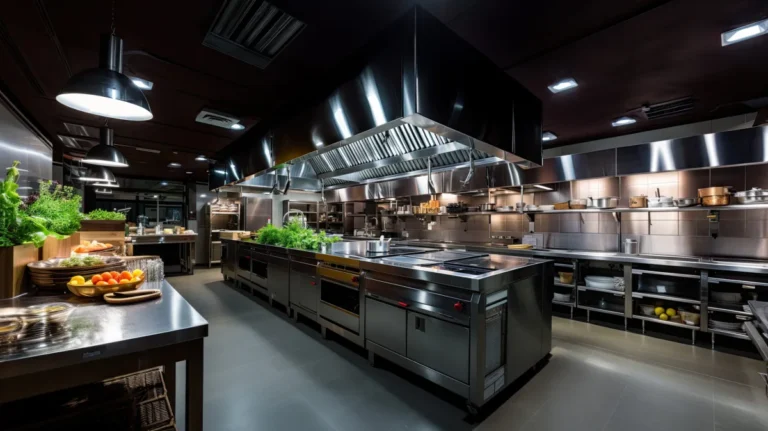
Let’s talk about kitchen layout first, because this is where function lives or dies. The classic “work triangle” (the imaginary line between the sink, stove, and refrigerator) is a good starting point, but it’s not enough. A modern restaurant kitchen needs to account for multiple stations, cross-traffic, and equipment placement. For example, the fryer should be near the expo line so food doesn’t get cold on the pass. The prep station should have easy access to both the walk-in and the line. And the dish pit? It should be close enough to the dining room to minimize steps but far enough away to avoid noise and steam.
But function isn’t just about the kitchen. It’s also about the front of house. Where do servers clock in? Where do they stash their bags? Is there a designated spot for sidework, or do they have to huddle around a single computer? These might seem like small details, but they add up. A server who spends five minutes searching for a wine key or a stack of menus is a server who’s not on the floor. Multiply that by every shift, and you’re looking at lost revenue.
Then there’s the POS system. This is where a lot of restaurants go wrong. A POS terminal that’s too far from the bar or the kitchen creates bottlenecks. One that’s poorly angled forces servers to twist their wrists or squint at the screen. And if it’s not mobile? Forget about tableside ordering or splitting checks efficiently. The best layouts treat the POS like a command center, positioned for maximum visibility and accessibility. Some restaurants even use tablet-based systems that servers can carry with them, eliminating the need to run back and forth.
But here’s the thing about function: it’s not one-size-fits-all. A fast-casual spot with a limited menu can get away with a linear kitchen layout. A fine-dining restaurant with a 12-course tasting menu needs something more complex, with dedicated stations for each course. And a bar? It’s a whole different beast, with its own rules for glass storage, ice machines, and speed rails. The key is to design for your specific needs, not what worked for someone else’s restaurant.
I’m starting to wonder if function is the most underrated pillar. It’s easy to get caught up in the aesthetics of a space, the reclaimed wood, the Edison bulbs, the Instagram-worthy wallpaper. But none of that matters if your staff is constantly tripping over each other or your food arrives cold because the kitchen is a maze. Maybe the real art of restaurant design is making function *feel* effortless, even when it’s anything but.
3. Feeling: The X-Factor That Turns Diners Into Regulars
Flow and function are the science of restaurant layout. Feeling? That’s the art. It’s the difference between a place you eat at and a place you *remember*. It’s the warmth of a booth that hugs you just right, the way a well-placed mirror makes a small space feel grand, or the buzz of energy in a room where every table is full but no one feels crowded. Feeling is what makes diners linger, order that extra cocktail, and come back again and again. And yet, it’s the hardest thing to quantify.
Let’s start with space psychology. Studies show that people have a “personal bubble” of about 18 inches when they’re sitting down. Invade that bubble, with a table that’s too close, a chair that’s too big, or a server who leans in too far, and diners start to feel uncomfortable. But here’s the counterintuitive part: a little discomfort can be a good thing. Ever notice how the best bars feel cozy, not cramped? That’s because a slight squeeze creates energy and intimacy. The key is balance. Too much space, and the room feels dead. Too little, and it feels like a subway car at rush hour.
Then there’s lighting. This is where a lot of restaurants miss the mark. Bright, even lighting might be great for a fast-casual spot, but it’s the enemy of ambiance. The best layouts use layered lighting: overhead fixtures for general illumination, task lighting for tables, and accent lighting to highlight architectural features or artwork. And don’t forget color temperature. Warm light (2700K-3000K) makes food look more appetizing and people look more attractive. Cool light (4000K+) is better for fast-paced environments where you want diners to eat and go. The wrong choice can make your space feel like a dentist’s office or a morgue.
But feeling isn’t just about what diners see, it’s also about what they hear. Acoustics are a make-or-break factor in restaurant design, and yet they’re often an afterthought. A room with too much hard surface (think concrete floors, exposed brick, and high ceilings) becomes a cacophony of clinking silverware and shouted conversations. A room with too much soft surface (carpet, drapes, upholstered booths) can feel muffled and dull. The best layouts strike a balance, using acoustic panels, rugs, and ceiling treatments to absorb just enough sound without killing the energy. Some high-end restaurants even use white noise systems to mask unwanted noise and create a consistent ambiance.
And then there’s scent. This is the most overlooked sense in restaurant design, but it’s also the most powerful. The smell of sizzling steak, fresh-baked bread, or even a hint of citrus from a cleaning product can trigger memories and emotions in a way that sight and sound can’t. The best layouts use ventilation systems to control scent dispersion, ensuring that the aroma of the kitchen enhances the dining experience without overwhelming it. Some restaurants even use scent diffusers to create a signature olfactory experience. (Yes, that’s a thing. And yes, it works.)
But here’s the thing about feeling: it’s subjective. What makes one person feel cozy might make another feel claustrophobic. What one diner finds romantic, another might find pretentious. The best layouts don’t try to please everyone. Instead, they curate an experience for a specific audience. A family-friendly diner will have a different vibe than a date-night hotspot, and that’s okay. The key is to be intentional. Every design choice, from the shape of the tables to the texture of the walls, should reinforce the feeling you want to create.
I’m starting to think that feeling is the most important pillar of all. Flow and function keep your restaurant running, but feeling is what makes it *matter*. It’s the difference between a meal and a memory. But how do you measure something so intangible? And how do you balance it with the practical demands of flow and function? Maybe the answer is to treat feeling like a guiding principle, not an afterthought. To ask, with every design choice: Does this make the space *better*, or just prettier? Does it serve the experience, or just the ego?
The Nuts and Bolts: Practical Tips for Optimizing Your Layout
Okay, enough theory. Let’s get practical. If you’re designing a restaurant layout from scratch, or tweaking an existing one, where do you even start? Here’s a step-by-step guide to optimizing for efficiency and customer experience, with real-world examples and hard-won lessons from the trenches.
1. Start with a Bubble Diagram (Not a Floor Plan)
Before you dive into furniture placement or equipment specs, grab a pen and paper (or a digital tool like SketchUp or AutoCAD) and sketch a bubble diagram. This is a rough, abstract map of your space, with circles representing key areas (dining room, kitchen, bar, restrooms, etc.) and arrows showing how they connect. The goal isn’t to get the dimensions right, it’s to visualize the relationships between spaces.
For example, the dining room should be close to the kitchen but not *too* close (you don’t want diners hearing the clatter of pots and pans). The bar should be near the entrance to encourage walk-ins, but not so close that it blocks the host stand. The restrooms should be easy to find but not in the middle of the dining room. A bubble diagram forces you to think about proximity and flow before you get bogged down in details.
I’ve seen too many restaurants skip this step and end up with a layout that looks good on paper but doesn’t *work*. Like the time I consulted for a bistro where the owner insisted on putting the bar in the back because “that’s where the cool kids sit.” The problem? The bar was a bottleneck, and servers had to weave through the dining room to get drinks. A simple bubble diagram would’ve revealed the issue before construction even started.
2. Design for the 80/20 Rule (Most Restaurants Get This Wrong)
The 80/20 rule (or Pareto Principle) applies to restaurant layouts in a big way. Roughly 80% of your revenue comes from 20% of your space, and 80% of your headaches come from 20% of your design flaws. The trick is figuring out which 20% to optimize.
For most restaurants, the high-revenue zones are:
- The bar (drinks have the highest profit margins)
- The host stand (first impressions matter, and a well-designed stand can upsell reservations or specials)
- The expo line (where food is plated and expedited, this is the heartbeat of your kitchen)
- The “golden tables” (the ones with the best views, the most privacy, or the most Instagram potential)
Meanwhile, the high-headache zones are usually:
- The path to the restrooms (if it cuts through the dining room, it disrupts flow)
- The server station (if it’s too far from the kitchen or the POS, it wastes time)
- The entryway (if it’s too narrow, it creates bottlenecks during peak hours)
- The dish pit (if it’s too small or poorly ventilated, it becomes a nightmare for staff)
The key is to prioritize the high-revenue zones and minimize the high-headache zones. For example, if your bar is your biggest moneymaker, don’t tuck it in a corner. Make it the focal point of the room. If the path to the restrooms is a problem, consider adding a hallway or a screen to block the view. And if your server station is a time-suck, invest in a mobile POS system or a better layout.
I’ll admit, this is easier said than done. It’s tempting to treat every square foot of your restaurant as equally important. But the truth is, some spaces *are* more valuable than others. The best layouts acknowledge that and design accordingly.
3. The Kitchen Work Triangle (And Why It’s Not Enough)
If you’ve read anything about restaurant design, you’ve heard of the kitchen work triangle. It’s the idea that the three most important stations in a kitchen, the sink, the stove, and the refrigerator-should form a triangle, with each side between 4 and 9 feet long. The goal is to minimize steps and maximize efficiency. And for a home kitchen, it’s a great rule of thumb. But for a restaurant? It’s just the beginning.
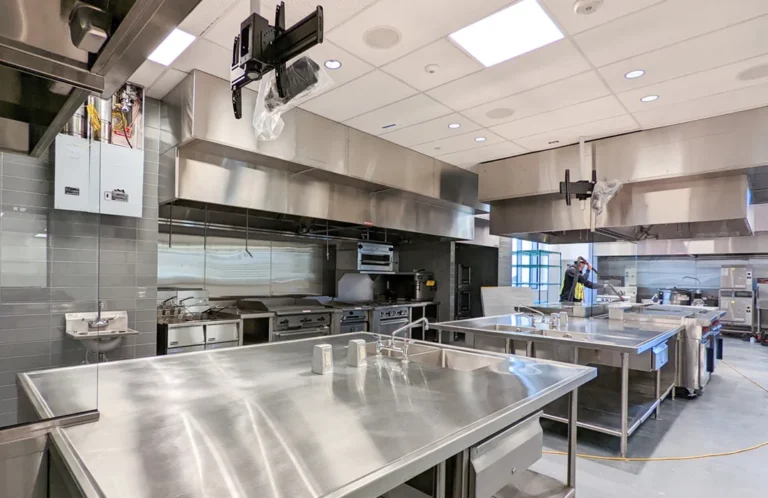
A commercial kitchen is a multi-station beast, with prep areas, cooking lines, plating stations, and dish pits all competing for space. The work triangle is still useful, but it needs to be expanded and adapted. Here’s how:
- Group related tasks together. For example, the prep station should be near the walk-in and the cooking line. The dish pit should be close to the dining room (to minimize steps) but far enough away to avoid noise and steam.
- Create “zones” for different functions. A fast-casual spot might have a “hot zone” (grill, fryer, sauté station) and a “cold zone” (salad prep, dessert station). A fine-dining kitchen might have separate zones for garde manger, entremetier, and saucier.
- Minimize cross-traffic. The path between the fridge and the stove should be clear, but so should the path between the expo line and the dining room. If servers and cooks are constantly crossing paths, it’s a recipe for disaster.
- Plan for peak capacity. A kitchen that works for 50 covers might not work for 150. Make sure your layout can handle the busiest nights without breaking down.
But here’s the thing: even the best kitchen layout is useless if it doesn’t communicate with the front of house. The expo line should be positioned so servers can see it from the dining room. The pass should be angled so the chef can easily check tickets. And the POS system should be synced with the kitchen display system (KDS) to minimize errors. The best kitchens feel like one cohesive unit, not a series of disconnected stations.
I’ve seen kitchens that look great on paper but are nightmares to work in. Like the time I visited a trendy new spot where the chef had to walk 20 feet from the grill to the expo line every time he plated a dish. Or the restaurant where the dish pit was so far from the dining room that servers had to take a detour just to bus tables. These might seem like small issues, but they add up. A kitchen that’s designed for efficiency saves time, reduces stress, and improves food quality. And that’s something diners *will* notice.
4. The Dining Room: Where Psychology Meets Profit
The dining room is where the magic happens, or where it dies. It’s where diners form their first impressions, where servers juggle a dozen tasks at once, and where the psychology of space comes into play. Get it right, and your dining room becomes a profit center. Get it wrong, and it’s a money pit.
Let’s start with table placement. This is where a lot of restaurants go wrong. The instinct is to cram in as many tables as possible, but that’s a mistake. A dining room that’s too crowded feels chaotic, and diners won’t linger (or order that second drink). A dining room that’s too sparse feels dead, and you’re leaving money on the table. The sweet spot? 20-25 square feet per diner. That’s enough space to feel comfortable without wasting real estate.
But it’s not just about square footage, it’s also about table shape and size. Round tables encourage conversation and are great for groups, but they take up more space. Square tables are efficient but can feel rigid. Rectangular tables are versatile but can create awkward seating arrangements. The best layouts mix and match, with a few large tables for groups, some medium tables for couples, and a couple of small tables for solo diners.
Then there’s seating type. Booths are great for privacy and comfort, but they’re inflexible (you can’t push two together for a large party). Chairs are versatile but can feel impersonal. Bar seating is great for solo diners and walk-ins, but it can block the flow of the room. The best layouts use a mix of all three, with booths along the walls, tables in the center, and bar seating near the entrance or the kitchen.
But here’s the thing about dining room design: it’s not just about what you put in the space, it’s also about what you leave out. Clutter is the enemy of a good layout. Too many decorations, too much furniture, or too many “design elements” (looking at you, Edison bulbs) can make a space feel overwhelming. The best dining rooms are clean and uncluttered, with a few standout features (like a statement light fixture or a bold piece of art) to draw the eye.
And don’t forget the “dead zones”. These are the areas of the dining room that get ignored, like the corner near the restrooms or the table by the kitchen door. The best layouts either eliminate dead zones (by repositioning furniture or adding a feature) or turn them into assets (like a cozy nook for solo diners or a high-top for walk-ins).
I’ll be honest: dining room design is where I see the most mistakes. It’s easy to get caught up in the aesthetics, like that one restaurant with the gorgeous reclaimed wood bar that no one could reach because the stools were too close together. Or the place with the stunning chandelier that cast weird shadows on every table. The best layouts balance form and function, with every design choice serving a purpose. If it doesn’t make the space *better*, it’s just noise.
5. The Bar: The Unsung Hero of Restaurant Layouts
The bar is the Swiss Army knife of a restaurant. It’s a revenue driver, a social hub, a waiting area, and a backup kitchen all in one. And yet, it’s often treated as an afterthought, a place to stick a few stools and call it a day. Big mistake. A well-designed bar can increase sales by 20-30%, improve customer flow, and even boost your restaurant’s reputation. A poorly designed bar? It’s a bottleneck, a safety hazard, and a missed opportunity.
Let’s start with placement. The bar should be near the entrance (to encourage walk-ins) but not *too* near (you don’t want it blocking the host stand). It should be visible from the dining room (so diners can see the action) but not *too* visible (you don’t want it distracting from the food). And it should be close to the kitchen (so bartenders can grab garnishes or plates) but not *too* close (you don’t want the noise or the heat).
Then there’s size. A bar that’s too small feels cramped, and bartenders will be constantly bumping into each other. A bar that’s too large feels empty, and you’re wasting valuable real estate. The sweet spot? 2.5 to 3 feet of bar space per stool. That’s enough room for diners to feel comfortable without taking up too much space. And don’t forget the “work zone” behind the bar, at least 3 feet deep, with enough room for ice bins, speed rails, and POS systems.
But the real magic of a bar is in the details. Like the speed rail, which should be within arm’s reach of the bartender’s dominant hand. Or the glass racks, which should be positioned so glasses are easy to grab but out of the way of the work zone. Or the ice machine, which should be close enough to the bar to minimize steps but far enough away to avoid noise and condensation. And don’t forget the POS system-it should be positioned so bartenders can ring in drinks without turning their backs on customers.
Then there’s seating. Bar stools should be comfortable but not too comfortable (you don’t want diners camping out for hours). They should be adjustable (so they can accommodate different heights) and sturdy (so they don’t wobble). And they should be spaced 18-24 inches apart-close enough to encourage conversation, but far enough to avoid crowding.
But here’s the thing about bars: they’re not just for drinking. They’re also for eating. More and more restaurants are treating the bar as a second dining room, with full menus, table service, and even reservations. If that’s your plan, make sure the bar has enough space for plates, silverware, and condiments. And consider adding a “bar rail”-a narrow ledge along the back of the bar where diners can rest their elbows (and their drinks).
I’ve seen bars that are works of art, and bars that are disasters. Like the time I visited a high-end cocktail lounge where the bartenders had to walk 10 feet to grab a bottle of bitters. Or the sports bar where the TVs were positioned so you had to crane your neck to see the game. The best bars are designed for efficiency, with every element serving a purpose. If it doesn’t make the bartender’s job easier or the diner’s experience better, it’s just clutter.
6. The Restrooms: The Silent Reputation Killer
Let’s talk about the elephant in the room: restrooms. They’re the most overlooked part of restaurant design, and yet they’re one of the first things diners notice. A dirty, cramped, or poorly designed restroom can ruin an otherwise great meal. A clean, well-designed restroom? It’s a silent ambassador for your brand.
First, placement. The restrooms should be easy to find but not in the middle of the dining room. A hallway or a nook is ideal, somewhere that provides a little privacy without making diners feel like they’re on a scavenger hunt. And don’t make them walk through the kitchen or the dish pit to get there. That’s a health code violation waiting to happen.
Then there’s size. A restroom that’s too small feels claustrophobic, and it’s hard to keep clean. A restroom that’s too large feels empty, and you’re wasting space. The sweet spot? At least 50 square feet for a single restroom, 75 for a multi-stall setup. That’s enough room for a sink, a mirror, and a stall (or two) without feeling cramped.
But the real key to a great restroom is design. It should match the aesthetic of the restaurant but with a few extra touches to make it feel special. Like a statement mirror, a bold wallpaper, or a unique light fixture. And don’t forget the details-like motion-sensor faucets, automatic soap dispensers, and high-quality hand dryers. These might seem like small things, but they add up. A diner who walks into a restroom with a cracked mirror and a flickering light is going to assume the kitchen is just as neglected.
And here’s a pro tip: add a full-length mirror. It’s a small touch, but it makes a big difference. Diners will check their appearance before heading back to the table, and it gives the restroom a more polished feel. Plus, it’s a great way to make a small space feel larger.
I’ll admit, I used to think restrooms were a waste of design effort. But then I visited a restaurant where the restrooms were so nice, I almost wanted to eat in them. (Okay, not really. But you get the idea.) The best restrooms are clean, functional, and on-brand. They don’t have to be fancy, but they do have to be thoughtful.
7. The Entryway: Where First Impressions Are Made
The entryway is the first and last impression diners have of your restaurant. It’s where they decide whether to stay or leave, whether to order that extra drink or just pay the bill. And yet, it’s often treated as an afterthought, a place to stick a host stand and call it a day. Big mistake. A well-designed entryway can set the tone for the entire meal, while a poorly designed one can kill the mood before diners even sit down.
Let’s start with the host stand. This is the command center of your restaurant, and it should be positioned for maximum visibility and accessibility. It should be near the entrance (so diners can see it when they walk in) but not *too* near (you don’t want it blocking the door). It should be close to the dining room (so the host can easily seat guests) but not *too* close (you don’t want it in the middle of the action). And it should be large enough to hold a reservation book, a POS system, and a few menus, but not so large that it dominates the space.
Then there’s the waiting area. This is where diners will spend those crucial few minutes before they’re seated, and it should be comfortable and inviting. A few bar stools, a bench, or even a standing-height table can make all the difference. And don’t forget the details-like a coat rack, a water station, or a menu display. These might seem like small things, but they add up. A diner who walks into a restaurant with a crowded, chaotic entryway is going to assume the rest of the meal will be the same.
But here’s the thing about entryways: they’re not just for diners. They’re also for staff. The host stand should be positioned so the host can see the entire dining room (to keep an eye on tables and servers). The POS system should be within arm’s reach (so the host can check reservations or take payments). And the path to the kitchen should be clear (so servers can grab food or bus tables without weaving through the crowd).
And don’t forget the “threshold effect”. This is the psychological phenomenon where diners form an opinion about your restaurant in the first few seconds of walking in. A well-designed entryway can enhance the threshold effect by making diners feel welcome, excited, and at ease. A poorly designed one can do the opposite.
I’ve seen entryways that are works of art, and entryways that are disasters. Like the time I walked into a restaurant where the host stand was so far from the door, I almost walked back out. Or the place where the waiting area was just a narrow hallway with no seating. The best entryways are designed for flow and feeling, with every element serving a purpose. If it doesn’t make the space *better*, it’s just clutter.
8. The Back of House: Where the Real Work Happens
The back of house (BOH) is the engine room of your restaurant. It’s where the food is prepped, cooked, and plated. It’s where the dishes are washed, the trash is taken out, and the staff clocks in and out. And yet, it’s often treated as an afterthought, a place to cram in as much equipment as possible and call it a day. Big mistake. A well-designed BOH can improve efficiency, reduce stress, and even boost food quality. A poorly designed one? It’s a recipe for disaster.
Let’s start with the kitchen. This is where the magic happens, and it should be designed for efficiency and safety. The layout should follow the work triangle (sink, stove, refrigerator), with related tasks grouped together. The equipment should be positioned for easy access, with enough space for staff to move around. And the ventilation should be top-notch, no one wants to work in a hot, smoky kitchen.
Then there’s the dish pit. This is where the dirty work happens, and it should be designed for speed and sanitation. The dishwasher should be positioned for easy loading and unloading, with enough space for racks and trays. The sink should be large enough to handle big pots and pans, with a pre-rinse sprayer for stubborn food. And the drying area should be close to the expo line, so servers can grab clean plates without taking a detour.
But the BOH isn’t just about the kitchen and the dish pit. It’s also about the storage rooms, the employee break area, and the office. These might seem like secondary spaces, but they’re just as important. A well-organized storage room can save time and reduce waste. A comfortable break area can boost morale and reduce turnover. And a functional office can make the manager’s job a lot easier.
And don’t forget the “flow” of the BOH. The path from the walk-in to the prep station should be clear. The path from the expo line to the dining room should be direct. And the path from the dish pit to the trash should be short (but not *too* short, you don’t want the smell of garbage wafting into the kitchen).
I’ll admit, I used to think the BOH was just a place to get the job done. But then I visited a restaurant where the kitchen was so well-designed, it felt like a dance floor. The staff moved with purpose, the food came out hot and fast, and the energy was electric. The best BOHs are designed for efficiency and teamwork, with every element serving a purpose. If it doesn’t make the space *better*, it’s just clutter.
9. The Outdoor Space: The Secret Weapon of Restaurant Layouts
Outdoor dining isn’t just a trend, it’s a game-changer. A well-designed patio or sidewalk seating area can increase covers, boost revenue, and even improve your restaurant’s reputation. But a poorly designed one? It’s a liability, a safety hazard, and a missed opportunity.
Let’s start with placement. The outdoor space should be near the entrance (so diners can see it when they walk in) but not *too* near (you don’t want it blocking the door). It should be visible from the dining room (so diners can see the action) but not *too* visible (you don’t want it distracting from the indoor experience). And it should be close to the kitchen (so servers can grab food without taking a detour).
Then there’s size. An outdoor space that’s too small feels cramped, and diners won’t linger. An outdoor space that’s too large feels empty, and you’re wasting valuable real estate. The sweet spot? 20-25 square feet per diner, just like the indoor dining room. That’s enough space to feel comfortable without wasting space.
But the real magic of outdoor dining is in the details. Like the furniture, which should be weather-resistant and comfortable. Or the lighting, which should be warm and inviting (but not *too* bright, you don’t want it attracting bugs). Or the heating, which should be efficient and unobtrusive (like infrared heaters or fire pits). And don’t forget the privacy-like planters, screens, or umbrellas, to make diners feel like they’re in their own little world.
And here’s a pro tip: make it Instagram-worthy. A few standout features, like a living wall, a water feature, or a bold mural-can turn your outdoor space into a marketing tool. Diners will snap photos, tag your restaurant, and bring their friends. It’s free advertising, and it works.
I’ll admit, I used to think outdoor dining was just a nice-to-have. But then I visited a restaurant where the patio was so popular, it accounted for 30% of their revenue. The best outdoor spaces are designed for comfort and ambiance, with every element serving a purpose. If it doesn’t make the space *better*, it’s just clutter.
10. The Future of Restaurant Layouts: What’s Next?
Restaurant design isn’t static. It evolves with technology, culture, and consumer behavior. So what’s next for restaurant layouts? Here are a few trends to watch:
- Modular furniture: Tables and chairs that can be rearranged on the fly to accommodate different party sizes and events.
- Smart kitchens: Equipment with built-in sensors and AI to optimize cooking times, reduce waste, and improve efficiency.
- Contactless dining: QR code menus, mobile ordering, and self-service kiosks to reduce touchpoints and improve speed.
- Hybrid spaces: Restaurants that double as coworking spaces, event venues, or even grocery stores to maximize revenue.
- Sustainable design: Energy-efficient equipment, compostable materials, and zero-waste systems to reduce environmental impact.
But here’s the thing: trends come and go. The fundamentals of good design-flow, function, and feeling, are timeless. The best layouts are flexible enough to adapt but solid enough to stand the test of time. They’re designed for people, not just profits. And they’re built on a foundation of intentionality and purpose.
So where does that leave us? Maybe the future of restaurant design isn’t about reinventing the wheel-it’s about refining it. About taking the best of what works and making it even better. About designing spaces that serve the experience, not just the bottom line. And about remembering that, at the end of the day, a restaurant is more than just a business, it’s a place where memories are made.
I’m starting to think that the best layouts are the ones that disappear. The ones that don’t draw attention to themselves but instead enhance the experience. The ones that make diners feel welcome, comfortable, and excited without them even realizing why. But how do you design something that’s meant to be invisible? Maybe the answer is to focus on the feeling first, and let the rest follow.
Putting It All Together: Your Restaurant Layout Checklist
So, you’re ready to design (or redesign) your restaurant layout. Where do you start? Here’s a step-by-step checklist to guide you through the process, from concept to execution. Think of it as your roadmap to efficiency and customer experience.
- Define your goals: What kind of experience do you want to create? Who is your target audience? What’s your budget?
- Map the customer journey: From arrival to departure, what path will diners take? Where will they pause? Where might they get stuck?
- Sketch a bubble diagram: Rough out the relationships between key spaces (dining room, kitchen, bar, restrooms, etc.).
- Prioritize the 80/20 rule: Identify your high-revenue and high-headache zones, and design accordingly.
- Design the kitchen work triangle: Optimize the path between the sink, stove, and refrigerator, then expand to include other stations.
- Plan the dining room: Mix and match table shapes and sizes, and use a mix of seating types (booths, chairs, bar seating).
- Optimize the bar: Position it for visibility and accessibility, and design it for efficiency and comfort.
- Don’t forget the restrooms: Make them clean, functional, and on-brand. Add a full-length mirror for a polished touch.
- Perfect the entryway: Position the host stand for visibility and accessibility, and create a comfortable waiting area.
- Design the back of house: Optimize the kitchen, dish pit, storage rooms, and employee break area for efficiency and safety.
- Maximize outdoor space: If you have a patio or sidewalk seating, design it for comfort, ambiance, and Instagram-worthiness.
- Test and iterate: Once your layout is in place, observe how it works in real life. Make adjustments as needed.
But here’s the thing: no checklist can replace common sense and creativity. The best layouts are the ones that solve problems and spark joy. They’re the ones that make diners feel welcome, comfortable, and excited. And they’re the ones that make staff feel empowered, efficient, and proud.
So go ahead, grab a pen and paper, sketch out your ideas, and start designing. But don’t forget the most important rule of all: your layout should serve the experience, not the other way around. Because at the end of the day, a restaurant isn’t just a business, it’s a place where memories are made.
Final Thoughts: The Art and Science of Restaurant Layout Design
I’ll be honest: when I first started writing this, I thought restaurant layout design was mostly about math and logistics. You know, maximizing covers, minimizing steps, that kind of thing. But the more I dug into it, the more I realized it’s also about psychology, emotion, and storytelling. A great layout doesn’t just move people, it moves hearts.
Think about it. The best restaurants don’t just feed you, they transport you. They make you feel something, whether it’s the cozy intimacy of a neighborhood bistro or the electric energy of a bustling brunch spot. And that feeling? It starts with the layout. The way the light hits the tables, the hum of conversation in the air, the effortless way the staff moves through the space, it’s all by design. Or at least, it should be.
But here’s the thing: there’s no one-size-fits-all solution. What works for a fast-casual spot might not work for a fine-dining restaurant. What works for a bar might not work for a café. The key is to design for your specific needs and audience, not what worked for someone else’s restaurant. And to remember that, at the end of the day, a restaurant is more than just a business, it’s a place where people come to connect, celebrate, and create memories.
So, what’s the takeaway? Maybe it’s this: the best layouts are invisible. They don’t draw attention to themselves, but they make everything else better. They’re the unsung heroes of the dining experience, the silent partners in every great meal. And if you get them right, your restaurant won’t just be a place to eat, it’ll be a place to remember.
Now, if you’ll excuse me, I’m going to go stare at the floor plan of my favorite local spot and see if I can figure out why it *feels* so good. And maybe, just maybe, I’ll finally understand why I always order the fried chicken there. (Spoiler: it’s not just the recipe.)
FAQ: Your Burning Questions About Restaurant Layout Design
Q: How much space should I allocate for the kitchen vs. the dining room?
A: The general rule of thumb is a 60/40 split-60% for the dining room and 40% for the kitchen and back of house. But this can vary depending on your concept. Fast-casual spots might allocate more space to the kitchen (since they do more prep on-site), while fine-dining restaurants might prioritize the dining room. The key is to balance efficiency and customer experience. If your kitchen is too small, your food will suffer. If your dining room is too cramped, your diners will too.
Q: What’s the biggest mistake restaurant owners make when designing their layout?
A: The biggest mistake is prioritizing aesthetics over function. It’s easy to get caught up in the look of a space, the reclaimed wood, the Edison bulbs, the Instagram-worthy wallpaper. But if your layout doesn’t work, none of that matters. The best restaurants are designed from the inside out, with the kitchen and staff flow dictating the rest of the space. Beauty should be the cherry on top, not the foundation.
Q: How do I know if my restaurant layout is working?
A: The best way to tell is to observe. Watch how diners move through the space. Do they hesitate at the host stand? Do they get stuck near the restrooms? Do they linger at the bar? Then, talk to your staff. Are they constantly bumping into each other? Are they wasting time walking back and forth? Are they stressed out or frustrated? If the answer to any of these questions is yes, your layout might need tweaking. And don’t forget the data. Track your table turnover rate, average check size, and customer feedback. If your numbers are suffering, your layout might be to blame.
Q: What’s the most underrated aspect of restaurant layout design?
A: The most underrated aspect is acoustics. A lot of restaurant owners focus on the visual elements, lighting, furniture, decor, but they forget about sound. And yet, acoustics can make or break a dining experience. A room with too much hard surface (concrete floors, exposed brick, high ceilings) becomes a cacophony of noise, making it hard for diners to hear each other or enjoy their meal. A room with too much soft surface (carpet, drapes, upholstered booths) can feel muffled and dull. The best layouts strike a balance, using acoustic panels, rugs, and ceiling treatments to absorb just enough sound without killing the energy. Some high-end restaurants even use white noise systems to mask unwanted noise and create a consistent ambiance. Don’t overlook this, your diners (and their eardrums) will thank you.
@article{the-hidden-geometry-of-dining-how-restaurant-layout-design-shapes-efficiency-and-customer-experience-and-why-most-owners-get-it-wrong,
    title   = {The Hidden Geometry of Dining: How Restaurant Layout Design Shapes Efficiency and Customer Experience (And Why Most Owners Get It Wrong)},
    author  = {Chef's icon},
    year    = {2026},
    journal = {Chef's Icon},
    url     = {https://chefsicon.com/restaurant-layout-design-efficiency-customer-experience/}
}