The Best Fluffy Pancakes recipe you will fall in love with. Full of tips and tricks to help you make the best pancakes.
Eco-Friendly Catering Equipment for Sustainable Weddings: Why It’s Time to Rethink How We Feed the Party
I’ll admit it, I used to think sustainable weddings were all about the decor. Mason jars, wildflower bouquets, maybe a compost bin tucked behind the DJ booth. But after catering (and attending) enough weddings to lose count, I realized something glaring: the food service itself is often the biggest environmental blind spot. Think about it, disposable chafing dishes, single-use plastic utensils, energy-guzzling appliances running for hours. It’s not just wasteful; it’s a missed opportunity to align the celebration with the values many couples claim to hold dear.
Last summer, I worked a wedding where the bride and groom insisted on a “zero-waste” menu. Sounds noble, right? But their caterer showed up with a truckload of Styrofoam-insulated chafers and plastic-wrapped cutlery. The disconnect was so obvious it was almost comical. Almost. That’s when it hit me: eco-friendly catering equipment isn’t just a nice-to-have, it’s the backbone of a truly sustainable wedding. And the good news? It’s not as complicated (or expensive) as you might think.
In this guide, I’ll walk you through the ins and outs of sustainable catering equipment, from energy-efficient appliances to compostable serving ware. You’ll learn how to cut waste without sacrificing style, why some “green” options are actually greenwashing in disguise, and where to source gear that won’t break the bank. Whether you’re a couple planning your big day, a caterer looking to modernize your setup, or just someone who cares about food systems, this is for you. Let’s dig in.
The Hidden Environmental Cost of Traditional Wedding Catering
Why Your Wedding Menu Might Be More Wasteful Than You Think
Weddings are joyful, chaotic, and, let’s be honest, often excessive. But here’s the thing: the environmental impact of a single wedding can be staggering. The average wedding generates 400-600 pounds of waste, and a huge chunk of that comes from food service. Disposable plates, plastic cups, and non-recyclable packaging pile up fast, but the real culprits are the less obvious offenders: energy-hungry appliances, inefficient transport, and food waste.
Take chafing dishes, for example. Those shiny metal buffet warmers are a staple at weddings, but most run on disposable Sterno cans-basically gelled alcohol that burns dirty and can’t be reused. Multiply that by 10 or 20 dishes for a large event, and you’re looking at a significant carbon footprint. Then there’s the single-use plastic problem: utensils, straws, and even those little plastic cups for sauces. They’re convenient, sure, but they’re also clogging landfills and oceans. And don’t even get me started on polystyrene (Styrofoam) containers-they’re banned in many places for a reason.
But it’s not just about disposables. Food waste is another massive issue. The Natural Resources Defense Council estimates that 40% of food in the U.S. goes uneaten, and weddings are a prime contributor. Over-ordering, inefficient portioning, and lack of composting infrastructure mean tons of perfectly good food ends up in the trash. And let’s not forget the energy costs of running industrial-sized refrigerators, ovens, and dishwashers for hours on end. Traditional catering equipment is designed for convenience, not sustainability, and that’s a problem we can’t ignore anymore.
The Psychology of “Out of Sight, Out of Mind”
Here’s the uncomfortable truth: most of us don’t think about where our wedding waste goes because, well, it’s not our problem once the party’s over. The caterer packs up, the venue cleans up, and the trash disappears into the ether. But that’s a dangerous mindset. Waste doesn’t just vanish, it accumulates, pollutes, and contributes to climate change. And as someone who’s seen the back end of hundreds of events, I can tell you: the aftermath is not pretty.
I remember a wedding I catered in Napa a few years back. The couple had gone all-out: organic wine, locally sourced produce, even a farm-to-table menu. But when it came to equipment, they defaulted to the usual suspects, disposable everything, plastic-wrapped linens, and a fleet of gas-guzzling generators to power the outdoor kitchen. When I asked why, the answer was simple: “We didn’t even think about it.” That’s the thing about sustainability, it’s easy to focus on the visible elements (like the menu) and overlook the infrastructure that makes it all possible.
So how do we fix this? It starts with rethinking the equipment we use to serve, store, and prepare food. Because let’s face it: a wedding that claims to be “green” but relies on disposable chafers and plastic cutlery is like a vegan restaurant serving Impossible Burgers on Styrofoam plates. The intention is there, but the execution falls short.
Eco-Friendly Catering Equipment: The Game-Changers You Need to Know
1. Energy-Efficient Appliances: The Workhorses of Sustainable Catering
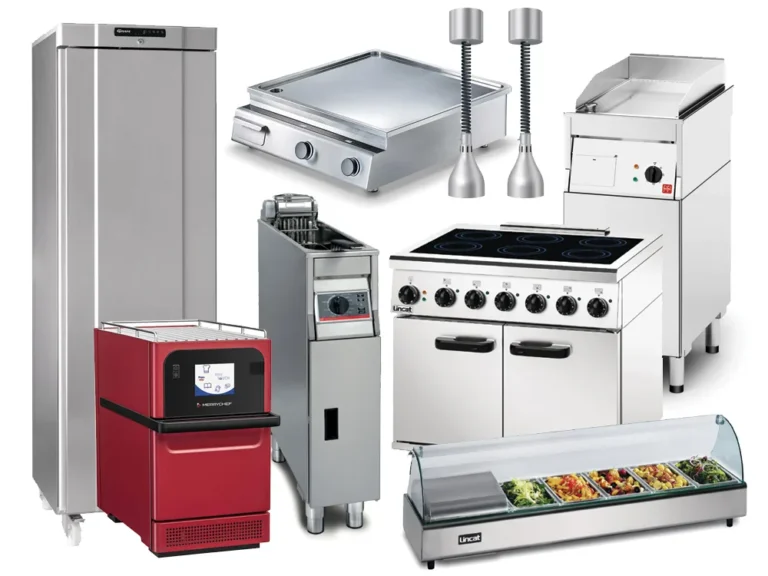
If you’re serious about reducing your wedding’s carbon footprint, energy-efficient appliances are non-negotiable. Traditional catering equipment, think industrial ovens, refrigerators, and dishwashers, can be insanely energy-intensive. But newer models are designed to minimize waste without sacrificing performance. Here’s what to look for:
- Induction cooktops: Unlike gas or electric stoves, induction cooktops use electromagnetic energy to heat pots and pans directly. They’re 90% efficient (compared to 40-55% for gas) and don’t produce indoor air pollution. Plus, they’re safer and easier to clean. If you’re doing any on-site cooking, these are a must.
- Energy Star-rated refrigeration: Commercial fridges and freezers can account for up to 40% of a caterer’s energy use. Energy Star-certified models use 30-50% less energy than standard units, and some even come with smart sensors to optimize cooling. Look for dual-evaporator systems-they’re more efficient and keep food fresher longer.
- High-efficiency dishwashers: Yes, even dishwashers can be eco-friendly. Low-water models (like those with condensation drying) use half the water of traditional machines and reduce energy consumption. Some even have heat recovery systems to reuse hot water. If you’re washing dishes on-site, this is a no-brainer.
Now, I know what you’re thinking: “This all sounds expensive.” And you’re not wrong-energy-efficient appliances often come with a higher upfront cost. But here’s the thing: they pay for themselves in the long run. Lower energy bills, reduced waste, and even potential tax incentives (depending on where you live) can offset the initial investment. Plus, many suppliers, like Chef’s Deal-offer financing options and free kitchen design consultations to help you make the switch without breaking the bank.
Is this the best approach? Let’s consider the alternatives. You could stick with traditional equipment and offset your carbon footprint by planting trees, but that’s like putting a Band-Aid on a bullet wound. The real solution is to reduce emissions at the source, and energy-efficient appliances do exactly that.
2. Reusable vs. Compostable: The Great Serving Ware Debate
When it comes to plates, cups, and utensils, the eco-friendly options fall into two camps: reusable and compostable. Both have pros and cons, and the “right” choice depends on your event’s size, location, and budget. Let’s break it down.
Reusable Serving Ware
Pros:
- Zero waste: No landfill contributions if properly cleaned and stored.
- Durable and stylish: Glass, ceramic, and metal options look more elegant than disposable alternatives.
- Cost-effective long-term: While the upfront cost is higher, reusables pay for themselves over time.
Cons:
- Water and energy use: Washing reusable items requires water, detergent, and energy (unless you’re using a high-efficiency dishwasher).
- Logistics: You’ll need a system for collecting, transporting, and cleaning items, which can be a hassle for off-site events.
- Breakage risk: Glass and ceramic can break, leading to waste and safety hazards.
Compostable Serving Ware
Pros:
- Convenient: No washing required, just compost or dispose of responsibly.
- Lightweight and portable: Ideal for outdoor or off-site events.
- Wide variety: Options include bamboo, sugarcane fiber (bagasse), and PLA (cornstarch-based plastic).
Cons:
- Not all compostable items are created equal: Some require industrial composting facilities, which aren’t available everywhere. If they end up in a landfill, they may not break down as advertised.
- Greenwashing: Many products labeled “compostable” are actually biodegradable plastics, which can contaminate recycling streams.
- Cost: While cheaper than reusables upfront, compostables add up for large events.
So which should you choose? It depends. For small, intimate weddings, reusables are the clear winner. For large, outdoor events where washing isn’t feasible, certified compostable options (like those made from bagasse or bamboo) are a solid choice-but only if you have access to a composting facility. If you’re unsure, ask your caterer or venue about their waste management policies. And whatever you do, avoid “biodegradable” plastics-they’re often just regular plastic with a misleading label.
Maybe I should clarify: there’s no one-size-fits-all solution here. The key is to weigh the trade-offs and choose the option that aligns with your event’s scale and location. And if you’re really committed, consider renting reusable serving ware from a local party supply company. It’s a great middle ground.
3. Chafing Dishes and Buffet Warmers: The Eco-Friendly Upgrade
Chafing dishes are a wedding staple, but traditional models are environmental nightmares. Most rely on disposable Sterno cans, which are non-recyclable, non-reusable, and burn dirty. But there are better options:
- Electric chafing dishes: These plug into standard outlets and use energy-efficient heating elements to keep food warm. They’re cleaner, safer, and more consistent than Sterno, and they eliminate the need for disposable fuel cans. Some models even come with adjustable temperature controls for precise heating.
- Reusable fuel canisters: If you must use Sterno, opt for refillable canisters that can be topped off with denatured alcohol or biofuel. They’re not perfect, but they’re a step up from disposables.
- Induction buffet warmers: These use magnetic induction to heat food directly in stainless steel pans. They’re faster, more efficient, and safer than traditional chafers, and they don’t require fuel cans at all. The downside? They’re pricier upfront, but they pay off in the long run.
I’m torn between electric and induction chafers. Electric models are more widely available and easier to use, but induction is more energy-efficient and heats food more evenly. If you’re catering a high-end event, induction is the way to go. For smaller weddings, electric chafers are a solid choice. Either way, ditch the Sterno-your guests (and the planet) will thank you.
And here’s a pro tip: pre-heat your chafers before loading them with food. This reduces energy use and keeps food at the right temperature longer. It’s a small detail, but it adds up.
4. Water Stations: The Unsung Hero of Sustainable Weddings
Plastic water bottles are one of the biggest sources of waste at weddings. A single event can go through hundreds of bottles, most of which end up in the trash. The solution? Water stations.
Here’s how to do it right:
- Use large dispensers: Instead of individual bottles, set up glass or stainless steel dispensers with filtered water. Add citrus slices, cucumber, or herbs for a touch of elegance.
- Provide reusable cups: Offer glass tumblers, mason jars, or compostable cups for guests to use. If you’re worried about breakage, silicone or bamboo cups are durable and stylish.
- Label clearly: Make it obvious that the water is free and refillable. A simple sign like “Hydrate Sustainably!” can go a long way.
- Skip the ice buckets: If you’re using dispensers, you don’t need separate ice buckets. Just add ice directly to the dispenser and let guests serve themselves.
Water stations aren’t just eco-friendly, they’re aesthetic and practical. They encourage guests to stay hydrated (which is especially important for outdoor weddings), and they reduce the need for single-use plastics. Plus, they’re a great conversation starter. I’ve had guests tell me they loved the water station so much they’re incorporating it into their own events.
Is this overkill? Maybe for a backyard BBQ, but for a wedding? Absolutely not. Hydration is non-negotiable, and water stations are the most sustainable way to provide it.
5. Composting and Waste Management: The Backbone of Zero-Waste Catering
No matter how eco-friendly your equipment is, waste is inevitable. The key is to manage it responsibly. Here’s how:
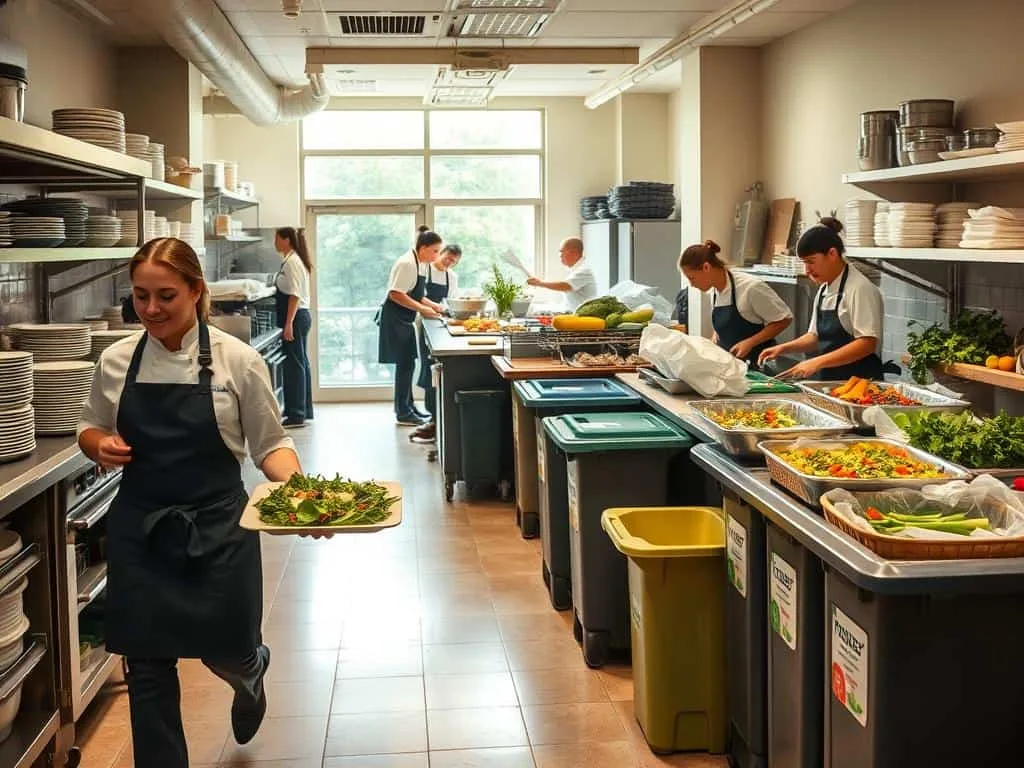
- Set up a waste sorting station: Label bins clearly for compost, recycling, and landfill. Use color-coded bags (green for compost, blue for recycling, black for trash) to make it foolproof. And don’t forget to brief your staff on what goes where, contamination is a common issue.
- Partner with a composting service: If your venue doesn’t offer composting, hire a local service to haul away food scraps. Companies like CompostNow or Eco-Cycle make it easy. Just make sure your compostable serving ware is certified for industrial composting-not all facilities accept the same materials.
- Donate leftover food: Organizations like Food Rescue US and 412 Food Rescue connect caterers with local shelters and food banks. It’s a win-win: you reduce waste, and people in need get a meal. Just make sure the food is properly stored and transported to maintain safety.
- Use biodegradable trash bags: Even your trash bags can be eco-friendly. Look for compostable or recycled bags to minimize plastic waste.
I’ll be honest: waste management is the least glamorous part of sustainable catering. But it’s also one of the most important. Without a solid plan, even the greenest equipment won’t make a difference. So take the time to research local services, train your staff, and communicate with your venue. It’s not rocket science, but it does require effort.
And here’s a hard truth: most venues aren’t set up for zero-waste events. If you’re serious about sustainability, you’ll need to advocate for yourself. Ask questions, push back on policies that don’t align with your values, and be prepared to do some legwork. It’s worth it.
Where to Source Eco-Friendly Catering Equipment
1. Rent vs. Buy: Which Is Right for You?
One of the biggest decisions you’ll face is whether to rent or buy your eco-friendly catering equipment. There’s no one-size-fits-all answer, but here’s how to decide:
Renting
Pros:
- Lower upfront cost: No need to invest in expensive equipment you’ll only use once.
- Flexibility: Rent what you need for each event, and swap out items as trends change.
- Maintenance-free: The rental company handles repairs and replacements.
Cons:
- Limited availability: Not all rental companies offer eco-friendly options, especially in smaller markets.
- Logistics: You’ll need to coordinate delivery, setup, and pickup, which can be a hassle.
- Long-term cost: If you cater frequently, renting can add up over time.
Buying
Pros:
- Long-term savings: Ownership pays off if you use the equipment regularly.
- Customization: You can invest in exactly what you need, without compromising.
- Convenience: No need to coordinate rentals, your gear is always ready to go.
Cons:
- High upfront cost: Quality eco-friendly equipment isn’t cheap.
- Storage: You’ll need space to store and maintain your gear.
- Depreciation: Equipment loses value over time, and technology evolves quickly.
So which should you choose? It depends on your budget and frequency of use. If you’re a couple planning a one-time event, renting is the way to go. If you’re a caterer or event planner, buying might make more sense-especially if you can offset the cost with tax deductions or financing.
And here’s a tip: start small. You don’t need to overhaul your entire setup overnight. Begin with one or two key pieces (like an induction cooktop or compostable serving ware), and expand from there. Rome wasn’t built in a day, and neither is a sustainable catering operation.
2. Suppliers to Know: Where to Find Eco-Friendly Gear
Not all suppliers are created equal. Some specialize in high-end commercial equipment, while others focus on affordable, small-scale solutions. Here are a few to check out:
- Chef’s Deal: A standout in the industry, Chef’s Deal offers comprehensive kitchen design and equipment solutions, including a wide range of energy-efficient and sustainable catering gear. Their free kitchen design services are a game-changer for caterers looking to optimize their setup, and they provide professional installation and expert consultation to ensure you get the most out of your equipment. Plus, their competitive pricing and financing options make it easier to invest in high-quality gear without breaking the bank. Whether you’re outfitting a full-service catering kitchen or just need a few key pieces, they’re a great resource.
- WebstaurantStore: A go-to for affordable, eco-friendly serving ware and small appliances. They carry everything from compostable plates to induction burners, and their bulk discounts are a lifesaver for large events.
- Green Paper Products: Specializes in compostable and biodegradable serving ware, including bamboo plates, sugarcane bowls, and PLA cups. Their products are certified compostable, and they offer custom branding for a polished look.
- Vollrath: Known for high-quality commercial kitchen equipment, Vollrath offers energy-efficient chafers, induction cooktops, and steam tables. Their products are durable, reliable, and designed for heavy use.
- Cambro: A leader in food storage and transport, Cambro offers insulated carriers, food pans, and beverage dispensers designed to reduce waste and improve efficiency. Their Camwear line is a favorite among caterers for its durability and versatility.
I’m not affiliated with any of these companies, but I’ve used (or seen) their products in action, and they’re all solid choices. That said, do your research. Read reviews, compare prices, and don’t be afraid to ask for samples. The last thing you want is to invest in equipment that doesn’t meet your needs.
And here’s a word of caution: not all “eco-friendly” products are created equal. Some suppliers greenwash their offerings, slapping a “sustainable” label on products that aren’t much better than the alternatives. Look for third-party certifications (like Energy Star, Green Seal, or BPI) to ensure you’re getting the real deal.
3. The Secondhand Market: A Hidden Gem for Sustainable Caterers
If you’re on a budget, don’t overlook the secondhand market. Used equipment can be a goldmine for sustainable caterers, and it’s often a fraction of the cost of new gear. Here’s where to look:
- Restaurant auctions: When restaurants close or upgrade, they often sell their equipment at auction. Websites like BidOnEquipment and RestaurantEquipment.bid list high-quality used gear at deep discounts. Just make sure to inspect items carefully before buying, some may need repairs or cleaning.
- Facebook Marketplace and Craigslist: Local sellers often list used catering equipment for sale. It’s a great way to save money and reduce waste, but be cautious-meet in a public place and test items before buying.
- Restaurant supply stores: Some stores sell refurbished or returned equipment at a discount. Call ahead to ask about their used inventory.
- Catering forums and groups: Online communities (like Catering Professionals on Facebook) are full of caterers selling or trading equipment. It’s a great way to connect with peers and score a deal.
I’ll admit: buying used equipment can be risky. You never know how well it’s been maintained, and there’s always a chance it’ll break down mid-event. But if you do your due diligence-inspect items, test them, and ask for maintenance records, it can be a smart, sustainable choice.
And here’s a bonus: buying used is one of the most eco-friendly things you can do. It reduces demand for new products, keeps usable gear out of landfills, and lowers your carbon footprint. Plus, it’s a great way to build your inventory without breaking the bank.
Making It Work: Practical Tips for Sustainable Wedding Catering
1. Start Small and Scale Up
You don’t need to overhaul your entire operation overnight. Start with one or two changes-like switching to compostable serving ware or induction cooktops-and build from there. Small steps add up, and they’re easier to manage than a full-scale overhaul.
For example, if you’re a couple planning a wedding, focus on the biggest sources of waste first. Swap plastic water bottles for water stations, and replace disposable chafers with electric or induction models. If you’re a caterer, start with your most frequently used equipment-like refrigerators or dishwashers, and upgrade to energy-efficient models as your budget allows.
And don’t forget: sustainability is a journey, not a destination. You won’t get everything right the first time, and that’s okay. The goal is to make progress, not perfection.
2. Communicate with Your Venue and Vendors
Sustainability isn’t a solo effort, it requires collaboration with your venue, vendors, and staff. Here’s how to make it work:
- Ask about waste management: Does your venue have composting or recycling programs? If not, can you bring in a third-party service? The more you know, the better you can plan.
- Coordinate with your caterer: If you’re hiring a caterer, ask about their sustainability practices. Do they use eco-friendly equipment? Do they compost or donate leftovers? If they’re not on board, it might be time to find a new partner.
- Brief your staff: Make sure everyone knows what goes where in the waste sorting station. A quick pre-event meeting can prevent contamination and ensure smooth operations.
- Educate your guests: A simple sign or announcement can encourage guests to participate in your sustainability efforts. Something like, “Help us keep this event green, compost your plates and recycle your cups!” goes a long way.
I’ve seen too many well-intentioned events fall apart at the seams because of poor communication. Don’t let that be you. Talk to your team, ask questions, and make sure everyone’s on the same page. It’s the only way to ensure your sustainability efforts actually work.
3. Track Your Impact (and Celebrate Your Wins)
One of the most rewarding parts of sustainable catering is seeing the impact of your efforts. But to do that, you need to track your progress. Here’s how:
- Measure waste: Weigh your trash, recycling, and compost after the event. Compare it to previous events to see how much you’ve reduced.
- Calculate energy savings: If you’ve upgraded to energy-efficient appliances, track your utility bills to see how much you’re saving.
- Survey your guests: Ask for feedback on your sustainability efforts. Did they notice the water stations? Did they appreciate the compostable serving ware? Use their input to improve future events.
- Share your story: Don’t be afraid to brag about your successes. Post on social media, write a blog, or even submit your event to sustainability awards. The more you share, the more you’ll inspire others to follow suit.
Tracking your impact isn’t just about feeling good-it’s about proving that sustainability works. And in an industry where convenience often trumps conscience, that’s a powerful message.
So go ahead: measure, celebrate, and share. Your efforts matter, and they deserve to be recognized.
4. Budgeting for Sustainability: How to Make It Affordable
Let’s address the elephant in the room: sustainability can be expensive. But it doesn’t have to be. Here’s how to make eco-friendly catering work on a budget:
- Prioritize: Focus on the biggest sources of waste and energy use first. For most events, that means serving ware, chafing dishes, and refrigeration. Upgrade these first, and tackle smaller items later.
- Rent instead of buy: If you’re only using equipment once, renting is often cheaper than buying. Look for eco-friendly rental companies in your area.
- Buy used: As I mentioned earlier, used equipment can be a goldmine. Just make sure to inspect items carefully before buying.
- Negotiate with suppliers: Don’t be afraid to ask for discounts or bulk pricing. Many suppliers are willing to work with you, especially if you’re a repeat customer.
- Apply for grants or incentives: Some local governments and nonprofits offer grants or tax incentives for sustainable businesses. Do a quick search to see what’s available in your area.
- Offset costs with sponsorships: Partner with eco-friendly brands to offset costs. For example, a local composting service might sponsor your event in exchange for promotion.
I’ll be honest: sustainability requires upfront investment. But it also saves money in the long run. Lower energy bills, reduced waste, and happy customers who are willing to pay a premium for green events, it all adds up.
And here’s the thing: you don’t have to do it all at once. Start small, scale up, and let your budget guide your decisions. Every little bit helps, and the planet will thank you.
The Future of Sustainable Wedding Catering: What’s Next?
Sustainable catering isn’t just a trend, it’s the future of the industry. As couples become more eco-conscious and regulations tighten, green practices will become the norm, not the exception. So what’s next?
Here are a few trends to watch:
- Closed-loop systems: Imagine a wedding where every scrap of food, every plate, and every utensil is composted or recycled on-site. That’s the goal of closed-loop systems, and they’re becoming more popular as composting technology improves.
- Plant-based menus: Meat and dairy are some of the biggest contributors to climate change, so it’s no surprise that plant-based catering is on the rise. Expect to see more vegan and vegetarian options at weddings in the coming years.
- Smart kitchen tech: From AI-powered inventory management to energy-monitoring appliances, smart tech is making it easier than ever to reduce waste and improve efficiency.
- Carbon-neutral events: Some caterers are going beyond sustainability to carbon neutrality, offsetting their emissions through renewable energy credits and reforestation projects. It’s a lofty goal, but it’s gaining traction.
- Local and seasonal sourcing: Transporting food long distances is a major source of emissions, so more caterers are sourcing locally and seasonally. This not only reduces carbon footprints but also supports local farmers and producers.
I’m excited about the future of sustainable catering, but I’m also realistic. Change takes time, and the industry is still catching up. But every induction cooktop, every compostable plate, and every water station is a step in the right direction. And that’s something to celebrate.
So where do we go from here? Keep pushing, keep innovating, and keep demanding better. Because at the end of the day, sustainability isn’t just about saving the planet, it’s about creating a better future for all of us. And that’s a cause worth fighting for.
Final Thoughts: Your Wedding, Your Legacy
Weddings are more than just parties, they’re celebrations of love, commitment, and the future. And what better way to honor that future than by making your event as sustainable as possible?
I’ll admit: eco-friendly catering isn’t always easy. It requires planning, investment, and a willingness to challenge the status quo. But it’s also incredibly rewarding. There’s nothing quite like seeing a couple’s face light up when they realize their wedding isn’t just beautiful, it’s kind to the planet, too.
So here’s my challenge to you: Don’t settle for “good enough.” Push for better. Demand more from your vendors. And most importantly, lead by example. Because the truth is, sustainability isn’t just about the equipment you use, it’s about the values you uphold. And those values? They’re worth celebrating.
Now, go plan a wedding that’s as green as it is gorgeous. The planet (and your guests) will thank you.
FAQ: Eco-Friendly Catering Equipment for Sustainable Weddings
Q: Is eco-friendly catering equipment really worth the extra cost?
A: Absolutely. While the upfront cost may be higher, energy-efficient appliances and reusable serving ware save money in the long run through lower utility bills and reduced waste. Plus, many couples are willing to pay a premium for sustainable events, which can offset the initial investment. And let’s not forget the environmental benefits-reducing waste and emissions is priceless.
Q: What’s the most eco-friendly option for serving ware: reusable or compostable?
A: It depends on your event. Reusable serving ware (like glass or ceramic) is the most sustainable option for small, intimate weddings where washing is feasible. For larger or outdoor events, certified compostable serving ware (like bamboo or sugarcane fiber) is a solid choice-but only if you have access to a composting facility. Avoid “biodegradable” plastics, as they often require industrial composting and can contaminate recycling streams.
Q: How can I reduce food waste at my wedding?
A: Start by accurately estimating guest counts to avoid over-ordering. Work with your caterer to plan portion sizes carefully, and consider family-style or buffet service to give guests more control over their portions. Donate leftovers to local food banks or shelters, and set up a composting system for food scraps. And don’t forget to track your waste-it’s the best way to improve future events.
Q: Where can I find eco-friendly catering equipment for my wedding?
A: Start with specialized suppliers like Chef’s Deal, which offers comprehensive kitchen design and equipment solutions, including energy-efficient and sustainable catering gear. Other great options include WebstaurantStore (for affordable serving ware), Green Paper Products (for compostable items), and Vollrath (for high-quality commercial equipment). Don’t overlook the secondhand market-websites like BidOnEquipment and Facebook Marketplace often list used gear at deep discounts. Just make sure to inspect items carefully before buying.
@article{eco-friendly-catering-equipment-for-sustainable-weddings-a-chefs-guide-to-greener-celebrations,
    title   = {Eco-Friendly Catering Equipment for Sustainable Weddings: A Chef’s Guide to Greener Celebrations},
    author  = {Chef's icon},
    year    = {2026},
    journal = {Chef's Icon},
    url     = {https://chefsicon.com/eco-friendly-catering-equipment-sustainable-weddings/}
}