The Best Fluffy Pancakes recipe you will fall in love with. Full of tips and tricks to help you make the best pancakes.
I’ll never forget the first time I tried to pull off a Korean BBQ catering gig with what I *thought* was a “portable” setup. Picture this: two folding tables, a single butane burner that looked like it belonged in a college dorm, and a griddle that wobbled like a newborn giraffe. By the time the third guest asked for galbi, I was sweating through my shirt, the smoke alarm was blaring, and the client’s backyard smelled like a mix of burnt garlic and regret. That night, I learned two things: 1) Korean BBQ is *not* just grilling meat, and 2) “portable” doesn’t mean “thrown together.”
Fast forward to today, and I’ve since helped caterers from Nashville to Atlanta set up seamless, portable Korean BBQ stations that don’t just *work*-they impress. The difference? A checklist that accounts for the *real* challenges of mobile cooking: heat distribution, ventilation, prep space, and the inevitable moment when someone asks for ssamjang at 9:30 PM. This isn’t just a list of gear; it’s a survival guide for anyone who’s ever stared at a pile of marinated bulgogi and wondered, “How the hell am I going to cook all this without a commercial kitchen?”
By the end of this article, you’ll know:
- Exactly which portable Korean BBQ equipment is worth the investment (and which is just dead weight).
- How to balance authenticity with practicality-because no one cares about your hand-carved soju cups if the meat’s undercooked.
- The hidden essentials most checklists forget (spoiler: it’s not just about the grill).
- How to troubleshoot the three most common portable BBQ disasters before they happen.
Let’s start with the big question: What *actually* makes Korean BBQ portable? It’s not just about size, it’s about systems. You need gear that’s lightweight enough to transport, powerful enough to handle a crowd, and flexible enough to adapt to a backyard, a rooftop, or a corporate event space. And yes, you *will* need a plan for when the wind picks up and your butane burners start acting like tiny, angry dragons.
1. The Grill: Your Portable Powerhouse (Or Your Worst Nightmare)
If there’s one piece of equipment that defines Korean BBQ, it’s the grill. But not all grills are created equal, especially when you’re working outside a restaurant. The wrong choice can mean uneven cooking, excessive smoke, or a grill that’s so heavy you need a forklift to move it. So, what’s the best option for caterers?
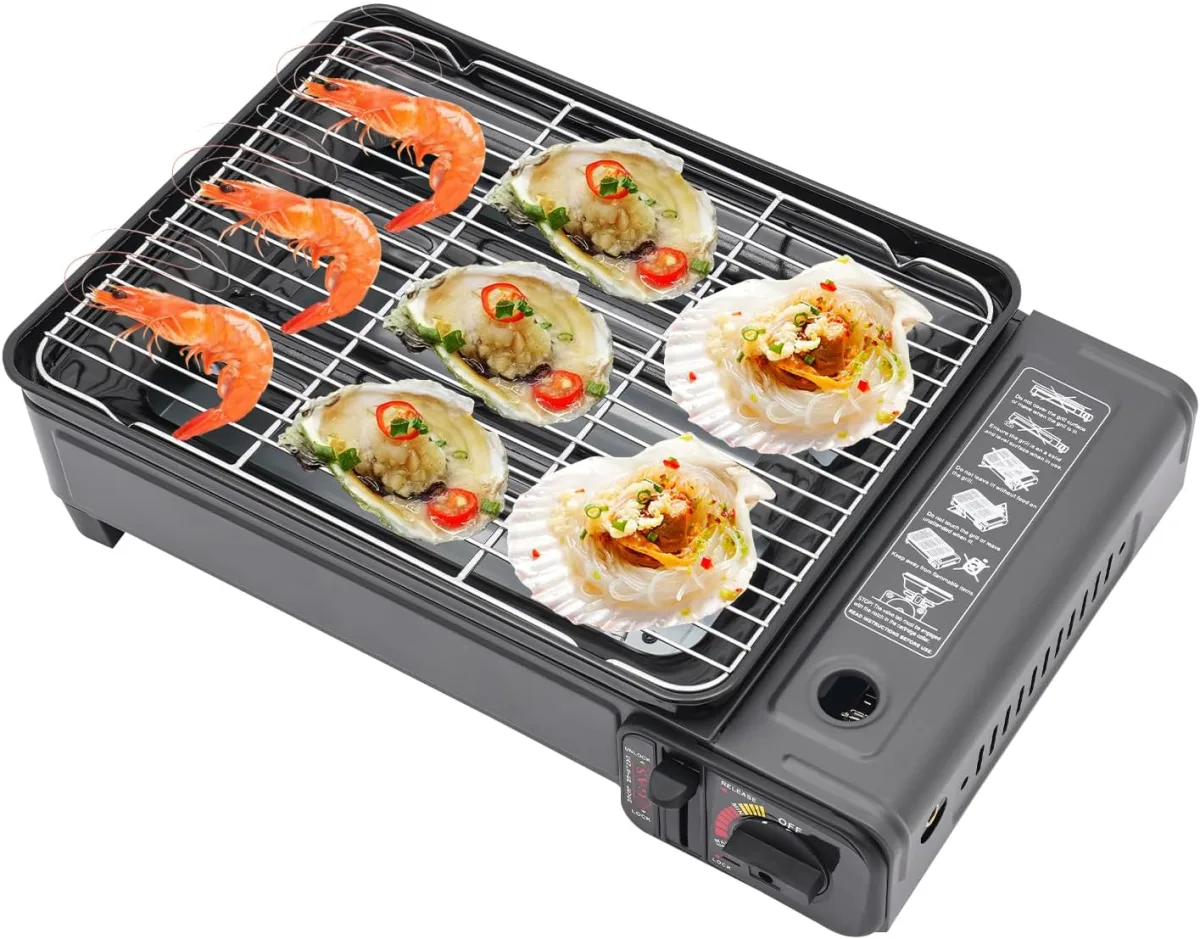
First, let’s talk about the two main types of portable Korean BBQ grills: tabletop gas grills and electric griddles. Tabletop gas grills (usually propane or butane) are the closest you’ll get to a traditional gogigui experience. They’re great for that signature smoky flavor, and they heat up fast. But they come with a catch: ventilation. If you’re cooking indoors or in a semi-enclosed space, you *will* need a portable range hood or an industrial fan to keep the smoke from setting off alarms (or worse, making guests cry). I’ve seen events where the grill was perfect, but the smoke turned the venue into a scene from a disaster movie. Don’t be that caterer.
Electric griddles, on the other hand, are the unsung heroes of portable Korean BBQ. They’re cleaner, easier to control, and don’t require fuel canisters. The downside? They lack that smoky char that gas grills provide. But here’s the thing: most guests won’t notice. If you’re cooking for a crowd, an electric griddle with a ribbed surface (to mimic grill marks) can be a game-changer. I’ve used them at everything from weddings to corporate retreats, and the feedback is almost always the same: “This tastes just like the restaurant!” (Which, let’s be honest, is the highest compliment a caterer can get.)
So, which should you choose? If you’re cooking in a space with good ventilation and you’re confident in your fuel supply, go with a high-quality tabletop gas grill. Look for one with adjustable heat zones, a removable grease tray (trust me, you’ll thank me later), and a sturdy base. Brands like Weber and Cuisinart make solid options, but if you want something more specialized, check out Korean brands like Hanwoo or Kamado Joe for grills designed specifically for gogigui.
If you’re working in a space where smoke is a concern, or if you just want something simpler, opt for an electric griddle with a ribbed surface. The Presto 07061 is a favorite among caterers for its even heating and easy cleanup. Just make sure you have access to a power outlet (or a generator, if you’re off-grid). And pro tip: Bring a portable induction burner as a backup. I’ve had events where the main grill failed, and that little burner saved the day.
Is this the best approach? Let’s consider the alternatives. Some caterers swear by disposable charcoal grills, but I’ve found them to be more trouble than they’re worth. They’re messy, inconsistent, and frankly, they don’t hold up well under the demands of a catering event. Others recommend smokeless grills, which are great in theory but often lack the power to sear meat properly. At the end of the day, you need something that’s reliable, portable, and capable of handling high heat. That’s why I always recommend starting with either a gas grill or an electric griddle, and then building your setup around it.
Grill Accessories You Can’t Afford to Forget
Once you’ve got your grill, you’ll need a few accessories to make it functional. Here’s what I never leave home without:
- Grill tools: A good set of tongs, a spatula, and a meat fork are non-negotiable. Look for tools with long handles to keep your hands away from the heat. I like the OXO Good Grips set because they’re sturdy and comfortable to hold for long periods.
- Grill scraper: Korean BBQ means a lot of marinade, which means a lot of stuck-on bits. A stainless steel grill scraper will save you time and frustration. I’ve tried the cheap ones, and they just don’t cut it, literally.
- Heat-resistant gloves: You *will* touch something hot at some point. Silicone-coated gloves are a lifesaver. I learned this the hard way when I grabbed a hot grill grate with my bare hands. Spoiler: it wasn’t fun.
- Fuel: If you’re using a gas grill, bring extra fuel canisters. Nothing kills the vibe like running out of butane halfway through service. I always bring at least two backups, just in case.
- Grill cover: If you’re transporting your grill, a heat-resistant cover will protect it from dings and scratches. It’s a small detail, but it makes a big difference in how professional your setup looks.
Maybe I should clarify: This isn’t just about having the right tools, it’s about having the *right* tools for *your* setup. If you’re cooking for 50 people, you’ll need a different set of accessories than if you’re cooking for 10. But no matter the size of your event, these basics will get you 80% of the way there.
2. The Fuel Dilemma: Propane, Butane, or Electric?
Fuel is the unsung hero of portable Korean BBQ. Get it wrong, and you’ll be left with cold meat and angry guests. Get it right, and you’ll have a setup that’s efficient, reliable, and (relatively) stress-free. So, which fuel source is best for caterers?
Let’s start with propane. Propane is the workhorse of portable cooking. It’s powerful, widely available, and easy to transport. Most portable gas grills run on propane, and for good reason: it provides consistent heat and is great for high-temperature cooking. The downside? Propane tanks are bulky, and you’ll need to keep an eye on your fuel levels. I’ve had events where I thought I had enough propane, only to realize halfway through that I was running low. Now, I always bring a propane gauge to check my levels before service. It’s a small investment that saves a lot of headaches.
Then there’s butane. Butane is lighter and more compact than propane, which makes it a popular choice for tabletop grills. It’s also easier to find in smaller canisters, which is great for caterers who are tight on space. But butane has a few drawbacks. For one, it doesn’t perform as well in cold weather. If you’re cooking outdoors in the winter, butane can struggle to maintain consistent heat. It’s also less powerful than propane, so you might find yourself waiting longer for your grill to heat up. That said, butane is a solid choice if you’re cooking in a controlled environment (like a tent or a well-ventilated indoor space) and you’re prioritizing portability.
Finally, there’s electricity. If you’re using an electric griddle or induction burner, you’ll need access to a power source. The upside? No fuel canisters, no smoke, and precise temperature control. The downside? You’re tethered to an outlet. If you’re cooking at a venue with limited power access, you’ll need a portable generator or a long extension cord. I’ve used generators at outdoor events, and while they’re convenient, they can be noisy and require extra fuel. If you go this route, make sure you test your setup beforehand. The last thing you want is to show up to an event and realize your generator isn’t powerful enough to run your griddle.
So, which fuel source should you choose? I’m torn between propane and electric, but ultimately, it depends on your setup. If you’re cooking outdoors and need high heat, propane is the way to go. If you’re working in a space with good ventilation and you want something cleaner, electric is a great option. And if you’re prioritizing portability above all else, butane might be your best bet. The key is to test your fuel source before the event. Don’t assume that what worked in your backyard will work at a client’s venue. I’ve made that mistake, and it’s not pretty.
Fuel Safety Tips for Caterers
No matter which fuel source you choose, safety should always be your top priority. Here are a few tips to keep in mind:
- Store fuel properly: Keep propane and butane canisters in a cool, dry place away from direct sunlight. Never store them near open flames or heat sources.
- Check for leaks: Before using a new canister, check for leaks by applying a soapy water solution to the connections. If you see bubbles, there’s a leak, and you should replace the canister.
- Ventilation: Always cook in a well-ventilated area. If you’re indoors, use a portable range hood or an industrial fan to keep the air clear.
- Have a fire extinguisher: It’s a no-brainer, but you’d be surprised how many caterers forget this. Keep a Class B fire extinguisher (for flammable liquids and gases) nearby, just in case.
- Never leave fuel unattended: If you’re stepping away from your setup, turn off the fuel source. It’s a simple step, but it can prevent a lot of problems.
I’ll be honest: I’ve had my fair share of fuel-related mishaps. Once, I accidentally left a butane canister in the trunk of my car on a hot day. When I opened the trunk, the canister was hissing like a snake. Needless to say, I didn’t use that canister. Now, I’m extra careful about how I store and handle fuel. It’s one of those things that’s easy to overlook until something goes wrong.
3. Prep Stations: The Unsung Heroes of Portable Korean BBQ
Here’s a hard truth: No one cares about your grill if your prep station is a disaster. I’ve seen caterers with top-of-the-line equipment fail because they didn’t have a functional prep area. Korean BBQ isn’t just about cooking meat, it’s about mise en place. You need a space to marinate, slice, and organize your ingredients before they hit the grill. And if you’re working in a backyard or a park, that space won’t magically appear. You have to create it.
So, what does a good portable prep station look like? First, you need a stable surface. Folding tables are a great option because they’re lightweight and easy to transport. But not all folding tables are created equal. Look for ones with adjustable legs (so you can level them on uneven ground) and a sturdy frame (so they don’t wobble when you’re chopping vegetables). I like the Lifetime Folding Table because it’s durable and can handle a lot of weight. Plus, it’s easy to clean, which is a major plus when you’re dealing with raw meat.
Next, you’ll need cutting boards. I recommend bringing at least two: one for meat and one for vegetables. This isn’t just about food safety, it’s about efficiency. If you’re slicing kimchi and bulgogi on the same board, you’re asking for cross-contamination. And trust me, no one wants to explain to a client why their guests got food poisoning. I like plastic cutting boards for portable setups because they’re lightweight and easy to sanitize. Just make sure you have a way to secure them to the table (a damp towel underneath works great).
You’ll also need knives. A good chef’s knife is a must, but I also recommend bringing a cleaver for slicing through bone-in cuts like galbi. And don’t forget a paring knife for smaller tasks. I’ve made the mistake of bringing only one knife to an event, and it slowed me down *so* much. Now, I bring a small knife roll with all my essentials. It’s one of those things that seems excessive until you’re in the middle of service and realize you need a different knife for every task.
Finally, you’ll need storage containers. Korean BBQ requires a lot of small bowls for sauces, garnishes, and side dishes. I like glass containers with lids because they’re sturdy and easy to stack. But if you’re worried about weight, plastic containers work too. Just make sure they’re food-safe and leak-proof. The last thing you want is ssamjang dripping all over your car.
Is this the best approach? Let’s consider the alternatives. Some caterers use coolers as prep stations, but I’ve found them to be too bulky and hard to organize. Others bring a portable kitchen island, which is great if you have the space, but it’s not always practical for smaller events. At the end of the day, you need something that’s functional, portable, and easy to set up. That’s why I always recommend starting with a folding table and building your prep station around it.
Prep Station Essentials Checklist
Here’s what I always bring to my prep station:
- Folding table (with adjustable legs)
- Cutting boards (at least two, one for meat and one for vegetables)
- Knife set (chef’s knife, cleaver, paring knife)
- Storage containers (for sauces, garnishes, and side dishes)
- Mixing bowls (for marinating and tossing ingredients)
- Measuring cups and spoons (for sauces and marinades)
- Tongs and spoons (for handling food)
- Aluminum foil and plastic wrap (for covering food)
- Paper towels and sanitizing wipes (for cleanup)
- Trash bags (for waste disposal)
Maybe I should clarify: This isn’t just about having the right tools, it’s about having a system. Before every event, I lay out my prep station in the same order: cutting boards on the left, knives in the middle, storage containers on the right. It’s a small thing, but it helps me stay organized when things get chaotic. And trust me, things *will* get chaotic.
4. The Side Dishes: Why Banchan Are Non-Negotiable
Here’s a secret: The meat might be the star of Korean BBQ, but the banchan (side dishes) are what make the meal *memorable*. I’ve had guests tell me they don’t even remember the meat, but they *do* remember the kimchi that was a little spicier than usual or the kongnamul (seasoned soybean sprouts) that had just the right crunch. Banchan are the unsung heroes of Korean BBQ, and if you’re catering an event, you *cannot* skip them.
But here’s the problem: Banchan are *a lot* of work. Most Korean restaurants have a dedicated team just for side dishes, and they’re making them fresh every day. As a caterer, you don’t have that luxury. You need banchan that are easy to transport, hold up well over time, and still taste fresh. So, how do you pull it off?
First, let’s talk about what to serve. You don’t need to bring 12 different banchan to make an impression. In fact, I’ve found that 4-5 well-made side dishes are more than enough. Here are my go-to options:
- Kimchi: The king of banchan. You can buy it pre-made, but I always recommend making your own if you have the time. Homemade kimchi has a depth of flavor that store-bought just can’t match. If you’re short on time, look for a high-quality brand like Mother-in-Law’s Kimchi or Sinto Gourmet.
- Kongnamul: Seasoned soybean sprouts are a staple of Korean BBQ. They’re light, refreshing, and easy to make. Just blanch the sprouts, toss them with sesame oil, garlic, and green onions, and you’re good to go.
- Oi Muchim: Spicy cucumber salad is a crowd-pleaser. It’s crunchy, tangy, and adds a nice contrast to rich meats like galbi. The best part? It holds up well in the fridge, so you can make it a day or two ahead of time.
- Gamja Jorim: Braised potatoes are a great option if you’re serving a crowd. They’re hearty, flavorful, and easy to transport. Plus, they’re one of those dishes that tastes even better the next day.
- Sigeumchi Namul: Seasoned spinach is another easy option. Just blanch the spinach, squeeze out the excess water, and toss it with garlic, soy sauce, and sesame oil. It’s simple, but it’s always a hit.
Now, let’s talk about how to serve them. Presentation matters, especially at catered events. I like to use small, colorful bowls for banchan because they make the dishes look more appetizing. If you’re on a budget, disposable bamboo bowls are a great option. They’re eco-friendly and look surprisingly elegant. Just make sure you have enough bowls for each guest, no one wants to fight over the last scoop of kimchi.
Transporting banchan can be tricky. You need containers that are leak-proof, stackable, and easy to open. I like glass containers with locking lids because they’re sturdy and keep the food fresh. But if you’re worried about weight, plastic containers with snap-on lids work too. Just make sure you label everything so you don’t mix up the oi muchim with the sigeumchi namul.
I’m torn between making banchan from scratch and buying them pre-made. On one hand, homemade banchan taste better and show that you’ve put in the effort. On the other hand, they’re time-consuming, and if you’re catering a large event, you might not have the bandwidth. My solution? A mix of both. I’ll make a few dishes from scratch (like kimchi and oi muchim) and buy the rest pre-made. That way, I get the best of both worlds: authenticity and convenience.
Banchan Pro Tips
Here are a few tips to make your banchan shine:
- Garnish, garnish, garnish: A sprinkle of sesame seeds or a few slices of green onion can take your banchan from good to great. It’s a small detail, but it makes a big difference.
- Serve at the right temperature: Some banchan (like kongnamul) are best served cold, while others (like gamja jorim) taste better at room temperature. Make sure you know the ideal serving temperature for each dish.
- Label everything: If you’re serving multiple banchan, label them so guests know what they’re eating. You can use small chalkboard signs or even just sticky notes. It’s a small touch, but it shows that you care.
- Have backups: Banchan disappear fast at Korean BBQ events. I always bring extra portions of my most popular dishes (usually kimchi and oi muchim) just in case.
Maybe I should clarify: Banchan aren’t just an afterthought, they’re a key part of the experience. If you skimp on them, your guests will notice. But if you put in the effort, they’ll remember your event for years to come.
5. The Extras: What Most Caterers Forget (But You Shouldn’t)
Alright, let’s talk about the stuff no one thinks about until it’s too late. You’ve got your grill, your fuel, your prep station, and your banchan. You’re feeling pretty good, right? Wrong. There are a handful of hidden essentials that most caterers forget, and they’re the difference between a smooth event and a total disaster. Here’s what you need to know.
First up: extension cords and power strips. If you’re using an electric griddle or induction burner, you *will* need power. And unless you’re cooking in a venue with outlets conveniently placed every three feet, you’ll need a way to get electricity to your setup. I always bring a heavy-duty extension cord (at least 25 feet) and a power strip with surge protection. And pro tip: Test your setup beforehand. I’ve had events where the extension cord wasn’t long enough, and I had to scramble to find a solution. Now, I measure the distance from the outlet to my setup before I leave for the event.
Next: water. You’ll need water for cooking, cleaning, and (let’s be honest) putting out small fires. I always bring a 5-gallon water jug with a spigot. It’s portable, easy to refill, and it doubles as a handwashing station if the venue doesn’t have one. And speaking of handwashing, don’t forget soap and paper towels. Food safety is non-negotiable, and you *will* need to wash your hands at some point.
Then there’s lighting. If you’re cooking at night (or in a dimly lit venue), you’ll need a way to see what you’re doing. I like portable LED work lights because they’re bright, energy-efficient, and easy to set up. You can clip them to your table or hang them from a tent. Just make sure they’re not shining directly into your guests’ eyes, no one wants to eat BBQ under interrogation lighting.
Don’t forget trash and recycling bins. Korean BBQ generates a *lot* of waste: empty soju bottles, used napkins, leftover marinade containers. If you don’t have a place to put it, your setup will look like a landfill within an hour. I bring collapsible trash bins with liners, and I label them clearly (“Trash,” “Recycling,” “Compost”). It’s a small detail, but it makes cleanup *so* much easier.
Finally, there’s the little stuff. Things like matches or a lighter (for lighting burners), duct tape (for quick fixes), zip ties (for securing cords), and a first aid kit (because burns happen). I keep all of this in a small toolbox that I bring to every event. It’s one of those things that seems unnecessary until you need it, and then it’s a lifesaver.
Is this the best approach? Let’s consider the alternatives. Some caterers bring a full toolkit, which is great if you have the space, but it’s overkill for most events. Others wing it and hope for the best, which is a recipe for disaster. I’ve found that a minimalist toolbox with the essentials is the sweet spot. It’s enough to handle most problems, but it’s not so bulky that it’s a pain to transport.
The “Oh Crap” Kit: Your Secret Weapon
Every caterer needs an “Oh Crap” kit-a small bag with the things you *hope* you won’t need, but you’ll be *glad* you have when things go wrong. Here’s what I keep in mine:
- Extra fuel canisters (propane or butane, depending on your setup)
- Spare grill tools (tongs, spatula, meat fork)
- Backup cutting boards (in case one breaks or gets contaminated)
- Extra trash bags (because you *will* run out)
- Fire extinguisher (a small, portable one)
- First aid kit (for burns, cuts, and other minor injuries)
- Duct tape and zip ties (for quick fixes)
- Flashlight or headlamp (in case the power goes out)
- Extra napkins and utensils (because guests *will* drop them)
- Backup power source (like a portable battery pack for your phone)
Maybe I should clarify: This isn’t about being paranoid, it’s about being prepared. Things *will* go wrong at some point. The question is, will you be ready? I’ve had events where the grill stopped working, the power went out, or a guest knocked over a bowl of kimchi. Having an “Oh Crap” kit means you can handle these problems without breaking a sweat. And trust me, your clients will notice.
6. The Guest Experience: How to Make Your Portable BBQ Feel Like a Restaurant
Here’s the thing about portable Korean BBQ: It’s not just about the food, it’s about the experience. When guests sit down at your setup, they should feel like they’ve walked into a high-end Korean BBQ restaurant, not a backyard cookout. The difference? Attention to detail. Here’s how to make your portable BBQ feel like a five-star experience.
First, let’s talk about setup. Your grill and prep station should be clean, organized, and visually appealing. I like to use tablecloths to cover my folding tables, it instantly makes the setup look more professional. You can find disposable tablecloths in a variety of colors, but I prefer black or dark gray because they hide stains and look sleek. And don’t forget signage. A small chalkboard or printed menu can help guests know what to expect. I’ve had clients tell me that the signage made their event feel more “curated.”
Next, think about service. In a restaurant, the staff guides guests through the meal. At a catered event, you need to do the same. I always start by explaining how the meal works: “Grab a plate, choose your meat, and cook it on the grill. Don’t forget to try the banchan!” It’s a simple script, but it makes guests feel more comfortable. And if you’re serving soju or makgeolli, offer to pour it for them. It’s a small gesture, but it adds to the experience.
Then there’s presentation. Korean BBQ is all about interactive dining, so make sure your setup encourages it. I like to arrange the meat on large platters with small bowls of marinade on the side. That way, guests can see their options and serve themselves. And don’t forget garnishes. A small bowl of sliced garlic, green onions, and sesame seeds can elevate the meal. It’s one of those things that seems unnecessary until you see the look on a guest’s face when they realize they can customize their ssam (lettuce wraps).
Finally, think about ambiance. Music, lighting, and decor can all enhance the experience. I like to play K-pop or Korean jazz in the background, it sets the mood and makes the meal feel more authentic. And if you’re cooking at night, string lights can add a cozy, festive vibe. Just make sure the music isn’t too loud, you don’t want to drown out the sound of sizzling meat.
I’m torn between keeping the setup simple and going all-out with decor. On one hand, you don’t want to overwhelm guests with too much stuff. On the other hand, a little effort goes a long way. My solution? Focus on the essentials (grill, prep station, banchan) and add a few thoughtful touches (signage, music, garnishes). That way, you’re not spending hours setting up, but you’re still creating a memorable experience.
How to Handle Common Guest Questions
No matter how well you prepare, guests *will* have questions. Here’s how to handle the most common ones:
- “How do I cook this?”: Some guests will be new to Korean BBQ. Show them how to cook their meat (“Flip it after 2-3 minutes, and don’t overcrowd the grill!”) and offer to help if they’re unsure.
- “Is this spicy?”: Korean food can be intimidating for some guests. If a dish is spicy, label it clearly (“Spicy Kimchi”) and offer a milder alternative (like baechu kimchi instead of kkakdugi).
- “What’s this?”: Guests will ask about the banchan. Give them a quick explanation (“This is kongnamul, seasoned soybean sprouts. They’re light and refreshing!”) and encourage them to try it.
- “Can I get more of this?”: Some dishes will disappear faster than others. If a guest asks for more, let them know if you have extra (“I’ve got more kimchi in the cooler!”) or if they’ll need to wait (“I’ll make another batch of oi muchim in 10 minutes!”).
Maybe I should clarify: The key to great service is anticipation. If you can predict what guests will ask, you can answer their questions before they even ask them. It’s one of those things that separates good caterers from great ones.
7. Cleanup: The Part No One Wants to Talk About (But Everyone Needs to Know)
Let’s be real: Cleanup is the least glamorous part of catering. But it’s also one of the most important. A messy cleanup can ruin an otherwise perfect event, and it can damage your reputation. So, how do you clean up a portable Korean BBQ setup without losing your mind?
First, let’s talk about grease. Korean BBQ generates a *lot* of grease. If you don’t have a plan for it, you’ll be left with a sticky, smelly mess. I always bring a grease trap or a disposable aluminum pan to catch drippings. It’s a small investment, but it makes cleanup *so* much easier. And pro tip: Line your grease trap with aluminum foil before the event. That way, you can just peel off the foil and throw it away instead of scrubbing the pan.
Next, there’s the grill. If you’re using a gas grill, let it cool completely before you start cleaning. Then, use a grill scraper to remove any stuck-on bits. I like to spray the grates with cooking oil before I start cooking, it makes cleanup easier. And don’t forget to empty the grease tray. I’ve made the mistake of forgetting this, and it’s not pretty.
Then there’s the prep station. Wipe down your cutting boards, knives, and storage containers with hot, soapy water. If you’re using plastic cutting boards, you can sanitize them with a bleach solution (1 tablespoon of bleach per gallon of water). And don’t forget to wash your hands-a lot. Food safety doesn’t end when the cooking does.
Finally, there’s the venue. Leave the space cleaner than you found it. Sweep the floor, wipe down tables, and take out the trash. I always bring a small broom and dustpan for this. It’s one of those things that seems unnecessary until you’re trying to sweep up kimchi seeds with your hands.
Is this the best approach? Let’s consider the alternatives. Some caterers hire a cleanup crew, which is great if you have the budget. But for most of us, cleanup is a DIY job. The key is to clean as you go. Don’t wait until the end of the event to start washing dishes or wiping down surfaces. If you clean up throughout the event, you’ll have less to do at the end.
Cleanup Checklist
Here’s what I do after every event:
- Let the grill cool (if you’re using a gas grill).
- Scrape the grates with a grill scraper.
- Empty the grease trap (and line it with aluminum foil for next time).
- Wipe down the grill with a damp cloth.
- Wash all cutting boards, knives, and storage containers with hot, soapy water.
- Sanitize plastic cutting boards with a bleach solution.
- Sweep the floor and wipe down tables.
- Take out the trash and recycling.
- Check for forgotten items (like tongs, napkins, or garnishes).
- Pack up your gear and load it into your vehicle.
Maybe I should clarify: Cleanup isn’t just about making the venue look nice, it’s about food safety. If you don’t clean your equipment properly, you risk cross-contamination and foodborne illness. And trust me, no one wants to be the caterer who made their guests sick. So, take the time to do it right. Your clients (and your reputation) will thank you.
8. The Budget: How to Save Money Without Sacrificing Quality
Let’s talk about the elephant in the room: money. Portable Korean BBQ can be expensive, especially if you’re just starting out. But it doesn’t have to break the bank. Here’s how to save money without sacrificing quality.
First, let’s talk about grills. You don’t need a top-of-the-line grill to cook great Korean BBQ. In fact, some of the best portable grills are surprisingly affordable. The Weber Q1200 is a great option for caterers, it’s compact, powerful, and under $300. If you’re on a tight budget, the Char-Broil Classic 280 is even cheaper (around $150) and still gets the job done. The key is to invest in quality where it matters. A cheap grill will cost you more in the long run (in fuel, repairs, and stress).
Next, there’s fuel. Propane and butane can add up, especially if you’re cooking for large groups. I always buy fuel in bulk, it’s cheaper per canister, and you’ll always have backups. And if you’re using an electric griddle, look for one with energy-efficient settings. The Presto 07061 has a “keep warm” setting that uses less power, which can save you money on electricity.
Then there’s banchan. Making banchan from scratch is cheaper than buying them pre-made, but it’s also more time-consuming. If you’re short on time, look for bulk discounts at Korean grocery stores. Many stores offer discounts if you buy in large quantities. And don’t forget to repurpose leftovers. If you have extra kimchi, use it to make kimchi fried rice for the next day. It’s a great way to save money and reduce waste.
Finally, there’s equipment. You don’t need to buy everything at once. Start with the essentials (grill, fuel, prep station) and add to your setup as you go. And don’t be afraid to rent equipment if you’re only using it occasionally. Many party rental companies offer portable grills, tables, and even generators. It’s a great way to save money if you’re just starting out.
I’m torn between buying new and buying used. On one hand, new equipment comes with warranties and guarantees. On the other hand, used equipment can save you a lot of money. My solution? Buy new for the essentials (like the grill and fuel) and buy used for the extras (like tables and storage containers). That way, you’re not sacrificing quality where it matters.
Money-Saving Tips for Caterers
Here are a few more tips to save money:
- Buy in bulk: Meat, marinades, and banchan are all cheaper when you buy in large quantities. Just make sure you have a way to store them.
- Repurpose leftovers: If you have extra meat or banchan, use them to make new dishes (like fried rice or bibimbap).
- Rent equipment: If you’re only using something occasionally (like a generator or a large griddle), rent it instead of buying it.
- DIY where you can: Making your own marinades and banchan is cheaper than buying them pre-made.
- Negotiate with suppliers: If you’re buying in bulk, ask for a discount. Many suppliers are willing to negotiate, especially if you’re a repeat customer.
Maybe I should clarify: Saving money isn’t about cutting corners, it’s about being smart with your resources. If you can find a way to save money without sacrificing quality, do it. Your bottom line will thank you.
9. The Legal Stuff: Permits, Insurance, and Other Boring (But Important) Details
I’ll be honest: This is the part of catering that no one likes to talk about. Permits, insurance, food safety regulations, it’s all a giant headache. But if you ignore it, you’re putting your business (and your clients) at risk. So, let’s get it out of the way.
First, there’s permits. The rules vary depending on where you live, but most cities require caterers to have a food handler’s permit and a business license. Some cities also require a special event permit if you’re cooking in a public space (like a park or a street fair). I learned this the hard way when I got fined for cooking at a festival without a permit. Now, I always check the local regulations before I accept a job. It’s a pain, but it’s better than getting shut down halfway through service.
Next, there’s insurance. If you’re catering events, you *need* liability insurance. It protects you in case something goes wrong (like a guest getting food poisoning or a fire breaking out). I use FLIP (Food Liability Insurance Program) because it’s affordable and easy to set up. And pro tip: Make sure your insurance covers portable cooking. Some policies exclude it, which is a problem if you’re using a grill or a butane burner.
Then there’s food safety. Korean BBQ involves a lot of raw meat, which means you need to be extra careful about cross-contamination and temperature control. I always bring a food thermometer to check the internal temperature of the meat. And don’t forget to label your food. If you’re serving allergens (like soy or sesame), you need to let guests know. It’s not just good practice, it’s the law.
Finally, there’s contracts. If you’re catering a private event, you *need* a contract. It should outline the scope of the event, the payment terms, and what happens if something goes wrong. I use a simple catering agreement template from LegalZoom, and it’s saved me from a lot of headaches. And pro tip: Always get a deposit before the event. I’ve had clients cancel at the last minute, and without a deposit, I was left with a fridge full of meat and no way to pay for it.
Is this the best approach? Let’s consider the alternatives. Some caterers ignore the legal stuff and hope for the best. But if something goes wrong, they’re on the hook for the damages. Others go overboard and spend thousands on permits and insurance. My solution? Find a middle ground. Get the permits you need, buy the insurance that makes sense, and follow food safety regulations. It’s not glamorous, but it’s the only way to run a sustainable business.
Legal Checklist for Caterers
Here’s what you need to do before your next event:
- Check local regulations for catering permits and food handler’s licenses.
- Get liability insurance that covers portable cooking.
- Follow food safety guidelines (like temperature control and allergen labeling).
- Use a contract for private events, and always get a deposit.
- Keep records of your permits, insurance, and food safety logs.
Maybe I should clarify: The legal stuff isn’t just about avoiding fines, it’s about protecting your business. If you’re serious about catering, you need to treat it like a business. That means following the rules, even when they’re annoying.
10. The Final Checklist: What to Pack for Every Event
Alright, let’s bring it all together. Here’s the ultimate portable Korean BBQ checklist for caterers. This is everything I bring to every event, no matter the size. Print it out, laminate it, and tape it to the inside of your catering van. You’ll thank me later.
The Grill
- Portable gas grill *or* electric griddle
- Extra fuel canisters (propane or butane)
- Grill tools (tongs, spatula, meat fork)
- Grill scraper
- Heat-resistant gloves
- Grill cover
- Fire extinguisher
The Prep Station
- Folding table (with adjustable legs)
- Cutting boards (at least two, one for meat and one for vegetables)
- Knife set (chef’s knife, cleaver, paring knife)
- Storage containers (for sauces, garnishes, and side dishes)
- Mixing bowls (for marinating and tossing ingredients)
- Measuring cups and spoons
- Tongs and spoons (for handling food)
- Aluminum foil and plastic wrap
- Paper towels and sanitizing wipes
- Trash bags
The Banchan
- Kimchi (homemade or store-bought)
- Kongnamul (seasoned soybean sprouts)
- Oi Muchim (spicy cucumber salad)
- Gamja Jorim (braised potatoes)
- Sigeumchi Namul (seasoned spinach)
- Small bowls for serving
- Garnishes (sesame seeds, green onions, sliced garlic)
The Extras
- Extension cord and power strip
- 5-gallon water jug (with spigot)
- Soap and paper towels (for handwashing)
- Portable LED work lights
- Collapsible trash bins (with liners)
- Matches or lighter
- Duct tape and zip ties
- First aid kit
- “Oh Crap” kit (extra fuel, grill tools, cutting boards, etc.)
The Legal Stuff
- Food handler’s permit
- Business license
- Special event permit (if required)
- Liability insurance
- Food safety logs
- Catering contract (for private events)
Maybe I should clarify: This isn’t just a list, it’s a system. Before every event, I go through this checklist and make sure I have everything. It’s saved me from a lot of last-minute panic. And if you’re just starting out, don’t feel like you need to buy everything at once. Start with the essentials and add to your setup as you go.
Final Thoughts: The Portable Korean BBQ Mindset
Here’s the thing about portable Korean BBQ: It’s not just about the gear. It’s about the mindset. You need to be prepared, adaptable, and a little bit stubborn. Things *will* go wrong. The grill *will* fail. The wind *will* pick up. A guest *will* ask for something you don’t have. But if you’re prepared, you can handle it. And if you’re not prepared? Well, let’s just say I’ve been there, and it’s not fun.
So, what’s the secret to success? Start small, test everything, and always have a backup plan. Don’t try to cater a 100-person event if you’ve never cooked for 20. Don’t assume your grill will work the same way at a park as it does in your backyard. And don’t forget the little things, like extra napkins, a fire extinguisher, and a smile. Because at the end of the day, Korean BBQ is about community, flavor, and fun. If you can deliver that, you’re already ahead of the game.
Now, I’ll leave you with a question: What’s the one thing you’re *most* worried about when it comes to portable Korean BBQ? Is it the grill? The fuel? The cleanup? Whatever it is, don’t let it stop you. Because once you get it right, it’s one of the most rewarding experiences in catering. And who knows? Maybe one day, you’ll look back on your first wobbly griddle setup and laugh, just like I do.
FAQ
Q: What’s the best portable grill for Korean BBQ catering?
A: The best portable grill depends on your needs. For high heat and smoky flavor, a tabletop gas grill (like the Weber Q1200) is a great choice. If you’re working in a space with limited ventilation, an electric griddle (like the Presto 07061) is a cleaner option. Both are portable, powerful, and capable of handling a crowd. The key is to choose a grill that’s reliable, easy to transport, and suited to your cooking style.
Q: How do I keep banchan fresh during transport?
A: Keeping banchan fresh during transport is all about temperature control and proper storage. Use airtight containers to prevent spills and keep flavors intact. For cold dishes (like kimchi or kongnamul), pack them in a cooler with ice packs. For room-temperature dishes (like gamja jorim), use insulated bags to maintain a consistent temperature. And pro tip: Label your containers so you don’t mix up the spicy kimchi with the mild spinach!
Q: Do I need a permit to cater Korean BBQ events?
A: Permit requirements vary by location, but most cities require caterers to have a food handler’s permit and a business license. If you’re cooking in a public space (like a park or a street fair), you may also need a special event permit. Always check your local regulations before accepting a job. It’s a hassle, but it’s better than getting fined (or shut down) halfway through service.
Q: How do I handle smoke when cooking indoors or in a semi-enclosed space?
A: Smoke is one of the biggest challenges of portable Korean BBQ. If you’re cooking indoors or in a semi-enclosed space, you *will* need a way to manage the smoke. A portable range hood or an industrial fan can help keep the air clear. If you’re using a gas grill, consider switching to an electric griddle to reduce smoke. And pro tip: Cook in small batches to minimize smoke buildup. It’s slower, but it’s better than setting off the fire alarm.
@article{the-ultimate-portable-korean-bbq-equipment-checklist-for-caterers-what-you-actually-need-and-what-you-can-skip,
    title   = {The Ultimate Portable Korean BBQ Equipment Checklist for Caterers: What You *Actually* Need (And What You Can Skip)},
    author  = {Chef's icon},
    year    = {2026},
    journal = {Chef's Icon},
    url     = {https://chefsicon.com/portable-korean-bbq-equipment-essential-checklist-for-caterers/}
}