The Best Fluffy Pancakes recipe you will fall in love with. Full of tips and tricks to help you make the best pancakes.
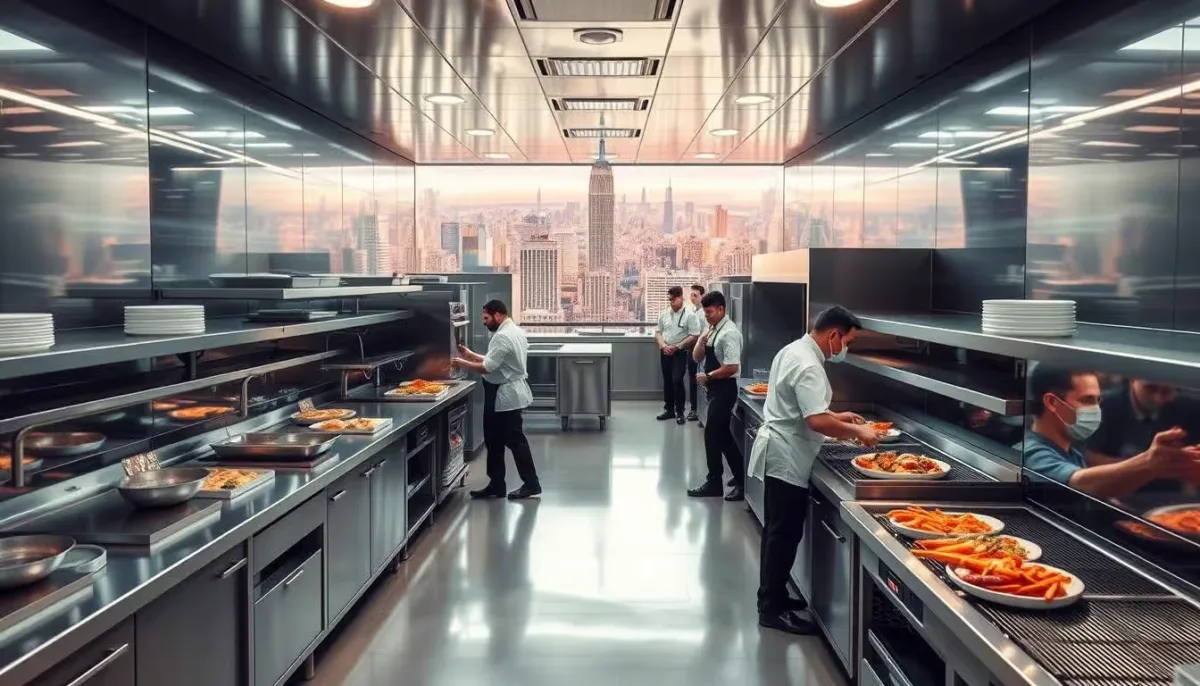
Ghost Kitchen Startup Costs: Why Most People Underestimate This by 40%
Three years ago, I sat across from my friend Marco at a Nashville hot chicken joint, watching him nervously shred a napkin while explaining his “can’t-lose” ghost kitchen concept. He’d done the math – or so he thought. “Sammy, I’ve got this nailed,” he said, tapping his phone. “$50K for equipment, $10K for permits, $20K for rent. Boom. Done.” I remember thinking, That’s it? But something about his numbers felt… off. Like he was missing entire categories of expenses. Fast forward 18 months: Marco’s “can’t-lose” kitchen was hemorrhaging cash, and he was working 80-hour weeks just to keep the lights on. The problem? He’d forgotten about the silent budget killers – those sneaky costs that don’t show up in most “how to start a ghost kitchen” guides.
Here’s the uncomfortable truth: most ghost kitchen cost breakdowns are either wildly optimistic or written by people who’ve never actually run one. They’ll tell you about the big-ticket items (yes, those commercial ovens aren’t cheap), but they gloss over the operational expenses that quietly drain your bank account. The ones that make you wake up at 3 AM wondering if you should’ve just stuck with your day job. I’ve seen this movie before – not just with Marco, but with dozens of operators who thought they’d done their homework. So let’s fix that. Today, we’re going through every single cost category, from the obvious to the obscure, and I’ll show you where the real money goes – and how to keep it from disappearing.
By the end of this, you’ll know:
- Why your initial equipment budget should be 30-50% higher than what most “experts” recommend
- The permit and licensing fees that vary wildly by city – and how to avoid getting blindsided
- How third-party delivery app fees can eat 20-30% of your revenue (and what to do about it)
- The hidden labor costs that most first-timers forget to budget for
- Why your rent might be the least of your location expenses (and what actually costs more)
Let’s start with the foundation – because if you get this wrong, nothing else matters.
The Brutal Reality of Ghost Kitchen Location Costs
Why Your “Cheap” Rent Might Be a Financial Death Trap
I’ll never forget walking into Marco’s first ghost kitchen location. The real estate agent had called it a “steal” – $2,500 a month for 1,200 square feet in an industrial park. “Perfect for a ghost kitchen,” he’d said. What he didn’t mention? The place had no grease trap, inadequate electrical service, and a ventilation system that dated back to the Reagan administration. Marco ended up spending $42,000 just to bring the space up to code – nearly double his original rent budget for the first year.
Here’s what most people don’t tell you about ghost kitchen locations:
- Zoning is everything. That “affordable” warehouse space? Might be zoned for light manufacturing only. Food service? Not allowed. Always verify with your local zoning board before signing anything. I’ve seen operators have to completely relocate because they didn’t do this simple check.
- Utility costs will surprise you. Commercial kitchens use 5-10x more electricity than standard commercial spaces. That “great deal” on rent might come with utility bills that make your eyes water. Ask for historical utility data – if the landlord can’t provide it, that’s a red flag.
- The “ghost kitchen hub” premium. Some landlords have caught on to the ghost kitchen trend and are charging premium rents for spaces that might be suitable. Don’t fall for it. A true ghost kitchen doesn’t need customer-facing amenities, so why pay for them?
So how much should you budget? For a 1,000-1,500 square foot space, expect to pay:
- $1,500-$3,500/month in rent (varies dramatically by city)
- $500-$1,500/month in utilities (yes, really)
- $10,000-$50,000 in build-out costs (depending on existing infrastructure)
Is this the best approach? Maybe not. Some operators are now looking at shared commercial kitchen spaces to reduce upfront costs. But is that right for you? Let’s consider the trade-offs…
Shared commercial kitchens (also called commissary kitchens) seem like the perfect solution for ghost kitchen startups. You get access to professional-grade equipment and facilities without the massive upfront investment. Sounds great, right? Well, like most things in life, it’s complicated.
The advantages are obvious:
- Lower upfront costs. Instead of spending $100K+ on equipment and build-out, you might pay $1,500-$3,000/month for a shared space.
- Flexibility. Need to test a new concept? Shared kitchens let you experiment without long-term commitments.
- Built-in community. You’ll be surrounded by other food entrepreneurs who can offer advice and support.
But here’s what they don’t tell you:
- Scheduling nightmares. Popular time slots book up fast. Want to prep during peak hours? Good luck. I’ve seen operators have to start their days at 3 AM just to get kitchen time.
- Hidden fees. That “all-inclusive” rate might not include storage, packaging, or after-hours access. Always read the fine print.
- Brand limitations. Some shared kitchens restrict what you can sell or how you can market your business. Make sure your concept fits their rules.
So which is better – your own space or a shared kitchen? I’m torn between the two, honestly. If you’re just starting out and testing concepts, a shared kitchen might make sense. But if you’re serious about scaling, having your own space gives you more control. Ultimately, it comes down to your budget, your concept, and how much flexibility you need.
The Equipment Budget Black Hole (And How to Escape It)
Why Your Equipment List Is Probably Missing These Critical Items
Let me tell you about the time I helped a client set up her ghost kitchen. She’d done her research, made a spreadsheet, and felt confident about her equipment budget. “I’ve got everything covered,” she said. “Combi oven, prep tables, refrigeration – the works.” We walked into the restaurant supply store, and within 30 minutes, her face had gone pale. “Sammy,” she whispered, “why is everything so much more expensive than I thought?”
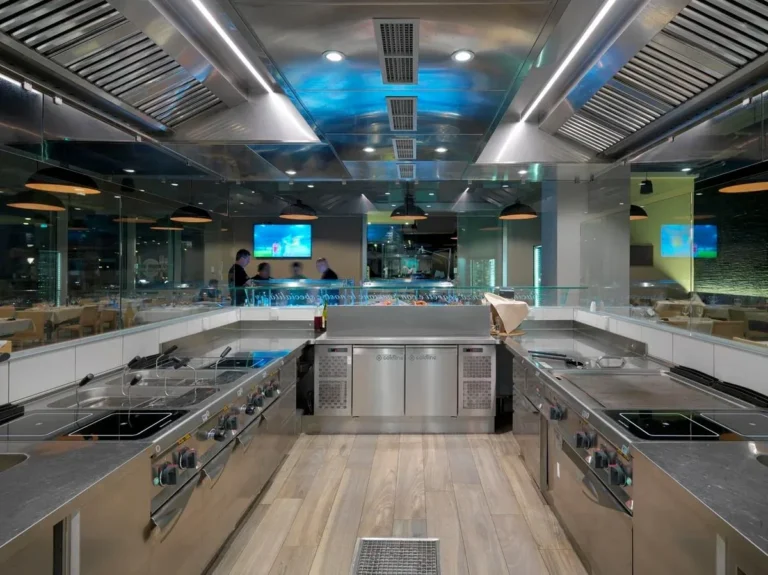
Here’s the problem: most equipment lists for ghost kitchens are dangerously incomplete. They focus on the big-ticket items but miss all the little things that add up fast. Let’s fix that. Here’s what your equipment budget should include:
- Cooking equipment: This is the obvious stuff – ovens, ranges, fryers, grills. But don’t forget about specialized equipment for your specific cuisine. Making pizza? You’ll need a dough sheeter and proofing cabinets. Sushi? Rice cookers and nori cutters. The more specialized your menu, the more specialized (and expensive) your equipment.
- Refrigeration: Walk-in coolers, reach-in refrigerators, under-counter units. And don’t forget about freezers if you’re doing any batch cooking or storing frozen ingredients.
- Prep equipment: Work tables, cutting boards, food processors, mixers, slicers. These might seem like small expenses, but they add up quickly.
- Storage and shelving: You’ll need plenty of storage for dry goods, smallwares, and packaging materials. Commercial shelving isn’t cheap, but it’s essential for organization.
- Smallwares: Knives, utensils, pots, pans, containers. These might seem insignificant, but they’re critical for daily operations. And they have a way of disappearing, so you’ll need backups.
- Safety equipment: Fire suppression systems, first aid kits, non-slip mats. These are non-negotiable for a commercial kitchen.
- Packaging: Containers, bags, labels, tape. Remember, in a ghost kitchen, your packaging is your only customer touchpoint. It needs to be functional and presentable.
- Cleaning supplies: Commercial-grade cleaners, sanitizers, mops, buckets. Health inspections are no joke – you need to be prepared.
- Technology: POS system, tablets for order management, kitchen display systems. More on this later, but don’t underestimate the cost of tech.
So how much should you budget? For a basic ghost kitchen setup, expect to spend:
- $50,000-$100,000 on cooking and refrigeration equipment
- $10,000-$20,000 on prep equipment and smallwares
- $5,000-$15,000 on storage and shelving
- $3,000-$10,000 on packaging and labeling
- $2,000-$5,000 on safety and cleaning supplies
That’s a wide range, I know. The final number depends on your menu, your volume, and whether you buy new or used equipment. Speaking of which…
New vs. Used Equipment: The Great Debate
I’ve had this conversation more times than I can count. Should you buy new equipment or save money with used? There’s no one-size-fits-all answer, but let me share what I’ve learned from working with dozens of ghost kitchen operators.
Buying new equipment:
Pros:
- Reliability. New equipment is less likely to break down, which means fewer unexpected repair costs.
- Warranties. Most new equipment comes with warranties that can save you money on repairs.
- Latest features. Newer models often have energy-saving features that can reduce utility costs.
- Financing options. Many dealers offer financing, which can help with cash flow.
Cons:
- Higher upfront cost. New equipment is significantly more expensive than used.
- Longer lead times. Some equipment can take weeks or even months to arrive.
Buying used equipment:
Pros:
- Lower cost. You can often find used equipment at 30-70% off the new price.
- Immediate availability. No waiting for manufacturing or shipping.
Cons:
- No warranties. Once you buy it, you’re responsible for any repairs.
- Higher maintenance costs. Used equipment is more likely to break down, which can lead to unexpected expenses.
- Energy inefficiency. Older models might use more electricity or gas, increasing utility costs.
- Hidden problems. You might not discover issues until after you’ve bought and installed the equipment.
So what’s the verdict? I’m torn between the two options, honestly. If you have the budget, new equipment is usually the better long-term investment. But if you’re working with limited funds, used equipment can be a great way to get started. Just make sure to:
- Inspect it thoroughly before buying
- Get it serviced by a professional
- Budget for potential repairs
Maybe I should clarify: this isn’t an either/or decision. Many operators buy a mix of new and used equipment. For example, you might buy a new combi oven (since reliability is critical) but opt for used refrigeration units (since they’re less likely to fail).
Why Your City Might Be Your Biggest Expense
Let me tell you about the time I helped a client in Chicago set up his ghost kitchen. He’d done everything right – found a great location, bought top-notch equipment, even hired a fantastic chef. Then came the permits. “Sammy,” he said, his voice shaking, “I had no idea it would cost this much. Or take this long.”
He wasn’t alone. Most first-time ghost kitchen operators drastically underestimate the cost and complexity of permits and licenses. And here’s the kicker: these costs vary wildly by city. What costs $5,000 in Nashville might cost $50,000 in New York. So let’s break it down.
Here are the permits and licenses you’ll likely need:
- Business license: This is your basic license to operate a business in your city. Cost: $50-$400.
- Food service license: This is your most important license – it allows you to prepare and sell food. Cost: $100-$1,000, depending on your city and the size of your operation.
- Health department permit: You’ll need this to pass health inspections. Cost: $100-$1,000.
- Fire department permit: Required for commercial kitchens. Cost: $100-$500.
- Building permits: Needed for any construction or major renovations. Cost: $500-$10,000+.
- Grease trap permit: If your kitchen produces grease, you’ll need this. Cost: $200-$1,000.
- Signage permit: Even if you’re a ghost kitchen, you might need signage for your delivery drivers. Cost: $50-$500.
- Music license: Playing music in your kitchen? You might need a license. Cost: $250-$1,000/year.
- Food handler’s permits: Required for all employees who handle food. Cost: $10-$100 per employee.
But here’s where it gets really expensive: inspections. Most cities require multiple inspections before you can open, and each one comes with a fee. Here’s what you might expect:
- Plan review: $200-$2,000
- Pre-operational inspection: $100-$500
- Fire inspection: $100-$500
- Health inspection: $100-$500
- Final inspection: $100-$500
And don’t forget about professional fees. Unless you’re an expert in local regulations, you’ll likely need to hire:
- Architect: $2,000-$10,000
- Contractor: $5,000-$50,000 (for build-out)
- Permit expediter: $1,000-$5,000 (to navigate the bureaucracy)
So how much should you budget for permits and licenses? For a typical ghost kitchen, expect to spend:
- $5,000-$20,000 in permit and licensing fees
- $2,000-$10,000 in inspection fees
- $5,000-$50,000 in professional fees
That’s a huge range, I know. The final number depends on your city, your concept, and how much of the work you do yourself. But here’s my advice: overestimate. It’s better to have money left over than to be scrambling for cash when you realize you’ve underestimated.
How to Avoid the Permit Nightmare
I’ve seen too many ghost kitchen operators get burned by permit issues. Here’s how to avoid becoming one of them:
- Start early. The permitting process can take months. Don’t wait until you’ve signed a lease to start applying.
- Talk to your local health department. They can tell you exactly what permits you need and what the process looks like. Don’t rely on online research – regulations change frequently.
- Hire a permit expediter. These professionals know the system inside and out. They can save you time, money, and headaches.
- Get everything in writing. If a city official tells you something verbally, get it in writing. Bureaucracies have a way of forgetting promises.
- Build relationships. Get to know your health inspector, fire marshal, and other officials. They’re more likely to help you if they know you.
- Keep detailed records. Document every interaction, every payment, every inspection. If there’s a dispute, you’ll need this information.
Is this the best approach? Maybe not. Some operators prefer to handle permits themselves to save money. But in my experience, the time and stress you save by hiring a professional is worth the cost. Ultimately, it’s about balancing your budget with your sanity.
The Hidden Labor Costs That Will Break Your Budget
Why Your Staffing Plan Is Probably Wrong
I’ll never forget the look on my friend Lisa’s face when she realized her ghost kitchen was hemorrhaging money. “Sammy,” she said, “I don’t understand. My food costs are under control. My rent is reasonable. But I’m still losing money every month.” We dug into her numbers, and there it was: labor costs were eating up 45% of her revenue. “But I only have three employees!” she said. “How is that possible?”
Here’s the thing about ghost kitchens: they’re not as “labor-light” as most people think. Yes, you don’t need servers or hosts, but you still need a full kitchen staff. And here’s where most operators go wrong: they underestimate how many people they need and how much they’ll cost.
Let’s break down the roles you’ll likely need:
- Chef/Kitchen Manager: This is your most important hire. They’ll oversee food preparation, manage inventory, and ensure quality control. Expect to pay $50,000-$80,000/year, depending on experience.
- Line Cooks: You’ll need at least 2-3 line cooks to handle the volume. Pay: $30,000-$50,000/year each.
- Prep Cooks: These folks handle ingredient prep, cleaning, and other essential tasks. Pay: $25,000-$40,000/year each.
- Delivery Manager: Someone needs to coordinate with third-party delivery apps, manage drivers, and handle customer service. Pay: $40,000-$60,000/year.
- Cleaning Staff: Commercial kitchens get dirty fast. You’ll need someone to handle deep cleaning. Pay: $25,000-$35,000/year.
But here’s what most people forget: benefits and payroll taxes. These can add 20-30% to your labor costs. So if you’re budgeting $200,000 for salaries, you should actually budget $240,000-$260,000 to account for these additional expenses.
And don’t forget about training costs. Every new hire needs training, which takes time and money. Here’s what to budget for:
- Initial training: $500-$2,000 per employee
- Ongoing training: $1,000-$3,000/year
- Uniforms: $100-$300 per employee
So how much should you budget for labor? For a typical ghost kitchen, expect to spend:
- $200,000-$400,000/year on salaries
- $40,000-$80,000/year on benefits and payroll taxes
- $5,000-$15,000/year on training and uniforms
That’s a lot of money, I know. But here’s the good news: there are ways to reduce labor costs without sacrificing quality.
How to Reduce Labor Costs Without Cutting Corners
I’ve worked with dozens of ghost kitchen operators to optimize their labor costs. Here are my top strategies:
- Cross-train your staff. The more skills your employees have, the more flexible your scheduling can be. For example, train your line cooks to also handle prep work and cleaning.
- Use technology. Kitchen display systems, automated inventory management, and other tech tools can reduce the need for manual labor.
- Optimize your menu. The more complex your menu, the more staff you’ll need. Streamline your offerings to reduce labor costs.
- Schedule smartly. Use scheduling software to ensure you have the right number of staff at the right times. Avoid overstaffing during slow periods.
- Outsource when possible. Some tasks, like cleaning or delivery, can be outsourced to third-party services. This can be more cost-effective than hiring full-time staff.
- Hire part-time workers. Part-time employees can be a great way to handle peak periods without the cost of full-time benefits.
- Invest in retention. Turnover is expensive. The more you can retain your staff, the less you’ll spend on training and recruitment.
Is this the best approach? Maybe not for everyone. Some operators prefer to keep things simple with a small, dedicated team. But in my experience, these strategies can significantly reduce labor costs without sacrificing quality. Ultimately, it’s about finding the right balance for your operation.
The Third-Party Delivery App Trap (And How to Escape It)
Why Your 30% Commission Might Actually Be 40%
Let me tell you about the time I sat down with a ghost kitchen operator who was on the verge of tears. “Sammy,” he said, “I don’t understand. My food is selling like crazy, but I’m barely breaking even. What’s going on?” We pulled up his numbers, and there it was: third-party delivery app fees were eating up 38% of his revenue. “But they said it was only 30%!” he exclaimed. “Where’s the other 8% coming from?”
Here’s the dirty little secret about third-party delivery apps: their fees are more complicated than they seem. Yes, the base commission might be 15-30%, but that’s just the beginning. Here’s what they don’t tell you:
- Marketing fees: Want to be featured in the app? That’ll cost you an extra 5-10%.
- Payment processing fees: Another 2-3% on top of the commission.
- Delivery fees: If you’re not handling your own deliveries, you’ll pay for that too. Expect $3-$7 per order.
- Promotions: Running a discount to boost sales? The app might take a larger cut during promotions.
- Chargebacks: If a customer disputes a charge, you might be on the hook for the full amount, plus fees.
But here’s the real kicker: these fees are per order. So if a customer orders $50 worth of food, and you’re paying 30% commission plus 3% payment processing, that’s $16.50 per order. And if you’re not careful, these fees can quickly spiral out of control.
So how much should you budget for third-party delivery app fees? For a typical ghost kitchen, expect to pay:
- 15-30% commission on each order
- 2-3% payment processing fee
- $3-$7 delivery fee per order (if you’re not handling your own deliveries)
- 5-10% marketing fee (if you want to be featured in the app)
That means you could be paying 25-45% of your revenue to third-party delivery apps. Ouch.
How to Reduce Delivery App Dependence (And Keep More of Your Money)
I’ve worked with dozens of ghost kitchen operators to reduce their reliance on third-party delivery apps. Here are my top strategies:
- Build your own delivery fleet. This is the most effective way to reduce delivery app fees. Yes, it’s a big upfront investment, but it can pay off in the long run. Here’s what to budget for:
- Vehicles: $20,000-$50,000 (for 2-3 used delivery vehicles)
- Insurance: $3,000-$6,000/year
- Fuel and maintenance: $5,000-$10,000/year
- Driver salaries: $30,000-$50,000/year each
Is this the best approach? Maybe not for everyone. Some operators prefer to focus on food and leave delivery to the experts. But in my experience, these strategies can significantly reduce delivery app fees and increase profitability. Ultimately, it’s about finding the right balance for your operation.
Maybe I should clarify: building your own delivery fleet isn’t right for every ghost kitchen. It requires a significant upfront investment and ongoing management. But if you’re doing high volume, it can be a game-changer.
Why Your POS System Might Be Costing You More Than You Think
I remember the first time I walked into a ghost kitchen that was using a traditional restaurant POS system. The owner was frustrated. “Sammy,” he said, “I don’t understand. I bought this expensive system, but it’s not working for my ghost kitchen. What am I doing wrong?”
Here’s the problem: traditional restaurant POS systems are designed for dine-in restaurants. They’re not optimized for ghost kitchens, which have unique needs like:
- Integration with multiple delivery apps
- Real-time order management
- Kitchen display systems
- Customer data collection
If you’re using the wrong POS system, you’re likely:
- Paying for features you don’t need
- Struggling with inefficient workflows
- Missing out on valuable data and insights
So how much should you budget for technology? For a typical ghost kitchen, expect to spend:
- $5,000-$15,000 on POS system (hardware and software)
- $1,000-$5,000/year on POS subscription fees
- $2,000-$10,000 on kitchen display systems
- $1,000-$3,000 on tablets for order management
- $500-$2,000 on website and online ordering system
- $1,000-$5,000 on marketing and customer relationship management (CRM) tools
That’s a wide range, I know. The final number depends on your volume, your concept, and how much you’re willing to invest in technology.
How to Choose the Right Technology for Your Ghost Kitchen
I’ve helped dozens of ghost kitchen operators choose the right technology. Here’s my step-by-step guide:
- Identify your needs. What features are essential for your operation? Make a list before you start shopping.
- Research your options. There are dozens of POS systems and other tech tools designed for ghost kitchens. Do your homework.
- Read reviews. Look for reviews from other ghost kitchen operators. What do they love? What do they hate?
- Request demos. Most tech companies offer free demos. Take advantage of this to see how the system works in action.
- Compare pricing. Don’t just look at the upfront cost. Consider subscription fees, transaction fees, and other ongoing costs.
- Check integrations. Make sure the system integrates with your delivery apps, payment processors, and other tools.
- Consider scalability. Will the system grow with your business? Or will you need to switch as you expand?
- Get references. Ask the tech company for references from other ghost kitchen operators. Then call them and ask about their experience.
- Negotiate. Don’t be afraid to negotiate pricing, especially if you’re committing to a long-term contract.
- Plan for training. Even the best system is useless if your staff doesn’t know how to use it. Budget for training and ongoing support.
Is this the best approach? Maybe not for everyone. Some operators prefer to keep things simple with basic tools. But in my experience, investing in the right technology can significantly improve efficiency and profitability. Ultimately, it’s about finding the right balance for your operation.
The Marketing Money Pit (And How to Avoid It)
Why Your Social Media Ads Aren’t Working (And What to Do Instead)
I’ll never forget the time I sat down with a ghost kitchen operator who was spending $10,000 a month on Facebook and Instagram ads. “Sammy,” he said, “I don’t understand. My ads are getting tons of clicks, but no one is ordering. What am I doing wrong?”
Here’s the problem: most ghost kitchen operators approach marketing the wrong way. They focus on vanity metrics like clicks and likes, rather than actual sales. And they waste money on ads that don’t convert.
Here’s what most people don’t tell you about ghost kitchen marketing:
- Social media ads are expensive. Yes, they can be effective, but they’re also one of the most expensive marketing channels. And they require constant optimization to work.
- Delivery app marketing is limited. You can pay to be featured in delivery apps, but this is a short-term strategy. It doesn’t build long-term customer loyalty.
- Word of mouth is powerful. In the ghost kitchen world, personal recommendations can be your most effective marketing tool. But they take time to build.
- Packaging matters. Your packaging is your only customer touchpoint. It needs to be functional, attractive, and memorable.
So how much should you budget for marketing? For a typical ghost kitchen, expect to spend:
- $2,000-$10,000/month on digital marketing (social media ads, Google ads, etc.)
- $1,000-$5,000/month on delivery app marketing
- $500-$2,000/month on packaging and branding
- $1,000-$3,000/month on community building (events, partnerships, etc.)
That’s a lot of money, I know. But here’s the good news: there are ways to market your ghost kitchen effectively without breaking the bank.
How to Market Your Ghost Kitchen on a Budget
I’ve worked with dozens of ghost kitchen operators to develop cost-effective marketing strategies. Here are my top tips:
- Focus on organic social media. Instead of paying for ads, build a following organically. Post behind-the-scenes content, customer testimonials, and mouth-watering food photos.
- Leverage user-generated content. Encourage customers to post photos of your food and tag your business. This is free advertising that builds social proof.
- Build an email list. Collect email addresses from customers and send them regular updates, promotions, and exclusive offers.
- Partner with local influencers. Find food bloggers and influencers in your area and offer them free meals in exchange for honest reviews.
- Host events. Pop-up events, cooking classes, and other community events can generate buzz and attract new customers.
- Optimize for local SEO. Make sure your business is listed on Google My Business and other local directories. Encourage customers to leave reviews.
- Offer referral incentives. Encourage customers to refer their friends by offering discounts or freebies.
- Create a loyalty program. Reward repeat customers with discounts, free items, or exclusive offers.
- Collaborate with other businesses. Partner with local breweries, wineries, or other food businesses to cross-promote each other.
- Focus on packaging. Your packaging is your only customer touchpoint. Make it memorable with unique designs, fun messaging, or useful features (like sauce containers that double as dipping cups).
Is this the best approach? Maybe not for everyone. Some operators prefer to focus on paid advertising. But in my experience, these strategies can be just as effective – and a lot more cost-effective. Ultimately, it’s about finding the right mix for your business.
The Insurance Nightmare (And How to Sleep at Night)
Why Your General Liability Policy Might Not Be Enough
Let me tell you about the time I got a frantic call from a ghost kitchen operator at 2 AM. “Sammy,” he said, his voice shaking, “a customer just sued me. They’re saying they got food poisoning from my food. What do I do?”
Here’s the thing about insurance: most ghost kitchen operators don’t have enough of it. They think their general liability policy will cover everything, but that’s not always the case. Here’s what you need to know:
- General liability insurance covers basic risks like slip-and-fall accidents. But it doesn’t cover everything.
- Product liability insurance is essential for food businesses. It covers claims related to foodborne illnesses, allergic reactions, and other food-related issues.
- Workers’ compensation insurance is required in most states if you have employees. It covers medical expenses and lost wages if an employee is injured on the job.
- Commercial auto insurance is necessary if you have delivery vehicles. It covers accidents, theft, and other vehicle-related risks.
- Cyber liability insurance is becoming increasingly important. It covers data breaches, hacking, and other cyber risks.
So how much should you budget for insurance? For a typical ghost kitchen, expect to spend:
- $2,000-$5,000/year on general liability insurance
- $3,000-$7,000/year on product liability insurance
- $2,000-$6,000/year on workers’ compensation insurance (depends on number of employees)
- $1,500-$4,000/year on commercial auto insurance (if you have delivery vehicles)
- $1,000-$3,000/year on cyber liability insurance
That’s a wide range, I know. The final number depends on your location, your concept, and your risk tolerance.
How to Choose the Right Insurance for Your Ghost Kitchen
I’ve helped dozens of ghost kitchen operators navigate the insurance maze. Here’s my step-by-step guide:
- Assess your risks. What are the biggest risks for your business? Make a list before you start shopping.
- Work with a specialist. Not all insurance brokers understand the unique risks of ghost kitchens. Find one who specializes in food businesses.
- Compare quotes. Don’t just go with the first quote you get. Shop around to find the best coverage at the best price.
- Read the fine print. Make sure you understand what’s covered – and what’s not. Ask questions if anything is unclear.
- Consider a business owner’s policy (BOP). A BOP bundles general liability and property insurance into one package. It can be more cost-effective than buying policies separately.
- Review your coverage regularly. Your insurance needs will change as your business grows. Review your coverage at least once a year.
- Implement risk management strategies. The best way to reduce insurance costs is to reduce your risks. Implement food safety protocols, train your staff, and maintain your equipment.
Is this the best approach? Maybe not for everyone. Some operators prefer to handle insurance themselves to save money. But in my experience, working with a specialist can save you time, money, and headaches. Ultimately, it’s about finding the right balance for your business.
The Contingency Fund: Your Secret Weapon Against Disaster
Why You Need a 20% Buffer (And How to Build It)
I remember the first time I told a ghost kitchen operator they needed a contingency fund. “Sammy,” he said, “I don’t have that kind of money. I’m barely making ends meet as it is.” Six months later, his walk-in cooler died. Without a contingency fund, he had to take out a high-interest loan to replace it. That loan nearly put him out of business.
Here’s the brutal truth: something will go wrong. Your equipment will break. Your sales will dip. A key employee will quit. And when that happens, you’ll need cash to keep your business afloat. That’s where a contingency fund comes in.
How much should you set aside? Most financial experts recommend 3-6 months of operating expenses. But for ghost kitchens, I recommend 20% of your total startup costs. Why? Because ghost kitchens have unique risks:
- Equipment failures
- Delivery app algorithm changes
- Health inspection issues
- Supply chain disruptions
- Staffing shortages
So if your total startup costs are $200,000, you should aim for a $40,000 contingency fund.
How to Build Your Contingency Fund Without Going Broke
I know what you’re thinking: “Sammy, that’s a lot of money. How am I supposed to save that?” Here are my top strategies:
- Start small. Even $500 a month adds up over time. Set up automatic transfers to a separate savings account.
- Cut costs elsewhere. Look for areas where you can reduce expenses, like negotiating with suppliers or switching to more cost-effective packaging.
- Increase revenue. Look for ways to boost sales, like adding a catering menu or offering meal kits.
- Use windfalls wisely. Got a tax refund? A bonus? Put it in your contingency fund.
- Consider a business line of credit. This can be a safety net if your contingency fund isn’t fully funded yet. But be careful – only use it for emergencies.
- Review and adjust regularly. As your business grows, your contingency fund needs will change. Review your fund at least once a quarter.
Is this the best approach? Maybe not for everyone. Some operators prefer to rely on credit cards or loans in case of emergencies. But in my experience, having a cash reserve is the best way to protect your business. Ultimately, it’s about finding the right balance for your risk tolerance.
Putting It All Together: Your Ghost Kitchen Startup Cost Checklist
Alright, let’s take a step back. We’ve covered a lot of ground, and I know it can feel overwhelming. So let’s summarize everything we’ve talked about with a comprehensive startup cost checklist. This is your roadmap to launching a successful ghost kitchen – without the financial surprises.
Location Costs
- Rent: $1,500-$3,500/month
- Utilities: $500-$1,500/month
- Build-out: $10,000-$50,000
- Security deposit: $3,000-$7,000
Equipment Costs
- Cooking equipment: $50,000-$100,000
- Refrigeration: $10,000-$30,000
- Prep equipment: $10,000-$20,000
- Storage and shelving: $5,000-$15,000
- Smallwares: $3,000-$10,000
- Safety equipment: $2,000-$5,000
- Packaging: $3,000-$10,000
- Cleaning supplies: $1,000-$3,000
Permit and Licensing Costs
- Permit and licensing fees: $5,000-$20,000
- Inspection fees: $2,000-$10,000
- Professional fees: $5,000-$50,000
Labor Costs
- Salaries: $200,000-$400,000/year
- Benefits and payroll taxes: $40,000-$80,000/year
- Training and uniforms: $5,000-$15,000/year
Delivery App Costs
- Commission: 15-30% per order
- Payment processing: 2-3% per order
- Delivery fees: $3-$7 per order (if not handling your own deliveries)
- Marketing fees: 5-10% per order (if featured in the app)
Technology Costs
- POS system: $5,000-$15,000
- POS subscription fees: $1,000-$5,000/year
- Kitchen display systems: $2,000-$10,000
- Tablets: $1,000-$3,000
- Website and online ordering: $500-$2,000
- Marketing and CRM tools: $1,000-$5,000/year
Marketing Costs
- Digital marketing: $2,000-$10,000/month
- Delivery app marketing: $1,000-$5,000/month
- Packaging and branding: $500-$2,000/month
- Community building: $1,000-$3,000/month
Insurance Costs
- General liability: $2,000-$5,000/year
- Product liability: $3,000-$7,000/year
- Workers’ compensation: $2,000-$6,000/year
- Commercial auto: $1,500-$4,000/year (if applicable)
- Cyber liability: $1,000-$3,000/year
Contingency Fund
- 20% of total startup costs
So what’s the total? For a typical ghost kitchen, expect to spend $200,000-$500,000 in startup costs. That’s a wide range, I know. The final number depends on your location, your concept, and how much of the work you do yourself.
But here’s the good news: you don’t have to do everything at once. Many of these costs can be spread out over time. For example, you might start with a shared kitchen to reduce upfront costs, then transition to your own space as you grow. Or you might start with a basic POS system and upgrade as your needs evolve.
The key is to plan ahead. Understand all the costs involved, and make sure you have enough capital to cover them. Because the last thing you want is to run out of money halfway through your launch.
Final Thoughts: The Ghost Kitchen Reality Check
Alright, let’s take a deep breath. We’ve covered a lot of ground, and I know it can feel overwhelming. But here’s the thing: starting a ghost kitchen is hard, but it’s not impossible. With the right planning, the right budget, and the right mindset, you can build a successful business that thrives in the digital age.
But let me leave you with a few final thoughts:
- Don’t underestimate the costs. I’ve seen too many operators fail because they didn’t budget enough. Be realistic about your expenses, and make sure you have enough capital to cover them.
- Focus on quality. In the ghost kitchen world, your food is your only product. Make sure it’s the best it can be.
- Build a loyal customer base. The more repeat customers you have, the less you’ll need to rely on delivery apps for discovery.
- Stay flexible. The food industry is constantly changing. Be ready to adapt your menu, your marketing, and your operations as needed.
- Take care of your team. Your staff is your most valuable asset. Treat them well, and they’ll help your business succeed.
So what’s next? If you’re serious about starting a ghost kitchen, I challenge you to do this:
- Take the checklist we created and fill in the numbers for your specific concept.
- Talk to other ghost kitchen operators in your area. Ask about their experiences and their costs.
- Visit a shared commercial kitchen. See if it’s a good fit for your needs.
- Start building your contingency fund. Even if it’s just $500 a month, every little bit helps.
And remember: every successful ghost kitchen started exactly where you are now. With an idea, a dream, and a whole lot of questions. The difference between those who succeed and those who don’t? The ones who succeed take action. They do the research, they make the plan, and they execute.
So what are you waiting for? Your ghost kitchen journey starts now.
FAQ: Your Ghost Kitchen Startup Cost Questions Answered
Q: How much does it really cost to start a ghost kitchen?
A: The total cost can range from $200,000 to $500,000, depending on your location, concept, and whether you choose to lease your own space or use a shared kitchen. This includes equipment, permits, labor, marketing, and a contingency fund. Remember, these are just estimates – your actual costs may vary.
Q: What’s the biggest expense I should prepare for?
A: Labor costs are often the biggest surprise for new ghost kitchen operators. Many people assume ghost kitchens require less staff than traditional restaurants, but that’s not always the case. You’ll still need a full kitchen team, and benefits and payroll taxes can add 20-30% to your labor costs.
Q: Can I start a ghost kitchen with less than $100,000?
A: It’s possible, but challenging. Starting with a lower budget usually means making compromises, like using a shared kitchen, buying used equipment, or starting with a smaller menu. While these strategies can reduce upfront costs, they may also limit your growth potential. If you’re working with a tight budget, focus on building a strong foundation that you can scale as you grow.
Q: How can I reduce my ghost kitchen startup costs?
A: There are several ways to reduce startup costs without sacrificing quality. Consider using a shared commercial kitchen to save on rent and equipment. Buy used equipment when possible, but make sure to inspect it thoroughly first. Negotiate with suppliers for better pricing. And focus on building a loyal customer base to reduce your reliance on expensive delivery app marketing.
@article{ghost-kitchen-startup-costs-the-brutal-truth-about-your-hidden-expenses-and-how-to-avoid-them,
    title   = {Ghost Kitchen Startup Costs: The Brutal Truth About Your Hidden Expenses (And How to Avoid Them)},
    author  = {Chef's icon},
    year    = {2026},
    journal = {Chef's Icon},
    url     = {https://chefsicon.com/essential-startup-costs-for-a-ghost-kitchen/}
}