The Best Fluffy Pancakes recipe you will fall in love with. Full of tips and tricks to help you make the best pancakes.
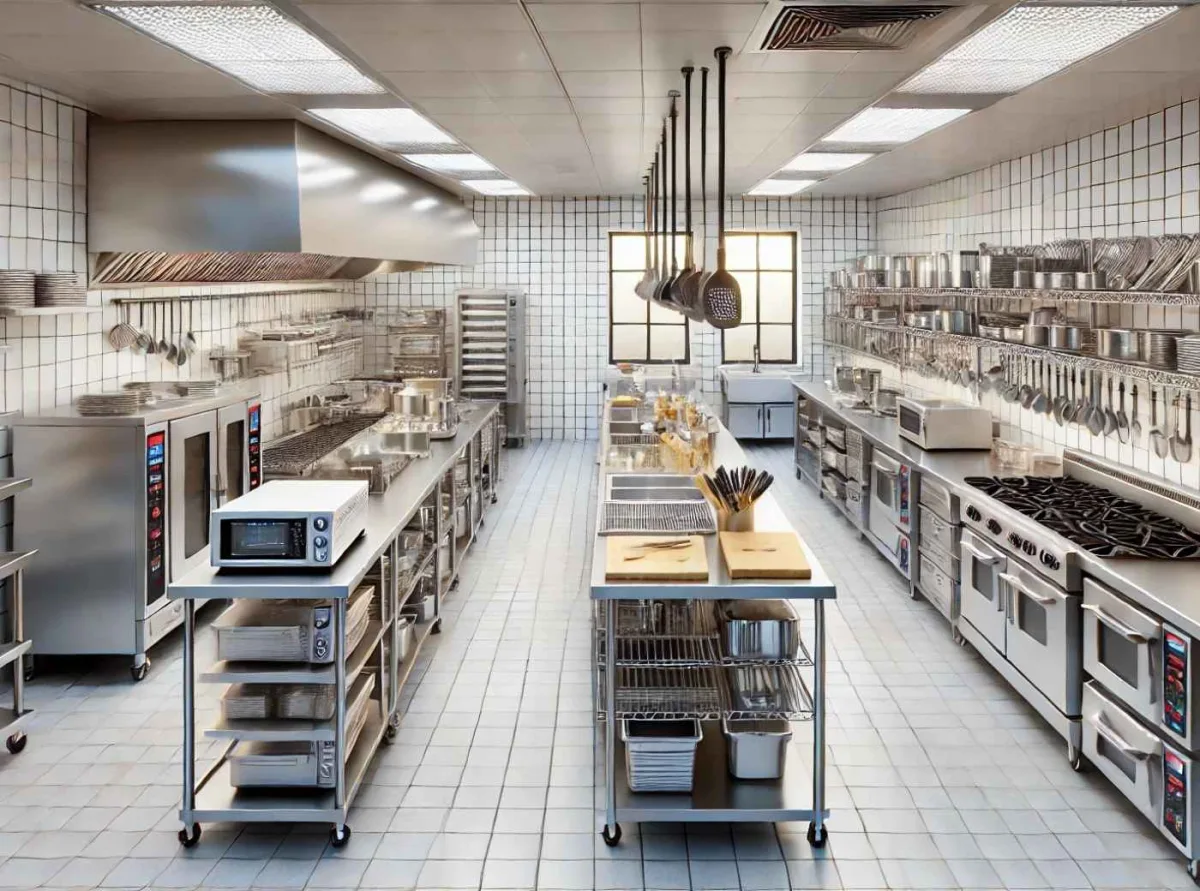
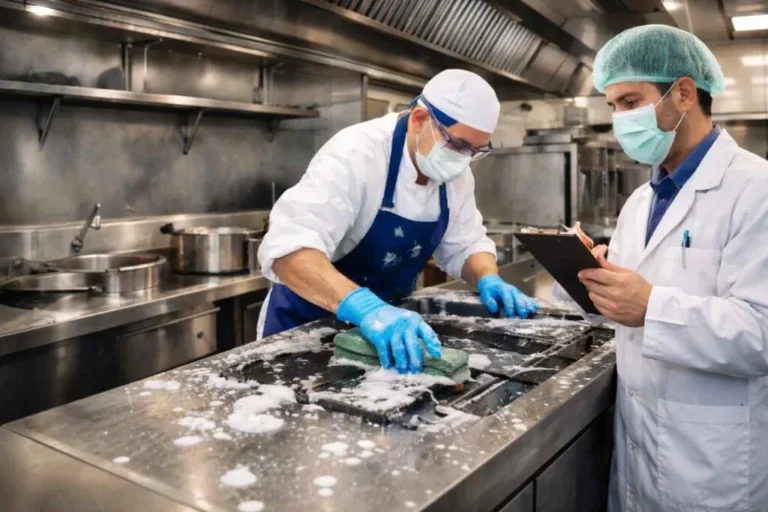
I’ll never forget the first time I walked into a high-volume commercial kitchen during a health inspection. The chef, a burly guy with a stained apron and a no-nonsense attitude, was barking orders while line cooks moved like a well-oiled machine, until they didn’t. A server bumped into a prep cook, sending a tray of raw chicken skidding across the counter. The chef’s face went pale. “Cross-contamination city,” he muttered under his breath. That moment stuck with me. It wasn’t just bad luck; it was a layout problem.
You might think food safety is all about handwashing and temperature logs (and yeah, those matter), but the real unsung hero? The kitchen’s design. A well-planned layout doesn’t just make service smoother, it’s the difference between a clean bill of health and a nightmare of recalls, fines, or worse. But here’s the thing: most people don’t realize how much the *flow* of a kitchen dictates safety. Is the walk-in too far from the prep station? Are the sinks in the wrong place? These aren’t just logistical headaches; they’re food safety time bombs waiting to go off.
In this deep dive, I’m going to break down how commercial kitchen layouts impact food safety, from the obvious (like zoning) to the overlooked (like how lighting affects hygiene). We’ll talk about real-world examples, the science behind why certain designs fail, and actionable tips to audit your own space. Whether you’re designing a kitchen from scratch, renovating an old one, or just curious about what happens behind the swinging doors, this is your backstage pass. Let’s start with the big picture: why layout matters more than you think.
The Psychology of Space: Why Layouts Dictate Behavior
How Your Kitchen’s Design Shapes Human Habits
Here’s a question that’s bugged me for years: Why do some kitchens feel like a ballet, while others feel like a demolition derby? The answer isn’t just training or experience, it’s psychology. Humans are creatures of habit, and our environment shapes those habits in ways we don’t even notice. A commercial kitchen is no different. The layout doesn’t just influence how food moves; it influences how *people* move, think, and, most critically, how they handle food safety.
Take the classic “work triangle” concept, borrowed from residential kitchen design. In a home kitchen, the triangle connects the sink, stove, and refrigerator to minimize steps. In a commercial setting, this idea scales up into what’s called the “flow of food”. The goal? To create a path that’s intuitive, efficient, and, above all, safe. But here’s where it gets tricky: what’s intuitive for a chef might not be intuitive for a dishwasher or a server. And if the layout forces people to take shortcuts (like walking through a raw prep zone to grab clean dishes), those shortcuts become habits. Bad habits.
I remember consulting for a mid-sized restaurant in Nashville where the walk-in cooler was tucked behind the dish pit. Sounds minor, right? Wrong. The prep cooks had to weave through a gauntlet of dirty dishes and soapy water just to grab ingredients. Over time, they started storing perishables on the counter instead of making the trek. The result? Temperature abuse, cross-contamination, and a health inspection that nearly shut them down. The fix? Moving the walk-in closer to the prep station. Simple, but it saved them thousands in fines and lost business.
This isn’t just about convenience; it’s about behavioral design. A well-planned layout nudges staff toward safe practices without them even realizing it. For example, placing handwashing sinks at every major transition point (like between raw and ready-to-eat zones) makes it harder to skip washing hands. It’s like those “speed bumps” in parking lots that force you to slow down, except in this case, the stakes are a lot higher than a scratched bumper.
But here’s the catch: no two kitchens are the same. What works for a fast-casual chain might be a disaster for a fine-dining restaurant. So how do you design a layout that actually works? Let’s break it down.
The Three Zones Every Kitchen Needs (And Why Most Get Them Wrong)
If you’ve ever read a food safety manual, you’ve probably heard of the “three-compartment sink rule” or the “separate cutting boards for raw and cooked foods” spiel. Those are important, but they’re just the tip of the iceberg. The real foundation of food safety in a commercial kitchen is zoning, dividing the space into distinct areas based on risk. Most kitchens I’ve seen get this wrong, either by lumping everything together or creating zones that are so rigid they’re impossible to work in.
Here’s how it *should* work:
- Raw Zone: This is where all the high-risk, uncooked ingredients live, think raw meat, poultry, seafood, and unwashed produce. The key here is isolation. Raw zones should be as far from ready-to-eat areas as possible, with physical barriers (like walls or counters) to prevent cross-contamination. I’ve seen kitchens where the raw prep station was right next to the salad station, and it’s a miracle they didn’t have more outbreaks. Don’t be that kitchen.
- Cooking Zone: This is the heart of the kitchen, where raw ingredients are transformed into safe, ready-to-eat food. The biggest mistake here? Crowding. Overloading a cooking zone with too much equipment or too many people leads to chaos, and chaos leads to mistakes. I once watched a line cook drop a raw chicken breast on the floor, pick it up, and toss it into a pan, all because he was juggling three orders at once in a space designed for one. The layout should allow for focus, not multitasking.
- Ready-to-Eat (RTE) Zone: This is where the magic happens, plating, garnishing, and packaging food that’s ready to serve. The RTE zone should be a “clean room” of sorts, with strict rules about who enters and what they bring in. No raw ingredients, no dirty utensils, and definitely no wandering servers grabbing a quick bite (yes, I’ve seen that happen). The RTE zone should also be the most visible part of the kitchen, so managers can easily monitor for slip-ups.
But here’s where things get messy: most kitchens don’t have the luxury of unlimited space. So how do you balance zoning with the realities of a cramped kitchen? The answer lies in “flexible zoning”-using movable barriers, color-coded equipment, and clear signage to create temporary zones that can adapt to the menu or shift. For example, a breakfast-focused diner might use the same prep station for raw eggs in the morning and ready-to-eat pancakes at lunch. The key is to clean and sanitize *thoroughly* between uses, and to make sure staff understand the rules.
Zoning isn’t just about preventing cross-contamination, though. It’s also about temperature control. The layout should minimize the time food spends in the “danger zone” (41°F to 135°F), where bacteria thrive. That means keeping hot holding stations close to the cooking zone and ensuring cold storage is never more than a few steps away from prep areas. I’ve seen kitchens where the walk-in was so far from the line that cooks would leave ingredients out for hours just to avoid the trek. Not ideal.
So, zoning is critical, but it’s not the only factor. Let’s talk about the unsung hero of kitchen safety: workflow.
The Flow of Food: How Movement (or Lack Thereof) Creates Risk
Why Your Kitchen’s Traffic Patterns Are a Food Safety Time Bomb
Imagine you’re a server in a busy restaurant. You’ve got a table of eight who just ordered appetizers, entrees, and desserts, and the kitchen is slammed. You need to grab a salad from the RTE station, but the only path there takes you through the raw prep zone, where a line cook is butchering a side of beef. Do you: A) Take the long way around, adding precious minutes to your ticket time, or B) Squeeze past the prep cook, risking cross-contamination?
If you answered B, you’re not alone. Most people will take the path of least resistance, even if it’s not the safest. That’s why workflow design is just as important as zoning. A good kitchen layout minimizes the need for staff to cross through high-risk areas, whether they’re servers, dishwashers, or even managers grabbing a clipboard. The goal is to create a “one-way flow” that keeps raw ingredients, cooked food, and clean dishes moving in separate, non-intersecting paths.
Here’s how it should work in an ideal world:
- Receiving: Deliveries come in through a dedicated entrance, far from the cooking and RTE zones. This prevents contaminants from outside (like dirt or pests) from entering the kitchen.
- Storage: Ingredients move from receiving to storage (dry, refrigerated, or frozen) without passing through prep or cooking areas. This is where a lot of kitchens fail, if the walk-in is next to the dish pit, for example, you’re asking for trouble.
- Prep: Raw ingredients move from storage to the prep zone, where they’re cleaned, chopped, and portioned. This zone should be isolated from the cooking and RTE zones to prevent cross-contamination.
- Cooking: Prepped ingredients move to the cooking zone, where they’re transformed into safe, ready-to-eat food. This is where temperature control is critical, food should spend as little time as possible in the danger zone.
- Plating: Cooked food moves to the RTE zone for plating and garnishing. This zone should be a “no raw ingredients” zone, with strict rules about who enters and what they bring in.
- Service: Plated food moves to the pass or expediting station, where it’s picked up by servers or runners. This area should be clean, organized, and free of clutter to prevent mix-ups.
- Dishwashing: Dirty dishes move from the dining area to the dish pit, which should be located away from the cooking and RTE zones. The dish pit should also have a separate entrance to prevent dirty dishes from crossing paths with clean ones.
Sounds simple, right? But in reality, most kitchens are a maze of intersecting paths, with staff constantly crossing through high-risk areas. I’ve seen kitchens where the only path from the walk-in to the prep station went through the dish pit, or where servers had to walk through the raw prep zone to grab clean silverware. These aren’t just logistical nightmares, they’re food safety disasters waiting to happen.
So how do you design a workflow that actually works? Start by mapping out the “critical paths” in your kitchen, the routes that staff take most frequently. Then, look for bottlenecks or crossovers where those paths intersect with high-risk areas. The goal is to minimize those intersections, either by rearranging equipment, adding barriers, or creating new paths. For example, if servers are constantly crossing through the raw prep zone to grab clean dishes, consider adding a separate dish station near the pass.
But workflow isn’t just about movement, it’s also about time. The longer food sits in the danger zone, the greater the risk of bacterial growth. That’s why the layout should minimize the time it takes to move food from storage to prep to cooking to service. For example, placing the walk-in closer to the prep station reduces the time ingredients spend at room temperature. Similarly, keeping hot holding stations near the cooking zone ensures that food stays at a safe temperature until it’s served.
Workflow design is equal parts art and science. It requires a deep understanding of how your kitchen operates, as well as a willingness to experiment and adapt. But when it’s done right, it can transform a chaotic, high-risk kitchen into a well-oiled machine. Let’s talk about another critical factor: equipment placement.
The Equipment Equation: How Placement Affects Safety (And Why It’s Not Just About Space)
Why Your Walk-In’s Location Could Be a Food Safety Nightmare
Let’s talk about the walk-in cooler. It’s the unsung hero of any commercial kitchen, keeping ingredients fresh, preventing spoilage, and (hopefully) maintaining safe temperatures. But here’s the thing: if it’s in the wrong place, it’s not just an inconvenience; it’s a food safety liability. I’ve seen kitchens where the walk-in was tucked away in a corner, forcing staff to trek across the entire kitchen just to grab a carton of eggs. The result? Ingredients left out on counters for hours, temperature abuse, and a whole lot of frustration.
Equipment placement isn’t just about saving steps; it’s about minimizing risk. Every piece of equipment in your kitchen, from the walk-in to the handwashing sink, should be placed with safety in mind. That means considering factors like:
- Proximity to high-risk areas: The walk-in should be close to the prep station, but not so close that raw ingredients can contaminate ready-to-eat food. Similarly, the dish pit should be far from the cooking and RTE zones to prevent dirty dishes from crossing paths with clean ones.
- Accessibility: Equipment should be easy to access, but not so accessible that it becomes a tripping hazard or a magnet for clutter. For example, placing a handwashing sink right next to a busy prep station might encourage staff to wash their hands more often, but it could also create a bottleneck during peak hours.
- Visibility: Critical equipment, like thermometers, sanitizer stations, and fire extinguishers, should be highly visible and easy to access. If staff have to hunt for a thermometer, they’re less likely to use it.
- Workflow integration: Equipment should fit seamlessly into the kitchen’s workflow, minimizing the need for staff to backtrack or cross through high-risk areas. For example, placing the fryer next to the griddle might save space, but it could also create a bottleneck during peak hours.
Let’s take a closer look at some of the most critical pieces of equipment and how their placement impacts food safety.
The Walk-In Cooler: More Than Just a Big Fridge
The walk-in cooler is the backbone of any commercial kitchen. It’s where perishable ingredients are stored, and it plays a critical role in preventing spoilage and bacterial growth. But if it’s in the wrong place, it can become a food safety nightmare. Here’s what to consider when placing your walk-in:
- Proximity to prep stations: The walk-in should be close enough to the prep station that staff don’t have to leave ingredients out on counters for long periods. But it shouldn’t be so close that raw ingredients can contaminate ready-to-eat food. A good rule of thumb is to place the walk-in within 10-15 feet of the prep station, with a clear path between the two.
- Accessibility: The walk-in should be easy to access, with a wide enough door to accommodate carts and racks. It should also be located away from high-traffic areas to prevent bottlenecks during peak hours.
- Temperature control: The walk-in should be located in a cool, dry area of the kitchen, away from heat sources like ovens or grills. It should also be equipped with a reliable thermometer to monitor temperature fluctuations.
- Organization: The walk-in should be organized to minimize the time staff spend searching for ingredients. That means using clear labels, color-coded bins, and a logical storage system (e.g., raw meats on the bottom shelf, ready-to-eat foods on the top).
I once consulted for a restaurant where the walk-in was located in a back corner of the kitchen, behind a maze of equipment and storage racks. The result? Staff would leave ingredients out on counters for hours, just to avoid the trek. The fix? Moving the walk-in closer to the prep station and reorganizing the storage racks to create a clear path. Simple, but it made a huge difference.
The Handwashing Sink: The Most Overlooked (and Critical) Piece of Equipment
Handwashing is the single most effective way to prevent the spread of foodborne illness. Yet, in most kitchens I’ve seen, the handwashing sinks are either in the wrong place or so inconvenient to use that staff skip them altogether. Here’s how to place handwashing sinks for maximum effectiveness:
- Location: Handwashing sinks should be located at every major transition point in the kitchen, like between the raw and RTE zones, near the dish pit, and at the entrance to the kitchen. They should also be placed in high-traffic areas, where staff are most likely to need them.
- Accessibility: Handwashing sinks should be easy to access, with no obstacles or clutter blocking the way. They should also be equipped with soap, paper towels, and a trash can to encourage proper handwashing techniques.
- Visibility: Handwashing sinks should be highly visible, with clear signage reminding staff to wash their hands. They should also be located in areas where managers can easily monitor compliance.
- Number: Most kitchens need more handwashing sinks than they think. A good rule of thumb is to have at least one sink for every 10-15 staff members, with additional sinks at critical transition points.
I’ve seen kitchens where the only handwashing sink was tucked away in a back corner, behind a stack of dirty dishes. The result? Staff would skip handwashing altogether, or worse, use the prep sink (which is a major no-no). The fix? Adding a second handwashing sink near the prep station and moving the existing sink to a more visible location. It’s a small change, but it can make a big difference in food safety.
The Dish Pit: Where Clean and Dirty Collide
The dish pit is one of the most high-risk areas in any commercial kitchen. It’s where dirty dishes, utensils, and equipment come to be cleaned and sanitized, and if it’s not designed properly, it can become a breeding ground for bacteria. Here’s how to place the dish pit for maximum safety:
- Location: The dish pit should be located away from the cooking and RTE zones, to prevent dirty dishes from contaminating clean food. It should also be located near the dining area, to minimize the distance dirty dishes have to travel.
- Workflow: The dish pit should be designed to create a “one-way flow” of dirty dishes, from the dining area to the dish pit to the storage area. This prevents dirty dishes from crossing paths with clean ones.
- Equipment: The dish pit should be equipped with a three-compartment sink (for washing, rinsing, and sanitizing), a dishwasher (for larger items), and a separate handwashing sink. It should also have plenty of storage space for clean dishes and utensils.
- Ventilation: The dish pit should be well-ventilated, to prevent the buildup of steam and moisture, which can lead to mold and bacteria growth.
I once worked with a restaurant where the dish pit was located right next to the RTE zone. The result? Dirty dishes would often cross paths with clean food, and staff would occasionally use the prep sink to wash dishes (which is a major food safety violation). The fix? Moving the dish pit to a separate area of the kitchen and adding a physical barrier between the dish pit and the RTE zone. It’s a small change, but it made a big difference in food safety.
The Invisible Threats: How Lighting, Ventilation, and Flooring Affect Safety
Why Your Kitchen’s Lighting Could Be Hiding Danger
Let’s talk about something most people don’t consider when designing a commercial kitchen: lighting. It’s not just about creating a pleasant atmosphere or making the space look bigger. Lighting plays a critical role in food safety, from preventing cross-contamination to ensuring that staff can see what they’re doing. But here’s the thing: most kitchens I’ve seen are either too dim or too harsh, and neither is ideal.
Here’s why lighting matters:
- Visibility: Staff need to be able to see what they’re doing, whether they’re chopping vegetables, checking the temperature of cooked food, or inspecting ingredients for signs of spoilage. Poor lighting can lead to mistakes, like cross-contamination or undercooked food.
- Cleanliness: Good lighting makes it easier to spot dirt, grime, and other contaminants. If your kitchen is too dim, staff might miss spots when cleaning, leading to a buildup of bacteria and other pathogens.
- Mood: Lighting can also affect staff morale and productivity. A well-lit kitchen can make staff feel more alert and focused, while a dim or harshly lit kitchen can lead to fatigue and mistakes.
So how do you design lighting for maximum safety? Here are a few tips:
- Brightness: The kitchen should be brightly lit, with a minimum of 50 foot-candles (a measure of light intensity) in all work areas. Critical areas, like prep stations and cooking zones, should have even brighter lighting (70-100 foot-candles).
- Color temperature: The lighting should have a color temperature of 3500-5000 Kelvin, which is similar to natural daylight. This makes it easier to see colors accurately, which is important for tasks like checking the doneness of meat or identifying spoiled ingredients.
- Placement: Lighting should be placed strategically to minimize shadows and glare. For example, prep stations should have task lighting directly above them, while cooking zones should have lighting that’s bright but not harsh.
- Type: LED lighting is the best choice for commercial kitchens, as it’s energy-efficient, long-lasting, and produces less heat than traditional lighting. It’s also available in a range of color temperatures, making it easy to find the right fit for your kitchen.
I once consulted for a restaurant where the kitchen was so dimly lit that staff couldn’t see what they were doing. The result? Cross-contamination, undercooked food, and a health inspection that nearly shut them down. The fix? Adding brighter LED lighting and task lighting above critical areas. It’s a small change, but it made a big difference in food safety.
Ventilation: The Silent Guardian of Food Safety
Ventilation is another often-overlooked factor in commercial kitchen design. It’s not just about keeping the kitchen cool or preventing smoke buildup. Proper ventilation plays a critical role in food safety, from preventing the spread of bacteria to ensuring that staff can breathe easily. But here’s the thing: most kitchens I’ve seen have ventilation systems that are either inadequate or poorly maintained.
Here’s why ventilation matters:
- Air quality: A well-ventilated kitchen has good air quality, which is important for staff health and comfort. Poor air quality can lead to fatigue, headaches, and other health issues, which can affect productivity and food safety.
- Temperature control: Ventilation helps regulate the temperature in the kitchen, preventing overheating and ensuring that food stays at a safe temperature. Overheating can lead to spoilage, while cold spots can create a breeding ground for bacteria.
- Moisture control: Ventilation helps control moisture levels in the kitchen, preventing the buildup of steam and humidity. High humidity can lead to mold growth, while low humidity can cause ingredients to dry out.
- Odor control: Ventilation helps control odors in the kitchen, preventing the spread of unpleasant smells to the dining area. This is important for customer satisfaction and food safety, as strong odors can indicate spoilage or contamination.
So how do you design a ventilation system for maximum safety? Here are a few tips:
- Type: The best type of ventilation system for a commercial kitchen is a “make-up air” system, which replaces the air that’s exhausted by the hood with fresh, filtered air. This helps maintain a consistent temperature and humidity level in the kitchen.
- Size: The ventilation system should be sized to handle the kitchen’s cooking load. A system that’s too small won’t be able to keep up with the demand, while a system that’s too large will waste energy and money.
- Placement: The ventilation hood should be placed directly above the cooking equipment, to capture smoke, steam, and grease. It should also be placed away from high-traffic areas, to prevent interference with staff movement.
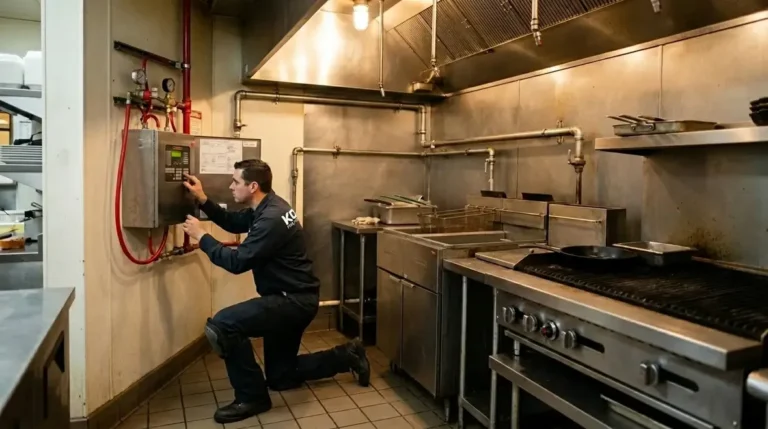
- Maintenance: The ventilation system should be cleaned and maintained regularly, to prevent the buildup of grease and other contaminants. This includes cleaning the hood, filters, and ductwork, as well as checking the system’s performance.
I once worked with a restaurant where the ventilation system was so poorly maintained that grease had built up in the ductwork, creating a fire hazard. The result? A health inspection that nearly shut them down, and a costly repair bill. The fix? Installing a new ventilation system and implementing a regular maintenance schedule. It’s a big investment, but it’s one that can save you money (and headaches) in the long run.
Flooring: The Foundation of Food Safety
Flooring is another often-overlooked factor in commercial kitchen design. It’s not just about aesthetics or durability. The right flooring can prevent slips, falls, and other accidents, while also making it easier to clean and sanitize the kitchen. But here’s the thing: most kitchens I’ve seen have flooring that’s either too slippery, too porous, or too difficult to clean.
Here’s why flooring matters:
- Safety: The flooring should be slip-resistant, to prevent accidents like slips and falls. This is especially important in wet areas, like the dish pit or prep station.
- Cleanliness: The flooring should be easy to clean and sanitize, to prevent the buildup of bacteria and other pathogens. This means choosing a material that’s non-porous and resistant to stains and odors.
- Durability: The flooring should be durable enough to withstand the wear and tear of a busy kitchen. This means choosing a material that’s resistant to scratches, dents, and other damage.
- Comfort: The flooring should be comfortable to stand on for long periods, to prevent fatigue and other health issues. This means choosing a material that’s cushioned or anti-fatigue.
So how do you choose the right flooring for your kitchen? Here are a few tips:
- Material: The best materials for commercial kitchen flooring are quarry tile, epoxy, or sealed concrete. These materials are non-porous, slip-resistant, and easy to clean. They’re also durable and long-lasting, making them a good investment for any kitchen.
- Texture: The flooring should have a textured surface, to provide traction and prevent slips and falls. This is especially important in wet areas, like the dish pit or prep station.
- Color: The flooring should be a light color, to make it easier to spot dirt, grime, and other contaminants. This is important for cleanliness and food safety.
- Installation: The flooring should be installed by a professional, to ensure that it’s level, secure, and free of gaps or cracks. This is important for safety and cleanliness.
I once consulted for a restaurant where the flooring was so slippery that staff were constantly slipping and falling. The result? Injuries, lost productivity, and a health inspection that nearly shut them down. The fix? Installing new, slip-resistant flooring and implementing a regular cleaning schedule. It’s a small change, but it made a big difference in safety and morale.
The Human Factor: How Training and Culture Amplify (or Undermine) Layout
Why the Best Layout in the World Won’t Save You Without the Right Team
Let’s be real: even the most perfectly designed kitchen layout won’t save you if your staff doesn’t know how to use it. I’ve seen kitchens with state-of-the-art equipment and flawless workflows fail because the team didn’t understand the basics of food safety. On the flip side, I’ve seen kitchens with mediocre layouts thrive because the staff was well-trained and committed to safety. The difference? Culture.
Here’s the thing: a kitchen layout is only as good as the people who work in it. No matter how well-designed your zoning, workflow, or equipment placement is, it won’t matter if your staff doesn’t follow the rules. That’s why training and culture are just as important as design when it comes to food safety. Let’s break it down.
Training: The Missing Link Between Design and Safety
Training isn’t just about teaching staff how to wash their hands or check the temperature of cooked food. It’s about helping them understand *why* these practices matter, and how the kitchen’s layout supports (or undermines) them. For example, if your staff doesn’t know that the raw prep zone is off-limits to servers, they might not understand why the layout separates it from the RTE zone. Without that context, they’re more likely to take shortcuts.
Here’s how to train your staff for maximum safety:
- Start with the basics: Before diving into the specifics of your kitchen’s layout, make sure your staff understands the fundamentals of food safety. This includes topics like handwashing, cross-contamination, temperature control, and personal hygiene. Use real-world examples to drive home the importance of these practices.
- Explain the layout: Once your staff understands the basics, explain how your kitchen’s layout supports food safety. For example, show them how the zoning system prevents cross-contamination, or how the workflow minimizes the time food spends in the danger zone. Use visual aids, like floor plans or diagrams, to help them understand the big picture.
- Demonstrate best practices: Don’t just tell your staff what to do, show them. For example, demonstrate how to move safely between the raw and RTE zones, or how to use the handwashing sinks properly. Encourage them to ask questions and provide feedback.
- Reinforce with signage: Use signage to reinforce best practices and remind staff of the rules. For example, place signs near handwashing sinks reminding staff to wash their hands, or near the walk-in reminding them to check temperatures. Make sure the signage is clear, concise, and easy to read.
- Test and retest: Training isn’t a one-and-done deal. Regularly test your staff’s knowledge of food safety practices, and provide refresher training as needed. Use quizzes, role-playing exercises, or even surprise inspections to keep them on their toes.
I once worked with a restaurant where the staff was well-trained in food safety, but they didn’t understand how the kitchen’s layout supported those practices. The result? They would often take shortcuts, like walking through the raw prep zone to grab clean dishes. The fix? Explaining the layout’s design and how it supported food safety. It’s a small change, but it made a big difference in compliance.
Culture: The Glue That Holds It All Together
Training is important, but it’s not enough. To create a truly safe kitchen, you need a culture that values food safety. That means fostering an environment where staff feel empowered to speak up when they see something wrong, and where managers lead by example. Here’s how to build a food safety culture in your kitchen:
- Lead by example: Managers and chefs should model the behavior they want to see in their staff. That means following food safety practices themselves, and holding others accountable when they don’t. If the chef is seen taking shortcuts, the rest of the staff will follow suit.
- Encourage open communication: Staff should feel comfortable speaking up when they see something wrong, without fear of retribution. Encourage them to ask questions, provide feedback, and report issues. Make it clear that food safety is everyone’s responsibility.
- Recognize and reward: Recognize and reward staff who go above and beyond to maintain food safety. This could be as simple as a shout-out in a team meeting, or as elaborate as a bonus or promotion. The goal is to create a culture where food safety is valued and celebrated.
- Make it fun: Food safety doesn’t have to be boring. Use games, contests, or other fun activities to reinforce best practices. For example, you could hold a handwashing contest, or a “spot the hazard” game where staff identify potential food safety risks in the kitchen.
- Continuous improvement: Food safety is an ongoing process, not a one-time event. Regularly review your practices, solicit feedback from staff, and make improvements as needed. Encourage staff to share their ideas for making the kitchen safer and more efficient.
I once consulted for a restaurant where the culture was so toxic that staff were afraid to speak up when they saw something wrong. The result? A string of food safety violations, a health inspection that nearly shut them down, and a high turnover rate. The fix? Building a culture of open communication and accountability. It’s a big change, but it’s one that can transform a kitchen from a liability to an asset.
The Future of Kitchen Design: How Technology Is Changing the Game
From Smart Sinks to AI Monitoring: The Next Frontier of Food Safety
Let’s talk about the future. Or, more accurately, the *present*-because the future of commercial kitchen design is already here. Technology is transforming the way we think about food safety, from smart sensors that monitor temperatures in real-time to AI-powered cameras that detect cross-contamination. And while these tools aren’t a substitute for good design, they’re becoming an increasingly important part of the equation.
Here’s a look at some of the most exciting technologies shaping the future of kitchen design:
- Smart sensors: These devices monitor everything from temperature and humidity to air quality and equipment performance. For example, smart thermometers can alert staff when food is in the danger zone, while smart scales can track inventory levels and prevent overstocking. These tools help prevent spoilage, reduce waste, and ensure that food stays at a safe temperature.
- AI-powered cameras: These cameras use artificial intelligence to detect food safety risks in real-time. For example, they can identify when a staff member fails to wash their hands, or when raw ingredients are stored in the wrong place. They can also track workflow patterns, helping managers identify bottlenecks and inefficiencies.
- Automated cleaning systems: These systems use robots or other automated tools to clean and sanitize the kitchen. For example, automated floor scrubbers can clean the kitchen at night, while UV sanitizers can disinfect surfaces without the need for chemicals. These tools help reduce the risk of cross-contamination and improve overall cleanliness.
- Digital checklists: These tools replace paper checklists with digital ones, making it easier to track food safety practices. For example, staff can use a tablet to log temperatures, record cleaning tasks, or report issues. These tools help improve compliance and reduce the risk of human error.
- Predictive analytics: These tools use data to predict food safety risks before they happen. For example, they can analyze temperature logs to identify patterns that might indicate a problem, or track inventory levels to prevent overstocking. These tools help managers stay one step ahead of potential issues.
But here’s the thing: technology is only as good as the people who use it. No matter how advanced your tools are, they won’t make a difference if your staff doesn’t understand how to use them. That’s why training and culture are still the most important factors in food safety.
I once worked with a restaurant that installed a state-of-the-art AI-powered camera system to monitor food safety. The problem? The staff didn’t understand how to use it, and they saw it as a surveillance tool rather than a safety tool. The result? They ignored the alerts, and the system became little more than an expensive paperweight. The fix? Training the staff on how to use the system and explaining its benefits. It’s a small change, but it made a big difference in compliance.
Sustainability and Safety: Can You Have Both?
Sustainability is another trend shaping the future of commercial kitchen design. From energy-efficient equipment to waste-reducing workflows, more and more kitchens are embracing eco-friendly practices. But here’s the question: can you be sustainable *and* safe?
The answer is yes, but it requires careful planning. Here’s how to design a kitchen that’s both sustainable and safe:
- Energy-efficient equipment: Look for equipment that’s ENERGY STAR certified, or that uses alternative energy sources like solar or wind power. These tools can help reduce your kitchen’s carbon footprint without sacrificing safety.
- Waste-reducing workflows: Design your kitchen’s workflow to minimize waste. For example, place the compost bin near the prep station, or use a “first in, first out” (FIFO) system to prevent spoilage. These practices can help reduce waste without compromising food safety.
- Sustainable materials: Choose materials that are both durable and eco-friendly. For example, opt for flooring made from recycled materials, or countertops made from sustainable sources. These materials can help reduce your kitchen’s environmental impact without sacrificing safety.
- Water-saving technologies: Look for equipment that uses less water, like low-flow faucets or water-efficient dishwashers. These tools can help reduce your kitchen’s water usage without compromising cleanliness.
- Local sourcing: Source ingredients from local suppliers to reduce your kitchen’s carbon footprint. This can also help improve food safety, as locally sourced ingredients are often fresher and less likely to spoil.
I once consulted for a restaurant that wanted to go green, but they were worried about compromising food safety. The result? We designed a kitchen that was both sustainable and safe, using energy-efficient equipment, waste-reducing workflows, and sustainable materials. It’s a big investment, but it’s one that can pay off in the long run, both for the environment and for your bottom line.
Putting It All Together: How to Audit Your Kitchen’s Layout for Safety
A Step-by-Step Guide to Identifying (and Fixing) Hidden Risks
Alright, let’s bring it all together. You’ve read about zoning, workflow, equipment placement, and all the other factors that impact food safety. Now what? How do you take this information and apply it to your own kitchen? The answer: a layout audit. This is a systematic review of your kitchen’s design, with the goal of identifying hidden risks and making improvements. Here’s how to do it:
Step 1: Map Your Kitchen
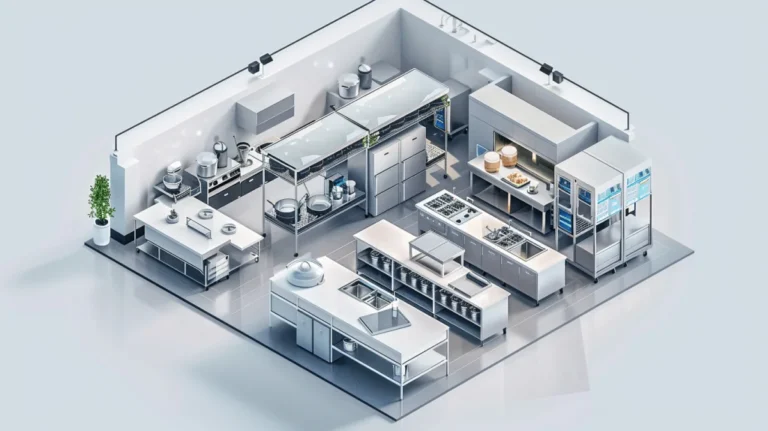
The first step in any layout audit is to create a map of your kitchen. This doesn’t have to be fancy, just a simple floor plan that shows the location of all major equipment, workstations, and storage areas. You can use graph paper, a whiteboard, or even a digital tool like SketchUp or AutoCAD. The goal is to get a bird’s-eye view of your kitchen, so you can identify potential risks.
Here’s what to include in your map:
- All major equipment (ovens, grills, fryers, etc.)
- Workstations (prep, cooking, RTE, etc.)
- Storage areas (walk-in, dry storage, etc.)
- Handwashing sinks and dish pits
- Traffic patterns (how staff move through the kitchen)
- Zones (raw, cooking, RTE, etc.)
Once you have your map, take a step back and look for potential risks. Are there any areas where raw ingredients could cross paths with ready-to-eat food? Are there any bottlenecks or high-traffic areas that could lead to accidents? Are there any equipment placement issues that could affect safety?
Step 2: Walk Through the Workflow
The next step is to walk through your kitchen’s workflow, from receiving to service to dishwashing. This is where you’ll identify potential risks in the flow of food. Here’s what to look for:
- Receiving: Is the receiving area located away from the cooking and RTE zones? Is it easy to inspect deliveries for signs of spoilage or contamination?
- Storage: Are ingredients stored in the right place (e.g., raw meats on the bottom shelf, ready-to-eat foods on the top)? Is the walk-in close enough to the prep station to minimize the time ingredients spend at room temperature?
- Prep: Is the prep zone isolated from the cooking and RTE zones? Are raw ingredients kept separate from ready-to-eat foods? Are handwashing sinks located near the prep station?
- Cooking: Is the cooking zone designed to minimize the time food spends in the danger zone? Are hot holding stations located near the cooking zone to keep food at a safe temperature?
- Plating: Is the RTE zone a “clean room” of sorts, with strict rules about who enters and what they bring in? Are plating stations located away from high-risk areas?
- Service: Is the pass or expediting station clean, organized, and free of clutter? Are servers able to grab food without crossing through high-risk areas?
- Dishwashing: Is the dish pit located away from the cooking and RTE zones? Is it designed to create a one-way flow of dirty dishes, from the dining area to the dish pit to the storage area?
As you walk through the workflow, take notes on any potential risks or inefficiencies. For example, if you notice that servers are constantly crossing through the raw prep zone to grab clean dishes, that’s a red flag. Similarly, if you see that ingredients are left out on counters for long periods, that’s another risk to address.
Step 3: Check Equipment Placement
The next step is to review the placement of all major equipment in your kitchen. This is where you’ll identify potential risks related to accessibility, visibility, and workflow. Here’s what to look for:
- Walk-in cooler: Is the walk-in close enough to the prep station to minimize the time ingredients spend at room temperature? Is it located away from heat sources like ovens or grills?
- Handwashing sinks: Are handwashing sinks located at every major transition point in the kitchen? Are they easy to access, with no obstacles or clutter blocking the way?
- Dish pit: Is the dish pit located away from the cooking and RTE zones? Is it designed to create a one-way flow of dirty dishes?
- Cooking equipment: Is cooking equipment placed to minimize the risk of cross-contamination? For example, are fryers located away from grills, to prevent grease splatter?
- Storage: Are storage areas organized to minimize the time staff spend searching for ingredients? For example, are ingredients stored in clear, labeled bins, with a logical storage system?
As you review equipment placement, take notes on any potential risks or inefficiencies. For example, if you notice that the walk-in is located too far from the prep station, that’s a risk to address. Similarly, if you see that handwashing sinks are tucked away in a corner, that’s another red flag.
Step 4: Review Lighting, Ventilation, and Flooring
The next step is to review the kitchen’s lighting, ventilation, and flooring. These factors might seem minor, but they play a critical role in food safety. Here’s what to look for:
- Lighting: Is the kitchen brightly lit, with a minimum of 50 foot-candles in all work areas? Are critical areas, like prep stations and cooking zones, even brighter? Is the lighting placed to minimize shadows and glare?
- Ventilation: Is the ventilation system sized to handle the kitchen’s cooking load? Is the hood placed directly above the cooking equipment, to capture smoke, steam, and grease? Is the system cleaned and maintained regularly?
- Flooring: Is the flooring slip-resistant, easy to clean, and durable? Is it a light color, to make it easier to spot dirt and grime? Is it installed properly, with no gaps or cracks?
As you review these factors, take notes on any potential risks or inefficiencies. For example, if you notice that the kitchen is dimly lit, that’s a risk to address. Similarly, if you see that the ventilation system is poorly maintained, that’s another red flag.
Step 5: Identify and Prioritize Risks
The final step in your layout audit is to identify and prioritize the risks you’ve uncovered. This is where you’ll decide which issues to address first, based on their severity and impact. Here’s how to do it:
- List all risks: Start by listing all the potential risks you’ve identified in your audit. This could include everything from cross-contamination risks to equipment placement issues.
- Rank by severity: Next, rank each risk by severity. For example, a cross-contamination risk (like raw chicken stored next to ready-to-eat food) is more severe than a minor equipment placement issue (like a handwashing sink that’s slightly out of place).
- Rank by impact: Then, rank each risk by impact. For example, a risk that affects a large portion of the kitchen (like a poorly designed workflow) has a higher impact than a risk that affects only one area (like a dimly lit prep station).
- Prioritize: Finally, prioritize the risks based on their severity and impact. Start with the most severe, high-impact risks, and work your way down the list.
Once you’ve prioritized the risks, it’s time to make a plan to address them. This could involve everything from rearranging equipment to retraining staff to investing in new technology. The key is to take action, because the longer you wait, the greater the risk.
Final Thoughts: The Layout Is the Foundation
Here’s the thing I’ve learned after years of working with commercial kitchens: the layout isn’t just a blueprint. It’s the foundation of food safety. A well-designed kitchen doesn’t just make service smoother, it prevents outbreaks, reduces waste, and keeps your staff (and customers) safe. But here’s the catch: no layout is perfect. Even the best-designed kitchens have flaws, and even the most experienced chefs make mistakes.
That’s why it’s so important to approach kitchen design with a critical eye. Don’t just accept the status quo, question it. Ask yourself: Is this the best approach? Could we do better? What’s the worst that could happen if we don’t fix this? The answers might surprise you.
I’ll leave you with a challenge. Next time you’re in a restaurant, take a peek into the kitchen (if you can). Look at the layout, the workflow, the equipment placement. Do you see any red flags? Any potential risks? If you do, don’t be afraid to speak up. Food safety is everyone’s responsibility, and the more we talk about it, the safer we’ll all be.
So, what’s the one change you’re going to make in your kitchen? Maybe it’s moving the walk-in closer to the prep station. Maybe it’s adding a second handwashing sink. Or maybe it’s something bigger, like redesigning the entire workflow. Whatever it is, don’t wait. Start small, but start now. Because when it comes to food safety, every little bit counts.
FAQ
Q: What’s the most common layout mistake that leads to food safety issues?
A: The most common mistake I see is poor zoning, specifically, failing to separate raw and ready-to-eat areas. When raw ingredients (like chicken or seafood) are prepped too close to ready-to-eat foods (like salads or desserts), cross-contamination becomes almost inevitable. Even something as simple as a server walking through the raw prep zone to grab clean dishes can spread bacteria. The fix? Create clear, physical barriers between zones, and train staff to respect those boundaries. If space is tight, use color-coded cutting boards, separate utensils, and strict handwashing protocols to minimize risk.
Q: How do I know if my kitchen’s workflow is efficient enough for food safety?
A: A good workflow minimizes the time food spends in the danger zone (41°F to 135°F) and reduces the need for staff to cross through high-risk areas. To test your workflow, try this: time how long it takes for a single ingredient (like a chicken breast) to move from the walk-in to the plate. If it’s more than 30 minutes, you’ve got a problem. Also, watch how staff move through the kitchen during peak hours. If they’re constantly crossing paths or taking shortcuts through high-risk areas, your workflow needs an overhaul. The goal is a “one-way flow” where raw ingredients, cooked food, and clean dishes never intersect.
Q: Are there any quick fixes for a poorly designed kitchen, or do I need a full renovation?
A: You don’t always need a full renovation, sometimes, small changes can make a big difference. For example, if your walk-in is too far from the prep station, consider adding a small under-counter fridge for frequently used ingredients. If servers are crossing through the raw prep zone, create a separate path for them (even if it’s just a temporary barrier like a rolling rack). If handwashing sinks are underused, move them to high-traffic areas or add signage to remind staff. The key is to identify the biggest risks first and address them with the least invasive fixes. That said, if your kitchen is fundamentally flawed (like a layout that forces raw and RTE zones to overlap), a renovation might be the only long-term solution.
Q: How often should I audit my kitchen’s layout for food safety risks?
A: At a minimum, you should audit your kitchen’s layout once a year, or whenever you make significant changes (like adding new equipment or changing the menu). But here’s the thing: food safety isn’t a one-and-done deal. The best kitchens are constantly evolving, and so should your layout. I recommend doing a quick walkthrough every quarter to check for new risks. For example, if you’ve recently added a new dish that requires raw ingredients, you might need to adjust your zoning. Or if you’ve noticed an uptick in cross-contamination incidents, it might be time to rethink your workflow. The goal is to stay proactive, because the longer you wait, the greater the risk.
@article{how-commercial-kitchen-layouts-impact-food-safety-the-hidden-blueprint-behind-every-meal,
    title   = {How Commercial Kitchen Layouts Impact Food Safety: The Hidden Blueprint Behind Every Meal},
    author  = {Chef's icon},
    year    = {2026},
    journal = {Chef's Icon},
    url     = {https://chefsicon.com/how-commercial-kitchen-layouts-impact-food-safety/}
}