The Best Fluffy Pancakes recipe you will fall in love with. Full of tips and tricks to help you make the best pancakes.
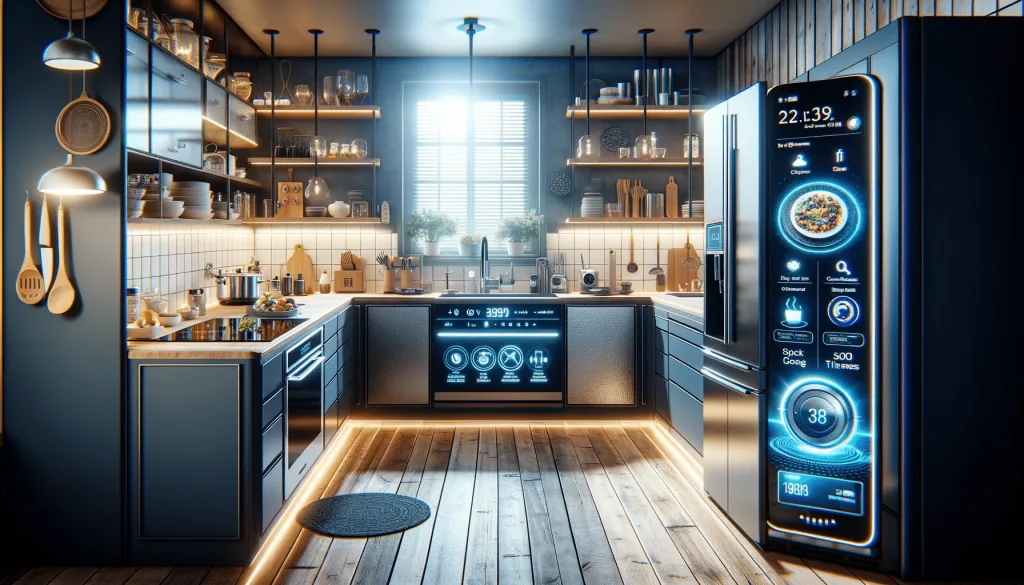
I’ll admit it, I used to think food waste was just part of the restaurant business. You order too much, some of it spoils, you toss it. End of story. But after spending the last few months digging into how smart kitchen technology is changing the game, I’m starting to realize how wrong I was. This isn’t just about saving a few bucks on groceries. It’s about rethinking how restaurants operate, from the back of house to the front door, and maybe even how we value food itself.
Last week, I was chatting with a chef friend in Nashville who runs a mid-sized farm-to-table spot. He told me about the time his walk-in fridge failed overnight, and by morning, he’d lost $3,000 in organic produce. No warning, no backup plan, just a silent disaster. That’s when he started looking into smart refrigeration systems with real-time monitoring. Now, his phone buzzes if the temperature fluctuates even a degree. “It’s like having a second set of eyes,” he said. “And those eyes never sleep.”
But here’s the thing: reducing food waste in restaurants isn’t just about preventing disasters. It’s about precision, prediction, and a little bit of psychology. Smart tech doesn’t just tell you what’s going wrong, it shows you patterns you never noticed before. Like how that extra case of avocados you order every Tuesday is actually spoiling 30% of the time because your prep team can’t keep up. Or how your “special of the day” is consistently left unfinished because customers just aren’t biting. These aren’t just numbers on a spreadsheet; they’re opportunities to do better.
In this article, we’re going to break down how smart kitchen systems are reshaping the way restaurants handle food waste, from inventory tracking to AI-powered menu planning. We’ll look at real-world examples, the tech behind the scenes, and why some chefs are still skeptical. By the end, you’ll have a clearer picture of whether this is the future of dining or just another overhyped trend. (Spoiler: I think it’s both.)
The Hidden Cost of Food Waste (And Why Restaurants Can’t Ignore It Anymore)
Let’s start with the numbers, because they’re kind of staggering. The average restaurant throws away between 4% and 10% of the food it buys before it even reaches a customer’s plate. That’s not just bad for the environment, it’s a direct hit to the bottom line. For a mid-sized restaurant doing $2 million in annual sales, that could mean $80,000 to $200,000 wasted every year. And that’s before we even talk about post-consumer waste-the uneaten food that comes back on plates.
But here’s what really gets me: most of this waste isn’t from carelessness. It’s from systemic inefficiencies. Over-ordering because you’re not sure what’s already in stock. Prepping too much of a dish because you don’t know how many people will actually order it. Letting ingredients spoil because your fridge’s temperature isn’t consistent. These are problems that have plagued restaurants for decades. The difference now? We finally have the tools to fix them.
I remember talking to a line cook in Chicago who put it this way: “We’re not lazy. We’re just guessing.” And that’s the thing, restaurants have always operated on a mix of experience and intuition. But intuition can only take you so far when you’re dealing with perishable ingredients, fluctuating customer demand, and a supply chain that’s more unpredictable than ever. That’s where smart kitchen tech comes in. It’s not about replacing human judgment; it’s about giving chefs and managers the data they need to make smarter decisions.
So why aren’t more restaurants jumping on this? Well, there’s the cost, for one. Outfitting a kitchen with smart sensors, inventory software, and AI-powered analytics isn’t cheap. Then there’s the learning curve. Training staff to use new systems takes time, and in an industry where turnover is high, that’s a real concern. But the biggest hurdle might just be mindset. For a lot of chefs, cooking is an art, not a science. The idea of letting algorithms dictate what they order or prep can feel like a threat to their creativity. (I get it. I’d be skeptical too.)
How Smart Tech Is Tackling Food Waste at Every Stage
1. Inventory Management: The Silent Killer of Profits
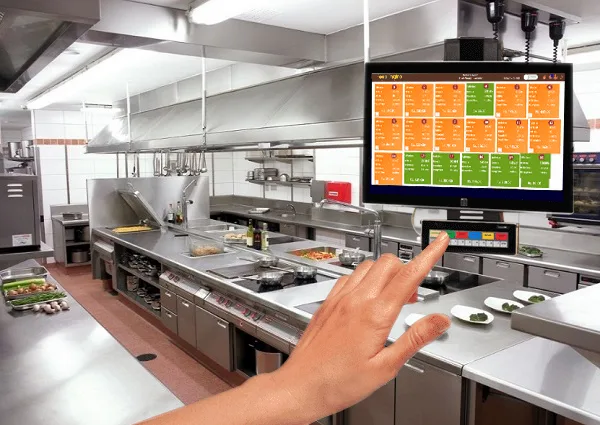
If you’ve ever worked in a restaurant, you know the drill: someone writes down what’s in the walk-in on a clipboard, and by the end of the week, half of it’s guesswork. Smart inventory systems change that by using a mix of barcode scanning, weight sensors, and even AI-powered cameras to track what’s coming in and what’s going out. No more “eyeballing” how many tomatoes are left or forgetting about that case of basil in the back corner.
One system I’ve been looking at is called MarketMan, which integrates with POS systems to track inventory in real time. When you ring up a dish, it automatically deducts the ingredients from your stock. No more manual counts, no more surprises. And here’s the kicker: it can predict when you’re about to run out of something based on historical data. So instead of ordering the same amount every week and hoping for the best, you get a nudge when it’s time to reorder, and how much to get.
But what about the stuff that doesn’t get scanned? Like herbs, spices, or bulk ingredients? That’s where smart scales come in. Companies like Winnow have developed scales that sit under trash bins and weigh food waste as it’s thrown away. The system then categorizes the waste, prep scraps, spoiled ingredients, plate waste, and generates reports showing where you’re losing the most. It’s not pretty, but it’s eye-opening. One restaurant I talked to cut their food waste by 50% in six months just by seeing where they were over-prepping.
Is this the best approach? I’m torn. On one hand, it’s hard to argue with results. But on the other, there’s something a little dystopian about a scale tracking every onion peel. Maybe I’m overthinking it. Or maybe we should be asking: is there a way to reduce waste without turning kitchens into surveillance zones?
2. Smart Refrigeration: The Unsung Hero of Food Preservation
Let’s talk about fridges. Not the most exciting topic, I know, but hear me out. A smart refrigeration system can be the difference between keeping your ingredients fresh for days or losing them to spoilage overnight. These systems use sensors to monitor temperature, humidity, and even air quality inside the fridge, adjusting settings automatically to keep food at its optimal condition. Some can even detect when a door is left open too long and send an alert to your phone.
I recently toured a restaurant in Austin that had just installed a True Manufacturing smart fridge with remote monitoring. The chef showed me how he could check the temperature of every unit in the kitchen from his phone, even when he was off-site. “I used to lose sleep worrying about the walk-in,” he said. “Now, I get a text if something’s off. It’s like having a night watchman for my food.”
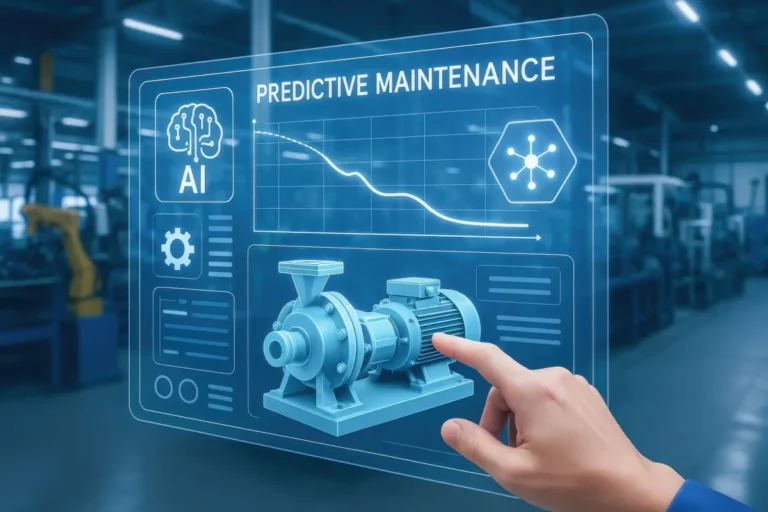
But it’s not just about preventing disasters. Some smart fridges, like those from Emerson, use AI to predict when ingredients are about to spoil based on how long they’ve been stored and how often the fridge is opened. They’ll even suggest recipes to use up ingredients that are nearing their expiration date. It’s like having a sous chef who’s obsessed with reducing waste.
Of course, not every restaurant can afford to replace their fridges. That’s where companies like Chef’s Deal come in. They offer a range of smart refrigeration options, from high-end units with all the bells and whistles to more affordable models that still include essential features like temperature monitoring and alert systems. Plus, their free kitchen design services can help restaurants figure out the best setup for their space and budget. It’s a good reminder that you don’t have to go all-in on tech to see benefits.
3. AI-Powered Menu Planning: Because Guessing Is Expensive
Here’s a question: how do you decide what goes on your menu? If you’re like most restaurants, it’s a mix of customer feedback, chef’s intuition, and maybe a little trial and error. But what if you could use data to predict which dishes will sell, and which ones will just end up in the trash?
That’s where AI-powered menu planning comes in. Tools like Toast’s Menu Intelligence analyze sales data, customer preferences, and even weather patterns to predict demand. They’ll tell you which dishes are most popular on rainy days, which ones are consistently left unfinished, and which ingredients are being wasted the most. Armed with that info, you can tweak your menu to reduce waste without sacrificing customer satisfaction.
I saw this in action at a pizzeria in Brooklyn. They were using an AI tool to adjust their daily specials based on what was selling and what was spoiling. If they had a surplus of mushrooms, the system would suggest a mushroom-heavy special. If sales of their eggplant parm were slow, it would recommend a discount to move inventory before it went bad. The result? They cut their food waste by 30% in three months.
But here’s the thing: AI isn’t perfect. It can’t account for the intangibles, the chef’s creativity, the customer’s mood, the randomness of human behavior. And let’s be honest, there’s something a little unnerving about letting an algorithm dictate what you cook. What if it tells you to stop making your signature dish because it’s not “optimized” for sales? Where do you draw the line between efficiency and authenticity?
4. Dynamic Pricing: The Uber Surge of Restaurant Menus
You know how Uber charges more when demand is high? Some restaurants are starting to do the same thing, with food. Dynamic pricing uses AI to adjust menu prices in real time based on demand, time of day, and even weather. The goal? To smooth out demand and reduce waste by encouraging customers to order dishes that are about to spoil.
For example, a restaurant might lower the price of a dish made with ingredients that are nearing their expiration date. Or they might offer a discount on a slow-moving item during off-peak hours. It’s not about gouging customers; it’s about using price as a tool to balance supply and demand. And in some cases, it can actually make dining more affordable.
I’ll admit, this one makes me a little uncomfortable. There’s something about fluctuating menu prices that feels… off. Like we’re turning food into a commodity. But then again, isn’t that what restaurants already do? They charge more for dishes that are in high demand. The difference here is that the pricing is transparent and data-driven, not just based on gut feeling.
One restaurant in San Francisco tried this with their happy hour menu. They used AI to adjust prices based on what was selling and what was about to spoil. If their salmon special wasn’t moving, they’d drop the price by a few bucks. If their truffle fries were flying off the shelves, they’d keep the price steady. The result? They reduced their happy hour waste by 40% and actually saw an increase in customer satisfaction. Turns out, people like getting a deal, even if it’s not the same deal every time.
5. Waste Tracking and Analytics: The Truth in the Trash
Let’s talk about trash. Not the most glamorous topic, but it’s where the real insights lie. Waste tracking systems use sensors, cameras, and AI to analyze what’s being thrown away, and why. They can tell you if you’re over-prepping certain dishes, if customers are consistently leaving food on their plates, or if certain ingredients are spoiling faster than expected.
One system I’ve been impressed with is Leanpath, which uses a combination of scales and cameras to track food waste. Employees log what they’re throwing away, and the system generates reports showing where waste is happening. It’s not just about identifying problems; it’s about creating a culture of accountability. When staff can see the impact of their actions, they’re more likely to change their behavior.
I saw this in action at a hotel restaurant in Miami. They’d been struggling with plate waste, customers were consistently leaving food on their plates, especially at the buffet. Leanpath’s system showed them that their portion sizes were 20% larger than industry standards. So they tweaked their recipes, adjusted their plating, and started offering smaller portions for a lower price. The result? Plate waste dropped by 25%, and customer satisfaction actually went up. People appreciated having the option to order less.
But here’s the thing: tracking waste isn’t just about reducing costs. It’s about changing how we think about food. When you see the numbers, how much money you’re throwing away, how many resources went into producing that food, it’s hard not to feel a little guilty. And maybe that’s the point. Maybe the real value of these systems isn’t just in the data; it’s in the way they force us to confront our own habits.
Why Some Chefs Are Still Skeptical (And Whether They’re Right)
Not everyone is sold on the smart kitchen revolution. Some chefs argue that these systems take the artistry out of cooking, turning it into a numbers game. Others worry about the cost, the learning curve, or the idea of letting algorithms dictate their decisions. And let’s be honest, there’s something to be said for intuition. A good chef can walk into a walk-in and know exactly what’s about to spoil just by looking at it. Can a sensor really replace that?
I get it. I really do. There’s a part of me that resists the idea of turning kitchens into data-driven factories. Cooking is about creativity, about passion, about the human touch. But here’s the thing: smart tech isn’t about replacing chefs. It’s about giving them better tools. It’s about freeing them up to focus on what they do best, creating amazing food, while the tech handles the logistics.
Take inventory management, for example. A chef shouldn’t have to spend hours every week counting tomatoes and onions. That’s time they could be spending on menu development, staff training, or even just taking a much-needed break. Smart systems can handle the grunt work, leaving chefs to do what they love.
And let’s not forget the financial side. For a lot of restaurants, especially small ones, the upfront cost of smart tech can be a barrier. But when you consider the long-term savings, less waste, more efficient operations, happier customers, it starts to look like an investment, not an expense. Companies like Chef’s Deal offer financing options and expert consultation to help restaurants make the transition without breaking the bank. It’s not about buying the fanciest gadgets; it’s about finding the right tools for your needs.
So are the skeptics right? Maybe. But I think the real question isn’t whether smart tech is perfect, it’s whether we can afford to ignore it. The restaurant industry is changing, and the ones that thrive will be the ones that adapt. That doesn’t mean losing the soul of cooking; it means using every tool at our disposal to do it better.
The Future of Smart Kitchens (And Why It’s Not Just About Tech)
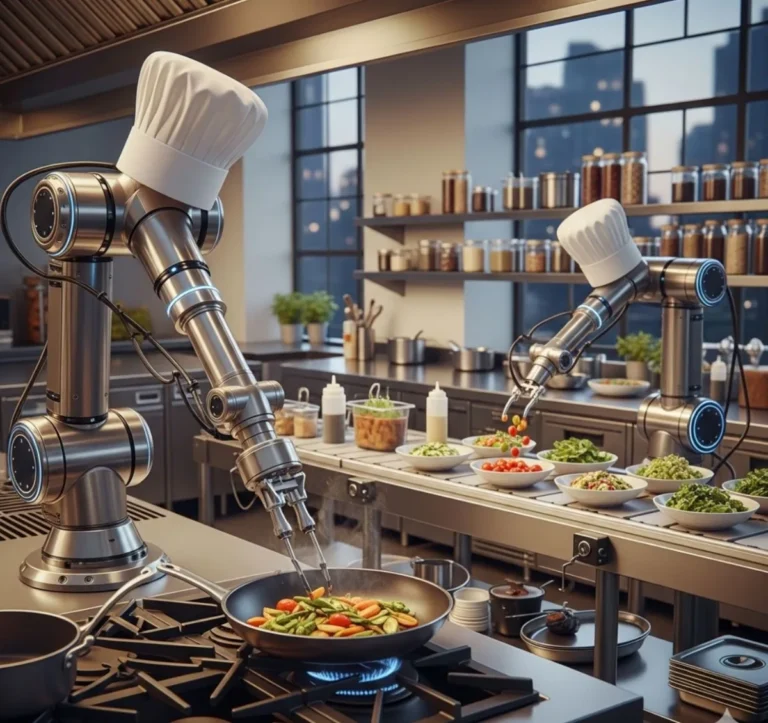
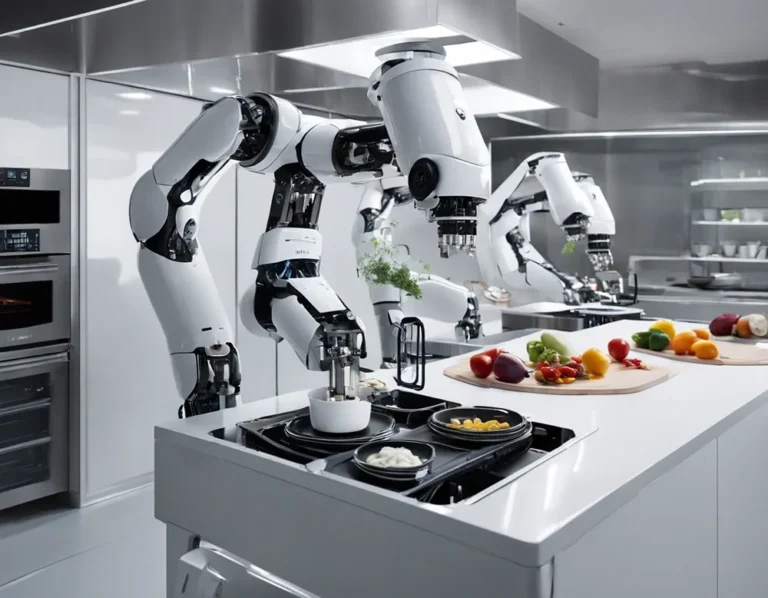
So where do we go from here? If the past few years are any indication, smart kitchen technology is only going to get more advanced. We’re already seeing AI that can predict customer preferences, robots that can chop vegetables, and fridges that can order groceries when they’re running low. But I think the real breakthroughs won’t come from the tech itself; they’ll come from how we use it.
Take sustainability, for example. Right now, most smart kitchen systems are focused on reducing waste to save money. But what if we started using them to track our environmental impact? What if restaurants could see not just how much money they’re wasting, but how much water, energy, and carbon went into producing that wasted food? That kind of transparency could change the way we think about dining, and maybe even the way we eat.
Or what about community impact? Some restaurants are already using smart tech to donate surplus food to local shelters. Imagine if every restaurant had a system that could automatically alert food banks when they had excess inventory. We could turn food waste into a force for good.
But here’s the thing: none of this will happen if we don’t change our mindset. Tech is just a tool. It’s up to us to decide how to use it. And that means asking tough questions. Like: are we using smart tech to make restaurants more efficient, or are we using it to make them more human? Are we reducing waste because it’s good for the bottom line, or because it’s the right thing to do?
I don’t have all the answers. But I do know this: the restaurants that succeed in the future won’t be the ones with the fanciest gadgets. They’ll be the ones that use tech to create better experiences, for their customers, their staff, and their communities. And maybe, just maybe, they’ll help us all see food in a new light.
Putting It All Together: How to Get Started with Smart Kitchen Tech
So you’re convinced. Smart kitchen tech can reduce food waste, save money, and maybe even make your restaurant run smoother. But where do you start? The options can feel overwhelming, and the last thing you want is to invest in a system that doesn’t fit your needs. Here’s a step-by-step guide to getting started, without the headache.
1. Start Small (But Think Big)
You don’t need to overhaul your entire kitchen overnight. In fact, it’s better to start with one or two key areas where you know you’re losing money. Is your walk-in fridge a black hole of forgotten ingredients? Start with a smart refrigeration system. Are you constantly over-ordering produce? Look into an inventory management tool.
I talked to a chef in Portland who started with a simple waste-tracking scale. It cost less than $1,000, and within a month, he’d identified three major sources of waste in his kitchen. From there, he added a smart thermometer to his walk-in and a POS-integrated inventory system. It wasn’t an overnight transformation, but it was a start, and it gave him the confidence to keep going.
2. Do Your Research (But Don’t Get Paralyzed by It)
There are a lot of options out there, and it’s easy to get stuck in analysis paralysis. Should you go with a full-service platform like MarketMan or Toast, or start with a single tool like Winnow’s waste tracker? The answer depends on your budget, your needs, and your team’s tech-savviness.
One thing I’ve learned: don’t just look at the features. Look at the support. How easy is it to get help when something goes wrong? Is there training available for your staff? What do other restaurants say about their experience? Companies like Chef’s Deal offer free kitchen design consultations, which can be a great way to get expert advice without committing to a purchase. It’s like test-driving a car before you buy it.
3. Get Your Team on Board (Because Tech Is Useless Without People)
Here’s the hard truth: no matter how advanced your tech is, it won’t work if your team isn’t using it. And let’s be honest, change can be hard, especially in a fast-paced kitchen. The key is to make it as easy as possible for your staff to adopt new tools.
Start by explaining why you’re making the change. Frame it in terms of their pain points. “This system will help us reduce waste, which means less time spent taking out the trash and more time cooking.” Then, provide training, not just once, but ongoing. And listen to their feedback. If a tool isn’t working for them, it’s not the right tool.
I remember talking to a line cook who hated the new waste-tracking system his restaurant installed. “It’s just one more thing to do,” he said. But when the chef showed him how the data was helping them adjust prep quantities, he started to see the value. “Now I don’t have to stay late cleaning up after a shift,” he told me. “That’s worth a few extra clicks.”
4. Measure Your Success (But Don’t Obsess Over the Numbers)
One of the biggest benefits of smart kitchen tech is the data. You can track everything from inventory turnover to plate waste to customer preferences. But data is only useful if you act on it. Set clear goals, like reducing food waste by 20% in six months, and check in regularly to see how you’re doing.
But here’s the thing: don’t get so caught up in the numbers that you lose sight of the bigger picture. The goal isn’t just to reduce waste; it’s to create a better restaurant. Maybe that means happier customers, a more efficient kitchen, or a smaller environmental footprint. The data should serve those goals, not the other way around.
5. Keep Iterating (Because There’s No Such Thing as “Done”)
Smart kitchen tech isn’t a one-and-done solution. It’s an ongoing process of learning, adjusting, and improving. The tools you start with might not be the ones you end up with. That’s okay. The important thing is to keep moving forward.
I’ve seen restaurants start with a simple waste tracker, then add smart refrigeration, then integrate AI-powered menu planning. Each step builds on the last, and over time, the results add up. The key is to stay flexible and open to new ideas. Because the truth is, we’re still figuring this out. The restaurants that succeed will be the ones that are willing to experiment, learn, and adapt.
Final Thoughts: Is Smart Kitchen Tech Worth It?
So, is smart kitchen technology the answer to food waste in restaurants? I’ll be honest: I’m still not 100% sure. There’s no denying the benefits, less waste, more efficiency, happier customers. But there are also challenges. The cost, the learning curve, the risk of losing the human touch that makes dining special.
But here’s what I do know: the status quo isn’t working. Restaurants are wasting billions of dollars in food every year, and that’s not just bad for business, it’s bad for the planet. If smart tech can help us do better, then I think it’s worth a shot. Not because it’s perfect, but because it’s a step in the right direction.
And maybe that’s the point. Smart kitchen tech isn’t about finding a magic solution. It’s about asking better questions. Like: how can we use data to make smarter decisions? How can we reduce waste without sacrificing quality? How can we create a restaurant industry that’s not just profitable, but sustainable?
I don’t have all the answers. But I do know this: the restaurants that figure it out won’t be the ones with the most advanced tech. They’ll be the ones that use tech to create something better, for their customers, their staff, and the world. And that’s a future I can get behind.
FAQ
Q: How much can smart kitchen tech actually reduce food waste in restaurants?
A: The numbers vary, but most restaurants see a 20% to 50% reduction in food waste after implementing smart tech. Some have even cut waste by as much as 70% by combining inventory management, waste tracking, and AI-powered menu planning. The key is to start with the areas where you’re losing the most money and build from there.
Q: Isn’t smart kitchen tech expensive? How can small restaurants afford it?
A: It’s true that some smart kitchen systems come with a hefty price tag, but there are affordable options too. Many suppliers, like Chef’s Deal, offer financing plans and free consultations to help restaurants find solutions that fit their budget. You can also start small, with a single tool like a waste-tracking scale or a smart thermometer, and expand as you see results.
Q: Will smart tech replace chefs and kitchen staff?
A: Not at all. Smart tech is designed to assist, not replace. Think of it like a sous chef, it handles the repetitive tasks (like inventory tracking or temperature monitoring) so your team can focus on what they do best: cooking. The goal is to make kitchens more efficient, not less human.
Q: What’s the easiest way to get started with smart kitchen tech?
A: Start with one problem area. If you’re losing a lot of ingredients to spoilage, look into smart refrigeration. If you’re over-prepping dishes, try a waste-tracking system. Many suppliers offer free demos or consultations, so you can test the waters before committing. And don’t forget to involve your team, they’re the ones who’ll be using the tech every day.
@article{how-smart-kitchen-tech-is-quietly-saving-restaurants-from-food-waste-and-why-its-about-more-than-just-money,
    title   = {How Smart Kitchen Tech Is Quietly Saving Restaurants from Food Waste (And Why It’s About More Than Just Money)},
    author  = {Chef's icon},
    year    = {2026},
    journal = {Chef's Icon},
    url     = {https://chefsicon.com/how-smart-kitchen-tech-reduces-food-waste-in-restaurants/}
}