The Best Fluffy Pancakes recipe you will fall in love with. Full of tips and tricks to help you make the best pancakes.
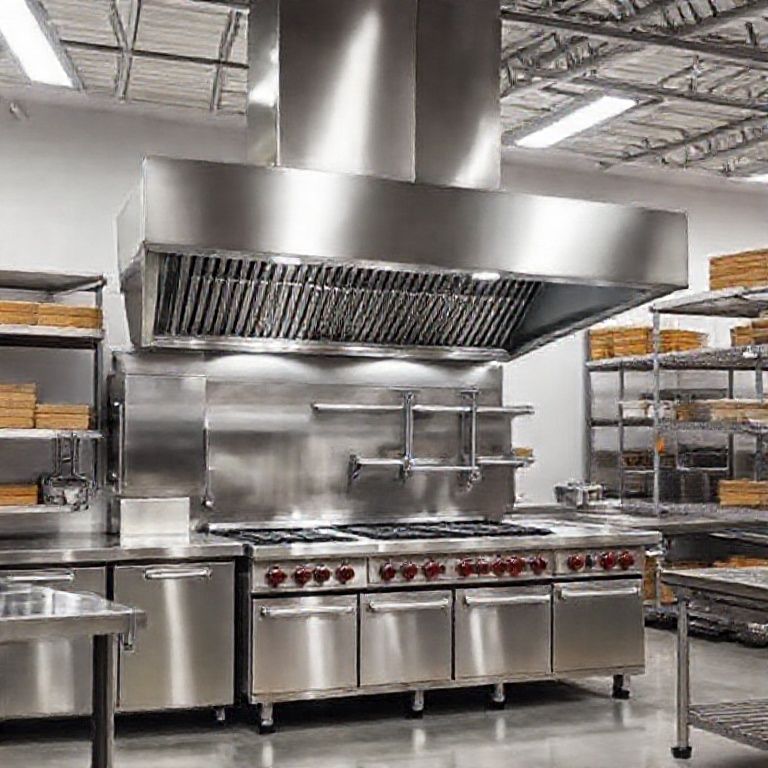
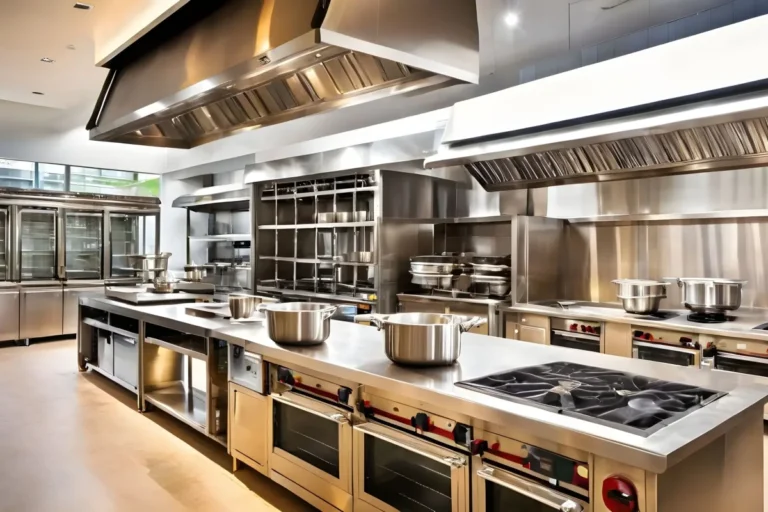
I’ll never forget the first time I walked into a restaurant supply warehouse in Nashville. Rows of gleaming stainless steel, the hum of refrigeration units, and that distinct smell of new equipment mixed with industrial cleaner. I was there to help a friend outfit his food truck, and I left three hours later with a migraine and a sinking feeling that we’d either overbought or underprepared. Turns out, we’d done both. Choosing commercial kitchen equipment isn’t just about picking the shiniest or most expensive option, it’s about matching your operation’s needs with gear that won’t cripple your budget or break down during Friday night service. And let me tell you, the learning curve is steeper than a sous chef’s knife.
Fast forward five years, and I’ve helped outfit everything from a 200-seat steakhouse to a ghost kitchen operating out of a repurposed shipping container. What I’ve learned? There’s no one-size-fits-all answer, but there *are* principles that’ll save you from costly mistakes. Whether you’re launching a food truck, upgrading a diner, or designing a high-volume restaurant kitchen, this guide will walk you through the chaos. We’ll cover everything from identifying your core needs to spotting red flags in equipment specs, with plenty of real-world examples (and a few hard-won lessons) along the way.
Here’s what you’ll walk away with:
- A framework for assessing what you actuallyeed (not what a salesperson says you need).
- How to balance upfront costs with long-term value, because that $2,000 range might save you $20,000 in repairs.
- The hidden factors (like ventilation and utility requirements) that can turn a “great deal” into a logistical nightmare.
- Where to splurge, where to save, and when to buy used (spoiler: not as often as you think).
Let’s dig in. And fair warning: I’m going to ask you to pause and think critically at a few points. This isn’t a passive read, it’s a workout for your operational brain.
The Brutal Truth: Most People Overbuy (or Underplan)
I’ll start with the uncomfortable truth: 80% of new restaurant owners overspend on equipment they don’t need, while the other 20% skimp on critical pieces and pay for it later in downtime and repairs. Why? Because the commercial kitchen equipment industry is designed to sell you more than you need. Walk into any supply showroom, and you’ll be greeted by a salesperson whose commission depends on upselling you to the “pro” model. Meanwhile, your uncle who “knows a guy” is texting you about a “great deal” on a used fryer that’s probably one grease fire away from retirement.
Here’s how to avoid both traps:
1. Start with Your Menu (Not the Equipment Catalog)
This seems obvious, but I’ve seen too many operators buy equipment based on what’s “standard” rather than what their menu demands. Your equipment list should be a direct translation of your menu. Let’s break it down:
- High-volume fryer needs? If you’re serving wings, fries, and fried pickles, you’ll need a fryer with a high oil capacity and fast recovery time. But if fries are just a side, a smaller countertop unit might suffice.
- Cooking methods: Are you searing, braising, grilling, or steaming? A flat-top grill is useless if 80% of your dishes require a charbroiler. I once worked with a BBQ joint that bought a $12,000 smoker… only to realize their landlord wouldn’t let them vent it properly. Now it’s a very expensive coat rack.
- Peak demand: A breakfast diner needs different equipment than a dinner-only bistro. If you’re serving 200 eggs an hour, a two-burner stove won’t cut it, no matter how “efficient” the salesperson claims it is.
Pro tip: Map out your busiest hour. What dishes are flying out of the kitchen? What’s the bottleneck? That’s where you invest in heavy-duty equipment. Everything else can be mid-range or even lightly used.
2. The “Must-Have” vs. “Nice-to-Have” Litmus Test
Here’s a exercise that’ll save you thousands: For every piece of equipment you’re considering, ask:
- Is this directly tied to revenue? (e.g., a pizza oven for a pizzeria = yes; a $5,000 espresso machine for a burger joint = no).
- Can I rent, lease, or outsource this function instead? (e.g., commerical dishwashers can be leased; some ghost kitchens share equipment).
- What’s the worst-case scenario if this breaks during service? (If the answer is “we’re screwed,” it’s a must-have. If it’s “we’ll manage,” it’s not.)
I once talked a client out of buying a $8,000 combi oven because, after this exercise, we realized they’d only use it for reheating sauces. A $1,200 steam table did the job just fine.
3. The Hidden Costs That’ll Wreck Your Budget
Equipment sticker prices are just the tip of the iceberg. Here’s what most people forget to factor in:
- Installation: That $3,000 range might need $2,000 in gas line upgrades. Always get a quote from a licensed installer before buying.
- Ventilation: Hood systems can cost as much as the equipment itself. A Type I hood (for grease) is non-negotiable for fryers and grills, and local codes dictate the CFM (cubic feet per minute) requirements.
- Utilities: Will your electrical panel handle a new convection oven? Does your water heater support a high-temp dishwasher? I’ve seen kitchens shut down for weeks waiting on electrical upgrades.
- Maintenance contracts: Some equipment (like ice machines) requires professional servicing. Factor in annual maintenance costs, typically 10-15% of the purchase price.
- Training: That fancy sous vide circulator is useless if your staff doesn’t know how to use it. Budget for training time (or hire a consultant).
I’ll say it louder for the folks in the back: Get your contractor and electrician involved in the planning phase. I’ve seen too many operators buy equipment only to realize their space can’t support it. It’s like buying a Ferrari and then finding out your garage door is too low.
The Equipment Breakdown: What You Really Need (and What You Don’t)
Now that we’ve covered the philosophy, let’s get tactical. Below is a prioritized list of commercial kitchen equipment, ranked by necessity. I’ve included real-world examples, common pitfalls, and where you can (and can’t) cut corners.
1. Cooking Equipment: The Heart of Your Kitchen
This is where most of your budget will go, and for good reason. Your cooking equipment dictates your menu’s execution, speed, and consistency. Here’s how to choose wisely:
- Ranges and Oven:
- Gas vs. electric: Gas is more powerful and responsive, but electric is often cheaper to install (no gas lines). If you’re in a high-volume kitchen, gas is non-negotiable.
- BTU rating: For restaurants, aim for 30,000–35,000 BTU per burner. Anything less and you’ll struggle during rush hour.
- Oven capacity: A standard full-size restaurant range has a 60” width with 4–6 burners and a 24”–36” oven. But if you’re baking bread or pizzas, you’ll need a deck oven or conveyor oven.
Where to splurge: The range. This is your workhorse. Brands like Vulcan, Garland, or Southbend are worth the investment. Where to save: If you’re not baking, skip the convection oven and opt for a standard one.
- Fryers:
- Open vs. pressure: Open fryers are standard, but pressure fryers (like those used for fried chicken) cook faster and retain moisture. However, they’re more expensive and require specialized training.
- Oil capacity: A 50-lb fryer is standard for most restaurants. For high-volume operations (like a chicken wing spot), consider an 80-lb model.
- Recovery time: Cheap fryers take forever to reheat oil after a drop. Look for fast recovery times (under 5 minutes).
Pro tip: If you’re frying a lot of different items (fries, chicken, fish), get separate fryers for each to avoid flavor transfer. Yes, it’s more expensive, but your customers will taste the difference.
- Grills and Griddles:
- Charbroilers vs. flat-tops: Charbroilers give that smoky flavor but require Type I hoods and proper ventilation. Flat-tops are more versatile for breakfast items (pancakes, eggs, burgers).
- Size matters: A 36” griddle is standard for most restaurants. For a diner or breakfast spot, consider a 48” or 60” model.
- Heat distribution: Cheap griddles have hot spots. Test before you buy, place your hand 6 inches above the surface. If you feel uneven heat, walk away.
- Specialty Equipment:
- Pizza ovens: Deck ovens (for Neapolitan-style) vs. conveyor ovens (for high-volume, consistent cooking). A wood-fired oven is a statement piece but requires permits and ventilation.
- Sous vide: Only worth it if you’re doing precise, high-end cooking. For most restaurants, it’s overkill.
- Smokers: Electric smokers are easier to use but lack the flavor of wood or pellet smokers. Check local codes, some areas ban wood smokers due to air quality regulations.
I’ll admit, I used to think “more burners = better.” Then I worked with a ramen shop that had one induction burner and a steamer. They did $10K a week. The lesson? Match the equipment to the menu, not the other way around.
2. Refrigeration: The Silent Workhorse
Refrigeration is where I see the most costly mistakes. A cheap fridge will fail during a heatwave, and an oversized one will drain your electricity bill. Here’s how to get it right:
- Reach-in vs. Walk-in:
- Reach-in fridges are fine for small operations, but if you’re storing more than 500 lbs of food, a walk-in is more efficient.
- Walk-ins cost $10,000–$30,000 installed, but they pay off in energy savings and organization. Used walk-ins can be a good deal if you inspect the compressor and seals.
- Under-counter vs. Worktop:
- Under-counter fridges save space but have less capacity. Worktop models (with a prep surface on top) are great for sandwich shops or salad stations.
- Freezers:
- If you’re storing meat, seafood, or ice cream, you need a commercial freezer (not a residential one). Look for self-defrosting models to save on maintenance.
- For ice cream shops or gelaterias, a blast freezer is worth the investment for quick freezing.
- Glass-Door vs. Solid-Door:
- Glass-door fridges are great for displaying drinks or grab-and-go items, but they’re less energy-efficient. Solid-door units are better for food storage.
Critical spec to check: Temperature range and recovery time. A good commercial fridge should maintain 33–40°F and recover within 30 minutes after the door is opened. If the spec sheet doesn’t list this, it’s a red flag.
I once worked with a taco truck that bought a used reach-in fridge because it was “half the price.” Three months later, they were replacing it after it failed during a 100°F Nashville summer. Lesson: Never skimp on refrigeration.
3. Prep Equipment: The Unsung Heroes
Prep equipment doesn’t get the glory, but it’s where your staff will spend most of their time. Efficiency here = faster service and less waste.
- Prep Tables:
- Stainless steel is non-negotiable. Look for adjustable shelves and built-in cutting boards.
- If you’re prepping a lot of sandwiches or salads, a refrigerated prep table is a game-changer.
- Mixers:
- Stand mixers (like Hobart) are workhorses for bakeries or pizzerias. A 20-quart mixer is standard for most restaurants.
- If you’re only mixing small batches, a countertop mixer (like a KitchenAid commercial model) might suffice.
- Food Processors:
- Essential for chopping veggies, making sauces, or grinding meat. A 12-cup model is standard for most kitchens.
- Brands like Robot Coupe are industry standards for a reason, they last.
- Cutting Boards and Knives:
- Invest in high-density polyethylene cutting boards (they’re NSF-certified and won’t warp).
- Knives: Wüsthof or Shun for chefs, Victorinox for prep cooks. A sharpener is a must, dull knives are dangerous.
- Scales:
- A portable digital scale (accurate to 0.1 oz) is essential for portion control and baking.
Where to save: You can often find gently used prep tables or mixers on restaurant auction sites. Just check for rust, motor wear, and electrical issues before buying.
4. Dishwashing: The Bottleneck You Didn’t See Coming
Dishwashing is the #1 bottleneck in most kitchens, yet it’s often an afterthought. A slow dishwasher means piles of dirty dishes, frustrated staff, and eventually, a health code violation.
- High-Temp vs. Low-Temp:
- High-temp dishwashers (180°F) sanitize faster but require more energy and ventilation.
- Low-temp models use chemical sanitizers and are cheaper to operate but slower.
- Conveyor vs. Door-Type:
- Conveyor dishwashers are for high-volume operations (200+ covers/hour).
- Door-type (or “hood-type”) are better for smaller restaurants (under 100 covers/hour).
- Glasswashers:
- If you serve a lot of drinks (bars, cafes), a separate glasswasher is worth it. They’re gentler and faster than standard dishwashers.
- Utensil Washers:
- For high-volume operations (like a buffet), a utensil washer saves time and ensures sanitization.
Pro tip: If you’re in a small space, consider a combo oven with a built-in dishwasher. Some models (like those from Rational) can do both, saving space and energy.
I once consulted for a brunch spot that was losing money because their dishwasher couldn’t keep up. They were paying overtime for dishwashers and still running out of plates by 1 PM. A $12,000 conveyor dishwasher solved the problem, and paid for itself in three months.
5. Storage and Shelving: The Organization Game
Poor storage leads to wasted food, cross-contamination, and frustrated staff. A well-organized kitchen moves faster and wastes less.
- Shelving:
- Stainless steel wire shelving is standard, it’s durable, easy to clean, and allows airflow.
- For dry storage, solid shelving prevents spills from dripping onto lower shelves.
- Adjustable shelves are a must for accommodating different-sized containers.
- Storage Containers:
- Invest in stackable, airtight containers (like Cambro). They’re NSF-certified and last for years.
- Color-coding (e.g., red for raw meat, blue for veggies) prevents cross-contamination.
- Dolly and Carts:
- A platform dolly and utility carts make moving heavy items (like cases of produce) much easier.
- Wall-Mounted Racks:
- Great for hanging utensils, pots, and pans. Saves counter space and keeps things accessible.
Where to save: Shelving and storage are where you can buy used (as long as it’s stainless steel and rust-free). Check restaurant liquidation sales.
6. Smallwares: The Little Things That Add Up
Smallwares (utensils, tools, and miscellaneous items) can eat up your budget if you’re not careful. Here’s what you actually need:
- Utensils:
- Tongs, ladles, whisks, spatulas, buy in bulk from a restaurant supply store. Avoid cheap plastic; it melts.
- Stainless steel is durable and dishwasher-safe.
- Pots and Pans:
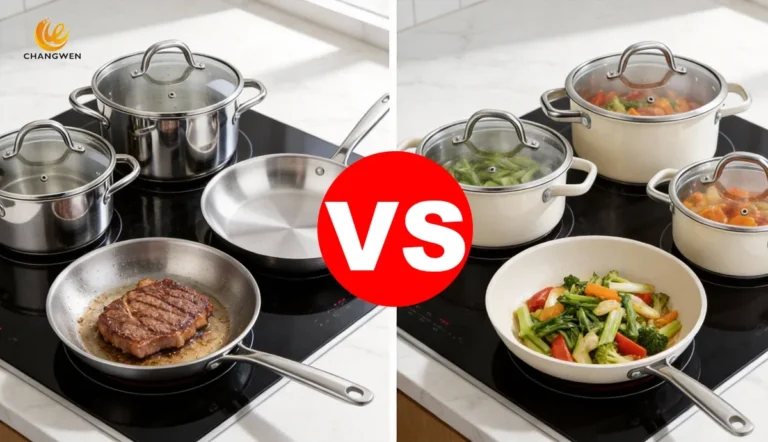
- Invest in heavy-gauge stainless steel (like All-Clad or Winco). Non-stick pans are fine for eggs but won’t last in a commercial kitchen.
- A good sauté pan, stock pot, and saucepan are essential. Everything else is optional.
- Baking Sheets and Pans:
- Half-sheet pans (18” x 13”) are the most versatile. Buy aluminum for even heating.
- Thermometers:
- A digital probe thermometer is non-negotiable for food safety. Calibrate it weekly.
- Timers:
- Cheap kitchen timers (or a smart timer system) keep cooking consistent.
Where to save: Smallwares are where you can buy used or discount. Check WebstaurantStore or Amazon Commercial for deals.
7. Ventilation: The Invisible Hero
Ventilation is not optional. Poor ventilation leads to grease buildup, fire hazards, and health code violations. Here’s what you need to know:
- Type I vs. Type II Hoods:
- Type I hoods are for grease-producing equipment (fryers, grills, ranges).
- Type II hoods are for steam and heat (dishwashers, steamers).
- CFM Requirements:
- The cubic feet per minute (CFM) rating dictates how much air the hood moves. A standard restaurant hood is 1,000–2,000 CFM.
- Check local codes, some areas require higher CFM for certain equipment.
- Makeup Air:
- Hoods remove air from your kitchen, so you need makeup air units to replace it. Otherwise, your kitchen becomes a vacuum, making doors hard to open and creating negative pressure.
- Grease Filters:
- Must be NSF-certified and cleaned regularly. Some areas require automatic grease removal systems.
- Ductwork:
- Must be stainless steel and properly sloped to prevent grease buildup.
- Improper ductwork is a fire hazard-don’t DIY this.
Cost warning: A proper ventilation system can cost $10,000–$50,000, depending on the size of your kitchen. Get multiple quotes and ensure the contractor is licensed and insured.
I once saw a pizzeria shut down for a week because their hood wasn’t vented properly. The fire marshal red-tagged them, and they had to redo the entire system. Don’t skimp on ventilation.
8. Safety Equipment: Non-Negotiables
Safety equipment isn’t glamorous, but it’s what keeps your kitchen running (and your insurance premiums low). Here’s what you need:
- Fire Suppression System:
- Required by code for any cooking equipment. ANSUL is the gold standard.
- Must be inspected every 6 months.
- Fire Extinguishers:
- Class K extinguishers are required for commercial kitchens. Place them near cooking stations.
- First Aid Kit:
- OSHA-compliant kit with burn gel, bandages, and gloves.
- Non-Slip Mats:
- Prevents slips and falls. Drainage mats are best for dishwashing areas.
- Eye Wash Station:
- Required if you’re using harsh chemicals (like degreasers).
- Gloves and Aprons:
- Cut-resistant gloves for prep, heat-resistant gloves for grills.
Where to splurge: Fire suppression. A proper system costs $3,000–$10,000, but it’s cheaper than a kitchen fire.
9. Tech and POS Integration: The Modern Kitchen
Tech isn’t just for front-of-house anymore. Smart kitchen equipment can save time, reduce waste, and improve consistency. Here’s what’s worth considering:
- Smart Ovens:
- Brands like Rational or Blodgett offer ovens with Wi-Fi connectivity, recipe storage, and remote monitoring.
- Great for multi-unit operations where you want consistency across locations.
- Inventory Management Systems:
- Software like MarketMan or Toast integrates with your POS to track food costs and reduce waste.
- Temperature Monitoring:
- Wireless probes (like Thermoworks) alert you if a fridge or freezer goes out of range.
- Automated Fryers:
- Models like Henny Penny have automated filtering and cooking programs to reduce oil waste and improve consistency.
- POS Integration:
- Some equipment (like combi ovens) can sync with your POS to auto-adjust cooking times based on orders.
Where to start: If you’re on a budget, begin with temperature monitoring-it’s the easiest way to prevent food waste and health violations.
10. Used vs. New: When to Buy Secondhand
Buying used equipment can save you 30–50%, but it’s a gamble. Here’s how to minimize risk:
- What to Buy Used:
- Stainless steel tables, shelving, and prep equipment (if in good condition).
- Mixers and food processors (if the motor is strong and belts are intact).
- Some refrigeration (but only if the compressor is less than 5 years old).
- What to Never Buy Used:
- Fryers (grease buildup is a fire hazard).
- Ice machines (mold and bacteria are nearly impossible to fully clean).
- Anything with electrical or gas components unless inspected by a professional.
- Where to Buy:
- Restaurant auctions (like BidOnEquipment).
- Local restaurant supply liquidators.
- Facebook Marketplace (but inspect in person).
- Red Flags:
- Rust on stainless steel (means it’s been exposed to moisture).
- Burn marks or warping on griddles or ranges.
- Any equipment that doesn’t turn on during inspection (duh, but you’d be surprised).
- Always:
- Test before buying (plug it in, turn it on).
- Ask for maintenance records (especially for refrigeration).
- Get a warranty or return policy (even for used items).
I once bought a used Vulcan range for a client, saved $4,000. But I also passed on a “great deal” on a used ice machine that would’ve cost us $2,000 in repairs. Know when to walk away.
How to Actually Buy the Stuff (Without Getting Scammed)
Now that you know what to buy, let’s talk about how to buy it. The commercial kitchen equipment industry is full of pitfalls, from pushy salespeople to hidden fees. Here’s how to navigate it:
1. Where to Shop (and Where to Avoid)
Not all suppliers are created equal. Here’s a breakdown of your options:
- National Chains (WebstaurantStore, KaTom, Tundra):
- Pros: Huge selection, competitive pricing, fast shipping.
- Cons: Limited in-person support; returns can be a hassle.
- Local Restaurant Supply Stores:
- Pros: You can see and test equipment before buying. Often have used/refurbished options.
- Cons: Prices may be higher than online.
- Auction Sites (BidOnEquipment, eBay):
- Pros: Deep discounts on used equipment.
- Cons: No warranties, risk of buying lemon.
- Manufacturer Direct (Vulcan, Hobart, Rational):
- Pros: Best for custom or high-end equipment. Often include training and support.
- Cons: Higher prices, longer lead times.
- Avoid:
- Craigslist/Facebook Marketplace (unless you inspect in person).
- “Too good to be true” online deals (often scams or misrepresented).
Pro tip: If you’re buying multiple pieces, negotiate a package deal. Suppliers will often discount if you’re spending over $10,000.
2. How to Negotiate Like a Pro
Equipment salespeople expect you to negotiate. Here’s how to get the best deal:
- Get multiple quotes (at least 3) for the same equipment.
- Ask about floor models or demo units-they’re often discounted.
- Time your purchase: End of the month/quarter is when salespeople are most likely to cut deals to hit quotas.
- Bundle purchases: Buying a range, fridge, and prep table? Ask for a 10–15% discount on the total.
- Ask about free delivery or installation. Some suppliers will throw this in to close the sale.
- Check for rebates or tax incentives. Some energy-efficient equipment qualifies for utility rebates or Section 179 tax deductions.
I once saved a client $8,000 on a walk-in fridge by getting quotes from three suppliers and playing them against each other. Don’t be afraid to haggle.
3. Financing and Leasing: When It Makes Sense
Not everyone has $50,000 lying around to outfit a kitchen. Here’s when financing or leasing might be a good option:
- Financing:
- Best for long-term assets (like a range or walk-in fridge).
- Look for 0% APR promotions (some suppliers offer these).
- Avoid high-interest loans-aim for under 8% APR.
- Leasing:
- Good for equipment you’ll upgrade (like a POS system or ice machine).
- Lease terms are typically 2–5 years.
- Read the fine print, some leases have hefty early termination fees.
- Renting:
- Best for short-term needs (like a pop-up or seasonal business).
- Companies like Cortec offer rental programs for commercial kitchens.
- Grants and Loans:
- Check for small business grants (local chambers of commerce often have programs).
- The SBA 7(a) loan can be used for equipment purchases.
Warning: Some leasing companies overcharge for equipment. Always compare the total cost of leasing vs. buying outright.
4. Installation: Don’t DIY This
I’ve seen too many operators try to save money by installing equipment themselves, only to void warranties, create safety hazards, or fail inspections. Here’s what you need to know:
- Who to Hire:
- Gas equipment: Licensed gas fitter (required by code in most areas).
- Electrical: Commercial electrician (residential electricians may not be familiar with 3-phase power).
- Ventilation: HVAC contractor with restaurant experience.
- Plumbing: Licensed plumber (especially for grease interceptors).
- Permits You’ll Need:
- Gas line permit (if installing new gas equipment).
- Electrical permit (for new circuits or panels).
- Hood/ventilation permit (required for Type I hoods).
- Health department approval (for sinks, dishwashers, and food storage).
- Common Installation Mistakes:
- Not leaving enough clearance around equipment (check manufacturer specs).
- Improper gas line sizing (can cause low pressure and poor performance).
- Forgetting to ground electrical equipment (a fire hazard).
- Skipping the grease interceptor (required for sinks near cooking equipment).
Cost estimate: Installation can add 20–30% to the cost of equipment. Always get multiple quotes and check references.
I once saw a restaurant delayed two months because their contractor didn’t pull the right permits. Don’t let this be you.
5. Maintenance: The Key to Longevity
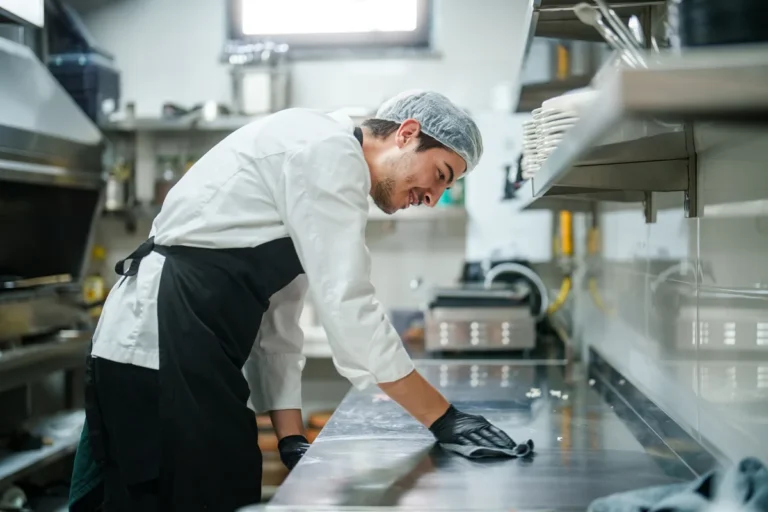
Commercial kitchen equipment is built to last, but only if you maintain it. Here’s a basic maintenance checklist:
- Daily:
- Clean grease filters in hoods.
- Wipe down ranges, grills, and fryers.
- Check refrigeration temps (log them!).
- Weekly:
- Deep clean fryers (filter oil, scrape carbon buildup).
- Inspect gaskets and seals on fridges and ovens.
- Test fire suppression systems.
- Monthly:
- Descale coffee machines and steamers.
- Check ventilation ducts for grease buildup.
- Lubricate hinges and moving parts (like conveyor belts on dishwashers).
- Annually:
- Professional hood cleaning (required by fire code in most areas).
- Service compressors on fridges and freezers.
- Calibrate ovens and thermometers.
Pro tip: Keep a maintenance log. It’ll help you spot patterns (like a fridge that’s always running hot) and prove to health inspectors that you’re proactive.
I worked with a burger joint that never cleaned their fryer. The oil turned to sludge, the heating elements burned out, and they had to replace the entire unit-$5,000 down the drain. Don’t skip maintenance.
The Final Checklist: Are You Ready to Buy?
Before you sign any purchase orders, run through this checklist. If you can’t answer “yes” to most of these, pause and reassess:
- Have you mapped your menu to your equipment needs? (No guesswork allowed.)
- Do you have accurate measurements of your space (including clearance for doors and ventilation)?
- Have you compared at least 3 quotes for each major piece of equipment?
- Have you checked local codes for ventilation, gas, and electrical requirements?
- Do you have a licensed contractor lined up for installation?
- Have you budgeted for hidden costs (permits, utilities, maintenance)?
- Have you tested used equipment (if applicable) and verified its maintenance history?
- Do you have a plan for training staff on new equipment?
- Have you confirmed warranty coverage and return policies?
- Do you have a maintenance schedule in place?
If you’re missing any of these, stop and fix it before buying. Trust me, the extra week of planning will save you months of headaches.
FAQ: Your Burning Questions Answered
Q: How much should I budget for commercial kitchen equipment?
A: It depends on the size and type of operation, but here’s a rough breakdown:
- Food truck or small café: $20,000–$50,000
- Mid-sized restaurant (50–100 seats): $50,000–$150,000
- Large restaurant or ghost kitchen: $150,000–$500,000+
Pro tip: Allocate 10–15% of your total budget for unexpected costs (like electrical upgrades or permit fees).
Q: Should I buy new or used equipment?
A: It depends on the item. Buy new for:
- Fryers, ice machines, and anything with moving parts or seals (like refrigeration).
- High-tech equipment (like combi ovens or smart fryers).
Consider used for:
- Stainless steel tables, shelving, and prep equipment.
- Mixers or food processors (if in good condition).
Never buy used:
- Ice machines (mold risk).
- Anything with electrical or gas issues.
Q: What’s the most common mistake first-time buyers make?
A: Overbuying. I see it all the time, operators buy a $20,000 combi oven because it’s “the best,” only to use it as a glorified toaster. Start with the basics, then upgrade as needed. You can always add equipment later.
Q: How do I know if a piece of equipment is high-quality?
A: Look for these signs:
- Stainless steel construction (not aluminum or coated metal).
- NSF or ETL certification (means it meets safety standards).
- Warranty of at least 1 year (longer for major equipment).
- Positive reviews from other restaurant owners (check forums like ChefTalk or Reddit’s r/KitchenConfidential).
- Service and parts availability (can you get repairs locally?).
If it doesn’t meet these criteria, walk away.
Q: What’s the one piece of equipment you’d never skimp on?
A: Refrigeration. A cheap fridge will fail when you need it most (like during a summer heatwave). Spend the extra money on a reliable brand like True, Traulsen, or Turbo Air. And always get a maintenance contract.
Final Thoughts: The Kitchen Equipment Mindset
Choosing commercial kitchen equipment isn’t just about filling a space with shiny machines. It’s about building a system that supports your menu, your staff, and your bottom line. The best kitchens I’ve seen aren’t the ones with the most expensive gear, they’re the ones where every piece of equipment has a purpose, and nothing is wasted.
Here’s my challenge to you: Before you buy anything, spend a day in a similar kitchen. Watch how the staff moves, what equipment they use most, and where the bottlenecks are. You’ll learn more in those eight hours than in any catalog.
And remember: Your kitchen will evolve. The equipment you start with might not be what you end up with, and that’s okay. The goal isn’t perfection; it’s flexibility, efficiency, and reliability. If you focus on those three things, you’ll build a kitchen that not only survives but thrives.
Now go forth and equip wisely. And if you ever find yourself standing in a supply warehouse, overwhelmed by the choices, just ask: “Does this make my kitchen, or my life, easier?” If the answer isn’t a resounding “yes,” walk away.
Drop a comment below if you’ve got a kitchen equipment horror story (or a win!). I’d love to hear how your journey goes.
@article{how-to-choose-commercial-kitchen-equipment-without-losing-your-mind-or-budget,
    title   = {How to Choose Commercial Kitchen Equipment Without Losing Your Mind (or Budget)},
    author  = {Chef's icon},
    year    = {2025},
    journal = {Chef's Icon},
    url     = {https://chefsicon.com/how-to-choose-commercial-kitchen-equipment/}
}