The Best Fluffy Pancakes recipe you will fall in love with. Full of tips and tricks to help you make the best pancakes.

How to Extend the Shelf Life of Dairy in Commercial Kitchens, Without Losing Your Mind (or Your Butter)
Let’s be real: dairy is the diva of the commercial kitchen. One minute it’s creamy, fresh, and perfect for that signature sauce. The next? It’s a sad, curdled mess that smells like a science experiment gone wrong. And in a high-volume kitchen where margins are tighter than a sous chef’s schedule, wasted dairy isn’t just annoying, it’s expensive. I’ve been there, staring into a walk-in at 2 a.m., holding a half-empty carton of heavy cream that’s *technically* still good but smells… questionable. Is it safe? Should I toss it? Can I salvage it? The questions never end.
Here’s the thing: extending the shelf life of dairy in commercial kitchens isn’t just about saving money-though, let’s be honest, that’s a huge part of it. It’s also about consistency, food safety, and reducing the mental load of constantly second-guessing whether that milk is still good. Over the years, I’ve talked to chefs, food scientists, and even a few dairy farmers (yes, really) to figure out what actually works. Some of it is common sense. Some of it is science. And some of it? Well, let’s just say it’s the kind of thing you learn after the third time you’ve had to explain to your boss why the hollandaise tasted like it was made with expired butter.
In this guide, I’m going to walk you through practical, battle-tested strategies to keep your dairy fresher for longer. We’ll cover everything from storage hacks to temperature tricks, equipment upgrades, and even a few psychological tactics to get your team on board. By the end, you’ll have a game plan that doesn’t just *theoretically* work, it works in the real world, where health inspectors, tight budgets, and picky customers all conspire to make your life harder. Ready? Let’s dive in.
The Cold Hard Truth About Dairy Spoilage (And Why It’s Worse in Commercial Kitchens)
Before we get into the solutions, let’s talk about the problem. Why does dairy go bad so fast in commercial kitchens? It’s not just because you’re dealing with larger quantities (though that doesn’t help). It’s a perfect storm of factors:
- Temperature fluctuations: Every time that walk-in door opens, the temperature inside spikes. Even a few degrees can accelerate spoilage.
- Cross-contamination: A single knife used to cut cheese and then dipped back into butter can introduce bacteria that speed up spoilage.
- Oxygen exposure: Dairy products oxidize when exposed to air, which changes their flavor and texture, and not in a good way.
- Inconsistent handling: In a busy kitchen, not everyone follows the same protocols. One person might leave the milk out while prepping, while another puts it back immediately.
- High turnover: Commercial kitchens use dairy faster than home cooks, but that also means more opportunities for mistakes.
I remember working in a restaurant where we’d go through 50 pounds of butter a week. Sounds impressive, right? Until you realize that half of it was probably wasted because someone left it out too long or stored it improperly. The worst part? We didn’t even realize it was happening until we started tracking waste. That’s when the lightbulb went off: if we could just extend the shelf life of our dairy by 20-30%, we’d save thousands of dollars a year. And that’s not even counting the time saved from not having to run to the store at the last minute because the cream went bad.
So, how do you actually do that? Let’s start with the basics: storage.
1. Master the Art of Dairy Storage (Or: Why Your Walk-In Is Sabotaging You)
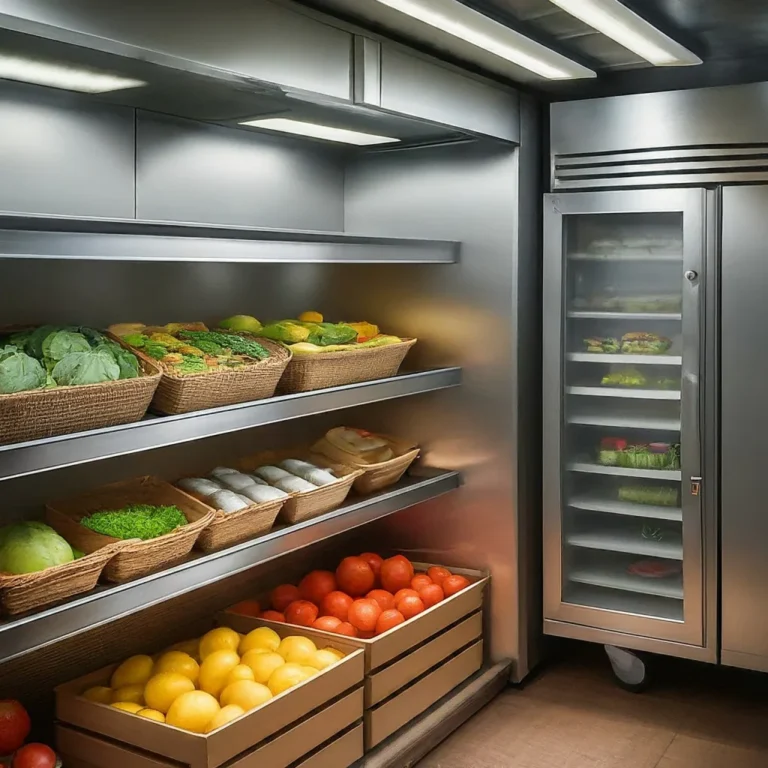
If you’re storing dairy the same way you store everything else in your walk-in, you’re doing it wrong. Dairy is not like produce or meat, it’s far more sensitive to temperature, humidity, and even the company it keeps. Here’s how to store it like a pro:
- Temperature is everything: The ideal temperature for storing dairy is 34-38°F (1-3°C). Anything above 40°F (4°C) and you’re entering the danger zone where bacteria thrive. But here’s the kicker: most walk-ins aren’t calibrated properly. I’ve seen kitchens where the thermometer reads 36°F, but the actual temperature near the door is 42°F. That’s a problem. Invest in a digital thermometer with a probe to check different areas of your walk-in. If you find hot spots, rearrange your storage so dairy isn’t near the door or under vents.
- Humidity matters more than you think: Too much humidity encourages mold growth, especially on cheeses. Too little, and your butter dries out. Aim for 70-80% humidity for most dairy products. If your walk-in is too dry, consider adding a humidity tray (a shallow pan of water) or investing in a humidity-controlled storage unit for high-value items like artisanal cheeses.
- Keep dairy away from strong-smelling foods: Dairy absorbs odors like a sponge. That means no storing butter next to the onions or cheese next to the fish. I learned this the hard way when our house-made ricotta started tasting like garlic because someone stored it too close to the prepped aromatics. Designate a “dairy-only” section in your walk-in, ideally near the back where temperatures are most stable.
- Use airtight containers: Oxygen is the enemy of fresh dairy. Once you open a carton of milk or a block of cheese, transfer it to an airtight container to slow down oxidation. For liquids like milk and cream, glass or food-grade plastic containers with tight-sealing lids work best. For cheeses, vacuum-sealed bags are ideal, but if you don’t have a vacuum sealer, wrap them tightly in parchment paper followed by plastic wrap to limit air exposure.
Is this the best approach? Let’s consider: some chefs swear by storing dairy in its original packaging until it’s opened, arguing that commercial packaging is designed to preserve freshness. Others, like me, prefer transferring everything to airtight containers immediately. I’m torn between the two, but ultimately, I think it depends on how quickly you’re using the product. If you’re going through a gallon of milk in a day, the original carton is fine. If it’s sitting in the walk-in for a week? Transfer it.
2. The Temperature Game: How to Keep Dairy Cold Without Freezing It (Or Wasting Energy)
Here’s a fun fact: dairy doesn’t just spoil, it spoils faster when it’s exposed to inconsistent temperatures. That means every time you open the walk-in door, you’re not just letting cold air out; you’re also creating a mini temperature rollercoaster for your dairy. And rollercoasters? Not great for shelf life.
So, how do you keep dairy cold without freezing it (or driving your energy bill through the roof)? Here are a few strategies:
- Use a dedicated dairy fridge: If your budget allows, invest in a small undercounter fridge specifically for dairy. Set it to 36°F (2°C) and keep it stocked with the dairy you use most frequently. This way, you’re not constantly opening the walk-in, and you can keep a closer eye on inventory. Bonus: it’s also a great place to store backup dairy for emergencies.
- Organize your walk-in for efficiency: The less time the door is open, the more stable the temperature. Organize your walk-in so that dairy is easily accessible and doesn’t require digging through shelves. Use clear, labeled bins so staff can grab what they need quickly. And for the love of all things holy, train your team to close the door immediately after grabbing something. I’ve seen kitchens where the walk-in door is propped open for 10 minutes while someone “just grabs one thing.” No. Just no.
- Consider a blast chiller for large batches: If you’re making large batches of dairy-heavy dishes (think béchamel, custards, or ice cream bases), a blast chiller can help cool them down quickly and safely. Rapid cooling reduces the time dairy spends in the “danger zone” (40-140°F / 4-60°C), which extends its shelf life. It’s a pricey investment, but if you’re dealing with high-volume dairy prep, it pays for itself in reduced waste.
- Pre-chill your containers: This is a small but mighty trick. Before transferring hot dairy-based sauces or soups to storage containers, chill the containers in the fridge for 10-15 minutes. This helps bring the temperature down faster, reducing the risk of condensation (which can lead to spoilage) and keeping your dairy fresher longer.
Maybe I should clarify: when I say “blast chiller,” I’m not talking about the kind of equipment you’d find in a molecular gastronomy lab. Even a countertop blast chiller can make a difference if you’re dealing with smaller batches. And if you’re thinking, “Sammy, we don’t have the budget for that,” I get it. Not every kitchen can afford fancy equipment. But even small changes, like pre-chilling containers or organizing your walk-in better, can add up.
3. The FIFO Rule: Why “First In, First Out” Is Your Best Friend (And How to Actually Enforce It)
You’ve heard it a million times: FIFO (First In, First Out). It’s the golden rule of kitchen inventory management. But let’s be honest, how many of us actually follow it consistently? In a busy kitchen, it’s all too easy to grab the first thing you see, even if it’s not the oldest product. And when it comes to dairy, that’s a recipe for waste.
Here’s the thing: FIFO isn’t just about rotating stock. It’s about creating systems that make it impossible to ignore. Here’s how to do it right:
- Label everything: This is non-negotiable. Every container of dairy, whether it’s milk, cream, butter, or cheese, should be labeled with the date it was opened and the use-by date. Use a label maker or masking tape and a Sharpie (no, that scribble on the side of the carton doesn’t count). I like to use color-coded labels for different types of dairy (e.g., blue for milk, green for cheese) to make it even easier for staff to identify what’s what.
- Store dairy in clear, stackable containers: If you can’t see it, you won’t use it. Store dairy in clear, stackable containers so staff can easily identify what’s oldest. Arrange them so the oldest products are at the front and the newest are at the back. This might seem obvious, but you’d be surprised how many kitchens store dairy in opaque containers or haphazardly stacked shelves where the oldest stuff gets buried.
- Train your team (and then train them again): FIFO only works if everyone follows it. Hold a short training session with your staff to explain why it’s important and how to do it. Then, reinforce it daily. I like to do a quick walk-through of the walk-in at the start of each shift to make sure everything is labeled and organized correctly. It takes two minutes, but it saves hours of frustration later.
- Use a “use first” bin: Designate a small bin or shelf in your walk-in or dairy fridge for products that need to be used first. When you open a new container of milk or cream, move the older one to the “use first” bin. This creates a visual cue that makes it harder for staff to ignore the oldest products.
- Conduct regular inventory audits: Once a week, do a quick audit of your dairy inventory. Check the labels, discard anything that’s expired, and reorganize as needed. This isn’t just about reducing waste, it’s also about identifying patterns. If you notice that you’re consistently throwing out half a gallon of milk every week, it might be time to adjust your ordering quantities.
I’m torn between two schools of thought here. Some chefs argue that FIFO is too time-consuming and that in a fast-paced kitchen, you just have to trust your team to use common sense. Others, like me, believe that systems beat common sense every time. Why? Because common sense isn’t common. What’s obvious to you might not be obvious to your line cook who’s been on their feet for 12 hours. Systems remove the guesswork.
4. The Power of Portion Control: How Pre-Portioning Dairy Can Save You Time and Money
Here’s a scenario I’ve seen play out in countless kitchens: A chef needs a cup of heavy cream for a sauce. They grab the gallon jug from the walk-in, measure out what they need, and leave the rest on the counter while they finish prepping. By the time they remember to put it back, the cream has been sitting out for 20 minutes, and now it’s borderline unsafe. Multiply that by 10 chefs over the course of a shift, and you’ve got a gallon of cream that’s on the fast track to spoilage.
The solution? Pre-portion your dairy. It’s a simple concept, but it’s one of those things that sounds tedious until you realize how much time, money, and stress it saves. Here’s how to do it:
- Use small, airtight containers: Instead of storing milk, cream, or buttermilk in large jugs, portion them out into smaller, airtight containers (think 1-cup or 1-pint sizes). This limits exposure to air and makes it easier for staff to grab what they need without leaving the rest out. I like to use glass mason jars with screw-top lids for liquids, they’re cheap, reusable, and easy to clean.
- Pre-portion butter and cheese: Butter can be portioned into 1-tablespoon or 1-ounce blocks and stored in an airtight container. Cheese can be pre-sliced, shredded, or cubed and stored in vacuum-sealed bags or airtight containers. This not only extends shelf life but also speeds up prep time during service.
- Label and date everything: Just like with your larger containers, label and date your pre-portioned dairy. This ensures that staff know what they’re grabbing and when it needs to be used by. I like to use a color-coded system for different types of dairy (e.g., red labels for butter, blue for milk) to make it even easier.
- Store pre-portioned dairy in a dedicated area: Keep your pre-portioned dairy in a specific section of your walk-in or dairy fridge so staff know exactly where to find it. This reduces the temptation to grab a large container and leave it out.
- Train your team on the new system: Pre-portioning only works if everyone buys into it. Hold a quick training session to explain the new system and why it’s important. Emphasize that it’s not just about reducing waste, it’s also about saving time during service. When staff see how much faster it is to grab a pre-portioned container of cream instead of measuring it out every time, they’ll be more likely to follow the system.
Is this the best approach for every kitchen? Maybe not. If you’re a small café that only uses a few cups of cream a day, pre-portioning might feel like overkill. But if you’re a high-volume restaurant where dairy is a staple, it’s a game-changer. I’ve seen kitchens cut their dairy waste by 30-40% just by implementing this one change. That’s not chump change.
5. The Science of Dairy Preservation: How pH, Salt, and Sugar Can Extend Shelf Life
Alright, let’s geek out for a minute. Did you know that the way you prepare and combine dairy can actually extend its shelf life? It’s not just about storage, it’s about chemistry. Here’s how to use science to your advantage:
- Acidify your dairy: Bacteria thrive in neutral pH environments, but they struggle in acidic ones. Adding a small amount of lemon juice, vinegar, or citric acid to dairy-based sauces or soups can lower the pH and extend shelf life. For example, adding a splash of lemon juice to a béchamel sauce not only brightens the flavor but also helps it last longer in the fridge. Just be careful not to overdo it, too much acid can curdle dairy.
- Use salt strategically: Salt is a natural preservative. Adding a pinch of salt to butter or cream can help inhibit bacterial growth. This is why salted butter often lasts longer than unsalted butter. You can also use salt to preserve cheeses, think brined cheeses like feta or halloumi, which can last for months in their brine.
- Incorporate sugar: Sugar binds to water, making it less available for bacteria to grow. This is why sweetened condensed milk and dulce de leche have such long shelf lives. You can apply this principle to your own recipes by adding a small amount of sugar to dairy-based desserts or sauces. For example, adding a teaspoon of sugar to a custard base can help it last a day or two longer in the fridge.
- Avoid cross-contamination with utensils: This one’s a no-brainer, but it’s worth repeating. Every time you dip a spoon or knife into a container of dairy and then reuse it, you’re introducing bacteria. Use clean utensils every time, and consider keeping a small container of sanitizing solutionear your dairy station for quick utensil cleaning.
- Pasteurize your own dairy (if you’re feeling ambitious): If you’re making large batches of dairy-based sauces or soups, consider pasteurizing them to extend shelf life. This involves heating the dairy to 161°F (72°C) for 15 seconds and then rapidly cooling it. It’s not as complicated as it sounds, and it can add days to the shelf life of your homemade dairy products. Just make sure you’re following food safety guidelines to avoid contamination.
I’ll admit, some of this stuff feels a little advanced. Not every kitchen has the time or resources to start pasteurizing their own dairy or measuring pH levels. But even small changes, like adding a splash of lemon juice to a sauce or using salted butter instead of unsalted, can make a difference. And if you’re feeling ambitious? Experiment with these techniques in small batches to see what works for your menu.
6. Equipment Upgrades That Actually Pay Off (And the Ones That Don’t)
Let’s talk about equipment. Because if you’re serious about extending the shelf life of dairy in your commercial kitchen, you’re going to need the right tools. But here’s the thing: ot all equipment is created equal. Some upgrades are worth every penny. Others? Not so much. Here’s my take on what’s worth investing in, and what you can skip.
Worth the Investment:
- Vacuum sealer: If you’re not vacuum-sealing your dairy, you’re missing out. Vacuum sealers remove oxygen, which is one of the biggest culprits in dairy spoilage. They’re especially useful for cheeses, butter, and pre-portioned dairy. I’ve seen kitchens extend the shelf life of cheese by weeks just by vacuum-sealing it. Look for a commercial-grade vacuum sealer with a strong suction and durable bags.
- Undercounter dairy fridge: As I mentioned earlier, a dedicated dairy fridge set to the ideal temperature (34-38°F / 1-3°C) can make a huge difference. It keeps dairy at a consistent temperature, reduces the need to open the walk-in, and makes it easier to organize and access your dairy inventory. Plus, it frees up space in your walk-in for other items.
- Digital thermometers with probes: Temperature monitoring is critical for dairy preservation. A digital thermometer with a probe allows you to check the temperature of your walk-in, dairy fridge, and even individual containers of dairy. Some models even come with data logging capabilities, so you can track temperature fluctuations over time. This is especially useful for identifying problem areas in your storage setup.
- Blast chiller: If you’re making large batches of dairy-based dishes, a blast chiller can help cool them down quickly and safely. Rapid cooling reduces the time dairy spends in the “danger zone” (40-140°F / 4-60°C), which extends its shelf life. It’s a pricey investment, but if you’re dealing with high-volume dairy prep, it pays for itself in reduced waste.
- Humidity-controlled storage: For high-value items like artisanal cheeses, a humidity-controlled storage unit can help maintain the ideal environment. These units allow you to set the humidity level, which is crucial for preventing mold growth and drying out. They’re not cheap, but if you’re storing expensive cheeses, they’re worth it.
Skip It (For Now):
- Ultra-high-end walk-in refrigerators: Unless you’re running a Michelin-starred restaurant with a massive budget, you don’t need a $20,000 walk-in fridge. Most commercial walk-ins are perfectly adequate for dairy storage as long as they’re properly maintained and calibrated.
- Specialized dairy storage cabinets: There are some fancy dairy storage cabinets on the market that promise to extend shelf life with advanced features like UV lighting or ozone generators. While these might work, they’re often overkill for most kitchens. Stick with the basics, airtight containers, proper temperature control, and good organization, before investing in something like this.
- Commercial-grade cheese caves: If you’re not running a cheese shop, you don’t need a dedicated cheese cave. A well-organized walk-in with proper humidity control will do the trick for most kitchens. Save the cheese cave for the pros.
I’m torn between recommending equipment upgrades and keeping things realistic. On one hand, the right tools can make a huge difference in extending dairy shelf life. On the other hand, not every kitchen has the budget for a vacuum sealer or a blast chiller. If you’re working with limited resources, focus on the low-cost, high-impact changes first-like better organization, pre-portioning, and temperature monitoring. Once you’ve got those dialed in, then consider investing in equipment.
7. The Psychology of Dairy Waste: How to Get Your Team on Board
Here’s the thing about reducing dairy waste: it’s not just about systems and equipment. It’s also about people. If your team isn’t on board, even the best-laid plans will fail. And let’s be honest, getting a busy kitchen staff to care about dairy preservation can feel like herding cats. So how do you do it?
First, make it personal. People are more likely to change their behavior if they understand how it benefits them. For example, explain to your team that reducing dairy waste means fewer last-minute runs to the store (which no one likes) and more consistent menu items (which makes their jobs easier). You can also tie it to bonuses or incentives-for example, if the kitchen reduces waste by 20% in a month, everyone gets a small bonus or a team lunch.
Second, make it easy. If your systems are too complicated, people won’t follow them. Keep things simple and intuitive. For example, instead of asking staff to remember a dozen different storage rules, create a one-page cheat sheet with clear, visual instructions. Post it near the walk-in and the dairy station so it’s always visible.
Third, lead by example. If your team sees you following the rules, they’re more likely to do the same. Make a point of labeling your own dairy containers, using the FIFO system, and pre-portioning when you’re prepping. And if you see someone doing it right, praise them publicly. Positive reinforcement goes a long way.
Finally, make it a team effort. Reducing dairy waste shouldn’t be one person’s responsibility, it should be a shared goal. Hold a quick daily or weekly meeting to discuss waste and brainstorm solutions. Encourage your team to share their ideas, you might be surprised by what they come up with. For example, one of my line cooks suggested using smaller containers for butter so it doesn’t sit out as long during service. It was a simple change, but it made a big difference.
I’ll admit, this is the part of the process that I struggle with the most. It’s easy to get frustrated when you see someone leaving the walk-in door open or grabbing a new container of cream without checking the “use first” bin. But here’s the thing: people don’t change overnight. It takes time, patience, and consistent reinforcement. The key is to make it as easy as possible for them to do the right thing-and to celebrate the small wins along the way.
8. The Dark Side of Dairy Preservation: When to Toss It (And How to Tell)
No matter how careful you are, some dairy is going to go bad. And when it does, you need to know when to cut your losses and toss it. But how do you tell? Here’s a quick guide to the signs that your dairy has gone bad:
- Milk: Sour smell, thick or lumpy texture, or a yellowish tint. If it’s just a little off but still within the use-by date, you might be able to salvage it for cooking (e.g., in pancakes or sauces), but don’t risk it for drinking.
- Cream: Sour smell, separation, or a thick, clumpy texture. Heavy cream can sometimes be whipped even if it’s a little old, but if it smells off, toss it.
- Butter: Rancid smell (think sour or cheesy), discoloration, or a greasy texture. Unsalted butter goes bad faster than salted butter, so keep an eye on it.
- Cheese: Mold (unless it’s a cheese that’s supposed to have mold, like blue cheese or brie), slimy texture, or a strong ammonia-like smell. Hard cheeses like Parmesan can often be salvaged by cutting off the moldy part, but soft cheeses should be tossed.
- Yogurt: Excessive separation, mold, or a sour smell. If it’s just a little watery, you can stir it back in, but if it smells off, toss it.
- Sour cream and crème fraîche: Mold, sour smell, or a watery texture. These products are already acidic, so they last longer than other dairy, but they can still go bad.
Here’s the thing: when in doubt, throw it out. It’s not worth risking foodborne illness or serving subpar food to your customers. But how do you balance that with the goal of reducing waste? One strategy is to use up dairy that’s on the verge of going bad in cooked dishes. For example, if your milk is starting to smell a little sour but isn’t curdled, use it in pancakes or a béchamel sauce. If your butter is getting close to its use-by date, use it in baking or for sautéing. Just make sure you’re not compromising food safety, if it smells or looks off, toss it.
I’ll admit, this is one of the hardest parts of dairy preservation. It’s easy to second-guess yourself, especially when you’re staring at a half-empty container of cream that’s *technically* still good but smells… questionable. But here’s the rule I live by: if I wouldn’t serve it to my cat Luna, I’m not serving it to my customers. And trust me, Luna is a tough critic.
9. Beyond the Walk-In: How Your Menu Can Help Reduce Dairy Waste
Here’s a thought: what if the key to extending the shelf life of dairy in your commercial kitchen isn’t just about storage, it’s about how you use it in the first place? Your menu plays a huge role in how much dairy you waste. If you’re constantly throwing out half-used containers of specialty cheeses or cream, it might be time to rethink your offerings.
Here are a few ways to design a dairy-friendly menu:
- Standardize your recipes: If every dish on your menu uses a different type of cheese or cream, you’re going to end up with a lot of half-used containers. Instead, standardize your recipes so they use the same types of dairy. For example, if you’re using heavy cream in multiple dishes, make sure they all call for the same amount (e.g., 1 cup). This makes it easier to use up containers before they go bad.
- Offer dairy-free alternatives: Not every customer wants dairy, and offering dairy-free alternatives can help reduce waste. For example, if you offer a vegan cheese option, you can use up your regular cheese in other dishes without worrying about leftovers. Plus, it’s a great way to appeal to a wider audience.
- Use dairy in multiple dishes: If you’re using a specialty cheese in one dish, find a way to use it in another. For example, if you’re making a goat cheese salad, consider adding goat cheese to a pizza or pasta dish as well. This way, you can use up the entire container before it goes bad.
- Plan for leftovers: Some dairy products, like cheese and butter, can be repurposed if they’re not used up in time. For example, if you have leftover cheese, use it to make a cheese sauce or soup. If you have leftover butter, use it for baking or sautéing. Get creative!
- Train your staff on menu flexibility: Encourage your staff to suggest substitutions when appropriate. For example, if a customer orders a dish with feta cheese and you’re running low, suggest a similar cheese like goat cheese or ricotta. This helps reduce waste and keeps your customers happy.
I’ll admit, this is one of those things that sounds simple but can be hard to implement. It requires planning, creativity, and flexibility-three things that are often in short supply in a busy kitchen. But if you can get it right, it’s a game-changer. I’ve seen kitchens reduce their dairy waste by 50% just by tweaking their menu and standardizing their recipes.
10. The Future of Dairy Preservation: What’s Next for Commercial Kitchens?
Dairy preservation isn’t a new problem, but the solutions are evolving. As technology advances and sustainability becomes a bigger priority, we’re seeing new tools and techniques emerge. Here’s a look at what’s on the horizon:
- Smart refrigeration: Imagine a walk-in fridge that automatically adjusts its temperature and humidity based on what’s inside. Or a fridge that alerts you when a container of milk is about to expire. Smart refrigeration is already a thing in some high-end kitchens, and it’s only going to become more common. Companies like Emerson and Danfoss are leading the charge with IoT-enabled refrigeration systems that monitor and optimize storage conditions in real time.
- Edible coatings: Researchers are developing edible coatings that can be applied to cheese and other dairy products to extend their shelf life. These coatings act as a barrier to oxygen and moisture, slowing down spoilage. While this technology is still in its early stages, it has the potential to revolutionize dairy preservation.
- High-pressure processing (HPP): HPP is a non-thermal pasteurization technique that uses high pressure to kill bacteria without affecting the flavor or texture of dairy. It’s already being used for some cheeses and yogurts, and it’s likely to become more widespread in the coming years. The downside? It’s expensive, so it’s not yet accessible to most commercial kitchens.
- Sustainable packaging: As consumers become more eco-conscious, we’re seeing a shift toward sustainable dairy packaging. For example, some companies are experimenting with compostable or biodegradable containers for milk and cream. Others are using reusable glass bottles to reduce waste. While these options aren’t yet mainstream, they’re worth keeping an eye on.
- AI and predictive analytics: Some companies are using AI and predictive analytics to forecast dairy usage and reduce waste. For example, a system might analyze your sales data to predict how much milk you’ll need for the week, helping you order more accurately. This technology is still in its early stages, but it has the potential to be a game-changer for large kitchens.
I’m excited about the future of dairy preservation, but I’ll admit, some of these technologies feel a little out of reach for the average commercial kitchen. Smart refrigeration and AI are cool, but they’re not exactly budget-friendly. That said, I think the real opportunity lies in smaller, more accessible innovations-like edible coatings or sustainable packaging. These are the kinds of things that could make a big difference without breaking the bank.
In the meantime, though, we’ve got plenty of tools and techniques at our disposal. And the best part? Most of them don’t require a huge investment, just a little time, effort, and creativity.
Wrapping It Up: Your Dairy Preservation Game Plan
Alright, let’s recap. Extending the shelf life of dairy in your commercial kitchen isn’t rocket science, but it does require attention to detail, consistency, and a willingness to experiment. Here’s your game plan:
- Master your storage: Keep dairy at the right temperature (34-38°F / 1-3°C), control humidity, and store it away from strong-smelling foods. Use airtight containers to limit oxygen exposure.
- Monitor your temperatures: Invest in a digital thermometer with a probe to check your walk-in and dairy fridge. Identify and address hot spots.
- Enforce FIFO: Label everything, organize your walk-in for efficiency, and train your team on the importance of FIFO. Use a “use first” bin to make it easy for staff to grab the oldest products.
- Pre-portion your dairy: Portion milk, cream, butter, and cheese into smaller, airtight containers to limit exposure to air and reduce waste.
- Use science to your advantage: Acidify, salt, and sugar can all help extend the shelf life of dairy. Avoid cross-contamination with utensils and consider pasteurizing large batches of dairy-based sauces.
- Invest in the right equipment: A vacuum sealer, undercounter dairy fridge, and digital thermometer are all worth the investment. Skip the ultra-high-end walk-ins and specialized dairy cabinets for now.
- Get your team on board: Make it personal, make it easy, lead by example, and make it a team effort. Reducing dairy waste is a shared goal, not one person’s responsibility.
- Know when to toss it: When in doubt, throw it out. Use up dairy that’s on the verge of going bad in cooked dishes, but don’t compromise food safety.
- Design a dairy-friendly menu: Standardize your recipes, offer dairy-free alternatives, and use dairy in multiple dishes to reduce waste.
- Stay ahead of the curve: Keep an eye on emerging technologies like smart refrigeration, edible coatings, and AI-driven predictive analytics. They might not be accessible yet, but they’re worth watching.
Here’s the thing: you don’t have to implement all of these strategies at once. Start with the low-hanging fruit-like better storage, FIFO, and pre-portioning, and build from there. Even small changes can make a big difference. And if you’re feeling overwhelmed, just remember: every day you reduce waste is a day you’re saving money and stress.
So, what’s your next move? Maybe it’s reorganizing your walk-in. Maybe it’s investing in a vacuum sealer. Or maybe it’s just having a conversation with your team about the importance of dairy preservation. Whatever it is, take that first step. Because the sooner you do, the sooner you’ll start seeing the benefits, fresher dairy, less waste, and a kitchen that runs a little smoother.
And hey, if all else fails, just remember: Luna the cat is always there to judge your dairy storage skills. Don’t let her down.
FAQ: Your Burning Questions About Extending Dairy Shelf Life in Commercial Kitchens
Q: How long does milk really last in a commercial kitchen?
A: It depends on how you store it. Unopened, pasteurized milk typically lasts 7-10 days past the sell-by date if stored at 34-38°F (1-3°C). Once opened, it should be used within 5-7 days. Ultra-pasteurized milk can last up to 30-90 days unopened, but it’s still best to follow the use-by date. Always check for signs of spoilage (sour smell, thick texture) before using.
Q: Can I freeze dairy to extend its shelf life?
A: Freezing dairy is a mixed bag. Butter and hard cheeses (like Parmesan or cheddar) freeze well and can last up to 6-9 months in the freezer. Milk and cream can be frozen, but they may separate or develop a grainy texture when thawed. They’re best used in cooked dishes after freezing. Soft cheeses (like ricotta or cream cheese) don’t freeze well and can become watery or crumbly. If you do freeze dairy, use airtight containers or vacuum-sealed bags to prevent freezer burn.
Q: What’s the best way to store cheese to maximize shelf life?
A: Cheese storage depends on the type. Hard cheeses (like Parmesan or aged cheddar) should be wrapped in parchment paper followed by plastic wrap to allow them to breathe while limiting air exposure. Soft cheeses (like brie or camembert) should be stored in their original packaging or wrapped in wax paper. Fresh cheeses (like mozzarella or ricotta) should be stored in airtight containers with a little whey or water to keep them moist. For all cheeses, store them in the dairy section of your walk-in or fridge at 34-38°F (1-3°C) with 70-80% humidity.
Q: How can I tell if dairy is still safe to use after the use-by date?
A: Use-by dates are guidelines, not hard rules. The best way to tell if dairy is still safe is to use your senses. Check for signs of spoilage like a sour smell, thick or lumpy texture, mold, or discoloration. If it looks, smells, or tastes off, toss it. For milk, you can also do the “sniff test”-if it smells sour, it’s bad. For cheese, cut off any moldy parts (if it’s a hard cheese) and inspect the rest. When in doubt, throw it out. It’s not worth risking foodborne illness.
@article{how-to-extend-the-shelf-life-of-dairy-in-commercial-kitchens-a-practical-guide-for-chefs-and-managers,
    title   = {How to Extend the Shelf Life of Dairy in Commercial Kitchens: A Practical Guide for Chefs and Managers},
    author  = {Chef's icon},
    year    = {2026},
    journal = {Chef's Icon},
    url     = {https://chefsicon.com/how-to-extend-shelf-life-of-dairy-in-commercial-kitchens/}
}