The Best Fluffy Pancakes recipe you will fall in love with. Full of tips and tricks to help you make the best pancakes.

Let me start with a confession: I used to think “farm-to-table” was just a fancy phrase chefs threw around to justify charging $28 for a plate of roasted carrots. That was before I moved to Nashville and started digging into the real story behind where our food comes from. Now? I’m convinced that local and sustainable sourcing isn’t just a marketing gimmick, it’s the only way forward for restaurants that want to stay relevant, profitable, and, you know, not contribute to the slow collapse of our food systems.
Here’s the thing: I’ve spent the last few years talking to chefs, farmers, and restaurant owners who are making this work. And let me tell you, it’s not always pretty. There are logistical nightmares, supply chain headaches, and moments where you wonder if it’s even worth it. But then you taste a tomato that actually tastes like a tomato, or you see the pride in a farmer’s eyes when they deliver their first harvest to a restaurant that’s been waiting for it, and suddenly, all the struggles feel a little less daunting.
So, if you’re a restaurant owner, chef, or even just someone who cares about what ends up on your plate, this is for you. We’re going to break down local and sustainable sourcing for restaurants-why it matters, how to do it, and what it really takes to make it work. By the end, you’ll have a roadmap (and maybe a few battle scars) to help you navigate this shift. And who knows? Maybe you’ll even start looking at those roasted carrots a little differently.
The Big Picture: Why Local and Sustainable Sourcing Matters More Than Ever
The Problem with Our Current Food System
Let’s be real: our global food system is a mess. We’ve built a machine that prioritizes efficiency and profit over everything else, taste, nutrition, environmental impact, and even basic human dignity. The average ingredient in a U.S. restaurant travels 1,500 miles before it hits your plate. That’s not just absurd; it’s unsustainable. And don’t even get me started on the carbon footprint of shipping strawberries from Mexico in January or the ethical questions around labor practices in industrial farms.
But here’s the kicker: consumers are waking up to this. A 2025 study found that 72% of diners are willing to pay more for food that’s locally sourced or sustainably produced. That’s not a niche market anymore, that’s the majority. And it’s not just about feeling good. People are starting to connect the dots between what they eat and the health of their communities, their bodies, and the planet. So, if you’re not thinking about local and sustainable sourcing, you’re not just missing an opportunity, you’re risking becoming irrelevant.
Is this the best approach? Let’s consider the alternatives. You could double down on the status quo, but with rising ingredient costs, supply chain disruptions, and increasing consumer demand for transparency, that’s starting to feel like betting against gravity. Or you could lean into the shift and position your restaurant as a leader in the movement. Which one sounds more sustainable, pun intended?
The Benefits (Beyond Just Feeling Good)
Okay, so local and sustainable sourcing is the right thing to do. But let’s talk about why it’s also the smart thing to do for your business. Here’s the short list:
- Better flavor, better quality: Food that’s grown locally and harvested at peak ripeness tastes better. Period. And better-tasting food means happier customers, better reviews, and more repeat business.
- Stronger community ties: When you source locally, you’re not just buying ingredients, you’re investing in your neighbors. That builds loyalty, word-of-mouth marketing, and a reputation that’s hard to fake.
- Resilience against supply chain disruptions: Remember the great avocado shortage of 2023? Or the egg crisis of 2022? When you rely on local suppliers, you’re less vulnerable to global shocks. Your menu might change with the seasons, but at least you’ll have a menu.
- Cost savings (yes, really): I know what you’re thinking: “But local food is expensive!” And sure, sometimes it is. But when you factor in reduced waste (because local food lasts longer), lower transportation costs, and the ability to charge a premium for sustainably sourced dishes, the math starts to make sense.
- Marketing gold: People love a good story. And local sourcing gives you one. Imagine being able to say, “This heirloom tomato came from Old Mill Farm, just 20 miles outside the city.” That’s not just a selling point, it’s a conversation starter.
But here’s the thing: none of this happens overnight. Shifting to local and sustainable sourcing is a process, and it’s not always linear. There will be missteps, frustrations, and moments where you question everything. (I’ve been there. More than once.) But if you’re willing to put in the work, the payoff, both for your business and for the world, is worth it.
How to Actually Make Local and Sustainable Sourcing Work for Your Restaurant
Step 1: Start Small (But Start Now)
I get it. The idea of overhauling your entire supply chain is overwhelming. Where do you even begin? The answer: start small. Pick one or two ingredients that are central to your menu and focus on sourcing those locally and sustainably first. For a lot of restaurants, that’s produce, tomatoes, greens, herbs, or seasonal vegetables. For others, it might be meat, dairy, or even honey.
Why start small? Because it’s manageable. You’re not trying to boil the ocean here. You’re just dipping a toe in the water. And once you’ve figured out how to source one ingredient locally, the rest becomes easier. You’ll learn the ropes, build relationships with suppliers, and start to see the benefits without the overwhelm.
For example, when I talked to Chef Maria at Green Plate Bistro in Nashville, she told me about how she started with just one item: microgreens. “We used them in so many dishes, and I knew if we could source them locally, it would make a difference,” she said. “It was a low-risk way to test the waters.” And guess what? It worked. Now, Green Plate sources 80% of its produce locally, and their microgreens are a signature item.
Maybe I should clarify: starting small doesn’t mean staying small. It’s about building momentum. Once you’ve got one or two local ingredients locked in, you can start expanding. But if you try to do everything at once, you’re setting yourself up for burnout, and maybe even failure.
Step 2: Find Your People (AKA, Build Your Local Network)
Here’s the hard truth: local and sustainable sourcing isn’t something you can do alone. You need partners, farmers, ranchers, fishermen, foragers, and even other restaurant owners who are on the same journey. And finding those partners? That’s where the real work begins.
So, how do you find them? Here are a few places to start:
- Farmers markets: This is the obvious one, but it’s also the most effective. Show up, talk to farmers, ask questions. What do they grow? What are they passionate about? What challenges do they face? The more you know, the better you can align your needs with theirs.
- Local food hubs: These are organizations that aggregate products from multiple small farms and distribute them to restaurants and retailers. They’re a great way to access a variety of local products without having to manage relationships with dozens of individual farmers.
- Online directories: Websites like LocalHarvest.org or EatWild.com can help you find local producers in your area. Just be sure to vet them carefully, more on that later.
- Other restaurants: Talk to chefs and owners at other restaurants in your area. Who are they sourcing from? What’s worked for them? What hasn’t? The restaurant community can be competitive, but when it comes to local sourcing, there’s often more collaboration than you’d expect.
- Social media: Follow hashtags like #FarmToTable or #LocalFood in your area. Farmers and producers often post about what they’re growing and where they’re selling it.
But here’s the thing: building relationships takes time. You can’t just show up at a farmers market once, buy a bunch of kale, and call it a day. You’ve got to show up consistently, ask questions, and be willing to listen. Farmers are some of the hardest-working people I know, and they appreciate when someone takes the time to understand their process.
I’m torn between two approaches here. On one hand, you could cast a wide net and try to connect with as many local producers as possible. On the other hand, you could focus on building deep relationships with a few key partners. Ultimately, I think the latter is more sustainable (again, pun intended). When you have a small group of producers you trust, you can work together to solve problems, plan menus, and even collaborate on marketing. That’s where the real magic happens.
Step 3: Vet Your Suppliers (Because Not All “Local” Is Created Equal)
Here’s a dirty little secret of the local food movement: ot all “local” is actually sustainable. Just because something is grown or produced within 100 miles of your restaurant doesn’t mean it’s good for the environment, the community, or even your bottom line. So, how do you separate the wheat from the chaff? (Sorry, I had to.)
First, ask the right questions. Here are a few to get you started:
- What are your growing practices? Are they using synthetic pesticides or fertilizers? Do they practice crop rotation? How do they manage pests and diseases?
- How do you handle labor? Are workers paid fairly? Do they have safe working conditions? This is a big one, ethical labor practices are a cornerstone of true sustainability.
- What’s your water usage like? Agriculture is a huge consumer of water, and in many parts of the country, water scarcity is a real issue. How does the farm manage its water use?
- How do you handle waste? Do they compost? Do they have a plan for food that doesn’t sell? Waste is a huge issue in our food system, and a truly sustainable operation will have a plan for minimizing it.
- What’s your distribution process? Even if something is grown locally, if it’s being shipped in a gas-guzzling truck, that’s not exactly sustainable. How do they get their products to market?
But here’s the thing: you’re not just looking for the “perfect” supplier. (Spoiler: they don’t exist.) You’re looking for partners who are transparent, willing to improve, and aligned with your values. Maybe a farm uses some synthetic fertilizers but is working to transition to organic. Maybe they don’t have a perfect waste management system but are open to collaborating with you on solutions. The key is to find suppliers who are honest about their practices and committed to getting better.
And let’s be real: vetting suppliers is a lot of work. It takes time, effort, and a willingness to ask tough questions. But it’s worth it. Because when you find the right partners, you’re not just buying ingredients, you’re building a supply chain that you can trust.
Step 4: Rethink Your Menu (Because Seasonality Is Your New Best Friend)
Here’s the hard truth: if you’re committed to local and sustainable sourcing, you can’t have a static menu. You can’t serve strawberries in December or butternut squash in July. (Well, you can, but you’ll be paying a premium for out-of-season produce, and it won’t taste as good.) Instead, you’ve got to embrace seasonality-and that means your menu is going to change. A lot.
I know what you’re thinking: “But my customers love my signature dishes! They’ll revolt if I change the menu!” And sure, there might be some pushback at first. But here’s the thing: people are adaptable. And when they taste the difference between a tomato that was picked yesterday and one that was shipped across the country, they’ll start to understand. Plus, a rotating menu keeps things fresh and exciting. It gives your regulars a reason to come back and try something new.
So, how do you make this work? Here are a few strategies:
- Create a core menu with seasonal specials: Keep a few signature dishes that are always available, but supplement them with seasonal specials that highlight what’s fresh and local. This gives you flexibility while still providing consistency for your customers.
- Plan menus around what’s available: Work with your suppliers to find out what they’ll have in the coming weeks and months, and build your menu around that. This might mean planning menus a few weeks in advance, but it’s worth it.
- Educate your staff: Your servers are your front line. They need to know what’s in season, where it came from, and why it matters. Train them to talk about your sourcing practices with customers, it’s a great way to build excitement and justify higher prices.
- Get creative with preservation: Just because something is out of season doesn’t mean you can’t use it. Learn how to preserve, ferment, and store ingredients so you can enjoy them year-round. (More on this later.)
I’m not going to lie: this is one of the biggest challenges of local and sustainable sourcing. It requires flexibility, creativity, and a willingness to let go of control. But it’s also one of the most rewarding parts. When you let the seasons guide your menu, you’re not just serving food, you’re telling a story. And that’s something people will pay for.
Step 5: Master the Art of Preservation (Because Waste Is the Enemy)
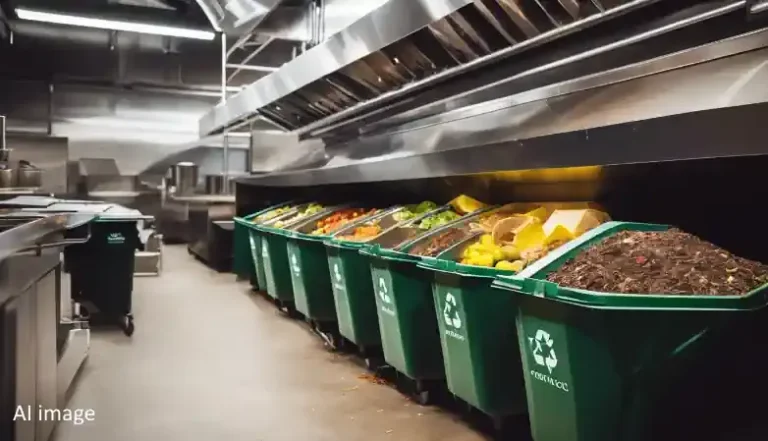
Here’s a stat that should make you cringe: 40% of food in the U.S. goes to waste. And restaurants? They’re some of the biggest offenders. When you’re sourcing locally and sustainably, waste isn’t just a financial issue, it’s a moral one. You’re not just throwing away money; you’re throwing away the time, effort, and resources that went into growing that food. And that’s not okay.
So, how do you reduce waste? One word: preservation. Learning how to preserve food isn’t just a way to save money, it’s a way to honor the ingredients and the people who grew them. Plus, it gives you more flexibility with your menu. Here are a few preservation techniques to master:
- Fermentation: This is one of the oldest and most effective ways to preserve food. Think sauerkraut, kimchi, pickles, and even fermented hot sauces. Fermentation not only extends the life of your ingredients but also adds depth of flavor to your dishes.
- Canning: Yes, canning. It’s not just for grandmas anymore. Canning allows you to preserve fruits, vegetables, and even sauces for months (or even years). It’s a great way to capture the flavors of summer to enjoy in the winter.
- Drying: Herbs, peppers, tomatoes, you can dry just about anything. Dried ingredients take up less space, last longer, and can be rehydrated or used as-is in dishes.
- Freezing: This one seems obvious, but it’s often overlooked. Freezing is a great way to preserve the flavor and texture of many ingredients, especially if you blanch them first.
- Pickling: Pickling isn’t just for cucumbers. You can pickle just about any vegetable, carrots, radishes, onions, even watermelon rind. It’s a great way to add brightness and acidity to your dishes.
But here’s the thing: preservation isn’t just about extending the life of your ingredients. It’s about getting creative with what you have. For example, if you’ve got a surplus of tomatoes, you could make a big batch of tomato sauce and freeze it. Or you could ferment them into a tangy, umami-rich condiment. Or you could dry them into sun-dried tomatoes. The possibilities are endless.
I’ll be honest: preservation is a skill, and it takes time to master. But once you get the hang of it, it becomes second nature. And the best part? It allows you to make the most of every ingredient, reducing waste and saving money in the process.
Step 6: Price It Right (Because Sustainability Shouldn’t Break the Bank)
Let’s talk about the elephant in the room: local and sustainable sourcing can be expensive. There’s no way around it. Small-scale farmers don’t have the same economies of scale as industrial operations, and sustainable practices often come with higher costs. So, how do you make it work without pricing yourself out of the market?
First, let’s reframe the conversation. Yes, local and sustainable ingredients might cost more upfront, but they also come with hidden savings. For example:
- Less waste: Local food lasts longer because it’s fresher. That means less spoilage and more usable product.
- Higher quality: Better ingredients mean less need for expensive additives, sauces, or techniques to mask poor quality.
- Marketing value: People are willing to pay more for food that’s locally sourced and sustainably produced. That means you can charge a premium for your dishes.
- Customer loyalty: When you source locally, you’re not just selling food, you’re selling a story. And stories build loyalty, which means repeat business and word-of-mouth marketing.
But even with those savings, you’re still going to have to adjust your pricing. Here’s how to do it without scaring off your customers:
- Be transparent: People are more willing to pay a premium if they understand why. Tell the story of where your ingredients come from. Put it on your menu, your website, and your social media. The more they know, the more they’ll appreciate the value.
- Start small: You don’t have to overhaul your entire menu at once. Start with a few key dishes that highlight your local ingredients, and price them accordingly. This gives customers a chance to taste the difference and understand the value.
- Offer options: Not every dish on your menu needs to be 100% local and sustainable. Offer a mix of options, so customers can choose how much they want to invest in the experience.
- Focus on value, not just price: People don’t just buy based on price, they buy based on value. If they feel like they’re getting a high-quality, unique, and meaningful experience, they’ll be more willing to pay for it.
I’m torn between two schools of thought here. On one hand, you could argue that restaurants should absorb the higher costs of local and sustainable sourcing to make it accessible to more people. On the other hand, you could argue that customers need to pay the true cost of their food, and that includes the environmental and social costs that industrial agriculture often externalizes. Ultimately, I think it’s about finding a balance. You can’t price yourself out of the market, but you also can’t undervalue the work that goes into sustainable food.
Step 7: Market the Hell Out of It (Because People Need to Know)
Here’s the thing: you could be doing everything right, sourcing the best local ingredients, reducing waste, paying fair wages, but if your customers don’t know about it, it doesn’t matter. Local and sustainable sourcing isn’t just a business strategy; it’s a marketing goldmine. But you’ve got to tell the story the right way.
So, how do you market your sourcing practices without coming across as preachy or inauthentic? Here are a few tips:
- Tell the story of your suppliers: People love a good story, and farmers have some of the best. Share their stories on your menu, your website, and your social media. Where did they grow up? Why did they start farming? What’s their favorite thing to grow? The more personal, the better.
- Highlight the benefits: Don’t just say, “We source locally.” Explain why it matters. Talk about the flavor, the freshness, the environmental impact, and the community benefits. Make it clear that this isn’t just a gimmick, it’s a commitment.
- Use visuals: A picture is worth a thousand words, and a video is worth even more. Show your suppliers in action, harvesting crops, delivering ingredients, or even cooking in your kitchen. Visuals make the story real.
- Get your staff involved: Your servers, bartenders, and hosts are your brand ambassadors. Train them to talk about your sourcing practices with customers. Encourage them to share their own experiences and why they’re proud to work at a restaurant that values sustainability.
- Leverage social media: Social media is the perfect platform for sharing your sourcing story. Post behind-the-scenes content, farmer takeovers, and even live Q&As. The more transparent you are, the more trust you’ll build.
- Partner with your suppliers: Collaborate with your local producers on marketing campaigns. Host farm-to-table dinners, offer cooking classes, or even create limited-edition menu items that highlight their products. The more you work together, the stronger your story becomes.
But here’s the thing: marketing isn’t just about selling, it’s about educating. A lot of people still don’t understand why local and sustainable sourcing matters. They don’t know about the environmental impact of industrial agriculture or the challenges small farmers face. So, use your platform to teach them. The more they know, the more they’ll appreciate what you’re doing.
I’ll be honest: marketing your sourcing practices can feel a little self-congratulatory at times. But if you do it right, it doesn’t have to. The key is to focus on the story, not just the sales pitch. People can tell when you’re being authentic, and they’ll respond to that.
Step 8: Measure What Matters (Because You Can’t Improve What You Don’t Track)
Here’s a question I get a lot: “How do I know if local and sustainable sourcing is actually working for my restaurant?” And the answer is simple: you’ve got to measure it. But not just any metrics, you’ve got to track the right ones.
So, what should you be measuring? Here are a few key performance indicators (KPIs) to consider:
- Food cost percentage: This is the big one. How much of your revenue is going toward food costs? If you’re sourcing locally and sustainably, this number might go up at first, but it should stabilize over time as you find efficiencies.
- Waste percentage: How much food are you throwing away? Local and sustainable sourcing should help reduce waste, so track this number over time to see if it’s improving.
- Customer satisfaction: Are your customers happier? Track reviews, repeat business, and even social media sentiment to see if your sourcing practices are resonating.
- Supplier satisfaction: Are your suppliers happy? Are they delivering on time? Are they making a profit? Happy suppliers are more likely to stick around and work with you to solve problems.
- Environmental impact: This one’s a little harder to measure, but it’s worth tracking. How much have you reduced your carbon footprint by sourcing locally? How much water have you saved? How much waste have you diverted from landfills?
- Employee engagement: Are your staff more engaged and proud of where they work? Happy employees are more productive, more creative, and more likely to stick around.
But here’s the thing: measuring these metrics isn’t just about proving that local and sustainable sourcing is working. It’s about identifying areas for improvement. Maybe your food cost percentage is higher than you’d like. That’s a sign you need to find ways to reduce waste or negotiate better prices with your suppliers. Maybe your waste percentage isn’t improving. That’s a sign you need to get better at preservation or menu planning.
I’ll be honest: tracking these metrics can feel like a chore. But it’s worth it. Because when you can see the impact of your efforts, both on your bottom line and on the world, it makes all the hard work feel a little more meaningful.
Step 9: Scale Smart (Because Growth Shouldn’t Come at the Cost of Your Values)
Let’s say you’ve done it. You’ve built a successful restaurant with a thriving local and sustainable supply chain. Now, you’re ready to grow. Maybe you want to open a second location, or maybe you want to expand your catering business. Whatever the case, you’ve got to figure out how to scale without compromising your values.
Here’s the hard truth: scaling local and sustainable sourcing is really, really hard. The more locations you have, the more suppliers you need. The more suppliers you have, the harder it is to maintain those deep, personal relationships. And the more you grow, the more pressure there is to cut corners to keep costs down.
So, how do you scale smart? Here are a few strategies:
- Start with your existing suppliers: Before you look for new suppliers, talk to your existing ones. Can they scale with you? Can they supply multiple locations? If not, can they recommend other producers who share your values?
- Build a network of regional hubs: Instead of trying to source everything from one central location, build a network of regional hubs that can supply your different locations. This reduces transportation costs and keeps your supply chain resilient.
- Invest in infrastructure: If you’re serious about scaling, you might need to invest in your own infrastructure, like a central kitchen, a distribution system, or even a farm. This gives you more control over your supply chain and allows you to scale more efficiently.
- Stay small: Okay, this one might sound counterintuitive, but hear me out. Scaling isn’t the only path to growth. You could also focus on deepening your impact in your existing location, offering cooking classes, hosting events, or even launching a line of preserved products. Sometimes, staying small is the smartest way to grow.
- Be transparent about your challenges: Scaling local and sustainable sourcing is hard, and your customers will appreciate your honesty. Share your struggles and your successes. The more transparent you are, the more trust you’ll build.
I’m not going to lie: scaling local and sustainable sourcing is one of the biggest challenges you’ll face. But it’s not impossible. The key is to stay true to your values while also being willing to adapt. Maybe that means finding new suppliers, or maybe it means rethinking what growth looks like for your business. Either way, it’s a journey, and one that’s worth taking.
Step 10: Keep Learning (Because This Is a Marathon, Not a Sprint)
Here’s the final truth: local and sustainable sourcing is a journey, not a destination. There’s always more to learn, more to improve, and more ways to make an impact. So, how do you keep growing and evolving?
First, stay curious. Read books, listen to podcasts, and follow thought leaders in the sustainable food space. Some of my favorites include:
- Books: The Omnivore’s Dilemma by Michael Pollan, Animal, Vegetable, Miracle by Barbara Kingsolver, and The Third Plate by Dan Barber.
- Podcasts: The Sporkful, Gastropod, and The Farm Report.
- Documentaries: Food, Inc., The Biggest Little Farm, and Sustainable.
Second, stay connected. Join local food networks, attend industry events, and collaborate with other restaurants that share your values. The more you engage with the community, the more you’ll learn and the more opportunities you’ll find.
Third, stay humble. There’s always more to learn, and there’s always room for improvement. Don’t be afraid to ask for help, admit when you’ve made a mistake, or change your approach when something isn’t working. The best leaders are the ones who are always learning.
Finally, stay committed. Local and sustainable sourcing isn’t always easy, but it’s always worth it. Keep your eyes on the prize, the health of your customers, your community, and the planet, and let that guide you forward.
The Road Ahead: What’s Next for Local and Sustainable Sourcing?
So, where do we go from here? The truth is, the future of local and sustainable sourcing for restaurants is still being written. But one thing is clear: the demand isn’t going away. If anything, it’s only going to grow. As climate change continues to disrupt global supply chains, as consumers become more educated about where their food comes from, and as the true cost of industrial agriculture becomes harder to ignore, local and sustainable sourcing will become the norm, not the exception.
But here’s the thing: this isn’t just about restaurants. It’s about all of us. It’s about rethinking our relationship with food, with the land, and with each other. It’s about building a food system that’s not just efficient, but also equitable, sustainable, and delicious. And that’s a future worth fighting for.
So, what’s your next move? Maybe it’s visiting a farmers market this weekend. Maybe it’s calling up a local farmer and asking if they’d be willing to supply your restaurant. Maybe it’s finally learning how to ferment your own hot sauce. Whatever it is, just start. Because the only way to fail is to do nothing at all.
And hey, if you ever feel overwhelmed, just remember: every tomato that doesn’t have to travel 1,500 miles is a win. Every farmer who gets a fair price for their work is a win. Every customer who leaves your restaurant feeling a little more connected to their food is a win. And those wins? They add up.
FAQ: Your Burning Questions About Local and Sustainable Sourcing
Q: Isn’t local and sustainable sourcing just for high-end restaurants?
A: Not at all! While it’s true that some high-end restaurants have embraced local and sustainable sourcing, it’s not just for them. Fast-casual spots, food trucks, and even school cafeterias are finding ways to make it work. The key is to start small, focus on what’s feasible for your business, and build from there. For example, a taco truck might start by sourcing local tortillas or avocados, while a diner might focus on local eggs and dairy. It’s not about being perfect, it’s about making progress.
Q: How do I find local suppliers if I’m not in a major city?
A: Great question! Rural areas and smaller towns often have incredible local food scenes, but they can be harder to navigate if you’re not familiar with them. Start by checking out local farmers markets, food co-ops, or even roadside stands. Talk to other restaurant owners in your area, chances are, they’ve already done some of the legwork. You can also look for regional food hubs or distributors that specialize in local products. And don’t forget about online directories like LocalHarvest.org, which can help you find producers in your area. The key is to be persistent and willing to put in the time to build relationships.
Q: What if my customers don’t care about local and sustainable sourcing?
A: This is a common concern, but here’s the thing: even if your customers don’t explicitly care about local and sustainable sourcing, they probably care about quality, flavor, and value. And that’s what local and sustainable sourcing delivers. The key is to frame it in a way that resonates with them. Instead of saying, “This salad is made with locally sourced greens,” say, “This salad is made with greens that were picked this morning, they’re fresher, crisper, and more flavorful than anything you’ll find at a chain restaurant.” Focus on the benefits they’ll notice, and the rest will follow.
Q: How do I handle the higher costs of local and sustainable ingredients?
A: This is one of the biggest challenges, but it’s not insurmountable. First, remember that local and sustainable ingredients often come with hidden savings, like reduced waste, better flavor, and stronger customer loyalty. Second, look for ways to offset the higher costs. Can you reduce portion sizes slightly? Can you find efficiencies in your kitchen? Can you charge a small premium for dishes that feature local ingredients? Finally, be transparent with your customers. Explain why your prices are higher, and they’ll be more willing to pay for the value you’re providing. And if all else fails, start small. Focus on sourcing just one or two key ingredients locally, and build from there as you find ways to make the numbers work.
@article{why-local-and-sustainable-sourcing-isnt-just-a-trend-its-the-future-of-restaurants,
    title   = {Why Local and Sustainable Sourcing Isn’t Just a Trend, It’s the Future of Restaurants},
    author  = {Chef's icon},
    year    = {2026},
    journal = {Chef's Icon},
    url     = {https://chefsicon.com/local-and-sustainable-sourcing-for-restaurants/}
}