The Best Fluffy Pancakes recipe you will fall in love with. Full of tips and tricks to help you make the best pancakes.
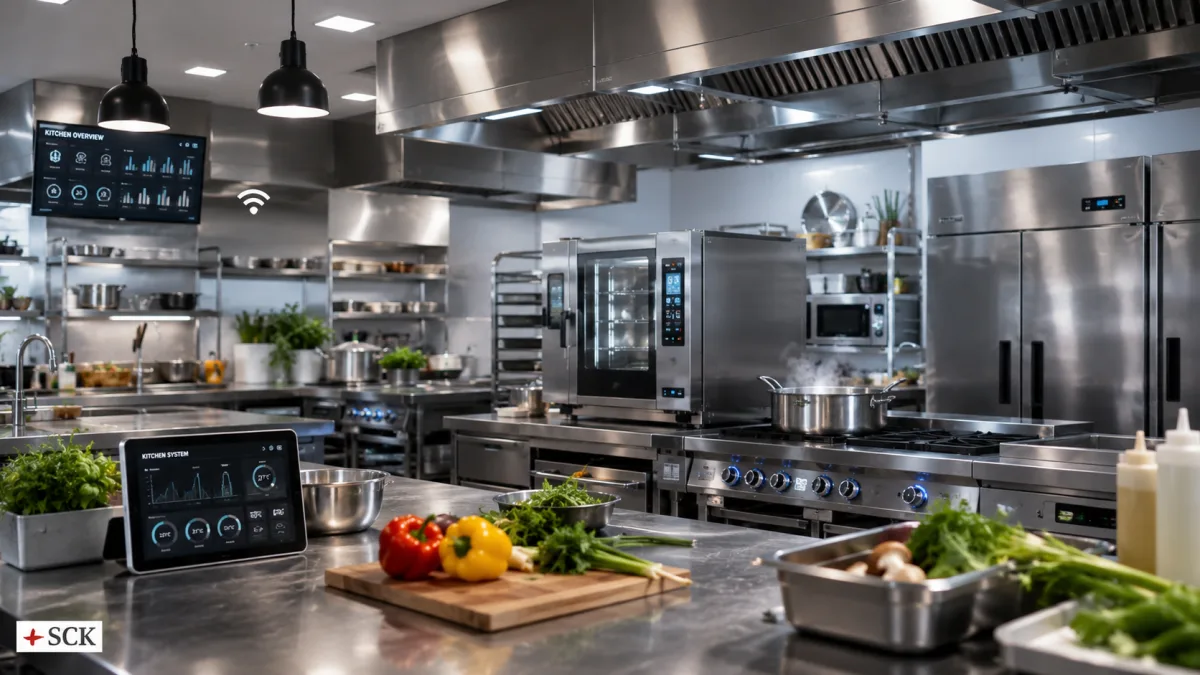
Maximizing Flavor with Minimal Footprint: The Smart Way to Design Your Commercial Kitchen
I’ll admit it, I’ve spent more hours than I’d like to count standing in cramped, chaotic kitchens, watching chefs work miracles in spaces that barely accommodate a single prep table. There’s something almost poetic about it, the way they layer flavors, balance heat, and create dishes that make you close your eyes and sigh. But here’s the thing: those tight quarters? They don’t have to be the enemy of great food. In fact, with the right approach, a minimal-footprint commercial kitchen can actually enhance flavor, not hinder it. And that’s what I want to talk about today.
I remember my first visit to a tiny ramen shop in Nashville’s Gulch neighborhood. The kitchen was maybe 150 square feet, tops, but the broth? Rich, complex, and simmered for hours in a way that made it taste like it came from a five-star restaurant. How? The chef had designed every inch of that space to work smarter, not harder. The equipment was multi-functional, the workflow was streamlined, and the storage was optimized to keep ingredients fresh and accessible. It was a masterclass in maximizing flavor with minimal space, and it changed the way I think about commercial kitchen design.
So, if you’re running a restaurant, food truck, or even a small catering operation, and you’re feeling squeezed by space constraints, this article is for you. We’re going to dive deep into how to design a kitchen that doesn’t just fit into a small footprint but actually elevates your food. You’ll learn how to choose the right equipment, organize your workflow, and even use psychology to make your kitchen feel bigger than it is. And don’t worry, I’ll keep it real. There’s no one-size-fits-all solution here, and I’ll be the first to admit that some of these ideas might not work for your specific setup. But if you’re willing to think outside the box (or in this case, the kitchen), you might just find a way to create something extraordinary in a space that others would write off as too small.
By the end of this, you’ll have a toolkit of strategies to:
- Design a compact kitchen layout that maximizes efficiency without sacrificing flavor.
- Choose multi-functional equipment that does more with less.
- Optimize storage solutions to keep ingredients fresh and accessible.
- Implement workflow strategies that reduce wasted movement and time.
- Leverage technology and smart systems to automate tasks and improve consistency.
- Understand the psychological tricks that make small spaces feel larger and more functional.
Let’s get started.
The Philosophy Behind Minimal-Footprint Kitchens
Why Less Can Actually Be More
I know what you’re thinking: “If I had more space, I could do so much more.” And sure, a larger kitchen gives you room to spread out, store more ingredients, and maybe even add a few extra stations. But here’s the counterintuitive truth: smaller kitchens can force you to be more creative, more efficient, and more intentional with your cooking. When you don’t have the luxury of wasted space, you’re forced to think critically about every piece of equipment, every ingredient, and every step in your process. And that kind of focus? It can lead to better food.
Take the ramen shop I mentioned earlier. The chef didn’t have room for a walk-in freezer, so he had to be strategic about what he ordered and how he stored it. That meant fresher ingredients, less waste, and a menu that changed with the seasons. It also meant he had to develop a deep understanding of how flavors interact, because he couldn’t rely on having every ingredient under the sun at his fingertips. The result? A broth that was simpler but more refined than anything I’d tasted in larger, more “well-equipped” kitchens.
But it’s not just about creativity. There are practical benefits to a minimal-footprint kitchen, too. Smaller spaces are easier to clean, cheaper to maintain, and often more energy-efficient. They also encourage better communication among staff, because everyone is working in close quarters. And let’s not forget the financial upside: smaller kitchens mean lower rent, lower utility bills, and less money tied up in equipment and inventory. In a world where restaurant margins are razor-thin, those savings can make all the difference.
Of course, it’s not all sunshine and rainbows. Small kitchens come with their own set of challenges. Storage is always a battle. Workflow can become a nightmare if you’re not careful. And let’s be honest, there’s nothing worse than trying to prep a busy dinner service in a space that feels like it’s closing in on you. But here’s the thing: those challenges aren’t insurmountable. With the right strategies, you can turn a small kitchen into a flavor powerhouse that punches well above its weight.
So, is a minimal-footprint kitchen right for you? That depends. If you’re running a high-volume operation with a complex menu, you might need more space to keep up with demand. But if you’re willing to streamline your menu, invest in smart equipment, and get creative with your layout, a small kitchen can be a game-changer. The key is to approach it with the right mindset: less space doesn’t have to mean less flavor. In fact, it can mean the opposite.
The Psychology of Small Spaces: How to Make Your Kitchen Feel Bigger
Before we dive into the nuts and bolts of kitchen design, let’s talk about psychology. Because here’s the thing: a small kitchen doesn’t just feel cramped because of the physical space. It feels cramped because of how we perceive that space. And if we can change that perception, we can make a small kitchen feel more open, more functional, and less stressful to work in.
One of the biggest mistakes I see in small kitchens is clutter. And I get it, when you’re working with limited space, it’s tempting to just shove everything into whatever nook or cranny you can find. But clutter is the enemy of efficiency. It makes it harder to find what you need, harder to move around, and harder to focus. And when you’re trying to create great food, focus is everything.
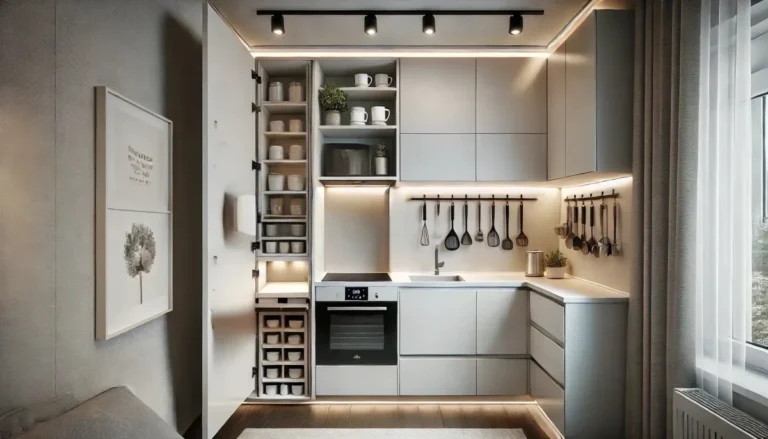
So, how do you combat clutter? Start by thinking about visual weight. Dark colors, bulky equipment, and closed storage all make a space feel smaller. Light colors, open shelving, and sleek, multi-functional equipment do the opposite. For example, replacing a heavy, dark wood prep table with a stainless steel one can make your kitchen feel more open instantly. Similarly, swapping out solid cabinet doors for glass ones can create the illusion of more space by allowing the eye to travel further.
Another trick is to use mirrors and reflective surfaces. I know, it sounds a little gimmicky, but hear me out. Mirrors can make a small space feel twice as large by reflecting light and creating the illusion of depth. You don’t need to turn your kitchen into a hall of mirrors, but a few strategically placed reflective surfaces, like a mirrored backsplash or stainless steel appliances, can make a big difference.
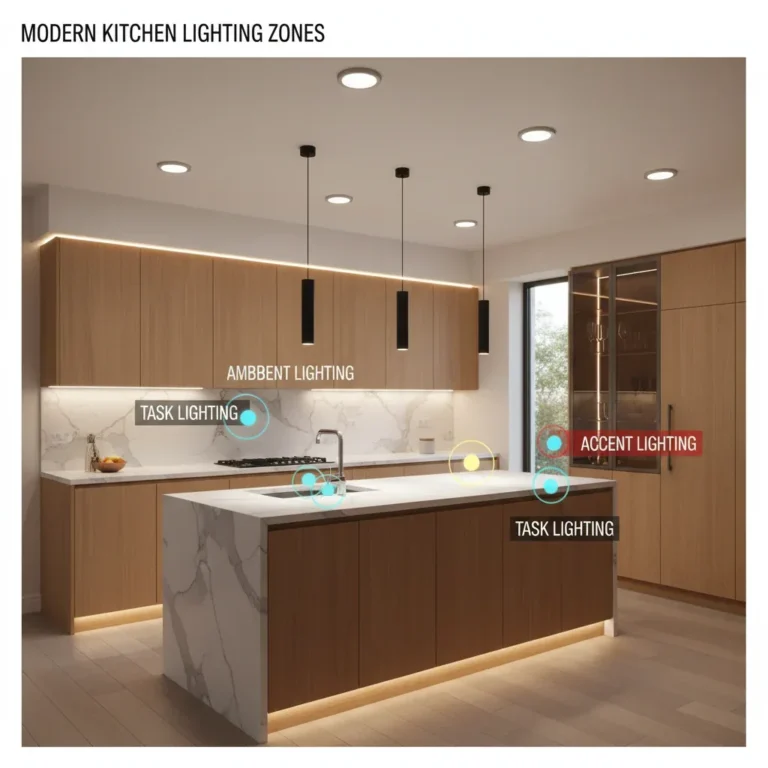
Lighting is another underrated tool. Harsh, overhead lighting can make a small space feel even smaller by creating sharp shadows and highlighting every imperfection. Soft, diffused lighting, on the other hand, can make a space feel more open and inviting. Consider adding under-cabinet lighting to brighten up work surfaces or installing dimmable lights to create a more flexible atmosphere. And don’t forget about natural light, if you have windows, keep them unobstructed to let in as much daylight as possible.
Finally, think about flow. A well-designed kitchen should feel like a dance, with each movement leading naturally to the next. If your kitchen feels like an obstacle course, it’s going to feel smaller than it is. We’ll dive deeper into workflow later, but for now, just remember this: the more intuitive your kitchen layout, the larger it will feel. And the larger it feels, the easier it will be to create great food in it.
Designing Your Minimal-Footprint Kitchen: The Nuts and Bolts
Choosing the Right Layout for Your Space
Alright, let’s get into the nitty-gritty. When it comes to designing a minimal-footprint kitchen, the layout is everything. A well-designed layout can make a small space feel spacious and efficient, while a poorly designed one can turn even a moderately sized kitchen into a chaotic mess. So, how do you choose the right layout for your space?
First, let’s talk about the most common kitchen layouts and their pros and cons:
- Galley Layout: This is the classic “two walls” setup, where equipment and workstations are arranged along two parallel walls. It’s a great choice for narrow spaces, as it maximizes efficiency by keeping everything within arm’s reach. The downside? It can feel a little cramped if you’re not careful with your spacing. If you go with a galley layout, make sure to leave at least 3 feet of clearance between the two walls to allow for easy movement.
- L-Shaped Layout: This layout arranges equipment and workstations along two adjacent walls, forming an “L” shape. It’s a good choice for square or rectangular spaces, as it creates a natural workflow and leaves room for an island or additional storage. The downside? It can be tricky to fit all your equipment into the available space, so you’ll need to be strategic about what you include.
- U-Shaped Layout: This layout arranges equipment and workstations along three walls, forming a “U” shape. It’s a great choice for larger small kitchens (if that makes sense), as it provides plenty of counter space and storage. The downside? It can feel a little closed-in if you’re not careful with your design. To combat this, consider leaving one side of the “U” open to create a more open feel.
- Single-Wall Layout: This is the simplest layout, with all equipment and workstations arranged along a single wall. It’s a great choice for very small spaces, like food trucks or tiny cafes. The downside? It can be challenging to fit all your equipment into a single line, so you’ll need to be creative with your storage and workflow.
So, which layout is right for you? That depends on your space, your menu, and your workflow. But here’s a general rule of thumb: the simpler the layout, the better. In a small kitchen, you want to minimize wasted movement and maximize efficiency. That means keeping your workstations close together and arranging them in a way that makes sense for your specific needs.
For example, if you’re running a pizzeria, you might want to arrange your prep station, dough mixer, and oven in a straight line, so you can move seamlessly from one task to the next. If you’re running a sushi bar, you might want to arrange your prep station, rice cooker, and refrigeration in a U-shape, so you can keep everything within arm’s reach. The key is to think about how you actually work in the kitchen and design your layout around that.
And don’t be afraid to get creative. Some of the best small kitchens I’ve seen break the rules a little. Maybe you arrange your equipment in a diagonal line to maximize counter space, or maybe you create a “floating” island in the center of the room to add extra storage. The point is, there’s no one “right” way to design a small kitchen. The best layout is the one that works for you.
Multi-Functional Equipment: Doing More with Less
If there’s one thing I’ve learned from working in small kitchens, it’s this: every piece of equipment needs to earn its keep. In a minimal-footprint kitchen, there’s no room for single-use tools or gadgets that only get used once in a blue moon. You need equipment that can do double, triple, or even quadruple duty. And luckily, there are plenty of options out there that fit the bill.
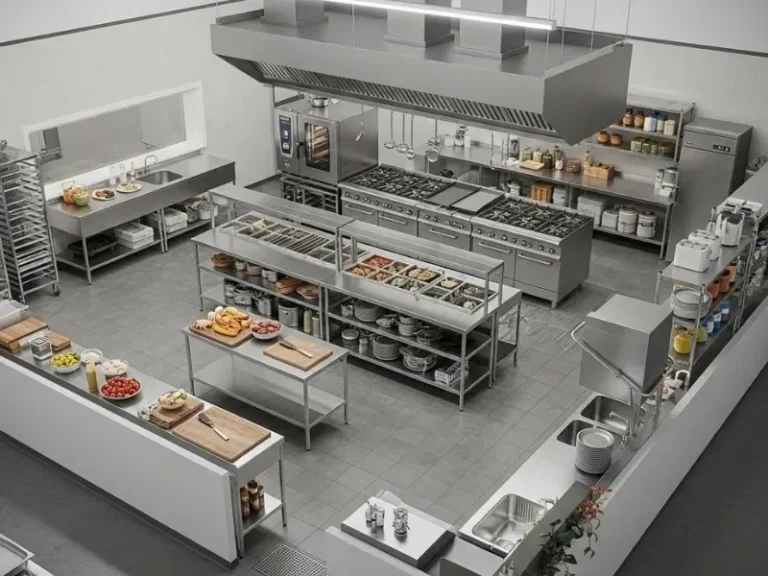
Let’s start with the big stuff. If you’re working with limited space, you can’t afford to have a separate oven, grill, and fryer. That’s where combi ovens come in. These versatile machines can bake, roast, steam, and even fry, all in one compact unit. They’re a game-changer for small kitchens, as they allow you to cook a wide variety of dishes without taking up valuable real estate. And the best part? They’re incredibly efficient, using less energy and water than traditional ovens.
Another great option is a tilt skillet. These multi-functional workhorses can braise, sauté, steam, and even deep-fry, all in one pan. They’re perfect for small kitchens because they replace multiple pieces of equipment, freeing up space for other essentials. Plus, they’re incredibly versatile, you can use them to cook everything from soups and stews to stir-fries and fried chicken.
But it’s not just about the big equipment. Even small tools can make a big difference in a minimal-footprint kitchen. For example, a food processor can chop, slice, shred, and puree, all in one compact machine. A stand mixer can knead dough, whip cream, and even grind meat. And a immersion blender can blend, puree, and emulsify, all without taking up valuable counter space.
Of course, multi-functional equipment isn’t just about saving space. It’s also about saving time and money. When you can do more with less, you’re not just reducing your footprint, you’re also reducing your energy bills, your water usage, and your maintenance costs. And in a world where every penny counts, those savings can add up fast.
But here’s the thing: not all multi-functional equipment is created equal. Some machines are better at certain tasks than others, and some are more durable than others. So, how do you choose the right equipment for your kitchen? Here are a few things to consider:
- Versatility: How many different tasks can the equipment perform? The more versatile it is, the more value it will provide in a small kitchen.
- Durability: How long will the equipment last? In a small kitchen, you can’t afford to replace equipment every few years, so it’s important to invest in machines that are built to last.
- Ease of Use: How easy is the equipment to operate and clean? In a busy kitchen, you don’t have time to fuss with complicated machines, so it’s important to choose equipment that’s intuitive and easy to maintain.
- Size: How much space does the equipment take up? In a small kitchen, every inch counts, so it’s important to choose equipment that’s compact and easy to store.
- Cost: How much does the equipment cost? In a small kitchen, you need to be strategic about where you spend your money, so it’s important to choose equipment that provides the most bang for your buck.
At the end of the day, the best multi-functional equipment is the kind that fits seamlessly into your workflow and helps you create better food. So, take your time, do your research, and choose equipment that’s right for you.
Storage Solutions: Keeping Ingredients Fresh and Accessible
If there’s one thing that can make or break a small kitchen, it’s storage. When you’re working with limited space, every inch counts, and if you’re not careful, you can quickly find yourself drowning in clutter. But here’s the good news: with the right storage solutions, you can keep your ingredients fresh, your workspace organized, and your kitchen running smoothly.
Let’s start with the basics. In a small kitchen, vertical space is your best friend. Instead of spreading out horizontally, think about how you can stack, hang, and store things vertically. For example, wall-mounted shelves can provide extra storage for dry goods, while hanging racks can keep pots, pans, and utensils within easy reach. And don’t forget about the space above your equipment, it’s often underutilized, but it can be a great place to store less frequently used items.
Another great way to maximize storage is to use modular shelving. These adjustable systems allow you to customize your storage to fit your specific needs, and they can be easily reconfigured as your menu and workflow evolve. For example, you might start with a few shelves for dry goods, but as your menu changes, you can add baskets for produce, hooks for utensils, or even a pegboard for tools. The key is to choose a system that’s flexible enough to grow with you.
But storage isn’t just about shelves and racks. It’s also about organization. In a small kitchen, you can’t afford to waste time searching for ingredients or tools, so it’s important to keep everything in its place. That means labeling your shelves, using clear containers for dry goods, and keeping frequently used items within easy reach. It also means being strategic about what you store where. For example, you might keep your most frequently used spices near your prep station, while storing less frequently used items in a less accessible spot.
And let’s not forget about refrigeration. In a small kitchen, you might not have room for a walk-in cooler, but that doesn’t mean you can’t keep your ingredients fresh. Undercounter refrigerators are a great option for small kitchens, as they provide plenty of storage without taking up valuable floor space. You can also use reach-in refrigerators with glass doors to keep ingredients visible and accessible. And if you’re really tight on space, consider a refrigerated prep table, which combines storage and prep space in one compact unit.
Of course, storage isn’t just about keeping things organized. It’s also about keeping ingredients fresh. In a small kitchen, you can’t afford to waste food, so it’s important to store ingredients in a way that maximizes their shelf life. That means using airtight containers for dry goods, keeping produce in the right conditions, and rotating your stock regularly. It also means being strategic about what you order and when. For example, you might order smaller quantities of perishable items more frequently to reduce waste and keep ingredients fresh.
At the end of the day, the best storage solutions are the ones that work for you. So, take the time to think about your specific needs, experiment with different layouts, and don’t be afraid to get creative. With the right storage solutions, you can keep your kitchen organized, your ingredients fresh, and your workflow running smoothly, no matter how small your space.
Workflow Optimization: Moving Like a Well-Oiled Machine
Alright, let’s talk about workflow. Because here’s the thing: no matter how well-designed your kitchen is, if your workflow is a mess, you’re going to struggle. In a small kitchen, every movement counts, and wasted steps can add up fast. That’s why it’s so important to design your workflow with efficiency in mind.
So, what does an efficient workflow look like? At its core, it’s about minimizing wasted movement and maximizing productivity. That means arranging your workstations in a way that makes sense for your specific needs, keeping frequently used items within easy reach, and designing your kitchen so that you can move seamlessly from one task to the next.
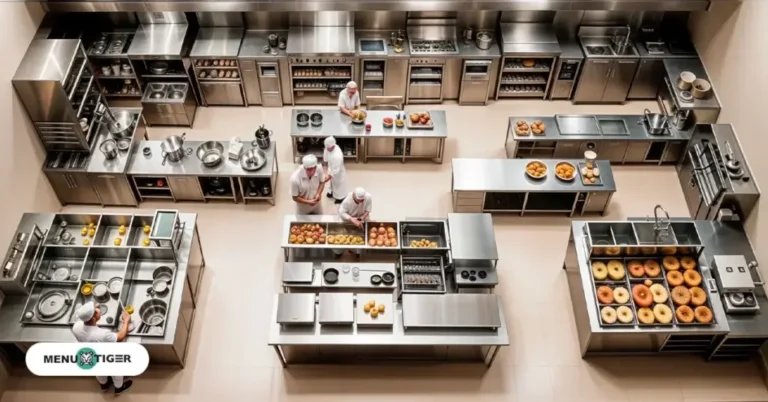
Let’s start with the basics. In a small kitchen, you want to arrange your workstations in a way that creates a logical flow. For example, if you’re running a bakery, you might arrange your prep station, mixer, and oven in a straight line, so you can move from one task to the next without backtracking. If you’re running a sushi bar, you might arrange your prep station, rice cooker, and refrigeration in a U-shape, so you can keep everything within arm’s reach.
But it’s not just about the big picture. It’s also about the little details. For example, where do you store your knives? If they’re not within easy reach of your prep station, you’re wasting time every time you need to grab one. Where do you keep your spices? If they’re not near your cooking station, you’re wasting time every time you need to season a dish. And where do you store your cleaning supplies? If they’re not easily accessible, you’re wasting time every time you need to clean up a spill.
One of the best ways to optimize your workflow is to use the “work triangle” concept. This classic kitchen design principle suggests that the three most important workstations, cooking, prep, and cleaning, should form a triangle, with each side measuring between 4 and 9 feet. The idea is to minimize wasted movement by keeping these three stations close together, but not so close that they interfere with each other.
Of course, the work triangle isn’t a one-size-fits-all solution. In a small kitchen, you might not have room for a traditional triangle, and that’s okay. The key is to think about how you actually work in the kitchen and design your workflow around that. For example, if you’re running a food truck, you might arrange your workstations in a straight line, with prep at one end, cooking in the middle, and cleaning at the other end. The point is, there’s no “right” way to design a workflow. The best workflow is the one that works for you.
Another important aspect of workflow optimization is ergonomics. In a small kitchen, you’re going to be spending a lot of time on your feet, so it’s important to design your workspace in a way that minimizes strain and fatigue. That means choosing equipment that’s the right height for you, keeping frequently used items within easy reach, and designing your kitchen so that you can move comfortably from one task to the next.
For example, if you’re tall, you might want to choose a prep table that’s a little higher than standard, so you don’t have to hunch over while you work. If you’re short, you might want to choose a lower table, so you don’t have to reach up to grab ingredients. And if you’re working in a tight space, you might want to choose equipment that’s compact and easy to move, so you can reconfigure your kitchen as needed.
At the end of the day, the best workflow is the one that feels atural to you. So, take the time to think about how you actually work in the kitchen, experiment with different layouts, and don’t be afraid to make changes as needed. With the right workflow, you can turn a small kitchen into a well-oiled machine that produces great food, day in and day out.
Technology and Smart Systems: The Future of Small Kitchens
Automation: Letting Machines Do the Heavy Lifting
Let’s be real, running a commercial kitchen is hard work. There’s prep, cooking, cleaning, and a million other tasks that need to be done, often all at once. And in a small kitchen, where every second counts, that workload can feel even more overwhelming. But here’s the good news: technology is here to help. From automated prep stations to smart ovens, there are plenty of tools out there that can help you work smarter, not harder.
Take automated prep stations, for example. These machines can chop, slice, and dice ingredients with precision and speed, freeing up your staff to focus on more important tasks. They’re a game-changer for small kitchens, where time and space are at a premium. And the best part? They’re incredibly consistent, so you can be sure that every dish is prepped to the same high standard.
Or how about smart ovens? These high-tech machines can be programmed to cook dishes to perfection, with no guesswork required. They can even adjust cooking times and temperatures on the fly, so you can be sure that every dish comes out just right. And with features like remote monitoring and Wi-Fi connectivity, you can keep an eye on your food from anywhere in the kitchen (or even outside of it).
But it’s not just about the big machines. Even small tools can make a big difference in a small kitchen. For example, digital timers can help you keep track of multiple dishes at once, while smart scales can ensure that every ingredient is measured to the gram. And let’s not forget about inventory management software, which can help you keep track of your stock, reduce waste, and order ingredients more efficiently.
Of course, technology isn’t a magic bullet. It’s a tool, and like any tool, it’s only as good as the person using it. So, how do you choose the right technology for your kitchen? Here are a few things to consider:
- Ease of Use: How easy is the technology to operate? In a busy kitchen, you don’t have time to fuss with complicated machines, so it’s important to choose technology that’s intuitive and easy to use.
- Reliability: How reliable is the technology? In a small kitchen, you can’t afford to have your equipment break down in the middle of a busy service, so it’s important to choose technology that’s built to last.
- Cost: How much does the technology cost? In a small kitchen, you need to be strategic about where you spend your money, so it’s important to choose technology that provides the most bang for your buck.
- Integration: How well does the technology integrate with your existing systems? In a small kitchen, you don’t have room for standalone machines that don’t play well with others, so it’s important to choose technology that can be easily integrated into your workflow.
- Support: What kind of support does the technology come with? In a small kitchen, you don’t have time to troubleshoot problems on your own, so it’s important to choose technology that comes with reliable customer support.
At the end of the day, the best technology is the kind that fits seamlessly into your workflow and helps you create better food. So, take your time, do your research, and choose technology that’s right for you.
Smart Kitchen Systems: The Brain Behind the Operation
If automation is the muscle of a smart kitchen, then smart kitchen systems are the brain. These integrated platforms can help you manage everything from inventory and ordering to staff scheduling and customer reservations. And in a small kitchen, where every decision counts, they can be a game-changer.
Take inventory management systems, for example. These platforms can help you keep track of your stock in real-time, so you always know what you have on hand and what you need to order. They can also help you reduce waste by alerting you when ingredients are about to expire, and they can even automate your ordering process, so you never run out of the things you need.
Or how about staff scheduling software? These platforms can help you create and manage schedules, track employee hours, and even handle payroll. They’re a great way to streamline your operations and free up your time to focus on what really matters: creating great food.
And let’s not forget about customer management systems. These platforms can help you keep track of your customers’ preferences, manage reservations, and even handle loyalty programs. They’re a great way to build relationships with your customers and keep them coming back for more.
But here’s the thing: smart kitchen systems aren’t just about efficiency. They’re also about data. By collecting and analyzing data on everything from ingredient usage to customer preferences, these systems can help you make smarter decisions about your menu, your staffing, and your operations. And in a small kitchen, where every decision counts, that data can be invaluable.
Of course, smart kitchen systems aren’t for everyone. They can be expensive, and they require a certain level of technical know-how to set up and maintain. But if you’re willing to invest the time and money, they can be a game-changer for your business.
So, how do you choose the right smart kitchen system for your kitchen? Here are a few things to consider:
- Features: What features does the system offer? Does it include inventory management, staff scheduling, customer management, or all of the above? Make sure to choose a system that offers the features you need.
- Ease of Use: How easy is the system to use? In a busy kitchen, you don’t have time to fuss with complicated software, so it’s important to choose a system that’s intuitive and easy to navigate.
- Integration: How well does the system integrate with your existing technology? In a small kitchen, you don’t have room for standalone systems that don’t play well with others, so it’s important to choose a system that can be easily integrated into your workflow.
- Cost: How much does the system cost? In a small kitchen, you need to be strategic about where you spend your money, so it’s important to choose a system that provides the most bang for your buck.
- Support: What kind of support does the system come with? In a small kitchen, you don’t have time to troubleshoot problems on your own, so it’s important to choose a system that comes with reliable customer support.
At the end of the day, the best smart kitchen system is the one that fits seamlessly into your workflow and helps you run your business more efficiently. So, take your time, do your research, and choose a system that’s right for you.
Putting It All Together: A Case Study in Minimal-Footprint Success
From Chaos to Clarity: How One Chef Transformed a Tiny Kitchen
I want to tell you a story about a chef named Marco. Marco runs a small Italian restaurant in downtown Nashville, and when I first met him, his kitchen was a disaster. It was maybe 200 square feet, tops, and it was packed with equipment, ingredients, and clutter. The prep station was crammed into a corner, the oven was too far from the cooking station, and the walk-in cooler was so full that Marco had to climb over boxes just to grab a head of lettuce. It was a mess, and it was killing his business.
But Marco was determined to turn things around. He knew that if he could just get his kitchen under control, he could create better food, serve more customers, and maybe even turn a profit. So, he reached out to me for help, and together, we set out to transform his tiny kitchen into a flavor powerhouse.
First, we started with the layout. Marco’s kitchen was a classic galley setup, with equipment and workstations arranged along two parallel walls. The problem was, the layout wasn’t optimized for his workflow. The prep station was too far from the cooking station, the oven was too far from the plating area, and the walk-in cooler was in the worst possible spot. So, we rearranged everything. We moved the prep station closer to the cooking station, we relocated the oven to a more central location, and we even added a small undercounter refrigerator to free up space in the walk-in.
Next, we tackled the equipment. Marco’s kitchen was packed with single-use tools and gadgets that were taking up valuable space. So, we replaced them with multi-functional equipment. We swapped out his old oven for a combi oven, we replaced his bulky prep table with a tilt skillet, and we even added a food processor to handle all his chopping and slicing needs. The result? A kitchen that was more efficient, more versatile, and easier to work in.
Then, we turned our attention to storage. Marco’s kitchen was drowning in clutter, with ingredients and tools shoved into every available nook and cranny. So, we installed modular shelving to maximize vertical space, we added hanging racks for pots and pans, and we even created a custom spice rack to keep his most frequently used ingredients within easy reach. We also implemented a first-in, first-out (FIFO) system to ensure that ingredients were used before they expired, reducing waste and keeping his food fresh.
Finally, we optimized his workflow. We designed a work triangle that minimized wasted movement, we rearranged his workstations to create a logical flow, and we even added a few ergonomic touches to reduce strain and fatigue. The result? A kitchen that was more efficient, more productive, and less stressful to work in.
And the best part? Marco’s food got better. With a kitchen that was more organized, more efficient, and easier to work in, he was able to focus on what really mattered: creating great food. His dishes became more consistent, his flavors became more refined, and his customers took notice. Within a few months, his restaurant was thriving, and he was even able to hire a few extra staff members to help keep up with demand.
So, what’s the lesson here? It’s simple: a small kitchen doesn’t have to be a limitation. With the right strategies, you can turn a tiny space into a flavor powerhouse that produces great food, day in and day out. And the best part? You don’t need a big budget or a lot of space to make it happen. All you need is a little creativity, a lot of determination, and a willingness to think outside the box.
The Future of Minimal-Footprint Kitchens: Where Do We Go from Here?
So, we’ve covered a lot of ground in this article. We’ve talked about the philosophy behind minimal-footprint kitchens, the psychology of small spaces, and the nuts and bolts of kitchen design. We’ve explored multi-functional equipment, storage solutions, workflow optimization, and smart kitchen systems. And we’ve even looked at a real-life case study of a chef who transformed his tiny kitchen into a flavor powerhouse.
But where do we go from here? What does the future of minimal-footprint kitchens look like? And how can you stay ahead of the curve?
I think the future is bright. As technology continues to evolve, we’re going to see even more tools and systems that help small kitchens work smarter, not harder. We’re going to see more multi-functional equipment, more smart kitchen systems, and more innovative storage solutions. And we’re going to see more chefs like Marco, who are willing to think outside the box and push the boundaries of what’s possible in a small space.
But here’s the thing: the future of minimal-footprint kitchens isn’t just about technology. It’s also about mindset. It’s about embracing the idea that less can be more, and that a small kitchen can be just as powerful as a large one. It’s about being willing to experiment, to take risks, and to challenge the status quo. And it’s about never settling for “good enough.”
So, if you’re running a small kitchen, I challenge you to think differently. Don’t see your space as a limitation, see it as an opportunity. Don’t see your equipment as a constraint, see it as a tool. And don’t see your workflow as a chore, see it as a dance. Because at the end of the day, the best kitchens aren’t the ones with the most space or the fanciest equipment. They’re the ones where the food is great, the staff is happy, and the customers keep coming back for more.
And who knows? Maybe one day, I’ll be writing an article about your kitchen, and how you turned a tiny space into a flavor powerhouse. But for now, it’s up to you. So, get out there, get creative, and start cooking.
FAQ
Q: What’s the biggest mistake people make when designing a minimal-footprint kitchen?
A: The biggest mistake is trying to cram too much into too little space. It’s easy to think that more equipment equals better food, but in a small kitchen, that’s just not true. The key is to be strategic about what you include and to choose equipment that’s multi-functional and efficient. Don’t be afraid to leave some empty space, it’s better to have a kitchen that’s easy to work in than one that’s packed to the gills with equipment you don’t need.
Q: How do I know if multi-functional equipment is right for my kitchen?
A: Multi-functional equipment is a great choice for small kitchens, but it’s not right for everyone. The best way to decide is to think about your menu and your workflow. If you’re cooking a wide variety of dishes and you need equipment that can handle multiple tasks, then multi-functional equipment is probably a good fit. But if you’re running a specialized operation, like a pizzeria or a sushi bar, you might be better off with dedicated equipment that’s optimized for your specific needs.
Q: What’s the best way to keep a small kitchen organized?
A: The best way to keep a small kitchen organized is to be intentional about your storage and your workflow. Start by decluttering, get rid of anything you don’t use regularly, and find a home for everything else. Then, think about how you can maximize vertical space with shelves, racks, and hanging storage. Finally, design your workflow so that everything is within easy reach, and you’re not wasting time searching for ingredients or tools.
Q: How can I make my small kitchen feel bigger?
A: There are a few tricks you can use to make a small kitchen feel bigger. First, use light colors and reflective surfaces to create the illusion of more space. Second, keep your kitchen clutter-free, clutter makes a space feel smaller, so it’s important to keep everything organized and in its place. Third, use mirrors and glass to create the illusion of depth. And finally, think about your lighting, soft, diffused lighting can make a space feel more open and inviting.
@article{maximizing-flavor-with-minimal-footprint-the-future-of-commercial-kitchen-solutions,
    title   = {Maximizing Flavor with Minimal Footprint: The Future of Commercial Kitchen Solutions},
    author  = {Chef's icon},
    year    = {2026},
    journal = {Chef's Icon},
    url     = {https://chefsicon.com/maximizing-flavor-minimal-footprint-commercial-kitchen-solutions/}
}