The Best Fluffy Pancakes recipe you will fall in love with. Full of tips and tricks to help you make the best pancakes.
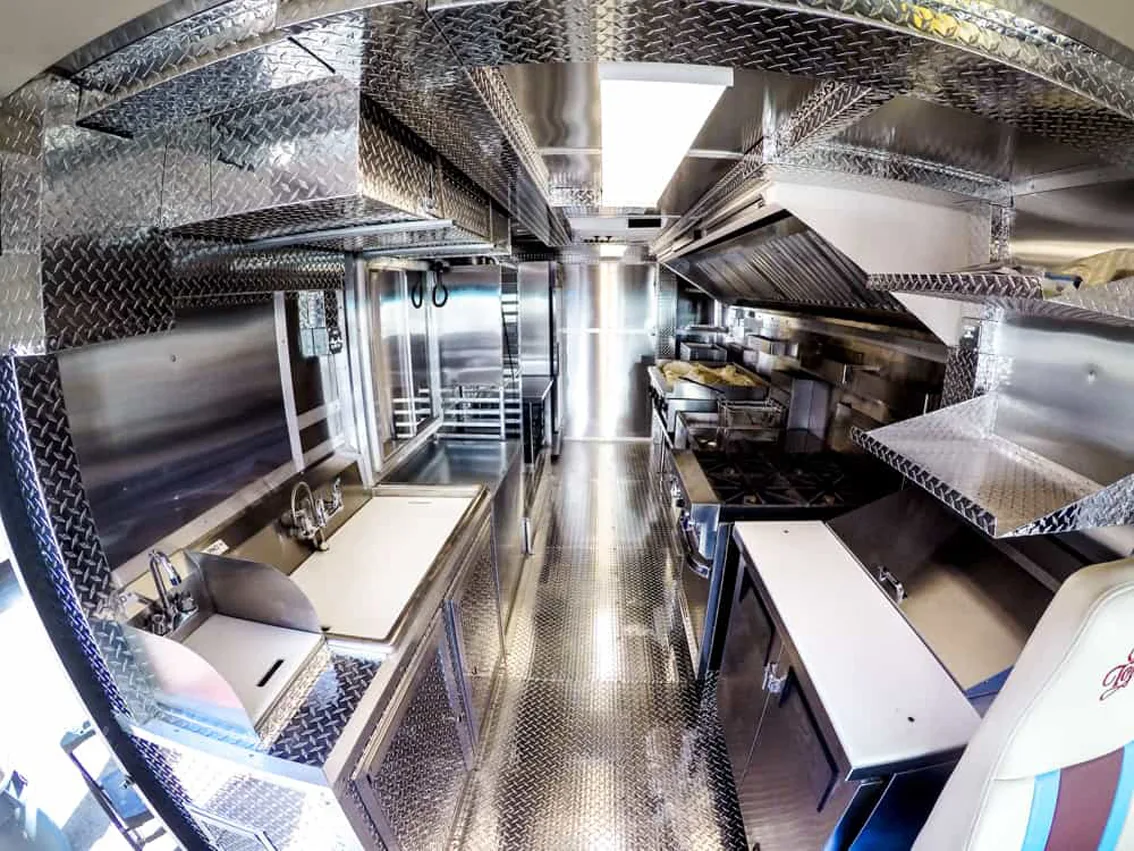
Why Your Food Truck or Catering Business Can’t Afford to Skimp on Mobile Kitchen Coolers
Let me tell you about the time I almost ruined a perfectly good batch of handmade mozzarella. It was my first summer running a pop-up Italian street food concept in Nashville, and I’d just sourced this incredible local dairy farm that made fresh cheese every morning. I picked up 20 pounds of the stuff at 5 AM, wrapped it in damp cheesecloth, and tossed it into what I *thought* was a reliable cooler. By noon, the cheese had turned into a sad, rubbery mess. The cooler’s compressor had given up somewhere between the farm and my prep station, and I’d lost $200 worth of product, and more importantly, my reputation for serving authentic, high-quality ingredients.
That day, I learned two things: 1) Fresh mozzarella is *not* forgiving, and 2) mobile kitchen coolers aren’t just another piece of equipment, they’re the backbone of your operation when you’re working out of a truck, trailer, or off-site catering setup. If you’re in the food truck or catering game, you already know that space is tight, power is precious, and every degree matters. A subpar cooler doesn’t just risk spoilage; it risks your entire business. But here’s the thing: not all coolers are created equal, and choosing the right one isn’t as simple as picking the biggest or cheapest option. So, let’s dive into what really matters when it comes to mobile kitchen coolers for food trucks and catering businesses-because if there’s one thing I’ve learned, it’s that the devil is in the details.
In this guide, I’ll walk you through the nitty-gritty of selecting, using, and maintaining mobile coolers that won’t let you down. We’ll talk about the different types of coolers available, how to match them to your specific needs, and the hidden pitfalls that can turn a great cooler into a liability. And because I’ve made my fair share of mistakes (see: the mozzarella incident), I’ll also share some hard-earned lessons on what *not* to do. By the end, you’ll have a clear roadmap for keeping your ingredients safe, your customers happy, and your business running smoothly, no matter how hot it gets outside.
The Cold Hard Truth: Why Mobile Coolers Are Non-Negotiable
1. The Stakes Are Higher Than You Think
I get it, when you’re starting out, it’s tempting to cut corners. Maybe you’ve got a beat-up chest freezer from Craigslist or a residential fridge you “modified” to fit in your truck. Or maybe you’re thinking, “I’ll just keep everything on ice and call it a day.” Here’s the problem: food safety isn’t just about avoiding a bad Yelp review. It’s about avoiding *lawsuits*, *health department shutdowns*, and, worst of all, making someone sick. The CDC estimates that 1 in 6 Americans gets food poisoning every year, and a significant portion of those cases come from improperly stored food. When you’re operating in a mobile kitchen, you’re already at a disadvantage: fluctuating temperatures, limited space, and unreliable power sources mean you can’t afford to take risks.
But here’s the thing I wish someone had told me earlier: a good mobile cooler isn’t just about avoiding disaster. It’s about *efficiency*. Think about how much time you waste digging through a disorganized chest freezer, or how often you’ve had to throw out ingredients because they froze solid in the wrong spot. A well-designed cooler can streamline your workflow, reduce waste, and even save you money in the long run. For example, a compressor-driven cooler (more on those later) can maintain consistent temperatures even in extreme heat, which means you’re not constantly adjusting settings or worrying about spoilage. And when you’re working 12-hour shifts in a cramped food truck, every minute counts.
So, let’s reframe this: investing in the right mobile cooler isn’t an expense, it’s an investment in your business’s longevity. The question isn’t *whether* you can afford a good cooler; it’s whether you can afford *not* to have one.
2. The Three Types of Mobile Coolers (And Which One You Actually Need)
Not all coolers are created equal, and the type you choose depends on your specific needs. Broadly speaking, there are three categories of mobile coolers for food trucks and catering businesses: thermoelectric coolers, absorption coolers, and compressor-driven coolers. Each has its pros and cons, and picking the wrong one can lead to headaches (or worse). Let’s break them down.
- Thermoelectric Coolers: These are the lightweight, plug-and-play options you might see at a tailgate or camping trip. They work by using electricity to transfer heat from the inside of the cooler to the outside, and they’re usually powered by a 12V car adapter or a standard AC outlet. The upside? They’re cheap, quiet, and easy to move around. The downside? They’re *not* designed for commercial use. Most thermoelectric coolers can only cool about 30-40°F below the ambient temperature, which means if it’s 90°F outside, your cooler might be struggling to stay below 50°F. For food trucks or catering, that’s a non-starter. They’re also not great at maintaining consistent temperatures, which is a dealbreaker for perishable ingredients. That said, if you’re running a coffee cart or a dessert-only operation where you don’t need to store raw meat or dairy, a thermoelectric cooler *might* work for non-critical items. But honestly? I’d skip these for anything serious.
- Absorption Coolers: These are the middle ground between thermoelectric and compressor-driven coolers. They use a heat source (like propane or electricity) to drive a chemical reaction that cools the interior. Absorption coolers are popular in RVs and off-grid setups because they can run on multiple power sources, including propane, which is a big plus if you’re catering at outdoor events with limited electricity. They’re also quieter than compressor-driven coolers, which is a nice perk if you’re working in a residential area or at a wedding where noise is a concern. The downside? They’re not as efficient as compressor-driven coolers, and they can struggle in extreme heat. They also require more maintenance, like checking the ammonia levels and ensuring proper ventilation, so they’re not exactly “set it and forget it.” If you’re running a mobile bar or a catering operation where you need to keep drinks cold but don’t have to worry about raw meat, an absorption cooler could be a solid choice. But for most food trucks, they’re a bit of a compromise.
- Compressor-Driven Coolers: These are the gold standard for food trucks and catering businesses. They work just like the fridge in your home, using a compressor to circulate refrigerant and maintain consistent temperatures. The biggest advantage? They can keep your food at safe temperatures (below 40°F) even when it’s sweltering outside. They’re also more energy-efficient than absorption coolers, which is a big deal when you’re running off a generator or a limited power source. The downside? They’re heavier, more expensive, and can be noisier than other options. But here’s the thing: if you’re storing perishable ingredients like meat, dairy, or seafood, a compressor-driven cooler isn’t just the best choice, it’s the *only* choice. I learned this the hard way after my mozzarella meltdown, and I’ve never looked back.
So, which one should you choose? If you’re running a full-service food truck or catering business, go with a compressor-driven cooler. It’s the only option that gives you the reliability and temperature control you need. If you’re on a tight budget or only need to store non-perishable items, an absorption cooler *might* work, but I’d still lean toward a compressor-driven model if you can swing it. And thermoelectric coolers? Unless you’re running a very specific (and limited) operation, I’d skip them entirely.
3. Size Matters (But Not in the Way You Think)
When it comes to mobile coolers, bigger isn’t always better. In fact, one of the biggest mistakes I see food truck owners make is buying a cooler that’s too large for their needs. Here’s why: a half-empty cooler has to work harder to maintain its temperature, which means it’s using more energy and putting extra strain on the compressor. That’s not just inefficient, it’s a recipe for breakdowns. On the flip side, a cooler that’s too small will force you to cram ingredients together, which can lead to uneven cooling and spoilage.
So, how do you find the Goldilocks zone? Start by taking an honest inventory of what you actually need to store. For example, if you’re running a taco truck, you might need space for raw meat, cheese, salsa, and tortillas. If you’re a caterer, you might need to store large quantities of prepped ingredients for events. Here’s a rough guideline to get you started:
- Small Food Trucks (e.g., coffee, desserts, or limited-menu concepts): 3-5 cubic feet. This is enough to store a day’s worth of ingredients without taking up too much space.
- Medium Food Trucks (e.g., full-service taco trucks, sandwich shops): 5-8 cubic feet. This gives you enough room for perishable ingredients, drinks, and backup supplies.
- Large Food Trucks or Catering Operations: 10+ cubic feet. If you’re prepping for large events or storing bulk ingredients, you’ll need the extra space.
But here’s the thing: size isn’t just about cubic feet. You also need to consider the shape of the cooler. Chest-style coolers (the kind that open from the top) are great for storing large quantities of ingredients, but they’re not the most efficient for workflow. Upright coolers (like a mini-fridge) are easier to organize, but they take up more floor space. And then there are undercounter coolers, which are designed to fit seamlessly into your kitchen layout but might not offer enough storage for larger operations. I’ve seen food trucks with chest coolers that are impossible to dig through during a lunch rush, and I’ve seen caterers with upright coolers that take up so much space they can’t fit their prep tables. The key is to think about how you’ll actually *use* the cooler, not just how much it can hold.
One last thing: don’t forget about door configuration. A cooler with a single door might seem like a good idea until you realize you have to open the entire thing just to grab a single ingredient. Some models come with French doors or even sliding doors, which can make a big difference in workflow. It’s these little details that separate a good cooler from a great one.
Power Play: How to Keep Your Cooler Running Without Blowing a Fuse
4. The Power Struggle: Generators, Batteries, and Solar (Oh My!)
Here’s a question I get all the time: “Sammy, how do I power my cooler without draining my generator or blowing a fuse?” It’s a valid concern, especially if you’re running a food truck with limited electrical capacity. The answer? It depends on your setup, but there are a few key things to consider.
First, let’s talk about generators. If you’re running a food truck, chances are you’ve got a generator to power your cooking equipment, lights, and other essentials. The problem is that generators have limited output, and running a compressor-driven cooler can eat up a significant chunk of that power. For example, a 5-cubic-foot compressor cooler might draw around 100-150 watts, while a larger model could draw upwards of 300 watts. If your generator is already powering a grill, fryer, and POS system, adding a cooler to the mix could push it over the edge. The solution? Look for a cooler with a low wattage draw or invest in a generator with enough capacity to handle your entire setup. I’ve seen food trucks with 3,000-watt generators struggle because they didn’t account for the cooler’s power needs, so don’t make the same mistake.
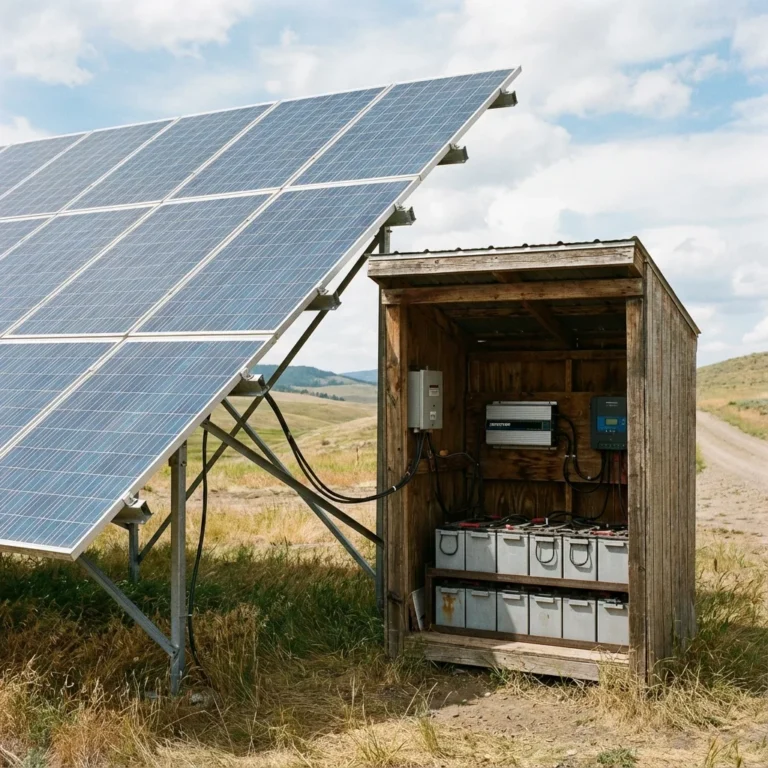
If you’re catering off-site, you might not have access to a generator at all. In that case, you’ll need to get creative. One option is to use a battery-powered cooler. These coolers are designed to run off deep-cycle batteries (like the kind used in RVs or boats), and they’re a great choice if you’re working at outdoor events where power is limited. The downside? Batteries don’t last forever, and you’ll need to recharge them regularly. Some models come with solar panels, which can extend your runtime, but they’re not a perfect solution. I’ve seen caterers run out of power mid-event because they didn’t account for how much energy their cooler would use, so if you go this route, make sure you’ve got a backup plan.
Another option is to use a propane-powered absorption cooler. These coolers don’t require electricity, which makes them ideal for off-grid catering. The catch? They’re not as efficient as compressor-driven coolers, and they require proper ventilation to avoid carbon monoxide buildup. If you’re working in an enclosed space (like a food truck), propane coolers aren’t a safe option. But if you’re catering at an outdoor event, they can be a lifesaver.
So, what’s the best power solution for your setup? If you’re running a food truck, a low-wattage compressor-driven cooler paired with a high-capacity generator is your best bet. If you’re catering off-site, a battery-powered cooler or a propane absorption cooler might be the way to go. And if you’re really committed to sustainability, a solar-powered cooler could be an option, but be prepared for some trial and error.
5. The Hidden Costs of Cheap Coolers (And How to Avoid Them)
Let’s talk about money. I know, I know, no one wants to hear about how expensive things are, but hear me out. When you’re starting a food truck or catering business, every dollar counts, and it’s tempting to cut corners wherever you can. But here’s the thing: a cheap cooler isn’t just a bad investment, it’s a liability. I’ve seen food trucks go under because their cooler failed mid-service, and I’ve seen caterers lose thousands of dollars in spoiled ingredients because they skimped on quality. So, let’s break down the hidden costs of cheap coolers and how to avoid them.
First, there’s the upfront cost. A budget cooler might save you a few hundred dollars now, but it’ll cost you in the long run. Cheap coolers are often made with low-quality materials, which means they’re more likely to break down. They also tend to have weaker compressors, which means they’ll struggle to maintain consistent temperatures. And if you’re running a food truck, a broken cooler isn’t just an inconvenience, it’s a business-ending disaster. I’ve seen food trucks have to shut down for days because their cooler failed, and the cost of repairs (or a replacement) far outweighed the savings from buying a cheap model.
Then there’s the energy cost. Cheap coolers are often less efficient, which means they’ll use more power to maintain the same temperature. Over time, that adds up. For example, a high-quality compressor-driven cooler might use 100 watts of power, while a cheap model could use 200 watts or more. If you’re running your cooler 12 hours a day, that’s a significant difference in your energy bill. And if you’re running off a generator, that extra power draw could mean you need a larger (and more expensive) generator to keep everything running.
Finally, there’s the opportunity cost. A cheap cooler might not have the features you need to run your business efficiently. For example, some budget models don’t have adjustable shelves, which means you’re stuck with a one-size-fits-all layout. Others don’t have digital temperature controls, which means you’re guessing at the internal temperature instead of knowing for sure. And if you’re running a catering business, a cheap cooler might not have the capacity to store large quantities of ingredients, which means you’re limited in the events you can take on. In other words, a cheap cooler might save you money upfront, but it could cost you business in the long run.
So, how do you avoid these hidden costs? First, invest in quality. Look for coolers with strong compressors, durable materials, and good reviews from other food truck owners. Second, consider the total cost of ownership. A cheap cooler might save you money now, but it’ll cost you more in energy, repairs, and lost business over time. And third, think about your needs. If you’re running a food truck, you need a cooler that’s reliable, efficient, and easy to use. If you’re catering, you need a cooler that can handle large quantities of ingredients and keep them at safe temperatures. Don’t settle for less.
One supplier I’ve had great experiences with is Chef’s Deal. They offer a wide range of commercial-grade coolers, and their team can help you find the right model for your specific needs. Plus, they offer free kitchen design services, which can be a game-changer if you’re trying to maximize space in a food truck or catering setup. It’s worth checking them out if you’re in the market for a new cooler.
6. Temperature Control: The Difference Between “Good Enough” and “Perfect”
Here’s a question I get all the time: “Sammy, what’s the ideal temperature for my mobile cooler?” The answer? It depends. But here’s the thing: if you’re not paying attention to temperature control, you’re playing with fire. Literally. The FDA recommends keeping perishable ingredients below 40°F, but that’s just the bare minimum. For some ingredients, like raw meat or seafood, you’ll want to keep them even colder, around 32-34°F, to prevent bacterial growth. And for others, like leafy greens or herbs, you’ll want to keep them slightly warmer (around 36-38°F) to prevent freezing.
The problem? Most mobile coolers don’t give you the level of control you need. Some models only have a single temperature setting, which means you’re stuck with whatever the manufacturer decided was “good enough.” Others have analog dials that are impossible to fine-tune, which means you’re constantly guessing at the internal temperature. And if you’re running a food truck in the middle of summer, that’s a recipe for disaster. I’ve seen food trucks with coolers that fluctuate by 10°F or more, which is enough to turn a safe ingredient into a hazard.
So, what’s the solution? Look for a cooler with digital temperature controls. These models allow you to set the exact temperature you need, and they’ll maintain it within a degree or two. Some even come with dual-zone cooling, which means you can keep different ingredients at different temperatures. For example, you could set one zone to 32°F for raw meat and another to 38°F for produce. It’s a game-changer if you’re storing a variety of ingredients.
Another feature to look for is temperature alarms. These alarms will sound if the internal temperature rises above a certain threshold, which can be a lifesaver if your cooler fails mid-service. I’ve seen food trucks with alarms that saved them from losing hundreds of dollars in spoiled ingredients, so don’t underestimate the value of this feature.
Finally, don’t forget about airflow. A good cooler should have a fan that circulates air evenly, which prevents hot spots and ensures consistent cooling. Some models even have adjustable vents, which allow you to direct airflow where it’s needed most. If you’re storing large quantities of ingredients, this can make a big difference in how well your cooler performs.
So, what’s the ideal temperature for your cooler? It depends on what you’re storing, but here’s a rough guideline:
- Raw meat and seafood: 32-34°F
- Dairy and eggs: 34-36°F
- Produce: 36-38°F
- Prepared foods: 38-40°F
And remember: these are just guidelines. The best way to ensure your ingredients are safe is to monitor the temperature regularly and adjust as needed. Don’t assume your cooler is doing its job, check it often, and invest in a good thermometer if your cooler doesn’t have a built-in display.
Organization Hacks: How to Pack Your Cooler Like a Pro
7. The Art of the Cooler Layout (And Why It Matters More Than You Think)
Let me paint you a picture: it’s the middle of a lunch rush, and you’re trying to grab a bag of shredded cheese from the bottom of your cooler. The problem? Your cooler is a disaster. There’s a half-empty container of salsa blocking the way, a stack of tortillas teetering precariously on top of the meat, and a puddle of mystery liquid pooling at the bottom. You dig around for five minutes, your hands getting colder by the second, and by the time you find what you need, your line has doubled in size. Sound familiar? If so, you’re not alone. I’ve seen food trucks with coolers that look like they’ve been hit by a tornado, and I’ve seen caterers who pack their coolers like they’re playing a game of Tetris. But here’s the thing: how you organize your cooler can make or break your workflow.
The key to a well-organized cooler is zoning. Think of your cooler like a kitchen: you wouldn’t store raw meat next to your produce, and you wouldn’t keep your most-used ingredients in the back. The same logic applies to your cooler. Here’s how to zone it like a pro:
- Top Shelf: Store ready-to-eat foods like cheese, cooked meats, and prepared sauces. This is the safest spot because it’s the least likely to be contaminated by raw ingredients.
- Middle Shelf: Store dairy products, eggs, and produce. These items don’t need to be as cold as raw meat, so they’re perfect for the middle of the cooler.
- Bottom Shelf: Store raw meat, poultry, and seafood. This is the coldest part of the cooler, and it’s the safest spot for raw ingredients that could drip and contaminate other foods.
- Door: Store condiments, drinks, and non-perishable items. The door is the warmest part of the cooler, so it’s not ideal for perishable ingredients.
But zoning is just the first step. You also need to think about accessibility. The ingredients you use most often should be the easiest to grab. For example, if you’re running a taco truck, your tortillas, cheese, and salsa should be front and center. If you’re catering, your prepped ingredients should be organized by event, so you’re not digging through everything to find what you need. And don’t forget about labeling. A simple label maker or even masking tape and a Sharpie can save you hours of frustration. Trust me, you’ll thank yourself later.
Another pro tip: use clear containers. It’s amazing how much time you can waste digging through opaque containers to find what you need. Clear containers allow you to see what’s inside at a glance, which can speed up your workflow significantly. And if you’re storing liquids (like sauces or dressings), make sure they’re in leak-proof containers. There’s nothing worse than opening your cooler to find a puddle of barbecue sauce at the bottom.
Finally, don’t forget about space efficiency. A well-packed cooler should have no empty space, but it shouldn’t be so packed that you can’t access what you need. Use stackable containers to maximize vertical space, and consider investing in adjustable shelves if your cooler allows for it. Some models even come with sliding drawers, which can make it easier to access ingredients at the back of the cooler. It’s these little details that separate a good cooler from a great one.
8. The “First In, First Out” Rule (And Why You’re Probably Doing It Wrong)
Here’s a confession: I used to be terrible at the “first in, first out” (FIFO) rule. For those who aren’t familiar, FIFO is a simple concept: the first ingredients you put into your cooler should be the first ones you use. It’s a basic principle of food safety, but it’s also one of the most commonly ignored. Why? Because it’s easy to forget. You’re in a rush, you grab the first thing you see, and suddenly you’ve got a container of guacamole that’s been sitting in the cooler for a week. Sound familiar?
The problem with ignoring FIFO is that it leads to waste. And waste is the enemy of profitability. I’ve seen food trucks throw out hundreds of dollars in spoiled ingredients because they didn’t rotate their stock properly. I’ve seen caterers have to reorder ingredients at the last minute because they ran out of something they *thought* they had. And I’ve seen health inspectors shut down operations because they found expired ingredients in the cooler. FIFO isn’t just a good idea, it’s a ecessity.
So, how do you do it right? First, label everything. Use a label maker or even masking tape and a Sharpie to mark the date you put each ingredient into the cooler. Some food trucks use color-coded labels to make it even easier, green for Monday, blue for Tuesday, and so on. The key is to make it as easy as possible to see what’s been in the cooler the longest.
Second, organize your cooler by date. The oldest ingredients should be at the front, and the newest should be at the back. This way, you’re always grabbing the oldest ingredients first, which reduces the risk of spoilage. If you’re using clear containers, you can even write the date on the lid, so you don’t have to dig through the cooler to find it.
Third, do a daily inventory. At the end of each day, take a few minutes to check your cooler and see what’s getting close to expiring. If you’ve got ingredients that are about to go bad, find a way to use them up before they spoil. For example, if you’ve got a container of spinach that’s about to expire, use it in a special or offer it as a side. The goal is to minimize waste, and the best way to do that is to stay on top of your inventory.
Finally, train your staff. FIFO only works if everyone is on the same page. Make sure your team knows how to label ingredients, how to organize the cooler, and why it’s so important. I’ve seen food trucks where the FIFO system fell apart because one person didn’t follow the rules, and it’s not pretty. The key is to make it as easy as possible for your team to do the right thing.
Here’s a quick checklist to help you implement FIFO in your operation:
- Label all ingredients with the date they were put into the cooler.
- Organize the cooler so the oldest ingredients are at the front.
- Do a daily inventory to check for ingredients that are about to expire.
- Train your staff on the importance of FIFO and how to follow the system.
- Use up ingredients that are about to expire before they spoil.
It might seem like a lot of work, but trust me, it’s worth it. FIFO can save you money, reduce waste, and keep your customers safe. And if you’re running a food truck or catering business, that’s a win-win-win.
9. The Secret to Keeping Your Cooler Clean (Without Losing Your Mind)
Let’s talk about something no one wants to think about: cooler cleanliness. I get it, cleaning your cooler is about as fun as watching paint dry. But here’s the thing: a dirty cooler isn’t just gross, it’s a health hazard. Bacteria, mold, and odors can build up over time, and if you’re not careful, they can contaminate your ingredients and make your customers sick. I’ve seen food trucks fail health inspections because of dirty coolers, and I’ve seen caterers lose clients because their ingredients smelled like last week’s leftovers. So, let’s talk about how to keep your cooler clean without losing your mind.
First, clean your cooler regularly. I know, I know, it’s obvious. But you’d be surprised how many food trucks and caterers only clean their coolers when they *have* to. The problem? By then, it’s often too late. The FDA recommends cleaning your cooler at least once a week, but if you’re using it heavily, you might need to clean it more often. For example, if you’re storing raw meat or seafood, you should clean your cooler daily to prevent cross-contamination. And if you’re running a food truck in a hot climate, you might need to clean it even more often to prevent mold and bacteria growth.
So, how do you clean your cooler? Start by emptying it completely. Take everything out, and check for any spoiled ingredients or spills. If you find anything that’s gone bad, throw it out immediately. Then, wash the interior with warm, soapy water. Use a mild detergent and a soft cloth or sponge to scrub the walls, shelves, and door. Avoid using abrasive cleaners or scrubbers, as they can damage the cooler’s surface. And don’t forget to clean the gasket (the rubber seal around the door). This is a common spot for mold and bacteria to build up, so it’s important to clean it thoroughly.
Once you’ve washed the interior, rinse it with clean water to remove any soap residue. Then, sanitize it with a food-safe sanitizer. You can use a commercial sanitizer or make your own by mixing one tablespoon of unscented bleach with one gallon of water. Spray the sanitizer onto the interior of the cooler, let it sit for a few minutes, and then rinse it off with clean water. This will kill any bacteria or mold that might be lurking in the cooler.
Finally, dry the cooler thoroughly before putting anything back inside. Use a clean towel to wipe down the interior, and leave the door open for a few minutes to let any remaining moisture evaporate. This will prevent mold and bacteria from growing in the cooler.
Here’s a quick checklist to help you clean your cooler like a pro:
- Empty the cooler completely.
- Check for spoiled ingredients or spills, and throw them out.
- Wash the interior with warm, soapy water.
- Rinse the interior with clean water.
- Sanitize the interior with a food-safe sanitizer.
- Rinse the interior again with clean water.
- Dry the interior thoroughly with a clean towel.
- Leave the door open for a few minutes to let any remaining moisture evaporate.
It might seem like a lot of work, but trust me, it’s worth it. A clean cooler isn’t just a health requirement; it’s a business necessity. And if you’re running a food truck or catering business, that’s something you can’t afford to ignore.
Maintenance and Troubleshooting: How to Keep Your Cooler Running Smoothly
10. The Maintenance Checklist You’re Probably Ignoring (But Shouldn’t)
Let’s be real: no one *wants* to think about cooler maintenance. It’s one of those things that’s easy to put off until something goes wrong. But here’s the thing: regular maintenance can prevent costly breakdowns. I’ve seen food trucks have to shut down for days because their cooler failed, and I’ve seen caterers lose thousands of dollars in spoiled ingredients because they didn’t take care of their equipment. So, let’s talk about the maintenance checklist you’re probably ignoring (but shouldn’t).
First, check the gasket. The gasket is the rubber seal around the door, and it’s one of the most important parts of your cooler. If it’s damaged or worn out, it can let warm air in, which makes your cooler work harder and increases the risk of spoilage. To check the gasket, close the door on a dollar bill. If you can pull the bill out easily, the gasket isn’t sealing properly. If that’s the case, you’ll need to replace it. Most gaskets are easy to replace, and you can find them online or at a commercial kitchen supply store.
Second, clean the condenser coils. The condenser coils are the part of the cooler that releases heat, and if they’re dirty, your cooler won’t work as efficiently. Over time, dust and debris can build up on the coils, which makes your cooler work harder and increases the risk of breakdowns. To clean the coils, unplug the cooler and use a soft brush or vacuum to remove any dust or debris. You should do this at least once a month, but if you’re running your cooler heavily, you might need to do it more often.
Third, check the temperature regularly. I know, I know, it’s obvious. But you’d be surprised how many food trucks and caterers don’t check their cooler’s temperature until something goes wrong. The FDA recommends checking the temperature at least once a day, but if you’re running a food truck in a hot climate, you might need to check it more often. Use a digital thermometer to get an accurate reading, and adjust the temperature as needed. If your cooler has a digital display, make sure it’s working properly. If it’s not, you might need to recalibrate it or replace the sensor.
Fourth, listen for unusual noises. Your cooler should run quietly, so if you hear any unusual noises (like grinding, squeaking, or rattling), it’s a sign that something’s wrong. These noises could be caused by a variety of issues, from a loose fan to a failing compressor. If you hear anything unusual, unplug the cooler and call a professional. Ignoring the problem could lead to a costly breakdown.
Fifth, check the power supply. If your cooler isn’t running, the first thing you should check is the power supply. Make sure the cooler is plugged in and that the outlet is working. If you’re running your cooler off a generator, make sure the generator is running properly and that the cooler is getting enough power. If you’re using a battery-powered cooler, make sure the battery is charged. And if you’re using a propane-powered cooler, make sure the propane tank is full and that the cooler is properly ventilated.
Finally, schedule regular professional maintenance. Even if your cooler seems to be running fine, it’s a good idea to have it checked by a professional at least once a year. A professional can spot potential issues before they become major problems, and they can perform tasks (like checking the refrigerant levels) that you might not be able to do yourself. If you’re not sure where to find a professional, check with the manufacturer or a commercial kitchen supply store. Some suppliers, like Chef’s Deal, offer professional installation and maintenance services, which can be a lifesaver if you’re not comfortable working on your cooler yourself.
Here’s a quick maintenance checklist to keep your cooler running smoothly:
- Check the gasket for damage or wear.
- Clean the condenser coils at least once a month.
- Check the temperature regularly with a digital thermometer.
- Listen for unusual noises, and address them immediately.
- Check the power supply to make sure the cooler is getting enough power.
- Schedule regular professional maintenance at least once a year.
It might seem like a lot of work, but trust me, it’s worth it. Regular maintenance can prevent costly breakdowns, extend the life of your cooler, and keep your ingredients safe. And if you’re running a food truck or catering business, that’s something you can’t afford to ignore.
11. Troubleshooting Common Cooler Problems (And How to Fix Them)
Even the best coolers can run into problems, and when they do, it’s usually at the worst possible time. Maybe your cooler stops working mid-service, or maybe it’s not keeping your ingredients cold enough. Whatever the issue, it’s important to know how to troubleshoot it quickly and effectively. So, let’s talk about some of the most common cooler problems and how to fix them.
Problem 1: The cooler isn’t running. This is one of the most common issues, and it’s usually caused by a power problem. First, check to make sure the cooler is plugged in and that the outlet is working. If you’re running the cooler off a generator, make sure the generator is running properly and that the cooler is getting enough power. If you’re using a battery-powered cooler, make sure the battery is charged. And if you’re using a propane-powered cooler, make sure the propane tank is full and that the cooler is properly ventilated. If the power supply isn’t the issue, the problem could be with the cooler’s thermostat or compressor. In that case, you’ll need to call a professional.
Problem 2: The cooler isn’t cold enough. If your cooler isn’t keeping your ingredients cold enough, there are a few things you can check. First, make sure the temperature setting is correct. If it’s set too high, the cooler won’t get cold enough. Second, check the gasket to make sure it’s sealing properly. If it’s damaged or worn out, it can let warm air in, which makes the cooler work harder. Third, check the condenser coils to make sure they’re clean. If they’re dirty, the cooler won’t work as efficiently. Finally, check the airflow to make sure the cooler isn’t blocked. If the vents are blocked, the cooler won’t be able to circulate air properly, which can lead to uneven cooling.
Problem 3: The cooler is too cold. If your cooler is freezing your ingredients, the first thing you should check is the temperature setting. If it’s set too low, the cooler will get too cold. Second, check the airflow to make sure the cooler isn’t blowing cold air directly onto your ingredients. If it is, you can adjust the vents to redirect the airflow. Finally, check the thermostat to make sure it’s working properly. If it’s not, you might need to replace it.
Problem 4: The cooler is making unusual noises. If your cooler is making grinding, squeaking, or rattling noises, it’s a sign that something’s wrong. These noises could be caused by a variety of issues, from a loose fan to a failing compressor. If you hear anything unusual, unplug the cooler and call a professional. Ignoring the problem could lead to a costly breakdown.
Problem 5: The cooler is leaking. If your cooler is leaking, the first thing you should check is the drain pan. If it’s full, the cooler will leak. To fix this, empty the drain pan and clean it thoroughly. If the drain pan isn’t the issue, the problem could be with the cooler’s refrigerant. If the refrigerant is leaking, you’ll need to call a professional to repair it.
Here’s a quick troubleshooting guide to help you fix common cooler problems:
- Cooler isn’t running: Check the power supply, thermostat, and compressor.
- Cooler isn’t cold enough: Check the temperature setting, gasket, condenser coils, and airflow.
- Cooler is too cold: Check the temperature setting, airflow, and thermostat.
- Cooler is making unusual noises: Unplug the cooler and call a professional.
- Cooler is leaking: Check the drain pan and refrigerant levels.
If you’re not comfortable troubleshooting the problem yourself, don’t hesitate to call a professional. Some suppliers, like Chef’s Deal, offer expert consultation and support, which can be a lifesaver if you’re not sure what’s wrong with your cooler. And remember: it’s always better to be safe than sorry.
Wrapping It Up: The Cooler That Won’t Let You Down
Let’s be honest: choosing the right mobile cooler for your food truck or catering business isn’t exactly the most exciting part of running your operation. It’s not as glamorous as designing your menu or as thrilling as serving your first customer. But here’s the thing: your cooler is the unsung hero of your business. It’s the thing that keeps your ingredients safe, your customers happy, and your operation running smoothly. And if you get it wrong, it can be a disaster.
So, what’s the takeaway? First, invest in quality. A cheap cooler might save you money upfront, but it’ll cost you in the long run. Second, choose the right type of cooler for your needs. If you’re storing perishable ingredients, a compressor-driven cooler is the only way to go. Third, pay attention to size and organization. A well-organized cooler can save you time, reduce waste, and keep your ingredients safe. Fourth, don’t skimp on maintenance. Regular cleaning and upkeep can prevent costly breakdowns and extend the life of your cooler. And finally, be prepared for the unexpected. Know how to troubleshoot common problems, and don’t hesitate to call a professional if you’re not sure what’s wrong.
At the end of the day, your cooler is more than just a piece of equipment, it’s an investment in your business’s future. And if you’re running a food truck or catering operation, that’s something you can’t afford to ignore. So, take the time to choose the right cooler, keep it running smoothly, and don’t be afraid to ask for help if you need it. Your ingredients (and your customers) will thank you.
Now, if you’ll excuse me, I’ve got a batch of fresh mozzarella to pick up, and this time, I’m not taking any chances.
FAQ
Q: What’s the best type of cooler for a food truck?
A: For most food trucks, a compressor-driven cooler is the best choice. These coolers can maintain consistent temperatures even in extreme heat, which is essential for storing perishable ingredients like meat, dairy, and seafood. They’re also more energy-efficient than other types of coolers, which is a big plus if you’re running off a generator or a limited power source. While they’re more expensive upfront, they’re worth the investment in the long run.
Q: How do I know what size cooler I need for my food truck or catering business?
A: The size of your cooler depends on your specific needs. Start by taking an inventory of what you need to store. For small food trucks (like coffee or dessert concepts), a 3-5 cubic foot cooler might be enough. For medium food trucks (like taco trucks or sandwich shops), a 5-8 cubic foot cooler is a good choice. For large food trucks or catering operations, you’ll need a 10+ cubic foot cooler. But remember: bigger isn’t always better. A half-empty cooler has to work harder to maintain its temperature, which can lead to inefficiency and breakdowns. The key is to find the right balance between size and capacity.
Q: Can I use a residential fridge in my food truck?
A: Technically, you *can*, but I wouldn’t recommend it. Residential fridges aren’t designed for the rigors of a food truck environment. They’re not as durable, they’re not as energy-efficient, and they don’t have the same level of temperature control as commercial-grade coolers. Plus, they’re not built to handle the vibrations and bumps that come with life on the road. If you’re serious about your food truck or catering business, invest in a commercial-grade mobile cooler. It’ll save you money (and headaches) in the long run.
Q: How often should I clean my mobile cooler?
A: The FDA recommends cleaning your cooler at least once a week, but if you’re using it heavily, you might need to clean it more often. For example, if you’re storing raw meat or seafood, you should clean your cooler daily to prevent cross-contamination. And if you’re running a food truck in a hot climate, you might need to clean it even more often to prevent mold and bacteria growth. To clean your cooler, empty it completely, wash the interior with warm, soapy water, rinse it with clean water, sanitize it with a food-safe sanitizer, and dry it thoroughly before putting anything back inside.
@article{mobile-kitchen-coolers-for-food-trucks-and-catering-businesses-the-ultimate-guide-to-keeping-it-cool-on-the-go,
    title   = {Mobile Kitchen Coolers for Food Trucks and Catering Businesses: The Ultimate Guide to Keeping It Cool on the Go},
    author  = {Chef's icon},
    year    = {2026},
    journal = {Chef's Icon},
    url     = {https://chefsicon.com/mobile-kitchen-coolers-for-food-trucks-and-catering-businesses/}
}