The Best Fluffy Pancakes recipe you will fall in love with. Full of tips and tricks to help you make the best pancakes.
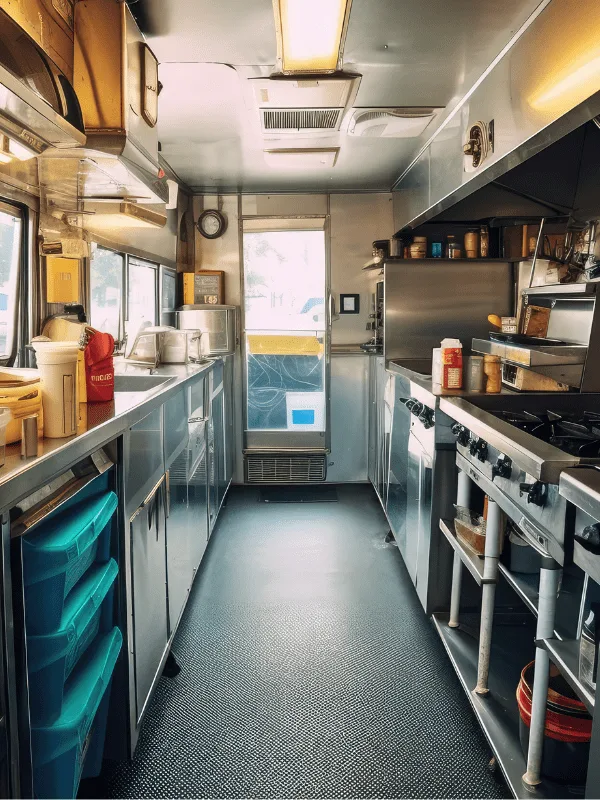
I remember the first time I stood inside a food truck before it was road-ready. The smell of fresh paint mixed with the faint scent of diesel, the hum of the generator testing for the first time, and that overwhelming sense of “Wait, did I forget something?” creeping up my spine. It was my friend Marco’s taco truck, back when I was still in the Bay Area, long before Luna the cat decided my lap was her permanent throne. Marco had spent months perfecting his al pastor recipe, but when it came to the actual equipment? He was winging it. And let me tell you, there’s nothing more humbling than watching a grown man realize, at 2 a.m., three days before launch, that he doesn’t have a working fire extinguisher. Or a way to keep his tortillas warm.
That’s the thing about food trucks. They’re not just restaurants on wheels; they’re mobile kitchens with zero room for error. One missing piece of equipment, one overlooked permit, one faulty propane line, and suddenly, your grand opening becomes a very public lesson in Murphy’s Law. So, if you’re reading this, chances are you’re either: A) about to take the leap into the food truck world, B) already knee-deep in it and second-guessing every decision, or C) like me, just really into the behind-the-scenes chaos of it all. Whatever your reason, you’re in the right place. This isn’t just another generic checklist. This is the food truck equipment checklist I wish Marco had, plus the hard-earned lessons, the “oh crap” moments, and the non-negotiables that’ll keep you from becoming a cautionary tale.
By the end of this, you’ll know:
- Exactly what equipment you need to launch without last-minute panic (and where to cut corners without cutting safety).
- The hidden costs no one tells you about, like how a $200 generator can turn into a $2,000 problem if you cheap out.
- How to organize your space so you’re not playing Tetris with your prep station every morning.
- The permit and compliance traps that’ll shut you down faster than a health inspector spotting a roach.
- And yes, the emotional prep no one talks about, because even the best-laid plans can’t prepare you for the moment you realize your entire business fits in a 10×7 box.
So grab a notebook (or just bookmark this page, no judgment), and let’s dive in. And if you’re already feeling overwhelmed? Good. That means you’re paying attention.
The Foundation: Your Food Truck’s Non-Negotiables
1. The Truck Itself: More Than Just Four Wheels and a Dream
Let’s start with the obvious: you need a truck. But not just any truck. This isn’t a weekend project where you can slap a logo on a used van and call it a day. Your truck is your kitchen, your storefront, and your livelihood, all rolled into one. And here’s the thing, most people underestimate how much this single decision will dictate every other choice you make.
First, decide: buy or lease? Buying gives you control, but leasing lets you test the waters without a five-figure commitment. I’ve seen both work, but I’ve also seen people sink their life savings into a truck only to realize, six months in, that their concept doesn’t fit the space. If you’re leasing, look for trucks with modular layouts that can adapt to your menu. If you’re buying, prioritize used trucks with low mileage (under 100K is ideal) and a clean maintenance record. And for the love of all things holy, get it inspected by a mechanic who knows food trucks. A regular auto shop won’t catch the stuff that’ll sink you later, like a faulty electrical system that can’t handle your equipment load.
Next, size matters. Most food trucks are between 14 and 26 feet long, but bigger isn’t always better. A 26-footer might seem like a dream, but can you park it? Will it fit in the lots where you want to vend? Nashville’s streets, for example, are a nightmare for oversized trucks. I’ve seen vendors get stuck in alleys, blocked by delivery trucks, or worse, towed because they didn’t realize their truck was too wide for a permit. Measure twice, buy once.
Finally, layout is everything. Before you commit to a truck, sketch out your workflow. Where will you prep? Cook? Plate? Store? A poorly designed layout will slow you down, frustrate your staff, and turn your dream into a logistical nightmare. Pro tip: walk through your menu step-by-step in the empty truck. If you can’t imagine yourself moving efficiently, neither will your team.
2. Power Up: Generators and Electrical Systems
Here’s where things get expensive, and where most first-timers mess up. Your generator isn’t just a box that makes noise; it’s the heartbeat of your operation. Get this wrong, and you’ll be dead in the water (or, more accurately, dead in the parking lot).
First, calculate your power needs. This isn’t guesswork. Add up the wattage of every piece of equipment you’ll run simultaneously, grill, fridge, lights, POS system, etc. Then, add 20%. Generators hate running at full capacity, and you’ll burn them out fast if you push them to the limit. For most food trucks, that means a 7,000 to 10,000-watt generator. Anything less, and you’re asking for trouble. Anything more, and you’re wasting fuel (and money).
Now, fuel type. Propane generators are quieter and cleaner, but they’re also less powerful. Diesel generators are the workhorses of the food truck world, but they’re loud, smelly, and require more maintenance. Gasoline is a middle ground, but it’s not ideal for long-term use. I’ve seen trucks run on all three, but diesel is the most common for a reason: reliability. Just be prepared for the noise and the fumes. Your neighbors (and your customers) will thank you if you invest in a soundproof enclosure.
Don’t forget the electrical panel. Most food trucks need a 30-amp or 50-amp service, depending on your equipment. If you’re not comfortable with wiring, hire an electrician. This isn’t the place to DIY. A faulty electrical system is a fire hazard, and trust me, you do ot want to explain to the fire marshal why your truck went up in flames because you tried to save a few bucks.
The Kitchen: Where the Magic (and Chaos) Happens
3. Cooking Equipment: The Backbone of Your Menu
This is where your concept comes to life, or dies a slow death. Your cooking equipment needs to be efficient, durable, and space-conscious. And here’s the kicker: you can’t have it all. Every piece of equipment you add takes up precious real estate, so choose wisely.
Let’s break it down by category:
- Grills and Griddles: If you’re serving burgers, pancakes, or anything that needs a flat surface, a commercial-grade griddle is non-negotiable. Look for one with adjustable temperature zones so you can cook multiple items at once. For grills, a charbroiler is great for that smoky flavor, but it’s a space hog. If you’re tight on room, consider a countertop grill-just make sure it’s NSF-certified (more on that later).
- Fryers: Fried food is a food truck staple, but fryers are grease traps with a side of danger. If you’re frying, you need a commercial deep fryer with a built-in filtration system. Trust me, changing the oil manually is a nightmare you don’t want to experience. And for the love of all things edible, get a fryer with a lid. Hot oil + bumpy roads = a disaster waiting to happen.
- Ovens and Ranges: A convection oven is a game-changer if you’re baking or roasting. They cook faster and more evenly than conventional ovens, which is crucial when you’re serving hundreds of people in a few hours. For ranges, a two-burner or four-burner stove is standard, but if you’re tight on space, a single induction burner can work in a pinch (though they’re not as powerful).
- Specialty Equipment: This is where things get fun. Taco truck? You’ll need a steam table to keep your tortillas warm and your meats juicy. Pizza truck? A deck oven is a must. BBQ truck? A smoker is non-negotiable (though good luck fitting one in a standard truck). The key here is to prioritize what’s essential to your menu. Every piece of specialty equipment should earn its keep.
One last thing: ventilation. I can’t stress this enough. A commercial hood and exhaust system isn’t just a good idea, it’s the law. Without proper ventilation, your truck will turn into a sauna, your staff will hate you, and your health inspector will shut you down. Look for a Type I hood (designed for grease and smoke) with a fire suppression system. And yes, it’s expensive. But so is a fire.
4. Refrigeration: Keeping Your Ingredients (and Your Sanity) Intact
Refrigeration is the unsung hero of the food truck world. Get it wrong, and you’ll be throwing away spoiled ingredients, dealing with unhappy customers, and praying for a health inspection miracle. Get it right, and you’ll save money, reduce waste, and keep your food safe.
First, size matters. You need enough refrigeration to store a full day’s worth of ingredients, plus backup. For most food trucks, that means a commercial undercounter fridge (4-6 cubic feet) and a reach-in freezer (if your menu requires frozen items). If you’re tight on space, consider a combination fridge/freezer unit, but be warned: these are less efficient and can struggle to maintain consistent temperatures.
Next, temperature control. Your fridge needs to stay at or below 41°F (5°C), and your freezer at 0°F (-18°C) or lower. Invest in a digital thermometer with an alarm, because trust me, you won’t remember to check it every hour. And if you’re using a portable cooler, make sure it’s NSF-certified and designed for commercial use. Those Yeti coolers might be great for tailgating, but they’re not built for the demands of a food truck.
Don’t forget prep refrigeration. If you’re chopping veggies, prepping meats, or assembling dishes, you need a prep fridge with a cutting board on top. These are a lifesaver for efficiency, but they take up space. If you’re tight on room, a countertop prep station with a small fridge underneath can work.
Finally, organization is key. Use clear, stackable containers to maximize space, and label everything with dates and contents. Nothing slows you down like digging through a fridge full of mystery containers at 6 a.m.
The Nuts and Bolts: Everything Else You’ll Wish You’d Thought Of
5. Food Prep and Storage: The Devil’s in the Details
This is where most food trucks fall apart. It’s not the big-ticket items that sink you, it’s the small, overlooked details that turn your kitchen into a disaster zone. Let’s talk about the stuff no one thinks about until it’s too late.
First, cutting boards and knives. You’d think this would be obvious, but I’ve seen food trucks try to get by with a single, warped cutting board and a set of dull knives. Don’t be that person. Invest in multiple cutting boards (color-coded for raw meat, veggies, and ready-to-eat foods) and a set of commercial-grade knives. And for the love of all things culinary, sharpen them regularly. A dull knife is more dangerous than a sharp one.
Next, storage containers. You’ll need a mix of squeeze bottles (for sauces), delis cups (for prepped ingredients), and airtight containers (for dry goods). Pro tip: label everything. I don’t care if you’re a one-person operation, when you’re in the weeds, you won’t remember which container has the chopped onions and which has the diced tomatoes.
Don’t forget utensils and smallwares. You’ll need:
- Spatulas, tongs, ladles, and whisks (get the commercial-grade, heat-resistant kind).
- Mixing bowls (stainless steel is best, plastic cracks, and glass is a no-go in a moving truck).
- Measuring cups and spoons (because eyeballing it is a recipe for inconsistency).
- Thermometers (a digital probe thermometer is a must for checking food temps).
- Can openers, peelers, and graters (the small stuff that makes a big difference).
And finally, cleaning supplies. This isn’t glamorous, but it’s non-negotiable. You’ll need:
- A commercial-grade sink (with hot and cold water, yes, it’s required).
- Dish soap, sanitizer, and degreaser (get the stuff designed for commercial kitchens).
- Sponges, scrub brushes, and microfiber cloths (color-coded, so you don’t cross-contaminate).
- A mop and bucket (because floors get gross).
- Trash cans and liners (get the heavy-duty kind, nothing worse than a trash bag breaking mid-service).
6. Safety and Compliance: The Stuff That Keeps You in Business
This is the part where I see most food truck owners zone out. Safety and compliance aren’t sexy, but they’re the difference between a successful launch and a shutdown before you even start. Let’s break it down.
First, fire safety. You’re working with open flames, hot oil, and propane, so yeah, fire is a real risk. You’ll need:
- A Class K fire extinguisher (designed for commercial kitchens).
- A fire suppression system (usually built into your hood, this is non-negotiable).
- A smoke detector (with a battery backup).
- A carbon monoxide detector (if you’re running a generator or propane appliances).
Next, food safety. This is where the health inspector lives, and trust me, they’re not messing around. You’ll need:
- A three-compartment sink (for washing, rinsing, and sanitizing dishes).
- A handwashing sink (separate from the dish sink, this is a big one).
- A food thermometer (to check temps, undercooked chicken is a health code violation).
- A first aid kit (because burns and cuts happen).
- A spill kit (for grease, oil, or other messes, you don’t want to slip and fall in front of customers).
Don’t forget permits and licenses. This varies by location, but you’ll likely need:
- A food service license (from your local health department).
- A mobile food vendor permit (this is separate from a regular food license).
- A fire safety inspection (to make sure your extinguishers and suppression system are up to code).
- A business license (because, you know, taxes).
- A parking permit (if you’re vending in certain areas, check your local laws).
And finally, insurance. This isn’t optional. You’ll need:
- General liability insurance (to cover slips, falls, and other accidents).
- Commercial auto insurance (for your truck, personal auto insurance won’t cut it).
- Workers’ compensation insurance (if you have employees).
Pro tip: hire a consultant. I know, I know, it’s another expense. But a good food truck consultant can save you thousands of dollars (and countless headaches) by helping you navigate permits, inspections, and compliance. It’s worth every penny.
The Extras: The Little Things That Make a Big Difference
7. POS and Payment Systems: Because Cash-Only Isn’t an Option
Gone are the days when you could slap a “Cash Only” sign on your truck and call it a day. Customers expect multiple payment options, and if you don’t offer them, you’re leaving money on the table. Here’s what you need:
- A mobile POS system (like Square, Toast, or Clover). These are affordable, easy to use, and integrate with your phone or tablet.
- A card reader (either built into your POS or a separate device).
- A contactless payment option (Apple Pay, Google Pay, etc. this is a must in 2026).
- A cash drawer (because some people still use cash, and you need a safe place to store it).
- A receipt printer (or a way to email receipts, some customers still want them).
Don’t forget internet access. Most POS systems require Wi-Fi or cellular data, so you’ll need a hotspot or a dedicated data plan. And if you’re vending in areas with spotty service, consider a backup system (like a manual credit card imprinter, yes, they still exist).
8. Branding and Customer Experience: Because Food Is Only Half the Battle
Your food might be amazing, but if your truck looks like a rolling eyesore, you’re going to struggle. Branding is everything in the food truck world, and it starts with your truck’s exterior. Here’s what you need:
- A custom wrap or paint job (this is your billboard on wheels, make it eye-catching).
- A menu board (either digital or hand-painted, just make sure it’s easy to read).
- A logo and branding (consistent colors, fonts, and messaging, this builds recognition).
- A social media presence (Instagram, TikTok, Facebook, pick your platforms and post regularly).
- A website (even a simple one with your menu, location schedule, and contact info).
Don’t forget the customer experience. This is where food trucks can really shine. Think about:
- A line management system (ropes, stanchions, or even a virtual queue app, no one likes a chaotic line).
- A condiment station (with napkins, utensils, and sauces, make it easy for customers to customize).
- A trash and recycling bin (keep your area clean, no one wants to eat next to a pile of garbage).
- A music playlist (set the mood, just keep the volume reasonable).
- A way to collect feedback (a QR code linking to a Google Form, or just a suggestion box, listen to your customers).
The Final Checklist: Are You Really Ready?
9. The Pre-Launch Walkthrough: A Step-by-Step Guide
You’ve got your truck, your equipment, your permits, and your menu. Now what? Before you launch, you need to walk through your entire operation to make sure you haven’t missed anything. Here’s how:
- Test your equipment. Fire up the grill, turn on the fridge, run the generator. Does everything work? Are there any weird noises, smells, or issues? Fix them now.
- Do a dry run. Cook a full day’s worth of food (or as close as you can get) in your truck. How’s the workflow? Are you bumping into each other? Is the space too cramped? Adjust as needed.
- Check your permits. Are they all up to date? Do you have copies on hand (both physical and digital)?
- Stock your supplies. Do you have enough ingredients, utensils, and cleaning supplies for opening day? What about backup supplies?
- Train your staff. Even if it’s just you and one other person, make sure everyone knows their role. Who’s cooking? Who’s taking orders? Who’s handling payments?
- Test your POS system. Run a few fake transactions to make sure everything works. Do you have enough change? Are your card readers functioning?
- Do a safety check. Are your fire extinguishers charged? Are your sinks working? Is your first aid kit stocked?
- Plan your route. Where will you park? How will you get there? Do you have backup locations in case of bad weather or events?
- Promote your launch. Post on social media, tell your friends, hand out flyers. Get the word out!
- Take a deep breath. You’ve done the work. Now it’s time to launch.
10. The Day-Of Checklist: Because Opening Day Is Chaos
Opening day is equal parts exciting and terrifying. Here’s your day-of checklist to keep you on track:
- Arrive early (at least 2 hours before opening) to set up.
- Turn on all equipment and let it warm up/cool down.
- Stock your prep station with ingredients and utensils.
- Set up your POS system and test it.
- Put out your menu board, condiment station, and trash bins.
- Do a final safety check (fire extinguishers, sinks, etc.).
- Take a few deep breaths and get ready to serve.
And remember: it’s okay if everything isn’t perfect. Food trucks are messy, chaotic, and unpredictable. But if you’ve checked off everything on this list, you’re already ahead of 90% of the competition.
Final Thoughts: The Road Ahead
Launching a food truck is one of the hardest, most rewarding things you’ll ever do. It’s long hours, tight spaces, and endless problem-solving, but it’s also freedom, creativity, and the chance to bring joy to people one meal at a time.
So, are you ready? I can’t answer that for you. But I can tell you this: if you’ve made it this far, you’re already on the right track. The rest is just details. And if you ever feel like you’re in over your head? Welcome to the club. Every food truck owner has been there. The difference between the ones who succeed and the ones who don’t isn’t talent or luck, it’s preparation.
Now go out there and make something delicious. And if you see a food truck on the road, give them a wave. They’re probably just as nervous as you are.
FAQ
Q: How much does it cost to fully equip a food truck?
A: The cost varies widely depending on your menu, location, and whether you buy new or used equipment. On average, expect to spend $50,000 to $150,000 for a fully equipped food truck. This includes the truck itself, cooking equipment, refrigeration, permits, and branding. If you’re on a tight budget, you can cut costs by buying used equipment, leasing a truck, or starting with a simpler menu. Just remember: cheap equipment often costs more in the long run due to repairs and replacements.
Q: What’s the most overlooked piece of equipment in a food truck?
A: Hands down, it’s the handwashing sink. Most people focus on the big-ticket items like grills and fridges, but the handwashing sink is a health code requirement in almost every jurisdiction. It needs to be separate from your dish sink, have hot and cold water, and be easily accessible. Skipping this (or trying to use a portable sink) is a fast track to a health inspection failure. Other commonly overlooked items include fire suppression systems, proper ventilation, and backup generators.
Q: Do I need a commercial kitchen to prep food for my food truck?
A: In most cases, yes. Health departments typically require food trucks to prep their ingredients in a licensed commercial kitchen (also known as a commissary kitchen). This is where you’ll store your ingredients, prep your food, and clean your equipment. Some food trucks use shared commissary kitchens, while others rent or own their own. The rules vary by location, so check with your local health department. And yes, this is an added expense, but it’s also a non-negotiable for most food truck businesses.
Q: How do I keep my food truck organized during service?
A: Organization is the key to surviving the chaos of service. Here are a few tips:
- Assign zones: Designate specific areas for prep, cooking, plating, and storage. This keeps everyone from bumping into each other.
- Use clear containers: Label everything and store ingredients in clear, stackable containers. This saves time and reduces waste.
- Keep a checklist: Before each service, run through a checklist to make sure you have everything you need (ingredients, utensils, cleaning supplies, etc.).
- Clean as you go: Don’t let dishes pile up. Wash and sanitize utensils and equipment as you use them to keep your space tidy.
- Train your staff: Make sure everyone knows their role and where everything is. A well-trained team is a well-organized team.
And remember: a cluttered truck is a slow truck. The more organized you are, the faster you’ll serve customers, and the happier everyone will be.
@article{the-ultimate-food-truck-equipment-checklist-are-you-really-launch-ready,
    title   = {The Ultimate Food Truck Equipment Checklist: Are You Really Launch-Ready?},
    author  = {Chef's icon},
    year    = {2026},
    journal = {Chef's Icon},
    url     = {https://chefsicon.com/food-truck-equipment-checklist-launch-ready/}
}