The Best Fluffy Pancakes recipe you will fall in love with. Full of tips and tricks to help you make the best pancakes.
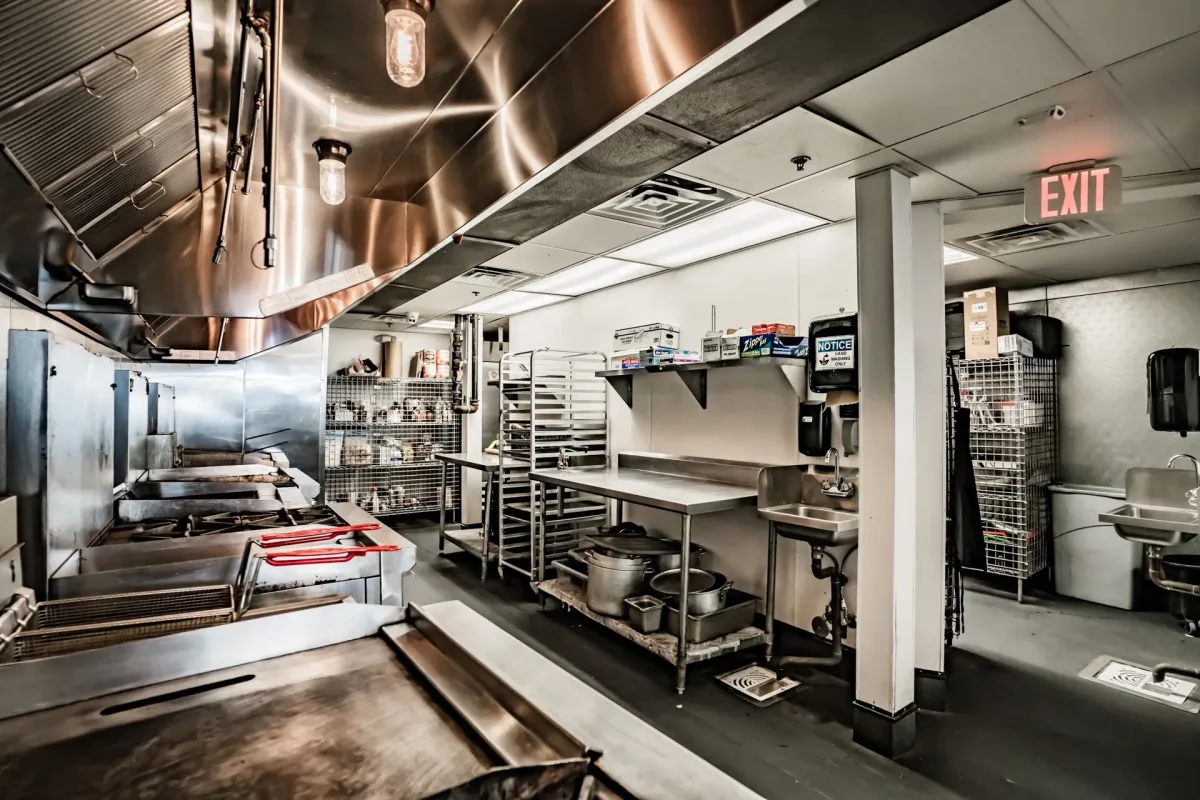
I still remember the first time I stepped into a food truck commissary kitchen. It was 2019, in a nondescript warehouse on the outskirts of Nashville, and I was there to interview a local taco truck owner for a piece I was writing. What I found inside wasn’t just a kitchen, it was a symphony of stainless steel, a ballet of efficiency, and, if I’m being honest, a little overwhelming. The owner, Maria, laughed when she saw my face. “First time in a commissary?” she asked. “Don’t worry, it gets less intimidating. Eventually.”
Fast forward to 2026, and food trucks aren’t just a trend, they’re a cornerstone of the culinary scene. But here’s the thing: behind every successful food truck is a commissary kitchen, the unsung hero of the mobile food world. It’s the place where the magic happens *before* the truck hits the road. And if you’re thinking about starting a food truck, or you’re already running one and feeling the growing pains, this guide is for you. We’re diving deep into what a food truck commissary kitchen is, why it’s non-negotiable, how to choose the right one, and how to make it work for your business. No fluff, no jargon, just the stuff you actually need to know.
So, let’s start with the basics. What even is a commissary kitchen, and why can’t you just prep in your home kitchen or, I don’t know, a parking lot? (Spoiler: the health department would have some *strong* opinions about that last one.)
What Is a Food Truck Commissary Kitchen, Anyway?
The Non-Negotiable Hub of Your Mobile Business
A food truck commissary kitchen is essentially a licensed, commercial-grade kitchen space that food trucks use for food prep, storage, cleaning, and sometimes even parking. Think of it as your food truck’s home base. It’s where you’ll do the bulk of your prep work before service, store your ingredients, clean your equipment, and, in some cases, park your truck overnight. And no, your apartment kitchen or garage doesn’t count, no matter how clean you think it is.
Here’s the deal: most cities and counties require food trucks to operate out of a licensed commissary kitchen for a few very good reasons. First, there’s food safety. Commercial kitchens are designed to meet strict health codes, with proper refrigeration, ventilation, and sanitation systems. Second, there’s efficiency. A commissary kitchen gives you the space and equipment to prep large quantities of food without tripping over your own feet. And third, there’s convenience. Need to restock your truck mid-service? Your commissary is your pit stop. Need to clean your equipment at the end of a long day? Your commissary has the space and tools to do it right.
But not all commissary kitchens are created equal. Some are bare-bones, offering just the essentials, while others are full-service, with equipment rentals, storage, and even business support. So how do you know what you need? Let’s break it down.
Why You Can’t Skip the Commissary (No Matter How Tempting It Is)
I get it. When you’re starting out, the costs add up fast. A truck, permits, ingredients, insurance, it’s a lot. And then someone tells you that you *also* need to pay for a commissary kitchen? It’s enough to make you want to throw in the towel. But here’s the hard truth: skipping the commissary isn’t just a bad idea, it’s often illegal.
Most health departments require food trucks to operate out of a licensed commissary for a few key reasons:
- Food Safety: Home kitchens aren’t equipped to handle the volume or safety standards required for commercial food service. A commissary kitchen has commercial-grade refrigeration, proper ventilation, and sanitation systems to keep your food safe.
- Waste Disposal: Food trucks generate a lot of waste, grease, food scraps, wastewater. A commissary kitchen has the proper systems in place to dispose of these safely and legally.
- Water Access: You need a reliable source of potable water for cooking, cleaning, and handwashing. A commissary kitchen provides this, along with proper drainage for wastewater.
- Inspections: Health inspectors need to be able to check your operations. A commissary kitchen is a controlled environment where they can do that effectively.
And let’s not forget the practical side. Prepping in a commissary kitchen is *so* much easier than trying to do it in a cramped truck or a home kitchen. You’ll have space to spread out, equipment to speed up prep, and a team of other food truck owners who can offer advice, support, or even a spare ingredient when you’re in a pinch. Trust me, the first time you’re running low on tortillas mid-service and the taco truck next to you slides a pack your way, you’ll understand the value of a commissary community.
Types of Commissary Kitchens: Which One Fits Your Food Truck?
If you’re just starting out, a shared commissary kitchen is probably your best bet. These are commercial kitchens that rent out space and equipment to multiple food trucks (and sometimes other food businesses, like caterers or meal prep services). You’ll typically pay an hourly or monthly fee to use the space, and you’ll share the kitchen with other businesses during scheduled time slots.
Pros of shared commissary kitchens:
- Affordable: Shared kitchens are usually the most budget-friendly option, with hourly rates ranging from $15 to $40, depending on the location and amenities.
- Flexible: You can book time slots as needed, which is great if your prep schedule varies from week to week.
- Networking: You’ll meet other food truck owners, which can lead to collaborations, shared resources, or just moral support.
- No Long-Term Commitment: Most shared kitchens don’t require a long-term lease, so you can test the waters before committing.
Cons of shared commissary kitchens:
- Limited Availability: Popular time slots (like early mornings or weekends) can book up fast, so you might not always get the time you want.
- Shared Space: You’ll be working alongside other businesses, which means you might have to wait for equipment or clean up after someone else’s mess.
- Less Storage: Shared kitchens often have limited storage space, so you might need to bring ingredients in and out for each prep session.
Is a shared commissary kitchen right for you? If you’re on a tight budget, just starting out, or only need a kitchen a few times a week, it’s a great option. But if you’re scaling up and need more space or consistency, you might want to look into a private commissary.
2. Private Commissary Kitchens: For the Established Food Truck
A private commissary kitchen is exactly what it sounds like: a commercial kitchen that you rent or lease exclusively for your business. This could be a standalone space or part of a larger facility that offers private kitchen rentals. Private commissaries are ideal for food trucks that have outgrown shared spaces or need more control over their prep environment.
Pros of private commissary kitchens:
- Exclusive Use: You don’t have to share space or equipment with anyone else, which means no waiting for the fryer or dealing with someone else’s mess.
- More Storage: Private kitchens often come with dedicated storage space for your ingredients, equipment, and supplies.
- Customization: You can often customize the space to fit your needs, whether that means adding extra refrigeration, installing specialized equipment, or setting up a prep station just the way you like it.
- Consistency: You can book the same time slots every week, which makes planning and prep much easier.
Cons of private commissary kitchens:
- Expensive: Private kitchens are significantly more expensive than shared spaces, with monthly rents ranging from $1,000 to $5,000 or more, depending on the location and size.
- Long-Term Commitment: Most private kitchens require a lease, which means you’re locked in for a set period (usually 6 months to a year).
- Responsibility: You’re responsible for maintaining the space, which can be a hassle if you’re not prepared for it.
Is a private commissary kitchen right for you? If you’re running a high-volume food truck, need a lot of storage, or want more control over your prep environment, it might be worth the investment. But if you’re still testing the waters or on a tight budget, a shared kitchen is probably the better choice.
3. Hybrid Commissary Kitchens: The Best of Both Worlds?
Some commissary kitchens offer a hybrid model, where you get a mix of shared and private space. For example, you might have a private prep area but share equipment like ovens or fryers with other businesses. Or you might have a private storage locker but share the main kitchen space. Hybrid kitchens are a good middle ground if you want some of the benefits of a private kitchen without the full cost.
Pros of hybrid commissary kitchens:
- Cost-Effective: Hybrid kitchens are usually cheaper than private kitchens but offer more privacy and storage than shared spaces.
- Flexibility: You can often customize the space to fit your needs, whether that means adding extra storage or setting up a dedicated prep station.
- Networking: Like shared kitchens, hybrid spaces give you the chance to connect with other food truck owners.
Cons of hybrid commissary kitchens:
- Limited Availability: Hybrid kitchens can be hard to find, especially in competitive markets.
- Shared Equipment: Even if you have a private prep area, you might still have to share equipment with other businesses.
- Less Control: You won’t have the same level of control over the space as you would with a private kitchen.
Is a hybrid commissary kitchen right for you? If you want more privacy and storage than a shared kitchen but aren’t ready to commit to a private space, a hybrid model could be a great fit. Just make sure to tour the space and ask plenty of questions before signing anything.
4. Mobile Commissary Kitchens: The Future of Food Truck Prep?
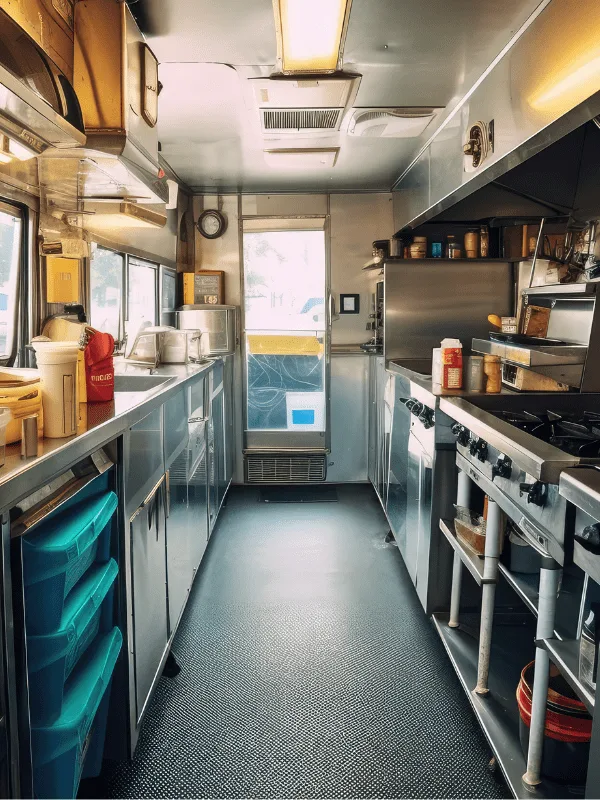
Here’s something you might not have considered: a mobile commissary kitchen. These are essentially food trucks or trailers that are outfitted as commissary kitchens, complete with prep stations, refrigeration, and storage. They’re not as common as traditional commissaries, but they’re gaining traction in some cities, especially for food trucks that operate in remote areas or at events where a brick-and-mortar commissary isn’t practical.
Pros of mobile commissary kitchens:
- Flexibility: You can take your commissary with you, which is great if you’re operating at events or in areas without access to a traditional commissary.
- Cost-Effective: Mobile commissaries can be cheaper than renting a private kitchen, especially if you’re only using it part-time.
- No Shared Space: You don’t have to share the space or equipment with anyone else.
Cons of mobile commissary kitchens:
- Limited Space: Mobile commissaries are small, which means you’ll have less room for prep and storage.
- Permits and Regulations: Mobile commissaries are subject to the same health and safety regulations as food trucks, which can be a hassle to navigate.
- Upfront Cost: Outfitting a trailer or truck as a commissary kitchen can be expensive, with costs ranging from $50,000 to $150,000 or more.
Is a mobile commissary kitchen right for you? If you’re operating in a remote area, at events, or just want the flexibility to move your commissary with you, it could be a great option. But if you’re running a high-volume food truck or need a lot of space, a traditional commissary is probably the better choice.
How to Choose the Right Commissary Kitchen for Your Food Truck
1. Location, Location, Location
When it comes to choosing a commissary kitchen, location is everything. You want a kitchen that’s close to your usual service areas, easy to access, and in a safe neighborhood. Here’s why:
- Proximity to Service Areas: The closer your commissary is to where you serve, the less time (and gas) you’ll waste driving back and forth. This is especially important if you’re restocking mid-service or need to make multiple trips in a day.
- Accessibility: Is the kitchen easy to get to, even during rush hour? Are there good parking options for your truck? Is it in a safe area, or will you be nervous leaving your equipment there overnight?
- Zoning Laws: Make sure the commissary is in an area that’s zoned for commercial food prep. Some cities have strict zoning laws, and you don’t want to get fined for operating in the wrong area.
I’ve seen food trucks struggle because their commissary was too far from their service areas. One guy I met in Austin was driving 45 minutes each way to prep, which ate into his profits and left him exhausted. Don’t make the same mistake, choose a commissary that’s convenient for your business.
2. Cost: What’s Your Budget?
Let’s talk money. Commissary kitchens aren’t cheap, and the costs can add up fast. Here’s what you need to consider:
- Rental Fees: Shared kitchens typically charge by the hour, with rates ranging from $15 to $40. Private kitchens charge monthly, with rents ranging from $1,000 to $5,000 or more.
- Equipment Costs: Some commissaries include equipment in the rental fee, while others charge extra for things like ovens, fryers, or refrigeration.
- Storage Fees: If you need extra storage for ingredients or equipment, you might have to pay an additional fee.
- Utilities: Some commissaries include utilities (water, electricity, gas) in the rental fee, while others charge extra.
- Insurance: Most commissaries require you to carry liability insurance, which can add to your costs.
Here’s a rough breakdown of what you can expect to pay:
| Type of Commissary | Hourly Rate | Monthly Rate | Additional Costs |
|---|---|---|---|
| Shared Kitchen | $15-$40/hour | $300-$1,200/month | Equipment fees, storage fees, utilities |
| Private Kitchen | N/A | $1,000-$5,000/month | Utilities, insurance, maintenance |
| Hybrid Kitchen | $20-$50/hour | $500-$2,000/month | Storage fees, equipment fees |
| Mobile Kitchen | N/A | $50,000-$150,000 (upfront) | Permits, maintenance, fuel |
Is this the best approach? Let’s consider your budget. If you’re just starting out, a shared kitchen is probably your best bet. But if you’re scaling up and need more space, a private or hybrid kitchen might be worth the investment. And if you’re operating in a remote area, a mobile commissary could be a game-changer. Ultimately, it’s about finding the right balance between cost and convenience.
3. Equipment: What’s Included (and What’s Not)?
Not all commissary kitchens come with the same equipment. Some are fully outfitted with everything you need, while others are bare-bones, leaving you to bring your own tools. Here’s what to look for:
- Cooking Equipment: Does the kitchen have ovens, stovetops, grills, fryers, or other cooking equipment you need? If not, can you bring your own?
- Refrigeration: Are there enough refrigerators and freezers for your ingredients? Is the refrigeration reliable, or does it break down often?
- Prep Stations: Are there enough countertops and prep stations for your team? Is the space organized in a way that makes sense for your workflow?
- Cleaning Stations: Does the kitchen have a three-compartment sink for washing, rinsing, and sanitizing? Is there a separate handwashing station?
- Storage: Is there enough storage space for your ingredients, equipment, and supplies? Are there lockers or shelves you can use?
- Ventilation: Is the kitchen well-ventilated, or will you be working in a cloud of smoke and steam?
I’ve seen food trucks struggle because their commissary didn’t have the right equipment. One guy I met in Nashville was prepping burgers in a kitchen that didn’t have a grill, so he had to bring his own. It worked, but it was a hassle, and it ate into his profits. Don’t make the same mistake, tour the kitchen before signing anything and make sure it has what you need.
4. Permits and Licenses: Is the Kitchen Legit?
This is a big one. Not all commissary kitchens are created equal, and some might not be properly licensed. Here’s what to look for:
- Health Department Approval: Is the kitchen approved by the local health department? Ask to see their inspection reports, if they can’t provide them, that’s a red flag.
- Zoning Laws: Is the kitchen in an area that’s zoned for commercial food prep? Some cities have strict zoning laws, and you don’t want to get fined for operating in the wrong area.
- Fire Safety: Does the kitchen meet fire safety codes? Are there fire extinguishers, sprinklers, and clear exits?
- Insurance: Does the kitchen carry liability insurance? Most commissaries require you to carry your own insurance as well, so make sure you’re covered.
I’ve heard horror stories about food trucks getting shut down because their commissary wasn’t properly licensed. Don’t let that be you. Do your due diligence and make sure the kitchen is legit before signing anything.
5. Community: Who Else Is Using the Kitchen?
Here’s something you might not have considered: the commissary kitchen community. The other food trucks and businesses using the kitchen can make or break your experience. Here’s why:
- Networking: Other food truck owners can offer advice, support, or even a spare ingredient when you’re in a pinch. I’ve seen food trucks collaborate on events, share equipment, and even refer customers to each other.
- Competition: On the flip side, you might be sharing the kitchen with your direct competitors. If that’s the case, you’ll want to make sure the kitchen has enough space and equipment to go around.
- Culture: Some commissaries have a tight-knit, supportive community, while others are more cutthroat. Ask around and see what the vibe is like before committing.
I’ve met food truck owners who credit their commissary community for their success. One guy in Portland told me that he learned more from the other food truck owners in his commissary than he did from culinary school. So don’t underestimate the power of a good community, it can make all the difference.
Setting Up Your Commissary Kitchen for Success
1. Organize Your Space Like a Pro
Once you’ve chosen a commissary kitchen, it’s time to set it up for success. And that starts with organization. A well-organized kitchen is a productive kitchen, and productivity is key when you’re running a food truck. Here’s how to do it:
- Designate Zones: Divide your space into zones for prep, cooking, cleaning, and storage. This will help you stay organized and avoid cross-contamination.
- Label Everything: Use labels for ingredients, equipment, and storage containers. This will save you time and prevent mix-ups.
- Keep It Clean: A clean kitchen is a safe kitchen. Make sure to clean and sanitize your space before and after each use.
- Maximize Storage: Use shelves, racks, and bins to maximize your storage space. The more organized your storage, the easier it will be to find what you need.
- Create a Workflow: Think about how you move through the kitchen and set up your space to match that workflow. The goal is to minimize wasted steps and maximize efficiency.
I’ve seen food trucks struggle because their commissary was a mess. One guy I met in Chicago was constantly losing ingredients because his storage was disorganized. Don’t let that be you, take the time to set up your space properly, and you’ll save yourself a lot of headaches down the road.
2. Stock Up on the Right Equipment
Even if your commissary kitchen comes with equipment, you’ll probably need to bring some of your own. Here’s what to consider:
- Cooking Equipment: Do you need a portable grill, fryer, or induction burner? Make sure to bring what you need for your specific menu.
- Prep Tools: Knives, cutting boards, mixing bowls, and measuring cups are all essential. Don’t forget things like can openers, peelers, and graters.
- Storage Containers: You’ll need containers for ingredients, leftovers, and prepped food. Make sure they’re food-safe and stackable to save space.
- Cleaning Supplies: Dish soap, sanitizer, sponges, and towels are all must-haves. Some commissaries provide these, but it’s best to bring your own just in case.
- Safety Gear: Gloves, aprons, and hairnets are all essential for food safety. Don’t forget things like first aid kits and fire extinguishers.
I’ve seen food trucks show up to their commissary unprepared, and it’s not pretty. One guy in Nashville forgot his knives and had to borrow from another food truck, which slowed him down and threw off his whole prep schedule. Don’t let that be you, make a checklist of everything you need and double-check it before you leave.
3. Master the Art of Efficient Prep
Prepping in a commissary kitchen is a whole different ballgame than prepping in a home kitchen. You’re working with limited space, limited time, and (hopefully) a lot of volume. Here’s how to do it efficiently:
- Batch Prep: Prep large quantities of ingredients at once to save time. For example, chop all your onions at the beginning of the week, or cook a big batch of rice that you can use for multiple dishes.
- Mise en Place: This is a fancy French term for “everything in its place.” Basically, it means prepping all your ingredients and tools before you start cooking. This will save you time and prevent mistakes.
- Use the Right Tools: A good knife, a sturdy cutting board, and a reliable mixer can make all the difference. Don’t skimp on tools, you’ll regret it later.
- Delegate Tasks: If you have a team, delegate tasks to make the most of your time. For example, one person can chop vegetables while another cooks the protein.
- Clean as You Go: Don’t wait until the end of your prep session to clean. Wash dishes, wipe counters, and sweep floors as you go to keep your space clean and organized.
I’ve seen food trucks struggle because their prep was inefficient. One guy in Austin was prepping everything from scratch every day, which left him exhausted and behind schedule. Don’t let that be you, take the time to streamline your prep process, and you’ll save yourself a lot of time and energy.
4. Keep Your Ingredients Fresh and Safe
Food safety is non-negotiable in the food truck business. One mistake can make your customers sick and shut down your business. Here’s how to keep your ingredients fresh and safe in your commissary kitchen:
- Store Ingredients Properly: Use airtight containers for dry ingredients, and store perishables in the refrigerator or freezer. Make sure to label everything with the date so you can keep track of freshness.
- Follow the FIFO Rule: FIFO stands for “first in, first out.” Basically, it means using the oldest ingredients first to prevent waste and spoilage.
- Keep It Cold: Make sure your refrigerators and freezers are set to the correct temperatures (40°F or below for refrigerators, 0°F or below for freezers). Use a thermometer to check the temperature regularly.
- Avoid Cross-Contamination: Use separate cutting boards and knives for raw meat, poultry, and seafood. Store raw meats on the bottom shelf of the refrigerator to prevent drips from contaminating other foods.
- Wash Your Hands: This might seem obvious, but it’s worth repeating. Wash your hands frequently, especially after handling raw meat, poultry, or seafood.
I’ve seen food trucks get shut down because of food safety violations. One guy in Denver was storing raw chicken above ready-to-eat foods, which led to cross-contamination and a health department violation. Don’t let that be you, take food safety seriously, and you’ll avoid a lot of headaches.
5. Plan for the Unexpected
Running a food truck is unpredictable. Equipment breaks, ingredients spoil, and weather happens. Here’s how to plan for the unexpected in your commissary kitchen:
- Have a Backup Plan: What will you do if your truck breaks down? What if your commissary kitchen loses power? What if a key ingredient is out of stock? Have a backup plan for every scenario.
- Keep Emergency Supplies: Stock up on emergency supplies like backup ingredients, extra fuel, and first aid kits. You never know when you’ll need them.
- Stay Flexible: Be prepared to pivot if something goes wrong. For example, if your grill breaks, can you switch to a stovetop or oven? If your commissary kitchen is closed, can you prep somewhere else?
- Communicate with Your Team: Make sure your team knows what to do in an emergency. Have a plan in place for everything from equipment failures to health inspections.
I’ve seen food trucks struggle because they weren’t prepared for the unexpected. One guy in Seattle got caught in a rainstorm and had to shut down early because his commissary didn’t have a covered parking area. Don’t let that be you, plan for the unexpected, and you’ll be ready for anything.
Common Commissary Kitchen Mistakes (And How to Avoid Them)
1. Choosing the Wrong Location
I’ve seen this happen more times than I can count. A food truck owner chooses a commissary kitchen that’s too far from their service areas, or in a sketchy neighborhood, or just plain inconvenient. And then they wonder why they’re always running late or stressed out.
Here’s how to avoid this mistake:
- Visit the Kitchen in Person: Don’t just rely on photos or descriptions. Visit the kitchen in person to get a feel for the location, the neighborhood, and the space itself.
- Test the Commute: Drive from the commissary to your usual service areas at different times of day to see how long it takes. Factor in traffic, construction, and other delays.
- Check the Parking: Is there enough parking for your truck? Is it safe? Is it covered (in case of rain or snow)?
- Ask About Zoning: Make sure the kitchen is in an area that’s zoned for commercial food prep. Some cities have strict zoning laws, and you don’t want to get fined for operating in the wrong area.
I’ve met food truck owners who regret choosing the wrong commissary. One guy in Los Angeles chose a kitchen that was 30 minutes from his usual service areas, and he was constantly running late. Don’t make the same mistake, choose a commissary that’s convenient for your business.
2. Underestimating Costs
Commissary kitchens aren’t cheap, and the costs can add up fast. I’ve seen food truck owners underestimate the cost of rent, equipment, storage, and utilities, and then struggle to make ends meet.
Here’s how to avoid this mistake:
- Create a Budget: Before you sign anything, create a budget that includes all the costs associated with the commissary kitchen. Don’t forget things like insurance, permits, and equipment rentals.
- Ask About Hidden Fees: Some commissaries charge extra for things like storage, utilities, or equipment. Make sure to ask about these fees upfront so you’re not surprised later.
- Negotiate: Don’t be afraid to negotiate the rent or fees. Some commissaries are willing to offer discounts for long-term commitments or off-peak hours.
- Track Your Expenses: Keep track of all your commissary-related expenses so you can see where your money is going. This will help you identify areas where you can cut costs.
I’ve seen food trucks struggle because they underestimated the cost of their commissary. One guy in Miami thought he could get by with a shared kitchen, but he ended up needing a private space, which ate into his profits. Don’t make the same mistake, create a budget and stick to it.
3. Ignoring Food Safety
Food safety is non-negotiable in the food truck business. One mistake can make your customers sick and shut down your business. And yet, I’ve seen food truck owners cut corners when it comes to food safety, whether it’s storing raw chicken above ready-to-eat foods or not washing their hands properly.
Here’s how to avoid this mistake:
- Follow the Rules: Make sure you’re following all the food safety rules and regulations in your area. This includes things like proper storage, cooking temperatures, and handwashing.
- Train Your Team: Make sure your team knows the food safety rules and follows them. This includes things like washing hands, avoiding cross-contamination, and storing ingredients properly.
- Keep It Clean: A clean kitchen is a safe kitchen. Make sure to clean and sanitize your space before and after each use.
- Stay Up to Date: Food safety rules and regulations change, so make sure you’re staying up to date. Attend training sessions, read industry publications, and follow the health department’s guidelines.
I’ve seen food trucks get shut down because of food safety violations. One guy in Chicago was storing raw meat above ready-to-eat foods, which led to cross-contamination and a health department violation. Don’t let that be you, take food safety seriously, and you’ll avoid a lot of headaches.
4. Not Building a Community
One of the biggest mistakes I see food truck owners make is not taking advantage of the commissary kitchen community. The other food trucks and businesses using the kitchen can offer advice, support, or even a spare ingredient when you’re in a pinch. And yet, some food truck owners keep to themselves, missing out on the benefits of a supportive community.
Here’s how to avoid this mistake:
- Introduce Yourself: Don’t be shy, introduce yourself to the other food truck owners in your commissary. You never know who you might meet or what you might learn.
- Share Resources: If you have extra ingredients or equipment, offer to share with other food trucks. They’ll be more likely to return the favor when you’re in a pinch.
- Collaborate: Look for opportunities to collaborate with other food trucks. This could be anything from sharing a booth at an event to cross-promoting each other’s businesses.
- Attend Events: Many commissaries host events for their members, like workshops, networking sessions, or holiday parties. Attend these events to meet other food truck owners and learn from their experiences.
I’ve met food truck owners who credit their commissary community for their success. One guy in Portland told me that he learned more from the other food truck owners in his commissary than he did from culinary school. Don’t miss out on the power of a good community, get involved and see what happens.
5. Overlooking the Fine Print
I’ve seen food truck owners sign a commissary kitchen contract without reading the fine print, and then get hit with unexpected fees or restrictions. Don’t let that be you, read the contract carefully and ask questions if anything is unclear.
Here’s what to look for in the fine print:
- Rental Fees: Make sure you understand what’s included in the rental fee and what’s not. Are utilities included? What about equipment rentals?
- Hidden Fees: Some commissaries charge extra for things like storage, cleaning, or late fees. Make sure to ask about these fees upfront.
- Lease Terms: If you’re signing a lease, make sure you understand the terms. How long is the lease? What’s the penalty for breaking it? Are there any restrictions on how you can use the space?
- Insurance Requirements: Most commissaries require you to carry liability insurance. Make sure you understand the requirements and have the right coverage.
- Rules and Regulations: Make sure you understand the commissary’s rules and regulations. This includes things like cleaning requirements, noise restrictions, and parking rules.
I’ve seen food trucks get burned because they didn’t read the fine print. One guy in San Francisco signed a lease without realizing that the commissary charged extra for storage, which ate into his profits. Don’t make the same mistake, read the contract carefully and ask questions if anything is unclear.
Wrapping Up: Your Commissary Kitchen Checklist
So, you’ve made it this far. You know what a commissary kitchen is, why it’s non-negotiable, and how to choose the right one for your food truck. You’ve learned how to set up your space, prep efficiently, and avoid common mistakes. Now what?
Here’s your commissary kitchen checklist-a quick rundown of everything you need to do before you start prepping:
- Research: Research commissary kitchens in your area. Look for ones that are close to your service areas, within your budget, and have the equipment you need.
- Tour: Tour the kitchens in person. Ask questions, take notes, and get a feel for the space and the community.
- Compare: Compare the kitchens based on location, cost, equipment, and community. Which one feels like the best fit for your business?
- Read the Fine Print: Read the contract carefully and ask questions if anything is unclear. Make sure you understand the rental fees, hidden costs, and lease terms.
- Sign the Contract: Once you’ve chosen a kitchen, sign the contract and pay the deposit (if required).
- Set Up Your Space: Set up your space for success. Organize your prep area, stock up on equipment, and create a workflow that works for you.
- Train Your Team: Train your team on the commissary’s rules and regulations, as well as your own food safety and prep procedures.
- Start Prepping: Start prepping in your new commissary kitchen! Remember to batch prep, use mise en place, and clean as you go.
- Build Your Community: Introduce yourself to the other food truck owners in your commissary. Share resources, collaborate on events, and attend commissary-hosted workshops and networking sessions.
- Plan for the Unexpected: Have a backup plan for everything from equipment failures to health inspections. Keep emergency supplies on hand and stay flexible.
Is this the best approach? Let’s consider. You could spend months researching commissary kitchens, touring spaces, and comparing contracts. Or you could dive in headfirst and figure it out as you go. I’m torn between the two, on one hand, preparation is key. On the other, sometimes you just have to take the leap and learn by doing. But ultimately, I think a balance is best. Do your research, but don’t overthink it. Choose a commissary that feels right, set up your space, and start prepping. You’ll learn as you go, and you can always adjust your approach later.
Maybe I should clarify: this isn’t a one-size-fits-all guide. Every food truck is different, and every commissary kitchen is different. What works for one business might not work for another. But if you follow the steps in this guide, you’ll be well on your way to finding the right commissary kitchen for your food truck.
So, what’s next? It’s time to take action. Start researching commissary kitchens in your area. Tour a few spaces. Talk to other food truck owners. And when you’re ready, take the leap. Your commissary kitchen is waiting.
FAQ: Your Commissary Kitchen Questions, Answered
Q: Do I *really* need a commissary kitchen for my food truck?
A: In most cases, yes. Most cities and counties require food trucks to operate out of a licensed commissary kitchen for food safety and regulatory reasons. Even if it’s not required in your area, a commissary kitchen offers practical benefits like space, equipment, and storage that you won’t find in a home kitchen or a parking lot. So unless you’re operating in a very rural area with lax regulations, a commissary kitchen is non-negotiable.
Q: How much does it cost to rent a commissary kitchen?
A: The cost of renting a commissary kitchen varies depending on the type of kitchen, the location, and the amenities. Shared kitchens typically charge $15 to $40 per hour, while private kitchens can cost $1,000 to $5,000 or more per month. Hybrid kitchens fall somewhere in between. Don’t forget to factor in additional costs like equipment rentals, storage fees, and utilities.
Q: Can I use my home kitchen as a commissary for my food truck?
A: Probably not. Most health departments require food trucks to operate out of a licensed commercial kitchen, which means your home kitchen won’t cut it. Even if your home kitchen is spotless, it’s not designed to handle the volume or safety standards required for commercial food service. Plus, you’ll need a reliable source of potable water, proper waste disposal, and a space that’s easy for health inspectors to access. So unless you’re operating in a very rural area with lax regulations, you’ll need a commissary kitchen.
Q: What should I look for when touring a commissary kitchen?
A: When touring a commissary kitchen, here’s what to look for:
- Location: Is the kitchen close to your service areas? Is it easy to access? Is it in a safe neighborhood?
- Equipment: Does the kitchen have the equipment you need for your menu? If not, can you bring your own?
- Storage: Is there enough storage space for your ingredients, equipment, and supplies?
- Permits and Licenses: Is the kitchen properly licensed by the health department? Are there any zoning or fire safety issues?
- Community: What’s the vibe like? Are the other food truck owners friendly and supportive, or is it a competitive environment?
- Cost: What’s included in the rental fee? Are there any hidden costs, like equipment rentals or storage fees?
- Cleanliness: Is the kitchen clean and well-maintained? Are there any signs of pests or other issues?
Don’t be afraid to ask questions and take notes. The more you know, the better equipped you’ll be to choose the right commissary kitchen for your business.
@article{the-ultimate-food-truck-commissary-kitchen-guide-everything-you-need-to-know-before-rolling-out,
    title   = {The Ultimate Food Truck Commissary Kitchen Guide: Everything You Need to Know Before Rolling Out},
    author  = {Chef's icon},
    year    = {2026},
    journal = {Chef's Icon},
    url     = {https://chefsicon.com/food-truck-commissary-kitchen-guide/}
}