The Best Fluffy Pancakes recipe you will fall in love with. Full of tips and tricks to help you make the best pancakes.
I’ll admit it, I used to think social media for restaurants was just about posting pretty food photos and calling it a day. Then I moved to Nashville, where the competition isn’t just the place down the street but every viral pop-up, celebrity chef’s ghost kitchen, and that one food truck with a TikTok following bigger than most brick-and-mortar spots. Optimizing your restaurant’s social media presence isn’t optional anymore; it’s the difference between a packed house on a Tuesday and tumbleweeds rolling through your dining room.
Here’s the thing: most restaurants are still treating social media like a digital menu board. They post the specials, maybe a boomerang of a margarita being poured, and wonder why their engagement is stuck in 2017. But the restaurants killing it right now? They’re building communities, not just audiences. They’re turning followers into regulars before those followers even step through the door. And no, you don’t need a viral dance trend or a budget the size of Chipotle’s marketing team to make it happen.
I’ve spent the last year digging into what actually works, what makes a restaurant’s Instagram feel like a place you want to be, not just another ad in your feed. I’ve talked to chefs who went from 200 followers to 20K in six months, analyzed what makes a Reel stop mid-scroll, and even (embarrassingly) tried to recreate a few trends myself. Spoiler: my attempt at the “satisfying food prep” trend ended with guacamole on my ceiling. But the lessons? Those stuck. This isn’t about hacks or shortcuts. It’s about strategy, authenticity, and leveraging the algorithms without selling your soul to them.
By the end of this, you’ll know:
- Why your current social media strategy is probably leaving money on the table (and how to audit it like a pro).
- The three types of content that actually convert followers into customers (hint: it’s not just food porn).
- How to turn your staff, yes, even the line cook who hates smartphones, into your best brand ambassadors.
- The sneaky metrics you’re ignoring that could double your reservations.
- Why TikTok isn’t just for Gen Z, and how to use it without feeling like a fraud.
Let’s dig in. And if you’re reading this while eating lunch, no judgment, I do my best thinking with a plate of hot chicken in front of me.
The Brutal Truth: Your Social Media is Probably Just Noise
I was at a restaurant last week, let’s call it “The Trendy Biscuit”-that had all the hallmarks of a “successful” Instagram presence: 15K followers, aesthetically cohesive feed, daily Stories. But when I asked the server how many of their customers came from social media, she laughed. “Maybe 10%? Mostly people who already know us.” That’s the dirty secret no one talks about: followers don’t equal filled seats.
Here’s where most restaurants go wrong:
- Posting without purpose: You’re sharing content because you feel like you should, not because it serves a goal. Is that photo of the daily special meant to drive reservations? Build brand affinity? Showcase your chef’s skills? If you can’t answer that in one sentence, it’s noise.
- Ignoring the algorithm’s biases: Instagram and TikTok aren’t neutral platforms. They reward certain behaviors (high engagement in the first 30 minutes, saves, shares) and punish others (link-dumping, low watch time on videos). If you’re not playing by their rules, you’re invisible.
- Treating all platforms the same: Cross-posting the same content everywhere is like serving steak to vegetarians and tofu to carnivores, it doesn’t work. TikTok users want raw, unpolished energy; Instagram users crave aspiration; Facebook? That’s where your 45+ crowd is planning their next group dinner.
- Forgetting the “social” in social media: Restaurants that treat platforms as broadcast channels (here’s our menu, here’s our hours, buy our food) miss the point. The places thriving right now are the ones that start conversations, not just monologues.
I get it, when you’re running a restaurant, social media feels like one more thing on a never-ending to-do list. But here’s the kicker: the restaurants that treat it as an afterthought are the ones struggling to fill tables on weeknights. The ones that see it as an extension of their hospitality? They’re the ones with waitlists.
So how do you fix it? Start by asking yourself: What do I want social media to do for my business? Drive reservations? Sell merch? Attract top talent? Build a cult following? Your answer will dictate everything from your content mix to how you engage with comments. And if your answer is “all of the above,” well… that’s why you’re overwhelmed. Pick one primary goal per quarter and ruthlessly focus on it.
How to Audit Your Current Strategy (Without Hiring a Consultant)
Before you overhaul anything, you need to know what’s working, and what’s a waste of time. Here’s how to do a quick audit:
- Pull your analytics: Look at the last 90 days of posts. Which ones got the most saves, shares, and comments? (Likes are vanity; saves and shares are intent.)
- Check your follower growth: Are you gaining followers during specific campaigns or posts? Or is growth stagnant?
- Review your Stories: What’s your completion rate? If people are dropping off after the first slide, your content isn’t hooking them.
- Google your restaurant + “Instagram” or “TikTok”: What comes up? Are people tagging you in posts? If not, you’re missing out on free marketing.
- Ask your staff: What do customers mention most often? Is it a dish they saw online? A trend you jumped on? A post that made them laugh?
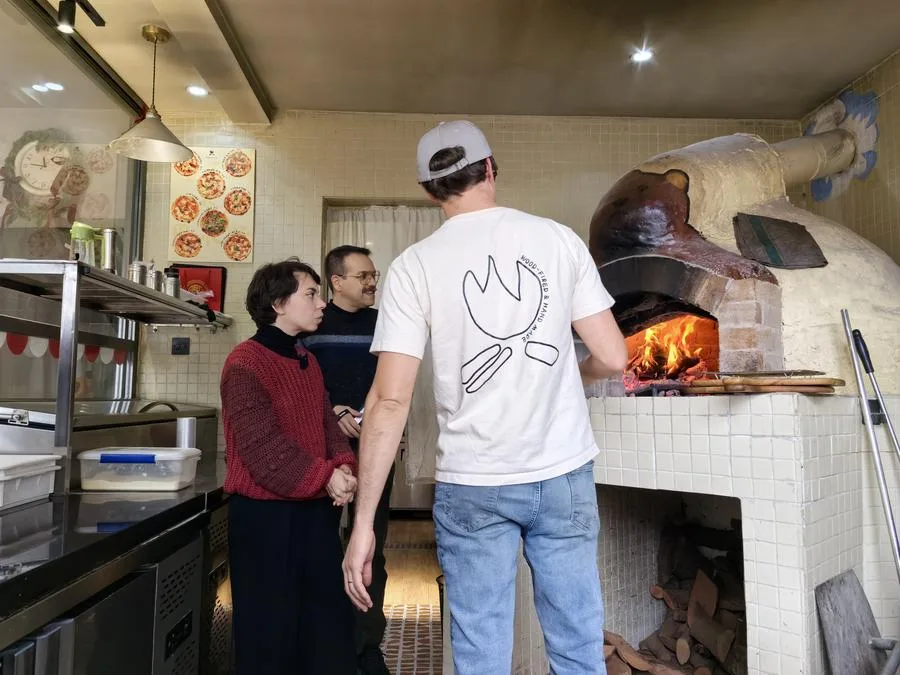
I did this for a friend’s pizza joint in East Nashville, and we found that their behind-the-scenes content (dough tossing, oven fires, chef rants) outperformed their polished food shots by 3x. So we doubled down on “chaotic pizza energy,” and their engagement skyrocketed. Meanwhile, their carefully staged flat lays? Crickets. Data doesn’t lie, even when it contradicts your assumptions.
The 3 Types of Content That Actually Convert Followers into Customers
Not all content is created equal. After analyzing hundreds of restaurant accounts (and yes, I have a spreadsheet), I’ve found that the posts driving real business fall into three categories. Miss these, and you’re just adding to the noise.
1. “I Need to Eat That” Content (The Obvious One, But You’re Probably Messing It Up)
Food photos are table stakes, but most restaurants post them wrong. Here’s how to make them work:
- Show the food in action: A static plate is fine, but a gooey cheese pull? A knife cutting into a perfectly medium-rare steak? That’s what stops scrolls.
- Highlight the experience: People don’t just buy food; they buy the vibe. Show the food in context, on your patio, under your string lights, with a cocktail that complements it.
- Use captions that sell the benefit: “Our new truffle mac and cheese” is weak. “The dish that makes people cancel their plans just to eat it” is stronger.
- Leverage user-generated content (UGC): Repost (with credit!) when customers tag you. Social proof is more powerful than your own posts.
Pro tip: Instagram’s algorithm prioritizes Reels with text overlays (think: “This sold out in 2 hours last week”). Add captions to your videos-60% of viewers watch without sound.
2. “I Want to Be Part of That” Content (The Secret Sauce)
This is where you build a community, not just an audience. Examples:
- Staff spotlights: Introduce your team, chefs, bartenders, even the dishwasher everyone loves. People connect with people, not logos.
- Behind-the-scenes chaos: The messy, unglamorous parts of running a restaurant (prep fails, last-minute menu changes, the 3 a.m. dough-making shift).
- Customer stories: Feature regulars, proposals, birthdays. Make your restaurant feel like a third place (after home and work).
- Local love: Shout out neighboring businesses, farmers, or purveyors. It builds goodwill and expands your reach.
A taco spot in Austin grew their following by 400% in three months by posting “Taco Confessions”-short videos of customers answering questions like, “What’s the weirdest thing you’ve put in a taco?” It wasn’t about the food; it was about the people who love it. And that’s what made it shareable.
3. “I Didn’t Know I Needed That” Content (The Game-Changer)
This is where you create demand instead of just fulfilling it. Think:
- Limited-time offers (LTOs) teased as “experiences”: Not “Try our new burger,” but “This burger is only here until we run out of secret sauce (again).”
- Educational content: “Why our pasta is hand-rolled,” “How to pair wine like a pro,” “The history of Nashville hot chicken.”
- Interactive polls/stories: “Should we bring back the brunch tacos? Vote now.” (Then actually bring them back if it wins, accountability builds trust.)
- “Sneak peeks”: Tease menu items in development, renovations, or events before they’re official. Make followers feel like insiders.
The best example I’ve seen? A ramens shop in LA that posted a “Ramen Hack” series-short videos showing how to eat their noodles “like a pro” (slurping etiquette, topping customization, etc.). It wasn’t about selling bowls; it was about making their customers feel like they were part of an exclusive club. Result? Lines out the door.
TikTok Isn’t Just for Dance Trends (And Neither Is Your Restaurant)
I resisted TikTok for years. “It’s for kids,” I’d say, scrolling through Instagram Reels like a hypocrite. Then I watched a 65-year-old butcher in Brooklyn gain 500K followers by explaining meat cuts, and I shut up. TikTok is the most powerful discovery tool for restaurants right now, and if you’re not on it, you’re missing out on a generation of diners who decide where to eat based on 15-second videos.
But here’s the thing: you don’t need to do the Renegade dance. TikTok rewards authenticity, entertainment, and utility-in that order. For restaurants, that means:
- Show the process: People love “how it’s made” content. Film your chef prepping the signature dish, your bartender infusing syrups, or your baker decorating a cake.
- Jump on trends, smartly: Not every trend is for you, but when one fits (like the “Get Ready With Me: Chef Edition” trend), lean in. A pizza place in Chicago went viral by showing their chef “getting ready” to make a deep-dish, flour dust, apron ties, and all.
- Educate: “Why our burgers are always juicy,” “How to tell when oysters are fresh,” “The difference between al dente and undercooked.”
- Be funny (or at least relatable): Restaurants are inherently dramatic. Lean into it-“When the kitchen printer goes down at 7 p.m. on a Saturday” could be your most engaging post yet.
My favorite TikTok strategy comes from a sushi spot in Miami: they post “Sushi Roulette” videos where the chef blindfolds a customer and has them guess the fish. It’s simple, interactive, and makes viewers wish they were there. That’s the goal: make people feel FOMO, not just hunger.
And if you’re worried about the time commitment, start small. One 15-second video a week is better than nothing. Use your phone, natural light, and don’t overthink it. TikTok’s algorithm rewards consistency over production value-so post often, even if it’s not perfect.
The One TikTok Mistake Restaurants Keep Making
Posting a video and then ignoring the comments. Engagement begets engagement. If someone asks a question (“What’s in the sauce?”), answer it. If they tag a friend (“We need to go here!”), like the comment. TikTok’s algorithm notices when you’re active in your own comments section and will push your content further.
Bonus: Use TikTok’s “Stitch” and “Duet” features to engage with other local businesses or food creators. A simple “We tried your challenge, here’s our version!” can introduce you to a whole new audience.
Your Staff Are Your Best (And Most Underused) Social Media Asset
Here’s a hard truth: your customers don’t want to follow your restaurant’s account. They want to follow people. That’s why staff-driven content is gold. The problem? Most restaurants either:
- Don’t involve their team at all (missed opportunity).
- Force them into cringe-worthy “corporate” posts (worse than nothing).
The sweet spot is giving your team autonomy within guidelines. Example:
- The line cook who loves memes? Let them run a “Kitchen Confessions” Story series.
- The bartender with a following? Have them take over for a “Cocktail of the Week” tutorial.
- The host who’s a photography buff? Task them with capturing candid guest moments (with permission!).
A brewery in Portland gave each staff member a “day in the life” feature on their Instagram Stories. The brewer’s day (mashing, hop additions) got decent engagement. The taproom manager’s day? It went viral because she included bloopers, like the time she spilled an entire flight of beers on a first date. People connect with humans, not brands.
How to Get Buy-In from Your Team
Not everyone will be excited about being on camera. That’s fine. Start with the willing participants and:
- Make it easy: Provide a shared folder with brand assets (logos, fonts, color codes) so their content feels cohesive.
- Incentivize it: Offer a bonus for posts that drive reservations or a free meal for the “post of the month.”
- Show them the impact: Share analytics (“Your post got 500 saves, that’s 500 people who might come in!”).
- Let them be themselves: The more authentic, the better. A shaky, unfiltered video will outperform a stiff, over-produced one every time.
And if someone absolutely refuses? No problem. Focus on those who are excited-enthusiasm is contagious, and their energy will pull others in over time.
The Metrics You’re Ignoring (And Why They Matter More Than Likes)
Likes are the fast food of social media metrics: easy to consume, but not nourishing. If you want real results, track these instead:
These are the closest things to a digital “I’ll be back.” When someone saves your post, they’re bookmarking it for later, which often means they’re planning a visit. Shares? That’s free advertising. Aim for a 5-10% save rate on your top posts. If you’re below that, your content isn’t valuable enough to revisit.
2. Follower Growth Rate (Not Just Total Followers)
Gaining 100 followers in a month is great, if you started with 500. If you started with 50K, it’s a red flag. Track your month-over-month growth rate. A healthy account grows by 3-5% monthly. Less than that? Time to switch up your strategy.
3. Story Completion Rate
If people are dropping off after the first slide, your Stories are boring. Aim for a 70%+ completion rate. How? Hook them fast (first slide should be your best), use polls/questions to keep them engaged, and keep it under 10 slides.
4. Click-Through Rate (CTR) on Links
If you’re linking to your reservation system or online ordering, track how many people actually click. A CTR below 1% means your call-to-action is weak. Try phrases like:
- “DM us to reserve, we’re booking up fast!”
- “Only 5 tables left for Saturday. Tap the link!”
- “This dish sells out every night. Secure yours now.”
5. Sentiment Analysis (Yes, Really)
This sounds fancy, but it’s just reading the room. Are comments positive, negative, or neutral? Are people tagging friends to come with them, or complaining about prices? Tools like Hootsuite or Sprout Social can automate this, but you can also just scroll through manually once a week. Adjust your content based on the vibe.
Example: A BBQ joint in Texas noticed their comments were full of “Wish I could try this!” from out-of-towners. So they started a “BBQ Care Package” shipping program and promoted it heavily. Now, 20% of their revenue comes from online orders.
How to Turn Social Media Followers into Repeat Customers
Followers are great. Paying customers are better. Here’s how to bridge the gap:
1. The “Soft Sell” Approach
No one likes being sold to, but everyone loves feeling like they’re in on a secret. Instead of:
“Come try our new burger!”
Try:
“We only made 20 of these today. DM us to claim yours.”
Scarcity + exclusivity = action.
2. The “Social Media Special”
Offer a dish or drink that’s only available to followers for a limited time. Example:
- “First 10 people to comment ‘PIZZA’ get a free garlic knot with their order tonight.”
- “Show this post to your server for a free dessert.”
- “Follow us and tag a friend for a chance to win a chef’s tasting menu.”
A café in Seattle did a “Latte Art Friday” where the first 50 followers to DM them could request a custom latte art design. They gained 300 followers in a day, and those followers kept coming back to see what else they’d offer.
3. The “Behind-the-Scenes Pass”
Invite your top engagers (people who like/comment/share often) to a private event: a chef’s table, a new menu tasting, or a “meet the team” night. Film it, post it, and watch your engagement soar. Why? Because you’re rewarding loyalty, and giving others a reason to engage more.
4. The “User-Generated Content Loop”
Encourage guests to post about their experience, then repost their content (with credit!). This does two things:
- Makes the original poster feel special (they’ll likely return).
- Shows potential customers real people enjoying your food (social proof is everything).
Pro tip: Create a branded hashtag (e.g., #EatAtTheBiscuit) and offer a discount to anyone who uses it. A pizza place in NYC did this and saw a 30% increase in walk-ins from Instagram.
The One Thing You Should Stop Doing Immediately
Buying followers. Just don’t. It’s tempting when you see accounts with 50K followers and 10 likes per post, but fake followers:
- Tank your engagement rate (which hurts your reach).
- Make you look inauthentic to real customers.
- Are a waste of money that could go toward, I don’t know, actual marketing.
Instead, focus on organic growth strategies:
- Collaborate with micro-influencers (1K-50K followers) in your area. Offer them a free meal in exchange for a post.
- Engage with local food accounts. Like, comment, and share their content, they’ll often return the favor.
- Run a giveaway that requires follows, tags, and shares. Example: “Tag 3 friends and follow us to win a free dinner for two!”
Remember: 1,000 real, engaged followers are worth more than 10,000 bots. Quality over quantity, always.
How to Stay Ahead in 2025 (Without Losing Your Mind)
Social media moves fast, but the restaurants that thrive are the ones that:
- Double down on what works: If your “Taco Tuesday” posts slay, make them a series. If your chef’s rants get shares, lean into the personality.
- Experiment with one new thing per month: Try a new platform (Thread? BeReal?), a new content format (live Q&A?), or a new engagement tactic (DM polls?).
- Repurpose content like a pro: Turn a TikTok into a Reel, a Reel into a Story, a Story into a blog post. One piece of content should live in at least 3 places.
- Listen more than you post: Pay attention to what your audience is saying, about you, your competitors, and food trends in general. Adjust accordingly.
And here’s my biggest piece of advice: Don’t chase every trend. It’s exhausting, and your audience will smell the desperation. Instead, ask: Does this align with our brand? Will our customers care? If not, skip it.
Example: The “Corn Kid” trend was huge in 2022. Most restaurants forced it. The ones that won? The ones that made it their own, a BBQ joint did “Corn on the Cob vs. Cornbread: Fight Night,” and it got 2M views.
Your 30-Day Challenge: Pick One Thing and Go All In
Overwhelmed? Start small. Pick one of these strategies and commit to it for 30 days:
- Post 3 behind-the-scenes Stories per week (prep, staff antics, “day in the life”).
- Run a “Social Media Special” every Friday (followers-only deal).
- Repost 5 pieces of user-generated content and thank the creators.
- Go live once a week (Q&A, happy hour preview, chef demo).
- Engage with 10 local accounts daily (likes, comments, shares).
Track your metrics before and after. I bet you’ll see a difference. And if you don’t? Pivot. Social media isn’t about perfection; it’s about iteration.
Now, if you’ll excuse me, Luna just knocked over my coffee, and I need to go reassess my life choices. But before I go, drop a comment below: What’s one social media strategy you’ve tried that actually worked? Let’s crowdsource the best ideas.
FAQ: Your Burning Questions About Restaurant Social Media
Q: How often should I post?
A: Quality > quantity, but aim for:
- Instagram: 3-5x/week (mix of Reels, carousels, and Stories).
- TikTok: 3-7x/week (the more, the better, algorithm favors consistency).
- Facebook: 2-3x/week (focus on events, updates, and community posts).
If you can’t keep up, repurpose content across platforms. And remember: one great post beats five mediocre ones.
Q: Should I respond to negative comments?
A: Yes, but strategically. For legitimate complaints (bad service, cold food), respond publicly with empathy (“We’re so sorry, DM us so we can make it right!”) and follow up privately. For trolls? Sometimes it’s best to let your happy customers defend you. Never argue in the comments.
Q: Do I need professional photos?
A: Nope! iPhone photos with good lighting work fine. What matters more is authenticity and consistency. That said, if you’re launching a new menu or rebranding, investing in a photoshoot can be worth it, just make sure the images still feel “real.”
Q: How do I measure ROI from social media?
A: Track these:
- Reservations/bookings from social (use unique links or promo codes).
- Foot traffic increases during campaigns (compare to past periods).
- Online orders with social-specific discounts.
- Customer surveys: “How did you hear about us?”
Even if you can’t track every dollar, look at trends. Did engagement spike before a busy weekend? That’s ROI.
@article{why-your-restaurants-social-media-presence-is-failing-and-how-to-fix-it-in-2025,
    title   = {Why Your Restaurant’s Social Media Presence is Failing (And How to Fix It in 2025)},
    author  = {Chef's icon},
    year    = {2025},
    journal = {Chef's Icon},
    url     = {https://chefsicon.com/optimizing-restaurant-social-media-presence/}
}