The Best Fluffy Pancakes recipe you will fall in love with. Full of tips and tricks to help you make the best pancakes.
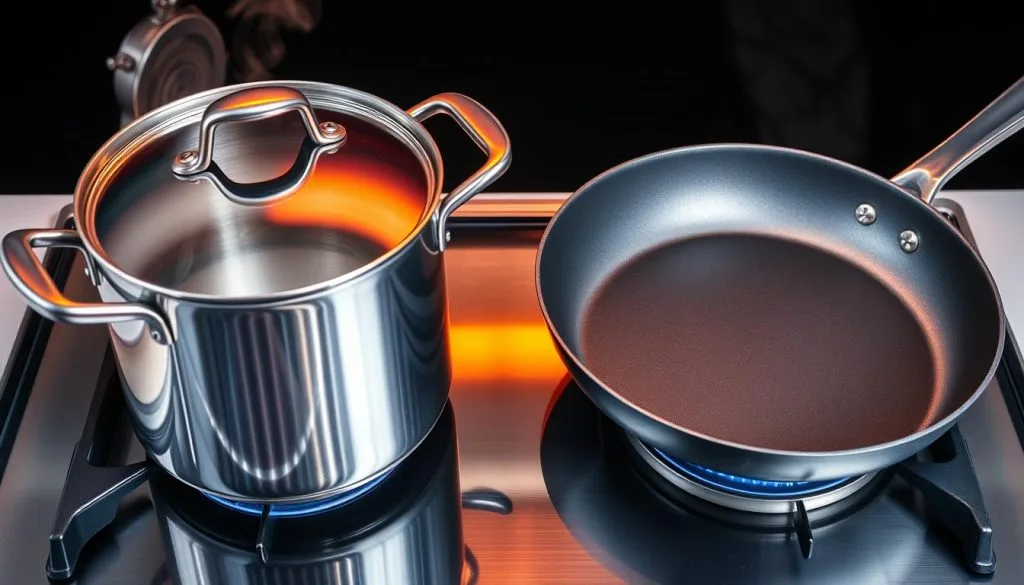
Welcome to the great debate of the culinary world: stainless-steel vs. non-stick cookware. If you’re anything like me, you’ve stood in the kitchen aisle, scratching your head, wondering which one to bring home. I mean, they both have their charms, right? But what’s the best choice for your cooking style and needs? Let’s dive in and figure this out once and for all.
A few years back, when I first moved to Nashville with Luna, my rescue cat, I was clueless about cookware. I had just relocated from the Bay Area, leaving behind a thriving tech scene for a more laid-back life. My marketing job was demanding, but my passion for food and culinary culture grew stronger. I found myself in the heart of a vibrant creative scene, and suddenly, the type of cookware I used seemed to matter more.
In this article, we’re going to explore the nitty-gritty of both stainless-steel and non-stick cookware. By the end, you’ll have a clear understanding of which one is right for you. So, grab a coffee, let’s get started.
Ready? Let’s dive right in.
Understanding Stainless-Steel Cookware
What is Stainless-Steel Cookware?
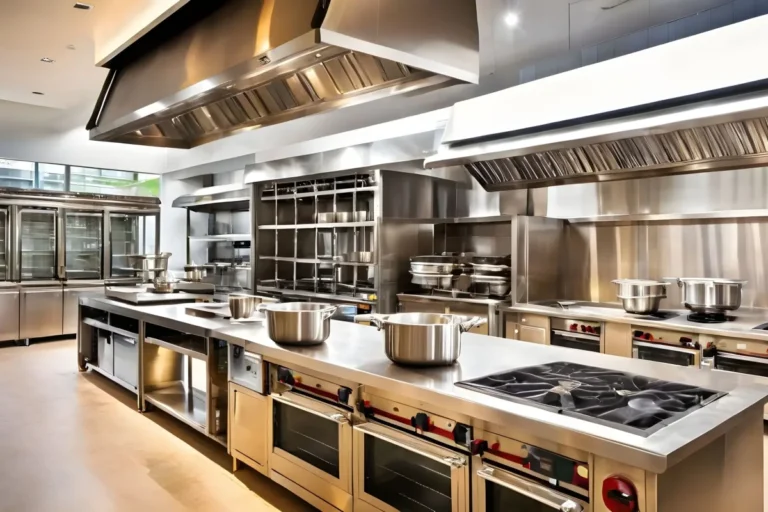
Stainless-steel cookware is made from a combination of metals, primarily chromium and nickel, which make it resistant to rust and corrosion. It’s known for its durability and professional-grade performance. Think of those shiny pots and pans you see in restaurant kitchens, yep, that’s stainless-steel.
Pros of Stainless-Steel Cookware
Stainless-steel is a powerhouse in the kitchen. Here are some of its standout features:
- Durability: Stainless-steel is built to last. It can withstand high heat and won’t warp or dent easily.
- Versatility: You can use it on any cooktop, including induction. Plus, it’s oven-safe, making it great for recipes that require stove-to-oven transitions.
- Even Heat Distribution: High-quality stainless-steel cookware often has a core of aluminum or copper, which ensures even heating.
- Easy to Clean: While it’s not non-stick, stainless-steel is relatively easy to clean. A little elbow grease and some hot, soapy water usually do the trick.
Cons of Stainless-Steel Cookware
Of course, nothing’s perfect. Here are a few downsides to consider:
- Price: Good stainless-steel cookware can be pricey, especially if you’re opting for high-end brands.
- Weight: It’s heavier than non-stick, which can be a pain if you’re cooking up a storm.
- Sticking: Unlike non-stick, stainless-steel can be a bit sticky, especially if you’re not using enough oil or fat.
Understanding Non-Stick Cookware
What is Non-Stick Cookware?
Non-stick cookware is coated with a material that prevents food from sticking. The most common coating is Teflon, but there are also ceramic and other non-stick options available. This type of cookware is loved for its ease of use and quick cleanup.
Pros of Non-Stick Cookware
Non-stick cookware has its own set of advantages:
- Easy to Use: Food slides right off, making cooking and cleaning a breeze.
- Great for Delicate Foods: Perfect for eggs, fish, and other foods that tend to stick.
- Affordable: Generally, non-stick cookware is more budget-friendly than stainless-steel.
- Lightweight: It’s usually lighter, making it easier to handle.
Cons of Non-Stick Cookware
But there are some trade-offs to consider:
- Durability: Non-stick coatings can wear off over time, especially if you’re using metal utensils or stacking pans.
- Heat Distribution: It doesn’t always distribute heat as evenly as stainless-steel.
- Safety Concerns: Some people worry about the chemicals used in non-stick coatings, though many modern options are PFOA-free.
Stainless-Steel vs. Non-Stick: The Showdown
Heat Conduction
When it comes to heat conduction, stainless-steel tends to have the upper hand. High-quality stainless-steel pans often have a core of aluminum or copper, which ensures even heating. This is crucial for recipes that require precise temperature control, like sauces or caramel.
That being said, non-stick pans aren’t slouches either. They can still distribute heat well enough for most everyday cooking tasks. Is this the best approach? Let’s consider…
Durability and Lifespan
Stainless-steel is the clear winner here. It’s built to last and can withstand high heat without warping. Non-stick pans, on the other hand, have a coating that can wear off over time, especially if you’re not careful with your utensils.
Ease of Use
In terms of ease of use, on-stick cookware takes the cake. Food just slides right off, making cooking and cleaning a breeze. It’s perfect for beginners or anyone who wants a hassle-free cooking experience.
Versatility
Stainless-steel is more versatile. You can use it on any cooktop, including induction, and it’s oven-safe. Non-stick pans, while great for certain tasks, aren’t always as versatile. I’m torn between the ease of non-stick and the versatility of stainless-steel, but ultimately, it depends on your cooking needs.
Health and Safety
There’s been some debate about the safety of non-stick coatings, particularly Teflon. While modern non-stick pans are often PFOA-free, some people still prefer to avoid them. Stainless-steel, on the other hand, is generally considered safe and doesn’t have these concerns. Maybe I should clarify… the choice here really depends on your comfort level with non-stick coatings.
Price
When it comes to price, on-stick cookware is usually more affordable. You can find good-quality non-stick pans at a fraction of the cost of high-end stainless-steel. That said, stainless-steel’s durability means it might be a better long-term investment.
Weight and Handling
Non-stick pans are generally lighter and easier to handle, making them a good choice if you have wrist or arm issues. Stainless-steel can be heavier, which might be a consideration if you’re doing a lot of cooking.
Cleaning
Non-stick pans are easier to clean, just a quick wipe, and you’re done. Stainless-steel requires a bit more elbow grease, but it’s still manageable with hot, soapy water.
Environmental Impact
Stainless-steel is more eco-friendly. It’s recyclable and doesn’t involve the same chemical processes as non-stick coatings. If sustainability is a concern for you, stainless-steel might be the way to go.
Best Uses for Each
So, when should you use each type of cookware? Here are some guidelines:
- Stainless-Steel: Best for boiling, braising, browning, and deglazing. It’s great for recipes that require high heat or precise temperature control.
- Non-Stick: Ideal for cooking delicate foods like eggs, fish, and pancakes. It’s also great for low-fat cooking.
Making the Choice: Stainless-Steel vs. Non-Stick
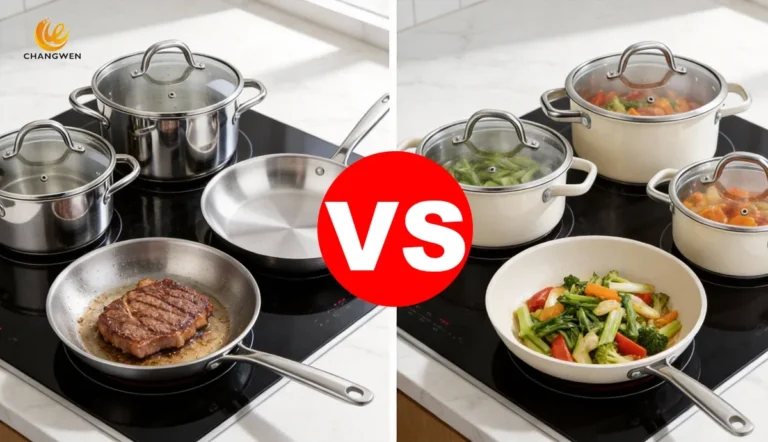
So, which one should you choose? It really depends on your cooking style and needs. If you’re a beginner or prefer hassle-free cooking, non-stick might be the way to go. But if you’re looking for durability, versatility, and precision, stainless-steel is the better choice.
Personally, I like to have a mix of both in my kitchen. I use non-stick for quick breakfasts and stir-fries, and stainless-steel for more complex recipes that require precise heat control. It’s about finding what works best for you.
Conclusion: The Best of Both Worlds
In the battle of stainless-steel vs. non-stick cookware, there’s no one-size-fits-all answer. Both have their strengths and weaknesses, and the best choice depends on your cooking style and needs. So, why not have the best of both worlds? Keep a few non-stick pans for easy meals and a set of stainless-steel for when you want to get serious in the kitchen.
And hey, maybe one day we’ll see a hybrid cookware that combines the best of both, who knows? The future of cookware is always evolving. Until then, happy cooking!
FAQ
Q: Is stainless-steel cookware safe?
A: Yes, stainless-steel cookware is generally considered safe. It doesn’t have the same chemical concerns as some non-stick coatings.
Q: Can I use metal utensils with non-stick cookware?
A: It’s not recommended. Metal utensils can scratch the non-stick coating, reducing its lifespan.
Q: Is non-stick cookware oven-safe?
A: It depends on the brand and model. Some non-stick cookware is oven-safe, but always check the manufacturer’s guidelines.
Q: How do I clean stainless-steel cookware?
A: Use hot, soapy water and a non-abrasive sponge. For tough stains, you can use a mixture of baking soda and water.
@article{stainless-steel-vs-non-stick-cookware-the-ultimate-showdown,
    title   = {Stainless-Steel vs. Non-Stick Cookware: The Ultimate Showdown},
    author  = {Chef's icon},
    year    = {2025},
    journal = {Chef's Icon},
    url     = {https://chefsicon.com/stainless-steel-vs-non-stick-cookware/}
}