The Best Fluffy Pancakes recipe you will fall in love with. Full of tips and tricks to help you make the best pancakes.
Why Nashville’s Restaurant Design Trends Are Worth Your Attention in 2026
Let me start with a confession: I didn’t fully appreciate the power of restaurant design until I moved to Nashville. Back in the Bay Area, I’d walk into places and think, *Okay, this looks nice*, but I never really *felt* the space. It was all clean lines, minimalist decor, and that unmistakable tech-bro vibe, functional, sure, but emotionally flat. Then I stepped into a little honky-tonk on Broadway, and suddenly, I got it. The scuffed wooden floors, the neon signs flickering like they’d been there since the ‘70s, the way the bar wrapped around the room like an embrace, it wasn’t just a place to eat. It was a *story*. And that’s when it hit me: Nashville doesn’t just serve food. It serves *experiences*, and the design is the first course.
Now, as someone who’s spent the last few years writing about food and culture for Chefsicon.com, I’ve watched Nashville’s restaurant scene evolve at a breakneck pace. It’s not just about the hot chicken anymore (though, let’s be real, that’ll never go out of style). It’s about how these spaces make you *feel*-whether you’re a local grabbing a quick bite or a tourist soaking in the city’s energy. And in 2026, the trends shaping Nashville’s restaurant design are as much about psychology as they are about aesthetics. So, if you’re a chef, a restaurateur, or just someone who geeks out over how a well-designed space can turn a meal into a memory, stick around. We’re diving deep into the top Nashville restaurant design trends that are setting the stage for the next era of dining.
By the end of this, you’ll walk away with:
- A clear understanding of how Nashville’s cultural identity is shaping its restaurant design.
- Actionable insights into the top 10 trends dominating the scene right now.
- Practical tips for incorporating these trends into your own space, whether you’re opening a food truck or a fine-dining spot.
- A peek into the future of restaurant design and why Nashville might just be leading the charge.
Sound good? Let’s dig in.
The Soul of Nashville: How Culture Shapes Restaurant Design
Before we talk trends, we need to talk about *why* Nashville’s restaurant design feels so distinct. It’s not just about throwing up some cowboy boots and calling it a day (though, let’s be honest, that’s been done). It’s about tapping into something deeper, the city’s DNA. Nashville is a place of contradictions: it’s traditional and rebellious, polished and gritty, a city where a three-piece suit can share a bar stool with a pair of muddy boots. And its restaurant design reflects that.
Take Prince’s Hot Chicken, for example. The original location on Ewing Drive is a no-frills, cash-only joint with peeling paint and a line out the door. It’s not *designed* in the traditional sense, it’s just *real*. But that’s the point. The space tells you exactly what to expect: no frills, no fuss, just damn good chicken. Contrast that with Husk, where the historic mansion setting and curated Southern artistry create an atmosphere of refined elegance. Both spaces are unmistakably Nashville, but they’re speaking different dialects of the same language.
So, what’s the common thread? Authenticity. Nashville’s design trends aren’t about following the latest Pinterest board. They’re about creating spaces that feel *true* to the city’s roots while pushing boundaries. And in 2026, that means blending the old with the new, the rustic with the refined, and the familiar with the unexpected. It’s a delicate balance, but when it works, it’s magic.
Now, let’s break down the trends that are bringing this philosophy to life.
1. The Rise of the “Third Place” Restaurant
You’ve probably heard the term “third place” thrown around in urban planning circles. It’s that spot that’s not home and not work, a place where community happens. Think coffee shops, libraries, or, in Nashville’s case, restaurants. In 2026, more and more Nashville eateries are designing their spaces to function as these community hubs, and it’s changing the way we think about dining out.
Take City House in Germantown. The space is warm and inviting, with long communal tables, a central bar, and an open kitchen that makes you feel like you’re part of the action. It’s not just a place to eat; it’s a place to *linger*. The design encourages conversation, whether you’re sitting next to a stranger or your best friend. And that’s the key, these spaces are built for connection. High ceilings, flexible seating arrangements, and cozy nooks all work together to make you want to stay awhile.
But here’s the thing: creating a third place isn’t just about throwing in a few communal tables and calling it a day. It’s about intentional design. Lighting plays a huge role, warm, dimmable lights create intimacy, while natural light keeps the space feeling open and airy. Acoustics matter too. No one wants to shout over their meal, so materials like wood, fabric, and even plants are used to absorb sound and create a comfortable environment. And let’s not forget the power of local art. Nashville’s third places often feature work from local artists, which not only supports the creative community but also gives the space a sense of place.
Is this the best approach for every restaurant? Probably not. A quick-service spot might not benefit from communal tables, but for full-service restaurants, especially those in neighborhoods like East Nashville or The Nations, the third-place model is a game-changer. It turns dining into an experience, and in a city like Nashville, where competition is fierce, that’s a major advantage.
2. Biophilic Design: Bringing the Outdoors In
Biophilic design isn’t new, but in 2026, it’s having a moment in Nashville’s restaurant scene. The idea is simple: incorporate elements of nature into the built environment to improve well-being. But in a city surrounded by rolling hills, lush forests, and the mighty Cumberland River, it’s not just a trend, it’s a no-brainer.
One of the best examples of this is Lyra in the Gulch. The space is a masterclass in biophilic design, with floor-to-ceiling windows that flood the dining room with natural light, living green walls that purify the air, and reclaimed wood accents that bring a touch of the outdoors inside. Even the menu reflects this connection to nature, with dishes that highlight seasonal, locally sourced ingredients. It’s a holistic approach that makes you feel like you’re dining in the middle of a forest, even if you’re just a few blocks from downtown.
But biophilic design isn’t just about aesthetics. There’s real science behind it. Studies show that exposure to natural elements can reduce stress, improve mood, and even enhance creativity. For restaurants, that translates to happier customers who stay longer and spend more. It’s a win-win. And in a post-pandemic world where people are craving connection to nature, it’s no surprise that this trend is taking off.
So, how can you incorporate biophilic design into your space? Start small. Add potted plants or a living wall. Use natural materials like wood, stone, or bamboo in your decor. Maximize natural light with large windows or skylights. Even something as simple as incorporating ature-inspired artwork or using earthy color palettes can make a difference. The key is to create a space that feels alive, not sterile.
I’m torn between thinking this is just a passing fad and believing it’s here to stay. But when I walk into a space like Lyra and feel an immediate sense of calm, it’s hard to argue with the results. Maybe it’s not just a trend, maybe it’s the future.
3. The Return of the Open Kitchen
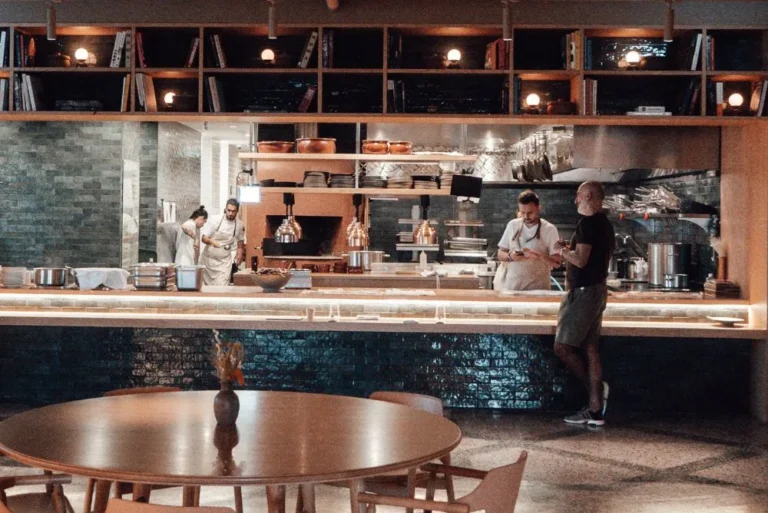
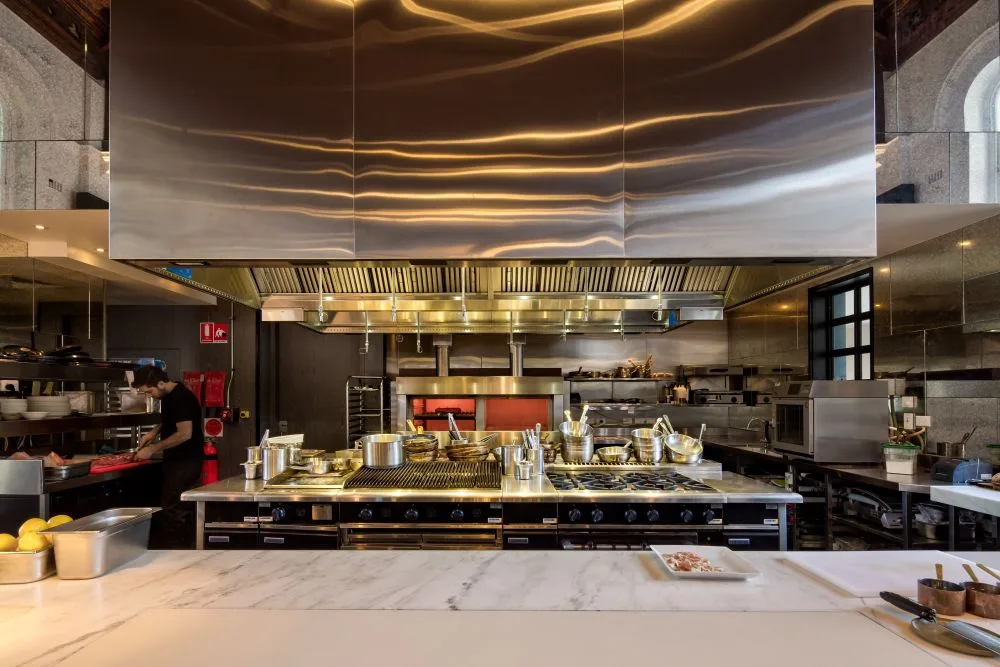
Open kitchens have been around for a while, but in 2026, they’re evolving. It’s no longer just about transparency, it’s about theater. Nashville’s chefs are turning their kitchens into stages, and diners are loving the show.
Take Rolf and Daughters in Germantown. The open kitchen is the heart of the restaurant, with counter seating that puts diners right in the action. You can watch the chefs work their magic, hear the sizzle of the grill, and smell the aromas of the food as it’s being prepared. It’s not just a meal; it’s a performance. And in a city that lives and breathes music, it’s a natural fit.
But open kitchens aren’t just about entertainment. They’re also about trust. In an era where diners are more conscious than ever about where their food comes from, an open kitchen sends a powerful message: *We have nothing to hide*. It builds a connection between the chef and the customer, and in a city like Nashville, where hospitality is king, that connection is everything.
Of course, open kitchens come with their own set of challenges. Noise can be an issue, especially in smaller spaces. And let’s not forget the heat, Nashville summers are no joke, and a poorly ventilated kitchen can turn a dining room into a sauna. But with the right design, these challenges can be overcome. Sound-absorbing materials, strategic placement of equipment, and high-quality ventilation systems can make an open kitchen not just functional, but a selling point.
Maybe I should clarify: an open kitchen isn’t for everyone. If you’re running a high-volume, fast-casual spot, it might not make sense. But for full-service restaurants, especially those with a focus on craft or artisanal cooking, it’s a trend worth considering. It’s not just about showing off, it’s about creating an experience that diners can’t get anywhere else.
4. Adaptive Reuse: Giving Old Spaces New Life
Nashville is growing fast, maybe too fast. With all the new construction, it’s easy to forget about the city’s rich history. But in 2026, more and more restaurateurs are turning to adaptive reuse to preserve that history while creating something new. It’s a trend that’s as much about sustainability as it is about storytelling.
One of the best examples of this is The Southern Steak & Oyster in the Gulch. The restaurant is housed in a historic building that was once a livery stable, and the design pays homage to that history. Exposed brick walls, original hardwood floors, and vintage lighting fixtures all nod to the past, while modern touches like a sleek bar and contemporary artwork bring the space into the present. It’s a perfect blend of old and new, and it tells a story that diners can’t help but connect with.
But adaptive reuse isn’t just about aesthetics. It’s also about sustainability. By repurposing existing buildings, restaurateurs can reduce their environmental impact while saving money on construction costs. And in a city where development is booming, it’s a way to stand out from the crowd. After all, there’s only one Gulch, and there’s only one building that used to be a livery stable.
Of course, adaptive reuse comes with its own set of challenges. Older buildings often come with quirks, uneven floors, outdated electrical systems, or limited space. But with the right team, these challenges can be turned into opportunities. A skilled designer can work with the existing structure to create something truly unique, and in a city like Nashville, where history is part of the appeal, that uniqueness is priceless.
Is this the best approach for every restaurant? Probably not. If you’re opening a fast-casual spot in a strip mall, adaptive reuse might not be an option. But for full-service restaurants, especially those in historic neighborhoods, it’s a trend that’s hard to ignore. It’s not just about saving money or being eco-friendly, it’s about creating a space that feels *real*.
5. The Rise of the “Instagrammable” Restaurant
Let’s be real: we live in the age of Instagram. And while some might argue that social media has ruined dining (looking at you, influencers who take 20 minutes to stage a shot of their avocado toast), there’s no denying its power. In 2026, Nashville’s restaurateurs are embracing this reality, designing spaces that are as photogenic as they are functional. But here’s the catch: it’s not just about looking good. It’s about creating moments that diners *want* to share.
Take Skull’s Rainbow Room in Printers Alley. The space is a visual feast, with neon signs, vintage posters, and a retro vibe that’s straight out of a 1950s nightclub. But it’s not just about the aesthetics, it’s about the *experience*. The live music, the burlesque shows, the over-the-top cocktails, it’s all designed to be shared. And diners are eating it up (pun intended).
But here’s the thing: creating an Instagrammable restaurant isn’t just about slapping some neon lights on the wall and calling it a day. It’s about storytelling. The best Instagrammable spaces have a narrative, a reason for being. Maybe it’s a speakeasy with a hidden entrance, or a rooftop bar with a killer view of the skyline. Whatever it is, it needs to feel authentic. Because in a city like Nashville, where every corner has a story, diners can spot a gimmick from a mile away.
Of course, there’s a fine line between Instagrammable and over-the-top. You don’t want your space to feel like a theme park. The key is to strike a balance, create moments that are shareable, but don’t sacrifice functionality or comfort. After all, no one wants to eat in a space that feels like a museum.
I’m torn between loving this trend and worrying that it’s turning dining into a spectator sport. But when I see diners at Skull’s Rainbow Room laughing, taking photos, and genuinely enjoying themselves, it’s hard to argue with the results. Maybe it’s not about the likes, maybe it’s about creating memories that people want to hold onto.
6. Flexible Layouts: Designing for the Future
If the last few years have taught us anything, it’s that the future is unpredictable. Restaurants that thrived pre-pandemic struggled to adapt when dining rooms shut down, and those that survived were the ones that could pivot quickly. In 2026, Nashville’s restaurateurs are taking this lesson to heart, designing spaces that are as flexible as they are beautiful.
Take Butcher & Bee in East Nashville. The space is designed to accommodate everything from intimate dinners to large parties. Movable walls, modular furniture, and a layout that can be reconfigured on the fly make it easy to adapt to changing needs. And in a city where pop-ups, private events, and ever-changing menus are the norm, that flexibility is a game-changer.
But flexible layouts aren’t just about practicality. They’re also about creativity. A space that can be transformed can also be reinvented. Maybe it’s a tasting menu one night and a live music event the next. The possibilities are endless, and in a city like Nashville, where creativity is currency, that’s a major advantage.
So, how can you design a flexible space? Start with the basics. Movable furniture, like tables and chairs on wheels, can make it easy to reconfigure a room. Modular seating, like banquettes or booths that can be rearranged, can also help. And don’t forget about technology. Smart lighting systems, sound systems, and even digital menus can make it easy to adapt to different events or moods.
Maybe I should clarify: flexible design isn’t just for large spaces. Even a small restaurant can benefit from a layout that can be easily reconfigured. The key is to think ahead. What do you want your space to be able to do? Do you want to host private events? Do you want to be able to switch from lunch service to dinner service seamlessly? The more you can anticipate, the more flexible your space can be.
7. The Return of the Dive Bar (With a Twist)
Nashville has always had its fair share of dive bars, but in 2026, they’re getting a makeover. It’s not about grime and grit anymore, it’s about intentional design. The new wave of dive bars is all about creating spaces that feel authentic, unpretentious, and just a little bit rebellious. And in a city that’s known for its honky-tonks and its high-end dining, that’s a refreshing change of pace.
Take The Fox Bar & Cocktail Club in East Nashville. The space is a masterclass in dive-bar chic, with vintage furniture, dim lighting, and a vibe that’s equal parts cozy and cool. But it’s not just about the aesthetics, it’s about the *experience*. The cocktails are creative, the music is on point, and the crowd is a mix of locals and tourists who just want to have a good time. It’s a dive bar, but it’s also a destination.
But here’s the thing: creating a great dive bar isn’t just about slapping some neon signs on the wall and calling it a day. It’s about attention to detail. The best dive bars have a sense of history, even if they’re brand new. Maybe it’s a jukebox filled with classic records, or a bar top that’s been worn smooth by decades of elbows. Whatever it is, it needs to feel lived-in, not staged.
Of course, there’s a fine line between dive bar and divey. You don’t want your space to feel dirty or unsafe. The key is to strike a balance, create a space that feels authentic and unpretentious, but also clean and welcoming. After all, no one wants to drink in a place that feels like it hasn’t been cleaned since the ‘90s.
I’m torn between loving this trend and worrying that it’s just another fad. But when I walk into a place like The Fox and see a packed house of people who are there to have a good time, it’s hard to argue with the results. Maybe it’s not about being a dive bar, maybe it’s about being a place where people can let their hair down and be themselves.
8. The Rise of the “Chef’s Counter” Experience
In 2026, Nashville’s fine-dining scene is embracing a trend that’s been popular in cities like New York and Tokyo for years: the chef’s counter. It’s not just a place to eat, it’s an experience. Diners sit at a counter that wraps around the kitchen, watching the chefs work their magic in real time. It’s intimate, it’s interactive, and it’s changing the way we think about fine dining.
One of the best examples of this is Bourbon Steak at the JW Marriott. The chef’s counter is the centerpiece of the restaurant, with diners seated just a few feet from where the magic happens. It’s not just about the food, it’s about the performance. The chefs explain each dish, answer questions, and even let diners sample ingredients. It’s a level of engagement that you just can’t get at a traditional table.
But the chef’s counter isn’t just about entertainment. It’s also about education. In a city like Nashville, where food culture is booming, diners are more curious than ever about where their food comes from and how it’s prepared. The chef’s counter gives them a front-row seat to the process, and that’s a powerful thing. It builds trust, it creates connection, and it turns a meal into an experience.
Of course, the chef’s counter isn’t for every restaurant. It requires a certain level of skill and confidence from the chefs, and it’s not cheap to implement. But for fine-dining spots, it’s a trend that’s hard to ignore. It’s not just about the food, it’s about the story behind it. And in a city like Nashville, where storytelling is king, that’s a major advantage.
Maybe I should clarify: the chef’s counter isn’t just for high-end restaurants. Even a casual spot can benefit from a counter that puts diners in the action. The key is to create a space that feels intimate and engaging, not just a gimmick. After all, no one wants to feel like they’re being watched while they eat.
9. The Power of Local Art and Custom Furniture
In 2026, Nashville’s restaurateurs are doubling down on local art and custom furniture, and it’s not just about aesthetics. It’s about supporting the community and creating spaces that feel uniquely Nashville. From murals by local artists to tables made by local woodworkers, these touches add personality and authenticity to a space.
Take Henrietta Red in Germantown. The space is filled with custom furniture, from the bar stools to the dining tables, all made by local craftsmen. The walls are adorned with art by Nashville artists, and even the menus are designed by a local graphic designer. It’s a space that feels distinctly Nashville, and that’s a major selling point.
But local art and custom furniture aren’t just about looks. They’re also about sustainability. By sourcing materials and talent locally, restaurateurs can reduce their environmental impact while supporting the local economy. And in a city like Nashville, where the creative community is thriving, that’s a win-win.
So, how can you incorporate local art and custom furniture into your space? Start small. Commission a mural for your wall, or work with a local woodworker to create a custom bar top. Even something as simple as displaying art by local artists can make a difference. The key is to create a space that feels authentic and connected to the community.
I’m torn between thinking this is just a trend and believing it’s the future of restaurant design. But when I walk into a space like Henrietta Red and see the pride that the staff and diners take in the local touches, it’s hard to argue with the results. Maybe it’s not just about the art, maybe it’s about the story behind it.
10. The Future of Restaurant Design: What’s Next for Nashville?
So, where does Nashville’s restaurant design scene go from here? If the trends of 2026 are any indication, the future is all about experience. It’s not just about the food anymore, it’s about the space, the story, and the connection. And in a city that’s growing as fast as Nashville, that’s a major advantage.
One trend to watch is the rise of multi-functional spaces. Restaurants that can adapt to different needs, whether it’s a pop-up event, a private party, or a live music performance, will have a leg up. Another trend is the continued focus on sustainability. From biophilic design to local sourcing, Nashville’s restaurateurs are finding ways to reduce their environmental impact while creating spaces that diners love.
But here’s the thing: trends come and go. What won’t change is the need for authenticity. In a city like Nashville, where history and culture run deep, the best spaces are the ones that feel true to the city’s roots. Whether it’s a honky-tonk on Broadway or a fine-dining spot in the Gulch, the best restaurants are the ones that tell a story, and that’s something that will never go out of style.
So, what’s the takeaway? If you’re a restaurateur, don’t just follow the trends. Think about what makes your space unique, and design it with intention. If you’re a diner, pay attention to the details. The best restaurants aren’t just about the food, they’re about the experience. And in Nashville, that experience starts with the design.
Final Thoughts: Why Nashville’s Design Trends Matter
At the end of the day, Nashville’s restaurant design trends aren’t just about aesthetics. They’re about connection. Connection to the city, to the community, and to each other. In a world that’s increasingly digital and disconnected, these spaces offer something real, something tangible. And that’s a powerful thing.
So, whether you’re a chef, a restaurateur, or just someone who loves to eat, take a moment to appreciate the design of the spaces you visit. Notice the details. Think about how they make you feel. And if you’re inspired to create something of your own, don’t be afraid to take risks. After all, the best trends are the ones that come from the heart.
Now, if you’ll excuse me, I’ve got a hankering for some hot chicken, and a new appreciation for the space it’s served in.
FAQ
Q: What’s the most important trend in Nashville restaurant design right now?
A: It’s hard to pick just one, but if I had to choose, I’d say the rise of the “third place” restaurant is having the biggest impact. These spaces are designed to function as community hubs, encouraging connection and conversation. They’re not just about the food, they’re about the experience, and in a city like Nashville, that’s a game-changer.
Q: How can I incorporate biophilic design into my restaurant without breaking the bank?
A: Start small! Add potted plants or a living wall to bring a touch of nature indoors. Use natural materials like wood or stone in your decor, and maximize natural light with large windows or skylights. Even something as simple as incorporating nature-inspired artwork or using earthy color palettes can make a difference. The key is to create a space that feels alive, not sterile.
Q: Are open kitchens a good idea for every type of restaurant?
A: Not necessarily. Open kitchens work best for full-service restaurants where the cooking process is part of the experience. For quick-service spots or high-volume restaurants, an open kitchen might not make sense. It’s also important to consider the challenges, like noise and heat, and design accordingly. But for the right concept, an open kitchen can be a major selling point.
Q: What’s the best way to make my restaurant more Instagrammable?
A: Focus on storytelling. The best Instagrammable spaces have a narrative, a reason for being. Maybe it’s a speakeasy with a hidden entrance, or a rooftop bar with a killer view of the skyline. Whatever it is, it needs to feel authentic. Don’t sacrifice functionality or comfort for the sake of aesthetics. The key is to create moments that diners *want* to share, not just a space that looks good in photos.
@article{top-nashville-restaurant-design-trends-how-music-citys-spaces-are-redefining-dining-in-2026,
    title   = {Top Nashville Restaurant Design Trends: How Music City’s Spaces Are Redefining Dining in 2026},
    author  = {Chef's icon},
    year    = {2026},
    journal = {Chef's Icon},
    url     = {https://chefsicon.com/top-nashville-restaurant-design-trends/}
}