The Best Fluffy Pancakes recipe you will fall in love with. Full of tips and tricks to help you make the best pancakes.

Maintaining a restaurant kitchen is no small feat. It’s a high-pressure environment where every detail matters, from the cleanliness of your prep stations to the efficiency of your cooking equipment. As someone who’s spent countless hours in both bustling kitchens and quiet home offices, I can tell you that the key to a well-maintained kitchen lies in a combination of proactive measures, regular upkeep, and a dash of common sense. Let’s dive into some top tips to keep your restaurant kitchen in tip-top shape.
First, let me set the scene. Picture this: it’s a busy Friday night, the orders are pouring in, and the kitchen is a symphony of clanging pots and sizzling pans. It’s a beautiful chaos, but it’s also a recipe for disaster if your kitchen isn’t up to par. A malfunctioning oven or a slippery floor can bring this well-oiled machine to a grinding halt. That’s why preventive maintenance isn’t just a nice idea, it’s a necessity.
So, where do you start? Well, think of your kitchen as a living, breathing organism. Every part needs to work in harmony for the whole to function properly. From the cooking equipment to the ventilation systems, from the refrigeration units to the safety measures, everything deserves your attention. Maybe I should clarify, this isn’t about being obsessive; it’s about being thorough. A well-maintained kitchen is a safe kitchen, and a safe kitchen is a productive one.
But before we get into the nitty-gritty, let me share a quick story. Back when I was managing a kitchen in the Bay Area, we had a state-of-the-art combi oven that was the workhorse of our operation. One day, it just stopped working. Panic ensued, and we scrambled to find a solution. Turns out, a simple filter change would have prevented the whole fiasco. Lesson learned: regular maintenance can save you a world of trouble.
Cooking Equipment: The Heart of Your Kitchen
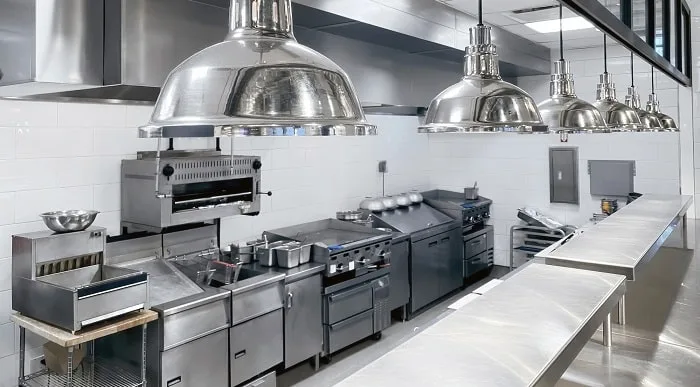
Let’s start with the stars of the show: your cooking equipment. Whether it’s a range, oven, fryer, or grill, these appliances are the heart of your kitchen. Regular cleaning and maintenance can extend their lifespan and ensure they operate at peak efficiency.
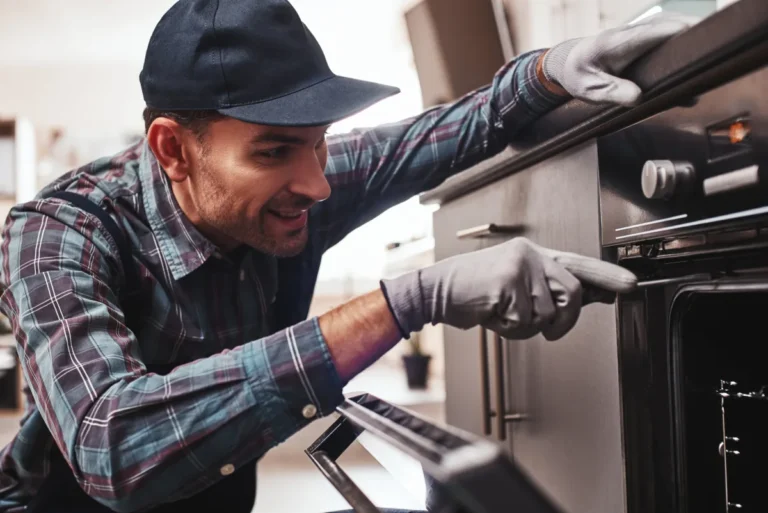
First up, ranges and ovens. These workhorses need daily cleaning to remove grease and food debris. A weekly deep clean is also a good idea to tackle those hard-to-reach spots. Don’t forget to check the seals on oven doors to ensure they’re airtight. A loose seal can lead to uneven cooking and wasted energy.
Next, let’s talk fryers. These guys need daily filter changes and regular oil changes to keep them running smoothly. A boil-out every few months will help remove built-up grease and carbon. And remember, never pour water on a grease fire. Safety first, folks.
Grills and broilers also need some TLC. Scrape them down daily to remove charred food and grease. A monthly deep clean will help keep them in good working order. And don’t forget to check the burners for clogs and ensure the pilot light is functioning properly.
Specialty Cooking Equipment
If you’ve got specialty cooking equipment like a pizza oven or a salamander, they need love too. Pizza ovens should be cleaned regularly to remove ash and soot. Check the thermostat to ensure it’s accurate, nobody wants a soggy pizza.
Salamanders are great for finishing dishes, but they can get pretty grimy. Clean the elements regularly to remove food debris. And keep an eye on the thermostat to make sure it’s working properly.
Refrigeration Units: Keeping Things Cool
Your refrigeration units are crucial for keeping food fresh and safe. Regular maintenance will help them run efficiently and extend their lifespan.
Walk-in and reach-in refrigerators need regular cleaning to remove dust and debris from the condenser coils. A monthly clean will do the trick. Also, check the door seals to ensure they’re airtight. A loose seal can lead to temperature fluctuations and wasted energy.
Under-counter refrigeration units also need regular cleaning. Wipe down the interior weekly to remove food debris and clean the condenser coils monthly. And keep an eye on the temperature to ensure it’s staying within the safe range.
Ice Machines and Blast Chillers
Ice machines need regular cleaning to prevent mineral buildup. A monthly clean with a descaling solution will keep them running smoothly. Also, check the water filter regularly and change it as needed.
Blast chillers are great for rapidly cooling food, but they need regular maintenance too. Clean the condenser coils monthly and check the door seal to ensure it’s airtight. And keep an eye on the temperature to make sure it’s working properly.
Ventilation Systems: Breathing Easy
Proper ventilation is crucial in a commercial kitchen. It helps remove smoke, grease, and odors, keeping the air clean and safe for your staff.
Your range hood is the first line of defense. Clean the filters regularly to remove grease buildup. A monthly clean should do the trick. Also, check the fan to ensure it’s working properly. A malfunctioning fan can lead to a buildup of smoke and grease.
Make-up air systems are also important. They replace the air that’s removed by the ventilation system, maintaining a balanced environment. Check the filters regularly and change them as needed. And keep an eye on the fan to ensure it’s working properly.
Grease Traps and Exhaust Fans
Grease traps are essential for preventing grease from entering the sewer system. Clean them regularly to remove built-up grease and prevent clogs. A monthly clean should be sufficient, but more frequent cleanings may be needed depending on your kitchen’s volume.
Exhaust fans help remove smoke and odors from the kitchen. Clean the blades regularly to remove grease buildup. And keep an eye on the motor to ensure it’s working properly. A malfunctioning exhaust fan can lead to a buildup of smoke and odors.
Dishwashing Equipment: Sparkling Clean
Your dishwashing equipment is crucial for maintaining a clean and sanitary kitchen. Regular maintenance will help them run efficiently and extend their lifespan.
Conveyor and door-type dishwashers need regular cleaning to remove mineral buildup. A daily clean with a descaling solution will keep them running smoothly. Also, check the wash and rinse arms to ensure they’re not clogged.
Glass and utensil washers also need regular cleaning. Wipe down the interior daily to remove food debris and clean the wash and rinse arms weekly. And keep an eye on the temperature to ensure it’s staying within the safe range.
Automated Cleaning Systems
If you’ve got an automated cleaning system for your equipment, lucky you! These systems can save a lot of time and effort. But they still need regular maintenance.
Clean the spray nozzles regularly to prevent clogs. And check the chemical dispensers to ensure they’re working properly. Also, keep an eye on the water pressure to make sure it’s within the recommended range.
Safety Equipment: Better Safe Than Sorry
Safety is paramount in a commercial kitchen. Regular maintenance of your safety equipment will help keep your staff safe and your kitchen up to code.
Fire suppression systems are crucial for preventing and containing fires. Inspect them regularly to ensure they’re in good working order. And make sure your staff knows how to use them in case of an emergency.
First aid kits should be restocked regularly to ensure they’re well-equipped. And make sure your staff knows where they’re located and how to use them.
Handwashing Stations
Proper handwashing is essential for preventing the spread of germs. Make sure your handwashing stations are well-stocked with soap and paper towels. And encourage your staff to wash their hands regularly.
Sanitizing solutions should be used regularly to clean and disinfect surfaces. Make sure they’re properly diluted and stored safely.
Kitchen Layout: Optimizing Your Space
The layout of your kitchen can have a big impact on its efficiency and productivity. A well-designed kitchen can help streamline workflow and reduce waste.
Think about the flow of your kitchen. Where do orders come in? Where do they go out? Arrange your equipment to minimize unnecessary movement. And make sure there’s enough space for your staff to move around safely.
Ergonomics are also important. Workstations should be designed with your staff’s comfort in mind. Proper lighting and ventilation can also help reduce fatigue and improve productivity.
Custom Kitchen Layouts
If you’re designing a custom kitchen, there are a few things to keep in mind. First, think about your menu. What equipment do you need to prepare your dishes? Arrange your equipment to create a logical workflow.
Also, consider your staff. How many people will be working in the kitchen at once? Make sure there’s enough space for them to move around safely and comfortably.
And don’t forget about regulations. Make sure your kitchen meets all local health and safety codes. A professional kitchen designer can help you navigate these requirements.
Parts and Service Management: Keeping Things Running Smoothly
Even with regular maintenance, things can still go wrong. That’s why it’s important to have a plan in place for repairs and service.
First, know your equipment. Keep a record of the make, model, and serial number of each piece of equipment. This will make it easier to find replacement parts if needed.
Also, have a reliable service provider on call. Someone like Chef’s Deal can provide quick and efficient service when you need it. And make sure your staff knows how to contact them in case of an emergency.
Service Contracts and Warranties
Service contracts can be a good investment for high-value equipment. They can provide priority service and discounts on parts and labor. And make sure you understand the terms of your equipment’s warranty. Some warranties require regular maintenance to stay valid.
Sustainability: Going Green in the Kitchen
Sustainability is more than just a buzzword, it’s a responsibility. And it’s not just good for the planet; it’s good for your bottom line too. Energy-efficient appliances can save you money on utility bills in the long run.
Think about water conservation. Low-flow faucets and energy-efficient dishwashers can help reduce water usage. And make sure your staff knows how to use them properly to maximize their efficiency.
Waste reduction is also important. Composting and recycling programs can help reduce the amount of waste that ends up in landfills. And consider using eco-friendly cleaning products to reduce your environmental impact.
Energy Efficiency
Energy efficiency isn’t just about using less energy-it’s about using energy more effectively. Think about how you use your equipment. Can you stagger start times to reduce peak demand? Can you use residual heat to keep food warm?
Also, consider the layout of your kitchen. Group equipment by type and usage to maximize efficiency. And make sure your ventilation system is properly balanced to prevent energy loss.
Tying It All Together: A Well-Maintained Kitchen
So there you have it, a comprehensive guide to maintaining your restaurant kitchen. From cooking equipment to ventilation systems, from safety measures to sustainability, every aspect of your kitchen deserves your attention.
But remember, maintenance isn’t a one-time thing. It’s an ongoing process that requires regular attention and care. So make a schedule, stick to it, and don’t be afraid to ask for help when you need it.
And hey, don’t forget about your staff. They’re the heart and soul of your kitchen. Make sure they’re trained properly, equipped safely, and treated fairly. A happy staff is a productive staff, after all.
FAQ
Q: How often should I clean my cooking equipment?
A: Cooking equipment should be cleaned daily to remove grease and food debris. A weekly deep clean is also a good idea to tackle those hard-to-reach spots.
Q: What should I do if my refrigeration unit isn’t staying cold?
A: First, check the door seal to ensure it’s airtight. Then, clean the condenser coils to remove dust and debris. If the problem persists, it may be time to call a professional.
Q: How can I reduce water usage in my kitchen?
A: Low-flow faucets and energy-efficient dishwashers can help reduce water usage. Also, make sure your staff knows how to use them properly to maximize their efficiency.
Q: What should I do if my ventilation system isn’t working properly?
A: First, check the filters and clean them if necessary. Then, check the fan to ensure it’s working properly. If the problem persists, it may be time to call a professional.
You Might Also Like
- Best Practices for Cleaning Commercial Kitchen Equipment
- Energy Efficient Appliances for Restaurant Kitchens
- Designing a Commercial Kitchen Layout
@article{top-tips-for-maintaining-your-restaurant-kitchen,
    title   = {Top Tips for Maintaining Your Restaurant Kitchen},
    author  = {Chef's icon},
    year    = {2025},
    journal = {Chef's Icon},
    url     = {https://chefsicon.com/top-tips-for-maintaining-your-restaurant-kitchen/}
}