The Best Fluffy Pancakes recipe you will fall in love with. Full of tips and tricks to help you make the best pancakes.
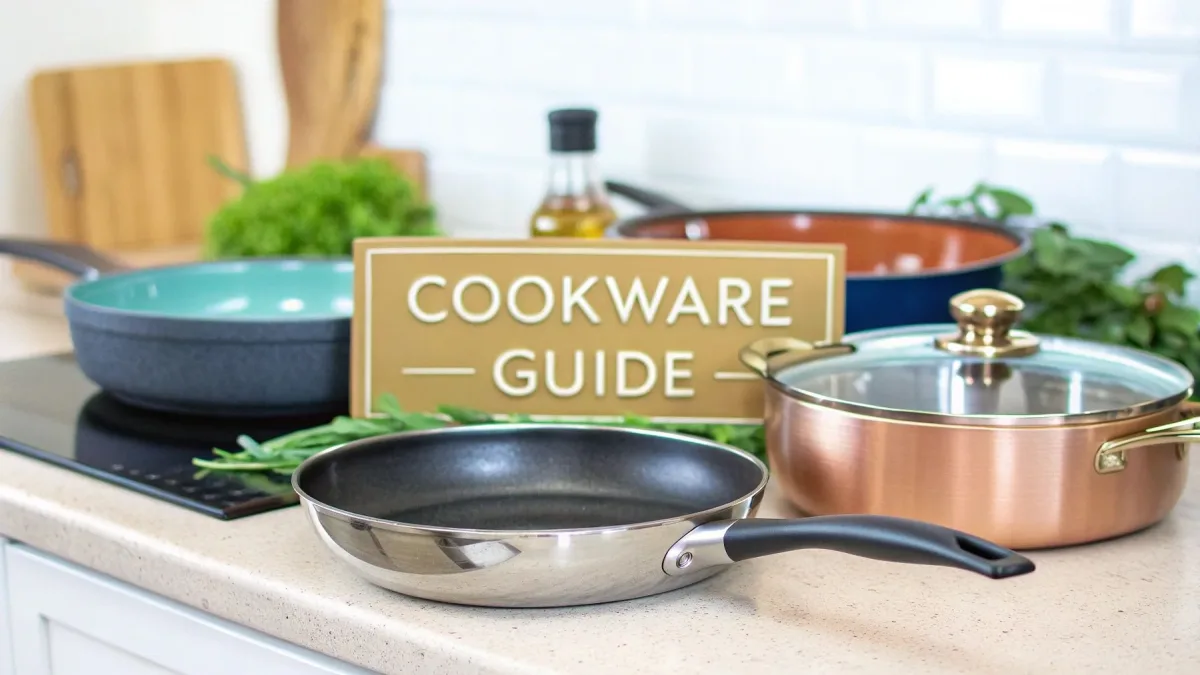
Let me set the scene: It’s a Tuesday night, and I’m standing in my Nashville kitchen, staring at a cabinet overflowing with pots and pans like it’s some kind of culinary archaeological site. There’s the nonstick skillet I bought on impulse after watching a cooking show, the cast iron Dutch oven my mom handed down (complete with decades of seasoning and a few battle scars), the stainless steel saucepan that was supposed to be “professional-grade” but somehow always burns my béchamel, and that one random copper pot I grabbed at a yard sale because, well, copper looks fancy. Sound familiar?
Here’s the thing, choosing the right cookware material isn’t just about aesthetics or price tags. It’s about how you cook, what you cook, and even how much effort you’re willing to put into maintenance. I’ve spent years testing, burning, scrubbing, and occasionally cursing at different cookware materials, and I’ve learned that there’s no one-size-fits-all answer. What works for searing steaks might be terrible for simmering sauces. What’s low-maintenance for a busy weeknight cook might drive a weekend warrior crazy with upkeep. And don’t even get me started on induction compatibility, because yes, that matters now too.
In this guide, we’re going to dive deep into the world of cookware materials. We’ll explore the pros and cons of each type, debunk some common myths, and, most importantly, help you figure out which materials actually make sense for your cooking style. By the end, you’ll know why your grandma swore by cast iron, why professional chefs love stainless steel, and whether that viral nonstick pan is really worth the hype. Let’s get started, shall we?
The Cookware Material Spectrum: An Overview
Before we dive into specifics, let’s take a step back and look at the big picture. Cookware materials can be broadly categorized based on a few key characteristics: heat conductivity, durability, maintenance requirements, reactivity, and price point. Some materials excel in one area but fall short in others, which is why there’s no perfect universal choice. It’s all about trade-offs.
For example, copper is the gold standard for heat conductivity, it responds instantly to temperature changes, which is why you’ll find it in high-end professional kitchens. But copper is also expensive, requires regular polishing, and can react with acidic foods. On the other end of the spectrum, nonstick coatings are incredibly low-maintenance and great for delicate foods like eggs or fish, but they’re not durable, can’t handle high heat, and may degrade over time. Stainless steel? It’s durable and non-reactive, but it’s a terrible heat conductor on its own, which is why most quality stainless steel cookware has an aluminum or copper core.
So where does that leave us? Well, it depends. Are you a weekend warrior who loves making elaborate meals with precise temperature control? Or are you a weeknight cook who just wants something that won’t stick and is easy to clean? Maybe you’re somewhere in between. Let’s break it down further.
Heat Conductivity: Why It Matters More Than You Think
Heat conductivity is one of those terms that gets thrown around a lot in cookware discussions, but what does it actually mean for your cooking? Simply put, heat conductivity refers to how quickly and evenly a material transfers heat. Materials with high heat conductivity, like copper and aluminum, heat up quickly and distribute heat evenly across the cooking surface. This means fewer hot spots, which translates to more consistent cooking results.
Why does this matter? Imagine you’re making a pan sauce. You’ve just seared a steak, and now you’re deglazing the pan with wine to make a reduction. If your pan has poor heat conductivity, the heat won’t distribute evenly, and you might end up with some parts of the pan scorching while others remain cool. The result? A sauce that’s either burnt or watery, depending on where you’re standing in the pan. Not ideal.
On the flip side, materials with low heat conductivity, like stainless steel, can be frustrating because they take longer to heat up and may not distribute heat evenly. This is why you’ll often see stainless steel cookware with an aluminum or copper core, it combines the durability of stainless steel with the heat conductivity of those other materials. Clever, right?
But here’s where it gets tricky: heat conductivity isn’t the only factor to consider. Even if a material conducts heat well, it might not retain heat well. Heat retention is how well a material holds onto heat once it’s absorbed it. Cast iron, for example, has moderate heat conductivity but excellent heat retention. This is why it’s great for searing steaks or baking cornbread, it stays hot even when you add cold food to the pan. On the other hand, aluminum has high heat conductivity but lower heat retention, which is why it’s great for tasks that require quick temperature adjustments, like sautéing vegetables.
So, what’s the takeaway? If you’re cooking something that requires precise temperature control, like a delicate sauce or a perfectly seared scallop, you’ll want a material with high heat conductivity. If you’re doing something that requires sustained heat, like braising or frying, you’ll want something with good heat retention. And if you’re somewhere in between? Well, that’s where things get interesting.
Durability: The Long Game of Cookware
Let’s talk about durability, because nobody wants to invest in cookware only to have it fall apart after a few months. Durability refers to how well a material holds up to regular use, high heat, scratches, and general wear and tear. Some materials, like cast iron and stainless steel, are built to last a lifetime (or longer). Others, like nonstick coatings, have a shorter lifespan and may need to be replaced every few years.
Cast iron is the poster child for durability. A well-seasoned cast iron skillet can last for generations, and it only gets better with age. The more you use it, the more seasoned it becomes, which improves its nonstick properties and adds layers of flavor to your food. Plus, cast iron can handle high heat like a champ, making it great for searing, frying, and even baking. The downside? It’s heavy, requires regular maintenance, and can rust if not cared for properly.
Stainless steel is another durable option. It’s resistant to rust, corrosion, and staining, and it can handle high heat without warping. Unlike cast iron, it doesn’t require seasoning, and it’s dishwasher-safe (though hand-washing is still recommended to preserve its finish). The catch? Stainless steel on its own is a poor heat conductor, so most quality stainless steel cookware has an aluminum or copper core to improve heat distribution. This adds to the cost, but it’s a worthwhile investment if you’re looking for something that will last.
On the other end of the spectrum, nonstick cookware is notoriously less durable. The nonstick coating can scratch, chip, or degrade over time, especially if exposed to high heat or abrasive cleaning tools. Most nonstick pans last anywhere from 1 to 5 years, depending on the quality of the coating and how well you care for them. That said, nonstick cookware is incredibly convenient for cooking delicate foods like eggs or fish, and it’s a breeze to clean. If you’re someone who values convenience over longevity, nonstick might still be a good option, but be prepared to replace it more frequently.
Then there’s carbon steel, which is like the younger, lighter cousin of cast iron. It’s durable, heats up quickly, and develops a natural nonstick patina over time. Carbon steel is popular in professional kitchens for tasks like stir-frying or searing, but it requires regular seasoning and maintenance to prevent rust. If you’re willing to put in the effort, carbon steel can be a fantastic addition to your cookware collection.
So, how do you decide what’s durable enough for you? Ask yourself: How often do you cook? What kinds of foods do you make? Are you willing to put in the effort to maintain your cookware, or do you prefer something low-maintenance? Your answers will help guide you toward the right material.
Deep Dive: The Pros and Cons of Popular Cookware Materials
Now that we’ve covered the big-picture factors, let’s take a closer look at some of the most popular cookware materials. I’ll break down the pros and cons of each, along with some real-world examples of when they shine (and when they fall short).
1. Stainless Steel: The Workhorse of the Kitchen
Stainless steel is one of the most popular cookware materials, and for good reason. It’s durable, non-reactive, and versatile, making it a staple in both home and professional kitchens. But it’s not without its quirks.
Pros:
- Durability: Stainless steel is resistant to rust, corrosion, and staining, and it can handle high heat without warping. A good stainless steel pan can last a lifetime if cared for properly.
- Non-reactive: Unlike some other materials, stainless steel doesn’t react with acidic or alkaline foods, so it won’t impart any metallic flavors or discolor your food.
- Versatility: Stainless steel is great for a wide range of cooking tasks, from searing and sautéing to simmering and deglazing. It’s also oven-safe, making it ideal for dishes that start on the stovetop and finish in the oven.
- Low-maintenance: Stainless steel doesn’t require seasoning, and it’s dishwasher-safe (though hand-washing is recommended to preserve its finish).
Cons:
- Poor heat conductivity: Stainless steel on its own is a terrible heat conductor, which is why most quality stainless steel cookware has an aluminum or copper core. Without this core, stainless steel pans can develop hot spots, leading to uneven cooking.
- Food can stick: Stainless steel isn’t naturally nonstick, so you’ll need to use a bit of oil or fat to prevent food from sticking. This can be a pro or a con, depending on your perspective, some people love the fond (the browned bits left in the pan) that forms when food sticks, as it adds flavor to sauces and pan gravies.
- Price: High-quality stainless steel cookware with an aluminum or copper core can be expensive. Cheaper stainless steel pans may not have this core, which can lead to uneven cooking.
Best for: Searing, sautéing, deglazing, simmering, and oven-to-stovetop dishes. Stainless steel is also great for cooking acidic foods like tomato sauce or wine reductions, as it won’t react with the ingredients.
Not ideal for: Delicate foods like eggs or fish, which can stick to the surface. Stainless steel is also not the best choice for tasks that require precise temperature control, like making candy or tempering chocolate, unless it has a thick, conductive core.
Is stainless steel right for you? If you’re looking for a durable, versatile, and low-maintenance option that can handle a wide range of cooking tasks, stainless steel is a great choice. Just make sure you’re investing in a high-quality pan with a conductive core to avoid hot spots.
2. Cast Iron: The Heavy-Duty Classic
Cast iron is the OG of cookware. It’s been around for centuries, and for good reason, it’s durable, versatile, and naturally nonstick when properly seasoned. But it’s not for the faint of heart (or the weak of arm).
Pros:
- Excellent heat retention: Cast iron holds onto heat like a champ, making it ideal for tasks that require sustained heat, like searing steaks, frying chicken, or baking cornbread.
- Naturally nonstick: A well-seasoned cast iron pan develops a natural nonstick patina over time, which improves with use. This makes it great for cooking delicate foods like eggs or pancakes.
- Durability: Cast iron is built to last. A well-cared-for cast iron pan can last for generations, and it only gets better with age.
- Versatility: Cast iron can go from stovetop to oven to grill to campfire. It’s great for searing, frying, baking, and even slow-cooking.
- Adds iron to your food: Cooking with cast iron can increase the iron content of your food, which is a bonus if you’re looking to boost your iron intake.
Cons:
- Heavy: Cast iron is notoriously heavy, which can make it difficult to maneuver, especially for tasks like flipping pancakes or tossing stir-fries.
- Maintenance: Cast iron requires regular seasoning to maintain its nonstick properties and prevent rust. It’s also not dishwasher-safe, and you’ll need to dry it thoroughly after washing to prevent rust.
- Reactive: Cast iron can react with acidic foods like tomatoes or wine, which can strip the seasoning and impart a metallic flavor to your food. This isn’t a dealbreaker, but it’s something to keep in mind.
- Slow to heat up: Cast iron takes a while to heat up, and it doesn’t respond quickly to temperature changes. This can be a pro or a con, depending on what you’re cooking.
Best for: Searing, frying, baking, and slow-cooking. Cast iron is also great for dishes that require sustained heat, like braising or making stews. And if you’re cooking over a campfire, cast iron is the way to go.
Not ideal for: Delicate tasks that require precise temperature control, like making candy or tempering chocolate. Cast iron is also not the best choice for cooking acidic foods, as it can react with the ingredients and strip the seasoning.
Is cast iron right for you? If you’re willing to put in the effort to maintain it, cast iron is a fantastic investment. It’s durable, versatile, and adds a depth of flavor to your food that’s hard to replicate with other materials. But if you’re looking for something lightweight or low-maintenance, cast iron might not be the best fit.
3. Nonstick: The Convenience King
Nonstick cookware is the go-to choice for many home cooks, thanks to its ease of use and low-maintenance nature. But not all nonstick pans are created equal, and there are some important trade-offs to consider.
Pros:
- Easy to use: Nonstick cookware lives up to its name, food slides right off the surface, making it a breeze to cook delicate foods like eggs, pancakes, or fish.
- Low-maintenance: Nonstick pans are easy to clean, often requiring just a quick wipe with a sponge or cloth. They’re also dishwasher-safe (though hand-washing is recommended to prolong the life of the coating).
- Less oil needed: Because food doesn’t stick, you can use less oil or fat when cooking, which can be a healthier option for some people.
- Lightweight: Nonstick pans are typically lighter than other types of cookware, making them easier to handle, especially for tasks like flipping pancakes or tossing stir-fries.
Cons:
- Less durable: Nonstick coatings can scratch, chip, or degrade over time, especially if exposed to high heat or abrasive cleaning tools. Most nonstick pans last anywhere from 1 to 5 years, depending on the quality of the coating and how well you care for them.
- Not oven-safe (usually): Many nonstick pans have temperature limitations and can’t be used in the oven. This can be a drawback if you’re making dishes that start on the stovetop and finish in the oven.
- Can’t handle high heat: Nonstick coatings can degrade at high temperatures, so they’re not ideal for tasks that require high heat, like searing or stir-frying.
- Health concerns: There’s been some debate about the safety of nonstick coatings, particularly those made with PFOA (perfluorooctanoic acid), which has been linked to health issues. While most nonstick cookware today is PFOA-free, some people still prefer to avoid nonstick coatings altogether.
Best for: Cooking delicate foods like eggs, pancakes, or fish. Nonstick is also great for tasks that require minimal oil, like making crepes or omelets.
Not ideal for: High-heat cooking, like searing or stir-frying. Nonstick pans are also not the best choice for tasks that require browning or fond formation, as food doesn’t stick to the surface.
Is nonstick right for you? If you’re looking for something easy to use and low-maintenance, nonstick cookware is a great option. Just be prepared to replace it more frequently than other types of cookware, and avoid using it for high-heat tasks. If you’re concerned about health risks, look for PFOA-free coatings or consider alternatives like ceramic nonstick.
4. Carbon Steel: The Professional’s Secret Weapon
Carbon steel is like the sleek, lightweight cousin of cast iron. It’s durable, heats up quickly, and develops a natural nonstick patina over time. It’s a favorite in professional kitchens, but it’s also gaining popularity among home cooks.
Pros:
- Lightweight: Carbon steel is lighter than cast iron, making it easier to handle, especially for tasks like flipping pancakes or tossing stir-fries.
- Heats up quickly: Carbon steel heats up faster than cast iron, and it responds more quickly to temperature changes. This makes it great for tasks that require precise temperature control, like stir-frying or searing.
- Develops a natural nonstick patina: Like cast iron, carbon steel develops a natural nonstick patina over time, which improves with use. This makes it great for cooking delicate foods like eggs or crepes.
- Durable: Carbon steel is built to last. A well-cared-for carbon steel pan can last for generations, and it only gets better with age.
- Versatile: Carbon steel can go from stovetop to oven to grill, making it great for a wide range of cooking tasks.
Cons:
- Maintenance: Carbon steel requires regular seasoning to maintain its nonstick properties and prevent rust. It’s also not dishwasher-safe, and you’ll need to dry it thoroughly after washing to prevent rust.
- Reactive: Like cast iron, carbon steel can react with acidic foods, which can strip the seasoning and impart a metallic flavor to your food.
- Not as widely available: Carbon steel cookware isn’t as common as other types, so it can be harder to find, especially in stores.
Best for: Stir-frying, searing, sautéing, and baking. Carbon steel is also great for dishes that require precise temperature control, like making crepes or omelets.
Not ideal for: Cooking acidic foods, like tomato sauce or wine reductions, as it can react with the ingredients and strip the seasoning. Carbon steel is also not the best choice for tasks that require sustained heat, like braising or slow-cooking.
Is carbon steel right for you? If you’re looking for something lightweight, durable, and versatile, carbon steel is a fantastic option. It’s a favorite in professional kitchens for a reason, and it’s a great choice for home cooks who are willing to put in the effort to maintain it. But if you’re looking for something low-maintenance or non-reactive, carbon steel might not be the best fit.
5. Copper: The Gold Standard (If You Can Afford It)
Copper is the crème de la crème of cookware materials. It’s beautiful, highly conductive, and responsive, making it a favorite among professional chefs and serious home cooks. But it comes with a hefty price tag and some serious maintenance requirements.
Pros:
- Excellent heat conductivity: Copper is the gold standard for heat conductivity, it responds instantly to temperature changes, making it ideal for tasks that require precise temperature control, like making sauces or tempering chocolate.
- Even heat distribution: Copper distributes heat evenly across the cooking surface, which means fewer hot spots and more consistent cooking results.
- Beautiful: Let’s be honest, copper cookware is gorgeous. It adds a touch of elegance to any kitchen, and it’s a conversation starter when you have guests over.
- Lightweight: Copper is lighter than cast iron or stainless steel, making it easier to handle, especially for tasks like flipping pancakes or tossing stir-fries.
Cons:
- Expensive: Copper cookware is one of the most expensive options on the market. A high-quality copper pan can cost hundreds of dollars, and a full set can run into the thousands.
- Maintenance: Copper requires regular polishing to maintain its shine, and it can develop a patina over time if not cared for properly. It’s also not dishwasher-safe, and you’ll need to hand-wash it to preserve its finish.
- Reactive: Copper can react with acidic foods, which can impart a metallic flavor to your food and cause the pan to discolor. Most copper cookware is lined with stainless steel or tin to prevent this, but it’s still something to keep in mind.
- Not induction-compatible (usually): Most copper cookware is not induction-compatible, though some brands offer induction-ready copper pans with a magnetic stainless steel base.
Best for: Tasks that require precise temperature control, like making sauces, tempering chocolate, or cooking delicate proteins like fish or scallops. Copper is also great for tasks that require even heat distribution, like sautéing or simmering.
Not ideal for: High-heat cooking, like searing or stir-frying. Copper is also not the best choice for tasks that require sustained heat, like braising or slow-cooking. And if you’re on a budget, copper might not be the most practical option.
Is copper right for you? If you’re a serious home cook or professional chef who values precision and performance, copper is worth the investment. But if you’re on a budget or looking for something low-maintenance, copper might not be the best fit. That said, if you can afford it and are willing to put in the effort to maintain it, copper cookware is a thing of beauty.
6. Aluminum: The Budget-Friendly Workhorse
Aluminum is one of the most common cookware materials, and for good reason, it’s affordable, lightweight, and highly conductive. But it’s not without its drawbacks.
Pros:
- Affordable: Aluminum cookware is one of the most budget-friendly options on the market. You can find a decent aluminum pan for a fraction of the cost of copper or stainless steel.
- Lightweight: Aluminum is lightweight and easy to handle, making it great for tasks like flipping pancakes or tossing stir-fries.
- Highly conductive: Aluminum heats up quickly and distributes heat evenly, making it great for tasks that require precise temperature control, like sautéing or simmering.
- Versatile: Aluminum cookware is great for a wide range of cooking tasks, from searing and sautéing to simmering and baking.
Cons:
- Reactive: Aluminum can react with acidic or alkaline foods, which can impart a metallic flavor to your food and cause the pan to discolor. This is why most aluminum cookware is anodized or coated to prevent reactivity.
- Less durable: Aluminum is softer than other materials, which means it can scratch, dent, or warp over time, especially if exposed to high heat or abrasive cleaning tools.
- Not induction-compatible (usually): Most aluminum cookware is not induction-compatible, though some brands offer induction-ready aluminum pans with a magnetic stainless steel base.
- Not oven-safe (usually): Many aluminum pans have temperature limitations and can’t be used in the oven. This can be a drawback if you’re making dishes that start on the stovetop and finish in the oven.
Best for: Tasks that require precise temperature control, like sautéing, simmering, or making sauces. Aluminum is also great for tasks that require even heat distribution, like baking or roasting.
Not ideal for: High-heat cooking, like searing or stir-frying. Aluminum is also not the best choice for cooking acidic foods, like tomato sauce or wine reductions, as it can react with the ingredients. And if you’re looking for something durable or induction-compatible, aluminum might not be the best fit.
Is aluminum right for you? If you’re on a budget or looking for something lightweight and conductive, aluminum is a great option. Just be aware of its limitations, and consider anodized or coated aluminum to prevent reactivity. If you’re looking for something more durable or induction-compatible, you might want to consider other materials.
Beyond the Material: Other Factors to Consider
Now that we’ve covered the major cookware materials, let’s talk about some other factors to consider when choosing the right cookware for your kitchen. Because let’s be honest, material is just one piece of the puzzle.
Induction Compatibility: The Modern Kitchen Must-Have
Induction cooking has exploded in popularity over the past decade, and for good reason, it’s energy-efficient, precise, and safe. But not all cookware is induction-compatible. If you have an induction cooktop (or are thinking about getting one), you’ll need to make sure your cookware is up to the task.
Induction cooking works by creating a magnetic field that heats the cookware directly, rather than heating the cooktop surface. This means your cookware needs to be made of a magnetic material, like stainless steel or cast iron. Non-magnetic materials, like copper or aluminum, won’t work on an induction cooktop unless they have a magnetic base.
How can you tell if your cookware is induction-compatible? The easiest way is to check the bottom of the pan for an induction symbol (usually a coil or a series of loops). You can also do the magnet test, if a magnet sticks to the bottom of the pan, it’s induction-compatible. If not, you’ll need to look for induction-ready cookware or use an induction adapter (though adapters can be clunky and inefficient).
Why does this matter? If you’re investing in new cookware, it’s worth considering induction compatibility, even if you don’t have an induction cooktop yet. Induction cooking is becoming more common, and you never know when you might upgrade your kitchen. Plus, induction-compatible cookware is often made with higher-quality materials, which can improve its performance and durability.
Weight: The Unsung Hero (or Villain) of Cookware
Weight is one of those things that doesn’t get enough attention in cookware discussions, but it can make a big difference in your cooking experience. Heavy cookware, like cast iron or copper, has its advantages, it retains heat well, stays stable on the cooktop, and can handle high heat without warping. But it can also be difficult to maneuver, especially for tasks like flipping pancakes or tossing stir-fries.
On the other hand, lightweight cookware, like aluminum or nonstick, is easy to handle and great for tasks that require quick movements. But it may not retain heat as well, and it can be less stable on the cooktop, especially if you’re using a gas burner with an open flame.
So, how do you decide what’s right for you? Think about the kinds of foods you cook and the tasks you perform most often. If you’re making a lot of stir-fries or flipping pancakes, lightweight cookware might be the way to go. If you’re searing steaks or baking cornbread, you might prefer something heavier. And if you’re somewhere in between? Well, that’s where things get interesting.
Personally, I like to have a mix of both. I use my cast iron skillet for searing and baking, but I keep a lightweight nonstick pan on hand for eggs and pancakes. It’s all about finding the right balance for your cooking style.
Handle Design: The Devil Is in the Details
Handle design might seem like a minor detail, but it can make a big difference in your cooking experience. A poorly designed handle can make a pan uncomfortable to hold, difficult to maneuver, or even unsafe. Here are a few things to consider when evaluating handle design:
- Material: Handles can be made of metal, silicone, or wood. Metal handles are durable and oven-safe, but they can get hot on the stovetop. Silicone and wood handles stay cool, but they may not be oven-safe, and they can degrade over time.
- Shape: Handles come in a variety of shapes, from long and straight to short and curved. The right shape for you depends on your grip and the tasks you perform most often. For example, a long handle is great for flipping pancakes, while a short handle might be better for tossing stir-fries.
- Attachment: Handles can be riveted, welded, or screwed onto the pan. Riveted handles are the most durable, but they can be difficult to clean around. Welded handles are smooth and easy to clean, but they may not be as strong. Screwed handles are the least durable, but they’re easy to replace if they break.
- Ergonomics: A good handle should feel comfortable in your hand and provide a secure grip. Look for handles with a slight curve or contour, as these are often more ergonomic than straight handles.
Why does this matter? A well-designed handle can make your cookware more comfortable and safer to use. It can also improve your cooking experience by making it easier to maneuver the pan. On the other hand, a poorly designed handle can make your cookware frustrating or even dangerous to use.
When I’m evaluating cookware, I always give the handle a test run. I’ll pick up the pan, mimic a few cooking motions, and see how it feels in my hand. If it’s uncomfortable or awkward, I’ll pass, no matter how great the rest of the pan is.
Maintenance: The Reality Check
Let’s be real, maintenance is one of the biggest factors to consider when choosing cookware. Some materials, like stainless steel or nonstick, are low-maintenance and easy to clean. Others, like cast iron or copper, require regular care to keep them in top shape. And if you’re not willing to put in the effort, your cookware will suffer.
Here’s a quick rundown of the maintenance requirements for each material:
- Stainless steel: Low-maintenance. Stainless steel doesn’t require seasoning, and it’s dishwasher-safe (though hand-washing is recommended to preserve its finish).
- Cast iron: High-maintenance. Cast iron requires regular seasoning to maintain its nonstick properties and prevent rust. It’s also not dishwasher-safe, and you’ll need to dry it thoroughly after washing to prevent rust.
- Nonstick: Low-maintenance. Nonstick pans are easy to clean, often requiring just a quick wipe with a sponge or cloth. They’re also dishwasher-safe (though hand-washing is recommended to prolong the life of the coating).
- Carbon steel: High-maintenance. Carbon steel requires regular seasoning to maintain its nonstick properties and prevent rust. It’s also not dishwasher-safe, and you’ll need to dry it thoroughly after washing to prevent rust.
- Copper: High-maintenance. Copper requires regular polishing to maintain its shine, and it can develop a patina over time if not cared for properly. It’s also not dishwasher-safe, and you’ll need to hand-wash it to preserve its finish.
- Aluminum: Low to moderate maintenance. Aluminum doesn’t require seasoning, but it can discolor or react with acidic foods if not anodized or coated. It’s also not dishwasher-safe, and you’ll need to hand-wash it to preserve its finish.
So, how do you decide what’s right for you? Ask yourself: How much time and effort are you willing to put into maintaining your cookware? If you’re someone who values convenience, you might prefer something low-maintenance, like stainless steel or nonstick. If you’re willing to put in the effort, you might opt for something like cast iron or carbon steel, which can last a lifetime with proper care.
Personally, I like to have a mix of both. I keep a few low-maintenance pans on hand for busy weeknights, but I also have a few high-maintenance pieces that I use for special occasions. It’s all about finding the right balance for your lifestyle.
Putting It All Together: How to Choose the Right Cookware for Your Kitchen
Alright, let’s bring it all together. Choosing the right cookware material is about understanding your cooking style, your priorities, and your budget. There’s no one-size-fits-all answer, but there are a few key questions you can ask yourself to narrow down your options.
Step 1: Assess Your Cooking Style
First, think about the kinds of foods you cook most often. Are you a weekend warrior who loves making elaborate meals with precise temperature control? Or are you a weeknight cook who just wants something that won’t stick and is easy to clean? Maybe you’re somewhere in between.
Here are a few questions to consider:
- What kinds of foods do you cook most often? (e.g., searing steaks, making sauces, baking, stir-frying)
- Do you prefer high-heat cooking or low-and-slow methods?
- Do you cook delicate foods that require a nonstick surface, like eggs or fish?
- Do you make dishes that start on the stovetop and finish in the oven?
- Do you cook acidic foods, like tomato sauce or wine reductions?
Your answers to these questions will help you identify which materials are best suited to your cooking style. For example, if you love making sauces and need precise temperature control, copper or stainless steel with a conductive core might be the way to go. If you’re all about searing steaks and baking cornbread, cast iron is your best friend. And if you’re a weeknight cook who just wants something easy, nonstick might be the answer.
Step 2: Consider Your Priorities
Next, think about what’s most important to you in cookware. Is it durability, ease of use, heat conductivity, or something else? Your priorities will help you narrow down your options and make trade-offs where necessary.
Here are a few things to consider:
- Durability: How long do you want your cookware to last? Are you willing to replace it every few years, or do you want something that will last a lifetime?
- Ease of use: How much effort are you willing to put into maintaining your cookware? Do you prefer something low-maintenance, or are you willing to put in the work for better performance?
- Heat conductivity: Do you need precise temperature control for your cooking tasks, or is even heat distribution more important?
- Weight: Do you prefer lightweight cookware for easy maneuvering, or are you okay with something heavier for better heat retention?
- Price: What’s your budget? Are you willing to invest in high-quality cookware, or do you prefer something more affordable?
For example, if durability is your top priority, you might opt for stainless steel or cast iron. If ease of use is more important, nonstick might be the way to go. And if you’re on a tight budget, aluminum could be a good option.
Step 3: Think About Your Kitchen Setup
Your kitchen setup can also influence your cookware choices. For example, if you have an induction cooktop, you’ll need to make sure your cookware is induction-compatible. If you have a small kitchen, you might prefer lightweight or stackable cookware. And if you have a gas stove, you might want something with a stable base to prevent tipping.
Here are a few things to consider:
- Cooktop type: Do you have an induction, gas, electric, or ceramic cooktop? This will determine whether you need induction-compatible cookware and what kind of base your cookware should have.
- Storage space: Do you have a lot of cabinet space, or are you working with a small kitchen? This will determine whether you can store heavy or bulky cookware.
- Oven use: Do you make a lot of dishes that start on the stovetop and finish in the oven? If so, you’ll want cookware that’s oven-safe.
For example, if you have an induction cooktop, you’ll need to make sure your cookware is induction-compatible. If you have a small kitchen, you might prefer lightweight or stackable cookware. And if you use your oven a lot, you’ll want to make sure your cookware is oven-safe.
Step 4: Start Small and Build Your Collection
You don’t need to buy a full set of cookware all at once. In fact, I recommend starting small and building your collection over time. This way, you can test out different materials and see what works best for you before making a big investment.
Here’s a simple starter kit to get you going:
- A large skillet (10-12 inches) for searing, sautéing, and frying
- A medium saucepan (2-3 quarts) for sauces, boiling, and simmering
- A stockpot (6-8 quarts) for soups, stews, and pasta
- A Dutch oven (5-7 quarts) for braising, baking, and slow-cooking
Once you have these basics, you can add more pieces as needed. For example, you might add a small skillet for eggs and pancakes, a sauté pan for stir-fries, or a grill pan for indoor grilling. The key is to build a collection that works for your cooking style and your kitchen.
Step 5: Don’t Be Afraid to Mix and Match
One of the biggest mistakes I see home cooks make is thinking they need to stick to one material for all their cookware. But the truth is, different materials excel at different tasks. Mixing and matching can give you the best of both worlds.
For example, you might use a cast iron skillet for searing steaks and baking cornbread, a stainless steel saucepan for making sauces and deglazing, and a nonstick pan for eggs and pancakes. This way, you can take advantage of the strengths of each material without being limited by their weaknesses.
Here’s a quick cheat sheet to help you mix and match:
- Searing and frying: Cast iron or carbon steel
- Sautéing and stir-frying: Stainless steel or carbon steel
- Sauces and simmering: Stainless steel or copper
- Braising and slow-cooking: Cast iron or stainless steel
- Eggs and pancakes: Nonstick or cast iron
- Baking: Cast iron or stainless steel
Don’t be afraid to experiment and find what works best for you. The beauty of cookware is that there’s no single right answer, it’s all about finding the right tools for your cooking style.
Final Thoughts: The Cookware Journey Is a Personal One
At the end of the day, choosing the right cookware material is a deeply personal decision. It’s about understanding your cooking style, your priorities, and your kitchen setup. There’s no one-size-fits-all answer, and what works for one person might not work for another.
I’ve spent years testing, burning, scrubbing, and occasionally cursing at different cookware materials, and I’ve learned that the best cookware is the one that works for you. Maybe that’s a well-seasoned cast iron skillet that’s been in your family for generations. Maybe it’s a sleek stainless steel saucepan that makes perfect béchamel every time. Or maybe it’s a lightweight nonstick pan that makes weeknight cooking a breeze.
So, where do you go from here? Start by assessing your cooking style and your priorities. Think about the kinds of foods you cook most often and what’s most important to you in cookware. Then, start small and build your collection over time. Don’t be afraid to mix and match materials to get the best of both worlds. And most importantly, don’t be afraid to experiment. The beauty of cookware is that there’s always something new to try.
And hey, if you’re still feeling overwhelmed, that’s okay. Cookware is a big investment, and it’s normal to feel a little unsure. But remember, every great chef started somewhere. The key is to start, to learn, and to grow. Your perfect cookware collection is out there, waiting for you to find it.
FAQ: Your Cookware Questions, Answered
Q: Is expensive cookware really worth it?
A: It depends. Expensive cookware often offers better performance, durability, and heat conductivity, but that doesn’t mean you need to break the bank to get good results. For example, a high-quality stainless steel pan with an aluminum core will perform better than a cheap stainless steel pan without a core, but you don’t necessarily need to spend hundreds of dollars to get a good pan. The key is to invest in pieces that you’ll use often and that align with your cooking style. If you’re a weekend warrior who loves making elaborate meals, it might be worth investing in a high-end copper or stainless steel pan. If you’re a weeknight cook who just wants something easy, a mid-range nonstick pan might be all you need.
Q: Can I use metal utensils with nonstick cookware?
A: It’s generally not recommended. Metal utensils can scratch or damage the nonstick coating, which can reduce its lifespan and potentially release harmful particles into your food. Instead, opt for wooden, silicone, or nylon utensils, which are gentler on the coating. That said, some newer nonstick coatings are more durable and can handle metal utensils, just be sure to check the manufacturer’s recommendations before using them.
Q: How do I know when it’s time to replace my cookware?
A: It depends on the material. For nonstick cookware, it’s time to replace it when the coating starts to scratch, chip, or peel. For stainless steel or cast iron, it’s more about performance, if your pan is warped, has hot spots, or isn’t heating evenly, it might be time for an upgrade. For copper, it’s time to replace it when the lining (usually stainless steel or tin) starts to wear out. Ultimately, trust your instincts. If your cookware isn’t performing the way it used to, it might be time to say goodbye.
Q: What’s the best way to care for cast iron cookware?
A: Cast iron requires a bit more care than other materials, but it’s worth the effort. Here’s a quick rundown of how to care for your cast iron:
- Season it regularly: Seasoning is the process of baking oil onto the surface of the pan to create a natural nonstick patina. To season your cast iron, coat it with a thin layer of oil (like flaxseed, grapeseed, or vegetable oil), then bake it in the oven at 350°F (175°C) for about an hour. Let it cool, then wipe off any excess oil. Repeat this process every few months or as needed.
- Clean it gently: After cooking, let the pan cool slightly, then use a brush or scraper to remove any food particles. Avoid using soap, as it can strip the seasoning. If you need to use soap, use a small amount and re-season the pan afterward.
- Dry it thoroughly: Cast iron can rust if it’s left wet, so be sure to dry it thoroughly after washing. You can dry it on the stovetop over low heat or in the oven at a low temperature.
- Store it properly: Store your cast iron in a dry place, and avoid stacking heavy items on top of it, as this can damage the seasoning.
With proper care, your cast iron cookware can last for generations. It’s a labor of love, but the results are worth it.
@article{the-ultimate-guide-to-choosing-the-right-cookware-material-what-every-home-chef-needs-to-know,
    title   = {The Ultimate Guide to Choosing the Right Cookware Material: What Every Home Chef Needs to Know},
    author  = {Chef's icon},
    year    = {2026},
    journal = {Chef's Icon},
    url     = {https://chefsicon.com/choosing-the-right-cookware-material-guide/}
}