The Best Fluffy Pancakes recipe you will fall in love with. Full of tips and tricks to help you make the best pancakes.
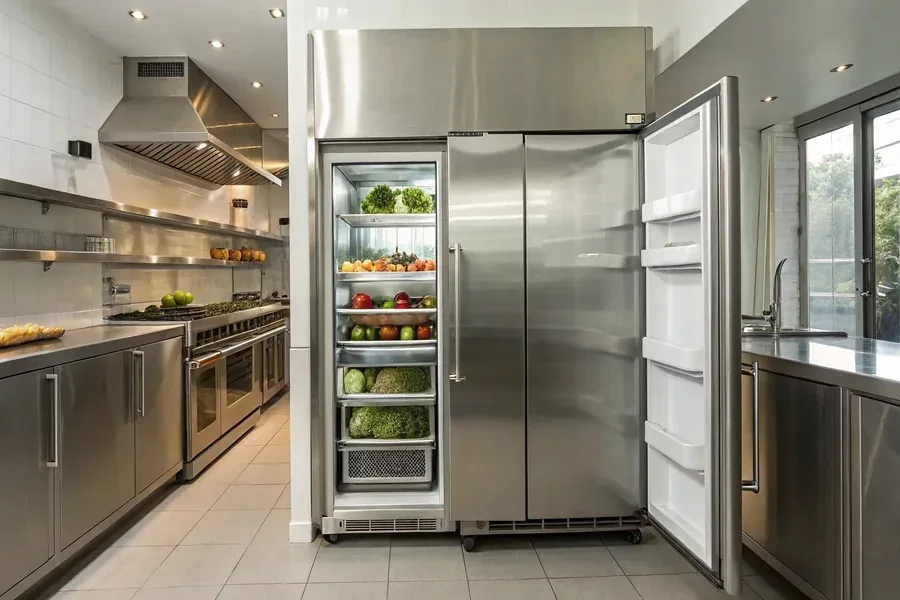
How to Choose the Right Commercial Refrigerator: Because Your Food (and Sanity) Depend on It
Let me tell you something: I learned the hard way that not all refrigerators are created equal. A few years back, I was helping a friend set up a small café in Nashville, nothing fancy, just good coffee and sandwiches. We went with a “great deal” on a used commercial fridge from some online marketplace. Big mistake. Within three months, the compressor gave out, the seals started leaking, and suddenly we were throwing away spoiled ingredients like it was a competitive sport. That’s when I realized: choosing the right commercial refrigerator</’t just about price or size, it’s about survival.
Fast forward to today, and I’ve spent more hours than I’d like to admit researching, testing, and talking to chefs, restaurant owners, and equipment suppliers about what really matters when picking a commercial fridge. And here’s the thing: it’s not as simple as walking into a store and pointing at the shiniest one. There are types, sizes, features, energy efficiencies, compliance issues, and a whole lot of small details that can make or break your kitchen’s workflow. So, if you’re standing in front of a wall of refrigerators feeling overwhelmed, don’t worry. I’ve been there, and I’m going to walk you through this step by step, no fluff, just the stuff that actually matters.
By the end of this guide, you’ll know:
- How to match the type of refrigerator to your kitchen’s needs (and why a reach-in might not be the best for your bakery).
- The truth about size and capacity-because bigger isn’t always better, and neither is cheaper.
- Why energy efficiency isn’t just a buzzword, it’s a long-term investment that can save you thousands.
- The must-have features that separate the pros from the posers (spoiler: digital controls aren’t just for show).
- How to navigate health codes and compliance without losing your mind (or your license).
- And a whole lot more, including the questions you should be asking suppliers but probably aren’t.
So, grab a coffee (or a beer, no judgment), and let’s dive in. Because when it comes to commercial refrigeration, getting it wrong isn’t just expensive, it’s a one-way ticket to Food Safety Nightmare Town.
The Big Picture: Why Your Choice of Commercial Refrigerator Matters More Than You Think
Before we get into the nitty-gritty, let’s take a step back. Why does this even matter? I mean, it’s just a fridge, right? Wrong. Your commercial refrigerator is the backbone of your kitchen. It’s where you store your most perishable ingredients, where you keep your prep work organized, and where you ensure that everything you serve is safe to eat. Get this wrong, and you’re not just risking spoiled food, you’re risking your reputation, your customers’ health, and your bottom line.
Think about it: if your fridge can’t maintain the right temperature, you’re looking at bacterial growth, foodborne illnesses, and failed health inspections. If it’s too small, you’re wasting time and money on constant restocking trips. If it’s too big, you’re throwing money away on energy costs for space you don’t need. And if it breaks down during a dinner rush? Well, let’s just say I’ve seen grown chefs cry over less.
But here’s the good news: choosing the right commercial refrigerator isn’t rocket science. It’s about asking the right questions, understanding your needs, and not getting swayed by flashy sales pitches. So, let’s start with the most basic question: what kind of refrigerator do you actually need?
1. Know Your Types: The Commercial Refrigerator Family Tree
Not all commercial refrigerators are built the same. In fact, there are six main types of commercial refrigerators, each designed for different kitchen setups and needs. Picking the wrong one is like trying to fit a square peg in a round hole, it’s just not going to work. So, let’s break them down.
Reach-In Refrigerators: The Workhorse of the Kitchen
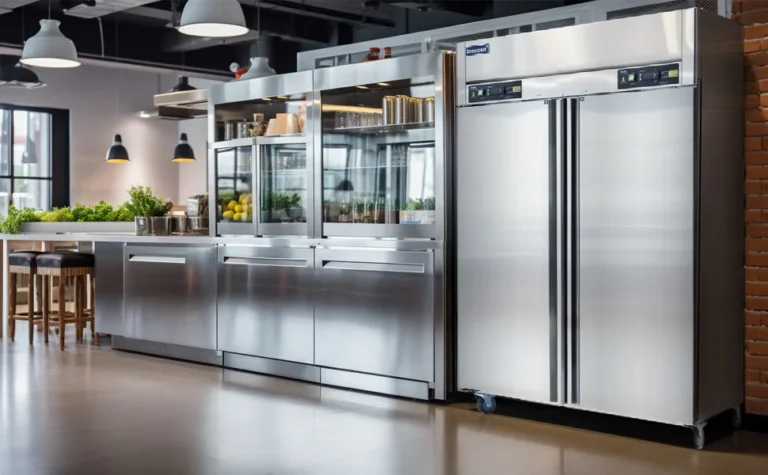
If you’ve ever worked in a restaurant, you’ve seen these. Reach-in refrigerators are the most common type, and for good reason. They’re versatile, easy to use, and come in a variety of sizes and configurations. Typically, they have one to three doors and are designed to be accessed from the front, making them ideal for high-traffic kitchens where space is at a premium.
But here’s the thing: not all reach-ins are created equal. Some have solid doors, some have glass doors (great for visibility but not as energy-efficient), and some come with undercounter or top-mounted compressors. Which one you choose depends on your kitchen layout and workflow. For example, if you’re tight on space, an undercounter model might be a lifesaver. But if you’re constantly opening and closing the doors, a top-mounted compressor (which is easier to maintain) might be the better choice.
Pros:
- Versatile and widely available.
- Good for high-traffic kitchens.
- Easy to clean and maintain.
Cons:
- Can take up a lot of floor space.
- Glass doors aren’t as energy-efficient.
- Not ideal for large-volume storage.
Walk-In Refrigerators: The Heavy-Duty Storage Solution
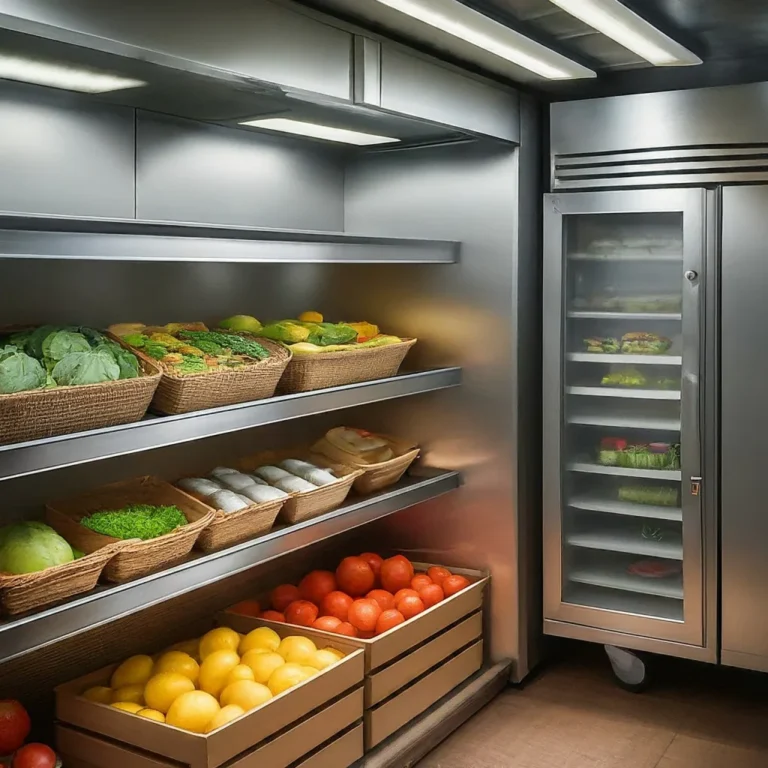
If you’re running a large restaurant, catering business, or grocery store, a walk-in refrigerator is probably on your radar. These are essentially giant, custom-built coolers that you can walk into, hence the name. They’re perfect for storing large quantities of food, and they can be tailored to fit your space and needs.
But here’s where things get tricky: walk-ins are a big investment. They require professional installation, proper insulation, and a dedicated space in your kitchen. And if you’re not careful, they can become energy hogs. I’ve seen restaurants spend thousands extra on electricity because their walk-in wasn’t properly sealed or insulated. So, if you’re considering one, make sure you’re working with a reputable supplier who knows what they’re doing.
Pros:
- Massive storage capacity.
- Customizable to fit your space.
- Ideal for large-volume operations.
Cons:
- Expensive to install and maintain.
- Requires professional installation.
- Can be overkill for small kitchens.
Undercounter Refrigerators: The Space-Saving Superhero
Short on space? An undercounter refrigerator might be your new best friend. These compact units fit neatly under countertops, making them perfect for small kitchens, food trucks, or bars where every inch counts. They’re also great for keeping frequently used ingredients within arm’s reach, which can speed up your workflow.
But, and this is a big but-they’re not ideal for large-volume storage. If you’re running a busy kitchen, you might find yourself constantly restocking. And because they’re smaller, they can fill up quickly, leading to overcrowding and poor air circulation (which, as we’ll discuss later, is a big no-no).
Pros:
- Space-saving and compact.
- Great for small kitchens or bars.
- Keeps ingredients within easy reach.
Cons:
- Limited storage capacity.
- Can fill up quickly.
- Not ideal for large-volume operations.
Prep Table Refrigerators: The Chef’s Best Friend
If you’re running a pizzeria, sandwich shop, or any kitchen where prep work is a big part of the job, a prep table refrigerator is a game-changer. These units combine refrigeration with a flat prep surface, allowing you to keep ingredients cold while you work. They’re designed to streamline your workflow, so you’re not constantly running back and forth to the fridge.
But here’s the catch: they’re not one-size-fits-all. Some prep tables are designed for specific tasks, like pizza prep or salad prep, and they come with different configurations (e.g., refrigerated drawers, cutting boards, or ingredient rails). So, before you buy, think about how you’ll actually use it. Are you making pizzas? Sandwiches? Salads? The answer will determine which model is right for you.
Pros:
- Streamlines prep work.
- Keeps ingredients cold and within reach.
- Customizable for different tasks.
Cons:
- Can be expensive.
- Not ideal for non-prep tasks.
- Requires regular cleaning to prevent cross-contamination.
Display Refrigerators: The Showstopper
If you’re running a bakery, deli, or grocery store, a display refrigerator is a must. These units are designed to showcase your products while keeping them at the right temperature. They come in a variety of styles, from glass-door merchandisers to open-air cases, and they’re perfect for enticing customers with your delicious offerings.
But, and this is a big but-they’re not as energy-efficient as other types of refrigerators. Open-air cases, in particular, can lose a lot of cold air, which means your compressor has to work overtime. And if you’re not careful, they can become a breeding ground for bacteria if they’re not cleaned regularly. So, if you’re going this route, make sure you’re choosing a model with good energy ratings and easy-to-clean surfaces.
Pros:
- Great for showcasing products.
- Attracts customers with visual appeal.
- Comes in a variety of styles.
Cons:
- Not as energy-efficient.
- Can lose cold air quickly.
- Requires regular cleaning.
Bar Refrigerators: The Bartender’s Secret Weapon
If you’re running a bar, you need a bar refrigerator. These units are designed to fit under or behind the bar, keeping your drinks cold and your workflow smooth. They come in a variety of configurations, from underbar coolers to backbar refrigerators, and they’re essential for any establishment that serves alcohol.
But here’s the thing: ot all bar refrigerators are created equal. Some are designed for beer, some for wine, and some for liquor. And if you’re not careful, you could end up with a unit that doesn’t meet your needs. For example, if you’re serving a lot of bottled beer, you’ll want a model with adjustable shelves. If you’re storing kegs, you’ll need a kegerator or a unit with a tap system. So, before you buy, think about what you’ll be storing and how you’ll be using it.
Pros:
- Keeps drinks cold and within reach.
- Fits neatly under or behind the bar.
- Comes in a variety of configurations.
Cons:
- Limited storage capacity.
- Not ideal for non-bar use.
- Can be expensive.
2. Size Matters: How to Avoid Buying Too Much (or Too Little) Fridge
Okay, so you’ve figured out what type of refrigerator you need. Now comes the next big question: how big should it be? This is where a lot of people go wrong. Buy too small, and you’re constantly restocking and struggling to keep things organized. Buy too big, and you’re wasting money on energy costs and space you don’t need. So, how do you strike the right balance?
First, let’s talk about capacity. Commercial refrigerators are typically measured in cubic feet, and the size you need depends on a few factors:
- Your menu: What are you serving? A pizzeria with a limited menu might need less refrigeration than a full-service restaurant with a diverse menu.
- Your volume: How many customers are you serving per day? A small café might get by with a 20-cubic-foot reach-in, while a busy restaurant might need a 60-cubic-foot walk-in.
- Your storage needs: Do you buy ingredients in bulk? Do you prep ahead of time? If so, you’ll need more storage space.
- Your kitchen layout: How much space do you have? If you’re tight on space, you might need to prioritize compact models or undercounter units.
Here’s a rough guideline to get you started:
- Small kitchens (e.g., cafés, food trucks): 10-20 cubic feet.
- Medium kitchens (e.g., small restaurants, bakeries): 20-40 cubic feet.
- Large kitchens (e.g., full-service restaurants, catering businesses): 40-60+ cubic feet.
But here’s the thing: these are just guidelines. The best way to determine your needs is to take inventory of what you’re currently storing and how much space it takes up. Grab a tape measure, pull out your ingredients, and see how much room they actually occupy. You might be surprised by how little (or how much) space you actually need.
And don’t forget about future growth. If you’re planning to expand your menu or increase your customer base, it might be worth investing in a slightly larger unit now rather than upgrading later. Trust me, I’ve seen too many restaurants outgrow their refrigerators within a year of opening. It’s not pretty.
3. Energy Efficiency: Why Your Electric Bill Will Thank You Later
Let’s talk about energy efficiency. I know, I know, it’s not the most exciting topic. But hear me out: your commercial refrigerator is one of the biggest energy hogs in your kitchen. In fact, it can account for up to 20% of your total energy costs. And if you’re not careful, you could be throwing thousands of dollars away every year on electricity.
So, how do you choose an energy-efficient refrigerator? Here are a few things to look for:
Look for the ENERGY STAR Label
The ENERGY STAR label is your best friend when it comes to energy efficiency. Products with this label meet strict energy efficiency guidelines set by the U.S. Environmental Protection Agency (EPA), and they can save you up to 40% on energy costs compared to non-certified models. So, if you’re in the market for a new refrigerator, make sure it has this label.
But, and this is a big but-ot all ENERGY STAR refrigerators are created equal. Some are more efficient than others, so it’s worth digging into the details. Look for the ENERGY STAR Most Efficient designation, which highlights the top-performing models in each category.
Pay Attention to the Compressor
The compressor is the heart of your refrigerator, and it’s one of the biggest factors in energy efficiency. There are a few types to consider:
- Standard compressors: These are the most common and typically the least expensive. They’re reliable but not as energy-efficient as other options.
- High-efficiency compressors: These are designed to use less energy while still maintaining the right temperature. They’re more expensive upfront but can save you money in the long run.
- Variable-speed compressors: These adjust their speed based on the cooling needs, which can significantly reduce energy consumption. They’re the most expensive option but also the most efficient.
If you’re on a tight budget, a standard compressor might be the way to go. But if you’re looking for long-term savings, a high-efficiency or variable-speed compressor is worth the investment.
Consider the Refrigerant
The refrigerant is the substance that absorbs and releases heat in your refrigerator. Some refrigerants are more energy-efficient than others, and some are better for the environment. Here are a few to look for:
- R-134a: This is one of the most common refrigerants, but it’s not the most energy-efficient or environmentally friendly.
- R-404A: This is a more efficient option, but it’s being phased out due to environmental concerns.
- R-290 (propane): This is a natural refrigerant that’s highly efficient and environmentally friendly. It’s becoming more popular in commercial refrigeration, but it’s not yet widely available.
- R-600a (isobutane): This is another natural refrigerant that’s efficient and eco-friendly. It’s commonly used in small refrigerators but is starting to make its way into larger units.
If you’re looking for the most energy-efficient and environmentally friendly option, atural refrigerants like R-290 or R-600a are the way to go. But keep in mind that they’re not as widely available, and they might come with a higher price tag.
Don’t Forget About Insulation
Good insulation is key to energy efficiency. The better the insulation, the less your refrigerator has to work to maintain the right temperature. Look for models with thick, high-quality insulation, and pay attention to the door seals. A refrigerator with poor insulation or leaky seals is like trying to heat your house with the windows open, it’s just not going to work.
Here’s a quick test: close a dollar bill in the door of the refrigerator. If you can pull it out easily, the seal isn’t tight enough. If it’s hard to pull out, the seal is good. Simple, but effective.
4. Features That Actually Matter (And the Ones That Don’t)
Alright, let’s talk features. When you’re shopping for a commercial refrigerator, you’ll be bombarded with all sorts of bells and whistles, some useful, some not so much. So, how do you separate the must-haves from the nice-to-haves? Let’s break it down.
Must-Have Features
These are the features that actually matter and can make a big difference in your kitchen’s workflow and efficiency:
- Digital temperature controls: These allow you to set and monitor the temperature with precision, which is crucial for food safety. Some models even come with remote monitoring, so you can keep an eye on things from your phone or tablet.
- Adjustable shelves: Look for shelves that are easy to adjust and clean. Wire shelves are great for air circulation, while solid shelves are better for smaller items.
- Self-closing doors: These ensure that the door closes properly every time, which helps maintain the right temperature and saves energy.
- Easy-to-clean surfaces: Stainless steel interiors and exteriors are a must for easy cleaning and durability. Avoid models with hard-to-reach crevices where bacteria can hide.
- Automatic defrost: This feature prevents ice buildup, which can reduce efficiency and make your refrigerator work harder. It’s a must for any commercial fridge.
- Interior lighting: Good lighting makes it easier to find what you’re looking for, especially in a busy kitchen. LED lights are the most energy-efficient option.
Nice-to-Have Features
These features are ice to have but not essential. They can make your life easier, but they’re not deal-breakers:
- Glass doors: These are great for visibility, but they’re not as energy-efficient as solid doors. If you’re using a display refrigerator, this is a must. Otherwise, it’s optional.
- Lockable doors: If you’re storing expensive ingredients or alcohol, lockable doors can provide an extra layer of security.
- Casters or wheels: These make it easier to move the refrigerator for cleaning or rearranging your kitchen. But if you’re not planning to move it often, they’re not necessary.
- USB ports or charging stations: Some newer models come with USB ports or charging stations for tablets or phones. This is a nice perk if you’re using a digital inventory system.
Features to Avoid
And finally, here are the features that you should avoid-they’re either gimmicks or they’ll cause more problems than they’re worth:
- Overly complex controls: If the controls are too complicated, you’ll waste time trying to figure them out. Look for models with intuitive, user-friendly interfaces.
- Non-standard parts: If a refrigerator uses non-standard parts, you’ll have a hard time finding replacements when something breaks. Stick with models that use standard, widely available parts.
- Poorly designed interiors: Avoid models with hard-to-reach shelves or awkward layouts. You want a refrigerator that’s easy to organize and access.
5. Health Codes and Compliance: Don’t Get Shut Down Before You Even Open
Let’s talk about health codes and compliance. I know, it’s not the most exciting topic, but it’s one of the most important. If your refrigerator doesn’t meet local health codes, you could be facing fines, shutdowns, or worse-a foodborne illness outbreak. And trust me, you do not want to be the restaurant that makes headlines for the wrong reasons.
So, how do you make sure your refrigerator is up to code? Here are a few things to keep in mind:
Know Your Local Health Codes
Health codes vary by state, county, and even city, so it’s important to know the specific requirements for your area. Some common regulations include:
- Temperature requirements: Most health codes require refrigerators to maintain a temperature of 41°F (5°C) or below. Some codes also require freezers to maintain a temperature of 0°F (-18°C) or below.
- Thermometer requirements: Many health codes require refrigerators to have a visible thermometer so you can monitor the temperature at all times.
- Cleaning and maintenance: Health codes often require refrigerators to be easy to clean and maintain. This means no hard-to-reach crevices, and surfaces that can be sanitized regularly.
- Storage requirements: Some health codes have specific requirements for how food is stored in refrigerators. For example, raw meat might need to be stored on the bottom shelf to prevent cross-contamination.
To find out the specific requirements for your area, check with your local health department. They can provide you with a list of regulations and help you make sure your refrigerator is up to code.
Look for NSF Certification
The NSF (National Sanitation Foundation) is an independent organization that tests and certifies commercial kitchen equipment for safety and sanitation. If a refrigerator has the NSF certification mark, it means it meets strict standards for food safety and is designed to be easy to clean and maintain.
So, when you’re shopping for a refrigerator, look for the NSF mark. It’s not a guarantee that you’ll pass your health inspection, but it’s a good sign that the refrigerator is designed with food safety in mind.
Consider HACCP Compliance
HACCP (Hazard Analysis and Critical Control Points) is a food safety management system that identifies and controls potential hazards in the food production process. If you’re running a large-scale operation, like a catering business or a food processing facility, you might need a refrigerator that’s HACCP-compliant.
HACCP-compliant refrigerators typically come with features like:
- Digital temperature monitoring and logging: This allows you to track the temperature over time and prove that your refrigerator is maintaining the right temperature.
- Alarm systems: These alert you if the temperature rises above a certain threshold, so you can take action before food becomes unsafe.
- Easy-to-clean surfaces: HACCP-compliant refrigerators are designed to be easy to clean and sanitize, with no hard-to-reach crevices.
If you’re not sure whether you need a HACCP-compliant refrigerator, check with your local health department or a food safety consultant.
6. The Hidden Costs: What You’re Not Thinking About (But Should Be)
When you’re shopping for a commercial refrigerator, it’s easy to focus on the upfront cost. But here’s the thing: the upfront cost is just the tip of the iceberg. There are a whole host of hidden costs that can add up over time, and if you’re not careful, they can turn your “great deal” into a money pit.
So, what are these hidden costs? Let’s break them down:
Energy Costs
As we discussed earlier, energy efficiency is a big deal. A refrigerator that’s not energy-efficient can cost you thousands of dollars extra in electricity every year. So, when you’re comparing models, don’t just look at the price tag, look at the energy consumption. A slightly more expensive model with lower energy costs can save you money in the long run.
Maintenance and Repairs
Commercial refrigerators require regular maintenance to keep them running smoothly. This includes things like:
- Cleaning the coils: Dust and debris can build up on the coils, reducing efficiency and causing the refrigerator to work harder. This should be done at least once a month.
- Checking the seals: Over time, the door seals can wear out, causing cold air to escape. This should be checked regularly and replaced as needed.
- Monitoring the temperature: You should check the temperature of your refrigerator at least twice a day to make sure it’s maintaining the right temperature.
And then there are repairs. Even the best refrigerators break down eventually, and when they do, you’ll need to call in a professional. So, when you’re shopping for a refrigerator, ask about the warranty and the availability of replacement parts. A model with a good warranty and readily available parts can save you a lot of money and headaches down the road.
Installation Costs
Some refrigerators are easy to install, just plug them in and you’re good to go. Others, like walk-ins, require professional installation, which can add thousands of dollars to the cost. So, when you’re comparing models, ask about installation requirements and costs. You might be surprised by how much it can add to the total price.
Space and Layout Costs
Your refrigerator doesn’t exist in a vacuum, it’s part of your kitchen’s layout. And if it doesn’t fit properly, it can disrupt your workflow and cost you money in lost efficiency. So, before you buy, measure your space and think about how the refrigerator will fit into your kitchen. Will it block walkways? Will it be easy to access? Will it interfere with other equipment? These are all things to consider.
Opportunity Costs
Finally, there’s the opportunity cost. If your refrigerator breaks down, you’re not just paying for repairs, you’re also losing money on spoiled food, lost sales, and potentially even lost customers. So, when you’re choosing a refrigerator, think about how much downtime you can afford. A more reliable model might cost more upfront, but it can save you money in the long run by reducing downtime.
7. New vs. Used: The Great Debate
Alright, let’s tackle the ew vs. used debate. I get it, buying used can save you a ton of money upfront. But is it worth the risk? Let’s weigh the pros and cons.
The Case for New
There’s a lot to be said for buying new. Here are a few reasons why it might be the right choice for you:
- Reliability: New refrigerators are less likely to break down, which means less downtime and fewer repair costs.
- Warranty: Most new refrigerators come with a warranty, which can save you money on repairs and replacements.
- Energy efficiency: Newer models are more energy-efficient, which can save you money on electricity in the long run.
- Compliance: New refrigerators are more likely to meet current health codes and regulations.
- Customization: If you’re buying new, you can often customize the refrigerator to fit your specific needs.
But, and this is a big but-ew refrigerators are expensive. If you’re on a tight budget, buying new might not be an option.
The Case for Used
Now, let’s talk about used. Here are a few reasons why it might be the right choice for you:
- Cost savings: Used refrigerators can be significantly cheaper than new ones, which can free up cash for other expenses.
- Immediate availability: If you need a refrigerator right away, buying used can get you up and running faster than waiting for a new one to be delivered.
- Lower depreciation: New refrigerators lose value quickly, but used ones have already taken that hit. So, if you decide to sell later, you might not lose as much money.
But, and this is a big but-used refrigerators come with risks. Here are a few things to watch out for:
- Hidden damage: Used refrigerators might have hidden damage that’s not immediately apparent. This could include things like worn-out seals, damaged coils, or faulty compressors.
- No warranty: Most used refrigerators don’t come with a warranty, which means you’re on the hook for any repairs or replacements.
- Energy inefficiency: Older models are less energy-efficient, which can cost you more in electricity over time.
- Compliance issues: Older refrigerators might not meet current health codes and regulations, which could put you at risk for fines or shutdowns.
How to Buy Used Safely
If you’re going to buy used, do your homework. Here are a few tips to help you buy safely:
- Inspect it thoroughly: Check for signs of wear and tear, like rust, dents, or damaged seals. Test the temperature to make sure it’s maintaining the right level.
- Ask for maintenance records: If the previous owner kept maintenance records, ask to see them. This can give you an idea of how well the refrigerator has been cared for.
- Buy from a reputable seller: Look for sellers with good reviews and a track record of selling quality equipment. Avoid shady online marketplaces or individuals with no reputation.
- Get a professional inspection: If you’re not sure what to look for, consider hiring a professional to inspect the refrigerator before you buy.
- Negotiate the price: Used refrigerators are often overpriced, so don’t be afraid to negotiate. If the seller isn’t willing to budge, walk away.
At the end of the day, buying used is a gamble. If you’re lucky, you’ll get a great deal on a reliable refrigerator. If you’re not, you could end up with a money pit. So, weigh the risks and rewards carefully before you make a decision.
8. The Supplier Question: Who Should You Trust?
Alright, let’s talk about suppliers. This is one of those things that doesn’t get enough attention, but it’s crucial. The supplier you choose can make or break your experience, so it’s important to pick wisely. Here’s what you need to know.
What to Look for in a Supplier
Not all suppliers are created equal. Here are a few things to look for when you’re choosing one:
- Reputation: Look for suppliers with good reviews and a track record of selling quality equipment. Check online reviews, ask for references, and talk to other restaurant owners to see who they recommend.
- Selection: A good supplier should have a wide selection of refrigerators to choose from. This gives you more options and makes it easier to find the right model for your needs.
- Knowledge: The supplier should be knowledgeable about commercial refrigeration and able to answer your questions. If they can’t, it’s a red flag.
- Customer service: Good customer service is crucial, especially if something goes wrong. Look for suppliers who are responsive, helpful, and willing to go the extra mile.
- Warranty and support: A good supplier should offer a warranty on their products and provide support if something goes wrong. Ask about their warranty policies and what kind of support they offer.
- Financing options: If you’re on a tight budget, look for suppliers who offer financing options. This can make it easier to afford the refrigerator you need.
Questions to Ask Your Supplier
When you’re talking to a supplier, don’t be afraid to ask questions. Here are a few to get you started:
- What’s your return policy? If the refrigerator doesn’t meet your needs, can you return it? What’s the process?
- Do you offer installation? If so, what’s the cost? If not, can you recommend someone?
- What’s your warranty policy? What’s covered, and for how long? What’s the process for making a claim?
- Do you offer maintenance and repair services? If so, what’s the cost? If not, can you recommend someone?
- Can you provide references? Talking to other customers can give you a good idea of what to expect.
- What’s your delivery timeline? If you need the refrigerator right away, make sure the supplier can deliver it on time.
Red Flags to Watch Out For
Not all suppliers are trustworthy. Here are a few red flags to watch out for:
- No reviews or references: If the supplier doesn’t have any reviews or references, it’s a red flag. They might be new, or they might have something to hide.
- High-pressure sales tactics: If the supplier is pushing you to buy something you’re not sure about, it’s a red flag. A good supplier will give you the information you need and let you make your own decision.
- No warranty or support: If the supplier doesn’t offer a warranty or support, it’s a red flag. You don’t want to be left high and dry if something goes wrong.
- Poor communication: If the supplier is hard to reach or doesn’t respond to your questions, it’s a red flag. Good communication is key to a good relationship.
- Hidden fees: If the supplier is adding hidden fees to the price, it’s a red flag. Make sure you understand the total cost before you buy.
9. The Installation Process: Don’t Screw This Up
Alright, you’ve chosen your refrigerator, and it’s on its way. Now what? Installation. This is where a lot of people go wrong, and it can cause all sorts of problems down the road. So, let’s talk about how to do it right.
Pre-Installation Checklist
Before your refrigerator arrives, there are a few things you need to do to prepare:
- Measure your space: Make sure the refrigerator will fit in the space you’ve allocated for it. Don’t forget to account for door swing and ventilation.
- Check your electrical supply: Commercial refrigerators require a dedicated electrical circuit. Make sure your kitchen has the right electrical supply to handle the load.
- Prepare the floor: The floor should be level and sturdy enough to support the weight of the refrigerator. If it’s not, you might need to reinforce it.
- Plan for ventilation: Refrigerators need proper ventilation to operate efficiently. Make sure there’s enough space around the unit for air to circulate.
- Clear the area: Make sure the area where the refrigerator will be installed is clear of obstacles and debris.
Installation Day
On installation day, here’s what you need to do:
- Inspect the refrigerator: Before the installer leaves, inspect the refrigerator to make sure it’s in good condition and everything is working properly.
- Check the temperature: Once the refrigerator is installed, check the temperature to make sure it’s maintaining the right level. If it’s not, there might be an issue with the installation.
- Test the doors: Make sure the doors are opening and closing properly. If they’re not, there might be an issue with the seals or the alignment.
- Ask questions: If you’re not sure how something works, ask the installer. They should be able to explain everything to you.
Post-Installation
After the refrigerator is installed, there are a few things you need to do to keep it running smoothly:
- Monitor the temperature: Check the temperature regularly to make sure it’s maintaining the right level. If it’s not, there might be an issue with the refrigerator or the installation.
- Clean the coils: Dust and debris can build up on the coils, reducing efficiency and causing the refrigerator to work harder. Clean the coils at least once a month.
- Check the seals: Over time, the door seals can wear out, causing cold air to escape. Check the seals regularly and replace them as needed.
- Keep it organized: A well-organized refrigerator is easier to clean and maintain. Make sure everything has a place, and don’t overcrowd the shelves.
10. Maintenance and Troubleshooting: Keep Your Fridge Running Like a Champ
Alright, your refrigerator is installed and running smoothly. Now what? Maintenance. This is where a lot of people drop the ball, and it can lead to all sorts of problems down the road. So, let’s talk about how to keep your refrigerator in tip-top shape.
Regular Maintenance
Here are a few things you should be doing on a regular basis:
- Clean the coils: Dust and debris can build up on the coils, reducing efficiency and causing the refrigerator to work harder. Clean the coils at least once a month.
- Check the seals: Over time, the door seals can wear out, causing cold air to escape. Check the seals regularly and replace them as needed.
- Monitor the temperature: Check the temperature regularly to make sure it’s maintaining the right level. If it’s not, there might be an issue with the refrigerator.
- Clean the interior: Spills and debris can build up inside the refrigerator, creating a breeding ground for bacteria. Clean the interior regularly with a mild detergent and warm water.
- Defrost the freezer: If your refrigerator has a freezer, make sure to defrost it regularly to prevent ice buildup.
Troubleshooting Common Issues
Even with regular maintenance, things can go wrong. Here are a few common issues and how to troubleshoot them:
- The refrigerator isn’t cooling: This could be caused by a variety of issues, including a faulty compressor, a refrigerant leak, or a problem with the thermostat. Check the temperature settings, clean the coils, and make sure the doors are closing properly. If the problem persists, call a professional.
- The refrigerator is too cold: This could be caused by a faulty thermostat or a problem with the temperature settings. Check the settings and adjust them as needed. If the problem persists, call a professional.
- The refrigerator is noisy: This could be caused by a variety of issues, including a faulty compressor, a problem with the fan, or loose parts. Check for any obvious issues, and if the problem persists, call a professional.
- The refrigerator is leaking: This could be caused by a clogged drain, a faulty water line, or a problem with the seals. Check for any obvious issues, and if the problem persists, call a professional.
When to Call a Professional
Some issues are beyond the scope of DIY troubleshooting. Here are a few signs that it’s time to call a professional:
- The refrigerator isn’t cooling at all.
- The refrigerator is making strange noises.
- The refrigerator is leaking refrigerant.
- The refrigerator is tripping the circuit breaker.
- The refrigerator is displaying error codes.
If you’re experiencing any of these issues, don’t try to fix it yourself. Call a professional to diagnose and repair the problem.
Putting It All Together: Your Step-by-Step Guide to Choosing the Right Commercial Refrigerator
Alright, let’s recap. Choosing the right commercial refrigerator is a big decision, but it doesn’t have to be overwhelming. Here’s a step-by-step guide to help you make the right choice:
- Assess your needs: What type of refrigerator do you need? How much storage space do you require? What’s your budget?
- Research your options: Look at different types of refrigerators, compare features, and read reviews.
- Consider energy efficiency: Look for ENERGY STAR-certified models, and pay attention to the compressor, refrigerant, and insulation.
- Check for compliance: Make sure the refrigerator meets local health codes and regulations. Look for NSF certification and consider HACCP compliance if needed.
- Think about hidden costs: Consider energy costs, maintenance and repairs, installation costs, space and layout costs, and opportunity costs.
- Decide between new and used: Weigh the pros and cons of buying new vs. used, and if you go used, do your homework to buy safely.
- Choose a reputable supplier: Look for a supplier with a good reputation, a wide selection, and good customer service.
- Plan for installation: Prepare your space, check your electrical supply, and make sure the area is clear and ready for installation.
- Install the refrigerator: Inspect the refrigerator, check the temperature, test the doors, and ask questions.
- Maintain the refrigerator: Clean the coils, check the seals, monitor the temperature, and clean the interior regularly.
And there you have it, everything you need to know to choose the right commercial refrigerator for your kitchen. It’s a lot to take in, I know. But trust me, taking the time to do it right will save you a ton of headaches (and money) down the road.
So, go forth and refrigerate with confidence. And if you ever find yourself standing in front of a wall of refrigerators feeling overwhelmed, just remember: it’s not about the shiniest model or the lowest price, it’s about finding the right tool for the job.
FAQ: Your Burning Questions About Commercial Refrigerators, Answered
Q: How often should I clean my commercial refrigerator?
A: You should clean the interior of your commercial refrigerator at least once a week with a mild detergent and warm water. The coils should be cleaned at least once a month to prevent dust and debris buildup, and the door seals should be checked regularly for wear and tear. If you notice any spills or debris, clean them up immediately to prevent bacterial growth.
Q: What’s the ideal temperature for a commercial refrigerator?
A: Most health codes require commercial refrigerators to maintain a temperature of 41°F (5°C) or below. Some refrigerators come with digital temperature controls that allow you to set the temperature with precision. It’s a good idea to check the temperature regularly to make sure it’s maintaining the right level. If it’s not, there might be an issue with the refrigerator or the installation.
Q: Can I use a residential refrigerator in my commercial kitchen?
A: Technically, you can, but it’s not recommended. Residential refrigerators are not designed to handle the demands of a commercial kitchen, and they’re not built to the same standards for durability, energy efficiency, or food safety. Plus, they might not meet local health codes and regulations. If you’re on a tight budget, consider buying a used commercial refrigerator instead, it’s a much better investment in the long run.
Q: How long should a commercial refrigerator last?
A: With proper maintenance, a commercial refrigerator can last 10-15 years or more. However, this depends on a variety of factors, including the quality of the refrigerator, how well it’s maintained, and how heavily it’s used. If you’re buying a used refrigerator, ask about its age and maintenance history. If you’re buying new, look for a model with a good warranty and a reputation for durability.
@article{how-to-choose-the-right-commercial-refrigerator-a-no-nonsense-guide-for-smart-kitchens,
    title   = {How to Choose the Right Commercial Refrigerator: A No-Nonsense Guide for Smart Kitchens},
    author  = {Chef's icon},
    year    = {2026},
    journal = {Chef's Icon},
    url     = {https://chefsicon.com/how-to-choose-the-right-commercial-refrigerator/}
}