The Best Fluffy Pancakes recipe you will fall in love with. Full of tips and tricks to help you make the best pancakes.
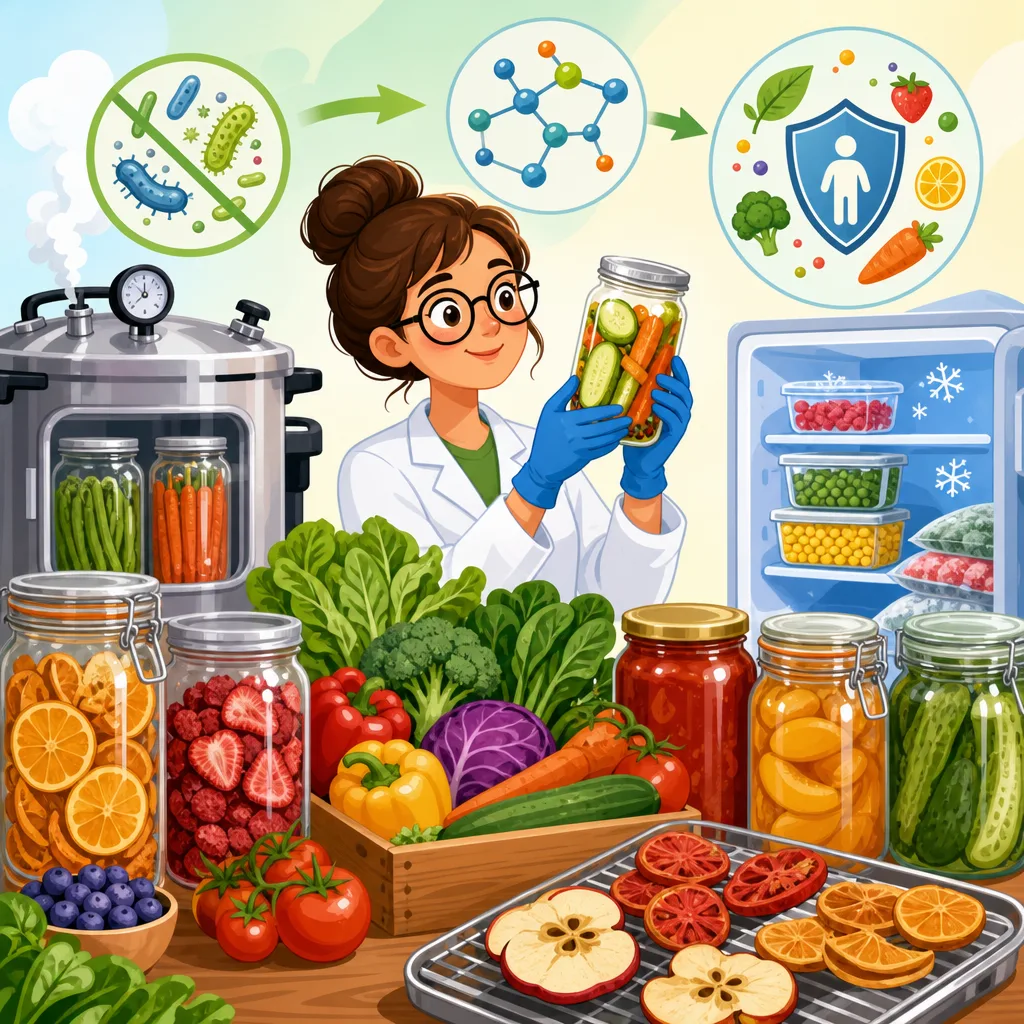
You know that moment when you open your fridge, pull out a container of leftovers, and pause, is this still good? That hesitation isn’t just about food safety; it’s about the silent battle against time, oxygen, and those invisible microbes that turn yesterday’s delicious meal into today’s science experiment. I’ve been there more times than I’d like to admit, especially after moving to Nashville and diving headfirst into its vibrant food scene. Between testing recipes for Chefsicon and trying to keep my rescue cat Luna from judging my questionable food storage habits, I’ve become borderline obsessed with food preservation techniques. And that’s how I stumbled upon something that felt like a game-changer: IRI MultiFresh technology.
At first, I’ll admit, I was skeptical. Another gadget promising to revolutionize my kitchen? But after digging into the science, and, let’s be honest, after a few too many failed attempts at reviving wilted herbs or salvaging freezer-burned steaks, I realized this wasn’t just another fad. IRI MultiFresh techniques combine precision engineering with culinary intuition to extend the life of food without sacrificing quality. It’s not about freezing time; it’s about slowing it down in a way that actually works. So, if you’re tired of tossing out food that’s gone bad before you could enjoy it, or if you’re just curious about how to make your groceries last longer without turning into a mad scientist, stick around. This isn’t just a tutorial; it’s a deep dive into the how, why, and “wait, does this really work?” of modern food preservation.
By the end of this, you’ll walk away with a toolkit of practical, science-backed strategies to maximize food freshness, whether you’re a home cook, a meal prepper, or someone who just wants to stop wasting food (and money). We’ll cover everything from the basics of IRI MultiFresh technology to the nitty-gritty of how to apply it in your own kitchen. And yes, I’ll share some of my own hits and misses along the way, because if there’s one thing I’ve learned, it’s that even the best techniques require a little trial and error.
The Basics: What Is IRI MultiFresh Technology?
Okay, let’s start with the elephant in the room: What the heck is IRI MultiFresh technology? IRI stands for Intelligent Refrigeration Innovation, and it’s a system designed to optimize food preservation by controlling the environment inside your fridge or storage unit. Think of it as the difference between tossing your food into a dark, cold cave and placing it in a carefully curated, climate-controlled sanctuary. The goal? To slow down spoilage without freezing your food into a sad, icy block.
At its core, IRI MultiFresh relies on a few key principles: temperature modulation, humidity control, air circulation, and ethylene absorption. These aren’t just buzzwords; they’re the pillars that make this system work. For example, most of us know that keeping food cold slows down bacterial growth, but did you know that different foods thrive at slightly different temperatures? Or that too much humidity can turn your crisp lettuce into a soggy mess, while too little can leave your carrots shriveled and sad? IRI MultiFresh takes these variables into account, creating micro-environments within your fridge that cater to the specific needs of your food.
But here’s where it gets interesting. Traditional refrigeration treats all food the same, cold and dark. IRI MultiFresh, on the other hand, uses sensors and algorithms to adjust conditions in real-time. It’s like having a tiny, hyper-intelligent chef inside your fridge, constantly tweaking the settings to keep your food at its peak. And before you ask, no, it’s not sentient (as far as I know). It’s just really, really good at its job.
Now, I know what you’re thinking: “This sounds expensive.” And yeah, if you’re looking at high-end commercial units, it can be. But the principles behind IRI MultiFresh aren’t limited to fancy appliances. You can apply many of these techniques in your own kitchen with a little know-how and some strategic planning. So, let’s break it down.
How Does IRI MultiFresh Work?
Alright, let’s get into the weeds a bit. IRI MultiFresh technology isn’t just one thing; it’s a combination of features that work together to create the ideal storage environment. Here’s a quick rundown of the key components:
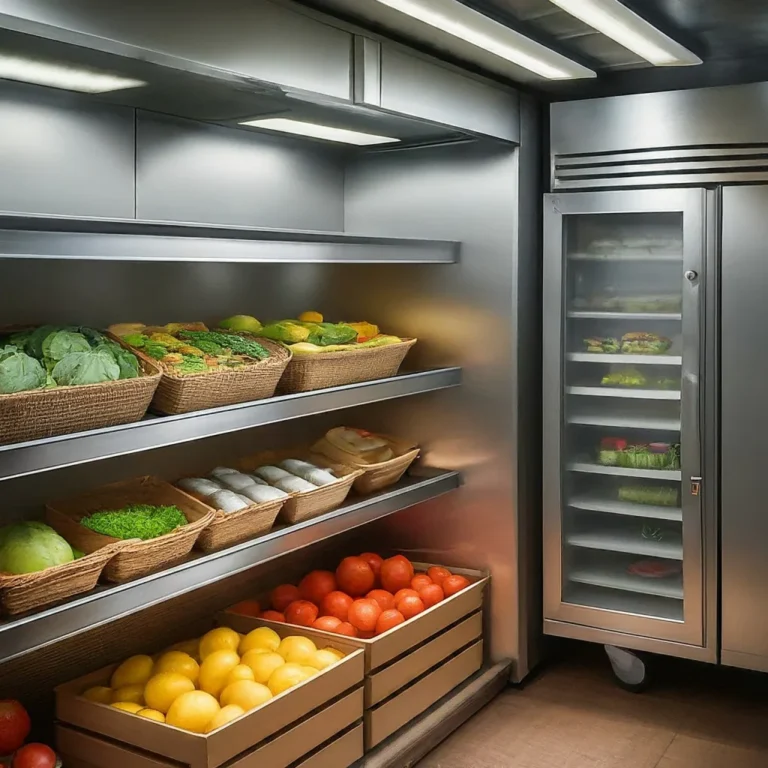
- Temperature Zones: Most fridges have one temperature setting for the entire unit. IRI MultiFresh systems, however, often include multiple zones, each set to a different temperature. For example, the crisper drawer might be slightly warmer and more humid to keep leafy greens fresh, while the main compartment is colder for dairy and meats. This mimics the way commercial kitchens store food, where different ingredients have different needs.
- Humidity Control: Ever noticed how some fridges have a little slider in the crisper drawer labeled “high” and “low” humidity? That’s a basic form of humidity control. IRI MultiFresh takes this to the next level with precise sensors that adjust humidity levels based on what’s inside. High humidity is great for fruits and veggies that wilt easily, while low humidity helps prevent mold and bacteria growth on foods like cheese and cured meats.
- Air Circulation: Stagnant air is the enemy of freshness. IRI MultiFresh systems use fans to circulate air evenly, preventing hot spots and ensuring that every corner of your fridge stays at the right temperature. This also helps reduce odors, which is a nice bonus if you’ve ever opened your fridge to the smell of last week’s fish.
- Ethylene Absorption: Ethylene is a natural gas produced by fruits like apples, bananas, and avocados as they ripen. It’s harmless, but it speeds up the ripening (and spoilage) of other produce nearby. IRI MultiFresh systems often include ethylene absorbers to neutralize this gas, keeping your fruits and veggies fresher for longer. It’s like giving your produce a little breathing room.
- Smart Sensors: This is where the “intelligent” part comes in. IRI MultiFresh systems use sensors to monitor temperature, humidity, and even the freshness of your food. Some advanced models can even send alerts to your phone if something’s off. It’s like having a fridge that actually talks to you, though, let’s be honest, Luna would probably judge me even more if my fridge started giving me unsolicited advice.
Now, you might be wondering: Do I need all of this to keep my food fresh? The short answer is no. But understanding these principles can help you make smarter choices, even if you’re working with a basic fridge. For example, storing your herbs in a jar of water (like a bouquet) and covering them with a plastic bag mimics the high-humidity environment of an IRI MultiFresh crisper. It’s not as precise, but it’s a start.
The Science Behind Food Spoilage (And How IRI MultiFresh Fights It)
Before we dive deeper into IRI MultiFresh techniques, it’s worth taking a step back to understand why food spoils in the first place. Spoilage isn’t just about time; it’s about the complex interplay of biological, chemical, and physical processes. And if you’ve ever left a loaf of bread on the counter for a few days only to find it covered in green fuzz, you’ve seen these processes in action.
At the most basic level, food spoilage is caused by microorganisms-bacteria, yeasts, and molds, that break down the nutrients in your food. These little critters thrive in certain conditions: warmth, moisture, and the right pH level. That’s why refrigeration is so effective; cold temperatures slow down their growth. But it’s not just about temperature. Oxidation (the chemical reaction that turns apples brown and makes fats go rancid) and enzymatic activity (the natural processes that cause fruits to ripen and vegetables to soften) also play a role. And let’s not forget physical damage-bruised apples spoil faster, and crushed crackers lose their crunch.
So, how does IRI MultiFresh tackle these issues? Let’s break it down:
- Bacterial Growth: By maintaining precise temperature and humidity levels, IRI MultiFresh systems create an environment where bacteria struggle to multiply. For example, keeping your fridge at 40°F (4°C) or below slows down most bacteria, while humidity control prevents excess moisture that bacteria love.
- Oxidation: Oxygen is the enemy of freshness for many foods. IRI MultiFresh systems often include airtight compartments or vacuum-sealing options to minimize oxygen exposure. This is especially useful for foods like nuts, which can go rancid quickly when exposed to air.
- Enzymatic Activity: Enzymes are natural compounds in food that cause ripening and spoilage. While you can’t stop enzymatic activity entirely, you can slow it down. IRI MultiFresh systems do this by controlling temperature and humidity, as well as using ethylene absorbers to neutralize the gas that speeds up ripening.
- Physical Damage: This one’s a bit trickier, but IRI MultiFresh systems can help by reducing the need to handle food repeatedly. For example, vacuum-sealed compartments keep food protected from bumps and bruises, while organized storage zones prevent overcrowding (which can lead to squished produce).
But here’s the thing: IRI MultiFresh isn’t a magic bullet. It’s a tool, and like any tool, its effectiveness depends on how you use it. For example, if you toss a bunch of moldy strawberries into your IRI MultiFresh crisper, they’re still going to spoil, just maybe a little slower. The key is to combine these techniques with good old-fashioned food handling practices, like washing your hands, storing food properly, and keeping an eye on expiration dates.
Why Traditional Methods Fall Short
Let’s be real: Most of us are using pretty basic food preservation methods. We toss our groceries into the fridge, maybe wrap a few things in plastic, and call it a day. And for the most part, this works, until it doesn’t. Here’s why traditional methods often fall short:
- One-Size-Fits-All Refrigeration: Most fridges have a single temperature setting for the entire unit. This means your delicate herbs are stored at the same temperature as your raw chicken, which is far from ideal. IRI MultiFresh systems solve this by creating multiple temperature zones, so each type of food gets the conditions it needs.
- Poor Humidity Control: Ever noticed how your lettuce wilts after a day or two in the fridge? That’s because most fridges don’t have precise humidity control. IRI MultiFresh systems adjust humidity levels to keep produce crisp and fresh, rather than turning it into a soggy mess.
- Stagnant Air: Without proper air circulation, your fridge can develop hot spots where food spoils faster. IRI MultiFresh systems use fans to keep air moving, ensuring consistent temperatures throughout the unit.
- Ethylene Buildup: Fruits like apples and bananas release ethylene gas, which speeds up the ripening (and spoilage) of other produce. Most fridges don’t account for this, but IRI MultiFresh systems include ethylene absorbers to neutralize the gas and extend freshness.
- Lack of Organization: How many times have you lost a container of leftovers in the back of your fridge, only to find it weeks later covered in mystery fuzz? IRI MultiFresh systems often include organized storage zones to help you keep track of what you have and reduce waste.
Now, I’m not saying you need to run out and buy a fancy IRI MultiFresh fridge tomorrow. But understanding these limitations can help you make smarter choices, even with a basic setup. For example, storing your fruits and vegetables separately can reduce ethylene buildup, and keeping your fridge organized can help you avoid forgotten leftovers. Small changes can make a big difference.
Practical IRI MultiFresh Techniques for Your Kitchen
Alright, let’s get practical. You don’t need a high-tech fridge to start using IRI MultiFresh techniques in your own kitchen. Sure, having the right tools can make things easier, but there are plenty of low-tech (or no-tech) strategies you can use to maximize food freshness. Here are some of my favorites, along with a few lessons I’ve learned the hard way.
1. Master the Art of Temperature Zones
Even if your fridge doesn’t have multiple temperature zones, you can create them yourself. Here’s how:
- Top Shelf: This is usually the warmest part of the fridge (since heat rises), so it’s ideal for foods that don’t need to be super cold, like leftovers, drinks, and ready-to-eat snacks.
- Middle Shelf: This is where you should store dairy products like milk, cheese, and yogurt. The temperature here is more consistent, which helps prevent spoilage.
- Bottom Shelf: The coldest part of the fridge, this is where you should store raw meat, poultry, and fish. Keeping these items at the bottom also prevents any potential drips from contaminating other foods.
- Crisper Drawers: These are designed for fruits and vegetables, but they’re not all created equal. Most fridges have one drawer set to high humidity (for leafy greens) and one set to low humidity (for fruits and veggies that don’t wilt easily). If your fridge doesn’t have adjustable humidity, you can mimic this by storing your produce in perforated bags or containers with ventilation.
- Door Shelves: These are the warmest part of the fridge, so they’re best for condiments, sauces, and other items that don’t spoil easily. Avoid storing milk or eggs here, as the temperature fluctuations can cause them to go bad faster.
I’ll admit, I didn’t always follow these rules. For the longest time, I’d toss everything into the fridge without much thought, which led to more than a few sad, wilted salads and prematurely spoiled dairy products. But once I started organizing my fridge by temperature zones, I noticed a big difference in how long my food stayed fresh. It’s a simple change, but it works.
2. Control Humidity Like a Pro
Humidity control is one of the most underrated aspects of food preservation. Too much humidity can cause mold and bacteria growth, while too little can leave your produce shriveled and dry. Here’s how to strike the right balance:
- High Humidity (90-95%): Ideal for leafy greens, herbs, and vegetables that wilt easily. Store these items in the high-humidity crisper drawer or in a perforated bag with a damp paper towel to maintain moisture.
- Low Humidity (85-90%): Best for fruits and vegetables that don’t wilt easily, like apples, citrus, and peppers. Store these in the low-humidity crisper drawer or in a perforated bag to allow for airflow.
- No Humidity Control: If your fridge doesn’t have adjustable humidity drawers, you can mimic them by using airtight containers or bags. For high-humidity storage, add a damp paper towel to the container. For low-humidity storage, leave the container slightly open or use a perforated bag.
I’ve found that herbs are one of the trickiest things to keep fresh. I used to toss them into the fridge in their plastic packaging, only to find them wilted and sad a few days later. Then I tried storing them like a bouquet, trim the stems, place them in a jar of water, and cover them loosely with a plastic bag. It’s not perfect, but it’s a huge improvement. And if you’re feeling fancy, you can even wrap the stems in a damp paper towel before placing them in the jar.
3. Keep Air Circulating
Stagnant air is the enemy of freshness. Without proper air circulation, your fridge can develop hot spots where food spoils faster. Here’s how to keep the air moving:
- Avoid Overcrowding: Cramming too much food into your fridge blocks airflow and makes it harder for the unit to maintain a consistent temperature. Leave some space between items to allow air to circulate.
- Use Open Containers: While airtight containers are great for some foods, others benefit from a little airflow. For example, storing mushrooms in a paper bag allows them to breathe and prevents them from getting slimy.
- Clean Your Fridge Regularly: Dust and debris can clog the vents in your fridge, reducing airflow and making it harder for the unit to maintain the right temperature. Aim to clean your fridge at least once a month (or more often if you’re prone to spills, like me).
I’ll be the first to admit that I’m guilty of overcrowding my fridge. There’s something satisfying about a fully stocked fridge, but it’s not doing my food any favors. These days, I try to keep things a little more organized, with plenty of space between items. It’s made a noticeable difference in how long my food stays fresh.
4. Neutralize Ethylene Gas
Ethylene gas is a natural byproduct of ripening fruits like apples, bananas, and avocados. While it’s harmless, it speeds up the ripening (and spoilage) of other produce nearby. Here’s how to minimize its effects:
- Store Fruits and Vegetables Separately: Ethylene-producing fruits should be stored away from ethylene-sensitive vegetables. For example, keep apples away from leafy greens, and store bananas separately from other fruits.
- Use Ethylene Absorbers: You can buy ethylene-absorbing packets online or in stores. These are especially useful if you have a small fridge and can’t separate your produce as much as you’d like.
- Ventilate Your Storage: If you’re storing ethylene-producing fruits in a container or bag, make sure it’s ventilated to allow the gas to escape. Perforated bags or containers with holes work well for this.
I learned this lesson the hard way when I stored a bunch of bananas next to my avocados. Within a day, the avocados had gone from perfectly ripe to overripe mush. Now, I keep my ethylene-producing fruits in a separate bowl, away from the rest of my produce. It’s a small change, but it makes a big difference.
5. Organize for Success
Organization isn’t just about making your fridge look pretty; it’s about making it easier to keep track of what you have and reduce waste. Here are a few tips to help you stay organized:
- Use Clear Containers: Transparent containers make it easy to see what’s inside, so you’re less likely to forget about leftovers or ingredients. Plus, they’re stackable, which helps maximize space.
- Label Everything: Use masking tape and a marker to label containers with the contents and date. This is especially helpful for leftovers, so you know when they were made and when they need to be eaten.
- First In, First Out (FIFO): This is a principle used in commercial kitchens to reduce waste. When you buy new groceries, move the older items to the front of the fridge so you use them first. It’s a simple way to ensure nothing gets forgotten.
- Designate Zones: Assign specific areas of your fridge for different types of food. For example, dedicate one shelf to dairy, another to leftovers, and a drawer to fruits and vegetables. This makes it easier to find what you need and keeps things organized.
I’ll admit, I’m not the most organized person. My fridge used to be a chaotic mess of half-empty containers and forgotten leftovers. But once I started using clear containers and labeling everything, I found it much easier to keep track of what I had. It’s not perfect, but it’s a step in the right direction.
Advanced IRI MultiFresh Techniques for the Serious Food Preserver
If you’re ready to take your food preservation game to the next level, there are a few advanced IRI MultiFresh techniques you can try. These require a bit more effort (and sometimes a bit more equipment), but the results are worth it. Here are some of my favorites:
1. Vacuum Sealing
Vacuum sealing is one of the most effective ways to extend the life of your food. By removing air from the packaging, you slow down oxidation and bacterial growth, keeping your food fresher for longer. Here’s how to do it right:
- Choose the Right Sealer: There are two main types of vacuum sealers: chamber sealers and external sealers. Chamber sealers are more expensive but work better for liquids and delicate foods. External sealers are more affordable and great for dry goods like nuts, grains, and meats.
- Pre-Freeze Liquids: If you’re vacuum sealing liquids (like soups or sauces), freeze them first. This prevents the liquid from being sucked into the sealer and making a mess.
- Use the Right Bags: Not all vacuum sealer bags are created equal. Look for bags that are BPA-free and designed for your specific sealer. Some bags are also microwave-safe, which is a nice bonus.
- Label and Date: Always label your vacuum-sealed packages with the contents and date. This makes it easier to keep track of what you have and ensures you use the oldest items first.
I was skeptical about vacuum sealing at first. It seemed like overkill for a home cook, and the idea of buying yet another kitchen gadget didn’t thrill me. But after trying it out, I was sold. Vacuum-sealed meats stay fresh for weeks in the fridge, and vacuum-sealed herbs last much longer than they do in plastic bags. It’s a game-changer.
2. Sous Vide for Preservation
Sous vide isn’t just for cooking; it can also be used to preserve food. By vacuum sealing food and cooking it at a precise, low temperature, you can extend its shelf life without sacrificing quality. Here’s how it works:
- Vacuum Seal Your Food: Start by vacuum sealing your food in a bag. This removes air and creates a barrier against bacteria and oxidation.
- Cook at a Low Temperature: Use a sous vide machine to cook the food at a low temperature (usually between 130°F and 160°F, depending on the food). This kills bacteria without overcooking the food.
- Cool Quickly: Once the food is cooked, cool it quickly in an ice bath to stop the cooking process and prevent bacterial growth.
- Store in the Fridge or Freezer: Sous vide-cooked food can be stored in the fridge for up to a week or in the freezer for several months. When you’re ready to eat, just reheat it in the bag or finish it off in a pan.
I’ll admit, sous vide preservation is a bit more involved than other methods. It requires a sous vide machine and some planning, but the results are impressive. I’ve used this technique to preserve everything from steaks to vegetables, and it’s amazing how well the food holds up. Plus, it’s a great way to meal prep, since you can cook and store multiple portions at once.
3. Modified Atmosphere Packaging (MAP)
Modified Atmosphere Packaging (MAP) is a technique used in commercial food preservation to extend the shelf life of food by altering the atmosphere inside the packaging. While this might sound complicated, you can mimic it at home with a few simple tools. Here’s how:
- Use Oxygen Absorbers: Oxygen absorbers are small packets that remove oxygen from the air inside a container. You can buy them online or in stores, and they’re great for preserving dry goods like nuts, grains, and coffee.
- Vacuum Seal with Gas Flush: Some vacuum sealers come with a gas flush feature, which replaces the air in the bag with a gas like nitrogen or carbon dioxide. This further slows down oxidation and bacterial growth.
- Store in Airtight Containers: If you don’t have a vacuum sealer, you can still use MAP principles by storing food in airtight containers with oxygen absorbers. This works well for dry goods and can extend their shelf life significantly.
I first learned about MAP when researching commercial food preservation techniques for an article. It seemed like something only big food companies could do, but I was pleasantly surprised to find that there are ways to mimic it at home. I’ve used oxygen absorbers to keep my coffee fresh for months, and it’s made a noticeable difference in the flavor. It’s a simple trick, but it works.
4. Freeze Drying
Freeze drying is one of the most effective ways to preserve food, as it removes moisture while retaining flavor and nutrients. While commercial freeze dryers are expensive, there are a few ways to mimic the process at home:
- Use a Freeze Dryer: If you’re serious about freeze drying, you can invest in a home freeze dryer. These machines are pricey, but they’re incredibly effective at preserving food for years.
- Pre-Freeze Your Food: If you don’t have a freeze dryer, you can pre-freeze your food and then use a vacuum sealer to remove as much moisture as possible. This won’t be as effective as a freeze dryer, but it’s a good alternative.
- Store in Airtight Containers: Once your food is freeze-dried, store it in airtight containers with oxygen absorbers to prevent moisture and oxidation.
I’ve always been fascinated by freeze drying, but the cost of a home freeze dryer was a bit steep for my budget. So, I started experimenting with pre-freezing and vacuum sealing, and while it’s not as effective as a freeze dryer, it’s a decent alternative. I’ve used this technique to preserve everything from herbs to fruits, and it’s amazing how well the food retains its flavor and texture.
Common Mistakes to Avoid with IRI MultiFresh Techniques
Even the best food preservation techniques can backfire if you’re not careful. Here are some common mistakes to avoid when using IRI MultiFresh techniques in your kitchen:
1. Ignoring Temperature Fluctuations
One of the biggest mistakes people make is ignoring temperature fluctuations in their fridge. Opening the door frequently, overcrowding the unit, or placing hot food inside can all cause the temperature to rise, which speeds up spoilage. Here’s how to avoid this:
- Limit Door Openings: Try to keep the fridge door closed as much as possible. Every time you open it, cold air escapes, and the temperature rises. If you’re cooking, gather all the ingredients you need at once to minimize door openings.
- Avoid Overcrowding: Cramming too much food into your fridge blocks airflow and makes it harder for the unit to maintain a consistent temperature. Leave some space between items to allow air to circulate.
- Cool Hot Food First: Placing hot food in the fridge can cause the temperature to rise, which can spoil other foods. Let hot food cool to room temperature before storing it in the fridge.
I’ll admit, I’m guilty of this one. There have been times when I’ve tossed a hot pot of soup into the fridge, only to find that the milk in the door had gone bad the next day. Lesson learned: Let hot food cool before storing it.
2. Storing Food in the Wrong Containers
Not all containers are created equal when it comes to food preservation. Using the wrong type of container can lead to spoilage, freezer burn, or even contamination. Here’s how to choose the right containers:
- Avoid Plastic Bags for Long-Term Storage: While plastic bags are convenient, they’re not ideal for long-term storage. They don’t provide a good barrier against oxygen and moisture, which can lead to spoilage. Instead, use airtight containers or vacuum-sealed bags.
- Use Glass for Liquids: Glass containers are great for storing liquids like soups, sauces, and broths. They’re non-porous, so they won’t absorb odors or flavors, and they’re easy to clean.
- Choose the Right Size: Use containers that are the right size for the amount of food you’re storing. Overfilling containers can lead to spills and spoilage, while underfilling them can cause freezer burn.
I used to store everything in plastic bags, but I’ve since switched to glass containers for most things. They’re more durable, easier to clean, and they don’t absorb odors. Plus, they look nicer in the fridge, which is a bonus if you’re as obsessed with kitchen aesthetics as I am.
3. Not Labeling Your Food
Labeling your food might seem like a hassle, but it’s one of the easiest ways to reduce waste. Without labels, it’s easy to forget what’s inside a container or when it was made, which can lead to spoilage. Here’s how to label effectively:
- Use Masking Tape and a Marker: This is the simplest and most affordable way to label your food. Just write the contents and date on a piece of masking tape and stick it to the container.
- Invest in a Label Maker: If you’re serious about organization, a label maker can be a game-changer. It’s more expensive than masking tape, but it’s also more durable and professional-looking.
- Follow the FIFO Principle: When you label your food, make sure to follow the “First In, First Out” principle. This means using the oldest items first to reduce waste.
I’ll be the first to admit that I didn’t always label my food. I’d toss leftovers into the fridge without a second thought, only to find them weeks later covered in mystery fuzz. But once I started labeling everything, I found it much easier to keep track of what I had and reduce waste. It’s a small change, but it makes a big difference.
4. Overlooking the Importance of Cleanliness
Cleanliness is key when it comes to food preservation. A dirty fridge or storage container can harbor bacteria and mold, which can spoil your food faster. Here’s how to keep things clean:
- Clean Your Fridge Regularly: Aim to clean your fridge at least once a month. Remove all the food, wipe down the shelves and drawers with a mild detergent, and dry everything thoroughly before putting the food back.
- Wash Containers Before Use: Always wash containers before using them to store food. This removes any bacteria or residue that could contaminate your food.
- Store Food in Clean Containers: Make sure the containers you’re using are clean and dry before storing food in them. Moisture can lead to mold and bacteria growth, so it’s important to dry containers thoroughly before use.
I’ll admit, I’m not the best at keeping my fridge clean. There have been times when I’ve let spills and crumbs accumulate for weeks, only to find that my food was spoiling faster than usual. But once I started cleaning my fridge regularly, I noticed a big difference in how long my food stayed fresh. It’s a simple step, but it’s one of the most important.
Putting It All Together: A Step-by-Step Guide to Maximizing Food Preservation
Alright, let’s put everything we’ve learned into practice. Here’s a step-by-step guide to maximizing food preservation using IRI MultiFresh techniques in your own kitchen:
Step 1: Organize Your Fridge by Temperature Zones
Start by organizing your fridge into temperature zones. Here’s a quick recap of where everything should go:
- Top Shelf: Leftovers, drinks, and ready-to-eat snacks.
- Middle Shelf: Dairy products like milk, cheese, and yogurt.
- Bottom Shelf: Raw meat, poultry, and fish.
- Crisper Drawers: Fruits and vegetables (use the high-humidity drawer for leafy greens and the low-humidity drawer for fruits and veggies that don’t wilt easily).
- Door Shelves: Condiments, sauces, and other items that don’t spoil easily.
Step 2: Control Humidity for Your Produce
Next, adjust the humidity levels in your crisper drawers. If your fridge doesn’t have adjustable humidity, use perforated bags or containers with ventilation to mimic the effect:
- High Humidity: Leafy greens, herbs, and vegetables that wilt easily.
- Low Humidity: Fruits and vegetables that don’t wilt easily, like apples, citrus, and peppers.
Step 3: Keep Air Circulating
Make sure your fridge isn’t overcrowded, and leave some space between items to allow air to circulate. This helps maintain a consistent temperature and prevents hot spots.
Step 4: Neutralize Ethylene Gas
Store ethylene-producing fruits (like apples, bananas, and avocados) away from ethylene-sensitive vegetables (like leafy greens). If you can’t separate them, use ethylene-absorbing packets to neutralize the gas.
Step 5: Use the Right Containers
Choose the right containers for the food you’re storing. Here’s a quick guide:
- Airtight Containers: Great for leftovers, dry goods, and liquids.
- Vacuum-Sealed Bags: Ideal for meats, herbs, and other foods that spoil quickly.
- Glass Containers: Perfect for liquids like soups, sauces, and broths.
Step 6: Label Everything
Label your containers with the contents and date, and follow the “First In, First Out” principle to reduce waste. Use masking tape and a marker or invest in a label maker for a more professional look.
Step 7: Clean Your Fridge Regularly
Aim to clean your fridge at least once a month. Remove all the food, wipe down the shelves and drawers with a mild detergent, and dry everything thoroughly before putting the food back.
Step 8: Experiment with Advanced Techniques
If you’re ready to take your food preservation game to the next level, try some of the advanced techniques we discussed earlier:
- Vacuum Sealing: Use a vacuum sealer to remove air from the packaging and extend the life of your food.
- Sous Vide Preservation: Vacuum seal your food and cook it at a low temperature to kill bacteria and extend its shelf life.
- Modified Atmosphere Packaging (MAP): Use oxygen absorbers or gas flush to alter the atmosphere inside the packaging and slow down spoilage.
- Freeze Drying: Invest in a home freeze dryer or pre-freeze your food and vacuum seal it to remove moisture.
Final Thoughts: Is IRI MultiFresh Worth It?
After diving deep into IRI MultiFresh techniques, I’ve come to a few conclusions. First, this isn’t just another gimmick. The science behind it is solid, and the results speak for themselves. Whether you’re using a high-end IRI MultiFresh fridge or just applying some of the principles in your own kitchen, these techniques can help you extend the life of your food without sacrificing quality.
But here’s the thing: IRI MultiFresh isn’t a magic solution. It’s a tool, and like any tool, its effectiveness depends on how you use it. You can’t just toss your food into the fridge and expect it to stay fresh forever. You still need to follow basic food handling practices, like washing your hands, storing food properly, and keeping an eye on expiration dates. And let’s be real, no matter how good your preservation techniques are, some foods are just going to spoil faster than others. That’s just the nature of the beast.
So, is IRI MultiFresh worth it? For me, the answer is a resounding yes. It’s not about perfection; it’s about progress. Even small changes, like organizing your fridge by temperature zones or using the right containers, can make a big difference in how long your food stays fresh. And if you’re willing to invest in some advanced techniques, like vacuum sealing or sous vide preservation, the results can be even more impressive.
At the end of the day, food preservation is as much about mindset as it is about technique. It’s about being intentional with your food, paying attention to what you have, and making the most of it. And if that means fewer trips to the grocery store, less food waste, and more delicious meals, then I’m all for it. So, go ahead, give IRI MultiFresh techniques a try. Your fridge (and your wallet) will thank you.
FAQ
Q: What is IRI MultiFresh technology, and how does it differ from traditional refrigeration?
A: IRI MultiFresh technology is an advanced food preservation system that goes beyond traditional refrigeration by controlling temperature, humidity, air circulation, and ethylene levels. Unlike standard fridges, which maintain a single temperature throughout, IRI MultiFresh systems create micro-environments tailored to different types of food. For example, they might keep leafy greens in a high-humidity zone while storing meats in a colder, low-humidity area. This precision slows down spoilage and extends freshness without freezing food into an icy block. Traditional refrigeration treats all food the same, while IRI MultiFresh adapts to the unique needs of each ingredient.
Q: Can I use IRI MultiFresh techniques in a regular fridge, or do I need special equipment?
A: You don’t need a high-end IRI MultiFresh fridge to apply these techniques in your own kitchen. While specialized equipment can make things easier, many of the principles, like temperature zoning, humidity control, and ethylene management, can be mimicked with a regular fridge. For example, you can store leafy greens in the high-humidity crisper drawer or use perforated bags to control airflow. Advanced techniques like vacuum sealing or sous vide preservation do require some equipment, but even these are accessible for home cooks. The key is to understand the science behind IRI MultiFresh and adapt it to your setup.
Q: What are the most common mistakes people make when trying to preserve food, and how can I avoid them?
A: Some of the most common mistakes include ignoring temperature fluctuations, storing food in the wrong containers, not labeling leftovers, and overlooking cleanliness. To avoid these, start by organizing your fridge into temperature zones (e.g., top shelf for leftovers, bottom shelf for raw meats). Use airtight containers or vacuum-sealed bags for long-term storage, and always label your food with the contents and date. Clean your fridge regularly to prevent bacteria and mold growth, and avoid overcrowding to allow for proper air circulation. Small changes like these can make a big difference in how long your food stays fresh.
Q: How can I extend the shelf life of fruits and vegetables without using a vacuum sealer or other specialized equipment?
A: There are plenty of low-tech ways to extend the shelf life of fruits and vegetables. Start by storing them in the right conditions: leafy greens and herbs thrive in high humidity, while fruits like apples and citrus prefer low humidity. Use perforated bags or containers with ventilation to control airflow, and store ethylene-producing fruits (like bananas and apples) away from ethylene-sensitive vegetables (like leafy greens). For herbs, try storing them like a bouquet, trim the stems, place them in a jar of water, and cover them loosely with a plastic bag. You can also wrap produce in paper towels to absorb excess moisture, which helps prevent mold and bacteria growth. These simple tricks can significantly extend the life of your fruits and vegetables without any fancy equipment.
@article{maximizing-food-preservation-the-science-and-art-of-iri-multifresh-techniques,
    title   = {Maximizing Food Preservation: The Science and Art of IRI MultiFresh Techniques},
    author  = {Chef's icon},
    year    = {2026},
    journal = {Chef's Icon},
    url     = {https://chefsicon.com/maximizing-food-preservation-iri-multifresh-techniques/}
}