The Best Fluffy Pancakes recipe you will fall in love with. Full of tips and tricks to help you make the best pancakes.
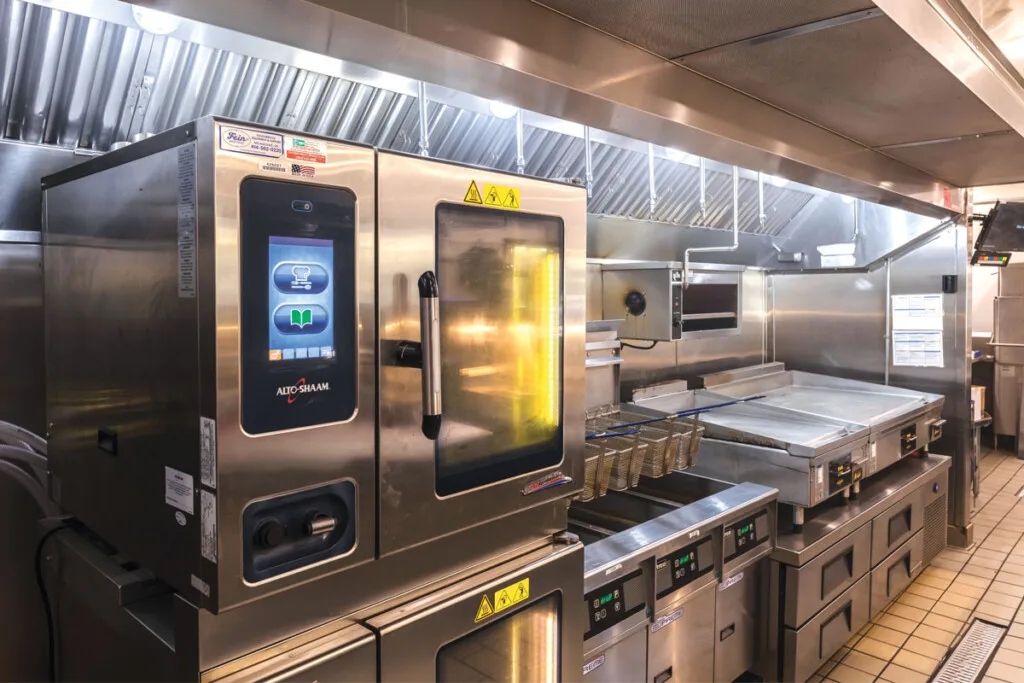
Optimizing Kitchen Workflow with Cook-Chill Systems: Why Your Kitchen Might Be Working Harder Than It Needs To
Let me tell you about the first time I walked into a commercial kitchen that had fully embraced cook-chill systems. It was a Tuesday morning, never the most glamorous day in food service, and yet, the place was humming like a well-oiled machine. No frantic shouting, no last-minute scrambles, no pots boiling over because someone misjudged the timing. Just calm, methodical efficiency. I remember thinking: Is this what it feels like to work in a kitchen that’s actually in control?
That experience stuck with me. Not because it was flashy, but because it was quietly revolutionary. Cook-chill systems aren’t new, they’ve been around for decades, but they’re often misunderstood, underutilized, or dismissed as something only large-scale operations need. But here’s the thing: whether you’re running a 200-seat restaurant, a hospital cafeteria, or a meal-prep service for athletes, optimizing kitchen workflow with cook-chill systems can transform how you operate. It’s not just about saving time; it’s about reclaiming control over your production, reducing waste, and, let’s be honest, keeping your sanity intact during peak service.
In this guide, I’m going to break down what cook-chill systems really are, how they work, and why they might be the missing piece in your kitchen’s efficiency puzzle. We’ll cover the science behind it, the practical steps to implement it, and the common pitfalls that trip people up. And yes, I’ll share some of my own doubts and missteps along the way, because if there’s one thing I’ve learned, it’s that no system is perfect, and no solution works for everyone. But if you’re feeling the strain of a kitchen that’s constantly playing catch-up, this might be the game-changer you’ve been looking for.
By the end of this, you’ll know:
- What cook-chill systems are and how they differ from traditional cooking methods
- The key benefits, beyond just “saving time”
- How to assess whether your kitchen is a good fit for this approach
- The equipment you’ll need (and what you can skip)
- Step-by-step implementation, from menu planning to storage
- Common mistakes and how to avoid them
- Real-world examples of kitchens that have transformed their workflows
So, let’s dive in. And if you’re skeptical? Good. I was too, at first. But sometimes, the best ideas are the ones that make you pause and say, “Why haven’t we been doing this all along?”
The Science Behind Cook-Chill Systems: Why It’s More Than Just “Making Food Ahead”
What Exactly Is a Cook-Chill System?
At its core, a cook-chill system is a method of food production where meals are cooked, rapidly chilled, and then stored at safe temperatures until they’re needed. The key word here is rapidly. Unlike traditional batch cooking, where food might sit in a warmer or cool slowly at room temperature (a big no-no for food safety), cook-chill systems use specialized equipment to bring the temperature of cooked food down to 3°C (37°F) or below within 90 minutes. This rapid cooling locks in quality, flavor, and, most importantly, safety.
But here’s where things get interesting. Cook-chill isn’t just about making food ahead of time. It’s about decoupling the cooking process from the serving process. In a traditional kitchen, you’re cooking and serving in real-time, which means you’re always reacting to demand. With cook-chill, you’re proactively managing your production schedule. You can cook during off-peak hours, when your kitchen is less busy, and then reheat and serve as needed. This shift from reactive to proactive is what makes cook-chill such a powerful tool for optimizing kitchen workflow.
I’ll admit, when I first heard about this, I assumed it was just for large institutions, hospitals, schools, or catering companies that need to feed hundreds of people at once. But the more I dug into it, the more I realized that cook-chill systems can work for almost any kitchen, as long as you’re willing to rethink how you approach production. The key is understanding the science behind it and how it applies to your specific operation.
The Temperature Danger Zone: Why Speed Matters
If you’ve ever taken a food safety course (and if you haven’t, please do, your customers’ health depends on it), you’ve heard about the temperature danger zone. This is the range between 5°C (41°F) and 60°C (140°F), where bacteria grow most rapidly. The longer food sits in this zone, the greater the risk of foodborne illness. Traditional cooking methods often leave food in this danger zone for too long, whether it’s cooling on the counter, sitting in a warmer, or being reheated slowly.
Cook-chill systems solve this problem by minimizing the time food spends in the danger zone. Here’s how it works:
- Cooking: Food is cooked to the proper internal temperature (e.g., 74°C/165°F for poultry, 63°C/145°F for fish).
- Rapid Chilling: Within 30 minutes of cooking, the food is transferred to a blast chiller, which drops the temperature to 3°C (37°F) or below within 90 minutes. This rapid cooling prevents bacterial growth and locks in moisture and flavor.
- Storage: The chilled food is stored at 3°C (37°F) or below until it’s needed. Proper storage can keep food safe for up to 5 days (though quality may degrade after 3-4 days for some items).
- Reheating: When it’s time to serve, the food is reheated to at least 74°C (165°F) and held at that temperature until service.
This process might sound simple, but the devil is in the details. For example, not all foods chill at the same rate. Thick soups or sauces will take longer to cool than thin broths, and dense items like mashed potatoes or meatloaf will retain heat longer than leafy greens. That’s why blast chillers are so important, they’re designed to handle these variations and ensure consistent, rapid cooling.
But here’s where I started to second-guess myself: Is this really necessary for my kitchen? If you’re only cooking small batches or serving food immediately, maybe not. But if you’re dealing with any of the following, cook-chill could be a game-changer:
- High-volume service (e.g., catering, banquets, cafeterias)
- Limited kitchen space or staff during peak hours
- Menu items that require long cook times (e.g., braised meats, stocks, soups)
- Inconsistent demand (e.g., a restaurant with unpredictable lunch rushes)
- A need to reduce food waste (more on this later)
So, is cook-chill right for you? Maybe. Maybe not. But before you write it off, let’s talk about the benefits, because they go way beyond just “saving time.”
The Hidden Benefits of Cook-Chill Systems: More Than Just Efficiency
1. Food Safety: The Non-Negotiable Advantage
Let’s start with the most obvious benefit: food safety. If you’ve ever sweated through a health inspection or dealt with a customer complaint about foodborne illness, you know how critical this is. Cook-chill systems are designed to minimize the risks associated with traditional cooking methods. By rapidly cooling food and storing it at safe temperatures, you’re drastically reducing the chances of bacterial growth.
But here’s something I didn’t realize at first: cook-chill systems also make it easier to track and document food safety. Most blast chillers and refrigeration units come with built-in temperature logs, which means you can prove that your food was handled safely every step of the way. This is a huge advantage if you’re subject to health inspections or need to comply with food safety regulations (which, let’s face it, is pretty much everyone in the food service industry).
I remember talking to a chef at a hospital kitchen who told me that switching to cook-chill reduced their food safety violations by 70%. Seventy percent! That’s not just a win for the kitchen, it’s a win for the patients, the staff, and the hospital’s reputation. If you’re in an industry where food safety is non-negotiable (healthcare, schools, senior living), cook-chill isn’t just a nice-to-have; it’s a must-have.
2. Labor Efficiency: Doing More with Less
One of the biggest challenges in any kitchen is labor management. Staffing is expensive, and finding skilled workers is harder than ever. Cook-chill systems can help you optimize your labor force by shifting production to off-peak hours. Instead of having your best chefs tied up during lunch or dinner service, you can have them cook during slower periods, say, mid-morning or late afternoon, and then focus on plating and service during peak times.
This isn’t just about saving money (though that’s a nice perk). It’s about reducing stress and burnout. I’ve worked in kitchens where the lunch rush felt like a never-ending sprint, with chefs running around like chickens with their heads cut off. Cook-chill systems can help smooth out those peaks and valleys, making the work environment more manageable for everyone.
But here’s the catch: You can’t just implement cook-chill and expect your labor problems to disappear. You still need to train your staff, adjust your schedules, and communicate the changes clearly. For example, if you’re used to cooking everything fresh to order, your chefs might resist the idea of prepping food hours (or days) in advance. It’s a mindset shift, and it takes time to get everyone on board.
3. Food Waste Reduction: Saving Money and the Planet
Food waste is a massive problem in the food service industry. According to the Food and Agriculture Organization (FAO), about one-third of all food produced globally is wasted, and a significant portion of that waste happens in commercial kitchens. Cook-chill systems can help reduce waste in a few key ways:
- Portion Control: When you’re cooking in bulk and chilling portions, you can measure out exact serving sizes, reducing the likelihood of overproduction.
- Flexibility: If you have leftovers, you can store them safely and use them later, rather than throwing them out at the end of service.
- Menu Planning: Cook-chill encourages you to plan your production more carefully, which means you’re less likely to over-order ingredients or prepare more food than you need.
I’ll never forget the first time I saw this in action. I was visiting a university cafeteria that had recently switched to cook-chill. The chef showed me their waste logs from before and after the change. In just three months, they’d reduced food waste by 40%. That’s not just good for the environment, it’s good for the bottom line. Less waste means lower food costs, which means more money to invest in better ingredients, equipment, or staff.
But, and this is a big but-cook-chill isn’t a magic bullet for food waste. If you’re not careful, you can still end up with spoiled food or unused inventory. The key is to track your usage patterns and adjust your production accordingly. For example, if you notice that you’re consistently throwing out a certain dish, it might be time to reduce the batch size or tweak the recipe.
4. Consistency: The Holy Grail of Food Service
One of the biggest complaints I hear from diners is inconsistency. One day, the pasta is perfect; the next, it’s mushy. One day, the steak is medium-rare; the next, it’s overcooked. Cook-chill systems can help solve this problem by ensuring that every dish is prepared under the same conditions, every time.
Here’s how it works: When you cook in bulk and chill portions, you’re standardizing the process. The same ingredients, the same cook times, the same cooling methods. This means that when you reheat and serve the food, it should taste the same as it did the first time you made it. For chains, caterers, or any operation where consistency is key, this is a huge advantage.
But, and you knew there was a “but” coming-ot all foods reheat well. Some dishes, like fried foods or delicate pastries, don’t hold up to chilling and reheating. That’s why it’s important to test your menu items before committing to cook-chill. If a dish doesn’t taste as good after reheating, it might not be a good candidate for this system.
5. Menu Flexibility: More Options, Less Stress
One of the underrated benefits of cook-chill systems is menu flexibility. When you’re not tied to cooking everything fresh to order, you can offer a wider variety of dishes without overloading your kitchen. For example, you can prep multiple soups, sauces, or sides in advance and then mix and match them based on demand. This is especially useful for operations with rotating menus, like cafeterias or meal-prep services.
I’ve seen this work particularly well in healthcare food service. Hospitals often need to cater to a wide range of dietary restrictions, low-sodium, diabetic-friendly, gluten-free, etc. With cook-chill, they can prep multiple versions of a dish in advance and then serve the appropriate one based on the patient’s needs. This not only improves the dining experience but also reduces the risk of cross-contamination.
But again, there’s a catch. Menu flexibility requires careful planning. You need to think about how different dishes will hold up in storage, how they’ll reheat, and whether they’ll appeal to your customers. It’s not as simple as throwing a bunch of pre-made dishes in the fridge and calling it a day. You still need to put thought into your menu design and production schedule.
Is Your Kitchen a Good Fit for Cook-Chill? A Self-Assessment
Okay, so you’re intrigued. Maybe you’re even convinced that cook-chill could work for your kitchen. But before you start investing in equipment or overhauling your menu, it’s worth taking a step back and asking: Is my kitchen actually a good fit for this system?
Not every kitchen will benefit from cook-chill, and that’s okay. The goal isn’t to force a square peg into a round hole, it’s to find the system that works best for your specific needs. To help you figure that out, I’ve put together a quick self-assessment. Grab a pen and paper (or just scroll through this list) and answer the following questions honestly. There are no right or wrong answers here, just a way to gauge whether cook-chill is worth exploring further.
1. What’s Your Volume Like?
Cook-chill systems are most effective in kitchens with high or unpredictable volume. If you’re serving 50 people a day, you might not need this level of efficiency. But if you’re serving 200, 500, or 1,000+ people daily, cook-chill could be a game-changer.
Ask yourself:
- Do we often find ourselves overwhelmed during peak service?
- Do we struggle to keep up with demand during busy periods?
- Do we frequently run out of popular dishes before service ends?
If you answered “yes” to any of these, cook-chill might be worth considering.
2. How Predictable Is Your Demand?
Cook-chill works best when you can anticipate demand. If you’re running a restaurant with a set menu and consistent traffic, you can plan your production schedule with relative ease. But if your demand is highly unpredictable, say, a catering company that gets last-minute orders, you might struggle to make cook-chill work.
Ask yourself:
- Do we have a good sense of how much food we’ll need each day?
- Do we often end up with leftovers because we overproduced?
- Do we struggle to meet demand because we underproduced?
If your demand is all over the place, cook-chill might not be the best fit, unless you’re willing to invest in better forecasting tools or adjust your menu to accommodate variability.
3. What’s Your Menu Like?
Not all foods are created equal when it comes to cook-chill. Some dishes hold up beautifully to chilling and reheating, while others fall apart. Generally, foods with high moisture content and dense textures (like stews, soups, braised meats, and sauces) work best. Delicate items (like fried foods, crispy vegetables, or meringues) don’t fare as well.
Ask yourself:
- Does our menu include a lot of dishes that can be prepped in bulk?
- Do we serve items that require long cook times (e.g., stocks, braises, roasts)?
- Do we have a lot of dishes that don’t reheat well (e.g., fried foods, delicate pastries)?
If your menu is heavy on items that can be prepped in advance, cook-chill could be a great fit. If not, you might need to rethink your offerings or accept that some dishes will still need to be made fresh.
4. What’s Your Kitchen Layout Like?
Cook-chill systems require space and equipment. You’ll need room for a blast chiller, refrigeration units, and possibly a reheating station. If your kitchen is already cramped, adding this equipment might not be feasible.
Ask yourself:
- Do we have space for a blast chiller and additional refrigeration?
- Can we reconfigure our workflow to accommodate cook-chill?
- Do we have the budget to invest in new equipment?
If space or budget is tight, you might need to get creative. For example, you could start with a smaller blast chiller or use existing refrigeration units for storage. But if you’re working with a shoestring budget or a tiny kitchen, cook-chill might not be the best fit, at least not yet.
5. What’s Your Team’s Skill Level?
Cook-chill systems require training and buy-in from your team. If your staff is resistant to change or lacks the skills to operate new equipment, you might run into problems. On the flip side, if your team is open to learning and eager to improve efficiency, cook-chill could be a great fit.
Ask yourself:
- Is our team open to trying new systems and processes?
- Do we have the time and resources to train our staff on cook-chill?
- Do we have a chef or manager who can oversee the transition?
If your team is resistant to change, you might need to start with a pilot program or small-scale implementation to ease them into it. But if they’re on board, cook-chill could be a smooth transition.
6. What’s Your Budget?
Let’s talk money. Cook-chill systems require an upfront investment in equipment, training, and possibly menu changes. The good news is that the long-term savings (in labor, food waste, and efficiency) can offset the initial costs. But if you’re working with a tight budget, you might need to start small.
Ask yourself:
- Do we have the budget to invest in a blast chiller and other equipment?
- Can we afford to train our staff on the new system?
- Are we willing to adjust our menu or production schedule to accommodate cook-chill?
If money is tight, you might need to prioritize. For example, you could start with a smaller blast chiller or focus on a few key menu items. But if you’re ready to invest, cook-chill could pay for itself in a matter of months.
The Equipment You’ll Need (And What You Can Skip)
Alright, let’s say you’ve done the self-assessment, and you’re ready to dive into cook-chill. The next step is figuring out what equipment you’ll need. This is where things can get overwhelming, there are a lot of options out there, and not all of them are necessary. So, let’s break it down.
1. The Non-Negotiables: Blast Chillers and Refrigeration
If there’s one piece of equipment you can’t skip, it’s the blast chiller. This is the heart of the cook-chill system. A blast chiller rapidly cools cooked food to safe temperatures, preventing bacterial growth and locking in quality. Without it, you’re just batch cooking, and that’s not the same thing.
There are a few types of blast chillers to consider:
- Air Blast Chillers: These use cold air to rapidly chill food. They’re the most common type and work well for most applications.
- Plate Chillers: These use metal plates to chill food quickly. They’re great for liquid-based dishes (like soups or sauces) but can be less effective for solid foods.
- Tumble Chillers: These use a rotating drum to chill food. They’re often used in large-scale operations but can be overkill for smaller kitchens.
For most kitchens, an air blast chiller is the best choice. It’s versatile, efficient, and relatively easy to use. When shopping for one, look for the following features:
- Capacity: Make sure the chiller can handle your production volume. If you’re cooking for 200 people a day, you’ll need a larger unit than if you’re cooking for 50.
- Cooling Speed: The chiller should be able to drop the temperature of food to 3°C (37°F) within 90 minutes.
- Temperature Monitoring: Look for a unit with built-in temperature logs or probes. This will help you track food safety and comply with regulations.
- Ease of Use: The chiller should be intuitive and easy to clean. If it’s too complicated, your staff might not use it correctly.
In addition to a blast chiller, you’ll also need adequate refrigeration. This is where you’ll store your chilled food until it’s needed. Make sure your refrigeration units are large enough to handle your production volume and that they maintain a consistent temperature of 3°C (37°F) or below.
2. The Nice-to-Haves: Sous Vide Machines and Reheating Stations
While blast chillers and refrigeration are non-negotiable, there are a few other pieces of equipment that can enhance your cook-chill system. These aren’t strictly necessary, but they can make the process smoother and more efficient.
- Sous Vide Machines: Sous vide is a cooking method where food is vacuum-sealed and cooked in a water bath at a precise temperature. It’s a great complement to cook-chill because it allows you to cook food evenly and then chill it rapidly. Plus, sous vide dishes reheat beautifully, making them ideal for cook-chill systems.
- Reheating Stations: When it’s time to serve, you’ll need a way to reheat your chilled food quickly and evenly. This could be a combi oven, a steam table, or even a microwave (though microwaves can be less consistent). The key is to choose a method that maintains the quality of the food.
- Vacuum Sealers: Vacuum sealing your food before chilling can help preserve quality and extend shelf life. It’s not strictly necessary, but it’s a nice addition if you’re looking to maximize freshness.
I’ll be honest: when I first started researching cook-chill systems, I got a little carried away with the equipment. I thought, “If I’m going to do this, I might as well go all out.” But then I talked to a chef who’d been using cook-chill for years, and he told me something that stuck with me: “Start simple. Master the basics, and then add on.”
So, if you’re on a budget or just starting out, focus on the non-negotiables first. You can always add more equipment later as your needs evolve.
3. The Overrated: Expensive Software and Fancy Gadgets
Here’s where I’m going to ruffle some feathers: You don’t need expensive software or fancy gadgets to make cook-chill work. Yes, there are digital tools out there that can help you track production, monitor temperatures, and manage inventory. And yes, some of them are really cool. But they’re not essential.
I’ve seen kitchens spend thousands of dollars on software only to realize that a simple spreadsheet would have done the job just as well. Don’t get me wrong, technology can be a great asset. But if you’re just starting out, focus on the fundamentals first. Get your blast chiller and refrigeration units in place, train your staff, and then decide if you need additional tools.
That said, there are a few affordable tools that can make your life easier:
- Temperature Probes: These are inexpensive and essential for monitoring food temperatures during cooking, chilling, and reheating.
- Labeling Systems: Proper labeling is critical for tracking food safety and shelf life. You don’t need a fancy printer, just a simple label maker and some food-safe labels will do.
- Production Logs: A basic spreadsheet or notebook can help you track what you’ve cooked, when it was chilled, and when it needs to be used by.
The bottom line? Don’t let the perfect be the enemy of the good. You don’t need the fanciest equipment to make cook-chill work. Start with the basics, and build from there.
Step-by-Step Implementation: How to Make Cook-Chill Work in Your Kitchen
Alright, you’ve done the self-assessment, you’ve got your equipment (or at least a plan to get it), and you’re ready to dive in. Now what? Implementing a cook-chill system isn’t as simple as flipping a switch. It requires planning, training, and a willingness to adapt. But if you take it step by step, you can make the transition smoother than you think.
Step 1: Start Small (Pilot Program)
One of the biggest mistakes I see kitchens make is trying to overhaul their entire menu and production process all at once. That’s a recipe for disaster. Instead, start small. Choose a few menu items that are well-suited to cook-chill (e.g., soups, stews, braised meats) and test them out for a week or two. This will give you a chance to work out the kinks without disrupting your entire operation.
For example, you could start with a single soup or sauce. Cook a batch, chill it, store it, and then reheat and serve it over the course of a few days. Pay attention to how the food holds up, how your staff handles the process, and whether your customers notice a difference. If it goes well, you can gradually add more items to your cook-chill program.
I remember working with a small café that wanted to implement cook-chill. They started with their most popular soup, a hearty minestrone, and tested it for two weeks. At first, the staff was skeptical, but after a few days, they realized how much easier it made their lives. By the end of the month, they’d added three more soups to the program, and their lunch service was smoother than ever.
Step 2: Train Your Staff (And Yourself)
Cook-chill systems require buy-in from your entire team. If your staff doesn’t understand how the system works or why it’s important, they won’t use it correctly. That’s why training is critical.
Here’s what your training should cover:
- Food Safety: Make sure your staff understands the importance of rapid chilling, proper storage temperatures, and reheating protocols. This isn’t just about efficiency, it’s about keeping your customers safe.
- Equipment Use: Train your staff on how to use the blast chiller, refrigeration units, and any other equipment you’ve invested in. This includes proper cleaning and maintenance.
- Production Scheduling: Cook-chill requires a shift in how you plan your production. Instead of cooking everything fresh to order, you’ll need to batch cook and chill during off-peak hours. Make sure your staff understands the new schedule.
- Quality Control: Teach your staff how to assess the quality of chilled food before reheating and serving. This includes checking for signs of spoilage, proper labeling, and reheating techniques.
Don’t assume that your staff will “figure it out” on their own. Take the time to train them properly, and be open to their feedback. They’re the ones who will be using the system day in and day out, so their input is invaluable.
And here’s a pro tip: Train yourself first. If you’re the chef or manager, you need to understand the system inside and out before you can teach it to your team. Spend some time in the kitchen, working alongside your staff, and get a feel for how the system works in practice.
Step 3: Adjust Your Menu
Not all menu items are created equal when it comes to cook-chill. Some dishes hold up beautifully to chilling and reheating, while others fall apart. That’s why you’ll need to adjust your menu to accommodate the system.
Here’s how to do it:
- Identify Cook-Chill-Friendly Dishes: Look for items that can be cooked in bulk, chilled rapidly, and reheated without losing quality. Soups, stews, braised meats, sauces, and casseroles are all great candidates.
- Test, Test, Test: Before committing to a dish, test it out. Cook a batch, chill it, store it, and then reheat and serve it. Pay attention to texture, flavor, and appearance. If it doesn’t hold up, it might not be a good fit for cook-chill.
- Be Transparent with Customers: If you’re serving chilled and reheated food, be upfront about it. Some customers might be skeptical, but if you explain the benefits (e.g., food safety, consistency, reduced waste), they’ll likely come around.
I’ll never forget the first time I tried a chilled and reheated dish at a restaurant. It was a braised short rib, and it was just as tender and flavorful as if it had been cooked fresh. The chef told me that they’d spent weeks testing different reheating methods to get it just right. That’s the level of care and attention you need to put into your menu when implementing cook-chill.
Step 4: Optimize Your Production Schedule
One of the biggest advantages of cook-chill is that it allows you to decouple cooking from serving. This means you can cook during off-peak hours, when your kitchen is less busy, and then reheat and serve as needed. But to make this work, you’ll need to optimize your production schedule.
Here’s how to do it:
- Batch Cooking: Instead of cooking everything fresh to order, cook in large batches and chill portions. This allows you to spread out your production over the course of the day or week.
- Off-Peak Production: Schedule your cooking during slower periods (e.g., mid-morning or late afternoon) to free up your kitchen during peak service.
- Inventory Management: Keep track of what you’ve cooked, when it was chilled, and when it needs to be used by. This will help you avoid waste and ensure that you always have fresh food on hand.
For example, let’s say you’re running a cafeteria with a busy lunch service. Instead of cooking everything fresh during the lunch rush, you could cook and chill your soups, sauces, and sides the day before. Then, during lunch service, your staff can focus on reheating and plating, rather than cooking from scratch. This not only speeds up service but also reduces stress and improves consistency.
But, and this is a big but-you can’t just set it and forget it. You’ll need to monitor your production schedule closely and adjust as needed. For example, if you notice that you’re consistently running out of a certain dish, you might need to increase your batch size. If you’re ending up with leftovers, you might need to scale back.
Step 5: Monitor and Adjust
Implementing a cook-chill system isn’t a one-and-done deal. It’s an ongoing process that requires monitoring and adjustment. You’ll need to keep an eye on food quality, staff efficiency, and customer feedback, and be willing to make changes as needed.
Here’s what to monitor:
- Food Quality: Are your chilled and reheated dishes holding up? Are they as flavorful and texturally pleasing as fresh-cooked food? If not, you might need to adjust your cooking or reheating methods.
- Food Safety: Are your blast chiller and refrigeration units maintaining the proper temperatures? Are your staff following proper protocols for chilling, storing, and reheating? If not, you’ll need to retrain them or invest in better equipment.
- Staff Efficiency: Is your team able to work more efficiently with the cook-chill system? Are they spending less time on cooking and more time on plating and service? If not, you might need to adjust your production schedule or workflow.
- Customer Feedback: Are your customers noticing a difference? Are they happy with the quality of the food? If not, you might need to tweak your menu or reheating methods.
I’ll be honest: the first few weeks of implementing cook-chill can be rough. You’ll likely run into issues you didn’t anticipate, and you’ll need to make adjustments on the fly. But if you stay flexible and open to feedback, you’ll eventually find a rhythm that works for your kitchen.
Common Mistakes (And How to Avoid Them)
Let’s be real: no system is perfect, and cook-chill is no exception. Even the best-laid plans can go awry, and it’s easy to make mistakes when you’re first starting out. But the good news is that most of these mistakes are avoidable, if you know what to look for. Here are some of the most common pitfalls and how to steer clear of them.
1. Skipping the Blast Chiller
I’ve seen kitchens try to “DIY” cook-chill by using regular refrigeration units to cool their food. Spoiler alert: This doesn’t work. Regular refrigeration units aren’t designed to cool food rapidly, which means your food will spend too much time in the temperature danger zone. This not only compromises food safety but also affects quality.
How to avoid it: Invest in a blast chiller. It’s the only way to ensure that your food cools rapidly and safely. If you’re on a tight budget, look for a used or refurbished unit, or consider leasing one.
2. Overloading the Blast Chiller
Blast chillers have a maximum capacity, and if you exceed it, your food won’t cool quickly enough. I’ve seen kitchens try to cram as much food as possible into the chiller, only to realize that it’s not cooling evenly or efficiently.
How to avoid it: Follow the manufacturer’s guidelines for capacity, and don’t overload the chiller. If you need to chill a large batch of food, do it in stages. And make sure your food is spread out evenly in the chiller to allow for proper airflow.
3. Poor Storage Practices
Once your food is chilled, it needs to be stored properly to maintain quality and safety. This means keeping it at the right temperature, labeling it correctly, and using it within the recommended timeframe. I’ve seen kitchens store chilled food for too long, or at the wrong temperature, only to end up with spoiled food or food safety violations.
How to avoid it: Invest in proper refrigeration units and make sure they’re maintaining a consistent temperature of 3°C (37°F) or below. Label all chilled food with the date it was cooked and the date it needs to be used by. And follow the FIFO (First In, First Out) rule to ensure that older food is used before newer food.
4. Inconsistent Reheating
Reheating chilled food isn’t as simple as popping it in the microwave. If you don’t reheat it properly, you can end up with unevenly heated food, dry textures, or even food safety issues. I’ve seen kitchens serve food that was either underheated (and unsafe) or overcooked (and unappetizing).
How to avoid it: Use a combi oven or steam table to reheat food evenly and gently. Avoid microwaves unless you’re reheating small portions, as they can heat food unevenly. And always use a temperature probe to ensure that the food reaches at least 74°C (165°F) before serving.
5. Ignoring Staff Training
Cook-chill systems require buy-in from your entire team. If your staff doesn’t understand how the system works or why it’s important, they won’t use it correctly. I’ve seen kitchens invest in expensive equipment, only to have their staff revert to old habits because they weren’t properly trained.
How to avoid it: Take the time to train your staff on the cook-chill system. Make sure they understand the importance of food safety, proper equipment use, and production scheduling. And be open to their feedback, they’re the ones who will be using the system day in and day out.
6. Not Testing Menu Items
Not all foods are created equal when it comes to cook-chill. Some dishes hold up beautifully to chilling and reheating, while others fall apart. I’ve seen kitchens assume that a dish will work well with cook-chill, only to realize too late that it doesn’t.
How to avoid it: Test your menu items before committing to cook-chill. Cook a batch, chill it, store it, and then reheat and serve it. Pay attention to texture, flavor, and appearance. If it doesn’t hold up, it might not be a good fit for cook-chill.
7. Overcomplicating the System
Cook-chill doesn’t have to be complicated. I’ve seen kitchens try to implement overly complex systems, with multiple stages of chilling, reheating, and plating. This not only makes the process more difficult but also increases the risk of mistakes.
How to avoid it: Keep it simple. Start with a few key menu items, and focus on mastering the basics before adding more complexity. Remember: the goal is to optimize your workflow, not complicate it.
Real-World Examples: Kitchens That Transformed Their Workflows with Cook-Chill
Sometimes, the best way to understand a system is to see it in action. So, let’s take a look at a few real-world examples of kitchens that have successfully implemented cook-chill systems and transformed their workflows.
1. Hospital Cafeteria: Reducing Waste and Improving Safety
A large hospital in the Midwest was struggling with food waste and food safety violations. Their cafeteria served hundreds of meals a day, but their traditional cooking methods were inefficient and risky. They decided to implement a cook-chill system, starting with their soups, stews, and sauces.
The results were impressive:
- Food Waste: Reduced by 40% in the first three months.
- Food Safety Violations: Dropped by 70% after implementing cook-chill.
- Labor Efficiency: The kitchen was able to shift production to off-peak hours, reducing stress during lunch and dinner service.
But the real game-changer was the improved patient experience. With cook-chill, the hospital was able to offer a wider variety of dishes, including specialized meals for patients with dietary restrictions. This not only improved patient satisfaction but also reduced the risk of cross-contamination.
2. University Dining Hall: Handling High Volume with Ease
A university dining hall in the Northeast was struggling to keep up with demand during peak service. With thousands of students to feed each day, their kitchen was constantly playing catch-up. They decided to implement a cook-chill system, starting with their most popular dishes: pasta sauces, chili, and braised meats.
The results were transformative:
- Service Speed: The dining hall was able to serve meals 30% faster during peak hours.
- Consistency: Students raved about the improved consistency of their favorite dishes.
- Labor Savings: The kitchen was able to reduce their staffing needs during peak service, saving money on labor costs.
But the biggest benefit was the reduced stress. Before cook-chill, the kitchen staff was constantly running around, trying to keep up with demand. After implementing the system, they were able to work more calmly and efficiently, even during the busiest times of the year.
3. Meal-Prep Service: Scaling Up Without Sacrificing Quality
A small meal-prep service in California was growing rapidly, but they were struggling to keep up with demand. Their traditional cooking methods were too time-consuming, and they were constantly running out of popular dishes. They decided to implement a cook-chill system, starting with their most popular meals: grain bowls, soups, and protein packs.
The results were game-changing:
- Production Capacity: The service was able to increase their production capacity by 50% without hiring additional staff.
- Customer Satisfaction: Customers loved the improved consistency and freshness of their meals.
- Scalability: The cook-chill system allowed the service to scale up quickly, without sacrificing quality.
But the real benefit was the flexibility. With cook-chill, the service was able to offer a wider variety of meals, including specialized options for customers with dietary restrictions. This not only improved customer satisfaction but also helped them stand out in a crowded market.
4. Restaurant: Smoothing Out the Lunch Rush
A mid-sized restaurant in Texas was struggling with their lunch service. Their kitchen was constantly overwhelmed during the lunch rush, and they were frequently running out of popular dishes. They decided to implement a cook-chill system, starting with their soups, sauces, and sides.
The results were immediate:
- Service Speed: The restaurant was able to serve lunch 20% faster during peak hours.
- Customer Satisfaction: Diners loved the improved consistency and quality of their meals.
- Labor Efficiency: The kitchen was able to shift production to off-peak hours, reducing stress during the lunch rush.
But the biggest benefit was the improved work environment. Before cook-chill, the kitchen staff was constantly stressed and overworked. After implementing the system, they were able to work more calmly and efficiently, even during the busiest times of the day.
The Future of Cook-Chill: Where Do We Go From Here?
So, you’ve made it this far. You’ve learned what cook-chill systems are, how they work, and how to implement them in your kitchen. You’ve seen real-world examples of kitchens that have transformed their workflows with cook-chill. And you’ve (hopefully) avoided some of the common pitfalls. Now what?
Here’s the thing: cook-chill isn’t a static system. It’s evolving, just like the food service industry. New technologies, equipment, and best practices are emerging all the time, and the kitchens that stay ahead of the curve are the ones that will reap the biggest benefits. So, where do we go from here?
1. Smart Kitchen Systems: The Next Frontier
One of the most exciting developments in cook-chill is the rise of smart kitchen systems. These are digital tools that integrate with your cook-chill equipment to automate and optimize your workflow. For example, some blast chillers now come with built-in sensors and software that track food temperatures, monitor cooling times, and even predict when food will be ready to serve.
I’ll be honest: when I first heard about smart kitchen systems, I was skeptical. I thought, “Do we really need more technology in the kitchen?” But the more I’ve seen these systems in action, the more I’ve realized their potential. They’re not about replacing human chefs, they’re about augmenting their skills and making their jobs easier.
For example, imagine a blast chiller that automatically adjusts its cooling speed based on the type of food you’re chilling. Or a refrigeration unit that sends you an alert when a batch of food is about to expire. These tools can help you optimize your workflow, reduce waste, and improve food safety, without adding more work to your plate.
2. Sustainability: Cook-Chill’s Green Side
Another trend to watch is the growing focus on sustainability. Cook-chill systems are inherently more sustainable than traditional cooking methods because they reduce food waste, energy use, and water consumption. But there’s still room for improvement.
For example, some kitchens are now using energy-efficient blast chillers that consume less power. Others are exploring closed-loop systems, where water used in the chilling process is recycled and reused. And some are even experimenting with renewable energy sources, like solar or wind power, to run their cook-chill equipment.
I’m particularly excited about this trend because it aligns with my own values. As someone who cares deeply about the environment, I love the idea of a system that not only improves efficiency but also reduces our impact on the planet. And let’s be real: sustainability isn’t just a feel-good buzzword anymore. It’s a business imperative. Customers are increasingly demanding eco-friendly practices, and kitchens that don’t adapt will be left behind.
3. Customization: Meeting the Demand for Personalization
One of the challenges of cook-chill is that it’s often associated with mass production. But the truth is, cook-chill can be just as flexible and customizable as traditional cooking methods, if you know how to use it.
For example, some kitchens are now using cook-chill to offer personalized meal options. They prep a variety of bases (e.g., grains, proteins, sauces) and then let customers mix and match to create their own meals. This not only improves customer satisfaction but also reduces waste, since you’re only prepping what you know will be used.
I’ve seen this work particularly well in healthcare food service. Hospitals are using cook-chill to offer patients a wider variety of meal options, including specialized diets for conditions like diabetes or heart disease. This not only improves the patient experience but also helps with recovery and overall health.
4. The Human Element: Training and Culture
Finally, let’s talk about the human element. Cook-chill systems are only as good as the people who use them. That’s why the future of cook-chill isn’t just about technology or equipment, it’s about training and culture.
Kitchens that invest in their staff, through training, education, and a positive work environment, are the ones that will succeed with cook-chill. This means teaching your team not just how to use the equipment, but also why it’s important. It means fostering a culture of continuous improvement, where everyone is encouraged to share ideas and feedback. And it means recognizing that cook-chill isn’t a one-size-fits-all solution, it’s a tool that needs to be adapted to your specific needs.
I’ll never forget a conversation I had with a chef who’d been using cook-chill for years. He told me, “The best cook-chill systems aren’t the ones with the fanciest equipment. They’re the ones where the team is fully bought in and excited to use it.” That’s a lesson I’ve carried with me ever since.
Final Thoughts: Is Cook-Chill Right for You?
So, here we are. We’ve covered a lot of ground, from the science behind cook-chill to the equipment you’ll need, from real-world examples to future trends. And now, the big question: Is cook-chill right for you?
Honestly, I don’t know. Only you can answer that. But here’s what I do know: cook-chill systems have the potential to transform your kitchen. They can improve food safety, reduce waste, optimize labor, and make your workflow smoother and more efficient. But they’re not a magic bullet. They require planning, training, and a willingness to adapt.
If you’re feeling overwhelmed, that’s okay. Start small. Test a few menu items. Train your staff. Monitor the results. And most importantly, be patient. Change doesn’t happen overnight, and it’s okay to make mistakes along the way. The key is to learn from them and keep moving forward.
And if you’re still on the fence? That’s okay too. Maybe cook-chill isn’t the right fit for your kitchen, at least not yet. But if you’re feeling the strain of a kitchen that’s constantly playing catch-up, it’s worth exploring. Because at the end of the day, the goal isn’t just to work harder, it’s to work smarter.
So, what do you think? Are you ready to give cook-chill a try? Or are you still skeptical? Either way, I’d love to hear your thoughts. Drop a comment below, or shoot me an email. And if you do decide to take the plunge, let me know how it goes. I’ll be cheering you on from the sidelines, with a bowl of perfectly chilled and reheated soup, of course.
FAQ: Your Cook-Chill Questions, Answered
Q: Isn’t cook-chill just for large institutions like hospitals and schools?
A: Not at all! While cook-chill systems are popular in large-scale operations, they can work for kitchens of all sizes. The key is to adapt the system to your specific needs. For example, a small restaurant might start with a few key menu items, while a meal-prep service could use cook-chill to scale up production. The goal is to optimize your workflow, not to fit into a one-size-fits-all mold.
Q: Won’t chilled and reheated food taste worse than fresh-cooked food?
A: It depends on how you do it. If you use the right techniques, like rapid chilling, proper storage, and gentle reheating, chilled and reheated food can taste just as good as fresh-cooked food. In fact, some dishes (like braised meats or soups) can actually taste better after chilling because the flavors have time to meld. The key is to test your menu items and adjust your methods as needed.
Q: How much does it cost to implement a cook-chill system?
A: The cost varies depending on the size of your kitchen and the equipment you need. A basic blast chiller can cost anywhere from $5,000 to $20,000, while larger units can run upwards of $50,000. You’ll also need to factor in the cost of refrigeration units, reheating equipment, and training. That said, the long-term savings (in labor, food waste, and efficiency) can offset the initial investment. If you’re on a tight budget, consider starting with a smaller unit or leasing equipment.
Q: What’s the biggest mistake kitchens make when implementing cook-chill?
A: The biggest mistake is trying to do too much too soon. Cook-chill systems require planning, training, and a willingness to adapt. If you try to overhaul your entire menu and production process all at once, you’re setting yourself up for failure. Instead, start small. Choose a few key menu items, test them out, and then gradually expand the system as you get more comfortable. And don’t forget to train your staff, they’re the ones who will be using the system day in and day out.
@article{optimizing-kitchen-workflow-with-cook-chill-systems-a-chefs-guide-to-smarter-faster-and-safer-food-production,
    title   = {Optimizing Kitchen Workflow with Cook-Chill Systems: A Chef’s Guide to Smarter, Faster, and Safer Food Production},
    author  = {Chef's icon},
    year    = {2026},
    journal = {Chef's Icon},
    url     = {https://chefsicon.com/optimizing-kitchen-workflow-with-cook-chill-systems/}
}