The Best Fluffy Pancakes recipe you will fall in love with. Full of tips and tricks to help you make the best pancakes.
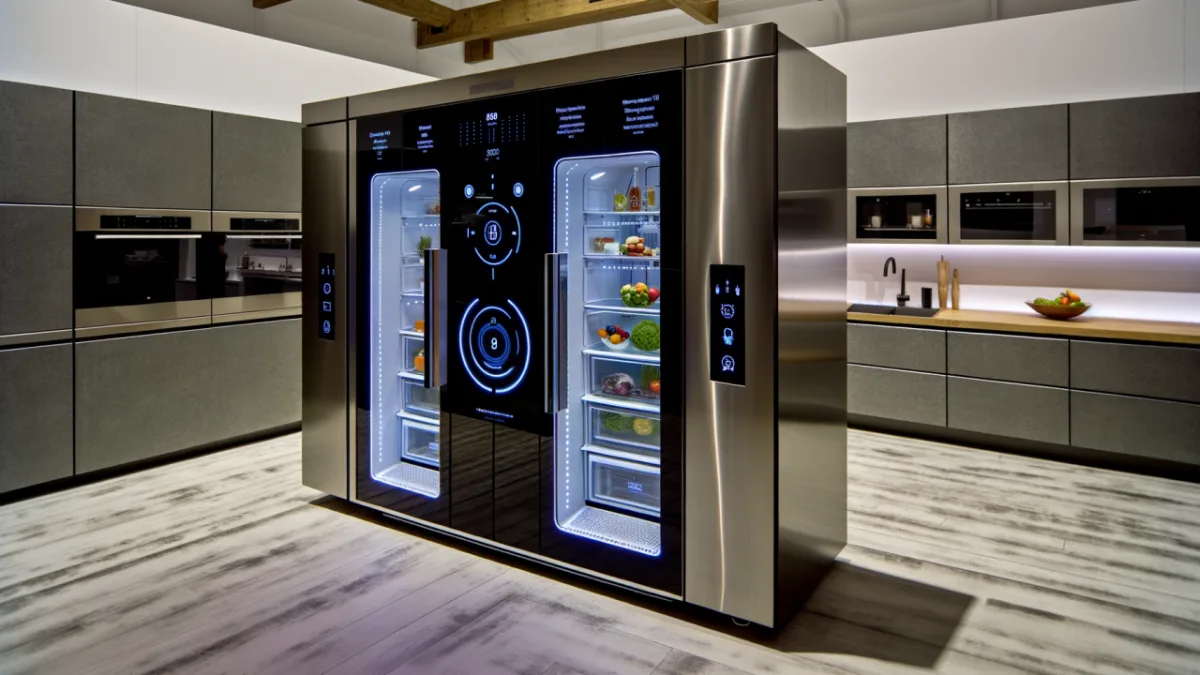
I’ll admit it, I was skeptical. When I first heard about smart refrigerators, I rolled my eyes. Another gadget trying to convince us it’s “essential” when, let’s be honest, my 10-year-old fridge does just fine keeping my beer cold and my leftovers from turning into science experiments. But then I moved to Nashville, where the food scene isn’t just about eating; it’s about *experiencing* food. And suddenly, I found myself wondering: What if my fridge could do more than just chill? What if it could actually *help* me cook, shop, or even reduce food waste? Is this just another overhyped tech trend, or is it the future of how we interact with our kitchens?
I’m not entirely sold yet, but I’m curious. So, I decided to dive deep, talk to chefs, read up on the latest models, and even test a few out myself (thanks, Luna, for being my unofficial taste-tester when I forget to meal prep). What I found surprised me. Smart refrigerators aren’t just about flashy screens or voice assistants that tell you the weather while you’re digging for the last slice of pizza. They’re part of a larger shift in how we think about our kitchens, our food, and even our daily routines. But are they worth the hype? Or are we just falling for another shiny object that’ll collect dust faster than my unused air fryer?
In this article, we’re going to explore the world of smart refrigerators from every angle. We’ll look at what they actually *do*, whether they’re practical for everyday use, and if they’re really the game-changer they’re made out to be. By the end, you’ll have a clearer idea of whether a smart fridge is a fad you can ignore or a glimpse into the future of kitchen tech. And who knows? Maybe you’ll even convince me to upgrade my trusty old fridge. (Okay, probably not, but let’s see.)
The Rise of the Smart Refrigerator: How Did We Get Here?
From Iceboxes to Internet-Connected Appliances
Let’s take a quick trip down memory lane. The refrigerator as we know it has come a long way since the days of iceboxes and blocks of ice delivered to your doorstep. The first electric refrigerators hit the market in the early 1900s, and by the mid-20th century, they were a staple in most American homes. These early models were simple: keep food cold, end of story. Fast forward to the 21st century, and we’re now living in an era where your fridge can order groceries, suggest recipes, and even let you peek inside via your smartphone while you’re at the store.
But how did we get here? The shift toward smart refrigerators didn’t happen overnight. It’s part of a broader trend of connected appliances and the Internet of Things (IoT), where everyday objects are embedded with sensors, software, and internet connectivity to make our lives “easier.” The first smart fridges started appearing in the early 2000s, but they were clunky, expensive, and more of a novelty than a necessity. Remember the LG Internet Refrigerator from 2000? It had a built-in computer, a web browser, and even a TV. It was ahead of its time, and also a flop, mostly because the technology wasn’t quite there yet.
So, what changed? A few things. First, smartphone adoption skyrocketed, making it easier for people to interact with their appliances remotely. Second, AI and machine learning became more sophisticated, allowing devices to learn our habits and preferences. And third, food waste and sustainability became major concerns for consumers. Suddenly, a fridge that could help you track expiration dates or suggest recipes based on what you already have wasn’t just a gimmick, it was a potential solution to real problems.
Why Now? The Cultural Shift Behind Smart Fridges
But it’s not just about technology. There’s a cultural shift happening, too. We’re living in an age where convenience is king, and our expectations for what our appliances should do have evolved. Think about it: We’re used to having the world at our fingertips with our smartphones. We expect our cars to park themselves, our thermostats to learn our schedules, and our speakers to play our favorite playlists on command. So why shouldn’t our fridges be just as smart?
There’s also the rise of the “smart home” to consider. More and more people are investing in connected devices like smart lights, locks, and thermostats. A smart fridge fits naturally into this ecosystem, acting as the hub of your kitchen. For example, your fridge could communicate with your smart oven to preheat it when you’re ready to cook, or with your smart speaker to add items to your grocery list when you’re running low on milk. It’s all about seamless integration, and for some, that’s a game-changer.
But here’s the thing: Not everyone is on board. There’s a growing backlash against the idea that we need to “smartify” everything. Critics argue that smart fridges are just another way for tech companies to collect our data, or that they’re solving problems we don’t actually have. And let’s be real, how many of us actually *need* a fridge that can stream Netflix? (Though, I’ll admit, the idea of watching *The Bear* while cooking is kind of appealing.)
What Exactly Is a Smart Refrigerator?
Defining the Smart Fridge: More Than Just a Screen
So, what makes a refrigerator “smart”? At its core, a smart fridge is a refrigerator that’s connected to the internet and equipped with features that go beyond basic cooling. But that definition is pretty broad, and not all smart fridges are created equal. Some are little more than traditional fridges with a touchscreen slapped on the front, while others are packed with sensors, cameras, and AI-powered features that can track your food, suggest recipes, and even order groceries for you.
Here’s a breakdown of some of the most common features you’ll find in smart refrigerators today:
- Touchscreens and Displays: Many smart fridges come with built-in touchscreens that can display recipes, calendars, notes, or even streaming services. Some models, like Samsung’s Family Hub, act as a central command center for your kitchen, allowing you to manage your grocery list, leave notes for family members, or even mirror your TV.
- Internal Cameras: Ever been to the grocery store and forgotten whether you’re out of eggs? Some smart fridges have internal cameras that let you check what’s inside from your smartphone. No more guessing, or buying duplicates of things you already have.
- Inventory Tracking: This is where things get interesting. Some smart fridges can track what’s inside and even alert you when something is about to expire. Models like the LG ThinQ use AI to recognize food items and suggest recipes based on what you have. Others, like the Bosch Home Connect, can track expiration dates and send you reminders to use up ingredients before they go bad.
- Voice Control: If you’re a fan of smart speakers like Alexa or Google Assistant, you’ll love this. Many smart fridges are compatible with voice assistants, allowing you to add items to your grocery list, set timers, or even ask for recipe ideas hands-free.
- Automatic Grocery Ordering: This is one of the most controversial features. Some smart fridges can automatically order groceries for you when you’re running low on staples like milk or eggs. On paper, it sounds amazing. In practice? It can be a little too hands-off for some people’s taste. What if you don’t *want* more milk? What if you’re trying to cut back on certain foods? It’s a feature that’s either a dream come true or a privacy nightmare, depending on who you ask.
- Recipe Suggestions: This is one of my favorite features. Some smart fridges can suggest recipes based on what you have inside. Forgot to meal prep? No problem. Just open the fridge, see what’s inside, and let the AI do the rest. It’s like having a personal chef, or at least a really helpful sous chef.
- Energy Monitoring: Sustainability is a big selling point for smart fridges. Many models come with energy monitoring features that track your fridge’s power usage and suggest ways to reduce your carbon footprint. Some can even adjust their cooling settings based on how often you open the door, which can save energy (and money) in the long run.
How Smart Fridges Work: The Tech Behind the Magic
Okay, so how do these things actually work? At the heart of every smart fridge is a combination of sensors, cameras, and connectivity. Here’s a quick breakdown of the tech that makes it all possible:
- Sensors: Smart fridges are packed with sensors that monitor everything from temperature and humidity to how often you open the door. These sensors help the fridge adjust its settings to keep your food fresh while also conserving energy. Some models even have door sensors that can alert you if you’ve left the fridge open, no more coming home to a melted pint of ice cream.
- Cameras: Internal cameras are a game-changer. They allow you to check what’s inside your fridge from anywhere, which is handy when you’re at the store and can’t remember if you’re out of butter. Some cameras even use AI to recognize food items and track their freshness. For example, if you put a carton of milk in the fridge, the camera might recognize it and start counting down the days until it expires.
- Wi-Fi and Connectivity: This is what makes a fridge “smart.” Wi-Fi connectivity allows your fridge to communicate with your smartphone, other smart devices, and even grocery delivery services. It’s also how the fridge receives software updates, which can add new features or improve existing ones over time.
- AI and Machine Learning: This is where things get really interesting. Some smart fridges use AI to learn your habits and preferences. For example, if you always buy a certain brand of yogurt, the fridge might suggest adding it to your grocery list when you’re running low. Or if you tend to eat leftovers within a few days, the fridge might remind you to finish them before they go bad. Over time, the AI gets better at predicting what you need, making the fridge more useful the longer you use it.
- Touchscreens and Apps: The touchscreen on the front of the fridge is often the most visible part of the smart fridge experience. It’s where you interact with the fridge’s features, like checking the calendar, browsing recipes, or leaving notes for family members. Many smart fridges also come with companion apps that let you control the fridge from your smartphone. Forgot to add something to your grocery list? No problem, just open the app and type it in.
The Pros: Why Smart Fridges Might Be Worth It
Convenience: The Ultimate Selling Point
Let’s start with the obvious: convenience. Smart fridges are designed to make your life easier, and in many ways, they deliver. Imagine never having to wonder if you’re out of eggs again. Or being able to check what’s inside your fridge while you’re at the store, so you don’t accidentally buy something you already have. Or having your fridge suggest a recipe based on the ingredients you have on hand, so you don’t have to spend 20 minutes scrolling through Pinterest for dinner ideas.
For busy families, this kind of convenience can be a game-changer. Parents can leave notes for each other on the fridge’s touchscreen, kids can add items to the grocery list when they finish the last of the cereal, and everyone can stay on the same page. And let’s not forget the internal cameras. How many times have you stood in front of your fridge, staring blankly, trying to remember if you have enough cheese for taco night? With a smart fridge, you can just pull out your phone and check.
But convenience isn’t just about saving time, it’s also about reducing stress. Meal planning can be a nightmare, especially if you’re trying to cook for a family or stick to a budget. Smart fridges take some of the guesswork out of the equation. They can help you plan meals, track what you have, and even suggest ways to use up leftovers before they go bad. And if you’re someone who hates grocery shopping, the automatic ordering feature might just be your new best friend.
Reducing Food Waste: A Sustainability Win
Here’s something I didn’t expect to care about, but now I can’t stop thinking about: food waste. According to the USDA, Americans waste about 30-40% of their food supply. That’s not just bad for your wallet, it’s also terrible for the environment. When food ends up in landfills, it produces methane, a potent greenhouse gas. So, anything that helps us waste less food is a win in my book.
Smart fridges tackle food waste in a few ways. First, inventory tracking helps you keep tabs on what you have, so you don’t forget about that half-used container of sour cream in the back of the fridge. Some models even send you alerts when something is about to expire, so you can use it up before it goes bad. Second, recipe suggestions can help you find creative ways to use up ingredients you already have. For example, if you have a bunch of veggies that are about to go bad, your fridge might suggest a stir-fry or a soup recipe to help you use them up.
And then there’s the automatic ordering feature. I know I mentioned this earlier as a potential privacy concern, but it can also be a sustainability win. If your fridge knows you’re running low on milk and orders it for you, you’re less likely to forget to buy it, and less likely to waste the milk you already have because you ran out and had to buy a new carton. It’s not perfect, but it’s a step in the right direction.
Energy Efficiency: Saving Money and the Planet
Another unexpected benefit of smart fridges is energy efficiency. Traditional refrigerators are one of the biggest energy hogs in your home, accounting for about 7% of your total energy use. Smart fridges, on the other hand, are designed to be more efficient. They use sensors to monitor temperature and humidity, adjusting their settings to keep your food fresh while using as little energy as possible.
Some models even have energy monitoring features that track how much power your fridge is using and suggest ways to reduce your consumption. For example, if your fridge notices that you open the door a lot during certain times of the day, it might suggest keeping frequently used items in a more accessible spot to minimize how long the door stays open. Over time, these small adjustments can add up to significant energy savings, and lower electricity bills.
And let’s not forget about smart grids. Some smart fridges can communicate with your utility company to run during off-peak hours, when electricity is cheaper and the grid is less strained. This not only saves you money but also helps reduce the overall demand on the power grid, which is a win for everyone.
Entertainment and Connectivity: More Than Just a Fridge
Okay, let’s talk about the elephant in the room: entertainment. Some smart fridges come with built-in screens that can stream music, TV shows, or even video calls. At first glance, this might seem like a gimmick, why do you need a TV on your fridge? But if you think about it, the kitchen is often the heart of the home. It’s where families gather to cook, eat, and hang out. Having a screen on your fridge can turn it into a central hub for entertainment and communication.
For example, you could stream a cooking tutorial while you’re making dinner, or video call your mom while you’re meal prepping. You could leave a note for your partner on the fridge’s touchscreen, or even display your family calendar so everyone knows what’s going on. And let’s be real, sometimes you just want to watch *The Great British Bake Off* while you’re waiting for your cookies to bake. Is it a necessity? No. Is it fun? Absolutely.
But here’s the thing: Not everyone wants their fridge to be a entertainment center. Some people prefer to keep their kitchen tech-free, or at least minimal. And that’s okay. The beauty of smart fridges is that they’re customizable. You can use as many or as few of the features as you want. If you don’t care about streaming Netflix on your fridge, you can ignore that feature and focus on the ones that actually matter to you, like inventory tracking or recipe suggestions.
The Cons: Why Smart Fridges Might Not Be for Everyone
The Price Tag: Is It Worth the Investment?
Let’s talk about the biggest elephant in the room: the cost. Smart refrigerators are *expensive*. We’re talking anywhere from $2,000 to $6,000 or more, depending on the model and features. For comparison, you can get a perfectly good traditional fridge for under $1,000. So, is a smart fridge worth the extra cost?
It depends. If you’re someone who values convenience and is willing to pay for it, then maybe. But if you’re on a budget or don’t think you’ll use many of the smart features, it might not be worth it. And let’s be real, most of us don’t *need* a smart fridge. We’ve been getting by just fine with traditional fridges for decades. So, unless you’re really excited about the features, it’s hard to justify the price tag.
There’s also the cost of ownership to consider. Smart fridges require software updates, and if something goes wrong with the tech, you might need to pay for repairs. Traditional fridges are simpler and cheaper to maintain. And let’s not forget about planned obsolescence. Tech companies are notorious for releasing new models with slightly better features every year, which can make your smart fridge feel outdated faster than you’d like.
Privacy Concerns: Who’s Really Watching?
Here’s another big concern: privacy. Smart fridges are connected to the internet, which means they’re collecting data about you. What kind of data? Well, that depends on the model. Some fridges track what you buy, how often you open the door, and even what you eat. Others have cameras inside that can recognize food items and track their freshness. And if your fridge is connected to a grocery delivery service, it might be sharing your shopping habits with third parties.
Now, most companies will tell you that this data is used to improve your experience, like suggesting recipes or helping you reduce food waste. And that might be true. But it’s also true that this data is valuable to advertisers, marketers, and even hackers. Do you really want a fridge that knows you eat ice cream every night at 10 PM? Or that you’re trying to cut back on soda? It’s a little creepy when you think about it.
There’s also the risk of hacking. Any device that’s connected to the internet is vulnerable to cyberattacks. In 2019, a security firm discovered a vulnerability in a popular smart fridge that could allow hackers to steal your Google login credentials. Yikes. While these kinds of attacks are rare, they’re not unheard of. And if you’re someone who values privacy, a smart fridge might not be the best choice.
Reliability and Longevity: Will It Last?
Here’s another concern: reliability. Smart fridges are complex machines with a lot of moving parts, literally and figuratively. The more features a fridge has, the more things can go wrong. Touchscreens can freeze, software can crash, and sensors can fail. And when something goes wrong, it’s not always easy (or cheap) to fix.
Traditional fridges, on the other hand, are simple and reliable. They don’t require software updates or internet connectivity. They just… work. And they keep working for years, sometimes decades. Smart fridges, on the other hand, might feel outdated in just a few years as new models hit the market. So, if you’re someone who likes to keep their appliances for the long haul, a smart fridge might not be the best investment.
There’s also the question of longevity. Tech companies are always coming out with new features and models, which can make your smart fridge feel obsolete faster than you’d like. Will your smart fridge still be supported in five years? Ten years? It’s hard to say. And if the company stops supporting the software, you might be left with a fridge that’s more of a liability than a convenience.
Do You Really Need All Those Features?
Let’s be honest: Most of us don’t *need* a smart fridge. We’ve been getting by just fine with traditional fridges for years. So, do you really need a fridge that can order groceries, suggest recipes, and stream Netflix? Probably not. But that doesn’t mean smart fridges are useless. It just means they’re not for everyone.
Here’s the thing: Smart fridges are a luxury, not a necessity. They’re designed for people who value convenience and are willing to pay for it. If you’re someone who loves tech and enjoys having the latest gadgets, a smart fridge might be a great addition to your kitchen. But if you’re someone who prefers simplicity, or if you’re on a budget, a traditional fridge might be a better fit.
And let’s not forget about overkill. Some smart fridges come with so many features that it’s hard to keep track of them all. Do you really need a fridge that can play music, display your calendar, and let you video call your mom? Maybe. But maybe not. It’s all about what matters to you.
Who Are Smart Fridges For?
Tech Enthusiasts: The Early Adopters
If you’re someone who loves gadgets and is always on the lookout for the latest tech, a smart fridge might be right up your alley. Tech enthusiasts are often the first to adopt new technologies, and smart fridges are no exception. For these folks, the appeal isn’t just about the features, it’s about being on the cutting edge. They enjoy tinkering with new gadgets, exploring their capabilities, and pushing them to their limits.
Smart fridges offer plenty of opportunities for tech enthusiasts to geek out. From customizing the touchscreen interface to integrating the fridge with other smart home devices, there’s a lot to explore. And let’s not forget about the cool factor. Having a fridge that can do more than just keep your food cold is a great conversation starter. Whether it’s showing off the internal cameras or demonstrating how the AI suggests recipes, tech enthusiasts love to share their latest gadgets with friends and family.
But it’s not just about showing off. Tech enthusiasts also appreciate the practical benefits of smart fridges. They love the convenience of being able to check what’s inside their fridge from anywhere, or the ability to control the fridge’s settings from their smartphone. And if something goes wrong, they’re often the first to dive into the settings or troubleshoot the issue. For them, a smart fridge isn’t just an appliance, it’s a project.
Busy Families: The Convenience Seekers
For busy families, convenience is king. Between work, school, extracurricular activities, and everything in between, finding time to meal plan, grocery shop, and cook can feel like a Herculean task. This is where smart fridges can really shine. They’re designed to make life easier, and for families juggling a million things at once, that’s a game-changer.
Imagine this: It’s 5 PM, and you have no idea what to make for dinner. Instead of scrambling to throw something together or ordering takeout (again), you open your smart fridge’s app and let it suggest a recipe based on what you already have. No more last-minute grocery runs or staring blankly into the fridge, hoping inspiration will strike. And if you’re running low on staples like milk or eggs, the fridge can add them to your grocery list, or even order them for you.
Smart fridges also help with organization. With internal cameras, you can check what’s inside your fridge while you’re at the store, so you don’t accidentally buy duplicates of things you already have. And with features like family notes and shared grocery lists, everyone can stay on the same page. No more forgotten items or miscommunication about who’s supposed to pick up the milk.
But it’s not just about convenience, it’s also about reducing stress. Meal planning can be a nightmare, especially when you’re trying to cook for a family with different tastes and dietary needs. Smart fridges take some of the guesswork out of the equation. They can help you plan meals, track what you have, and even suggest ways to use up leftovers before they go bad. And if you’re someone who hates grocery shopping, the automatic ordering feature might just be your new best friend.
Sustainability Advocates: The Eco-Conscious Consumers
If you’re someone who’s passionate about sustainability, a smart fridge might be a great fit. One of the biggest selling points of smart fridges is their ability to reduce food waste, which is a major environmental issue. According to the USDA, Americans waste about 30-40% of their food supply. That’s not just bad for your wallet, it’s also terrible for the planet. When food ends up in landfills, it produces methane, a potent greenhouse gas. So, anything that helps us waste less food is a win for the environment.
Smart fridges tackle food waste in a few ways. First, inventory tracking helps you keep tabs on what you have, so you don’t forget about that half-used container of sour cream in the back of the fridge. Some models even send you alerts when something is about to expire, so you can use it up before it goes bad. Second, recipe suggestions can help you find creative ways to use up ingredients you already have. For example, if you have a bunch of veggies that are about to go bad, your fridge might suggest a stir-fry or a soup recipe to help you use them up.
And then there’s the automatic ordering feature. I know I mentioned this earlier as a potential privacy concern, but it can also be a sustainability win. If your fridge knows you’re running low on milk and orders it for you, you’re less likely to forget to buy it, and less likely to waste the milk you already have because you ran out and had to buy a new carton. It’s not perfect, but it’s a step in the right direction.
Smart fridges are also energy efficient. Traditional refrigerators are one of the biggest energy hogs in your home, accounting for about 7% of your total energy use. Smart fridges, on the other hand, are designed to be more efficient. They use sensors to monitor temperature and humidity, adjusting their settings to keep your food fresh while using as little energy as possible. Some models even have energy monitoring features that track how much power your fridge is using and suggest ways to reduce your consumption. Over time, these small adjustments can add up to significant energy savings, and a smaller carbon footprint.
Chefs and Foodies: The Culinary Enthusiasts
If you’re a chef or a foodie, a smart fridge might seem like a dream come true. These fridges are packed with features that can help you cook, plan meals, and even discover new recipes. For example, some smart fridges can suggest recipes based on what you have inside, so you don’t have to spend hours scrolling through cookbooks or food blogs for inspiration. Others can track expiration dates and alert you when something is about to go bad, so you can use it up before it’s too late.
But it’s not just about convenience, it’s also about creativity. Smart fridges can help you experiment with new ingredients and techniques. For example, if you have a bunch of random ingredients that are about to expire, your fridge might suggest a recipe that uses them all. Or if you’re trying to cut back on certain foods, your fridge can help you find healthier alternatives. And if you’re someone who loves to meal prep, the inventory tracking feature can help you keep track of what you have and what you need to buy.
There’s also the entertainment factor. Some smart fridges come with built-in screens that can stream cooking tutorials, so you can learn new techniques while you’re cooking. Or you can watch your favorite cooking shows while you’re waiting for your food to bake. And if you’re someone who loves to entertain, the family hub feature can help you plan meals, create shopping lists, and even display your family calendar so everyone knows what’s going on.
But here’s the thing: Not all chefs and foodies are sold on smart fridges. Some prefer the simplicity of a traditional fridge, or they don’t trust the AI to suggest recipes that are actually good. And let’s be real, no matter how smart your fridge is, it’s not going to replace the creativity and intuition of a human chef. So, while smart fridges can be a great tool for culinary enthusiasts, they’re not a substitute for skill and experience.
The Future of Smart Fridges: What’s Next?
AI and Machine Learning: Smarter Than Ever
One of the most exciting developments in smart fridge technology is the advancement of AI and machine learning. Early smart fridges were little more than traditional fridges with a touchscreen slapped on the front. But today’s models are getting smarter, and more intuitive, with each passing year. AI-powered fridges can learn your habits, predict your needs, and even suggest ways to improve your cooking.
For example, imagine a fridge that knows you always buy a certain brand of yogurt. Over time, it might start suggesting recipes that use yogurt, or it might add it to your grocery list when you’re running low. Or imagine a fridge that notices you’re trying to eat healthier. It might start suggesting low-calorie recipes or reminding you to use up your veggies before they go bad. The possibilities are endless, and a little bit scary, if we’re being honest.
But AI isn’t just about convenience, it’s also about personalization. Smart fridges are getting better at understanding our preferences and tailoring their suggestions to our tastes. For example, if you’re a vegetarian, your fridge might suggest plant-based recipes. If you’re a busy parent, it might suggest quick and easy meals. And if you’re someone who loves to entertain, it might suggest recipes that are perfect for hosting.
Of course, there are still some kinks to work out. AI isn’t perfect, and sometimes its suggestions can be a little… off. For example, if you have a bunch of random ingredients, your fridge might suggest a recipe that’s not actually very good. Or it might suggest a recipe that requires ingredients you don’t have. But as AI gets smarter, these issues will likely become less common.
Integration with Other Smart Home Devices
Another exciting development is the integration of smart fridges with other smart home devices. We’re already seeing fridges that can communicate with smart ovens, smart speakers, and even smart lights. For example, your fridge could tell your oven to preheat when you’re ready to cook, or it could turn on the kitchen lights when you open the door. It’s all about creating a seamless smart home ecosystem where your devices work together to make your life easier.
But it’s not just about convenience, it’s also about energy efficiency. For example, your fridge could communicate with your smart thermostat to adjust the temperature in your home based on how often you open the fridge door. Or it could communicate with your smart lights to turn them off when you’re not in the kitchen. Over time, these small adjustments can add up to significant energy savings.
There’s also the potential for automation. Imagine a fridge that can automatically order groceries when you’re running low, or a fridge that can suggest recipes based on what you have and then preheat your oven for you. The possibilities are endless, and a little bit futuristic. But as smart home technology continues to evolve, these kinds of features will likely become more common.
Sustainability and Energy Efficiency: A Greener Future
As I mentioned earlier, one of the biggest selling points of smart fridges is their ability to reduce food waste and improve energy efficiency. And as sustainability becomes a bigger priority for consumers, we’re likely to see even more innovations in this area.
For example, imagine a fridge that can compost food scraps automatically. Or a fridge that can track your carbon footprint based on what you buy and eat. Or a fridge that can suggest ways to reduce your energy consumption based on your habits. These kinds of features aren’t just good for the planet, they’re also good for your wallet.
There’s also the potential for smart grids. Some smart fridges can already communicate with your utility company to run during off-peak hours, when electricity is cheaper and the grid is less strained. In the future, we might see fridges that can adjust their energy usage based on real-time energy prices, or fridges that can store energy during off-peak hours and release it during peak hours. These kinds of innovations could help reduce the overall demand on the power grid and make our homes more sustainable.
The Potential for Overkill: Will We Regret This?
But with all this innovation comes a question: Are we going too far? Smart fridges are getting more advanced with each passing year, but do we really need a fridge that can do everything? Some people argue that we’re overcomplicating things, and that smart fridges are solving problems we don’t actually have. Others worry about privacy and security, or the environmental impact of producing and disposing of all these high-tech appliances.
There’s also the question of reliability. The more features a fridge has, the more things can go wrong. And when something goes wrong, it’s not always easy (or cheap) to fix. Traditional fridges are simple and reliable. They don’t require software updates or internet connectivity. They just… work. And they keep working for years, sometimes decades. Smart fridges, on the other hand, might feel outdated in just a few years as new models hit the market.
So, where do we draw the line? It’s a question that doesn’t have an easy answer. On one hand, smart fridges offer a lot of benefits, convenience, sustainability, energy efficiency, and more. On the other hand, they’re expensive, complex, and not without their risks. Ultimately, it’s up to each of us to decide whether a smart fridge is worth the investment.
Making the Decision: Should You Buy a Smart Fridge?
Assessing Your Needs: Do You Really Need One?
So, you’re thinking about buying a smart fridge. But before you pull the trigger, it’s worth taking a step back and asking yourself: Do I really need one? Smart fridges are a luxury, not a necessity. Most of us have been getting by just fine with traditional fridges for years. So, unless you’re really excited about the features, it might not be worth the investment.
Here are a few questions to ask yourself before you buy:
- Do I value convenience? If you’re someone who’s always on the go and hates grocery shopping, a smart fridge might be a great fit. Features like automatic ordering and inventory tracking can save you time and stress.
- Do I care about sustainability? If you’re passionate about reducing food waste and saving energy, a smart fridge could be a great addition to your kitchen. Features like expiration tracking and energy monitoring can help you live a more eco-friendly lifestyle.
- Do I love tech? If you’re a gadget lover who’s always on the lookout for the latest and greatest, a smart fridge might be right up your alley. But if you prefer simplicity, a traditional fridge might be a better fit.
- Am I on a budget? Smart fridges are expensive, and they’re not for everyone. If you’re on a tight budget, a traditional fridge might be a better choice.
- Do I care about privacy? Smart fridges collect a lot of data about you, and that’s not for everyone. If you’re someone who values privacy, a smart fridge might not be the best choice.
If you answered “yes” to most of these questions, a smart fridge might be worth considering. But if you’re still on the fence, it might be worth waiting a few years to see how the technology evolves.
Weighing the Costs and Benefits
Let’s talk about the costs and benefits of smart fridges. On the one hand, they offer a lot of great features, convenience, sustainability, energy efficiency, and more. On the other hand, they’re expensive, complex, and not without their risks. So, how do you decide whether a smart fridge is worth the investment?
Here’s a quick breakdown of the pros and cons:
- Pros:
- Convenience: Smart fridges can save you time and stress by automating tasks like grocery shopping and meal planning.
- Sustainability: Features like inventory tracking and expiration alerts can help you reduce food waste and live a more eco-friendly lifestyle.
- Energy Efficiency: Smart fridges are designed to be more energy-efficient than traditional fridges, which can save you money on your electricity bill.
- Entertainment: Some smart fridges come with built-in screens that can stream music, TV shows, or even video calls.
- Cons:
- Cost: Smart fridges are expensive, and they’re not for everyone. If you’re on a budget, a traditional fridge might be a better choice.
- Privacy: Smart fridges collect a lot of data about you, and that’s not for everyone. If you value privacy, a smart fridge might not be the best choice.
- Reliability: Smart fridges are complex machines with a lot of moving parts. The more features a fridge has, the more things can go wrong.
- Overkill: Some smart fridges come with so many features that it’s hard to keep track of them all. Do you really need a fridge that can do everything?
Ultimately, the decision comes down to what matters most to you. If you value convenience and sustainability, a smart fridge might be worth the investment. But if you’re on a budget or prefer simplicity, a traditional fridge might be a better fit.
Alternatives to Smart Fridges: Do You Need the Whole Package?
If you’re not ready to commit to a full-blown smart fridge, there are alternatives that might give you some of the same benefits without the hefty price tag. Here are a few options to consider:
- Smart Plugs and Sensors: If you’re interested in energy monitoring or automation, you can add smart plugs or sensors to your existing fridge. These devices can track your fridge’s energy usage, alert you if the door is left open, or even turn the fridge off during peak energy hours.
- Smart Grocery Apps: If you’re interested in inventory tracking or automatic ordering, there are plenty of apps that can help. Apps like Out of Milk or AnyList let you create and share grocery lists, while apps like Instacart or Amazon Fresh can deliver groceries right to your door.
- Smart Scales and Containers: If you’re interested in tracking your food consumption, smart scales and containers can help. For example, the Drop Scale can weigh your ingredients and suggest recipes, while the Ovie Smart Tags can track the freshness of your food and alert you when something is about to expire.
- Smart Displays: If you’re interested in the entertainment or recipe features of smart fridges, a smart display like the Google Nest Hub or Amazon Echo Show might be a good alternative. These devices can stream music, display recipes, and even control other smart home devices.
These alternatives won’t give you the full smart fridge experience, but they can help you dip your toes into the world of smart kitchen tech without breaking the bank.
Final Thoughts: Fad or Future?
So, where does that leave us? Are smart refrigerators a fad, or are they the future of kitchen tech? The truth is, it’s probably a little bit of both. For some people, smart fridges are a game-changer, a way to save time, reduce food waste, and make their lives easier. For others, they’re an expensive gimmick that solves problems they don’t actually have.
I’ll admit, I’m still on the fence. Part of me loves the idea of a fridge that can suggest recipes, track my groceries, and even order milk for me when I’m running low. But another part of me wonders if we’re just overcomplicating things. Do we really need a fridge that can do everything? Or are we better off sticking with the simple, reliable appliances we’ve been using for decades?
One thing’s for sure: Smart fridges aren’t going away anytime soon. As technology continues to evolve, we’re likely to see even more innovations in this space. From AI-powered recipe suggestions to automatic grocery ordering, the possibilities are endless. And as sustainability becomes a bigger priority for consumers, we’re likely to see even more features designed to help us reduce food waste and save energy.
But that doesn’t mean smart fridges are for everyone. They’re expensive, complex, and not without their risks. And for some people, the convenience just isn’t worth the cost. So, if you’re thinking about buying a smart fridge, it’s worth taking a step back and asking yourself: Do I really need one? If the answer is yes, then go for it. But if you’re still on the fence, it might be worth waiting a few years to see how the technology evolves.
In the meantime, I’ll be over here, staring into my trusty old fridge, wondering if I’m missing out. Maybe I’ll upgrade someday. Or maybe I’ll stick with what I know. Either way, I’m curious to see where this technology takes us. Because one thing’s for sure: The kitchen of the future is going to look a lot different than the one we know today.
FAQ
Q: Are smart refrigerators worth the money?
A: It depends on what you’re looking for. If you value convenience, sustainability, and energy efficiency, a smart fridge might be worth the investment. But if you’re on a budget or prefer simplicity, a traditional fridge might be a better fit. Smart fridges are expensive, and they’re not for everyone. It’s worth weighing the costs and benefits before you buy.
Q: Can smart refrigerators really help reduce food waste?
A: Yes! One of the biggest selling points of smart fridges is their ability to reduce food waste. Features like inventory tracking, expiration alerts, and recipe suggestions can help you keep tabs on what you have and use it up before it goes bad. Some models can even suggest recipes based on the ingredients you already have, which can help you get creative with your cooking and reduce waste.
Q: What are the privacy concerns with smart refrigerators?
A: Smart fridges collect a lot of data about you, including what you buy, how often you open the door, and even what you eat. Some models have internal cameras that can recognize food items and track their freshness. And if your fridge is connected to a grocery delivery service, it might be sharing your shopping habits with third parties. While most companies will tell you that this data is used to improve your experience, it’s also valuable to advertisers and marketers. If you’re someone who values privacy, a smart fridge might not be the best choice.
Q: What’s the future of smart refrigerators?
A: The future of smart fridges is exciting, and a little bit scary. We’re likely to see even more innovations in this space, from AI-powered recipe suggestions to automatic grocery ordering. As sustainability becomes a bigger priority for consumers, we’re also likely to see more features designed to help us reduce food waste and save energy. But with all this innovation comes a question: Are we going too far? Smart fridges are getting more advanced with each passing year, but do we really need a fridge that can do everything? Only time will tell.
@article{smart-refrigerators-fad-or-the-future-of-kitchen-tech,
    title   = {Smart Refrigerators: Fad or the Future of Kitchen Tech?},
    author  = {Chef's icon},
    year    = {2026},
    journal = {Chef's Icon},
    url     = {https://chefsicon.com/smart-refrigerators-fad-or-future-kitchen-tech/}
}