The Best Fluffy Pancakes recipe you will fall in love with. Full of tips and tricks to help you make the best pancakes.
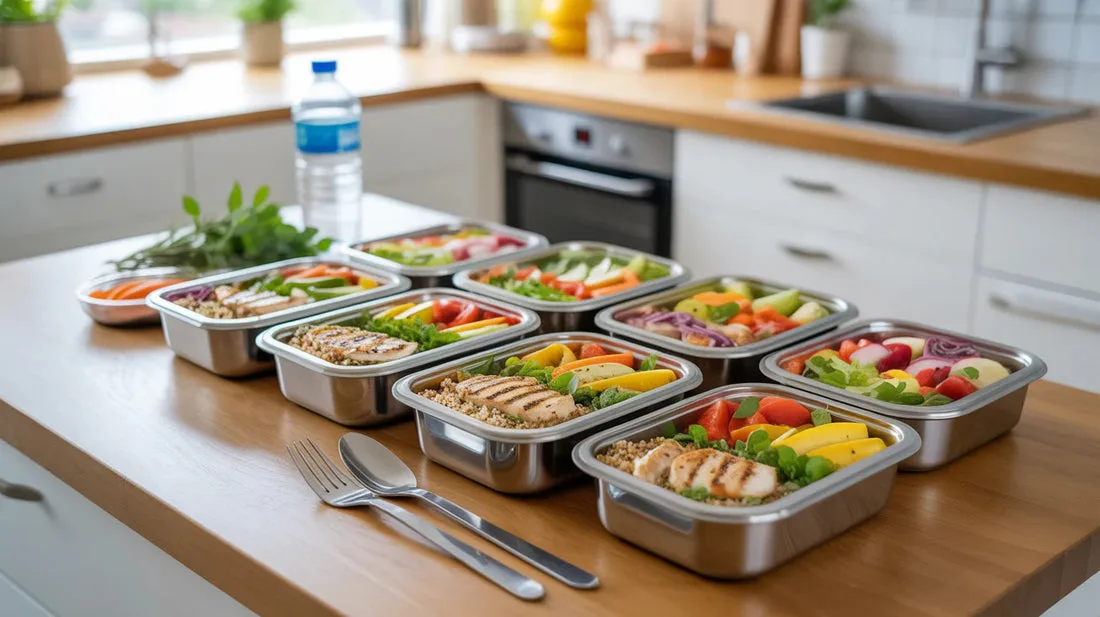
Meal Prep Ideas for Busy People: Because Takeout Every Night Isn’t a Sustainable Plan
Let’s be real, life in 2026 moves at the speed of a TikTok scroll. Between work deadlines, gym sessions (or the guilt of skipping them), social obligations, and that ever-growing pile of laundry you swear you’ll tackle “this weekend,” cooking a fresh meal every night feels like climbing Everest in flip-flops. I get it. I’ve been there, staring into my fridge at 8 PM, realizing the only “ingredients” I have are a sad lime, a half-empty jar of salsa, and the crushing weight of my own poor life choices. That’s when I discovered the magic of meal prep, and let me tell you, it’s been a game-changer.
Now, before you roll your eyes and think, “Ugh, meal prep is just for fitness influencers with six-pack abs,” hear me out. This isn’t about eating steamed chicken and broccoli for every meal (unless that’s your thing, no judgment). It’s about working smarter, not harder. It’s about reclaiming your time, your money, and, dare I say, your dignity when you’re too tired to even think about cooking. And yes, it’s totally possible to meal prep in a way that’s flexible, flavorful, and actually enjoyable. I’ve spent the last few years refining my approach, and I’m here to share what I’ve learned, including the mistakes I’ve made (so you don’t have to).
By the end of this article, you’ll walk away with:
- A clear roadmap for meal prepping on a budget without sacrificing taste or nutrition.
- Time-saving strategies to cut your weekly cooking time in half (or more).
- Ideas for batch cooking, freezer-friendly meals, and no-cook options that keep things interesting.
- Tips for avoiding the dreaded “meal prep burnout” (because no one wants to eat the same sad salad for five days straight).
- How to repurpose leftovers so nothing goes to waste, and your meals feel fresh every time.
Sound good? Let’s dive in. And if you’re skeptical, that’s fine, I was too. But trust me, your future self (the one who isn’t stress-eating cold cereal at midnight) will thank you.
The Psychology of Meal Prep: Why We Resist It (And Why We Shouldn’t)
It’s Not Just About the Food
Here’s the thing about meal prep: it’s not really about the food. Okay, that’s not entirely true, it is about the food, but the real barrier isn’t the cooking. It’s the mental load. We resist meal prep because it feels like one more thing on our to-do list, and let’s be honest, our to-do lists are already longer than a CVS receipt. The idea of spending a Sunday afternoon chopping vegetables and portioning out meals can feel like a chore, especially when there are a million other things we’d rather be doing (like binge-watching that new show everyone’s talking about or finally organizing our sock drawer).
But here’s the kicker: meal prep isn’t just another task. It’s an investment. Think of it like this, would you rather spend 2 hours on Sunday prepping meals, or spend 20 minutes every night cooking (and another 10 minutes cleaning up) while you’re already exhausted? For me, the answer was obvious. Those 2 hours on Sunday save me 10+ hours during the week, not to mention the mental energy I’d otherwise spend debating whether to order takeout (again).
And let’s talk about money. I did the math once (yes, I’m that guy), and I was spending an average of $15–$20 per takeout meal. That’s $75–$100 a week if I ordered out just five times. Meanwhile, a week’s worth of meal-prepped lunches and dinners cost me about $40–$50. That’s a 50% savings, and that money adds up fast. In a year, that’s the difference between a nice vacation and… well, a lot of sad takeout containers in my recycling bin.
So why do we still resist it? I think it’s because meal prep forces us to confront something we’d rather ignore: our lack of time and energy. It’s easier to tell ourselves, “I’ll just grab something quick,” than to admit that we’re stretched too thin. But here’s the truth, meal prep isn’t about perfection. It’s about giving yourself a break. It’s about making life a little easier, one pre-portioned container at a time.
Reframing Meal Prep: It’s Not a Diet, It’s a Lifestyle Hack
One of the biggest misconceptions about meal prep is that it’s only for people who are “serious” about fitness or weight loss. I used to think that too. I’d see those Instagram posts with perfectly arranged meal prep containers, grilled chicken, quinoa, steamed veggies, all in neat little rows, and I’d think, “That’s not for me. I just want to eat food that tastes good and not spend my entire paycheck on DoorDash.”
But here’s the thing: meal prep isn’t a diet. It’s a tool. And like any tool, you can use it however you want. You don’t have to eat “clean” or count macros or follow any specific rules. You can meal prep pasta, burritos, stir-fries, soups, or even desserts. The goal isn’t to restrict yourself, it’s to set yourself up for success so you’re not making food decisions when you’re hungry, tired, or hangry.
I like to think of meal prep as adulting on autopilot. It’s the equivalent of setting up automatic bill payments so you don’t have to think about it. When your meals are already prepped, you’re not wasting time or brainpower deciding what to eat or whether to cook. You just heat and eat. And that mental space? It’s priceless.
So how do you make meal prep work for you? Start small. Really small. Maybe it’s just prepping lunches for the week, or maybe it’s making a big batch of soup to freeze for later. The key is to start with what feels manageable and build from there. And if you mess up? That’s fine. Meal prep isn’t all-or-nothing. Even prepping one or two meals a week is better than nothing.
The Ultimate Meal Prep Toolkit: What You Actually Need (And What You Don’t)
Kitchen Essentials: The Non-Negotiables
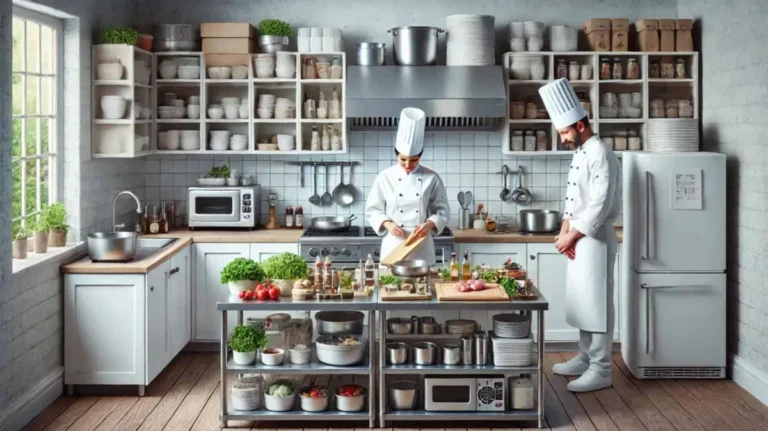
Before you dive into meal prep, let’s talk about the tools of the trade. You don’t need a fancy kitchen or a drawer full of gadgets to meal prep effectively, but there are a few essential items that will make your life a whole lot easier. Here’s what I consider non-negotiable:
- Good-quality food storage containers: This is the backbone of meal prep. You want containers that are leak-proof, microwave-safe, and stackable. Glass containers are my personal favorite, they’re durable, eco-friendly, and don’t stain or retain odors like plastic can. But if you’re on a budget, BPA-free plastic containers work too. Just make sure they’re the right size for your portions. I like a mix of sizes: small containers for snacks or dressings, medium for lunches, and large for family dinners or batch cooking.
- A sharp chef’s knife and cutting board: If you’re going to be chopping a lot of vegetables (and you will be), a good knife is worth its weight in gold. A dull knife is not only frustrating to use, but it’s also more dangerous because it requires more force. Pair it with a sturdy cutting board, wood or plastic, whichever you prefer, and you’re golden. Pro tip: Get a knife sharpener too. A sharp knife makes prep work so much faster.
- A large sheet pan or two: Sheet pans are the unsung heroes of meal prep. You can roast vegetables, bake proteins, or even make one-pan meals. They’re versatile, easy to clean, and they fit nicely in most ovens. I like to line mine with parchment paper for easy cleanup.
- A slow cooker or Instant Pot: These appliances are game-changers for meal prep. A slow cooker lets you “set it and forget it,” while an Instant Pot can pressure cook, slow cook, sauté, and even make yogurt. I use mine at least twice a week for soups, stews, and batch cooking proteins. If you don’t have one yet, I highly recommend investing in one, it’ll pay for itself in time and money saved.
- Mixing bowls in various sizes: You’ll need these for everything from tossing salads to marinating proteins to mixing up dressings. I like having at least three sizes on hand: small (for dressings or sauces), medium (for mixing ingredients), and large (for big batches of food).
- Measuring cups and spoons: Even if you’re not following a recipe to the letter, measuring ingredients ensures consistency, especially when you’re batch cooking. I keep a set of both dry and liquid measuring cups in my kitchen for easy access.
Now, let’s talk about what you don’teed. You don’t need a food processor (a knife works just fine for most chopping tasks), a spiralizer (unless you’re really into zoodles), or a fancy sous vide machine. You also don’t need to buy every “meal prep gadget” that pops up on your Instagram feed. Stick to the basics, and you’ll be just fine.
Grocery Shopping Like a Pro: How to Stock Your Pantry for Success
One of the biggest mistakes I see people make with meal prep is not having the right ingredients on hand. There’s nothing worse than getting halfway through a recipe and realizing you’re missing a key ingredient. To avoid this, I like to keep my pantry, fridge, and freezer stocked with meal prep staples. Here’s what I always have on hand:
- Pantry Staples:
- Grains: Rice (white, brown, jasmine), quinoa, couscous, pasta, oats.
- Canned goods: Black beans, chickpeas, lentils, diced tomatoes, coconut milk, tuna, chicken broth.
- Oils and vinegars: Olive oil, sesame oil, balsamic vinegar, apple cider vinegar, soy sauce.
- Spices and seasonings: Salt, pepper, garlic powder, onion powder, paprika, cumin, chili powder, Italian seasoning, cinnamon, nutmeg.
- Nuts and seeds: Almonds, walnuts, chia seeds, flaxseeds, peanut butter.
- Other: Honey, maple syrup, hot sauce, mustard, mayonnaise, breadcrumbs.
- Fridge Staples:
- Proteins: Chicken breasts, ground turkey, eggs, Greek yogurt, tofu, tempeh.
- Vegetables: Spinach, kale, bell peppers, carrots, cucumbers, zucchini, onions, garlic, broccoli, cauliflower.
- Fruits: Apples, bananas, berries, oranges, lemons, limes.
- Dairy: Milk (or a dairy-free alternative), cheese (cheddar, feta, parmesan), butter.
- Other: Hummus, tortillas, whole wheat bread, pita bread.
- Freezer Staples:
- Proteins: Ground beef, shrimp, salmon, chicken thighs, turkey burgers.
- Vegetables: Frozen spinach, peas, corn, mixed vegetables, edamame.
- Fruits: Berries, mango, pineapple (great for smoothies).
- Other: Frozen pizza dough, pre-cooked grains (like rice or quinoa), homemade soups or stews.
Having these staples on hand means you can throw together a meal with whatever you have, even if you haven’t planned ahead. For example, if I have rice, canned black beans, and frozen corn, I can make a quick burrito bowl. If I have pasta, canned tomatoes, and ground turkey, I can whip up a simple Bolognese. The key is to keep it simple and versatile.
When it comes to grocery shopping, I like to plan my meals for the week before I go to the store. That way, I’m not wandering the aisles aimlessly, throwing random items into my cart. I also try to shop the sales-if chicken is on sale, I’ll buy extra and freeze it for later. And don’t forget to check your pantry before you go. There’s nothing worse than buying something you already have (guilty as charged).
Meal Prep Strategies: How to Save Time Without Losing Your Mind
Batch Cooking: The Art of Making a Lot of Food at Once
Batch cooking is the cornerstone of meal prep. The idea is simple: cook a large quantity of food at once, then portion it out for the week. This could mean making a big pot of soup, roasting a tray of vegetables, or cooking a whole chicken. The goal is to minimize the time you spend cooking during the week while maximizing the amount of food you have on hand.
Here’s how I approach batch cooking:
- Pick 1–2 proteins to cook in bulk. For example, I might bake a tray of chicken breasts and cook a pound of ground turkey. These can be used in a variety of meals throughout the week, salads, wraps, stir-fries, you name it.
- Choose 2–3 grains or starches. Rice, quinoa, pasta, and sweet potatoes are all great options. I like to cook a big batch of rice and quinoa at the beginning of the week, they keep well in the fridge and can be used in multiple meals.
- Roast a big tray of vegetables. Roasting vegetables is one of the easiest ways to meal prep. Toss them in olive oil, salt, and pepper, then roast at 400°F (200°C) for 20–30 minutes. I like to mix it up, broccoli, bell peppers, zucchini, carrots, and Brussels sprouts are all great options. Roasted vegetables can be added to salads, wraps, grain bowls, or eaten as a side dish.
- Make a big pot of soup or stew. Soups and stews are perfect for batch cooking because they taste even better the next day. Plus, they freeze well, so you can make a big batch and save some for later. Some of my favorites include chili, lentil soup, and chicken noodle soup.
- Prep sauces and dressings. Having a few sauces or dressings on hand can make a world of difference. A simple vinaigrette, a creamy dressing, or a homemade marinade can turn a boring meal into something delicious. I like to make a big batch of dressing at the beginning of the week and store it in a jar in the fridge.
Batch cooking doesn’t have to be complicated. Start with one or two items, and build from there. The key is to keep it simple and focus on foods that can be used in multiple ways. For example, if you cook a big batch of quinoa, you can use it in salads, grain bowls, or as a side dish. If you roast a tray of vegetables, you can add them to wraps, pasta, or omelets.
And here’s a pro tip: use your freezer. If you make a big batch of something and know you won’t eat it all within a few days, freeze it. Soups, stews, and cooked proteins all freeze well. Just make sure to label everything with the date so you know what’s what.
The Power of the Freezer: Your Secret Weapon for Meal Prep
I used to underestimate the power of the freezer. I’d see those sad, freezer-burned meals in my parents’ freezer and think, “No way am I eating that.” But then I realized something: freezing food doesn’t have to mean sacrificing quality. In fact, the freezer can be your best friend when it comes to meal prep. It allows you to cook in bulk, save leftovers, and have a stash of ready-to-eat meals on hand for those days when you just can’t even.
Here’s how I use my freezer for meal prep:
- Freeze cooked proteins: Cook a big batch of chicken, ground turkey, or beef, then portion it out and freeze it. When you’re ready to use it, just thaw it in the fridge overnight or microwave it. This is a lifesaver for quick meals like tacos, stir-fries, or pasta dishes.
- Freeze soups and stews: Soups and stews freeze beautifully. I like to make a big pot of chili or lentil soup, then portion it out into freezer-safe containers. When I’m ready to eat, I just thaw it in the fridge or heat it up on the stove. It’s like having homemade takeout at your fingertips.
- Freeze pre-portioned smoothie packs: Smoothies are a great breakfast or snack option, but they can be time-consuming to make in the morning. To save time, I like to prep smoothie packs, just add frozen fruit, spinach, and any other add-ins (like chia seeds or protein powder) to a freezer bag. When I’m ready to make a smoothie, I just dump the contents of the bag into the blender, add liquid, and blend. Easy peasy.
- Freeze cooked grains: Rice, quinoa, and other grains freeze well and can be reheated in the microwave. I like to cook a big batch of rice or quinoa, then portion it out into freezer-safe containers. When I’m ready to use it, I just thaw it in the fridge or microwave it.
- Freeze homemade sauces and dressings: If you make a big batch of sauce or dressing, freeze the leftovers in ice cube trays. Once they’re frozen, transfer the cubes to a freezer bag. When you need a small amount of sauce or dressing, just grab a cube or two and thaw it in the fridge.
- Freeze pre-made meals: If you’re really short on time, you can freeze entire meals. Lasagna, casseroles, and burritos all freeze well. Just make sure to wrap them tightly in foil or plastic wrap, then store them in a freezer-safe container. When you’re ready to eat, just thaw them in the fridge and reheat them in the oven or microwave.
Freezing food is a great way to reduce waste and save money. If you have leftovers that you know you won’t eat within a few days, freeze them. If you find a great deal on meat or produce, buy extra and freeze it. And if you’re feeling ambitious, you can even freeze pre-made meals for those days when you just don’t have the energy to cook.
Just remember: label everything. There’s nothing worse than digging through your freezer and finding a mystery container of… something. Use masking tape and a marker to label your containers with the contents and the date. Trust me, future you will thank you.
Meal Prep Ideas That Actually Taste Good (No Sad Salads Here)
Breakfast: Because Starting the Day Hungry Is a Crime
Let’s talk about breakfast. It’s the most important meal of the day, right? At least, that’s what we’ve been told. But let’s be real, most of us are lucky if we have time to chug a cup of coffee before running out the door. That’s where meal prep breakfasts come in. The key is to prep something that’s quick, portable, and filling. Here are some of my favorite ideas:
- Overnight oats: This is one of the easiest meal prep breakfasts out there. Just mix oats, milk (or a dairy-free alternative), chia seeds, and your favorite toppings (like fruit, nuts, or honey) in a jar, then let it sit in the fridge overnight. In the morning, you’ll have a creamy, delicious breakfast ready to go. You can customize it however you like, add cocoa powder for chocolate oats, peanut butter for a PB&J vibe, or berries for a fruity twist.
- Egg muffins: These are like mini frittatas, and they’re perfect for meal prep. Whisk eggs with your favorite mix-ins (like spinach, cheese, bell peppers, or bacon), then pour the mixture into a greased muffin tin. Bake at 350°F (175°C) for 20–25 minutes, then let them cool and store them in the fridge. In the morning, just grab one or two and heat them up in the microwave. They’re great for a quick, protein-packed breakfast.
- Breakfast burritos: These are a game-changer. Scramble some eggs, cook some sausage or bacon, add cheese and your favorite veggies, then wrap everything up in a tortilla. You can eat them right away or freeze them for later. If you freeze them, wrap each burrito in foil and store them in a freezer bag. When you’re ready to eat, just thaw them in the fridge overnight or microwave them for a few minutes.
- Chia pudding: Chia pudding is like overnight oats’ sophisticated cousin. Mix chia seeds with milk (or a dairy-free alternative), a sweetener (like honey or maple syrup), and any flavorings (like vanilla or cocoa powder). Let it sit in the fridge overnight, and in the morning, you’ll have a creamy, pudding-like breakfast. Top it with fruit, nuts, or granola for extra flavor and texture.
- Smoothie packs: As I mentioned earlier, smoothie packs are a great way to save time in the morning. Just add frozen fruit, spinach, and any other add-ins (like protein powder or chia seeds) to a freezer bag. When you’re ready to make a smoothie, just dump the contents of the bag into the blender, add liquid, and blend. It’s that easy.
Breakfast doesn’t have to be complicated. The key is to pick something that you’ll actually enjoy eating. If you hate oatmeal, don’t prep overnight oats. If you’re not a fan of eggs, skip the egg muffins. The goal is to make your mornings easier, not more miserable.
Lunch: The Midday Meal That Deserves More Love
Lunch is tricky. It’s the meal that’s most likely to get skipped or replaced with a sad desk salad (or worse, a vending machine snack). But it doesn’t have to be that way. With a little planning, you can have delicious, satisfying lunches that don’t require a lot of effort. Here are some of my favorite meal prep lunch ideas:
- Grain bowls: Grain bowls are one of the easiest and most versatile lunch options. Start with a base of grains (like rice, quinoa, or farro), then add a protein (like chicken, tofu, or beans), some veggies (like roasted sweet potatoes, steamed broccoli, or fresh greens), and a sauce or dressing. You can mix and match ingredients to keep things interesting. For example, one week you might do a Mediterranean bowl with quinoa, grilled chicken, cucumbers, olives, and tzatziki. The next week, you could do a Mexican bowl with rice, black beans, corn, avocado, and salsa.
- Wraps or sandwiches: Wraps and sandwiches are great for meal prep because they’re portable and easy to customize. The key is to keep the ingredients separate until you’re ready to eat to prevent sogginess. For example, if you’re making a turkey and cheese wrap, store the turkey, cheese, and veggies in one container and the tortilla in another. When you’re ready to eat, just assemble the wrap. You can also prep the ingredients ahead of time and assemble the wraps the night before.
- Salads in a jar: Salads in a jar are a great way to keep your greens fresh and crisp. The key is to layer the ingredients properly. Start with the dressing at the bottom, then add hearty ingredients like grains or proteins, followed by veggies, and finally, the greens at the top. When you’re ready to eat, just shake the jar to mix everything together. It’s like a portable salad bar.
- Soups or stews: Soups and stews are perfect for meal prep because they taste even better the next day. Plus, they’re easy to reheat and eat on the go. Some of my favorites include chicken noodle soup, lentil soup, and chili. You can prep a big pot at the beginning of the week and portion it out for lunches. Just make sure to store it in a thermos or a microwave-safe container.
- Pasta salads: Pasta salads are a great option for meal prep because they’re easy to make in bulk and they keep well in the fridge. The key is to use a short pasta shape (like penne or fusilli) and to undercook the pasta slightly so it doesn’t get mushy. Add your favorite mix-ins (like veggies, cheese, or proteins), then toss everything with a dressing. Some of my favorites include Greek pasta salad, Italian pasta salad, and pesto pasta salad.
Lunch doesn’t have to be boring. The key is to mix and match ingredients to keep things interesting. If you’re eating the same thing every day, you’re going to get bored. But if you have a few different options to choose from, you’ll look forward to lunch instead of dreading it.
Dinner: Because You Deserve More Than Microwave Meals
Dinner is where meal prep can really shine. It’s the meal that’s most likely to get derailed by a long day at work, a last-minute social obligation, or just sheer exhaustion. But with a little planning, you can have delicious, home-cooked dinners ready to go, even on your busiest nights. Here are some of my favorite meal prep dinner ideas:
- One-pan meals: One-pan meals are a lifesaver. They’re easy to make, require minimal cleanup, and they’re perfect for meal prep. The idea is simple: cook everything on one sheet pan or in one skillet. Some of my favorites include sheet pan fajitas, one-pan lemon garlic chicken and veggies, and skillet lasagna. The best part? You can prep the ingredients ahead of time and store them in the fridge until you’re ready to cook.
- Slow cooker or Instant Pot meals: As I mentioned earlier, a slow cooker or Instant Pot is a game-changer for meal prep. You can prep the ingredients ahead of time, then dump everything into the pot and let it cook while you’re at work. Some of my favorites include pulled chicken, beef stew, and chili. The best part? Most slow cooker and Instant Pot meals taste even better the next day, so you can prep a big batch and eat it for dinner and lunch the next day.
- Casseroles: Casseroles are perfect for meal prep because they’re easy to make in bulk and they freeze well. Some of my favorites include chicken and rice casserole, taco casserole, and shepherd’s pie. You can prep the casserole ahead of time and store it in the fridge until you’re ready to bake it. Or, you can bake it ahead of time and portion it out for the week.
- Stir-fries: Stir-fries are quick, easy, and customizable. You can use whatever proteins and veggies you have on hand, and they’re perfect for using up leftovers. The key is to prep the ingredients ahead of time so you can just dump everything into the pan and cook. Some of my favorites include teriyaki chicken stir-fry, beef and broccoli stir-fry, and tofu and veggie stir-fry.
- Freezer meals: Freezer meals are a great option for those nights when you just don’t have the energy to cook. The idea is simple: prep the ingredients ahead of time, then freeze them. When you’re ready to eat, just thaw the meal in the fridge and cook it. Some of my favorites include freezer-friendly burritos, lasagna, and meatballs. You can also prep freezer-friendly soups or stews.
Dinner doesn’t have to be complicated. The key is to pick recipes that are easy to make in bulk and that reheat well. If you’re short on time, focus on one-pan meals or slow cooker/Instant Pot meals. If you’re feeling ambitious, you can prep freezer meals for those nights when you just can’t even.
How to Avoid Meal Prep Burnout (Because No One Wants to Eat the Same Thing Forever)
Variety Is the Spice of Life (And Meal Prep)
Let’s be honest, meal prep can get boring. Eating the same thing day after day is a surefire way to make you dread your meals. But it doesn’t have to be that way. The key to avoiding meal prep burnout is variety. And I don’t just mean variety in the types of food you eat, I mean variety in the flavors, textures, and cooking methods you use.
Here’s how I keep my meal prep interesting:
- Mix up your proteins: If you’re eating chicken every day, it’s no wonder you’re bored. Try mixing it up with different proteins like beef, pork, fish, tofu, or beans. You can also experiment with different cooking methods, grill, bake, slow cook, or air fry. For example, one week you might grill chicken, the next week you might bake salmon, and the following week you might slow cook pulled pork.
- Try different grains: Rice is great, but it’s not the only grain out there. Try mixing it up with quinoa, farro, couscous, or barley. Each grain has a different texture and flavor, so switching it up can make a big difference. For example, quinoa is light and fluffy, while farro is chewy and nutty. Couscous is quick and easy, while barley is hearty and filling.
- Experiment with different cuisines: If you’re always eating the same types of food, it’s no wonder you’re bored. Try experimenting with different cuisines to keep things interesting. For example, one week you might do Mexican-inspired meals, the next week you might do Italian, and the following week you might do Asian. Each cuisine has its own unique flavors and ingredients, so switching it up can make a big difference.
- Play with different cooking methods: If you’re always baking or sautéing your food, try grilling, roasting, or slow cooking. Each cooking method brings out different flavors and textures in your food. For example, grilling adds a smoky flavor, while roasting brings out the natural sweetness of vegetables. Slow cooking makes meat tender and juicy, while air frying gives food a crispy texture.
- Use different sauces and dressings: A good sauce or dressing can transform a boring meal into something delicious. Try experimenting with different sauces and dressings to keep things interesting. For example, one week you might use a creamy ranch dressing, the next week you might use a tangy vinaigrette, and the following week you might use a spicy peanut sauce. You can also make your own sauces and dressings at home, it’s easier than you think!
Variety is the key to avoiding meal prep burnout. The more you mix it up, the more you’ll look forward to your meals. And if you’re feeling really ambitious, you can even try theme nights. For example, you might do Taco Tuesday, Stir-Fry Friday, or Soup Sunday. It’s a fun way to keep things interesting and make meal prep feel less like a chore.
Repurposing Leftovers: The Art of Making Old Food Feel New Again
One of the biggest challenges of meal prep is figuring out what to do with leftovers. No one wants to eat the same thing for five days straight, but throwing out food feels like a waste. The solution? Repurpose your leftovers. With a little creativity, you can turn yesterday’s dinner into today’s lunch or tomorrow’s dinner. Here’s how:
- Turn roasted vegetables into soup: If you have leftover roasted vegetables, you can turn them into a delicious soup. Just blend the vegetables with some broth, then heat it up on the stove. You can also add some cream or coconut milk for extra richness. For example, if you have leftover roasted butternut squash, you can blend it with some chicken broth and a splash of cream to make a creamy butternut squash soup.
- Use cooked proteins in salads or wraps: If you have leftover cooked chicken, beef, or tofu, you can use it in salads or wraps. For example, if you have leftover grilled chicken, you can shred it and use it in a chicken Caesar salad or a chicken wrap. If you have leftover beef, you can slice it and use it in a steak salad or a beef burrito.
- Turn cooked grains into fried rice or grain bowls: If you have leftover rice, quinoa, or other grains, you can turn them into fried rice or grain bowls. For example, if you have leftover rice, you can stir-fry it with some veggies, eggs, and soy sauce to make fried rice. If you have leftover quinoa, you can use it in a grain bowl with some roasted vegetables, protein, and dressing.
- Use leftover soups or stews as a sauce: If you have leftover soup or stew, you can use it as a sauce for pasta or rice. For example, if you have leftover chili, you can serve it over rice or pasta for a quick and easy meal. If you have leftover tomato soup, you can use it as a sauce for grilled cheese or pasta.
- Turn leftover pasta into a pasta salad: If you have leftover pasta, you can turn it into a pasta salad. Just add some veggies, cheese, and dressing, then toss everything together. For example, if you have leftover spaghetti, you can turn it into a Greek pasta salad with cucumbers, tomatoes, olives, and feta cheese.
Repurposing leftovers is a great way to reduce waste and save money. It’s also a great way to keep your meals interesting. The key is to think creatively and experiment with different flavors and textures. If you’re not sure what to do with your leftovers, just ask yourself: “What can I add to this to make it taste different?” Sometimes, all it takes is a new sauce or a different cooking method to make old food feel new again.
Meal Prep on a Budget: How to Save Money Without Sacrificing Quality
Shop Smart: The Art of Grocery Shopping on a Budget
Meal prep doesn’t have to break the bank. In fact, it can save you money if you do it right. The key is to shop smart. Here’s how I save money on groceries while still eating delicious, nutritious meals:
- Plan your meals before you shop: This is the most important step. If you go to the grocery store without a plan, you’re more likely to buy things you don’t need. Before you go, take a few minutes to plan your meals for the week. Think about what you already have in your pantry, fridge, and freezer, and make a list of what you need to buy. Stick to the list, and avoid impulse buys.
- Shop the sales: Most grocery stores have weekly sales, and these can be a great way to save money. Before you go shopping, check the store’s weekly ad to see what’s on sale. If chicken is on sale, buy extra and freeze it. If canned goods are on sale, stock up. Just make sure you’re only buying things you’ll actually use.
- Buy in bulk: Buying in bulk can save you money, especially on non-perishable items like rice, pasta, and canned goods. Just make sure you have enough storage space, and that you’ll actually use what you buy. If you’re not sure, start small, buy a few bulk items and see how it goes.
- Choose store brands: Store brands are often just as good as name brands, but they’re usually cheaper. Don’t be afraid to try them, you might be surprised by how good they are. If you’re not sure, start with a few items and see how you like them.
- Buy frozen or canned produce: Fresh produce is great, but it can be expensive, especially if it’s out of season. Frozen and canned produce are often just as nutritious, and they’re usually cheaper. Plus, they last longer, so you’re less likely to waste them. Just make sure to choose frozen or canned produce without added sugar or salt.
- Use coupons and cashback apps: Coupons and cashback apps can help you save money on groceries. Check your local newspaper or the store’s website for coupons, and download cashback apps like Ibotta, Rakuten, or Fetch Rewards. Just make sure you’re only using coupons for things you actually need.
- Shop at discount grocery stores: Discount grocery stores like Aldi, Lidl, or Trader Joe’s can be a great way to save money. They often have lower prices than traditional grocery stores, and they carry a good selection of high-quality products. Just make sure to compare prices, sometimes, the “discount” store isn’t actually cheaper.
Shopping smart is the key to saving money on groceries. The more you plan ahead, the more you’ll save. And remember, it’s okay to start small. Even saving a few dollars here and there adds up over time.
Cook Once, Eat Twice (or Thrice): The Power of Leftovers
One of the best ways to save money on meal prep is to cook once and eat multiple times. This could mean making a big batch of soup and eating it for lunch and dinner, or cooking a whole chicken and using the leftovers in salads, wraps, and soups. The key is to plan ahead and think about how you can repurpose your leftovers.
Here are some of my favorite ways to cook once and eat multiple times:
- Make a big pot of soup or stew: Soups and stews are perfect for meal prep because they taste even better the next day. Plus, they’re easy to reheat and eat on the go. Some of my favorites include chili, lentil soup, and chicken noodle soup. You can prep a big pot at the beginning of the week and portion it out for lunches and dinners.
- Cook a whole chicken or turkey: Cooking a whole chicken or turkey is a great way to save money and time. You can use the meat in a variety of meals throughout the week, salads, wraps, soups, you name it. Plus, you can use the bones to make homemade broth, which is a great way to reduce waste and save money.
- Make a big batch of grains: Grains like rice, quinoa, and pasta are cheap and versatile. You can use them in a variety of meals throughout the week, grain bowls, stir-fries, salads, you name it. Plus, they keep well in the fridge, so you can prep a big batch at the beginning of the week and use it as needed.
- Roast a big tray of vegetables: Roasting vegetables is one of the easiest ways to meal prep. Toss them in olive oil, salt, and pepper, then roast at 400°F (200°C) for 20–30 minutes. You can use the roasted vegetables in a variety of meals throughout the week, salads, wraps, grain bowls, you name it.
- Make a big batch of sauce or dressing: Having a few sauces or dressings on hand can make a world of difference. A simple vinaigrette, a creamy dressing, or a homemade marinade can turn a boring meal into something delicious. You can use the sauces and dressings in a variety of meals throughout the week, salads, wraps, grain bowls, you name it.
Cooking once and eating multiple times is a great way to save time and money. The key is to plan ahead and think about how you can repurpose your leftovers. If you’re not sure what to do with your leftovers, just ask yourself: “What can I add to this to make it taste different?” Sometimes, all it takes is a new sauce or a different cooking method to make old food feel new again.
Putting It All Together: A Step-by-Step Meal Prep Plan
Step 1: Plan Your Meals for the Week
The first step in meal prep is to plan your meals for the week. This doesn’t have to be complicated, just take a few minutes to think about what you want to eat for breakfast, lunch, and dinner. Here’s how I do it:
- Check your calendar: Before you plan your meals, check your calendar to see what your week looks like. Do you have any social obligations? Any late nights at work? Any days when you’ll be too tired to cook? Plan your meals accordingly. For example, if you know you’ll be too tired to cook on Wednesday, plan to eat leftovers or a freezer meal.
- Think about what you already have: Before you go grocery shopping, take a look at what you already have in your pantry, fridge, and freezer. What ingredients do you need to use up? What can you repurpose into new meals? For example, if you have leftover chicken, you can use it in a salad or a wrap. If you have leftover rice, you can use it in a stir-fry or a grain bowl.
- Choose your recipes: Once you know what you already have, choose your recipes for the week. I like to pick 2–3 breakfast options, 2–3 lunch options, and 2–3 dinner options. This gives me enough variety to keep things interesting, but not so much that I feel overwhelmed. I also like to choose recipes that use similar ingredients, so I can minimize waste and save money.
- Make a grocery list: Once you’ve chosen your recipes, make a grocery list. I like to organize my list by section of the store, produce, meat, dairy, pantry, etc. This makes it easier to shop and ensures I don’t forget anything. I also like to check the store’s weekly ad to see what’s on sale, and adjust my list accordingly.
Planning your meals for the week doesn’t have to be complicated. The key is to keep it simple and focus on what you already have. The more you plan ahead, the easier meal prep will be.
Step 2: Grocery Shop Like a Pro
Once you’ve planned your meals for the week, it’s time to go grocery shopping. Here’s how I do it:
- Stick to your list: The most important rule of grocery shopping is to stick to your list. It’s easy to get distracted by sales or impulse buys, but these can add up quickly. If you see something that’s not on your list, ask yourself: “Do I really need this?” If the answer is no, put it back.
- Shop the perimeter of the store: The perimeter of the store is where you’ll find the freshest, most nutritious foods, produce, meat, dairy, etc. The middle aisles are where you’ll find the processed, packaged foods. Try to spend most of your time on the perimeter of the store, and only venture into the middle aisles for specific items on your list.
- Choose the right produce: When you’re shopping for produce, choose items that are in season and on sale. In-season produce is usually cheaper and tastier. Also, look for produce that’s firm, fresh, and free of bruises or blemishes. If you’re not sure how to pick the best produce, ask a store employee, they’re usually happy to help.
- Check the labels: When you’re shopping for packaged foods, check the labels for added sugar, salt, and preservatives. Try to choose foods that are as close to their natural state as possible. For example, choose plain oats instead of flavored oats, and plain yogurt instead of flavored yogurt. You can always add your own flavorings at home.
- Buy in bulk (when it makes sense): Buying in bulk can save you money, especially on non-perishable items like rice, pasta, and canned goods. Just make sure you have enough storage space, and that you’ll actually use what you buy. If you’re not sure, start small, buy a few bulk items and see how it goes.
Grocery shopping doesn’t have to be stressful. The key is to stick to your list and focus on fresh, whole foods. The more you shop smart, the more you’ll save.
Step 3: Prep Your Ingredients
Once you’ve done your grocery shopping, it’s time to prep your ingredients. This is where the magic happens. Here’s how I do it:
- Wash and chop your produce: The first step in prepping your ingredients is to wash and chop your produce. This might seem like a lot of work, but it’s worth it. Having pre-chopped veggies on hand makes it easy to throw together a meal in minutes. I like to chop my veggies into bite-sized pieces, so they’re ready to use in salads, stir-fries, or roasted veggie dishes.
- Cook your proteins: The next step is to cook your proteins. I like to cook 1–2 proteins in bulk, so I have them on hand for the week. For example, I might bake a tray of chicken breasts and cook a pound of ground turkey. These can be used in a variety of meals throughout the week, salads, wraps, stir-fries, you name it.
- Cook your grains: Grains like rice, quinoa, and pasta are cheap and versatile. I like to cook a big batch of grains at the beginning of the week, so I have them on hand for the week. You can use them in a variety of meals, grain bowls, stir-fries, salads, you name it.
- Roast your vegetables: Roasting vegetables is one of the easiest ways to meal prep. Toss them in olive oil, salt, and pepper, then roast at 400°F (200°C) for 20–30 minutes. You can use the roasted vegetables in a variety of meals throughout the week, salads, wraps, grain bowls, you name it.
- Make your sauces and dressings: Having a few sauces or dressings on hand can make a world of difference. A simple vinaigrette, a creamy dressing, or a homemade marinade can turn a boring meal into something delicious. I like to make a big batch of dressing at the beginning of the week and store it in a jar in the fridge.
Prepping your ingredients doesn’t have to be complicated. The key is to focus on what you’ll actually use. If you’re not sure what to prep, start with the basics, proteins, grains, and veggies. The more you prep, the easier meal prep will be.
Step 4: Assemble Your Meals
Once you’ve prepped your ingredients, it’s time to assemble your meals. This is where you put everything together and portion it out for the week. Here’s how I do it:
- Choose your containers: The first step in assembling your meals is to choose your containers. I like to use a mix of sizes, small containers for snacks or dressings, medium for lunches, and large for family dinners or batch cooking. Make sure your containers are leak-proof, microwave-safe, and stackable.
- Portion out your meals: Once you’ve chosen your containers, it’s time to portion out your meals. I like to use a food scale or measuring cups to ensure I’m getting the right portion sizes. This helps me avoid overeating and ensures I have enough food for the week.
- Label your containers: Once you’ve portioned out your meals, label your containers with the contents and the date. This helps you keep track of what you have and ensures you’re eating the oldest meals first. I like to use masking tape and a marker for this.
- Store your meals: Once you’ve labeled your containers, store your meals in the fridge or freezer. I like to store my meals in the fridge for the first few days, then move them to the freezer if I know I won’t eat them within a few days. This helps me avoid waste and ensures I always have something on hand.
Assembling your meals doesn’t have to be complicated. The key is to portion out your meals and store them properly. The more you assemble, the easier meal prep will be.
Step 5: Enjoy Your Meals (And Don’t Forget to Mix It Up!)
The final step in meal prep is to enjoy your meals. This is the whole point, right? But it’s also important to mix it up and keep things interesting. Here’s how I do it:
- Try new recipes: One of the best ways to keep meal prep interesting is to try new recipes. There are tons of meal prep recipes online, so you’re sure to find something you like. I like to try one new recipe a week, it keeps things fresh and exciting.
- Repurpose your leftovers: As I mentioned earlier, repurposing leftovers is a great way to keep your meals interesting. With a little creativity, you can turn yesterday’s dinner into today’s lunch or tomorrow’s dinner. For example, if you have leftover roasted vegetables, you can turn them into a soup. If you have leftover cooked chicken, you can use it in a salad or a wrap.
- Experiment with different cuisines: If you’re always eating the same types of food, it’s no wonder you’re bored. Try experimenting with different cuisines to keep things interesting. For example, one week you might do Mexican-inspired meals, the next week you might do Italian, and the following week you might do Asian. Each cuisine has its own unique flavors and ingredients, so switching it up can make a big difference.
- Play with different cooking methods: If you’re always baking or sautéing your food, try grilling, roasting, or slow cooking. Each cooking method brings out different flavors and textures in your food. For example, grilling adds a smoky flavor, while roasting brings out the natural sweetness of vegetables. Slow cooking makes meat tender and juicy, while air frying gives food a crispy texture.
Enjoying your meals is the whole point of meal prep. The key is to keep things interesting and experiment with new flavors and textures. The more you mix it up, the more you’ll look forward to your meals.
Final Thoughts: Meal Prep Is a Journey, Not a Destination
Let’s be real, meal prep isn’t always easy. There will be weeks when you’re too tired to cook, or when you’d rather order takeout than chop vegetables. There will be days when you open your fridge and think, “Ugh, not this again.” And that’s okay. Meal prep isn’t about perfection. It’s about making life a little easier, one pre-portioned container at a time.
I’ve been meal prepping for years, and I still have weeks where I fall off the wagon. But here’s the thing: even prepping one or two meals a week is better than nothing. Even cooking a big batch of soup and freezing it for later is a win. The key is to start small and build from there. Don’t try to do everything at once. Pick one or two things to focus on, like prepping lunches or making a big batch of soup, and go from there.
And remember, meal prep isn’t just about the food. It’s about reclaiming your time, your money, and your sanity. It’s about giving yourself a break when you’re too tired to cook. It’s about having something delicious and nutritious to eat when you’re too busy to think. It’s about making life a little easier, one meal at a time.
So, what do you say? Are you ready to give meal prep a try? Start small. Pick one or two things to focus on. And don’t forget to have fun with it. Meal prep doesn’t have to be a chore, it can be a creative outlet, a way to experiment with new flavors, and a way to take care of yourself. And who knows? You might just find that you enjoy it.
Now, if you’ll excuse me, I’m off to prep my meals for the week. And yes, I’ll probably eat takeout at least once. But that’s okay, because meal prep isn’t about perfection. It’s about progress.
FAQ: Your Meal Prep Questions, Answered
Q: How long do meal-prepped meals last in the fridge?
A: Most meal-prepped meals will last 3–4 days in the fridge, but this can vary depending on the ingredients. For example, cooked grains like rice and quinoa can last up to 5 days, while cooked proteins like chicken and beef can last 3–4 days. Soups and stews can last up to 5 days, while salads and raw veggies should be eaten within 2–3 days. If you’re not sure, use your best judgment, if it looks or smells off, it’s better to be safe than sorry. And remember, you can always freeze meals if you know you won’t eat them within a few days.
Q: Can I meal prep if I don’t have a lot of time?
A: Absolutely! Meal prep doesn’t have to take a lot of time. Even prepping one or two meals a week can make a big difference. If you’re short on time, focus on quick and easy meals like overnight oats, egg muffins, or grain bowls. You can also use shortcuts like pre-chopped veggies, canned beans, or frozen fruits and vegetables. The key is to start small and build from there. Even 30 minutes of meal prep can save you hours during the week.
Q: What are the best containers for meal prep?
A: The best containers for meal prep are leak-proof, microwave-safe, and stackable. Glass containers are my personal favorite, they’re durable, eco-friendly, and don’t stain or retain odors like plastic can. But if you’re on a budget, BPA-free plastic containers work too. Just make sure they’re the right size for your portions. I like a mix of sizes: small containers for snacks or dressings, medium for lunches, and large for family dinners or batch cooking. And don’t forget to label your containers with the contents and the date, it’ll save you a lot of headaches later.
Q: How do I keep my meals from getting boring?
A: The key to keeping your meals from getting boring is variety. Mix up your proteins, grains, and veggies to keep things interesting. Try different cuisines, cooking methods, and sauces. And don’t forget to repurpose your leftovers, with a little creativity, you can turn yesterday’s dinner into today’s lunch or tomorrow’s dinner. For example, if you have leftover roasted vegetables, you can turn them into a soup. If you have leftover cooked chicken, you can use it in a salad or a wrap. The more you mix it up, the more you’ll look forward to your meals.
@article{meal-prep-ideas-for-busy-people-save-time-money-and-your-sanity-in-2026,
    title   = {Meal Prep Ideas for Busy People: Save Time, Money, and Your Sanity in 2026},
    author  = {Chef's icon},
    year    = {2026},
    journal = {Chef's Icon},
    url     = {https://chefsicon.com/meal-prep-ideas-for-busy-people-saving-time-money/}
}