The Best Fluffy Pancakes recipe you will fall in love with. Full of tips and tricks to help you make the best pancakes.

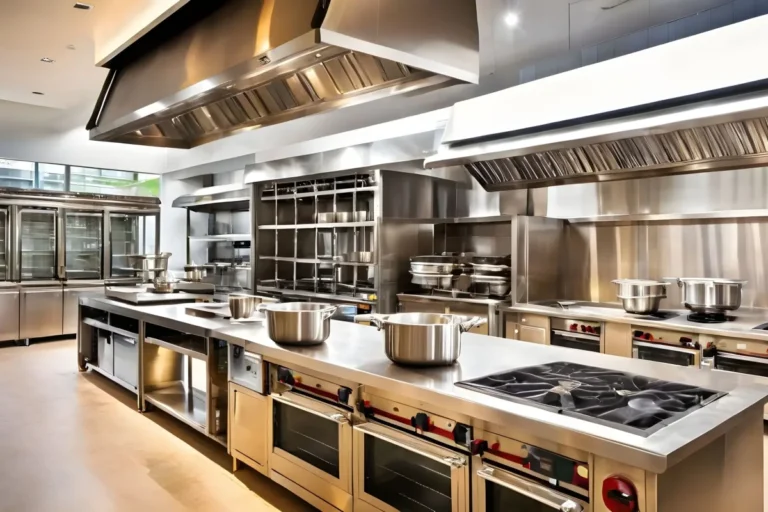
The Ultimate Guide to the Best Commercial Kitchen Equipment for Steak Lovers
Let me tell you something, there’s nothing quite like the sound of a perfectly marbled ribeye hitting a screaming-hot grill. The sizzle, the smoke, the way the fat renders just enough to create that crispy crust while keeping the inside buttery and tender. If you’re running a commercial kitchen where steak is the star, you already know this. But here’s the thing: not all equipment is created equal. A great steak isn’t just about the cut or the chef’s skill, it’s about having the right tools to coax out every ounce of flavor, texture, and drama that beef has to offer.
I remember the first time I walked into a high-end steakhouse in Nashville, the kind where the air smells like charred wood and melted butter. The chef, a guy named Marco who’d been in the game for 30 years, handed me a pair of tongs and said, “If you’re not using the right gear, you’re fighting the meat instead of working with it.” That stuck with me. Over the years, I’ve seen kitchens with top-tier equipment turn out mediocre steaks, and I’ve seen scrappy setups with the right tools produce absolute magic. The difference? Knowing what actually matters, and what’s just marketing fluff.
In this guide, we’re diving deep into the best commercial kitchen equipment for steak lovers. We’re not just talking about the obvious stuff like grills and broilers (though we’ll cover those, too). We’re talking about the unsung heroes, the tools that make the difference between a steak that’s *good* and one that makes customers close their eyes and whisper, “Oh my god.” Whether you’re outfitting a new steakhouse, upgrading your current setup, or just obsessed with perfecting your craft, this is for you. By the end, you’ll know exactly what to invest in, what to skip, and how to make your kitchen a steak-cooking powerhouse.
Oh, and full disclosure: I’m not a chef. I’m a guy who’s eaten a lot of steaks, talked to a lot of chefs, and spent way too much time geeking out over kitchen tech. So if I miss something or get too into the weeds, call me out. Let’s get into it.
The Foundation: Why Equipment Matters More Than You Think
Before we dive into the gear, let’s talk about why this stuff matters. You could have the most expensive, well-marbled Wagyu in the world, but if your equipment can’t handle it, you’re wasting money. Steak is unforgiving. It doesn’t hide flaws, it amplifies them. A grill that doesn’t distribute heat evenly? You’ll end up with a steak that’s burnt on one side and raw on the other. A broiler that can’t get hot enough? Say goodbye to that perfect crust. And don’t even get me started on knives that can’t make a clean cut (more on that later).
But here’s the thing: the best equipment isn’t always the most expensive. It’s the stuff that’s built for the job, fits your workflow, and, this is key, is maintained properly. I’ve seen kitchens drop $50,000 on a fancy grill only to neglect it until it’s caked in grease and barely functional. Meanwhile, a well-cared-for $5,000 grill can outperform it for years. So as we go through this list, keep in mind that the “best” equipment is the one you’ll actually use, clean, and love.
Also, let’s be real: steak isn’t just about the cooking. It’s about the entire experience. The way the meat rests, the way it’s sliced, the way it’s presented, it all matters. That’s why we’re not just focusing on cooking equipment. We’re looking at the whole ecosystem: prep, cooking, holding, slicing, and even plating. Because a great steak is a symphony, and every piece of equipment is an instrument.
Alright, enough philosophy. Let’s get into the gear.
1. The Heart of the Operation: Commercial Grills for Steak
Charcoal vs. Gas vs. Wood-Fired: The Great Debate
If you’re serious about steak, you need a grill. But not just any grill, the right kind of grill. And here’s where things get contentious. Charcoal, gas, or wood-fired? Each has its die-hard fans, and each has its pros and cons. Let’s break it down.
Charcoal Grills: These are the OGs of the steak world. There’s something primal about cooking over charcoal, it’s how humans have been doing it for thousands of years, and for good reason. Charcoal grills give you unmatched flavor thanks to the smoke and the way the heat radiates. They’re also incredibly versatile. You can create hot zones for searing and cooler zones for finishing, which is perfect for thicker cuts. The downside? They’re messy, require more skill to manage, and take longer to heat up. But if you’re going for that classic steakhouse taste, charcoal is hard to beat.
For commercial use, look for heavy-duty charcoal grills with thick steel construction. Brands like Kalamazoo Outdoor Gourmet and Montague make grills that are built to last and can handle high-volume cooking. The Kalamazoo Hybrid Fire Grill is a beast, it combines charcoal, gas, and wood-fired capabilities, so you get the best of all worlds. Is it expensive? Absolutely. But if you’re running a high-end steakhouse, it’s an investment that pays off in flavor and flexibility.
Gas Grills: If you’re running a busy restaurant where speed and consistency matter, gas grills are the way to go. They heat up quickly, are easy to control, and don’t require the same level of babysitting as charcoal. The downside? They don’t impart the same smoky flavor, and some purists argue that the heat isn’t as “natural” as charcoal or wood. That said, modern gas grills have come a long way. Some models, like the Blaze Professional LUX, have infrared burners that can sear a steak just as well as charcoal, if not better. They’re also easier to clean and maintain, which is a huge plus in a commercial setting.
One thing to consider with gas grills is BTU output. You want something with high BTUs (at least 50,000 for commercial use) to get that intense sear. Also, look for grills with even heat distribution. Some cheaper models have hot spots that can ruin a steak. If you’re going gas, don’t skimp on quality.
Wood-Fired Grills: These are the showstoppers. There’s nothing like the flavor of a steak cooked over wood, it’s smoky, complex, and deeply satisfying. Wood-fired grills are also a great way to add theater to your restaurant. Customers love watching the flames dance and the smoke billow. But they’re not for the faint of heart. Wood-fired grills require a lot of skill to manage, and they’re not as consistent as gas or charcoal. You also need to have a good source of hardwood (oak, hickory, and mesquite are popular choices) and a way to store it.
If you’re considering a wood-fired grill, look for models with adjustable grates and good airflow control. The Montague Wood Stone Grill is a fantastic option, it’s built like a tank and can handle everything from delicate filets to massive tomahawks. Just be prepared for a learning curve. Wood-fired cooking is as much an art as it is a science.
So, which one should you choose? It depends on your menu, your volume, and your vibe. If you’re a high-end steakhouse going for that classic, smoky flavor, charcoal or wood-fired is the way to go. If you’re a busy restaurant where speed and consistency matter, gas is your best bet. And if you want the best of both worlds, a hybrid grill like the Kalamazoo might be worth the splurge.
Grill Accessories You Can’t Live Without
A great grill is just the start. To really up your steak game, you need the right accessories. Here are a few must-haves:
- Grill Press: A heavy-duty grill press is essential for getting those perfect grill marks and even cooking. Look for one with a cast iron or stainless steel construction. The Lodge Cast Iron Grill Press is a favorite among chefs, it’s heavy enough to press the steak into the grates without being unwieldy.
- Grill Grates: Not all grates are created equal. Cast iron grates are great for heat retention and searing, but they can be heavy and require seasoning. Stainless steel grates are lighter and easier to clean, but they don’t hold heat as well. Some grills come with porcelain-coated grates, which are a good middle ground. If you’re serious about steak, invest in a set of high-quality cast iron grates-they’ll last forever and give you those perfect sear marks.
- Grill Tools: You need a good set of tongs, a spatula, and a meat fork. But not just any tongs-long, spring-loaded tongs that give you a good grip without crushing the meat. The OXO Good Grips 16-Inch Locking Tongs are a great choice. For spatulas, look for something with a thin, flexible edge that can slide under the steak without tearing it. And for meat forks, avoid the cheap ones that bend, go for stainless steel with a comfortable handle.
- Grill Thermometer: Don’t rely on the built-in thermometer on your grill. They’re often inaccurate. Instead, invest in a high-quality instant-read thermometer like the Thermapen Mk4. It’s fast, accurate, and built to last. You’ll use it for more than just steak, it’s a kitchen essential.
Oh, and one more thing: grill brushes. You need a good one to keep your grates clean. Look for a stainless steel brush with a long handle to keep your hands away from the heat. The Grillaholics Pro Brass Grill Brush is a solid choice, it’s tough on grease but won’t damage your grates.
2. The Searing Secret: Commercial Broilers for That Perfect Crust
Grills are great, but if you’re serious about steak, you need a broiler. Why? Because broilers give you intense, direct heat from above, which is perfect for creating that coveted crust without overcooking the inside. Think of it like a reverse grill, instead of heat coming from below, it’s coming from above, which means you can sear the top of the steak while the bottom cooks more gently.
Broilers are especially useful for thicker cuts like ribeyes and strip steaks. You can sear the outside, flip it, and then finish it under the broiler to get that perfect crust on both sides. They’re also great for finishing steaks that have been cooked sous vide or in a combi oven (more on those later).
But not all broilers are created equal. Here’s what to look for:
- Heat Output: You want a broiler that can get scorching hot-at least 1,000°F (538°C). The hotter the broiler, the better the crust. Look for models with high-BTU burners and thick, insulated walls to retain heat.
- Even Heat Distribution: Cheap broilers have hot spots that can burn one side of the steak while leaving the other undercooked. Look for models with multiple burners or radiant heat systems that distribute heat evenly. The Vulcan VC48GD Gas Double Deck Broiler is a great option, it has two decks, so you can broil multiple steaks at once, and the heat is evenly distributed.
- Adjustable Racks: You need to be able to adjust the distance between the steak and the heat source. Look for broilers with multiple rack positions so you can control the intensity of the sear. Some models, like the Garland ED30B Electric Broiler, have infinite rack positions, which gives you maximum control.
- Easy Cleaning: Broilers get messy. Look for models with removable drip trays and easy-access burners for quick cleaning. The Southbend SBRO-36-1 Gas Broiler has a tilting broiler grid, which makes it easy to clean up grease and debris.
One thing to keep in mind: broilers can be energy hogs. They use a lot of gas or electricity, so make sure your kitchen is set up to handle the load. Also, they can be smoky, so you’ll need a good ventilation system (more on that later).
If you’re on a budget, consider a countertop broiler. They’re smaller and less powerful than full-size models, but they’re a great way to get started. The Toastmaster 3610 Countertop Broiler is a solid choice, it’s compact, affordable, and gets the job done.
3. The Game-Changer: Sous Vide Machines for Precision Cooking
Okay, I know what you’re thinking: “Sous vide? That’s cheating.” Hear me out. Sous vide isn’t about taking shortcuts, it’s about precision. It’s about cooking a steak to the exact temperature you want, every single time, without overcooking it. And when you pair it with a good sear, you get a steak that’s perfectly cooked edge-to-edge with a crust that’ll make your customers weep.
Here’s how it works: you vacuum-seal the steak with any seasonings or marinades, then cook it in a water bath at a precise temperature for an extended period. The result? A steak that’s juicy, tender, and evenly cooked from top to bottom. No more guessing, no more overcooking, no more dry edges. Just perfection.
But sous vide isn’t just for home cooks. Commercial kitchens are using it more and more, especially for high-volume steakhouses where consistency is key. The PolyScience Creative Series Sous Vide Immersion Circulator is a favorite among chefs, it’s accurate, reliable, and built to handle heavy use. It’s also Wi-Fi enabled, so you can control it from your phone or tablet. Fancy, right?
If you’re cooking for a crowd, you might want to consider a sous vide water oven. These are larger, more powerful machines designed for high-volume cooking. The Anova Precision Cooker Pro is a great option, it can handle up to 50 liters of water and has a dual pump system for even heat distribution. It’s also NSF-certified, which means it meets commercial kitchen standards.
But here’s the thing: sous vide isn’t a replacement for a good sear. It’s a tool to get the steak to the perfect temperature before you finish it on the grill, in a broiler, or with a blowtorch (more on that later). Think of it as the foundation-once the steak is cooked sous vide, you can focus on getting that perfect crust without worrying about overcooking the inside.
One more thing: vacuum sealers. You can’t do sous vide without one. Look for a commercial-grade vacuum sealer like the VacMaster VP215. It’s built to handle heavy use and has a strong suction to ensure a tight seal. You’ll also need high-quality vacuum bags-don’t skimp on these. Cheap bags can leak or melt, which is a disaster when you’re cooking for hours.
Is sous vide for everyone? Maybe not. If you’re a purist who believes steak should only be cooked over an open flame, that’s cool. But if you’re running a busy restaurant where consistency and efficiency matter, it’s a game-changer.
4. The Unsung Hero: Commercial Smokers for Low-and-Slow Flavor
Smoked steak? Yes, you read that right. Smoking isn’t just for brisket and ribs, it’s a fantastic way to add depth and complexity to steak. Think of it like a flavor bath. The smoke infuses the meat with a rich, smoky taste that you can’t get from a grill or broiler. And the best part? It’s low and slow, which means the steak stays juicy and tender while soaking up all that delicious smoke.
Now, I know what you’re thinking: “Smoking steak? That’s not traditional.” And you’re right, it’s not. But that’s the beauty of it. Smoking steak is a way to elevate a classic cut and give your customers something they can’t get anywhere else. It’s also a great way to use up tougher cuts like flank steak or skirt steak. A few hours in the smoker can turn them into something unbelievably tender and flavorful.
So, what kind of smoker should you get? It depends on your needs and your space. Here are a few options:
- Offset Smokers: These are the classic smokers you see in barbecue joints. They have a firebox where you burn wood or charcoal, and a main chamber where the meat cooks. The heat and smoke travel from the firebox to the main chamber, giving you that authentic smoky flavor. The downside? They require a lot of skill to manage. You need to keep the temperature steady, add wood or charcoal as needed, and monitor the smoke. But if you’re up for the challenge, an offset smoker like the Horizon 1200 is a fantastic choice. It’s built like a tank and can handle large quantities of meat.
- Pellet Smokers: If you want the flavor of wood smoke without the hassle of managing a fire, a pellet smoker is the way to go. These smokers use wood pellets as fuel, which are fed into a burn pot by an auger. The result? Consistent heat and smoke with minimal effort. Pellet smokers are also versatile-you can use them for smoking, grilling, and even baking. The Traeger Pro 575 is a great option for commercial use. It’s large, powerful, and easy to use. Plus, it has Wi-Fi connectivity, so you can control it from your phone.
- Electric Smokers: These are the easiest to use. Just plug them in, set the temperature, and let them do their thing. They’re not as flavorful as offset or pellet smokers, but they’re consistent and low-maintenance. If you’re new to smoking or don’t have a lot of space, an electric smoker like the Masterbuilt 40-Inch Digital Electric Smoker is a great choice. It’s large enough to handle a decent amount of meat and has digital controls for precise temperature management.
One thing to keep in mind: smoking steak is a slow process. You’re looking at 2-4 hours for most cuts, depending on the size and the temperature. But trust me, it’s worth it. The flavor you get from a smoked steak is unlike anything else.
Oh, and one more thing: wood choice. The type of wood you use will affect the flavor of your steak. Here are a few options:
- Hickory: Strong and bold. Great for beef.
- Oak: Milder than hickory but still flavorful. A good all-purpose wood.
- Mesquite: Intense and earthy. Use sparingly, it can overpower the meat.
- Cherry: Sweet and fruity. Pairs well with beef.
- Apple: Mild and slightly sweet. Great for a subtle smoke flavor.
Experiment with different woods to find the flavor profile you like best. And don’t be afraid to mix and match, some of the best smoked steaks come from a blend of woods.
5. The Finishing Touch: Blowtorches for That Perfect Sear
Okay, let’s talk about blowtorches. Yes, the same kind you use for crème brûlée. But trust me, they’re not just for dessert. A blowtorch is a game-changer for finishing steaks, especially if you’ve cooked them sous vide or in a smoker. It gives you instant, intense heat that creates a perfect crust without overcooking the inside. And let’s be real, it looks cool as hell.
Here’s how it works: after you’ve cooked the steak to the perfect temperature, you pat it dry, season it, and then hit it with the torch. The high heat caramelizes the surface, creating a deep, flavorful crust in seconds. It’s like a broiler, but more precise and more dramatic. Plus, you can use it to melt butter or cheese on top of the steak for an extra touch of decadence.
But not all blowtorches are created equal. Here’s what to look for:
- Fuel Type: Most blowtorches use butane or propane. Butane is cleaner and easier to control, but propane burns hotter. For steak, butane is usually the better choice. It’s easier to handle and gives you more control over the flame.
- Flame Control: You want a torch with adjustable flame settings so you can control the intensity of the heat. The Iwatani PRO2 Culinary Torch is a great option, it has a wide flame that covers more surface area and precise control for even searing.
- Safety Features: Look for a torch with a safety lock to prevent accidental ignition and a comfortable grip to reduce fatigue. The Bernzomatic TS8000 is a popular choice, it’s powerful, easy to use, and has a trigger start for quick ignition.
- Fuel Capacity: If you’re torching a lot of steaks, you don’t want to run out of fuel mid-sear. Look for a torch with a large fuel tank or one that’s easy to refill. The Blazer GB2001 has a refillable tank and a long burn time, so you can sear multiple steaks without stopping.
One thing to keep in mind: safety. Blowtorches are hot and dangerous. Always use them in a well-ventilated area, away from flammable materials. And never leave them unattended. Also, make sure you have a fire extinguisher nearby, just in case.
Oh, and one more thing: practice. Torching a steak takes skill. Start with a cool flame and move the torch in small circles to avoid burning the meat. It might take a few tries to get the hang of it, but once you do, you’ll never go back.
Is a blowtorch necessary? No. But is it a fun, effective way to add a professional touch to your steaks? Absolutely.
6. The Backbone of the Kitchen: Commercial Refrigeration for Steak Storage
Let’s talk about something that’s not as exciting as grills or blowtorches but is just as important: refrigeration. If you’re not storing your steak properly, you’re wasting money. Period. Steak is expensive, and if it’s not kept at the right temperature, it can spoil, lose flavor, or, worst of all, become unsafe to eat. So, let’s get this right.
First things first: temperature. Steak should be stored at 34°F to 38°F (1°C to 3°C). Any warmer, and you risk bacterial growth. Any colder, and you can damage the texture of the meat. Most commercial refrigerators have digital temperature controls, which make it easy to keep things consistent. But don’t just set it and forget it-check the temperature regularly with a thermometer to make sure it’s holding steady.
Now, let’s talk about the types of refrigeration you need:
- Reach-In Refrigerators: These are the workhorses of the kitchen. They’re great for storing prepped steaks, marinades, and other ingredients. Look for models with stainless steel interiors (easy to clean) and adjustable shelves (so you can customize the space). The True T-49 is a popular choice, it’s reliable, energy-efficient, and built to last.
- Undercounter Refrigerators: If space is tight, an undercounter fridge is a great option. They fit under counters and prep tables, so they’re easily accessible without taking up too much room. The Turbo Air M3R24-1 is a solid choice, it’s compact, powerful, and has a digital temperature display.
- Walk-In Coolers: If you’re running a high-volume steakhouse, you need a walk-in cooler. These are large, customizable spaces where you can store bulk orders of steak, dry-aged cuts, and other perishables. Walk-ins are expensive, but they’re a necessity if you’re dealing with large quantities of meat. Look for models with good insulation (to keep the cold in) and energy-efficient compressors (to save on electricity). The Kolpak K19 is a great option, it’s durable, efficient, and comes in a variety of sizes.
- Blast Chillers: These are game-changers for food safety. A blast chiller rapidly cools hot food to safe temperatures, which is essential if you’re prepping steaks in advance. They’re also great for locking in flavor and texture. The Irinox MultiFresh is a top-of-the-line blast chiller, it’s fast, efficient, and can handle large quantities of food.
One thing to keep in mind: organization. A messy fridge is a waste of time and money. Use clear, labeled containers to store your steaks, and rotate your stock (first in, first out) to avoid waste. Also, keep raw steaks separate from cooked or ready-to-eat foods to prevent cross-contamination.
Oh, and one more thing: dry aging. If you’re serious about steak, you might want to consider dry aging your own cuts. Dry aging intensifies the flavor and tenderizes the meat, but it requires specialized equipment. You’ll need a dry aging fridge with precise temperature and humidity control. The SteakAger Pro is a great option, it’s designed specifically for dry aging and has adjustable humidity settings to ensure the perfect environment.
Is dry aging worth it? It depends. It’s a time-consuming process (you’re looking at 21-45 days for most cuts), and it results in significant trim loss. But if you’re running a high-end steakhouse, it’s a fantastic way to differentiate yourself and offer something truly special.
7. The Cutting Edge: Commercial Knives and Slicers for Steak
You’ve cooked the perfect steak. Now, you need to slice it. And if you’re using a dull, cheap knife, you’re ruining all your hard work. A great knife doesn’t just make slicing easier, it preserves the texture and presentation of the steak. A dull knife tears the meat, which can make it look messy and affect the mouthfeel. A sharp knife, on the other hand, glides through the steak like butter, leaving clean, even slices that look as good as they taste.
So, what kind of knives do you need? Here’s the rundown:
- Chef’s Knife: This is your workhorse. A good chef’s knife can handle everything from trimming fat to slicing steaks. Look for one with a 8-10 inch blade and a full tang (the blade extends through the handle for better balance). The Wüsthof Classic 8-Inch Chef’s Knife is a favorite among chefs, it’s sharp, durable, and comfortable to hold.
- Slicing Knife: This is the knife you’ll use to slice cooked steaks. It has a long, thin blade that makes clean, even cuts. Look for one with a 10-12 inch blade and a granton edge (those little divots that help prevent the meat from sticking to the blade). The Shun Premier 10-Inch Slicing Knife is a fantastic choice, it’s razor-sharp and has a beautiful Damascus pattern on the blade.
- Boning Knife: If you’re breaking down whole cuts of beef, you need a boning knife. It has a thin, flexible blade that makes it easy to remove bones and trim fat. Look for one with a 5-7 inch blade and a comfortable handle. The Victorinox Fibrox Pro Boning Knife is a great option, it’s affordable, sharp, and built to last.
- Steak Knives: Okay, this one’s for your customers. If you’re serving steak, you need sharp, high-quality steak knives. Look for ones with serrated edges (they stay sharp longer) and comfortable handles. The Laguiole Steak Knives are a classic choice, they’re elegant, sharp, and built to last.
But here’s the thing: knives are only as good as their edge. A dull knife is dangerous and ineffective. That’s why you need a good sharpening system. Here are a few options:
- Whetstones: These are the gold standard for sharpening knives. They take some skill to use, but they give you a razor-sharp edge. Look for a combination stone (coarse and fine grit) like the King KDS 1000/6000 Grit Whetstone. It’s affordable and effective.
- Electric Sharpeners: If you don’t have the time or patience for whetstones, an electric sharpener is a great option. They’re fast and easy to use, but they can be hard on your knives if you’re not careful. The Chef’sChoice Trizor XV is a popular choice, it’s powerful, precise, and built to last.
- Honing Steel: This isn’t for sharpening, it’s for maintaining the edge of your knives. A honing steel realigns the blade and keeps it sharp between sharpenings. Look for one with a 12-inch rod and a comfortable handle. The Wüsthof 10-Inch Honing Steel is a great choice, it’s durable and effective.
One more thing: storage. You don’t want your knives rattling around in a drawer, it’s dangerous and bad for the blades. Instead, invest in a knife block, magnetic strip, or knife roll. The Wüsthof Acacia Knife Block is a great option, it’s stylish, functional, and keeps your knives safe and organized.
Oh, and if you’re slicing a lot of steaks, you might want to consider a commercial meat slicer. These are game-changers for high-volume kitchens. They give you perfectly even slices every time, and they’re fast and efficient. The Berkel 827E is a fantastic choice, it’s powerful, precise, and built to last. Just make sure you clean it properly after each use to avoid cross-contamination.
8. The Secret Weapon: Commercial Vacuum Sealers for Steak Prep
We’ve already talked about vacuum sealers in the context of sous vide, but they’re worth mentioning again because they’re so versatile. A good vacuum sealer isn’t just for sous vide, it’s for marinating, storing, and prepping steaks in a way that locks in flavor and extends shelf life.
Here’s why vacuum sealers are essential for steak lovers:
- Marinating: Vacuum sealing a steak with a marinade speeds up the process and intensifies the flavor. The vacuum opens up the pores of the meat, allowing the marinade to penetrate deeper and faster. You can marinate a steak in 30 minutes instead of hours.
- Storage: Vacuum sealing extends the shelf life of steak by up to 5 times. It also prevents freezer burn, so your steaks stay fresh and flavorful even after months in the freezer.
- Prep: If you’re prepping steaks in advance, vacuum sealing is a game-changer. You can season, seal, and store steaks until you’re ready to cook them. This saves time and ensures consistency-every steak is seasoned exactly the same way.
So, what kind of vacuum sealer should you get? It depends on your needs:
- Chamber Vacuum Sealers: These are the gold standard for commercial use. They’re powerful, efficient, and built to last. They work by placing the entire bag in a chamber, which allows for better suction and a tighter seal. The VacMaster VP215 is a fantastic choice, it’s durable, easy to use, and can handle heavy use. The downside? They’re expensive and bulky.
- External Vacuum Sealers: These are more affordable and compact, but they’re not as powerful as chamber sealers. They work by suctioning the air out of the bag from the outside. The FoodSaver V4840 is a great option, it’s easy to use, has a built-in roll storage, and can handle light to moderate use. The downside? They’re not as consistent as chamber sealers, and they can struggle with liquids and moist foods.
One thing to keep in mind: bag quality. Not all vacuum bags are created equal. Look for BPA-free, food-grade bags that are durable and puncture-resistant. The VacMaster Chamber Vacuum Bags are a great choice, they’re thick, strong, and designed for commercial use.
Oh, and one more thing: maintenance. Vacuum sealers require regular cleaning to keep them in good working order. Make sure to clean the sealing bar after each use to prevent buildup, and check the gaskets regularly for wear and tear.
Is a vacuum sealer necessary? If you’re serious about steak, absolutely. It’s a small investment that pays off in flavor, consistency, and efficiency.
9. The Final Touch: Commercial Holding and Warming Equipment
You’ve cooked the perfect steak. Now, you need to hold it until it’s ready to serve. And if you’re not holding it properly, you’re ruining all your hard work. Steak is temperature-sensitive-if it sits too long, it can dry out, cool down, or overcook. That’s why you need commercial holding and warming equipment.
Here’s what you need to know:
- Holding Cabinets: These are insulated cabinets that keep food at a safe, consistent temperature until it’s ready to serve. They’re essential for high-volume kitchens where steaks need to be held for extended periods. Look for models with digital temperature controls and adjustable shelves. The Alto-Shaam 750-TH-II is a fantastic choice, it’s energy-efficient, reliable, and built to last.
- Warming Drawers: These are compact, undercounter units that keep food warm without drying it out. They’re great for holding steaks while you finish cooking other dishes. Look for models with adjustable temperature settings and humidity control. The Hatco HDW-1 is a solid choice, it’s durable, easy to use, and fits under most counters.
- Heat Lamps: These are overhead lamps that keep food warm with infrared heat. They’re great for holding steaks on a buffet or at a carving station. Look for models with adjustable height and multiple heat settings. The Vollrath 71320 is a popular choice, it’s affordable, effective, and easy to install.
- Chafing Dishes: These are portable, heated dishes that keep food warm at catering events or buffets. They’re not as precise as holding cabinets or warming drawers, but they’re great for temporary setups. Look for models with stainless steel construction and adjustable heat settings. The Winco SST-301 is a great option, it’s durable, easy to use, and holds a lot of food.
One thing to keep in mind: humidity. Steak dries out quickly if it’s not held in a humid environment. Look for holding equipment with humidity control or moisture pans to keep your steaks juicy and tender.
Oh, and one more thing: timing. Steak shouldn’t be held for more than 2 hours at a safe temperature. After that, it starts to dry out and lose flavor. If you’re holding steaks for a long service, consider cooking them to order or using a sous vide setup to keep them at the perfect temperature.
Is holding equipment necessary? If you’re running a high-volume kitchen, absolutely. It’s the difference between a perfectly cooked steak and one that’s dry and overcooked.
10. The Extras: Commercial Kitchen Tools That Make a Difference
We’ve covered the big stuff, grills, broilers, sous vide machines, etc. But let’s not forget about the smaller tools that make a big difference in a steak-focused kitchen. These are the unsung heroes that help you prep, cook, and serve steaks like a pro.
Meat Tenderizers
Not all steaks are created equal. Some cuts, like flank steak or skirt steak, can be tough and chewy if they’re not tenderized properly. That’s where a meat tenderizer comes in. These tools break down the muscle fibers in the meat, making it softer and easier to chew. There are a few types to consider:
- Mallet Tenderizers: These are the classic meat tenderizers. They have a textured surface that pounds the meat to break down the fibers. Look for one with a comfortable handle and a durable head. The OXO Good Grips Meat Tenderizer is a great choice, it’s affordable, effective, and easy to use.
- Blade Tenderizers: These are more aggressive than mallet tenderizers. They have multiple blades that cut through the meat, breaking down the fibers. They’re great for tougher cuts, but they can over-tenderize if you’re not careful. The Jaccard Super 3 Meat Tenderizer is a popular choice, it’s sharp, durable, and easy to clean.
- Needle Tenderizers: These are similar to blade tenderizers, but they use needles instead of blades. They’re less aggressive, which makes them a good choice for delicate cuts. The Weston 07-3001-W is a great option, it’s affordable, effective, and built to last.
One thing to keep in mind: hygiene. Meat tenderizers can harbor bacteria if they’re not cleaned properly. Make sure to wash and sanitize them after each use to avoid cross-contamination.
Meat Thermometers
We’ve already talked about the Thermapen Mk4, but it’s worth mentioning again because it’s that important. A good meat thermometer is essential for cooking steak to the perfect temperature. But there are a few other types to consider:
- Instant-Read Thermometers: These are the most common type of meat thermometer. They give you a quick, accurate reading in seconds. The Thermapen Mk4 is the gold standard, but the Lavatools Javelin Pro is a great alternative, it’s affordable, accurate, and easy to use.
- Leave-In Thermometers: These are designed to stay in the meat while it cooks. They’re great for monitoring the temperature without having to open the oven or grill. The Weber iGrill 2 is a fantastic choice, it’s Bluetooth-enabled, so you can monitor the temperature from your phone.
- Infrared Thermometers: These are non-contact thermometers that measure the surface temperature of the meat. They’re great for checking the sear on a steak or the temperature of a grill. The Etekcity Lasergrip 1080 is a solid choice, it’s affordable, accurate, and easy to use.
One thing to keep in mind: calibration. Meat thermometers can lose accuracy over time. Make sure to calibrate them regularly to ensure they’re giving you correct readings.
Meat Slicers
We’ve already talked about the Berkel 827E, but it’s worth mentioning again because it’s that good. A commercial meat slicer is a game-changer for high-volume kitchens. It gives you perfectly even slices every time, and it’s fast and efficient. But there are a few things to consider:
- Blade Size: The size of the blade determines the thickness of the slices. Look for a slicer with an adjustable blade so you can customize the thickness. The Berkel 827E has a 12-inch blade, which is great for most cuts of steak.
- Motor Power: The power of the motor determines how fast and efficiently the slicer can cut through meat. Look for a slicer with at least 1/2 horsepower for commercial use. The Berkel 827E has a 1/2 horsepower motor, which is powerful enough for most kitchens.
- Safety Features: Meat slicers can be dangerous if they’re not used properly. Look for models with safety interlocks and emergency stop buttons. The Berkel 827E has both, which makes it safe and easy to use.
One thing to keep in mind: cleaning. Meat slicers can harbor bacteria if they’re not cleaned properly. Make sure to disassemble and sanitize them after each use to avoid cross-contamination.
Plating Tools
Finally, let’s talk about plating. A great steak deserves a great presentation. And the right tools can make all the difference. Here are a few to consider:
- Tongs: We’ve already talked about tongs, but they’re worth mentioning again because they’re essential for plating. Look for long, spring-loaded tongs that give you a good grip without crushing the meat. The OXO Good Grips 16-Inch Locking Tongs are a great choice.
- Spatulas: A good spatula is essential for transferring steaks from the grill to the plate. Look for one with a thin, flexible edge that can slide under the steak without tearing it. The Mercer Culinary Hell’s Handle Fish Turner is a fantastic choice, it’s durable, flexible, and easy to use.
- Plating Tweezers: These are precision tools for placing garnishes and arranging food on the plate. They’re not essential, but they can elevate your presentation. The Winco PT-10 is a great option, it’s affordable, durable, and easy to use.
- Squeeze Bottles: These are great for sauces and drizzles. They give you precise control over the amount and placement of the sauce. The Zulay Kitchen Condiment Squeeze Bottles are a solid choice, they’re durable, easy to clean, and come in a variety of sizes.
One thing to keep in mind: practice. Plating takes skill and patience. Don’t be afraid to experiment with different techniques and tools to find what works best for you.
Putting It All Together: Building Your Steak-Centric Kitchen
Alright, we’ve covered a lot of ground. From grills to blowtorches, knives to vacuum sealers, we’ve talked about the best commercial kitchen equipment for steak lovers. But how do you put it all together? How do you build a kitchen that’s optimized for steak without breaking the bank or overwhelming your staff?
Here’s the thing: you don’t need everything on this list. Start with the essentials-a good grill, a sharp knife, a reliable thermometer, and then build from there. Think about your menu, your volume, and your workflow. What equipment will make your life easier and your steaks better? What can you live without?
Also, don’t forget about training. Even the best equipment is useless if your staff doesn’t know how to use it. Make sure everyone is properly trained on how to operate, clean, and maintain the gear. And don’t be afraid to experiment. Try new techniques, new tools, and new cuts of meat. The best kitchens are the ones that are always learning and evolving.
Finally, remember that steak is about more than just the equipment. It’s about the cut, the seasoning, the cooking technique, and the presentation. The right tools can help you elevate your steaks, but they can’t do the work for you. So, invest in good equipment, but don’t forget to invest in your skills and your team.
At the end of the day, the best commercial kitchen equipment for steak lovers is the stuff that helps you create the best steaks possible. Whether that’s a charcoal grill, a sous vide machine, or a blowtorch, it’s all about finding what works for you and your kitchen. So, go forth, experiment, and make some damn good steak.
FAQ: Your Burning Questions About Commercial Kitchen Equipment for Steak
Q: What’s the most important piece of equipment for cooking steak in a commercial kitchen?
A: It’s hard to pick just one, but if I had to choose, I’d say a high-quality grill or broiler. These are the workhorses of a steak-centric kitchen, they give you the heat and control you need to create that perfect crust while keeping the inside juicy and tender. That said, a good knife and thermometer are a close second. Without them, you’re flying blind.
Q: Is sous vide really worth it for a commercial kitchen?
A: It depends on your volume and your menu. If you’re cooking a lot of steaks and consistency is key, then yes, sous vide is absolutely worth it. It gives you perfectly cooked steaks every time, with minimal effort. But if you’re a small, high-end steakhouse where every steak is cooked to order over an open flame, then maybe not. It’s all about what works for your kitchen.
Q: What’s the best way to clean and maintain commercial kitchen equipment for steak?
A: Cleaning and maintenance are critical for keeping your equipment in good working order. Here are a few tips: – Grills and Broilers: Clean the grates after each use with a stiff brush and hot, soapy water. Deep clean the entire unit once a week with a degreaser and a scraper. – Knives: Wash them by hand with hot, soapy water and dry them immediately to prevent rust. Hone them before each use and sharpen them regularly. – Vacuum Sealers: Clean the sealing bar after each use with a damp cloth. Check the gaskets regularly for wear and tear. – Refrigeration: Clean the interior once a week with a mild detergent. Check the temperature daily to ensure it’s holding steady. – Meat Slicers: Disassemble and sanitize after each use. Lubricate the blade regularly to keep it running smoothly.
Q: How do I choose between charcoal, gas, and wood-fired grills?
A: It comes down to flavor, convenience, and budget. Charcoal grills give you unmatched flavor and versatility, but they’re messy and require more skill. Gas grills are easy to use and consistent, but they don’t impart the same smoky flavor. Wood-fired grills are the showstoppers-they give you intense, complex flavor, but they’re hard to manage and expensive. If you’re a high-end steakhouse, charcoal or wood-fired is the way to go. If you’re a busy restaurant where speed and consistency matter, gas is your best bet. And if you want the best of both worlds, a hybrid grill like the Kalamazoo Hybrid Fire Grill** might be worth the splurge.
@article{the-ultimate-guide-to-the-best-commercial-kitchen-equipment-for-steak-lovers-tools-that-turn-good-cuts-into-legendary-meals,
    title   = {The Ultimate Guide to the Best Commercial Kitchen Equipment for Steak Lovers: Tools That Turn Good Cuts into Legendary Meals},
    author  = {Chef's icon},
    year    = {2026},
    journal = {Chef's Icon},
    url     = {https://chefsicon.com/best-commercial-kitchen-equipment-for-steak-lovers/}
}