The Best Fluffy Pancakes recipe you will fall in love with. Full of tips and tricks to help you make the best pancakes.
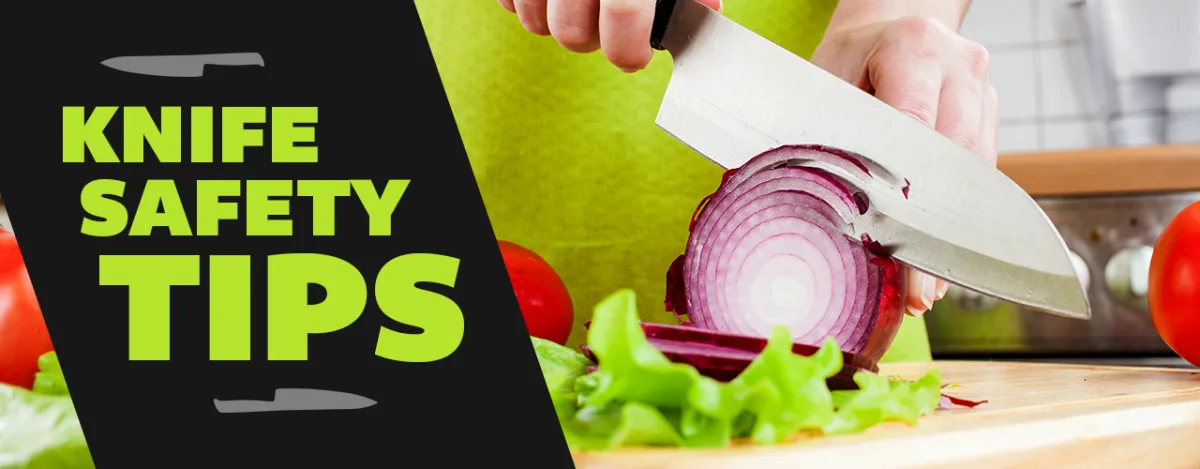
Let me set the scene for you. It’s Friday night service at a high-volume restaurant in Nashville, where I used to stage before moving into this writing gig, and the kitchen is a controlled chaos of sizzling pans, shouted orders, and the rhythmic *thwack* of knives hitting cutting boards. I remember one particular night when a line cook, mid-service, lost his grip on a freshly sharpened 10-inch chef’s knife. It clattered to the floor, spinning like a top before embedding itself in the rubber mat. No one was hurt, thank god, but the entire kitchen froze for a split second. That moment stuck with me. Not because of the near-miss, but because of what happened next: the chef de cuisine didn’t yell, didn’t send the cook home. Instead, he calmly picked up the knife, handed it back handle-first, and said, “Next time, call it out. *Knife down!*”
That’s the thing about commercial kitchen knife safety protocols in high-volume restaurants, they’re not just about rules. They’re about culture. They’re about muscle memory. They’re about the unspoken understanding that in a space where seconds matter and mistakes can cost fingers (or worse), safety isn’t something you *do*; it’s something you *are*. If you’re running a high-volume kitchen, or you’re a chef looking to tighten up your team’s habits, this isn’t just another safety checklist. This is a deep dive into the psychology, the logistics, and the raw, unfiltered reality of keeping your crew sharp, literally and figuratively.
By the end of this, you’ll walk away with more than just a list of dos and don’ts. You’ll understand *why* these protocols exist, how to implement them without turning your kitchen into a DMV, and how to foster a culture where safety is as natural as breathing. Is this the *only* way to do things? Hell no. But it’s the way that’s worked for me, for the chefs I respect, and for the kitchens that don’t just survive the rush, they thrive in it.
The Hidden Psychology of Knife Safety in High-Volume Kitchens
Why Your Brain Is Your Biggest Liability (And Your Best Asset)
Let’s start with something no one talks about: cognitive load. In a high-volume kitchen, your brain is juggling a thousand things at once, ticket times, ingredient freshness, the chef’s mood, the fact that the dishwasher just called out, and oh yeah, the fact that you’re holding a razor-sharp blade. It’s no wonder mistakes happen. But here’s the kicker: your brain isn’t wired to multitask. It’s wired to *switch* tasks, and every switch comes with a cost. That cost? A split-second delay. A momentary lapse in focus. A knife that slips.
I remember a study I read years ago, might’ve been from the *Journal of Occupational Safety and Ergonomics*-that found restaurant workers are *three times* more likely to suffer a knife-related injury during peak service hours. Three times. Not because they’re careless, but because their brains are maxed out. So how do you combat this? You design your safety protocols around the way the brain actually works, not the way you wish it worked. That means:
- Reducing decision fatigue: The fewer choices your team has to make mid-service, the better. Standardize knife storage, cutting techniques, and even the way knives are passed between cooks. If it’s muscle memory, it’s one less thing to think about.
- Creating visual and auditory cues: That “Knife down!” call I mentioned earlier? It’s not just for show. Your brain responds to sound faster than it processes visual information. A loud, consistent call, like “Sharp!” when carrying a knife, can snap someone out of autopilot before they walk into a blade.
- Building in micro-breaks: This one’s controversial, but hear me out. In some of the best kitchens I’ve worked in, there’s an unspoken rule: if you’re feeling fried, you can step away for 30 seconds to reset. No questions asked. It’s not about coddling; it’s about preventing the kind of tunnel vision that leads to accidents.
Is this the only way to approach it? No. But it’s a start. The key is to recognize that knife safety isn’t just about the knife. It’s about the person holding it, the environment they’re in, and the invisible mental load they’re carrying.
The Culture Problem: Why Most Safety Training Fails
Let’s be real: most knife safety training is about as exciting as watching paint dry. You sit through a 20-minute video, sign a sheet saying you watched it, and then go back to the line where no one follows the rules anyway. Why? Because safety training in kitchens often feels like a checkbox, not a culture.
I’ve seen kitchens where the safety protocols are so rigid they might as well be written in stone, and others where they’re so loose they might as well not exist. Neither works. The sweet spot? A culture where safety is embedded in the workflow, not bolted onto it. Here’s how some of the best kitchens I’ve worked in do it:
- Lead by example: If the chef de cuisine treats knife safety like a joke, so will everyone else. I remember a sous chef I worked under who would *always* announce when he was carrying a knife behind someone. No exceptions. It didn’t take long for the rest of the team to adopt the habit.
- Make it a team sport: In one kitchen, we had a rule: if you saw someone doing something unsafe, you called it out. No shame, no blame. Just a quick “Hey, watch your fingers” or “Knife down, man.” It turned safety into something we did *for* each other, not *to* each other.
- Gamify it: This might sound cheesy, but it works. One restaurant I consulted for turned knife safety into a competition. The station with the fewest near-misses at the end of the month got a free shift drink or a longer break. Suddenly, everyone was paying attention.
But here’s the thing: culture isn’t built overnight. It’s built in the small moments, the way you react when someone drops a knife, the way you handle a near-miss, the way you talk about safety when no one’s watching. Culture is what happens when the rules aren’t enough.
The Logistics: Knife Safety Protocols That Actually Work
Knife Storage: More Than Just a Magnetic Strip
Let’s talk about where you keep your knives. If you’re still using a drawer or a flimsy wooden block, you’re playing with fire. In a high-volume kitchen, knife storage isn’t just about organization, it’s about safety, speed, and sanity. Here’s what works:
- Magnetic strips: The gold standard. They keep knives visible, accessible, and off the counter. But not all magnetic strips are created equal. Look for ones with a strong enough pull to hold heavy knives (like a 12-inch slicer) but not so strong that they’re a pain to remove. And for god’s sake, mount them at a height where cooks don’t have to reach over each other to grab a knife.
- Knife rolls: Great for personal knives or for stations where a cook needs to move around. But they come with their own set of problems. Ever seen someone dig through a knife roll mid-service? It’s like watching a surgeon fumble for a scalpel. If you’re using rolls, make sure each knife has its own designated slot, and train your team to *always* unroll them on a flat surface, not in their hands.
- Station-specific storage: Some kitchens I’ve worked in have small magnetic strips or racks at each station for the knives that station uses most. It’s a game-changer for speed, but it requires discipline. If you’re not careful, you’ll end up with knives scattered everywhere.
But here’s the thing I’ve learned the hard way: storage is only as good as the habits that go with it. You can have the fanciest magnetic strip in the world, but if your cooks are tossing knives into a sink or leaving them on cutting boards, you’re still in trouble. So how do you build the right habits? A few ideas:
- The “last person” rule: Whoever uses a knife last is responsible for putting it away. No exceptions. This one’s simple, but it works.
- Visual cues: Some kitchens use colored tape or labels to designate where each knife goes. It’s not foolproof, but it helps.
- Consequences (the good kind): In one kitchen, if a knife was left out at the end of the night, the entire team had to do 10 push-ups. It sounds silly, but it worked. Suddenly, everyone was reminding each other to put their knives away.
Is this overkill? Maybe. But in a high-volume kitchen, overkill is underrated.
Cutting Techniques: The Difference Between Speed and Stupidity
Let’s talk about how you actually *use* a knife. Because here’s the thing: there’s a right way to cut, and then there’s the way that gets you to the hospital. In a high-volume kitchen, speed matters, but not at the expense of safety. So how do you balance the two?
First, let’s talk about the claw grip. If you’re not using it, you’re doing it wrong. It’s the single most important technique for keeping your fingers attached to your hand. Here’s how it works:
- Curl your fingers inward, like you’re holding a stress ball.
- Rest the flat side of the knife blade against your knuckles.
- Use your thumb and pinky to grip the food you’re cutting.
- Cut in a smooth, rocking motion, keeping the blade in contact with your knuckles at all times.
Sounds simple, right? It is. But in the heat of service, it’s easy to revert to bad habits, like the “death grip,” where you hold the knife like you’re trying to strangle it, or the “flat hand,” where your fingers are splayed out like a starfish. Both are recipes for disaster.
But here’s where it gets tricky: not all cuts are created equal. A julienne is different from a brunoise, which is different from breaking down a chicken. So how do you standardize cutting techniques in a way that’s safe *and* efficient? A few thoughts:
- Station-specific training: The prep cook breaking down cases of carrots doesn’t need the same knife skills as the garde manger plating 200 covers. Tailor your training to the tasks at hand.
- The “three-second rule”: This one’s a bit of a cheat, but it works. If a cut takes more than three seconds to complete, you’re either using the wrong knife, the wrong technique, or you’re not focused. It’s a good way to snap out of autopilot.
- Knife selection: A 10-inch chef’s knife is great for most tasks, but it’s overkill for mincing garlic. Train your team to match the knife to the task. A paring knife for small jobs, a slicer for proteins, a cleaver for bones. The right tool for the job isn’t just about efficiency, it’s about safety.
But here’s the thing I’m still torn on: should you prioritize speed or safety in training? Some chefs swear by starting slow and building speed over time. Others argue that you need to train under pressure to prepare for the real thing. I think the answer is somewhere in the middle. Start slow, focus on technique, and then gradually introduce the chaos of service. Because at the end of the day, a slow cook is better than a cook with nine fingers.
Knife Handling: The Art of Not Stabbing Yourself (Or Others)
Carrying a knife in a high-volume kitchen is like carrying a loaded gun. You don’t point it at people, you don’t wave it around, and you *definitely* don’t run with it. But here’s the thing: most knife injuries don’t happen while cutting, they happen while handling. So let’s talk about how to move with a knife without turning your kitchen into a slasher film.
First, the basics:
- Always carry a knife by the handle, tip down, blade facing backward. This is Knife Safety 101, but you’d be surprised how many cooks forget it in the heat of the moment.
- Announce when you’re carrying a knife. A simple “Sharp!” or “Knife behind!” can prevent a collision. And if you hear someone else say it, *stop moving*. Freeze. Let them pass.
- Never hand a knife to someone blade-first. This one’s so obvious it hurts, but it still happens. Always pass a knife handle-first, and if you’re on the receiving end, *take the handle*. Don’t grab the blade.
- Don’t walk with a knife while looking at your phone, a ticket, or anything else. Your eyes should be on where you’re going, not on what you’re doing next. Tunnel vision is the enemy of safety.
But here’s where it gets interesting: what about when you’re not carrying a knife, but someone else is? In a high-volume kitchen, you’re not just responsible for your own safety, you’re responsible for everyone else’s. That means:
- Being aware of your surroundings. Know where the knives are at all times. If you’re turning around, look first. If you’re reaching across a station, make sure no one’s holding a blade.
- Giving people space. If someone’s using a knife, don’t crowd them. Give them room to work, and don’t startle them.
- Not distracting someone who’s using a knife. This one’s tough, especially in the middle of service. But if someone’s mid-cut, don’t ask them a question, don’t tap them on the shoulder, and *definitely* don’t make a sudden noise. A startled cook is a dangerous cook.
But here’s the thing I’m still grappling with: how do you enforce these rules without turning your kitchen into a police state? Because let’s be real, no one wants to work in a place where you’re getting yelled at every five minutes for minor infractions. I think the answer is to make safety a *shared* responsibility. If everyone’s looking out for each other, it’s not about rules, it’s about respect.
The Unsexy Stuff: Maintenance, Sharpening, and Why It Matters
Sharpening: The Difference Between a Tool and a Weapon
Let’s talk about sharpening. Because here’s the thing: a dull knife is more dangerous than a sharp one. I know, it sounds counterintuitive, but it’s true. A dull knife requires more force to cut, which means it’s more likely to slip. And when it slips, it doesn’t just nick your finger, it can take a chunk out of it.
But sharpening isn’t just about safety, it’s about efficiency. A sharp knife cuts faster, cleaner, and with less effort. In a high-volume kitchen, that’s the difference between keeping up with tickets and falling behind. So how do you keep your knives sharp without turning your kitchen into a sharpening station?
First, let’s talk about the tools:
- Whetstones: The gold standard. They take practice, but they give you the sharpest edge. If you’re using a whetstone, you need at least two grits, a coarse stone for reshaping the edge and a fine stone for polishing. And don’t forget to soak the stone before use!
- Honing steels: These don’t actually sharpen your knife, they realign the edge. Think of them like a quick tune-up. A few swipes on a honing steel before each shift can keep your knife performing at its best.
- Electric sharpeners: Fast, easy, and consistent. But they can also remove a lot of metal, which shortens the life of your knife. If you’re using an electric sharpener, use it sparingly.
- Professional sharpening services: Some kitchens outsource their sharpening to professionals. It’s a great option if you don’t have the time or expertise to do it in-house, but it can get expensive.
But here’s the thing: sharpening is only as good as the habits that go with it. You can have the best whetstone in the world, but if your cooks are using it once a month, it’s not doing you any good. So how do you build a sharpening routine that actually sticks? A few ideas:
- Assign sharpening duties: In some kitchens, each cook is responsible for sharpening their own knives. In others, there’s a designated “knife person” who handles it for the whole team. Both can work, but you need to be consistent.
- Set a schedule: Some kitchens sharpen knives at the end of every shift. Others do it once a week. Find what works for you, and stick to it.
- Make it visible: Keep your sharpening tools in a central location where everyone can see them. If they’re out of sight, they’re out of mind.
- Train your team: Sharpening isn’t intuitive. If you’re not teaching your cooks how to do it properly, they’re going to do it wrong. And a poorly sharpened knife is almost as dangerous as a dull one.
But here’s the thing I’m still not sure about: how sharp is too sharp? Because let’s be real, a knife that’s *too* sharp can be just as dangerous as one that’s not sharp enough. I’ve seen cooks slice through their fingernails because their knife was honed to a razor’s edge. So where’s the line? I think it’s about finding a balance. You want a knife that’s sharp enough to cut effortlessly, but not so sharp that it’s unpredictable. And that, my friends, is an art.
Maintenance: The Unsung Hero of Knife Safety
Sharpening is important, but it’s not the only part of knife maintenance. A well-maintained knife is a safe knife, and that means taking care of the blade, the handle, and everything in between. So let’s talk about the often-overlooked aspects of knife maintenance that can make or break your safety protocols.
First, cleaning. It sounds simple, but you’d be surprised how many kitchens get this wrong. Here’s the deal:
- Never put knives in the dishwasher. The heat, the detergent, the jostling, it’s a recipe for disaster. Hand-wash your knives with warm, soapy water, and dry them immediately.
- Don’t soak knives in water. This can cause the handle to loosen or the blade to rust. If you need to soak something, soak the cutting board, not the knife.
- Use the right tools. A soft sponge or cloth is fine for most knives, but for stubborn residue, use a plastic scrubber. Never use steel wool or abrasive pads, they can scratch the blade.
Next, storage. We talked about this earlier, but it’s worth repeating: where and how you store your knives matters. A few tips:
- Avoid clutter. If your knife storage is a jumbled mess, cooks are more likely to grab the wrong knife or drop one while digging through the pile.
- Keep knives dry. Moisture is the enemy of steel. If your knives are stored in a damp environment, they’re more likely to rust.
- Use blade guards. If you’re storing knives in a drawer or a roll, blade guards can protect the edge and prevent accidents.
But here’s the thing that no one talks about: knife maintenance isn’t just about the knife, it’s about the people using it. A well-maintained knife is only as good as the cook who’s holding it. That means:
- Training your team to inspect their knives. Before each shift, cooks should check their knives for damage, chips, cracks, loose handles. If a knife is damaged, it should be taken out of rotation immediately.
- Teaching proper grip and technique. A well-maintained knife is useless if the cook is holding it wrong. Make sure your team knows how to use their knives safely and efficiently.
- Encouraging ownership. When cooks take pride in their tools, they take better care of them. Encourage your team to invest in their own knives, and treat them like the valuable tools they are.
But here’s the thing I’m still wrestling with: how do you balance maintenance with the realities of a high-volume kitchen? Because let’s be real, when you’re in the weeds, the last thing you’re thinking about is whether your knife is properly oiled. I think the answer is to make maintenance a *habit*, not a chore. If it’s something your team does without thinking, it’s more likely to stick.
When Things Go Wrong: Handling Knife Injuries in a High-Volume Kitchen
Let’s talk about the elephant in the room: what happens when someone gets cut? Because no matter how good your safety protocols are, accidents happen. And when they do, how you handle them can mean the difference between a minor incident and a full-blown disaster.
First, let’s talk about first aid. Every kitchen should have a well-stocked first aid kit, and every cook should know how to use it. But when it comes to knife injuries, there are a few things that are especially important:
- Stop the bleeding. Apply direct pressure to the wound with a clean cloth or gauze. If the bleeding is severe, elevate the injured area above the heart.
- Clean the wound. Once the bleeding is under control, rinse the wound with clean water to remove any debris. Avoid using alcohol or hydrogen peroxide, they can damage the tissue.
- Protect the wound. Apply an antibiotic ointment and cover the wound with a sterile bandage. If the cut is deep or gaping, it may need stitches.
- Monitor for infection. Keep an eye on the wound for signs of infection, redness, swelling, warmth, or pus. If any of these occur, seek medical attention.
But here’s the thing: first aid is only part of the equation. How you handle the *aftermath* of a knife injury is just as important. Because let’s be real, when someone gets cut in a high-volume kitchen, the whole team is watching. How you react can set the tone for the rest of the shift, and for the future of your safety culture.
A few thoughts on how to handle the aftermath:
- Stay calm. Panicking won’t help anyone. Take a deep breath, assess the situation, and act deliberately.
- Don’t blame the victim. Even if the injury was the result of a mistake, now is not the time for a lecture. Save the debrief for later, when everyone’s had a chance to cool down.
- Use it as a teaching moment. Once the immediate crisis is over, gather the team and talk about what happened. What went wrong? What could have been done differently? How can you prevent it from happening again?
- Review your protocols. Every incident is an opportunity to improve. Take a hard look at your safety protocols and see if there’s anything you can do to make them better.
But here’s the thing I’m still not sure about: how do you balance accountability with compassion? Because on one hand, you don’t want to create a culture where mistakes are ignored. On the other hand, you don’t want to create a culture where people are afraid to admit when they’ve messed up. I think the answer is to focus on *systems*, not *people*. Instead of asking “Who’s to blame?”, ask “What failed in our process?” Because at the end of the day, a good safety culture isn’t about perfection, it’s about continuous improvement.
The Future of Knife Safety: Tech, Training, and the Human Factor
Tech to the Rescue? The Role of Smart Knives and Wearables
Let’s talk about the future. Because if there’s one thing I’ve learned in this industry, it’s that technology is coming for everything, including knife safety. From smart knives that monitor grip pressure to wearables that track hand movements, the tools of the trade are getting a high-tech upgrade. But is this a good thing? Or are we just adding more complexity to an already chaotic environment?
First, let’s look at some of the tech that’s already out there:
- Smart knives: These knives have sensors embedded in the handle that monitor grip pressure, cutting speed, and even the angle of the blade. Some can even alert the user if they’re using too much force or holding the knife incorrectly. The idea is to provide real-time feedback to help cooks improve their technique.
- Wearable sensors: These are small devices that attach to a cook’s hand or wrist and track their movements. They can detect when a cook is using unsafe techniques, like the flat hand grip, and provide feedback via a smartphone app.
- Virtual reality training: Some companies are developing VR training programs that simulate the chaos of a high-volume kitchen. The idea is to give cooks a safe space to practice their knife skills without the risk of injury.
- Automated sharpening stations: These are machines that sharpen knives automatically, taking the guesswork out of maintenance. Some can even track how often each knife is sharpened and alert you when it’s time for a tune-up.
But here’s the thing: tech is only as good as the people using it. A smart knife won’t do you any good if your cooks don’t know how to use it. A wearable sensor won’t help if no one pays attention to the alerts. And VR training won’t prepare your team for the real thing if they don’t take it seriously.
So how do you integrate tech into your knife safety protocols without creating more problems than you solve? A few thoughts:
- Start small. Don’t try to overhaul your entire safety program overnight. Pick one piece of tech, like a smart knife or a wearable sensor, and see how it works in your kitchen.
- Train your team. Tech is useless if no one knows how to use it. Make sure your cooks understand how the tech works, why it’s important, and how it can help them.
- Don’t rely on tech alone. Tech can be a great tool, but it’s not a replacement for good old-fashioned training and culture. Use it to *enhance* your safety protocols, not replace them.
- Listen to your team. If your cooks hate the new tech, it’s not going to work. Get their feedback, make adjustments, and be willing to pivot if something isn’t working.
But here’s the thing I’m still torn on: is tech the future of knife safety, or is it just another distraction? Because let’s be real, when you’re in the weeds, the last thing you want is another screen to look at or another alert to ignore. I think the answer is to use tech *judiciously*. It can be a great tool for training and feedback, but it’s not a replacement for the human element. At the end of the day, knife safety is about people, not machines.
The Human Factor: Why Culture Will Always Trump Tech
Let’s bring it back to where we started: culture. Because no matter how much tech you throw at the problem, no matter how many rules you put in place, knife safety ultimately comes down to the people in your kitchen. And people, as we all know, are messy, unpredictable, and occasionally stupid.
So how do you build a culture where knife safety is second nature? It’s not easy, but it’s not rocket science either. Here are a few things that have worked for me and the kitchens I’ve been a part of:
- Hire for attitude, train for skill. You can teach someone how to hold a knife, but you can’t teach them to care. Look for cooks who are conscientious, who pay attention to detail, and who take pride in their work. The rest will follow.
- Lead by example. If you want your team to take knife safety seriously, you have to take it seriously too. That means following the protocols yourself, calling out unsafe behavior, and being willing to admit when you’ve made a mistake.
- Make it personal. Knife safety isn’t just about following rules, it’s about protecting yourself and your team. Remind your cooks that a moment of carelessness can have lifelong consequences. It’s not about fear, it’s about respect.
- Celebrate the wins. When someone follows the protocols, when they call out unsafe behavior, when they improve their technique, acknowledge it. Positive reinforcement goes a long way.
- Keep it simple. The best safety protocols are the ones that are easy to remember and easy to follow. If your rules are too complicated, no one’s going to follow them.
But here’s the thing I’m still grappling with: how do you maintain a strong safety culture in a high-turnover industry? Because let’s be real, restaurant work is notorious for its turnover. Just when you’ve trained your team and built a strong culture, someone leaves and you have to start all over again. I don’t have a perfect answer, but I think it starts with making safety a part of your onboarding process from day one. If every new hire knows that knife safety is non-negotiable, it’s easier to maintain the culture over time.
And maybe that’s the key: knife safety isn’t a destination, it’s a journey. It’s not something you achieve and then forget about. It’s something you work on every day, with every shift, with every cook. Because at the end of the day, a safe kitchen is a happy kitchen. And a happy kitchen is a kitchen that lasts.
Putting It All Together: Your Knife Safety Action Plan
Alright, let’s bring this home. Because if you’ve made it this far, you’re probably thinking, “This is great, Sammy, but what do I *do* with all this information?” Fair enough. Let’s turn all this theory into action.
Here’s your knife safety action plan for a high-volume kitchen. It’s not exhaustive, and it’s not one-size-fits-all, but it’s a starting point. Take what works, leave what doesn’t, and adapt it to your kitchen.
Step 1: Assess Your Current Protocols
Before you can improve, you need to know where you stand. Grab a notebook and walk through your kitchen. Ask yourself:
- Where are the knives stored? Is it safe? Is it efficient?
- How are knives handled? Are cooks carrying them safely? Are they announcing when they’re moving with a knife?
- What’s the sharpening routine? Are knives sharp, or are cooks forcing them through food?
- How’s the cutting technique? Are cooks using the claw grip, or are they splaying their fingers?
- What’s the culture like? Is safety a priority, or is it an afterthought?
Be honest with yourself. If something’s not working, acknowledge it. You can’t fix what you don’t see.
Step 2: Standardize Your Storage
If your knife storage is a mess, start here. Here’s what you need to do:
- Invest in magnetic strips. Mount them at a height where cooks can easily grab and replace knives without reaching over each other.
- Label your knives. Use colored tape or labels to designate where each knife goes. It’s not foolproof, but it helps.
- Implement the “last person” rule. Whoever uses a knife last is responsible for putting it away. No exceptions.
- Keep it clean. A cluttered knife station is a dangerous knife station. Make sure your storage area is tidy and organized.
Step 3: Train Your Team (The Right Way)
Training isn’t a one-and-done deal. It’s an ongoing process. Here’s how to do it right:
- Start with the basics. Teach your team the claw grip, the proper way to carry a knife, and how to pass a knife safely. Make sure everyone knows the rules before they step onto the line.
- Make it hands-on. Don’t just talk about knife safety, practice it. Set up drills where cooks have to carry knives, pass knives, and use knives safely in a simulated service environment.
- Use real-world scenarios. Throw curveballs at your team. Have someone walk behind them while they’re cutting. Have them pass a knife while carrying a tray. The more realistic the training, the better prepared they’ll be.
- Reinforce the culture. Make knife safety a part of your daily pre-shift meetings. Remind your team why it matters. Share stories of near-misses and how they could have been prevented.
Step 4: Sharpen Your Knives (And Your Skills)
A dull knife is a dangerous knife. Here’s how to keep your knives sharp and your team safe:
- Set a sharpening schedule. Whether it’s once a week or once a shift, make sure your knives are getting the attention they need.
- Train your team to sharpen. Sharpening isn’t intuitive. If you’re not teaching your cooks how to do it properly, they’re going to do it wrong.
- Invest in the right tools. A good whetstone, a honing steel, and maybe an electric sharpener if you’re short on time. The right tools make all the difference.
- Inspect your knives regularly. Before each shift, have your cooks check their knives for damage. If a knife is chipped, cracked, or loose, take it out of rotation.
Step 5: Build a Culture of Safety
This is the hardest part, but it’s also the most important. Here’s how to do it:
- Lead by example. If you want your team to take knife safety seriously, you have to take it seriously too. Follow the protocols yourself, and call out unsafe behavior when you see it.
- Make it a team effort. Encourage your cooks to look out for each other. If someone sees unsafe behavior, they should call it out. No shame, no blame.
- Celebrate the wins. When someone follows the protocols, when they improve their technique, when they call out unsafe behavior, acknowledge it. Positive reinforcement goes a long way.
- Keep it simple. The best safety protocols are the ones that are easy to remember and easy to follow. If your rules are too complicated, no one’s going to follow them.
- Review and adapt. Every incident is an opportunity to improve. After a near-miss or an injury, gather the team and talk about what happened. What went wrong? What could have been done differently? How can you prevent it from happening again?
Step 6: Prepare for the Worst
No matter how good your protocols are, accidents happen. Here’s how to prepare:
- Stock your first aid kit. Make sure it’s well-stocked with gauze, bandages, antibiotic ointment, and anything else you might need for a knife injury.
- Train your team in first aid. Every cook should know how to stop bleeding, clean a wound, and apply a bandage. Consider getting your team certified in first aid and CPR.
- Have a plan for injuries. Know what to do if someone gets cut. Who’s in charge of first aid? Who calls 911 if it’s serious? Who takes over the injured cook’s station? Have a plan, and make sure everyone knows it.
- Debrief after incidents. After an injury or a near-miss, gather the team and talk about what happened. What went wrong? What could have been done differently? How can you prevent it from happening again?
Is this everything? Probably not. But it’s a start. The key is to keep iterating, keep improving, and keep your team safe. Because at the end of the day, a safe kitchen is a successful kitchen. And a successful kitchen is a kitchen that lasts.
Final Thoughts: The Knife in the Stone
I’ll be honest with you: when I first started writing this, I wasn’t sure where it was going to go. Knife safety in high-volume kitchens is one of those topics that’s so obvious, so *basic*, that it’s easy to overlook. But the more I dug into it, the more I realized how much depth there is to it. It’s not just about rules, it’s about psychology, culture, logistics, and even a little bit of tech. It’s about the unspoken understanding that in a kitchen, safety isn’t something you do, it’s something you live.
So where does that leave us? I think it leaves us with a challenge. Not just to follow the protocols, not just to train our teams, but to build a culture where safety is as natural as breathing. A culture where cooks look out for each other, where mistakes are learning opportunities, and where the knife in your hand is a tool, not a weapon.
Is it easy? Hell no. But is it worth it? Absolutely. Because at the end of the day, a safe kitchen is a happy kitchen. And a happy kitchen is a kitchen that lasts. So take what you’ve learned here, adapt it to your space, and make it your own. Because the best safety protocols aren’t the ones that are written in stone, they’re the ones that are lived every day.
Now, if you’ll excuse me, I need to go check on Luna. She’s been giving me the stink eye ever since I started writing this, and I think she’s hungry. Or maybe she just wants to remind me that, no matter how much I know about knife safety, I still can’t be trusted with a can opener.
FAQ
Q: What’s the most common knife injury in high-volume kitchens, and how can it be prevented?
A: The most common knife injury is a cut to the non-dominant hand, usually from the cook’s fingers slipping onto the blade while cutting. This happens most often when cooks use the “flat hand” grip instead of the claw grip. To prevent it, train your team to always use the claw grip, curl your fingers inward, rest the blade against your knuckles, and cut in a smooth, rocking motion. It takes practice, but it’s the single most effective way to keep fingers attached to hands.
Q: How often should knives be sharpened in a high-volume kitchen?
A: There’s no one-size-fits-all answer, but here’s a good rule of thumb: a knife should be sharpened when it stops performing. If a cook is having to force the knife through food, it’s time to sharpen. For most high-volume kitchens, that means sharpening knives at least once a week, with a quick honing before each shift. Some kitchens sharpen daily, especially if they’re doing a lot of prep work. The key is to train your team to recognize when a knife needs sharpening-a dull knife is not just inefficient, it’s dangerous.
Q: What’s the best way to store knives in a high-volume kitchen?
A: The best way to store knives in a high-volume kitchen is on magnetic strips mounted at a height where cooks can easily grab and replace knives without reaching over each other. Magnetic strips keep knives visible, accessible, and off the counter, which reduces the risk of accidents. If you’re using knife rolls, make sure each knife has its own designated slot, and train your team to *always* unroll them on a flat surface, not in their hands. Avoid storing knives in drawers or wooden blocks, both can dull the blade and increase the risk of injury.
Q: How do you handle a cook who repeatedly violates knife safety protocols?
A: Handling a repeat offender is tricky, but it’s important to address the issue before it leads to an injury. Here’s how I’d approach it:
- Have a private conversation. Don’t call them out in front of the team. Pull them aside and explain why their behavior is a problem. Be specific, point out the times you’ve seen them violate the protocols.
- Listen to their side. There might be a reason they’re struggling. Maybe they’re not comfortable with the knife, maybe they’re rushing because they’re overwhelmed, or maybe they just don’t understand the rules. Listen to what they have to say.
- Retrain if necessary. If they’re struggling with technique, give them some one-on-one training. If they’re rushing, talk about time management. If they don’t understand the rules, go over them again.
- Set clear expectations. Let them know what’s expected of them and what the consequences will be if they continue to violate the protocols. Be firm but fair.
- Follow up. Check in with them regularly to see how they’re doing. If they’re improving, acknowledge it. If they’re not, follow through with the consequences.
The key is to address the issue early and consistently. If you let it slide, it sends the message that the protocols don’t matter. And in a high-volume kitchen, that’s a recipe for disaster.
@article{commercial-kitchen-knife-safety-protocols-the-unwritten-rules-of-high-volume-restaurants,
    title   = {Commercial Kitchen Knife Safety Protocols: The Unwritten Rules of High-Volume Restaurants},
    author  = {Chef's icon},
    year    = {2026},
    journal = {Chef's Icon},
    url     = {https://chefsicon.com/commercial-kitchen-knife-safety-protocols-high-volume-restaurants/}
}