The Best Fluffy Pancakes recipe you will fall in love with. Full of tips and tricks to help you make the best pancakes.
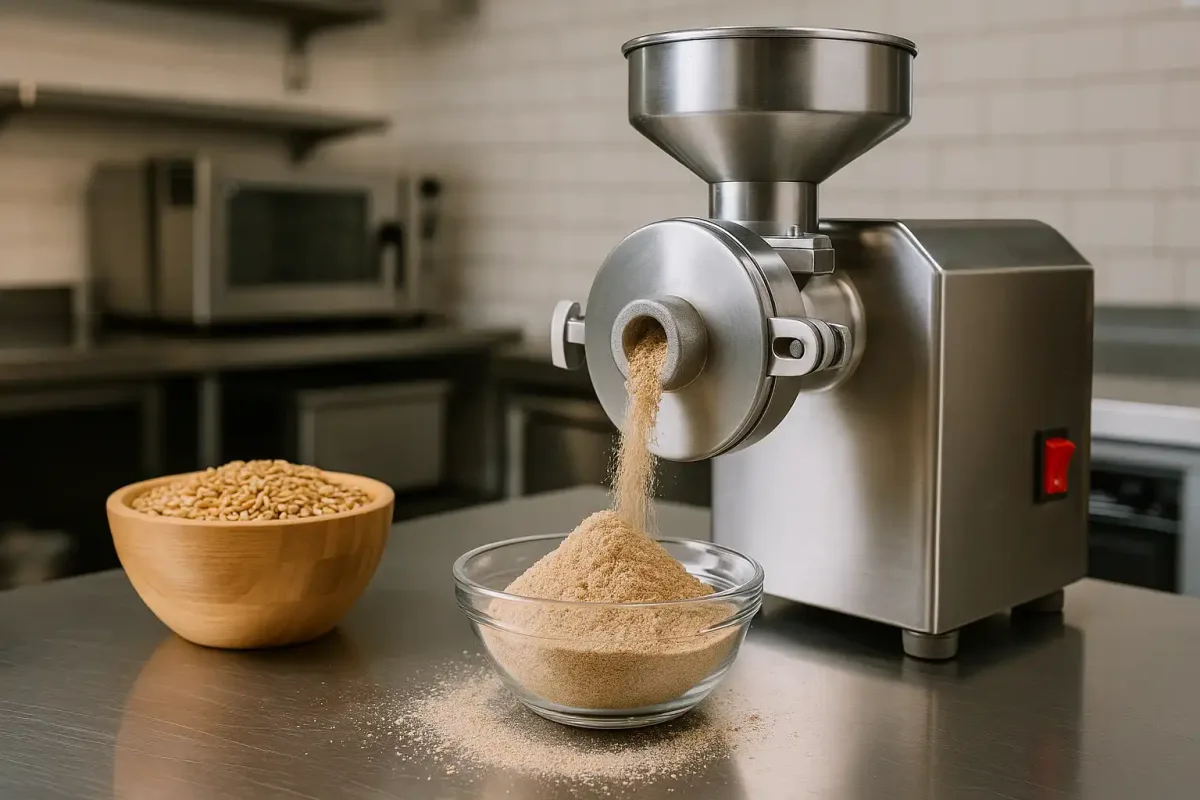
Let me tell you something, there’s nothing worse than watching a server fumble with a flimsy pepper grinder at a table of hungry diners. The thing jams, the grind gets inconsistent, and suddenly, that $40 steak tastes like it’s been dusted with sawdust. I’ve been there, both as a chef and as someone who’s had to explain to owners why their “budget-friendly” grinders are costing them more in replacements than they saved. So, let’s cut through the noise. If you’re running a restaurant, your pepper grinder isn’t just a tool, it’s a statement. And if you’re not treating it like one, you’re doing it wrong.
I remember the first time I walked into a high-end Nashville steakhouse and saw their pepper grinders. They weren’t just big; they were built like tanks, with a weight that told you they meant business. The grind was so precise, you could adjust it from powder to coarse with a single twist. No fuss, no mess. That’s when it hit me: commercial-grade pepper grinders aren’t just about grinding pepper. They’re about efficiency, consistency, and presentation. And if you’re still using those cheap, plastic things from the big-box store, you’re missing the mark.
In this guide, I’m going to break down everything you need to know about selecting the right commercial-grade pepper grinder for your restaurant. We’ll talk about materials, mechanisms, capacity, and even the little details that most people overlook, like how the grinder feels in your hand or how easy it is to refill during a dinner rush. By the end, you’ll know exactly what to look for (and what to avoid) so you can make an informed decision that’ll save you time, money, and headaches down the road. Sound good? Let’s dive in.
The Anatomy of a Commercial-Grade Pepper Grinder
Why Materials Matter More Than You Think
When it comes to commercial-grade pepper grinders, the material isn’t just about aesthetics, it’s about durability, functionality, and longevity. You’ve got three main options here: wood, metal, and plastic. And let me tell you, they’re not all created equal.
Wooden grinders, for example, look fantastic. They’ve got that classic, rustic charm that fits perfectly in a farm-to-table or upscale bistro setting. But here’s the thing: wood is porous. Over time, it can absorb oils from the peppercorns, which can lead to mold or a rancid smell if you’re not meticulous about cleaning. Plus, wood isn’t as durable as metal when it comes to high-volume use. Drop it once too often, and you might find yourself with a cracked grinder. That said, if you’re going for a specific aesthetic and you’re willing to put in the maintenance, a high-quality wooden grinder can still be a solid choice, just don’t expect it to last as long as its metal counterparts.
Metal grinders, on the other hand, are the workhorses of the commercial world. Stainless steel, in particular, is corrosion-resistant, easy to clean, and nearly indestructible. It’s the material you’ll find in most professional kitchens and high-end restaurants, and for good reason. Metal grinders can handle the wear and tear of a busy service without breaking a sweat. They’re also less likely to absorb odors or oils, which means they’ll stay fresher longer. The downside? They can be heavier, which might not be ideal if your staff is already juggling trays, plates, and a million other things. But honestly, the trade-off is worth it. If you’re running a restaurant where the grinder is going to see heavy use, metal is the way to go.
Then there’s plastic. Look, I get it, plastic grinders are cheap, lightweight, and easy to replace. But let’s be real: they’re not built for the long haul. Plastic can crack, warp, or even melt if it’s exposed to heat (which, let’s face it, happens in a kitchen). Plus, they just don’t have the same premium feel as wood or metal. If you’re on a tight budget, plastic might seem like a good option, but trust me, you’ll end up replacing them more often than you’d like. And in the long run, that’s not saving you any money.
So, what’s the verdict? If you’re running a high-volume restaurant, go with metal. If you’re going for a specific aesthetic and can commit to maintenance, wood is a solid second choice. And if you’re tempted by plastic? Well, let’s just say you’ll regret it sooner rather than later.
Grinding Mechanisms: The Heart of the Matter
Alright, let’s talk about what’s really going on inside that grinder. The grinding mechanism is where the magic happens, or where things go horribly wrong if you don’t know what you’re doing. There are two main types of mechanisms you’ll encounter: ceramic and stainless steel. And yes, the difference matters.
Ceramic grinders are known for their precision and consistency. They’re sharp, they stay sharp, and they’re less likely to rust or corrode over time. Ceramic is also great for grinding spices that are harder than peppercorns, like coriander or cumin, without dulling the blades. The downside? Ceramic can be brittle. Drop a ceramic grinder from a height, and you might end up with a cracked mechanism. But if you’re careful and treat it right, a ceramic grinder can last you years.
Stainless steel grinders, on the other hand, are the durable, no-nonsense option. They’re less likely to break if dropped, and they can handle a wider variety of spices without wearing down. The trade-off? Stainless steel can dull over time, especially if you’re grinding a lot of hard spices. But here’s the thing: stainless steel grinders are easier to maintain. You can sharpen them, clean them, and generally keep them in good shape with minimal effort. Plus, they’re less likely to crack under pressure, which is a big deal in a busy restaurant.
Now, let’s talk about the grind itself. Most commercial grinders come with an adjustable grind setting, which is non-negotiable if you’re serious about your pepper. You want to be able to go from fine (for dusting a delicate fish dish) to coarse (for a hearty steak) with just a twist. Some grinders have a dial at the top, while others require you to twist the base. Personally, I prefer the dial, it’s quicker, easier, and less messy during a rush. But hey, that’s just me. What’s important is that the mechanism is smooth and doesn’t require a lot of force to adjust. If it’s stiff or jerky, you’re going to hate using it.
One more thing: pay attention to the size of the grinding chamber. If it’s too small, you’ll be refilling it constantly, which is a pain during service. If it’s too large, the peppercorns might not feed properly, leading to inconsistent grinds. You want something in the Goldilocks zone, not too big, not too small, but just right. For most restaurants, a chamber that holds about 2-3 ounces of peppercorns is ideal. It’s enough to get you through a busy shift without needing a refill, but not so much that the peppercorns go stale before you use them.
Capacity and Refillability: The Unsung Heroes of Efficiency
How Much Pepper Do You Really Need?
Let’s talk about capacity. This is one of those things that seems minor until you’re in the middle of a dinner rush and realize your grinder is empty. Again. Capacity isn’t just about how much pepper the grinder can hold, it’s about how often you’ll need to refill it, and how easy that process is.
For most restaurants, a grinder that holds between 2 and 4 ounces of peppercorns is ideal. That’s enough to get you through a few tables without needing a refill, but not so much that the peppercorns go stale before you use them. If you’re running a high-volume operation, say, a steakhouse where every table gets a fresh grind, you might want to go bigger. Some commercial grinders can hold up to 8 ounces, which is great for busy nights. But here’s the catch: the bigger the capacity, the heavier the grinder. And if your staff is already juggling plates, glasses, and a million other things, a heavy grinder might not be the best choice.
I’ve seen restaurants try to solve this problem by using multiple smaller grinders, but that’s not always the best solution either. More grinders mean more refills, more cleaning, and more chances for something to go wrong. Plus, if you’re using different grinders at different tables, you risk inconsistent grinds, which can be a problem if you’re aiming for a specific flavor profile. So, what’s the sweet spot? For most restaurants, I’d recommend a grinder that holds about 3 ounces. It’s enough to get you through a shift without being too heavy, and it’s easy to refill if you need to.
Speaking of refilling, let’s talk about how easy it is to do. Some grinders have a top-loading design, where you unscrew the top and pour in the peppercorns. Others have a bottom-loading design, where you twist off the base and refill from there. Both have their pros and cons. Top-loading grinders are usually easier to refill, but they can be messier if you’re not careful. Bottom-loading grinders are a bit more finicky, but they’re less likely to spill peppercorns everywhere. Personally, I prefer top-loading grinders, they’re quicker, and if you’re careful, you can avoid the mess. But if you’re in a rush, a bottom-loader might be the way to go.
The Refill Process: Don’t Overlook the Details
Here’s something most people don’t think about until it’s too late: how easy is it to refill the grinder during service? If you’re running a busy restaurant, you don’t have time to fumble with a complicated refill process. You need something that’s quick, easy, and mess-free.
First, consider the size of the opening. If it’s too small, you’ll struggle to pour in the peppercorns without spilling them everywhere. If it’s too large, you risk overfilling, which can lead to jams or inconsistent grinds. You want an opening that’s just big enough to pour in the peppercorns without making a mess. Some grinders come with a funnel or scoop to make this easier, which is a nice touch. If yours doesn’t, you might want to invest in a small funnel to keep things tidy.
Next, think about the mechanism itself. Some grinders have a screw-on top or base, which can be a pain to unscrew during a rush. Others have a quick-release mechanism, where you just push a button or flip a latch to open the grinder. If you’re refilling during service, a quick-release mechanism is a game-changer. It’s faster, easier, and less likely to slow you down.
Finally, consider the material of the refill opening. If it’s made of metal, it’s durable and easy to clean. If it’s plastic, it might be lighter, but it’s also more likely to crack or wear out over time. Again, metal is the way to go if you’re looking for something that’ll last.
One more thing: pay attention to the seal. If the grinder doesn’t have a good seal, peppercorns can spill out when you’re refilling it, which is a mess you don’t want to deal with during service. Look for a grinder with a silicone or rubber gasket to keep everything contained. It’s a small detail, but it makes a big difference.
Ergonomics and Ease of Use: Because Your Staff Matters
Why Comfort Shouldn’t Be an Afterthought
Let’s be real: your staff is the backbone of your restaurant. If they’re struggling with a poorly designed grinder, it’s not just their problem, it’s yours. A grinder that’s uncomfortable to use will slow them down, frustrate them, and maybe even lead to inconsistent grinds. And that’s not good for anyone.
So, what makes a grinder ergonomic? First, consider the weight. A grinder that’s too heavy will tire out your staff’s hands, especially if they’re using it table after table. A grinder that’s too light might feel flimsy or cheap. You want something that’s substantial but not cumbersome. For most people, that means a weight between 1 and 2 pounds. It’s enough to feel solid in your hand, but not so heavy that it becomes a chore to use.
Next, think about the shape. Some grinders are tall and slender, while others are short and squat. Tall grinders are great for reaching into pepper mills or large containers, but they can be awkward to hold for long periods. Short grinders are easier to grip, but they might not fit as well in larger hands. You want something that’s comfortable to hold and easy to maneuver. If possible, try out a few different shapes before you commit. What feels good to you might not feel good to your staff, and vice versa.
Then there’s the grip. Some grinders have a smooth surface, while others have textured or rubberized grips. A smooth surface might look sleek, but it can be slippery, especially if your staff’s hands are greasy or wet. A textured or rubberized grip, on the other hand, provides better traction and control. It’s a small detail, but it can make a big difference in how comfortable the grinder is to use.
Finally, consider the mechanism itself. Some grinders require you to twist the top, while others have a hand-crank or lever. Twisting the top is the most common method, but it can be tiring if you’re doing it all night. A hand-crank or lever is easier on the hands, but it’s also more likely to break or wear out over time. If you’re going with a twist mechanism, look for one that’s smooth and requires minimal effort. If it’s stiff or jerky, your staff will hate using it.
Adjustability: Because One Size Doesn’t Fit All
Here’s something I see a lot of restaurants overlook: ot all dishes need the same grind. A delicate fish dish might call for a fine, powdery grind, while a hearty steak might need something coarser. If your grinder doesn’t offer adjustable settings, you’re limiting your options, and your menu.
Most commercial grinders come with an adjustable grind setting, but not all of them are created equal. Some have a dial at the top, where you can twist to adjust the grind. Others have a twist mechanism at the base, where you turn the bottom to change the setting. Both work, but I prefer the dial, it’s quicker, easier, and less messy during a rush. Plus, it’s easier to see the setting at a glance, which can be helpful if you’re training new staff.
When you’re testing out a grinder, pay attention to how smooth the adjustment is. If it’s stiff or jerky, it’s going to be a pain to use during service. You want something that’s easy to adjust on the fly, without requiring a lot of force. If it’s too hard to turn, your staff will either avoid adjusting it (which defeats the purpose) or struggle with it (which slows them down).
Another thing to consider: how fine or coarse the grind can get. Some grinders only offer a few settings, while others have a wide range of adjustability. If you’re using the grinder for a variety of dishes, you’ll want something that can handle everything from powder to coarse. If you’re only using it for one or two things, a few settings might be enough. But honestly, it’s better to have more options than you need, you never know when you’ll want to experiment with a new dish.
One more thing: pay attention to the feedback. Some grinders have a click or detent system, where you feel a slight click as you adjust the setting. This is great because it gives you a tactile sense of where the setting is, which can be helpful if you’re adjusting it in a hurry. If the grinder doesn’t have this feature, you might find yourself overshooting or undershooting the setting you want.
Durability and Maintenance: Because You Don’t Have Time for Breakdowns
What to Look for in a Long-Lasting Grinder
Let’s talk about durability. If you’re running a restaurant, you don’t have time for equipment that breaks down. You need something that’s built to last, even under the wear and tear of a busy service. So, what makes a grinder durable?
First, consider the materials. We’ve already talked about wood, metal, and plastic, but let’s dig a little deeper. If you’re going with metal, look for stainless steel. It’s corrosion-resistant, easy to clean, and nearly indestructible. If you’re going with wood, look for hardwoods like beech or walnut. They’re more durable than softer woods like pine, and they’re less likely to crack or warp over time. And if you’re tempted by plastic? Just don’t. It’s not worth it.
Next, think about the mechanism. A durable grinder will have a high-quality grinding mechanism that’s built to last. Ceramic is great for precision, but it can be brittle. Stainless steel is more durable, but it can dull over time. If you’re grinding a lot of hard spices, you might want to go with stainless steel. If you’re mostly grinding peppercorns, ceramic is a solid choice. Either way, make sure the mechanism is well-constructed and easy to replace if it wears out.
Then there’s the construction. A durable grinder will have tight seams, secure fittings, and no loose parts. If the grinder feels flimsy or wobbly when you hold it, it’s not going to last. Look for something that’s solidly built, with no gaps or weak points. If the grinder has a warranty, that’s a good sign, it means the manufacturer stands behind their product.
Finally, consider the brand. Some brands are known for their durability, while others are known for cutting corners. Do your research, read reviews, and ask other chefs what they use. If a brand has a reputation for making high-quality, long-lasting grinders, it’s probably worth the investment.
Maintenance: Because Even the Best Grinders Need a Little Love
Even the most durable grinder will need some maintenance to keep it in good shape. The good news? It’s not rocket science. With a little care, your grinder can last for years.
First, clean it regularly. Peppercorns leave behind oils and residue, which can build up over time and affect the grind. Most grinders can be cleaned with a damp cloth and mild soap. Just make sure to dry it thoroughly afterward to prevent rust or mold. If your grinder has a removable mechanism, take it apart and clean it separately. This will help prevent buildup and keep the grind consistent.
Next, sharpen the mechanism if it starts to dull. Stainless steel grinders can be sharpened with a fine-grit sandpaper or sharpening stone. Ceramic grinders, on the other hand, can’t be sharpened, they need to be replaced if they dull. If you’re not sure how to sharpen your grinder, check the manufacturer’s instructions or ask a professional. It’s a small investment that can extend the life of your grinder by years.
Then, lubricate the mechanism if it starts to feel stiff. A little food-grade mineral oil can go a long way in keeping the grinder running smoothly. Just make sure to wipe off any excess oil before using the grinder again. You don’t want to contaminate your pepper with oil.
Finally, store the grinder properly. If you’re not using it for a while, store it in a cool, dry place to prevent rust or mold. If the grinder has a removable mechanism, take it apart and store it separately. This will help prevent buildup and keep the grinder in good shape.
One more thing: don’t overfill the grinder. If you pack it too full, the peppercorns won’t feed properly, which can lead to jams or inconsistent grinds. Stick to the recommended capacity, and you’ll avoid a lot of headaches.
Cost vs. Value: Why Cheap Grinders Cost More in the Long Run
The Hidden Costs of Going Cheap
Let’s talk about money. I get it, running a restaurant is expensive, and it’s tempting to cut corners where you can. But when it comes to pepper grinders, going cheap is a false economy. Here’s why.
First, cheap grinders break. They crack, they jam, they wear out. And when they do, you’re left scrambling to replace them. That’s not just a hassle, it’s a cost. If you’re replacing your grinders every few months, you’re spending more in the long run than you would if you’d just invested in a high-quality grinder in the first place.
Second, cheap grinders are inconsistent. They don’t grind evenly, they don’t adjust smoothly, and they don’t last. That means your pepper isn’t as good as it could be, which can affect the flavor of your dishes. And if your food isn’t up to par, your customers will notice. That’s not just a problem for your reputation, it’s a problem for your bottom line.
Third, cheap grinders are a pain to use. They’re uncomfortable, they’re messy, and they slow down your staff. That’s not just frustrating, it’s inefficient. And in a restaurant, time is money. If your staff is spending extra time fussing with a cheap grinder, they’re not spending time on other tasks. That’s a cost you can’t afford.
So, what’s the solution? Invest in a high-quality grinder. It might cost more upfront, but it’ll save you money in the long run. A good grinder will last for years, it’ll grind consistently, and it’ll make your staff’s job easier. That’s a win-win-win.
What to Look for in a High-Value Grinder
Alright, so you’re convinced, you need a high-quality grinder. But what does that look like? Here’s what to look for.
First, durability. We’ve already talked about this, but it’s worth repeating. A high-value grinder is built to last. It’s made of high-quality materials, it’s well-constructed, and it’s designed to handle the wear and tear of a busy restaurant. If a grinder feels flimsy or cheap, it’s not worth your money.
Second, consistency. A high-value grinder will grind pepper evenly, every time. It won’t jam, it won’t clog, and it won’t leave you with a mix of powder and chunks. If a grinder doesn’t deliver a consistent grind, it’s not doing its job.
Third, ease of use. A high-value grinder is comfortable to hold, easy to adjust, and simple to refill. It won’t slow down your staff, and it won’t frustrate them. If a grinder is awkward or difficult to use, it’s not worth the investment.
Fourth, maintenance. A high-value grinder is easy to clean, easy to sharpen, and easy to maintain. It won’t require a lot of fuss, and it won’t break down if you don’t baby it. If a grinder is high-maintenance, it’s not a good value.
Finally, brand reputation. Some brands are known for their quality, while others are known for cutting corners. Do your research, read reviews, and ask other chefs what they use. If a brand has a reputation for making high-quality grinders, it’s probably worth the investment.
So, what’s the bottom line? Don’t go cheap. Invest in a high-quality grinder, and you’ll save money in the long run. It’s that simple.
Top Commercial-Grade Pepper Grinders: A Few of My Favorites
1. The Unicorn Magnum Plus
If you’re looking for a grinder that’s built like a tank, the Unicorn Magnum Plus is the way to go. This thing is made of stainless steel, it’s corrosion-resistant, and it’s early indestructible. It holds up to 4 ounces of peppercorns, which is enough to get you through a busy shift without needing a refill. Plus, it’s got a dial at the top for easy adjustment, and the grind is smooth and consistent every time.
The Magnum Plus is also easy to refill. It’s got a top-loading design, so you just unscrew the top and pour in the peppercorns. No fuss, no mess. And if you do make a mess, it’s easy to clean, just wipe it down with a damp cloth and you’re good to go.
One thing I love about the Magnum Plus is the weight. It’s substantial, but not too heavy, about 1.5 pounds. That’s enough to feel solid in your hand, but not so heavy that it becomes a chore to use. Plus, it’s got a textured grip, so it won’t slip out of your hand, even if your hands are greasy or wet.
The only downside? The price. The Magnum Plus is one of the more expensive grinders on the market. But if you’re running a high-volume restaurant, it’s worth every penny. This thing will last for years, and it’ll grind pepper like a dream.
2. The Peugeot Paris U’Select
If you’re looking for a grinder that’s as stylish as it is functional, the Peugeot Paris U’Select is a great choice. This thing is made of beechwood and stainless steel, so it’s got a classic, elegant look that fits perfectly in an upscale restaurant. But don’t let the looks fool you, this grinder is built to last.
The Paris U’Select holds up to 3 ounces of peppercorns, and it’s got a unique grinding mechanism that delivers a consistent, even grind every time. It’s also got a dial at the top for easy adjustment, and the grind settings are smooth and precise. Plus, it’s got a quick-release mechanism for easy refilling, which is a game-changer during a rush.
One thing I love about the Paris U’Select is the ergonomics. It’s got a slim, elegant design that’s comfortable to hold, even for long periods. Plus, it’s lightweight, about 1 pound, so it won’t tire out your staff’s hands. And if you’re worried about durability, don’t be. The stainless steel mechanism is built to last, and the beechwood body is resistant to cracks and warping.
The only downside? The price. The Paris U’Select is a bit more expensive than some other grinders on the market. But if you’re looking for something that’s as stylish as it is functional, it’s worth the investment.
3. The Cole & Mason Derwent
If you’re on a budget but still want a high-quality grinder, the Cole & Mason Derwent is a great option. This thing is made of stainless steel and plastic, so it’s not as durable as some other grinders on the market. But it’s still well-built and functional, and it’s a fraction of the price of some of the more expensive options.
The Derwent holds up to 2 ounces of peppercorns, and it’s got a dial at the top for easy adjustment. The grind is consistent and even, and the mechanism is smooth and easy to use. Plus, it’s got a top-loading design for easy refilling, and it’s lightweight-about 0.75 pounds, so it won’t tire out your staff’s hands.
One thing I love about the Derwent is the value. It’s one of the more affordable grinders on the market, but it still delivers a high-quality grind. Plus, it’s got a lifetime warranty, so you can be confident that it’s built to last.
The only downside? The plastic body. It’s not as durable as metal or wood, and it’s more likely to crack or wear out over time. But if you’re on a budget, it’s a solid choice.
Final Thoughts: Making the Right Choice for Your Restaurant
Alright, let’s wrap this up. Choosing the right commercial-grade pepper grinder for your restaurant isn’t just about picking the first one you see on Amazon. It’s about durability, consistency, ease of use, and value. It’s about finding something that fits your restaurant’s aesthetic, your staff’s needs, and your budget. And most importantly, it’s about making sure your pepper is as good as it can be.
So, what’s the takeaway? First, don’t go cheap. Invest in a high-quality grinder, and you’ll save money in the long run. Second, pay attention to the details. The material, the mechanism, the capacity, the ergonomics, all of these things matter. And third, think about your staff. If the grinder is uncomfortable or difficult to use, it’s not going to work for you.
At the end of the day, your pepper grinder is more than just a tool, it’s a reflection of your restaurant. If you’re serving high-quality food, you need high-quality tools. And if you’re not, well, your customers will notice. So, take the time to choose the right grinder. Your staff, your customers, and your bottom line will thank you.
Now, I’ve got a question for you: what’s the one thing you wish you’d known before buying your first commercial-grade pepper grinder? For me, it was the importance of adjustable grind settings. I used to think one size fit all, but boy, was I wrong. What about you? Let me know in the comments, I’d love to hear your thoughts.
FAQ
Q: How often should I clean my commercial pepper grinder?
A: You should clean your grinder at least once a week to prevent buildup of oils and residue. If you’re using it heavily, you might want to clean it more often, say, every few days. Most grinders can be cleaned with a damp cloth and mild soap. Just make sure to dry it thoroughly afterward to prevent rust or mold. If your grinder has a removable mechanism, take it apart and clean it separately for a deeper clean.
Q: Can I use a commercial pepper grinder for other spices?
A: It depends on the grinder. Some commercial grinders are designed specifically for peppercorns, while others can handle a variety of spices. If you’re planning to use the grinder for other spices, make sure it’s built to handle them. Hard spices like coriander or cumin can dull the mechanism over time, so you might want to go with a stainless steel grinder if you’re grinding a lot of hard spices. Also, keep in mind that some spices, like salt, can corrode metal, so you’ll want to avoid using a metal grinder for salt unless it’s specifically designed for it.
Q: What’s the best way to store peppercorns to keep them fresh?
A: Peppercorns should be stored in an airtight container in a cool, dark place. This will help prevent them from losing their flavor and aroma over time. If you’re buying peppercorns in bulk, consider storing them in small batches so you’re not exposing the entire supply to air every time you refill the grinder. Also, avoid storing peppercorns in the refrigerator or freezer, this can introduce moisture, which can lead to mold.
Q: How do I know when it’s time to replace my pepper grinder?
A: There are a few signs that it’s time to replace your grinder. First, if the grind is inconsistent, say, you’re getting a mix of powder and chunks, it might be time for a new mechanism. Second, if the grinder is difficult to adjust or feels stiff, it might be worn out. Third, if the grinder is cracked, rusted, or otherwise damaged, it’s definitely time for a replacement. And finally, if you’ve had the grinder for several years and it’s just not performing like it used to, it might be time to upgrade. A high-quality grinder should last for years, but even the best grinders wear out eventually.
@article{how-to-select-commercial-grade-pepper-grinders-for-restaurants-a-chefs-no-nonsense-guide,
    title   = {How to Select Commercial-Grade Pepper Grinders for Restaurants: A Chef’s No-Nonsense Guide},
    author  = {Chef's icon},
    year    = {2026},
    journal = {Chef's Icon},
    url     = {https://chefsicon.com/how-to-select-commercial-grade-pepper-grinders-for-restaurants/}
}