The Best Fluffy Pancakes recipe you will fall in love with. Full of tips and tricks to help you make the best pancakes.
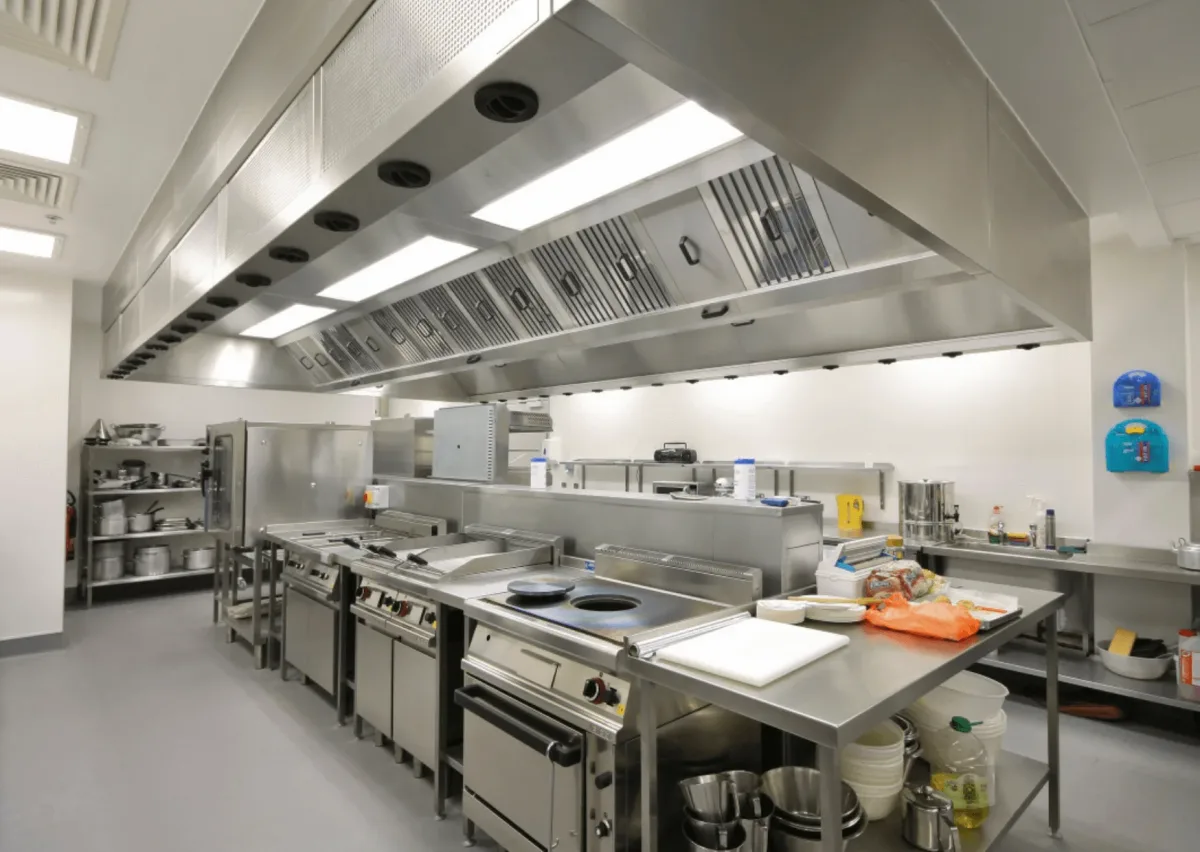
Let me tell you something, I’ve seen more restaurant dreams crash and burn in the kitchen than anywhere else. Not because the food was bad (though that happens too), but because the commercial kitchen essentials were either missing, mismatched, or straight-up overkill. I remember walking into a friend’s new bistro in East Nashville last year, excited to taste his signature duck confit, only to watch him nearly melt down because his commercial range couldn’t hold a consistent temperature. The oven? A residential model he’d dragged in from his apartment. The prep station? A folding table from Costco. The walk-in fridge? Nonexistent. He lasted eight months before the health inspector shut him down.
That’s the thing about commercial kitchens, they’re not just bigger versions of your home setup. They’re high-stakes, high-efficiency machines, and if you get the essentials wrong, you’re basically setting money on fire. But here’s the good news: you don’t need to drop six figures on equipment to get it right. What you doeed is a clear-eyed plan, a willingness to prioritize, and a healthy dose of skepticism about what “essential” actually means. Because trust me, the sales rep at the restaurant supply store is not your friend. Neither is that viral TikTok chef who swears you can run a Michelin-starred kitchen with a waffle iron and a blowtorch.
So let’s cut through the noise. In this guide, I’m breaking down the absolute non-negotiables for commercial kitchen essentials for restaurant startups, what you must have, what you can fake for a while, and what’s just shiny distraction. We’ll cover everything from the core equipment that keeps your line moving to the hidden costso one tells you about (spoiler: it’s not just the price tag). By the end, you’ll know exactly where to spend, where to save, and how to avoid the mistakes that sink 60% of new restaurants in their first year. Sound good? Let’s dig in.
The Foundation: What Every Commercial Kitchen Actually Needs
Before we dive into the gear, let’s talk about the philosophy of a commercial kitchen. Because here’s the thing: your kitchen isn’t just a place where food gets made. It’s a production line, a safety net, and your first line of defense against chaos. I’ve worked with chefs who treat their kitchen like a military operation, every tool has a place, every movement is rehearsed, and there’s zero tolerance for improvisation. Others run theirs like a jazz band, all creativity and last-minute riffs. Both can work, but only if the infrastructure is solid. You can’t improvise without a stage to stand on.
So what’s the foundation? At its core, a commercial kitchen needs to do three things:
- Handle volume – Your home oven might cook 12 pizzas in an hour. A commercial deck oven? Try 50. Volume isn’t just about speed; it’s about consistency, durability, and not breaking down under pressure.
- Meet health codes – This isn’t optional. If your kitchen doesn’t pass inspection, you don’t open. Period. And health codes aren’t just about cleanliness, they dictate everything from ventilation systems to how you store raw chicken.
- Support your menu – A sushi bar and a BBQ joint have completely different needs. Your equipment should align with your concept, not the other way around. (I’ve seen too many startups buy a $20,000 combi oven because it looked cool, only to realize they never use its steam function.)
With that in mind, let’s start with the big-ticket items-the ones that’ll eat up most of your budget but can’t be skipped. Is this the most exciting part of opening a restaurant? No. But it’s the part that’ll keep you from crying into your Yelp reviews later.
1. The Heart of the Kitchen: Cooking Equipment
If your kitchen is a body, the cooking equipment is the heart. And like any good heart, it needs to be reliable, powerful, and tailored to your needs. The mistake most startups make? Buying based on price or hype, not function. I get it, when you’re staring at a $15,000 price tag for a commercial range, it’s tempting to grab that $3,000 “commercial-style” model from a big-box store. But here’s the brutal truth: residential-grade equipment in a commercial kitchen is like bringing a butter knife to a gunfight. It won’t last, it won’t perform, and it’ll cost you more in the long run.
So what do you actually need? Let’s break it down by category:
Ranges and Ovens
For most restaurants, a heavy-duty gas range with an oven base is the workhorse. Look for:
- BTU output: At least 30,000 BTUs per burner for high-heat cooking (think wok stations or searing). Less than that, and you’ll struggle with recovery time.
- Construction: Stainless steel is non-negotiable. Avoid painted or coated surfaces, they’ll chip and rust. And for the love of all things holy, get cast-iron burners. They distribute heat evenly and last forever.
- Oven capacity: If you’re baking or roasting in-house, you’ll need an oven that can handle your volume. A deck oven is ideal for pizzerias or bakeries, while a convection oven is more versatile for general cooking.
Pro tip: If you’re tight on space, consider a range with a salamander broiler on top. It’s a game-changer for finishing dishes under high heat without taking up extra real estate.
Grills and Griddles
If your menu includes burgers, pancakes, or anything that needs a flat, hot surface, a commercial griddle is a must. Look for:
- Thickness: At least 1 inch thick. Thinner griddles warp under heat, leading to uneven cooking.
- Heat control: Separate temperature zones are ideal for cooking different items simultaneously (e.g., bacon on one side, eggs on the other).
- Grease management: A grease trough is essential for keeping your kitchen clean and safe. Trust me, you do ot want a river of bacon fat flowing toward your feet.
For open-flame grilling, a charbroiler is the way to go. But fair warning: these are gas guzzlers. If you’re going electric, a radiant broiler is more energy-efficient but lacks that smoky flavor. (Some chefs solve this by adding a smoke generator, but that’s getting fancy for a startup.)
Fryers
Fried food is a love language in the restaurant world, but commercial fryers are one of the most misunderstood pieces of equipment. First, decide if you need a countertop fryer (for low volume) or a floor model (for high volume). Then, consider:
- Oil capacity: More oil = less frequent filtering = happier staff. Aim for at least 30 pounds of oil capacity for a busy kitchen.
- Recovery time: How quickly does the fryer return to temperature after adding cold food? Slow recovery = soggy fries = sad customers.
- Filtration system: Manual filtration is cheaper upfront but a pain to maintain. Automatic filtration costs more but saves labor and extends oil life.
And here’s a hard truth: fryers are dangerous. They cause more kitchen fires than any other piece of equipment. So if you’re frying, you must have a fire suppression system (more on that later).
2. The Unsung Hero: Refrigeration
If cooking equipment is the heart of your kitchen, refrigeration is the immune system. Get it wrong, and you’re looking at spoiled food, failed inspections, and a one-way ticket to Foodborne Illness City. I’ve seen restaurants lose their entire inventory overnight because their walk-in cooler failed. Don’t let that be you.
Here’s what you need to know:
Walk-In Coolers and Freezers
For most startups, a walk-in cooler is non-negotiable. Even if you’re a small café, you’ll need more storage than a reach-in fridge can provide. Key considerations:
- Size: Rule of thumb: 1 cubic foot of storage per 2.5 customers you serve daily. So if you’re doing 100 covers a night, aim for 40 cubic feet. (And yes, you’ll need a separate walk-in freezer if you’re storing frozen goods.)
- Insulation: Look for at least 4 inches of polyurethane insulation. Cheaper models skimp here, and you’ll pay for it in energy costs.
- Flooring: Non-slip, easy-to-clean flooring is a must. Some walk-ins come with aluminum floors, but I prefer diamond-plate steel-it’s more durable and easier to sanitize.
- Condensing unit: Remote condensers (mounted outside) are quieter and more efficient, but self-contained units are cheaper and easier to install. If you’re in a hot climate, go remote.
Pro tip: Organization is everything in a walk-in. Invest in shelving units, clear storage bins, and a labeling system. Nothing slows down a kitchen like a chef digging through a mountain of unlabeled containers at 2 AM.
Reach-In Refrigerators and Freezers
While walk-ins handle bulk storage, you’ll still need reach-in units for ingredients you use frequently. Look for:
- Solid doors vs. glass doors: Solid doors are more energy-efficient, but glass doors let staff see what’s inside without opening them. If you’re tight on space, glass doors can save time.
- Top-mounted vs. bottom-mounted compressors: Top-mounted compressors are easier to clean and less likely to get clogged with debris. Bottom-mounted compressors are quieter but harder to maintain.
- Temperature consistency: Look for models with digital temperature controls and alarms for temperature fluctuations. A fridge that swings from 34°F to 42°F is a food safety nightmare.
And here’s a pet peeve of mine: under-counter refrigerators. They’re great for saving space, but they’re also magnets for spills and crumbs. If you go this route, get one with a sealed compressor and a front-breathing design to prevent overheating.
3. Prep Stations: Where the Magic (and Chaos) Happens
Prep stations are where your menu comes to life, or where it falls apart. A well-designed prep area keeps your line moving smoothly; a poorly designed one turns your kitchen into a three-ring circus of dropped knives and spilled sauces. The key? Zoning. Your prep stations should be organized by task: vegetable prep, meat prep, cold prep, and assembly. Each zone needs the right tools and enough space to work without tripping over each other.
Here’s what you’ll need for each:
Vegetable Prep
- Worktables: Stainless steel, at least 30 inches deep. Avoid wood, it’s a breeding ground for bacteria.
- Cutting boards: Color-coded to prevent cross-contamination (e.g., green for veggies, red for meat). And for the love of all things sanitary, ever use glass cutting boards. They dull knives and shatter.
- Food processors: A commercial-grade food processor is a lifesaver for chopping, shredding, and pureeing. Look for at least 3 horsepower and a continuous-feed chute for high-volume prep.
- Sinks: A three-compartment sink is a health code requirement for washing, rinsing, and sanitizing. And yes, you doeed a separate handwashing sink. No, you can’t use the prep sink for both.
Meat Prep
- Butcher blocks: If you’re breaking down whole animals, you’ll need a heavy-duty butcher block (at least 2 inches thick). For most startups, a stainless steel worktable with a meat grinder attachment is sufficient.
- Boning knives and cleavers: Invest in high-quality knives and a magnetic knife strip to keep them within reach but off the counter.
- Vacuum sealer: Essential for sous vide or extending the shelf life of proteins. Look for a chamber vacuum sealer-it’s more expensive but handles liquids better than edge sealers.
Cold Prep
- Salad stations: If you’re serving salads or cold apps, a refrigerated prep table is a game-changer. It keeps ingredients chilled while giving you a workspace on top.
- Ice machines: You’ll need ice for drinks, but also for keeping seafood and produce fresh. A modular ice machine is more flexible than an under-counter model, but it takes up more space.
And here’s a hard-learned lesson: don’t skimp on shelving. Wire shelving is cheap, but it’s also a pain to clean. Solid shelving is easier to sanitize and less likely to harbor bacteria. Trust me, your health inspector will notice.
4. Ventilation: The Invisible Lifeline
Ventilation is the most overlooked, and most critical, part of a commercial kitchen. A poorly designed hood system will make your kitchen unbearably hot, fill it with smoke, and fail your health inspection. Worse, it can turn your restaurant into a fire hazard. I’ve seen kitchens where the staff had to wear respirators just to breathe. Don’t be that guy.
Here’s what you need to know:
Type I vs. Type II Hoods
- Type I hoods: Required for cooking that produces grease or smoke (e.g., grills, fryers, ranges). These hoods have grease filters and are connected to a fire suppression system.
- Type II hoods: Used for steam, heat, or odors (e.g., dishwashers, pasta cookers). These don’t require grease filters but still need proper airflow.
For most restaurants, you’ll need a Type I hood over your cooking line. Key features to look for:
- Capture velocity: The hood should pull at least 150 cubic feet per minute (CFM) per linear foot of hood. Less than that, and smoke will escape into the kitchen.
- Makeup air: Your hood needs to replace the air it’s exhausting. If you don’t have a makeup air system, your kitchen will become a vacuum, pulling in air from the dining room (and all the odors that come with it).
- Fire suppression: A wet chemical fire suppression system is required for Type I hoods. It automatically douses fires with a chemical agent when triggered. (And yes, you will set off the fire alarm at least once. It’s a rite of passage.)
Pro tip: Hire a professional to design your ventilation system. This is not a DIY job. A poorly installed hood can create egative pressure, which pulls in outside air (and pests) or causes carbon monoxide to backdraft into the kitchen. Neither is fun.
Exhaust Fans and Ductwork
Your hood is only as good as your exhaust fan. Look for a backward-inclined centrifugal fan-it’s more efficient and quieter than a standard propeller fan. And make sure your ductwork is stainless steel and sloped to prevent grease buildup. (Grease fires in ductwork are ot something you want to experience.)
Oh, and one more thing: clean your hood and ducts regularly. I mean religiously. Grease buildup is a fire waiting to happen, and health inspectors will check. Schedule a professional cleaning at least every six months, more often if you’re frying a lot.
5. Safety and Compliance: The Non-Negotiables
Let’s talk about the stuff no one wants to think about but everyone has to deal with: safety and compliance. I get it, reading through health codes and OSHA regulations is about as fun as a root canal. But here’s the thing: ignoring them won’t make them go away. And when the inspector shows up (and they will), you’ll wish you’d paid attention.
So let’s break it down into the essentials:
Fire Safety
We’ve already touched on fire suppression systems for your hood, but that’s just the beginning. You’ll also need:
- Fire extinguishers: At least one Class K extinguisher (for grease fires) and one Class ABC extinguisher (for general fires) in the kitchen. And no, the one in the dining room doesn’t count.
- Emergency exits: Your kitchen needs at least two exits, and they can’t be blocked by equipment or storage. (I’ve seen kitchens where the “emergency exit” was a walk-in freezer. Not cool.)
- Sprinkler system: If your restaurant is over a certain size (usually 5,000 square feet), you’ll need a fire sprinkler system. Even if you’re smaller, it’s worth considering, insurance companies love them, and they can save your business in a fire.
Food Safety
Food safety isn’t just about avoiding lawsuits (though that’s a big part of it). It’s about keeping your customers alive. Here’s what you need to do:
- HACCP plan: Hazard Analysis and Critical Control Points (HACCP) is a system for identifying and preventing food safety hazards. Some states require it; even if yours doesn’t, it’s a good idea. (And yes, you’ll need to train your staff on it.)
- Temperature monitoring: You’ll need thermometers for your fridges, freezers, and cooking equipment. Digital thermometers with alarms are ideal, they’ll alert you if the temperature goes out of range.
- Handwashing stations: You need at least one dedicated handwashing sink in the kitchen, stocked with soap, paper towels, and a trash can. And no, your prep sink doesn’t count.
- Food storage: Raw meat goes on the bottom shelf (to prevent drips from contaminating other food). Ready-to-eat food goes on the top. And everythingeeds to be labeled with the date and contents. (I’ve seen restaurants lose thousands of dollars in inventory because they didn’t label their walk-in.)
Employee Safety
Your staff is your most valuable asset, and keeping them safe is non-negotiable. Here’s what you need:
- Non-slip flooring: Kitchens are wet, greasy places. Slip-resistant flooring is a must. (And no, regular tile won’t cut it.)
- First aid kit: OSHA requires a first aid kit in every workplace. Make sure it’s stocked and accessible.
- Personal protective equipment (PPE): Gloves, aprons, and cut-resistant gloves for prep work. And if you’re using chemicals, you’ll need goggles and respirators.
- Training: Your staff needs to know how to use equipment safely, how to lift properly, and what to do in an emergency. (And yes, you doeed to document this training.)
And here’s a hard truth: safety isn’t a one-time thing. You need to inspect your kitchen regularly, train your staff continuously, and stay up-to-date on regulations. It’s a pain, but it’s cheaper than a lawsuit.
6. The Small Stuff: Tools and Gadgets You Can’t Live Without
Now that we’ve covered the big-ticket items, let’s talk about the small stuff-the tools and gadgets that make or break your kitchen’s efficiency. These are the things that seem insignificant until you don’t have them, and then suddenly, your line is a disaster. I’ve seen chefs nearly come to blows over a missing bench scraper or a misplaced tongs. Don’t underestimate the power of the little things.
Here’s what you’ll need:
Hand Tools
- Chef’s knives: At least two 8-inch chef’s knives and a paring knife per prep cook. And for the love of all things sharp, get a knife sharpener. Dull knives are more dangerous than sharp ones.
- Tongs: Every station needs at least two pairs. Look for spring-loaded tongs with a locking mechanism, they’re easier to use and more sanitary than scissor-style tongs.
- Whisks: A balloon whisk for sauces and a flat whisk for gravies. And yes, you doeed both.
- Bench scrapers: These are the unsung heroes of the kitchen. Use them for portioning dough, scraping counters, and even as an impromptu spatula in a pinch.
- Ladles and portion scoops: Every kitchen needs a set of ladles (1 oz, 2 oz, 4 oz, 8 oz) and portion scoops for consistent plating. And no, eyeballing it is not an option.
Cookware
- Stock pots: At least one 20-quart stock pot for soups and stocks. Look for heavy-bottomed pots-they distribute heat evenly and prevent scorching.
- Sauté pans: A 12-inch sauté pan with a lid is a workhorse. Get at least two, one for proteins, one for veggies.
- Sheet pans: Half-sheet pans (18×13 inches) are the standard. Get at least 10-you’ll use them for everything from roasting veggies to baking cookies.
- Hotel pans: These are the steam table pans you see in buffets, but they’re also great for storage and prep. Get a variety of sizes (full, half, third) and depths (2-inch, 4-inch, 6-inch).
Small Appliances
- Blenders: A commercial-grade blender is a must for sauces, soups, and smoothies. Look for at least 3 horsepower and a variable speed control.
- Mixers: If you’re baking or making dough, a stand mixer is non-negotiable. A 5-quart mixer is sufficient for most startups, but if you’re doing high-volume baking, go for a 20-quart floor model.
- Toasters: A conveyor toaster is ideal for high-volume toast (think breakfast restaurants or diners). For lower volume, a pop-up toaster or salamander broiler works.
- Coffee makers: If you’re serving coffee, you’ll need a commercial coffee maker. A drip brewer is sufficient for most cafés, but if you’re doing espresso, you’ll need a commercial espresso machine and a grinder.
And here’s a pro tip: organize your tools by station. Every line cook should have their own set of tongs, spoons, and scrapers, and they should know exactly where to find them. Nothing slows down a kitchen like a cook digging through a drawer for a missing tool.
7. The Hidden Costs: What No One Tells You About Commercial Kitchen Essentials
Alright, let’s talk about the hidden costs of commercial kitchen essentials, the stuff that doesn’t show up on the price tag but will absolutely show up on your balance sheet. I’ve seen too many startups blow their entire budget on equipment, only to realize they forgot about installation, maintenance, or permits. Don’t let that be you.
Here’s what you need to budget for:
Installation Costs
You can’t just wheel a commercial range into your kitchen and plug it in. Most commercial equipment requires:
- Gas lines: If you’re using gas equipment, you’ll need a licensed plumber to install gas lines. This can cost anywhere from $500 to $5,000, depending on the complexity.
- Electrical work: Commercial equipment draws a lot of power. You may need to upgrade your electrical panel or install new circuits. (And no, you can’t just plug a commercial fryer into a regular outlet.)
- Ventilation: We’ve already talked about hoods, but don’t forget about the cost of ductwork, fans, and fire suppression systems. This can easily add $10,000 to $30,000 to your budget.
- Plumbing: If you’re installing a three-compartment sink or a handwashing station, you’ll need a plumber to run water lines and drains. And yes, you doeed a grease trap if you’re frying or cooking with oil.
Maintenance Costs
Commercial equipment isn’t “set it and forget it.” It needs regular maintenance to keep it running smoothly. Here’s what you’ll need to budget for:
- Cleaning: Grease buildup, food debris, and mineral deposits can all affect performance. You’ll need to clean your equipment daily, weekly, and monthly. (And yes, this includes the inside of your oven and the ductwork of your hood.)
- Repairs: Even the best equipment breaks down. Budget at least 1-2% of your equipment’s value for annual repairs. (So if you spent $100,000 on equipment, budget $1,000 to $2,000 for repairs.)
- Parts: Things like burner elements, gaskets, and thermostats wear out over time. Keep a stock of common parts on hand to avoid downtime.
- Professional servicing: Some equipment (like refrigeration units and fire suppression systems) requires professional servicing. Budget for this annually.
Permits and Inspections
Opening a restaurant isn’t just about buying equipment, it’s about getting permission to use it. Here’s what you’ll need:
- Health permit: This is non-negotiable. You’ll need to pass a health inspection before you can open, and you’ll need to renew your permit annually.
- Fire permit: If you have a hood system or a fire suppression system, you’ll need a fire permit. This usually requires an inspection by the fire marshal.
- Building permits: If you’re doing any construction (e.g., installing gas lines, electrical work, or ventilation), you’ll need building permits. This can add thousands of dollars to your budget and months to your timeline.
- Business license: This varies by state and municipality, but you’ll need a business license to operate legally.
And here’s a hard truth: permits take time. Don’t assume you can get them overnight. Start the process early, and be prepared for delays. (I’ve seen restaurants sit empty for months because they didn’t account for permit approvals.)
Training Costs
Your equipment is only as good as the people using it. If your staff doesn’t know how to use your combi oven or your vacuum sealer, it’s just an expensive paperweight. Budget for:
- Initial training: When you first open, you’ll need to train your staff on how to use the equipment safely and efficiently. This can take days or even weeks.
- Ongoing training: As your menu changes or your equipment gets updated, you’ll need to train your staff on new techniques. Budget for this annually.
- Certifications: Some equipment (like sous vide machines or blast chillers) requires specialized training. Make sure your staff is certified to use it.
8. Space Optimization: Making the Most of Your Square Footage
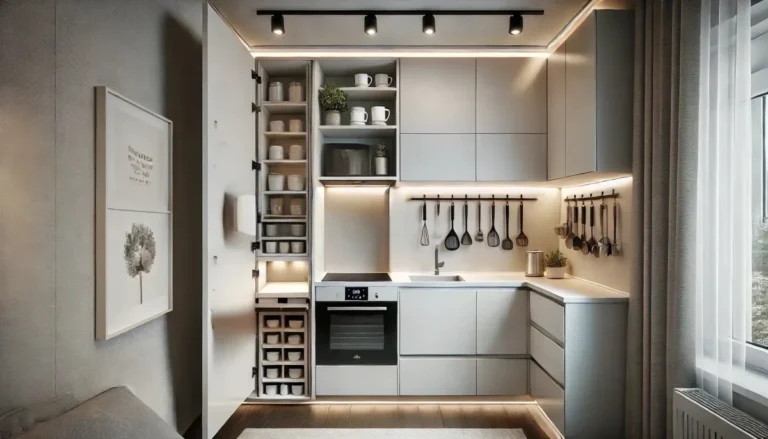
Unless you’re opening a fine-dining restaurant with a sprawling kitchen, space is going to be your biggest constraint. Most startups are working with tight quarters, and every square foot counts. The key? Optimization. You need to design your kitchen so that every piece of equipment, every tool, and every ingredient has a place, and that place makes sense in the flow of service.
Here’s how to do it:
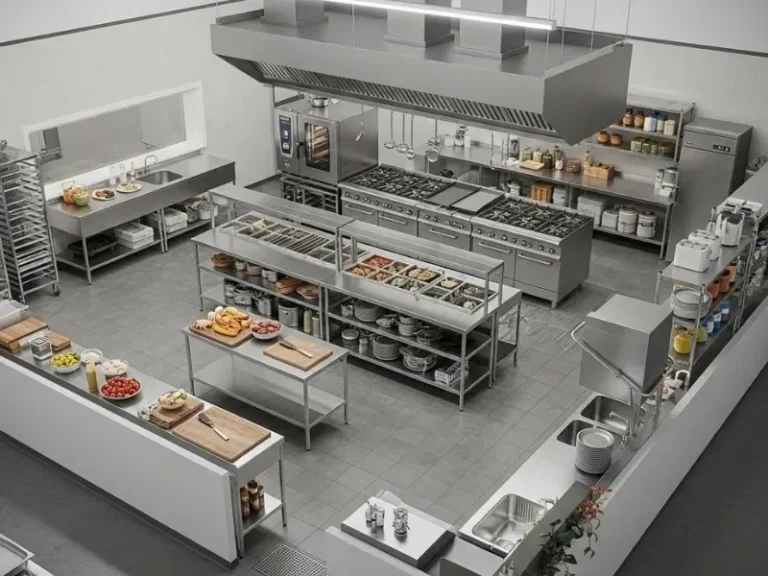
The Kitchen Triangle
The kitchen triangle is a classic design principle that places the three main work areas-cooking, prep, and storage-in a triangular layout. The idea is to minimize movement and maximize efficiency. Here’s how to apply it:
- Cooking: This is your range, oven, grill, and fryer. Place them in a central location, with easy access to prep and storage.
- Prep: This is your cutting boards, sinks, and small appliances. Place them adjacent to cooking, so chefs can prep and cook without running across the kitchen.
- Storage: This is your walk-in cooler, dry storage, and reach-in fridges. Place them near prep, so ingredients are easy to grab.
Pro tip: Keep the triangle tight. The sides of the triangle should be no more than 7 feet long. Any longer, and your staff will waste time walking back and forth.
Vertical Space
When floor space is limited, look up. Vertical space is your friend. Here’s how to use it:
- Shelving: Install wall-mounted shelving for dry storage, small appliances, and tools. Just make sure it’s sturdy and easy to clean.
- Hanging racks: Use magnetic knife strips, pot racks, and utensil hooks to keep tools within reach but off the counter.
- Overhead storage: If you have high ceilings, consider overhead racks for less frequently used items (e.g., holiday decorations, backup equipment).
Multi-Functional Equipment
In a small kitchen, every piece of equipment should do double duty. Here are some examples:
- Combi ovens: These can steam, bake, roast, and even fry. They’re expensive, but they replace multiple pieces of equipment.
- Tilt skillets: These can braise, sauté, steam, and even deep-fry. They’re a great all-in-one solution for small kitchens.
- Countertop induction burners: These are portable, energy-efficient, and can be used for everything from searing to simmering.
Workflow
Your kitchen’s workflow should mirror your menu. Think about the steps required to prepare each dish, and design your kitchen so that those steps flow naturally. For example:
- If you’re a burger joint, your grill and fryer should be near your bun toaster and condiment station.
- If you’re a pizzeria, your dough sheeter should be near your topping station, which should be near your oven.
- If you’re a café, your espresso machine should be near your milk fridge and syrup station.
And here’s a hard truth: you’ll never have enough space. No matter how big your kitchen is, you’ll always wish it were bigger. The key is to design for efficiency, not perfection. Focus on the flow of service, and the rest will fall into place.
9. Financing Your Kitchen: How to Pay for It Without Going Broke
Let’s talk about the elephant in the room: money. Commercial kitchen equipment is expensive, and most startups don’t have $100,000 sitting in a bank account. So how do you pay for it? Here are your options:
Cash
If you have the cash, this is the simplest option. No loans, no interest, no strings attached. But let’s be real, most startups don’t have $50,000+ lying around. If you do, great! But if not, don’t drain your savings. You’ll need cash for operating expenses, emergencies, and the inevitable “oops” moments.
Equipment Loans
An equipment loan is a type of business loan specifically for purchasing equipment. Here’s how it works:
- You borrow a lump sum to purchase equipment.
- The equipment itself serves as collateral for the loan.
- You repay the loan in fixed monthly installments, with interest.
Pros:
- Lower interest rates than credit cards or personal loans.
- Longer repayment terms (up to 10 years).
- Tax benefits (you can deduct the interest and depreciate the equipment).
Cons:
- You’re on the hook for the loan even if your business fails.
- You may need to put down a down payment (usually 10-20%).
- Not all equipment qualifies (e.g., used equipment may not be eligible).
Equipment Leasing
Leasing is like renting equipment. You make monthly payments to use the equipment, but you don’t own it. Here’s how it works:
- You choose the equipment you want to lease.
- The leasing company buys the equipment and leases it to you.
- You make monthly payments for the duration of the lease (usually 2-5 years).
- At the end of the lease, you can return the equipment, renew the lease, or purchase the equipment at fair market value.
Pros:
- Lower upfront costs (no down payment).
- Easier to upgrade equipment (you can lease new equipment at the end of the term).
- Tax benefits (lease payments are usually tax-deductible).
Cons:
- You don’t own the equipment (so you’re not building equity).
- Higher long-term costs (you’ll pay more over the life of the lease than if you bought the equipment outright).
- You may be locked into a long-term contract.
SBA Loans
The Small Business Administration (SBA) offers loans to small businesses, including restaurants. Here’s how it works:
- You apply for an SBA loan through a participating lender.
- The SBA guarantees a portion of the loan (up to 85%), reducing the risk for the lender.
- You repay the loan in fixed monthly installments, with interest.
Pros:
- Lower interest rates than traditional loans.
- Longer repayment terms (up to 25 years for real estate, 10 years for equipment).
- Lower down payments (as little as 10%).
Cons:
- Longer approval process (it can take months to get approved).
- Strict eligibility requirements (you’ll need good credit and a solid business plan).
- Personal guarantee required (you’re personally on the hook for the loan if your business fails).
Credit Cards
Credit cards are a quick and easy way to finance equipment, but they’re also one of the most expensive options. Here’s what you need to know:
- Interest rates are high (usually 15-25% APR).
- Credit limits may not be high enough to cover large purchases.
- You’ll need good credit to qualify for a business credit card.
Pros:
- Fast and easy to use.
- Rewards programs (e.g., cash back, travel points).
- No collateral required.
Cons:
- High interest rates.
- Risk of overspending.
- Can hurt your credit score if you carry a balance.
And here’s a hard truth: financing is a double-edged sword. It can help you get the equipment you need to open your restaurant, but it can also bury you in debt. Before you sign on the dotted line, ask yourself:
- Can I afford the monthly payments?
- Will this equipment generate enough revenue to cover the cost?
- What’s my backup plan if the equipment breaks down or my business struggles?
If you’re not sure, talk to a financial advisor or a restaurant consultant. They can help you weigh the pros and cons and make an informed decision.
10. The Future: Smart Kitchen Tech for Startups
We’re living in the future, folks. Smart kitchen technology is no longer just for high-end restaurants, it’s becoming a must-have for startups, too. Why? Because it saves time, reduces waste, and makes your kitchen more efficient. And in a business where every second counts, that’s a game-changer.
Here’s what’s on the horizon:
Connected Equipment
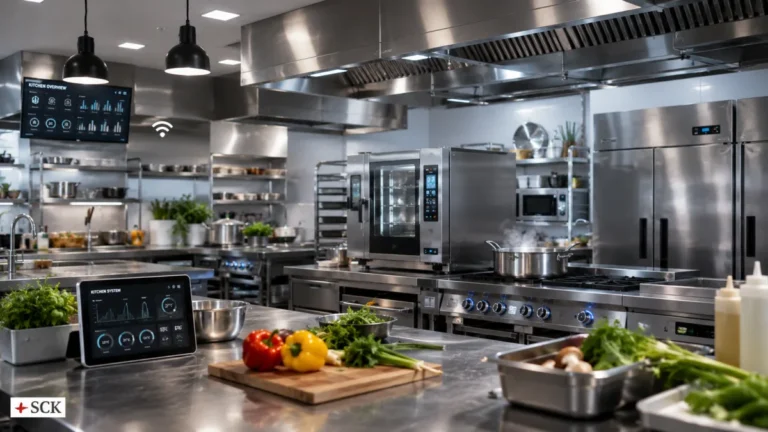
Imagine a commercial range that alerts you when it’s preheated, a fryer that tells you when the oil needs changing, or a refrigerator that monitors its own temperature and sends you an alert if it goes out of range. That’s the power of connected equipment. These smart devices are equipped with sensors and Wi-Fi, so they can communicate with you (and each other) in real time.
Examples:
- Smart ovens: Ovens like the June Oven or Bravo can recognize what you’re cooking and adjust the temperature and time automatically. Some even have built-in cameras, so you can monitor your food from your phone.
- Smart fryers: Fryers like the Frymaster or Henny Penny can monitor oil quality, filter oil automatically, and even order new oil when it’s running low.
- Smart refrigerators: Refrigerators like the True Manufacturing T-49 can monitor temperature, humidity, and door openings, and send alerts if something goes wrong.
Inventory Management Systems
Inventory management is one of the biggest headaches in the restaurant business. Smart inventory systems use sensors and software to track your inventory in real time, so you always know what you have on hand and what you need to order. They can also help you reduce waste by tracking expiration dates and suggesting recipes based on what’s in stock.
Examples:
- Toast: A point-of-sale system with built-in inventory management. It tracks your sales and inventory in real time, so you can see what’s selling and what’s not.
- MarketMan: A cloud-based inventory management system that integrates with your POS and accounting software. It can even generate purchase orders automatically.
- BevSpot: A beverage inventory management system that tracks your liquor, wine, and beer inventory. It can help you reduce waste and improve your bar’s profitability.
Kitchen Display Systems (KDS)
A kitchen display system (KDS) replaces paper tickets with digital screens. Orders appear on the screen in real time, so your kitchen staff always knows what to cook and when. KDS can also prioritize orders, track cook times, and alert staff when an order is running late.
Examples:
- Toast KDS: Integrates with the Toast POS system to display orders in real time. It can also prioritize orders based on cook time and alert staff when an order is running late.
- QSR Automations: A KDS that integrates with multiple POS systems. It can track cook times, prioritize orders, and even suggest upsells.
- SpeedLine: A KDS designed for pizzerias and delivery restaurants. It can track delivery times, prioritize orders, and even suggest the most efficient delivery routes.
Energy Management Systems
Energy costs are one of the biggest expenses in a commercial kitchen. Energy management systems can help you reduce your energy usage (and your bills) by monitoring your equipment and suggesting ways to improve efficiency.
Examples:
- Ecova: A cloud-based energy management system that tracks your energy usage in real time. It can identify inefficiencies and suggest ways to reduce your energy costs.
- Powerhouse Dynamics: An energy management system designed specifically for restaurants. It can monitor your equipment, track your energy usage, and even predict when equipment is about to fail.
- GridPoint: An energy management system that integrates with your building’s HVAC, lighting, and refrigeration systems. It can optimize your energy usage based on occupancy, weather, and time of day.
And here’s the thing: smart kitchen tech isn’t just for big chains. Startups can benefit from it, too. In fact, it might be even more valuable for small restaurants, where every dollar and every second counts. So if you’re opening a restaurant in 2026, don’t just think about the equipment you need today, think about the technology that will help you grow tomorrow.
Putting It All Together: Your Commercial Kitchen Essentials Checklist
Alright, let’s recap. We’ve covered a lot of ground, from the big-ticket items like ranges and refrigeration to the hidden costs like permits and maintenance. Now, it’s time to put it all together. Here’s your commercial kitchen essentials checklist for restaurant startups:
Cooking Equipment
- Commercial range with oven base
- Commercial griddle or grill
- Commercial fryer (if frying)
- Combi oven or convection oven (if baking)
- Salamander broiler (for finishing dishes)
- Microwave (for quick reheating)
Refrigeration
- Walk-in cooler (for bulk storage)
- Walk-in freezer (if storing frozen goods)
- Reach-in refrigerators (for frequently used ingredients)
- Under-counter refrigerators (for prep stations)
- Ice machine (for drinks and food prep)
Prep Stations
- Stainless steel worktables
- Cutting boards (color-coded)
- Food processors
- Mixers (if baking)
- Vacuum sealer (for sous vide or storage)
- Three-compartment sink (for washing, rinsing, and sanitizing)
- Handwashing sink (dedicated)
Ventilation
- Type I hood (for cooking that produces grease or smoke)
- Type II hood (for steam, heat, or odors)
- Exhaust fan
- Makeup air system
- Fire suppression system
- Ductwork (stainless steel, sloped)
Safety and Compliance
- Fire extinguishers (Class K and Class ABC)
- Emergency exits (at least two, unobstructed)
- Sprinkler system (if required)
- HACCP plan
- Temperature monitoring (thermometers for fridges, freezers, and cooking equipment)
- First aid kit
- Non-slip flooring
- Personal protective equipment (gloves, aprons, cut-resistant gloves)
Tools and Gadgets
- Chef’s knives and paring knives
- Tongs (spring-loaded)
- Whisks (balloon and flat)
- Bench scrapers
- Ladles and portion scoops
- Stock pots and sauté pans
- Sheet pans and hotel pans
- Blenders and mixers
- Toasters and coffee makers
Financing and Permits
- Equipment financing (loan, lease, or SBA loan)
- Health permit
- Fire permit
- Building permits (for construction)
- Business license
- Insurance (liability, property, workers’ compensation)
Smart Kitchen Tech
- Connected equipment (smart ovens, fryers, refrigerators)
- Inventory management system
- Kitchen display system (KDS)
- Energy management system
And here’s the thing: this list isn’t set in stone. Every restaurant is different, and your equipment needs will depend on your menu, your concept, and your budget. But if you check off most of these boxes, you’ll be well on your way to a functional, efficient, and compliant commercial kitchen.
So what’s next? Start prioritizing. Figure out what you eed to open, what you can wait on, and what you can live without. Then, start shopping. Talk to suppliers, compare prices, and don’t be afraid to negotiate. And remember: your kitchen is an investment. Spend wisely, and it’ll pay off in the long run.
Final Thoughts: The Kitchen Is Your Battlefield
Look, I’m not going to sugarcoat it: opening a restaurant is hard. Really hard. The hours are long, the margins are thin, and the odds are stacked against you. But here’s the thing-the kitchen is where you win or lose. A well-designed, well-equipped kitchen can turn a good restaurant into a great one. A poorly designed kitchen can sink even the best concept.
So take this seriously. Don’t cut corners on the commercial kitchen essentials. Don’t buy equipment just because it’s cheap or looks cool. And don’t assume you can figure it out as you go. Plan ahead, budget wisely, and build a kitchen that can handle the chaos of service night after night.
And remember: your kitchen isn’t just a place to cook food. It’s the heart of your restaurant, the engine of your business, and the stage where your culinary dreams come to life. Treat it with the respect it deserves, and it’ll serve you well for years to come.
Now, go build something great.
FAQ: Commercial Kitchen Essentials for Restaurant Startups
Q: What’s the most important piece of equipment for a new restaurant?
A: It depends on your menu, but for most restaurants, a commercial range with an oven base is the workhorse. It’s versatile, durable, and can handle a wide range of cooking tasks. If you’re frying, a commercial fryer is a close second. And if you’re storing a lot of ingredients, a walk-in cooler is non-negotiable.
Q: Can I use residential equipment in my commercial kitchen?
A: Technically, yes, but it’s a terrible idea. Residential equipment isn’t built to handle the volume or the wear and tear of a commercial kitchen. It’ll break down faster, perform worse, and may not meet health code requirements. Plus, if something goes wrong (e.g., a fire), your insurance may not cover it. Invest in commercial-grade equipment from the start.
Q: How much should I budget for commercial kitchen equipment?
A: It varies widely depending on your menu and concept, but most startups spend between $50,000 and $150,000 on equipment. Here’s a rough breakdown:
- Cooking equipment: $20,000–$50,000
- Refrigeration: $10,000–$30,000
- Prep stations: $5,000–$15,000
- Ventilation: $10,000–$30,000
- Small tools and gadgets: $2,000–$5,000
- Installation and permits: $5,000–$20,000
And remember: this is just the upfront cost. You’ll also need to budget for maintenance, repairs, and replacements.
Q: What’s the biggest mistake startups make when buying commercial kitchen equipment?
A: The biggest mistake is buying based on price alone. Cheap equipment may save you money upfront, but it’ll cost you more in the long run in repairs, downtime, and lost productivity. Another common mistake is overbuying-getting equipment you don’t need just because it looks cool or because a sales rep talked you into it. Stick to the essentials, and upgrade as your business grows.
Q: How do I know if my kitchen layout is efficient?
A: A good kitchen layout follows the kitchen triangle principle: cooking, prep, and storage should form a triangle, with each side no more than 7 feet long. Your workflow should mirror your menu, ingredients should flow naturally from storage to prep to cooking to plating. And every piece of equipment and tool should have a designated place. If your staff is constantly running back and forth or digging through drawers, your layout isn’t efficient. Consider hiring a kitchen designer or consultant to help you optimize your space.
@article{commercial-kitchen-essentials-for-restaurant-startups-the-no-nonsense-guide-to-building-your-backbone,
    title   = {Commercial Kitchen Essentials for Restaurant Startups: The No-Nonsense Guide to Building Your Backbone},
    author  = {Chef's icon},
    year    = {2026},
    journal = {Chef's Icon},
    url     = {https://chefsicon.com/commercial-kitchen-essentials-for-restaurant-startups/}
}