The Best Fluffy Pancakes recipe you will fall in love with. Full of tips and tricks to help you make the best pancakes.
How to Design Kitchen Zones for Faster Service: Because Every Second Counts (and So Does Your Sanity)
Let me set the scene: It’s Friday night, the dining room’s packed, tickets are flying out of the printer like confetti at a parade, and your line cooks are moving like they’re in a high-stakes game of culinary Tetris. One of your prep cooks just realized the mise en place for the special is running low, the fry station is backed up because someone’s still waiting on a batch of fries that should’ve been done five minutes ago, and your expo is practically tap-dancing to keep up with the chaos. Sound familiar? If you’ve ever worked in, or managed, a busy kitchen, you know that speed isn’t just about hustle. It’s about design. Specifically, how you zone your kitchen can make or break your service.
I’ll be honest: When I first started digging into kitchen design, I thought it was all about the shiny equipment or the latest gadgets. But after years of talking to chefs, observing kitchens from food trucks to Michelin-starred restaurants, and even experimenting with my own home setup (yes, Luna the cat has opinions on where the cutting board should go), I’ve realized that zoning is the unsung hero of efficiency. It’s not just about where you put the grill or the prep table, it’s about creating a flow that feels almost instinctive, where every movement has a purpose and every second is accounted for. So, if you’re tired of watching your team play a never-ending game of “where’s the damn tongs?”, stick around. We’re about to break down how to design kitchen zones for faster service, without turning your kitchen into a soulless factory.
By the end of this, you’ll know:
- Why zoning matters more than square footage (and how to work with what you’ve got).
- How to map out your kitchen’s workflow like a pro, even if you’re not a designer.
- The five essential kitchen zones every high-speed kitchen needs, and how to adapt them for your space.
- Common mistakes that slow down service (and how to avoid them).
- How to test and tweak your zones so they actually work in the real world.
Let’s get into it. And hey, if you’re reading this while standing in your kitchen, staring at a layout that makes zero sense, don’t worry, we’ve all been there. The good news? It’s fixable.
The Big Idea: Why Zoning is Your Kitchen’s Secret Weapon
Before we dive into the nitty-gritty, let’s talk about why zoning is such a big deal. At its core, kitchen zoning is about creating designated areas for specific tasks, so that everything, and everyone, has a place. Think of it like a well-oiled assembly line, but with more fire and less monotony. The goal? To minimize wasted movement, reduce cross-traffic, and keep your team from tripping over each other (or the garbage can).
But here’s the thing: Zoning isn’t just about speed. It’s also about consistency, safety, and sanity. When your kitchen is properly zoned, your team knows exactly where to find what they need, when they need it. There’s less shouting, less running around, and, most importantly, less room for error. And let’s be real: In a busy service, errors mean delays, and delays mean unhappy customers. So, if you’re still running your kitchen like it’s a free-for-all, it’s time to rethink your approach.
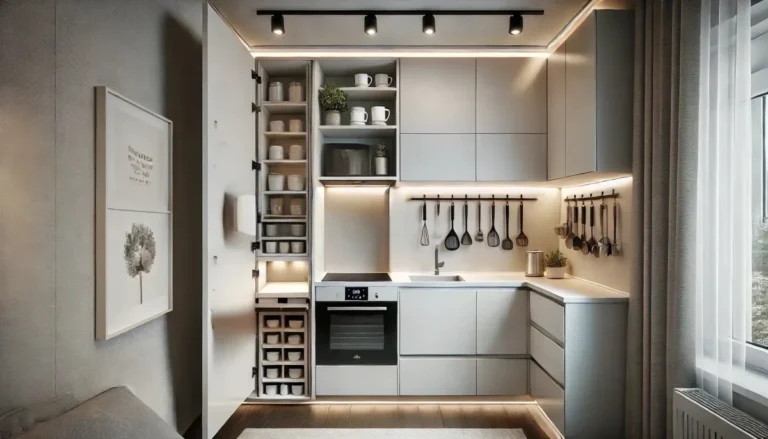
Now, I know what you’re thinking: “But my kitchen is tiny! There’s no way I can zone it like those fancy restaurants on TV.” And you’re not wrong, space is a real constraint for a lot of us. But here’s the kicker: Zoning isn’t about having more space; it’s about using the space you have more intelligently. I’ve seen food trucks with better workflows than some brick-and-mortar kitchens, simply because they’ve thought through every inch. So, whether you’re working with a 200-square-foot galley or a sprawling commercial kitchen, the principles are the same. It’s all about intentionality.
So, where do you start? Let’s break it down.
Step 1: Map Your Kitchen’s Workflow (Like You’re Drawing a Treasure Map)
Before you start moving equipment around or slapping labels on stations, you need to understand how your kitchen actually works. And I don’t mean how you want it to work, I mean how it works right now. This is where a lot of people go wrong. They design their dream kitchen on paper, only to realize that in practice, it’s a logistical nightmare. So, let’s start with some good old-fashioned observation.
Grab a notebook (or your phone, if you’re not a pen-and-paper person) and spend a few shifts just watching how your team moves. Where are the bottlenecks? What stations seem to be in everyone’s way? Where do people have to backtrack or cross paths? Pay attention to the little things, like where the cutting boards end up or how often someone has to walk across the kitchen to grab a utensil. These are the clues that’ll help you redesign your workflow.
Here’s what you’re looking for:
- Hot spots: Areas where multiple people need to access the same equipment or ingredients. These are prime candidates for zoning.
- Dead zones: Spaces that are underutilized or just taking up real estate. Could these be repurposed?
- Cross-traffic: Where are people constantly bumping into each other? These are the areas that need the most attention.
- Distance: How far does your team have to walk to complete a task? The shorter the distance, the faster the service.
Once you’ve got a good sense of your current workflow, it’s time to draw it out. You don’t need to be an artist, just sketch a rough layout of your kitchen and start mapping the flow. Use arrows to show movement, circles to highlight problem areas, and stars to mark the most critical zones. This doesn’t have to be pretty; it just has to make sense to you.
Now, here’s where it gets fun. Take that map and imagine your kitchen as a series of “stations”, each with a specific purpose. The key is to arrange these stations in a way that mirrors the natural flow of service. For example, if your prep work feeds directly into your cooking line, those stations should be close together. If your expo station is the hub of communication, it should be centrally located. The goal is to create a logical sequence that minimizes backtracking and keeps everything within arm’s reach.
Is this the best approach? I’m torn between keeping it simple and overcomplicating things. Maybe I should clarify: The point isn’t to create a rigid system that boxes your team in. It’s about giving them a framework that makes their jobs easier. Think of it like a roadmap, it doesn’t tell you how to drive, but it sure as hell helps you get where you’re going faster.
Step 2: The Five Essential Kitchen Zones (And How to Make Them Work for You)
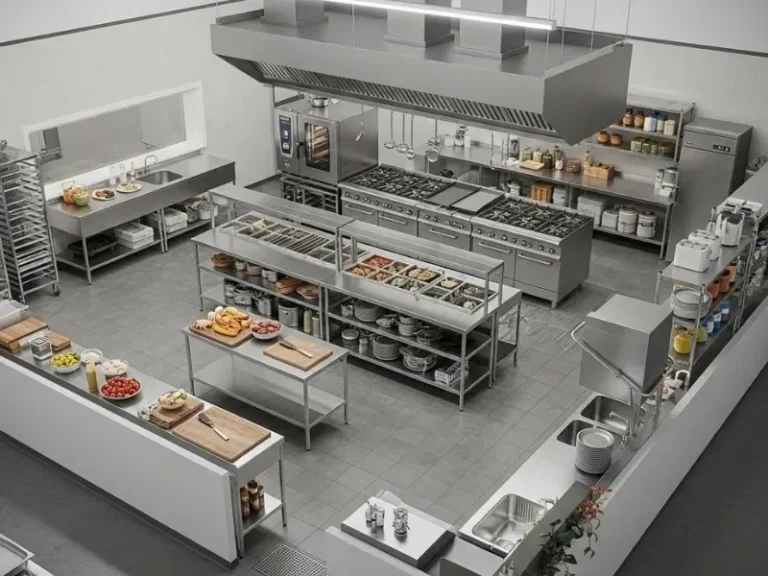
Alright, let’s talk zones. While every kitchen is different, there are five core zones that most high-speed kitchens rely on. These aren’t set in stone, you’ll need to adapt them to your space, menu, and team, but they’re a great starting point. Here’s what they are and how to think about them:
1. The Prep Zone: Where the Magic (and the Chopping) Happens
This is where your mise en place comes to life. The prep zone is all about getting ingredients ready before they hit the line, so your cooks aren’t stuck peeling potatoes during the dinner rush. Ideally, this zone should be close to your walk-in fridge and dry storage, so your prep cooks aren’t trekking across the kitchen every time they need another onion. It should also be equipped with plenty of counter space, cutting boards, and storage for prepped ingredients (think cambros, lexans, or whatever containers you use).
But here’s the thing: Not every kitchen has the luxury of a dedicated prep zone. If you’re working with limited space, you might need to double up. For example, can your prep table also serve as a pass-through for plated dishes? Can you use mobile carts to store prepped ingredients, so they can be moved out of the way when not in use? The key is to keep prep organized and accessible, even if it’s not in its own little corner of the kitchen.
And let’s not forget about safety. Prep zones can get messy fast, so make sure you’ve got a designated area for trash and compost (no one wants to be digging through onion skins to find a clean knife). You’ll also want to think about ergonomics-are your prep tables at a comfortable height? Are your cutting boards stable? Little things like this add up, especially during a long shift.
2. The Cooking Zone: Where the Heat (and the Pressure) Is
This is where the action happens. The cooking zone is home to your grill, sauté station, fryers, ovens, and whatever other equipment you use to turn raw ingredients into deliciousness. The goal here is to arrange your equipment in a way that matches your menu. For example, if you’re running a burger joint, your grill should be front and center. If you’re a seafood spot, your sauté station might take priority.
But it’s not just about the equipment, it’s also about how your cooks move within the space. The cooking zone should be designed so that your team can work efficiently without getting in each other’s way. This might mean arranging your stations in a line (like a traditional French brigade system), or it might mean creating a more circular flow, depending on your kitchen’s layout. The key is to minimize cross-traffic and keep everything within easy reach.
Here’s a pro tip: Think about the “golden triangle.” In kitchen design, the golden triangle refers to the three most important points in a workspace, the fridge, the sink, and the stove. The idea is to arrange these points in a triangle, so that the distance between them is as short as possible. This principle isn’t just for home kitchens, it applies to commercial kitchens too. Even if you can’t create a perfect triangle, the goal is to keep your most-used equipment and ingredients close together.
And don’t forget about ventilation. A hot, smoky kitchen is not only uncomfortable, it’s also a safety hazard. Make sure your cooking zone is properly ventilated, with hoods positioned over your hottest equipment. Trust me, your team will thank you.
3. The Plating Zone: Where Dishes Come to Life (and Get Sent Out the Door)
This is where the final touches happen. The plating zone is all about getting dishes ready for service, whether that means adding a garnish, drizzling a sauce, or arranging a plate like it’s a work of art. This zone should be close to your cooking line, so your cooks can easily pass dishes off to the expo or expediter. It should also be equipped with everything your team needs to finish a dish, like garnishes, sauces, and plating tools.
But here’s where a lot of kitchens go wrong: They treat the plating zone as an afterthought. It’s not just a counter where dishes sit before they go out, it’s a critical part of your workflow. If your plating zone is too far from the cooking line, your cooks are going to waste time walking back and forth. If it’s cluttered or disorganized, your expo is going to struggle to keep up. And if it’s not properly stocked, your dishes are going to go out looking half-finished.
So, how do you design a plating zone that works? Start by thinking about the flow of dishes. Where do they come from? Where do they go next? For example, if your expo is calling tickets from the pass, your plating zone should be close to the pass, so dishes can be quickly reviewed and sent out. If you’re plating family-style dishes, you might need more space for large platters. The key is to design your plating zone around your menu and service style.
And don’t forget about communication. The plating zone is often where the expo and the cooks come together, so it’s important to keep the lines of communication open. This might mean installing a call system (like a bell or a light) to let the expo know when a dish is ready, or it might mean positioning the plating zone so that the expo can easily see what’s happening on the line. The goal is to keep the flow of information smooth, so there’s no confusion about what’s ready to go out.
4. The Expo Zone: The Brain of the Operation
If the cooking zone is the heart of your kitchen, the expo zone is the brain. This is where the expediter (or expo) calls tickets, coordinates with the front of house, and makes sure every dish goes out at the right time. The expo zone should be centrally located, so the expo can easily see what’s happening on the line and communicate with the rest of the team. It should also be equipped with everything the expo needs to do their job, like a ticket printer, a POS system, and a place to store garnishes and sauces.
But here’s the thing: Not every kitchen has a dedicated expo. In smaller operations, the expo might double as the chef or the manager. And that’s okay, as long as the expo has the tools and space they need to do their job effectively. If you’re working with limited space, you might need to get creative. For example, can your expo station be a mobile cart that can be moved out of the way when not in use? Can you use a tablet instead of a full POS system? The key is to give your expo the visibility and access they need, even if it’s not a traditional setup.
And let’s talk about ticket management. Nothing slows down service like a cluttered ticket rail. If your expo is constantly digging through a pile of tickets to find the next order, you’re losing time. So, think about how you can organize your tickets for maximum efficiency. This might mean using a color-coded system (e.g., red for appetizers, blue for entrees), or it might mean investing in a digital ticketing system that keeps everything organized. The goal is to make it easy for your expo to see what’s next, so they can keep the line moving.
Finally, don’t underestimate the power of communication tools. Whether it’s a headset system for the expo and the front of house, or a simple whiteboard where the team can jot down notes, the key is to keep everyone on the same page. The expo zone is the hub of your kitchen, so it’s important to design it with collaboration in mind.
5. The Cleaning Zone: Because Dishes Don’t Wash Themselves
Last but not least, we’ve got the cleaning zone. This is where the dishes get washed, the trash gets taken out, and the kitchen gets reset for the next service. And while it might not be the most glamorous part of the kitchen, it’s absolutely essential. A poorly designed cleaning zone can bring your entire operation to a halt, especially during peak hours.
So, where should you put it? Ideally, the cleaning zone should be close to the dish drop-off area, so your team isn’t hauling dirty dishes across the kitchen. It should also be equipped with everything your dishwashers need, like a three-compartment sink, a dish machine, and plenty of storage for clean dishes. And don’t forget about ventilation-a steamy, humid dish pit is no one’s idea of a good time.
But here’s where a lot of kitchens go wrong: They treat the cleaning zone as an afterthought. It’s not just a place to wash dishes, it’s a critical part of your workflow. If your dish machine is constantly breaking down, or if your team is running out of clean plates mid-service, your entire operation is going to suffer. So, think about how you can design your cleaning zone for maximum efficiency.
For example, can you position your dish machine close to the dish drop-off area, so dirty dishes can be quickly loaded? Can you store clean dishes near the plating zone, so they’re easy to grab when needed? And what about waste management? Do you have a system for separating trash, compost, and recyclables? The key is to think about the entire dishwashing process, from drop-off to storage, and design your zone accordingly.
And let’s not forget about ergonomics. Dishwashing is a physically demanding job, so it’s important to design your cleaning zone with your team’s comfort in mind. Are your sinks at a comfortable height? Do you have mats to reduce fatigue? Little things like this can make a big difference, especially during a long shift.
Step 3: Adapt Your Zones to Your Space (Because No Two Kitchens Are the Same)
Alright, so you’ve got your five essential zones mapped out. Now what? Well, now it’s time to adapt them to your space. Because let’s be real: No two kitchens are the same. What works for a food truck isn’t going to work for a fine-dining restaurant, and what works for a pizzeria isn’t going to work for a sushi bar. So, how do you make these zones work for your kitchen?
First, let’s talk about space constraints. If you’re working with a small kitchen, you might need to combine zones or get creative with your layout. For example, can your prep zone double as your plating zone? Can your expo station be a mobile cart that can be moved out of the way when not in use? The key is to think about how your zones can overlap or share space, without sacrificing efficiency.
Here’s an example: I once worked with a food truck that had a tiny kitchen-we’re talking 50 square feet. But by zoning their space intelligently, they were able to serve 100+ customers a day without breaking a sweat. Their prep zone was a small counter at the front of the truck, their cooking zone was a single induction burner and a griddle, and their plating zone was a narrow shelf above the burner. The expo station? A clipboard hanging from the ceiling. It wasn’t pretty, but it worked, because they designed their zones around their menu and their space.
Now, let’s talk about menu-driven zoning. Your menu should dictate how you zone your kitchen. For example, if you’re running a burger joint, your grill is going to be the star of the show, so it should be front and center. If you’re a seafood spot, your sauté station might take priority. The key is to arrange your zones in a way that matches your menu, so your team can work efficiently without constantly crossing paths.
Here’s how to do it:
- Identify your most popular dishes. What do you sell the most of? These dishes should dictate your zoning priorities.
- Map out the workflow for each dish. What stations does it go through? How can you arrange those stations to minimize movement?
- Think about prep. What ingredients need to be prepped in advance? Where should those ingredients be stored so they’re easy to grab during service?
- Consider your service style. Are you plating dishes to order, or are you working with a lot of batch cooking? Your zoning should reflect how you actually serve food.
And don’t forget about flexibility. Your menu might change, or you might add a new station down the line. So, think about how you can design your zones to be adaptable. For example, can you use mobile equipment (like carts or racks) that can be moved around as needed? Can you reconfigure your layout without a major overhaul? The more flexible your zones are, the easier it’ll be to adapt to changes.
Step 4: Avoid These Common Zoning Mistakes (Because We’ve All Been There)
Alright, let’s talk about the mistakes that can sabotage your zoning efforts. Because no matter how well you plan, there are always pitfalls. Here are the most common ones, and how to avoid them:
Mistake #1: Ignoring the “Golden Triangle”
I mentioned this earlier, but it’s worth repeating: The golden triangle (fridge, sink, stove) is the backbone of kitchen efficiency. If these three points are too far apart, your team is going to waste time walking back and forth. And in a busy service, every second counts. So, take a look at your layout, are your most-used equipment and ingredients within easy reach? If not, it’s time to rethink your zoning.
Mistake #2: Overcomplicating Your Zones
It’s easy to get carried away with zoning. You start adding more and more stations, thinking it’ll make your kitchen more efficient. But here’s the thing: The more zones you have, the more complex your workflow becomes. And complexity is the enemy of speed. So, keep it simple. Stick to the five essential zones (prep, cooking, plating, expo, cleaning) and adapt them to your space. Don’t add extra stations unless they’re absolutely necessary.
Mistake #3: Forgetting About Storage
Zoning isn’t just about where you cook, it’s also about where you store everything. If your ingredients are scattered all over the kitchen, your team is going to waste time hunting for what they need. So, think about how you can integrate storage into your zones. For example, can you store prepped ingredients near the prep zone? Can you keep garnishes and sauces near the plating zone? The goal is to keep everything within arm’s reach, so your team isn’t constantly running around.
Mistake #4: Not Considering Ergonomics
This is a big one. If your zones aren’t ergonomically designed, your team is going to get tired, sore, and frustrated. And that’s going to slow down service. So, think about how your team moves within each zone. Are your counters at a comfortable height? Are your sinks easy to reach? Do you have mats to reduce fatigue? Little things like this can make a big difference, especially during a long shift.
Mistake #5: Ignoring Cross-Traffic
Cross-traffic is the silent killer of kitchen efficiency. If your team is constantly bumping into each other, it’s going to slow down service and increase the risk of accidents. So, take a look at your layout, where are the high-traffic areas? Can you rearrange your zones to minimize cross-traffic? For example, can you position your prep zone so that it’s not in the middle of the cooking line? The goal is to create a smooth, unobstructed flow.
Step 5: Test, Tweak, and Refine (Because Perfection is a Moving Target)
Alright, so you’ve mapped out your zones, adapted them to your space, and avoided the common mistakes. Now what? Well, now it’s time to put your design to the test. Because here’s the thing: No matter how well you plan, there’s always going to be room for improvement. So, don’t be afraid to experiment, tweak, and refine your zones until they work perfectly for your team.
Start by running a few test services. This could be a soft opening, a staff meal, or even a mock service with your team. The goal is to see how your zones hold up under pressure. Where are the bottlenecks? What’s working well? What’s not? Pay attention to the little things, like where your team is getting stuck or where they’re having to backtrack. These are the clues that’ll help you fine-tune your design.
And don’t be afraid to ask for feedback. Your team is on the front lines, so they’re going to have insights that you might not have considered. Ask them what’s working, what’s not, and what they would change. You might be surprised by what they come up with. For example, maybe your prep cooks are struggling to reach the spices, or maybe your expo is having trouble seeing the line. Little tweaks like this can make a big difference.
Here’s a pro tip: Use a stopwatch to time your workflow. How long does it take for a dish to go from prep to plating? How long does it take for dirty dishes to get washed and put away? The goal is to identify areas where you’re losing time, so you can make adjustments. And don’t just time one dish, time a few, so you can get a sense of the bigger picture.
Once you’ve gathered feedback and identified the problem areas, it’s time to make some changes. This might mean rearranging your equipment, adding or removing stations, or changing how your team moves within the space. The key is to be flexible and open to change. Because here’s the thing: Your kitchen is a living, breathing space. It’s going to evolve over time, and your zoning should evolve with it.
And don’t forget about seasonal changes. Your menu might change with the seasons, or you might have a busy holiday rush that puts extra pressure on your kitchen. So, think about how you can adjust your zones to accommodate these changes. For example, can you add a temporary prep station for a special event? Can you reconfigure your cooking line to handle a larger volume of orders? The more adaptable your zones are, the easier it’ll be to handle whatever comes your way.
Step 6: Tech and Tools to Supercharge Your Zones (Because Who Doesn’t Love a Good Gadget?)
Alright, let’s talk tech. Because while zoning is all about design and workflow, there are some tools and technologies that can help you supercharge your efficiency. And no, I’m not talking about buying a bunch of expensive gadgets you don’t need. I’m talking about smart, practical tools that can make your zones work even better.
1. Digital Ticketing Systems
If you’re still using a paper ticket system, it’s time to upgrade to digital. Digital ticketing systems (like Toast, Square, or Lightspeed) can help you organize and prioritize orders, so your expo can keep the line moving. They can also integrate with your POS system, so you can track orders in real time and make adjustments on the fly. And the best part? No more lost tickets or messy ticket rails.
2. Kitchen Display Systems (KDS)
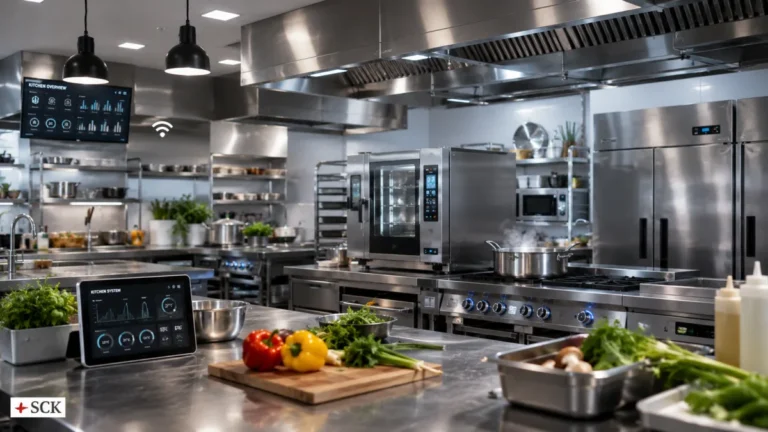
A Kitchen Display System (KDS) is like a digital expo station. It shows your team what orders are coming up, what’s in progress, and what’s ready to go out. This can help reduce errors, improve communication, and speed up service. Plus, it’s a great way to keep everyone on the same page, especially in a busy kitchen.
3. Mobile Carts and Racks
If you’re working with limited space, mobile carts and racks can be a game-changer. They allow you to reconfigure your zones on the fly, so you can adapt to different service styles or menu changes. For example, you can use a mobile cart to store prepped ingredients near the prep zone, or you can use a rack to create a temporary plating station. The key is to keep your zones flexible, so you can make adjustments as needed.
4. Smart Storage Solutions
Storage is a big part of zoning, and smart storage solutions can help you keep your kitchen organized and efficient. For example, you can use color-coded containers to store prepped ingredients, or you can use stackable racks to maximize vertical space. The goal is to keep everything within arm’s reach, so your team isn’t constantly running around.
5. Communication Tools
Communication is key in a busy kitchen, and the right tools can make all the difference. Whether it’s a headset system for your expo and front of house, or a whiteboard where your team can jot down notes, the goal is to keep everyone on the same page. The more seamless your communication, the smoother your service.
Now, I know what you’re thinking: “Do I really need all this tech?” And the answer is: It depends. If you’re running a small operation, you might not need a full KDS or a digital ticketing system. But if you’re struggling with communication, organization, or speed, these tools can be a game-changer. The key is to choose the tools that work for your kitchen, not the ones that look the fanciest.
Step 7: Train Your Team (Because Zones Are Only as Good as the People Using Them)
Alright, so you’ve designed your zones, tested them, and even added some tech to supercharge your efficiency. But here’s the thing: Zones are only as good as the people using them. If your team doesn’t understand how your zones work, or if they’re not trained to use them effectively, all your hard work is going to go to waste. So, how do you train your team to work within your zones?
First, start with a walkthrough. Gather your team and walk them through each zone, explaining what it’s for and how it fits into the bigger picture. Show them where everything is stored, how to move within each zone, and how to communicate with the rest of the team. The goal is to make them feel comfortable and confident in their new workflow.
Next, run some practice services. This could be a staff meal, a mock service, or even a soft opening. The goal is to give your team a chance to work within the new zones, so they can get a feel for how everything flows. Pay attention to where they’re struggling, and be ready to make adjustments on the fly. The more hands-on experience they have, the faster they’ll adapt.
And don’t forget about ongoing training. Your zones might change over time, or you might bring in new team members who need to get up to speed. So, make sure you’re continuously training and reinforcing your workflow. This could mean regular walkthroughs, refresher courses, or even just a quick huddle before each shift. The key is to keep your team engaged and informed.
Here’s a pro tip: Assign zone “owners.” This doesn’t mean you’re creating a hierarchy, it just means that each team member is responsible for a specific zone. For example, your prep cook might be the “owner” of the prep zone, while your expo is the “owner” of the expo zone. This can help create a sense of ownership and accountability, so your team is more invested in keeping their zones running smoothly.
And finally, lead by example. If you’re the chef or the manager, your team is going to look to you for guidance. So, make sure you’re following the workflow yourself, and be ready to jump in and help when needed. The more consistent you are, the more consistent your team will be.
Step 8: The Psychology of Zoning (Because It’s Not Just About the Physical Space)
Alright, let’s take a step back and talk about something a little less tangible: the psychology of zoning. Because here’s the thing: Zoning isn’t just about physical space-it’s also about mental space. How your team feels in your kitchen can have a big impact on their efficiency, their morale, and even their creativity. So, how do you design your zones with psychology in mind?
First, let’s talk about ownership. When your team has a designated space that they’re responsible for, they’re more likely to take pride in their work. They’ll feel more invested in keeping their zone clean, organized, and efficient. So, think about how you can create a sense of ownership within each zone. This could mean assigning zone “owners” (as I mentioned earlier), or it could mean giving your team the freedom to personalize their space (within reason, of course).
Next, let’s talk about visibility. In a busy kitchen, it’s easy to feel like you’re working in a silo. But when your team can see what’s happening in other zones, they’re more likely to feel connected to the bigger picture. So, think about how you can design your zones for maximum visibility. This might mean positioning your expo station so that it can see the entire line, or it might mean using open shelving to keep ingredients visible and accessible.
And don’t forget about communication. A well-designed kitchen isn’t just about physical flow-it’s also about information flow. How easy is it for your team to communicate with each other? Are there any barriers to communication (like equipment that blocks the line of sight)? The goal is to create a kitchen where information flows as smoothly as the food.
Here’s something else to consider: stress levels. A cluttered, disorganized kitchen is going to stress out your team, and that’s going to slow down service. So, think about how you can design your zones to reduce stress. This could mean keeping your prep zone clean and organized, or it could mean positioning your expo station in a way that minimizes distractions. The key is to create a space where your team can focus, without feeling overwhelmed.
And finally, let’s talk about creativity. A well-designed kitchen isn’t just about efficiency, it’s also about giving your team the space to be creative. So, think about how you can design your zones to inspire innovation. This might mean leaving a little extra space for experimentation, or it might mean positioning your prep zone near a window for natural light. The goal is to create a kitchen where your team feels inspired, not just efficient.
Step 9: Case Studies: How Real Kitchens Use Zoning to Speed Up Service
Alright, let’s take a break from theory and look at some real-world examples. Because sometimes, the best way to learn is to see how other kitchens are doing it. Here are a few case studies of kitchens that have mastered the art of zoning-and the lessons you can take from them.
Case Study #1: The Food Truck That Serves 100+ Customers a Day in 50 Square Feet
I mentioned this one earlier, but it’s worth diving into a little deeper. This food truck has a tiny kitchen-we’re talking 50 square feet. But by zoning their space intelligently, they’re able to serve over 100 customers a day without breaking a sweat. Here’s how they do it:
- Prep Zone: A small counter at the front of the truck, equipped with cutting boards, knives, and storage for prepped ingredients.
- Cooking Zone: A single induction burner and a griddle, positioned so that the cook can easily move between them.
- Plating Zone: A narrow shelf above the burner, where dishes are finished and passed to the expo.
- Expo Zone: A clipboard hanging from the ceiling, where the expo calls tickets and coordinates with the front of house.
- Cleaning Zone: A small sink at the back of the truck, where dishes are washed and stored.
The key takeaway? Zoning isn’t about space, it’s about flow. Even in a tiny kitchen, you can create a workflow that’s efficient and effective. The trick is to think vertically (using shelves and racks to maximize space) and to keep everything within arm’s reach.
Case Study #2: The Fast-Casual Restaurant That Cut Service Time by 30%
This fast-casual restaurant was struggling with slow service times, especially during peak hours. Their kitchen was cluttered, their workflow was chaotic, and their team was constantly bumping into each other. So, they decided to redesign their zones-and the results were dramatic. Here’s what they did:
- Prep Zone: Moved closer to the walk-in fridge, so prep cooks could easily grab ingredients.
- Cooking Zone: Rearranged their equipment in a line, so cooks could move efficiently from one station to the next.
- Plating Zone: Positioned near the pass, so dishes could be quickly reviewed and sent out.
- Expo Zone: Installed a digital ticketing system, so the expo could keep track of orders in real time.
- Cleaning Zone: Moved closer to the dish drop-off area, so dirty dishes could be quickly loaded into the machine.
The result? They cut their service time by 30%, and their team reported feeling less stressed and more efficient. The key takeaway? Small changes can make a big difference. You don’t need a complete kitchen overhaul to see results, sometimes, all it takes is a few tweaks to your zoning.
Case Study #3: The Fine-Dining Restaurant That Uses Zoning to Plate 200+ Covers a Night
This fine-dining restaurant serves over 200 covers a night, and their kitchen is a well-oiled machine. Here’s how they use zoning to keep things running smoothly:
- Prep Zone: Multiple prep stations, each dedicated to a specific type of ingredient (e.g., proteins, vegetables, sauces).
- Cooking Zone: A circular flow, with stations arranged around a central expo station.
- Plating Zone: Multiple plating stations, each equipped with garnishes, sauces, and plating tools.
- Expo Zone: A central expo station, where the chef calls tickets and coordinates with the front of house.
- Cleaning Zone: A dedicated dish pit, equipped with a high-capacity dish machine and plenty of storage for clean dishes.
The key takeaway? Zoning can scale. Whether you’re serving 50 covers a night or 200, the principles of zoning remain the same. The trick is to adapt your zones to your volume, so your team can keep up with demand.
Step 10: The Future of Kitchen Zoning (Because the Only Constant is Change)
Alright, let’s wrap this up with a little crystal-ball gazing. Because if there’s one thing I’ve learned in this industry, it’s that the only constant is change. So, what does the future of kitchen zoning look like? And how can you future-proof your design?
First, let’s talk about automation. We’re already seeing robots and AI making their way into kitchens, and I don’t think that trend is going to slow down anytime soon. So, how can you design your zones to accommodate automation? For example, can you leave space for a robotic arm that plates dishes? Can you integrate AI into your expo station to help with ticket management? The key is to think about how automation can complement your workflow, not replace it.
Next, let’s talk about sustainability. As more and more kitchens focus on reducing waste and energy consumption, zoning is going to play a big role. For example, can you design your prep zone to minimize food waste? Can you position your cooking equipment to reduce energy usage? The goal is to create a kitchen that’s not just efficient, but also sustainable.
And finally, let’s talk about flexibility. The kitchens of the future are going to need to be more adaptable than ever. Whether it’s accommodating new menu items, handling increased volume, or integrating new technology, the key is to design your zones with flexibility in mind. This might mean using mobile equipment that can be moved around, or it might mean leaving extra space for future upgrades. The goal is to create a kitchen that can evolve with your needs.
So, what’s the takeaway? The future of kitchen zoning is all about adaptability, sustainability, and technology. And while we can’t predict exactly what’s coming, we can design our kitchens to be ready for it. The key is to stay flexible, stay curious, and stay open to change.
Putting It All Together: Your Zoning Action Plan
Alright, let’s bring this full circle. You’ve got the theory, you’ve seen the case studies, and you’ve even peeked into the future. Now it’s time to put it all into action. Here’s your step-by-step action plan for designing kitchen zones that speed up service:
- Map your current workflow. Spend a few shifts observing how your team moves, where the bottlenecks are, and what’s working (and what’s not).
- Sketch your ideal zones. Use the five essential zones (prep, cooking, plating, expo, cleaning) as a starting point, and adapt them to your space and menu.
- Test your design. Run a few mock services or staff meals to see how your zones hold up under pressure. Gather feedback from your team and make adjustments as needed.
- Train your team. Walk them through the new zones, run practice services, and assign zone “owners” to create a sense of accountability.
- Refine and tweak. Keep an eye on your workflow, gather feedback, and make adjustments as needed. Remember, zoning is an ongoing process.
- Stay flexible. Your kitchen is a living, breathing space. Be ready to adapt your zones as your menu, volume, or team changes.
And remember: Zoning isn’t about perfection, it’s about progress. You’re not going to get it right on the first try, and that’s okay. The goal is to create a workflow that works for your team, so you can serve food faster, with less stress and more joy. Because at the end of the day, that’s what it’s all about.
So, what’s your next move? Are you going to sketch out your zones this weekend? Run a mock service with your team? Or maybe just stand in your kitchen and watch how your team moves? Whatever you do, don’t overthink it. Start small, stay flexible, and remember: Every second counts. Now go zone that kitchen.
FAQ: Your Burning Questions About Kitchen Zoning, Answered
Q: How do I zone a kitchen with limited space?
A: Limited space doesn’t mean you can’t zone effectively, it just means you need to get creative. Start by identifying your most critical zones (prep, cooking, plating) and arrange them in a way that minimizes movement. Use mobile carts or racks to create flexible zones that can be moved around as needed. And don’t forget to think vertically, shelves and racks can help you maximize space without cluttering your counters.
Q: What’s the biggest mistake people make when zoning their kitchen?
A: The biggest mistake is overcomplicating things. It’s easy to get carried away with adding more and more zones, but the more complex your workflow, the slower your service. Stick to the five essential zones (prep, cooking, plating, expo, cleaning) and adapt them to your space. Keep it simple, and focus on creating a smooth, unobstructed flow.
Q: How do I train my team to work within the new zones?
A: Start with a walkthrough, gather your team and walk them through each zone, explaining what it’s for and how it fits into the bigger picture. Then, run a few practice services (like a staff meal or a mock service) to give them hands-on experience. Assign zone “owners” to create a sense of accountability, and be ready to make adjustments based on their feedback. The key is to keep the lines of communication open and to lead by example.
Q: Can I use zoning in a home kitchen, or is it just for commercial kitchens?
A: Zoning isn’t just for commercial kitchens, it can work in a home kitchen too! The principles are the same: Create designated areas for specific tasks, minimize wasted movement, and keep everything within arm’s reach. For example, you can create a prep zone near your fridge, a cooking zone around your stove, and a plating zone near your dining table. The key is to adapt the principles to your space and your needs. And hey, if it works for a food truck, it can work for your home kitchen too.
@article{how-to-design-kitchen-zones-for-faster-service-a-chefs-guide-to-speed-without-sacrifice,
    title   = {How to Design Kitchen Zones for Faster Service: A Chef’s Guide to Speed Without Sacrifice},
    author  = {Chef's icon},
    year    = {2026},
    journal = {Chef's Icon},
    url     = {https://chefsicon.com/how-to-design-kitchen-zones-for-faster-service/}
}