The Best Fluffy Pancakes recipe you will fall in love with. Full of tips and tricks to help you make the best pancakes.
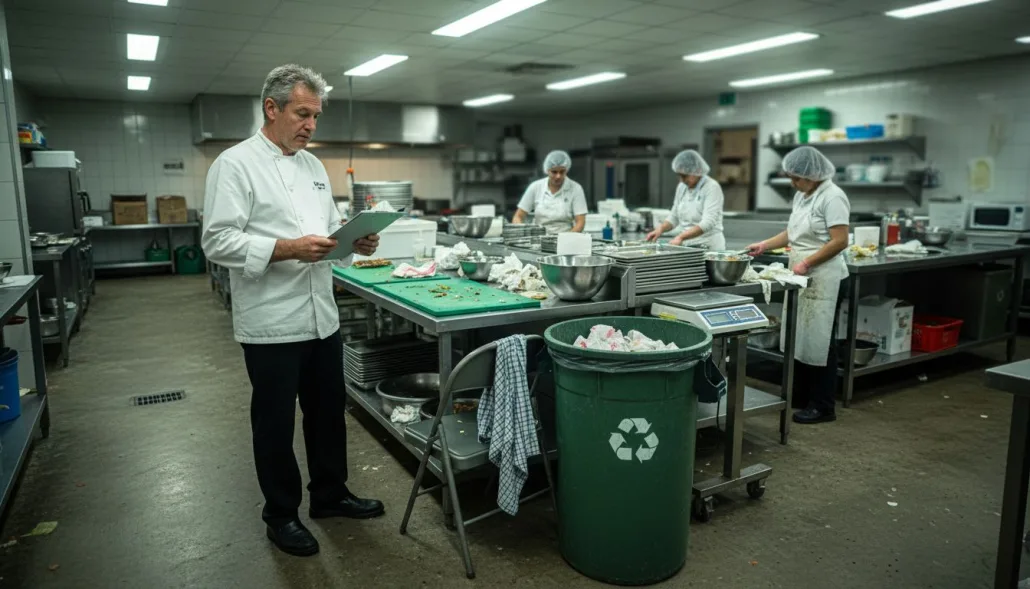
The Hidden Cost of Waste: Why Your Restaurant’s Bottom Line Starts in the Trash
Let me tell you about the first time I really *saw* food waste in a commercial kitchen. It was 2019, and I was shadowing a line cook at a mid-sized bistro in San Francisco, one of those places with white tablecloths, a chalkboard menu, and a reputation for locally sourced everything. The chef, a guy named Marco with a permanent five o’clock shadow and a temper that flared hotter than his cast-iron skillet, was yelling about “trim waste” while tossing what looked like perfectly good carrot tops and herb stems into a black bin. I asked him why they weren’t saving them for stock. He just laughed. “Kid, we don’t have time to turn scraps into gold. We’ve got tickets piling up.”
That moment stuck with me. Not just because it was frustrating (it was), but because it highlighted something deeper: food waste in restaurants isn’t just about the food. It’s about time, culture, systems, and, most of all, money. The average restaurant throws away between 4% and 10% of the food it buys before it even reaches a customer’s plate. That’s not just bad for the planet; it’s a slow bleed on your profit margins. And here’s the kicker: most of it is preventable.
So, if you’re running a commercial kitchen, whether it’s a 20-seat café or a 200-cover banquet hall, this guide is for you. We’re not talking about vague platitudes like “use less” or “be more mindful.” We’re diving into actionable, battle-tested strategies to reduce food waste without sacrificing quality, speed, or sanity. You’ll learn how to audit your waste, rethink your menu, train your staff, and even turn scraps into revenue. By the end, you’ll see your trash can as what it really is: a goldmine of missed opportunities.
Ready? Let’s dig in.
The Psychology of Waste: Why We Throw Away More Than We Think
1. The Invisible Problem: How Restaurants Normalize Waste
Here’s the thing about food waste: it’s easy to ignore because it’s *supposed* to happen. Think about it. How many times have you heard (or said) something like, “Oh, that’s just the cost of doing business” when talking about spoiled produce or over-ordered ingredients? We treat waste like it’s an inevitable part of the restaurant industry, like grease stains on a chef’s jacket or the 3 AM closing shift. But here’s the truth: waste isn’t a cost of doing business. It’s a symptom of broken systems.
I remember talking to a sous chef in Nashville who told me, “We waste about 50 pounds of food a day. That’s just how it is.” When I asked him to break it down, he couldn’t. He didn’t know if it was prep waste, overproduction, or customer plate waste. He just knew the number was big, and he’d accepted it as normal. That’s the danger of invisible waste, it becomes background noise. Until, of course, you start paying attention.
So, before we talk about solutions, let’s talk about why waste happens in the first place. There are three main categories:
- Prep waste: The trimmings, peels, and scraps that come from chopping, slicing, and prepping ingredients. Think carrot tops, onion skins, herb stems, and the “ugly” parts of produce that get tossed before they ever hit the pan.
- Overproduction waste: The food that’s cooked but never served. This is the buffet line at the end of the night, the extra batches of soup made “just in case,” or the family-style dishes that come back to the kitchen half-eaten.
- Customer plate waste: The food that makes it to the table but doesn’t make it into mouths. This is the half-eaten steak, the untouched side of fries, or the bread basket that gets sent back.
Each of these categories has its own root causes, and each requires a different approach. But here’s the first step: you can’t fix what you don’t measure. If you’re not tracking your waste, you’re flying blind. And that’s where we’ll start.
2. The Waste Audit: Your First Step Toward Change
I’ll be honest: auditing your waste isn’t glamorous. It’s messy, it’s time-consuming, and it forces you to confront some uncomfortable truths. But it’s also the single most effective thing you can do to reduce waste. Why? Because data doesn’t lie. When you see the numbers in black and white, the problem becomes real, and so do the solutions.
Here’s how to do it:
- Gather your tools: You’ll need a scale (a simple digital kitchen scale works), trash bags, a notebook or spreadsheet, and a few dedicated staff members. Assign one person to be the “waste captain”-someone who’s detail-oriented and not afraid to get their hands dirty (literally).
- Set a timeframe: A week is ideal. Long enough to get a clear picture, but not so long that people lose focus. If a week feels like too much, start with three days.
- Categorize your waste: Divide your waste into the three categories we talked about earlier: prep waste, overproduction waste, and customer plate waste. You can get more granular if you want (e.g., “produce scraps,” “dairy,” “meat”), but start simple.
- Weigh and record: Every time waste goes into the trash, weigh it and record the category, the item, and the weight. Be specific. Don’t just write “vegetables.” Write “carrot tops, 2 lbs.” The more detail, the better.
- Analyze the data: At the end of the week, tally up the totals. You’ll probably be shocked. Most restaurants are. But don’t stop there. Look for patterns. Is most of your waste coming from prep? Overproduction? Customer plates? Are there specific items that keep showing up? (Spoiler: there will be.)
I worked with a small Italian restaurant in East Nashville that did a waste audit and discovered they were throwing away 12 pounds of bread crusts every day-just from trimming sandwiches. Twelve pounds! That’s like tossing a loaf of bread every hour. They started using the crusts for breadcrumbs, croutons, and even a bread pudding special. Problem solved, and they saved about $300 a month.
Here’s the thing about a waste audit: it’s not just about the numbers. It’s about changing the culture. When your staff sees you taking waste seriously, they start taking it seriously too. And that’s when real change happens.
Rethinking Your Menu: The Art of Waste-Free Cooking
3. The Nose-to-Tail, Root-to-Leaf Philosophy
If you’ve ever worked in a fine-dining kitchen, you’ve probably heard the term “nose-to-tail.” It’s a philosophy that encourages using every part of an animal, from the snout to the tail, to minimize waste. But here’s the thing: this philosophy shouldn’t be limited to meat. It should apply to everything you cook. Vegetables, herbs, grains, dairy, if it’s edible, it’s usable. This is what I call the “root-to-leaf” approach.
Let’s take carrots, for example. Most restaurants peel them, chop off the tops, and toss the scraps. But those peels? They can be dehydrated and turned into chips. The tops? They’re a flavorful herb that can be used in pesto, salads, or garnishes. Even the cores can be pickled or blended into soups. The same goes for other vegetables:
- Broccoli stems: Peel them, slice them thin, and use them in stir-fries or slaws. They’re crunchy, mild, and often more versatile than the florets.
- Onion skins: Simmer them in stock for a rich, golden color. They’re packed with flavor and nutrients.
- Herb stems: Tough stems like thyme, rosemary, and parsley can be tied into bundles and used to flavor stocks, sauces, and braises. Soft stems like cilantro and basil can be blended into sauces or pestos.
- Citrus peels: Zest them for garnishes, candy them for desserts, or infuse them into syrups and liquors.
- Cheese rinds: Parmesan rinds are a secret weapon in Italian cooking. Simmer them in soups or sauces for a deep, savory flavor.
The key here is flexibility. You don’t have to overhaul your menu overnight. Start small. Pick one or two ingredients that you know you waste a lot of, and brainstorm ways to use them. Then, train your staff. Show them how to peel, trim, and prep ingredients in a way that maximizes yield. It might take a little extra time at first, but once it becomes habit, it’ll be second nature.
I worked with a farm-to-table restaurant in Portland that took this approach and reduced their prep waste by 40% in three months. They started a “scrap special” program, where the chef would create a daily dish using whatever scraps were piling up in the kitchen. It became a hit with customers, who loved the creativity and the story behind each dish. Plus, it saved the restaurant about $1,200 a month in food costs.
4. Menu Engineering: Designing for Less Waste
Your menu is more than just a list of dishes. It’s a roadmap for your kitchen. The way you design it can either encourage waste or minimize it. Here’s how to engineer your menu for less waste:
- Cross-utilize ingredients: The more dishes an ingredient appears in, the less likely it is to go to waste. For example, if you’re using cilantro in your tacos, find another dish where you can use the stems (like a salsa verde or a marinade). If you’re roasting beets for a salad, use the greens in a side dish or a soup.
- Offer flexible portions: Not everyone wants a full entree. Offer half portions, small plates, or a “chef’s choice” tasting menu that lets you use up smaller quantities of ingredients. This is especially useful for high-cost items like seafood or specialty meats.
- Create “use-it-up” specials: At the end of the night, take stock of what’s left in the kitchen. Then, create a special that uses those ingredients. It’s a great way to reduce waste, and it can become a fun tradition for regulars. One restaurant I know calls it the “Clean-Out-the-Fridge Risotto.”
- Simplify your menu: The more dishes you offer, the more ingredients you need to keep on hand. And the more ingredients you have, the more likely some of them will go to waste. Consider streamlining your menu to focus on a few well-executed dishes. Not only will this reduce waste, but it’ll also make your kitchen more efficient.
- Highlight seasonal ingredients: Seasonal menus are inherently less wasteful because they’re designed around what’s available and abundant. Plus, they give you an excuse to change things up regularly, which keeps your menu fresh and exciting.
Here’s a pro tip: involve your staff in menu engineering. Your cooks and servers see things you don’t. They know which dishes are popular, which ingredients get wasted, and which items customers often send back. Ask for their input. You might be surprised by the ideas they come up with.
I remember a diner in Austin that was struggling with waste from their breakfast service. They were making too many pancakes, waffles, and omelets, and the leftovers were piling up. So, they started offering a “Brunch Buffet” on weekends, where customers could build their own plates from a selection of pre-made items. It was a hit, and it reduced their breakfast waste by 60%. Plus, it became a selling point for the restaurant, drawing in crowds on slow weekend mornings.
Kitchen Systems: The Backbone of Waste Reduction
5. The FIFO Method: First In, First Out (And Why It’s Not as Simple as It Sounds)
You’ve probably heard of FIFO, First In, First Out. It’s the golden rule of food storage: the oldest ingredients get used first, so nothing gets forgotten in the back of the fridge. In theory, it’s simple. In practice? Not so much. Because FIFO isn’t just about labeling. It’s about behavior.
Here’s how to make FIFO work in your kitchen:
- Label everything: Every container, every bag, every bin should be labeled with the date it was opened or prepped. Use a label maker or masking tape and a Sharpie. No exceptions.
- Store items strategically: Put the oldest items at the front of the shelf or fridge, where they’re easy to see and grab. Use clear containers so staff can see what’s inside without opening them.
- Train your staff: FIFO won’t work if your staff doesn’t understand why it’s important. Explain that it’s not just about following rules, it’s about saving money, reducing waste, and keeping food safe. Make it part of your onboarding process, and reinforce it regularly.
- Do regular walk-throughs: Once a week, have a manager or chef walk through the storage areas and check for expired or forgotten items. If something’s been sitting too long, find a way to use it up or donate it.
- Use a color-coding system: Assign a color to each day of the week (e.g., Monday = red, Tuesday = blue). Use colored labels or tape to mark when items were prepped or opened. This makes it easy to see at a glance what needs to be used first.
I’ll be honest: FIFO is one of those things that sounds easy but is hard to maintain. It requires discipline, organization, and constant reinforcement. But when it works, it’s a game-changer. One restaurant I worked with reduced their spoilage waste by 30% just by implementing a strict FIFO system and training their staff.
6. Portion Control: The Art of Not Over-Serving
Here’s a question for you: How much food does your customer actually eat? If you’re like most restaurants, the answer is probably “not as much as you serve.” Over-portioning is one of the biggest sources of customer plate waste, and it’s a tough habit to break. After all, we’ve been conditioned to think that bigger portions = better value. But here’s the thing: customers don’t want to waste food either. If you give them a reasonable portion, they’ll eat it. And if they want more, they’ll order more.
So, how do you get your portions right? Here are a few strategies:
- Use portioning tools: Invest in portion scales, scoops, and ladles to ensure consistency. This isn’t just about reducing waste, it’s also about controlling food costs and delivering a consistent product.
- Train your staff: Teach your cooks and servers how to portion correctly. Show them what 4 ounces of protein looks like, or how much rice should go in a bowl. Make it part of your daily pre-shift meeting.
- Offer smaller plates: If you’re worried about customers feeling shortchanged, offer a smaller portion size at a lower price. For example, a “lunch portion” or a “small plate” option. This gives customers the choice to order less, which can reduce waste and increase satisfaction.
- Encourage sharing: Family-style dining isn’t just for Italian restaurants. Encourage customers to share dishes, especially if they’re ordering multiple items. This can reduce waste and create a more social dining experience.
- Listen to feedback: If customers are consistently leaving food on their plates, it might be a sign that your portions are too big. Pay attention to what’s coming back to the kitchen, and adjust accordingly.
I worked with a burger joint in Denver that was struggling with waste from their fries. Customers were leaving about a third of their fries uneaten, and the kitchen was tossing them. So, they started offering a “small fry” option at a lower price. It was a hit. Customers loved having the choice, and the restaurant reduced their fry waste by 25%. Plus, they sold more small fries than they expected, which increased their revenue.
Here’s the thing about portion control: it’s not about serving less. It’s about serving smarter. When you give customers the right amount of food, they’re happier, you’re happier, and the planet is happier. It’s a win-win-win.
Turning Scraps Into Gold: Creative Ways to Repurpose Waste
7. The Scrap Kitchen: Where Nothing Goes to Waste
What if I told you that your kitchen’s biggest source of waste could also be its biggest source of creativity? That’s the idea behind the “scrap kitchen”-a mindset that treats every peel, stem, and trimming as an opportunity, not a problem. It’s about seeing potential where others see trash.
Here are a few ways to turn scraps into something delicious:
- Vegetable stock: This is the low-hanging fruit of scrap cooking. Save onion skins, carrot tops, celery ends, herb stems, and other vegetable scraps in a bag in the freezer. When the bag is full, simmer it in water for a few hours, strain, and you’ve got a rich, flavorful stock. Use it for soups, sauces, or risotto.
- Pickled scraps: Pickling isn’t just for cucumbers. Try pickling carrot peels, broccoli stems, or even watermelon rinds. They make great garnishes, snacks, or sandwich toppings.
- Scrap sauces: Blend herb stems, tomato scraps, or roasted vegetable peels into sauces. For example, blend roasted garlic skins with olive oil, salt, and a little lemon juice for a quick aioli. Or blend herb stems with nuts, cheese, and oil for a pesto.
- Scrap snacks: Dehydrate vegetable peels and scraps to make chips. Toss them with oil and salt, then bake or dehydrate until crispy. They’re a great bar snack or garnish.
- Scrap desserts: Don’t overlook the sweet potential of scraps. Citrus peels can be candied or used to infuse syrups. Overripe fruit can be turned into compotes, jams, or baked into cakes. Even coffee grounds can be used to flavor ice cream or brownies.
I worked with a sushi restaurant in Seattle that was throwing away pounds of fish trimmings every day. They started using the trimmings to make fish stock, which they used in their miso soup and sauces. They also started dehydrating the trimmings and grinding them into a powder, which they used as a seasoning for rice and noodles. It was a simple change, but it reduced their waste by 20% and added a unique flavor to their dishes.
The key to scrap cooking is flexibility. You don’t have to plan every scrap dish in advance. Instead, keep a running list of scraps in your kitchen, and brainstorm ways to use them as they pile up. Encourage your staff to get creative. The more they experiment, the more ideas they’ll come up with.
8. The Power of Fermentation: Preserving Scraps for Later
Fermentation isn’t just for hipster foodies. It’s one of the oldest and most effective ways to preserve food, and it’s a great way to reduce waste. By fermenting your scraps, you can extend their shelf life, enhance their flavor, and create new dishes in the process.
Here are a few ways to ferment scraps in your kitchen:
- Kimchi: Kimchi is traditionally made with napa cabbage, but you can use almost any vegetable scraps. Try making kimchi with carrot tops, radish greens, or even broccoli stems. It’s a great way to use up scraps and add a spicy, tangy kick to your dishes.
- Sauerkraut: Sauerkraut is just fermented cabbage, but you can add other scraps to the mix. Try adding carrot peels, onion skins, or herb stems for extra flavor.
- Pickles: Quick-pickled vegetables are a great way to preserve scraps. Use a simple brine of vinegar, water, salt, and sugar, and add whatever scraps you have on hand. Try pickling cucumber peels, beet greens, or even citrus peels.
- Kombucha: Kombucha is fermented tea, but you can flavor it with fruit scraps. Save peels, cores, and overripe fruit in the freezer, then add them to your kombucha during the second fermentation. It’s a great way to add flavor and reduce waste.
- Miso: Miso is traditionally made with soybeans, but you can experiment with other legumes or even vegetable scraps. Try making miso with chickpea scraps, lentil scraps, or even pumpkin seeds.
Fermentation might seem intimidating at first, but it’s actually quite simple. All you need is salt, water, and a little patience. Start with something easy, like sauerkraut or quick pickles, and work your way up to more complex ferments. The more you experiment, the more comfortable you’ll get.
I worked with a farm-to-table restaurant in Asheville that started fermenting their scraps and reduced their waste by 15%. They created a “fermented scrap” special, where they used their fermented scraps in dishes like kimchi fried rice, sauerkraut-topped burgers, and pickled vegetable platters. It became a hit with customers, who loved the unique flavors and the story behind each dish.
Staff Training: The Human Factor in Waste Reduction
9. The Culture Shift: How to Get Your Team on Board
Let’s be real: you can have the best systems in the world, but if your staff isn’t on board, they won’t work. Reducing waste isn’t just about policies and procedures, it’s about culture. And culture starts with people.
So, how do you get your team excited about waste reduction? Here are a few strategies:
- Lead by example: If you want your staff to care about waste, you have to care about waste. Show them that you’re serious by auditing your own habits, brainstorming solutions, and celebrating wins. When they see you taking it seriously, they will too.
- Make it personal: People are more likely to care about something if they feel a personal connection to it. Share stories about how waste affects your community, your customers, and your bottom line. Show them the numbers from your waste audit. Help them see the bigger picture.
- Involve them in the process: Don’t just tell your staff what to do. Ask for their input. What ideas do they have for reducing waste? What challenges do they face? The more involved they are, the more invested they’ll be.
- Gamify it: Turn waste reduction into a game. Set goals, track progress, and reward the team when they hit milestones. For example, you could challenge them to reduce waste by 10% in a month, and if they succeed, throw a pizza party or give them a bonus.
- Celebrate wins: When your team reduces waste, celebrate it. Share the numbers, give shout-outs, and make it a big deal. The more you celebrate, the more motivated they’ll be to keep going.
I worked with a fast-casual chain in Chicago that struggled with staff buy-in. The managers were frustrated because their waste reduction efforts kept falling flat. So, they decided to try something different. They started a “Waste Warrior” program, where they recognized one employee each month for their efforts to reduce waste. They also created a leaderboard in the break room, where they tracked waste reduction by shift. Within three months, waste was down by 20%, and morale was up.
Here’s the thing about culture: it takes time. You can’t change it overnight. But if you’re consistent, if you lead by example, and if you make it fun, you’ll start to see a shift. And once that shift happens, waste reduction will become part of your kitchen’s DNA.
10. The Daily Habits: Small Changes That Add Up
Big changes start with small habits. If you want to reduce waste in your kitchen, you need to build habits that support that goal. Here are a few daily habits that can make a big difference:
- Pre-shift meetings: Start each shift with a quick meeting to review the day’s specials, highlight any ingredients that need to be used up, and remind staff about waste reduction goals. Keep it short, keep it focused, and make it a habit.
- End-of-shift walk-throughs: At the end of each shift, do a quick walk-through of the kitchen to check for any forgotten or expired items. If something’s been sitting too long, find a way to use it up or donate it.
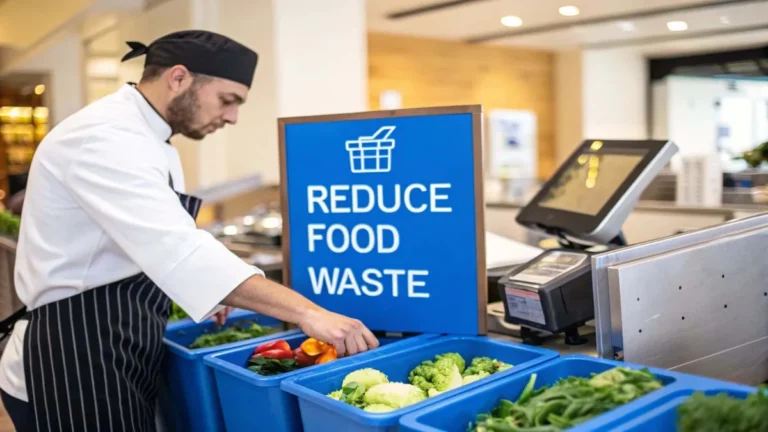
- Scrap bins: Place scrap bins in strategic locations around the kitchen, and label them clearly (e.g., “Vegetable Scraps for Stock,” “Bread Scraps for Croutons”). Make it easy for staff to sort their scraps as they work.
- Daily specials: Encourage your chef to create a daily special that uses up any ingredients that are about to go to waste. It’s a great way to reduce waste and keep your menu fresh.
- Staff meals: Use staff meals as an opportunity to use up scraps and leftovers. It’s a great way to reduce waste, and it shows your staff that you’re serious about walking the walk.
I worked with a diner in Phoenix that implemented these habits and reduced their waste by 15% in just two months. They started each shift with a quick meeting to review waste reduction goals, and they ended each shift with a walk-through to check for forgotten items. They also placed scrap bins in the kitchen and encouraged staff to use them. It was a simple change, but it made a big difference.
Here’s the thing about habits: they’re easy to start but hard to maintain. It’s like going to the gym. You might be excited the first few weeks, but if you don’t stay consistent, you’ll fall off the wagon. The key is to make waste reduction a part of your daily routine. The more you do it, the more natural it becomes.
The Bottom Line: Waste Reduction as a Business Strategy
Let’s circle back to where we started. Remember Marco, the chef in San Francisco who laughed when I asked about saving carrot tops? A year after that conversation, I ran into him at a food waste conference. He told me he’d reduced his kitchen’s waste by 35% by implementing some of the strategies we’ve talked about here. He’d started a scrap special program, trained his staff on FIFO, and even partnered with a local farm to compost what he couldn’t use. “I was wrong,” he said. “Waste isn’t the cost of doing business. It’s the cost of *not* doing business right.”
That’s the mindset shift we need. Food waste isn’t just an environmental issue. It’s a business issue. When you reduce waste, you’re not just saving the planet, you’re saving money, improving efficiency, and creating a better experience for your customers. You’re turning a problem into an opportunity.
So, where do you go from here? Start small. Pick one or two strategies from this guide and implement them in your kitchen. Maybe it’s a waste audit, or a scrap special program, or a FIFO system. Whatever it is, commit to it. Track your progress. Celebrate your wins. And don’t be afraid to fail. Every kitchen is different, and what works for one might not work for another. The key is to keep experimenting, keep learning, and keep pushing forward.
Here’s my challenge to you: do a waste audit this week. Just one week. Weigh your trash, categorize your waste, and see what you find. I guarantee you’ll be surprised. And once you see the numbers, you’ll be motivated to make a change.
Because here’s the truth: **the future of the restaurant industry isn’t just about serving great food. It’s about serving great food *responsibly*.** And that starts with reducing waste.
FAQ: Your Burning Questions About Food Waste in Restaurants
Q: Isn’t reducing waste just going to slow down my kitchen and make my staff’s jobs harder?
A: Not if you do it right. The key is to build waste reduction into your existing systems, not add extra steps. For example, instead of asking your staff to sort scraps *after* they’ve prepped a dish, give them a scrap bin to toss them into *as they work.* It’s about working smarter, not harder. And remember: the more you practice, the faster you’ll get. What feels slow at first will eventually become second nature.
Q: How do I convince my customers to care about food waste? Should I even try?
A: You don’t have to turn your restaurant into a sustainability lecture hall, but you *can* subtly educate your customers. For example, if you’re using scraps in a dish, mention it on the menu. Something like, “Our carrot top pesto is made with scraps that would otherwise go to waste.” Customers love stories, especially ones that make them feel good about their choices. You can also offer incentives, like a discount for customers who finish their meals or take leftovers home. The goal isn’t to guilt-trip them, it’s to make them feel like they’re part of the solution.
Q: What do I do with food that’s already gone bad? Is composting worth the effort?
A: Composting is *absolutely* worth the effort, but it’s not your only option. If you have food that’s still edible but past its prime, consider donating it to a local food bank or shelter. Many organizations will pick up donations for free. If the food is spoiled, composting is a great way to keep it out of the landfill. You can start a compost pile in your backyard, or partner with a local composting service. Some cities even offer free or low-cost composting programs for businesses. And if composting isn’t an option, look into anaerobic digestion or other waste-to-energy programs in your area. The bottom line: there’s no excuse for sending food to the landfill.
Q: How do I balance waste reduction with food safety? Won’t using scraps or leftovers increase the risk of contamination?
A: Food safety should *always* be your top priority. That said, waste reduction and food safety aren’t mutually exclusive. The key is to follow proper food handling and storage guidelines. For example, if you’re saving vegetable scraps for stock, store them in the freezer until you’re ready to use them. If you’re repurposing leftovers, make sure they’re cooled and stored properly, and reheated to the correct temperature. And always, *always* follow your local health department’s guidelines. If you’re unsure about something, ask. It’s better to be safe than sorry. But don’t let fear of contamination stop you from reducing waste. With the right systems in place, you can do both.
@article{the-hidden-cost-of-waste-a-chefs-guide-to-commercial-kitchen-food-waste-reduction-strategies-for-restaurants,
    title   = {The Hidden Cost of Waste: A Chef’s Guide to Commercial Kitchen Food Waste Reduction Strategies for Restaurants},
    author  = {Chef's icon},
    year    = {2026},
    journal = {Chef's Icon},
    url     = {https://chefsicon.com/commercial-kitchen-food-waste-reduction-strategies-for-restaurants/}
}