The Best Fluffy Pancakes recipe you will fall in love with. Full of tips and tricks to help you make the best pancakes.
Let me tell you about the time I walked into a brand-new gastropub in East Nashville, all shiny surfaces and big dreams, only to find their walk-in freezer was the size of a broom closet. The chef, let’s call him Dave, was sweating bullets (literally) because his sous vide setup and weekly whole-animal butchery program didn’t exactly fit into a unit designed for a diner serving pre-portioned frozen fries. Dave’s mistake? Assuming refrigeration was a one-size-fits-all situation. Spoiler: it’s not. And if you’re reading this, you’re probably trying to avoid Dave’s fate.
Assessing refrigeration needs isn’t just about crunching numbers, it’s about understanding the soul of your restaurant. Are you a fast-casual spot slinging grain bowls, or a high-volume steakhouse where dry-aged beef is the star? Maybe you’re a bakery where butter needs to stay at a precise 60°F, or a food truck where every inch of space is a battleground. The stakes are high: too little refrigeration, and you’re playing Tetris with food safety. Too much, and you’re wasting money on energy and square footage that could’ve gone toward, I don’t know, a better espresso machine or actual staff raises.
In this guide, I’m going to break down how to assess refrigeration needs for different restaurant types, from the obvious (walk-ins for full-service joints) to the niche (under-counter units for sushi bars). We’ll talk about capacity planning, temperature zones, energy efficiency, and why your menu is the best tool you’ve got for making these decisions. By the end, you’ll have a framework to avoid Dave’s walk-in woes and build a refrigeration system that actually works for your operation. Let’s dive in.
The Foundation: Why Refrigeration Needs Aren’t One-Size-Fits-All
Before we get into the nitty-gritty, let’s talk about why this matters. Refrigeration isn’t just a box to keep things cold, it’s the backbone of your kitchen’s workflow, food safety, and even your bottom line. Get it wrong, and you’re looking at:
- Food safety risks: Improper storage temps are a fast track to foodborne illness. The FDA’s Food Code is clear: cold food must be held at 41°F or below. Fail that, and you’re not just risking fines, you’re risking your reputation.
- Wasted money: Overestimating your needs means paying for space and energy you don’t use. Underestimating? That’s overtime for staff trying to reorganize inventory or, worse, last-minute ingredient orders at premium prices.
- Workflow nightmares: Ever tried to prep salads while someone else is digging through the walk-in for the last case of chicken? Poor refrigeration layout turns your kitchen into a game of human Tetris.
- Menu limitations: Want to add a raw bar or a charcuterie program? Better make sure your refrigeration can handle the extra load, and the extra health department scrutiny.
So, how do you avoid these pitfalls? Start by asking yourself: What kind of restaurant am I running, and what does that mean for my cold storage? Let’s break it down by restaurant type.
1. Fast-Casual and Quick-Service Restaurants: Speed Over Square Footage
Fast-casual spots, think Chipotle, Sweetgreen, or your local build-your-own-poke joint, are all about efficiency. You’re not storing weeks’ worth of inventory; you’re turning over ingredients quickly, often within 24-48 hours. That means your refrigeration needs are less about massive walk-ins and more about strategic under-counter and reach-in units placed where they’re needed most.
Here’s what to consider:
- Volume vs. variety: Are you serving 500 customers a day with a limited menu, or 200 with a dozen customizable options? The former might need larger, dedicated units (e.g., a big reach-in just for proteins), while the latter benefits from smaller, flexible units spread throughout the prep line.
- Prep flow: In fast-casual, refrigeration should be within arm’s reach of where the prep happens. If your line cooks are assembling bowls at Station A, that’s where your refrigerated prep table should be, not across the kitchen. I’ve seen too many kitchens where staff waste time walking back and forth because the refrigeration wasn’t planned with the workflow in mind.
- Temperature zones: Not everything needs to be at 34°F. Fast-casual spots often use dual-zone under-counter units-one side for proteins (34-36°F) and the other for veggies (38-40°F). This saves energy and keeps ingredients at their ideal temps.
- Energy efficiency: Fast-casual kitchens run long hours, so energy costs add up. Look for Energy Star-rated units with LED lighting and high-efficiency compressors. It’s a small upfront cost that pays off in lower utility bills.
Pro tip: If you’re a fast-casual spot with a high-volume breakfast service (looking at you, egg sandwiches), consider a pass-through refrigerated prep table. These units have doors on both sides, so one person can load ingredients from the back while another grabs them from the front. It’s a game-changer for speed.
2. Full-Service Restaurants: The Walk-In Is Your Best Friend (But It’s Not Your Only Friend)
Full-service restaurants, whether it’s a neighborhood bistro or a high-end steakhouse, have more complex refrigeration needs. You’re dealing with larger inventories, longer storage times, and a wider variety of ingredients. Here, the walk-in cooler and freezer are the stars of the show, but they’re not the whole story.
Let’s start with the walk-in. Size matters, but so does layout. A common rule of thumb is to allocate 1 cubic foot of walk-in space per 1.5-2 seats in your dining room. So, if you’ve got 100 seats, you’re looking at a 50-67 cubic foot walk-in. But, and this is a big but, that’s just a starting point. Your actual needs depend on:
- Menu complexity: A steakhouse with a dry-aging program needs a dedicated dry-aging cooler (50-60°F, 70-80% humidity) in addition to a standard walk-in. A seafood-focused restaurant might need a live tank for shellfish or a blast chiller for rapid cooling of delicate fish.
- Inventory turnover: Do you order ingredients daily, or do you do a big weekly delivery? If it’s the latter, you’ll need more walk-in space. If it’s the former, you can get away with less, but make sure your reach-ins and prep tables can handle the daily load.
- Prep vs. storage: Walk-ins are for storage, not prep. If your staff is prepping salads or portioning proteins in the walk-in, you’re doing it wrong. Invest in reach-in prep tables near your line to keep the walk-in organized and efficient.
- Temperature control: Not all walk-ins are created equal. A dual-temperature walk-in (one side for refrigeration, one for freezing) can save space and energy, but it’s not always the best choice. If you’re storing delicate items like herbs or microgreens, a separate produce cooler with higher humidity (85-95%) will keep them fresher longer.
But walk-ins aren’t the only players in a full-service kitchen. You’ll also need:
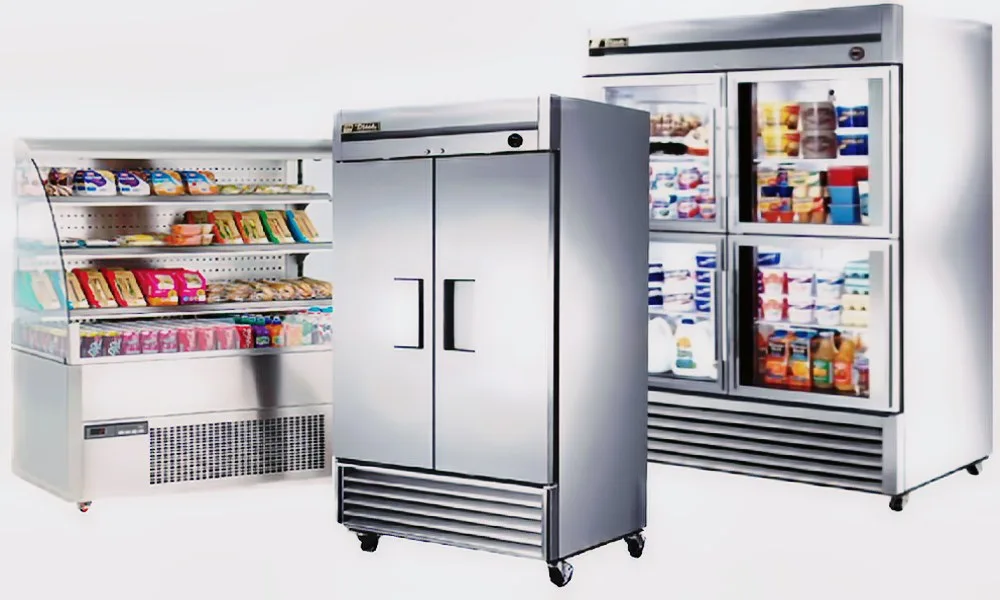
- Reach-in refrigerators and freezers: These are for daily use items, think sauces, garnishes, and backup proteins. Place them near the line for easy access.
- Under-counter refrigeration: Essential for bar programs (keg coolers, wine fridges) and pastry stations (butter, cream, chocolate).
- Prep tables with refrigerated bases: These are a must for any station where ingredients are prepped and stored together, like a salad or sandwich station.
- Blast chillers: If you’re doing any kind of advanced prep (sous vide, large-batch cooking), a blast chiller is non-negotiable. It rapidly cools hot food to safe temperatures, preventing bacterial growth and preserving quality.
Is this the best approach? Let’s consider: Maybe you’re a full-service restaurant with a small footprint. Do you really need a massive walk-in, or can you get by with a combination of reach-ins and under-counter units? It depends on your menu and volume. For example, a small Italian trattoria with a limited menu might not need a walk-in at all, just a few well-placed reach-ins and prep tables. But a high-volume steakhouse? You’re going to need that walk-in, plus a few extras.
3. Bars and Breweries: More Than Just Beer Coolers
Bars and breweries have unique refrigeration needs that go beyond just keeping drinks cold. Sure, you’ve got kegs and bottles to chill, but you’ve also got perishable ingredients for cocktails, garnishes, and even food if you’re serving bar snacks or small plates.
Here’s what to think about:
- Keg coolers: If you’re serving draft beer, you’ll need a keg cooler or kegerator. The size depends on how many taps you have and how much beer you go through. A good rule of thumb is 1 keg per 100-150 customers per week, but this varies based on your menu and clientele. For example, a dive bar with a few local brews on tap might only need a small keg cooler, while a craft beer bar with 20 taps will need a dedicated walk-in keg cooler.
- Under-bar refrigeration: This is where you’ll store backup kegs, bottled beer, and mixers. Look for under-counter units with sliding doors-they’re easier to access in tight spaces and help maintain consistent temps.
- Cocktail ingredient storage: If you’re making craft cocktails, you’ll need refrigeration for fresh juices, herbs, syrups, and garnishes. A small under-counter fridge behind the bar is ideal for this. Some bars even use glass-door merchandisers to display garnishes and ingredients, it looks cool and keeps everything within reach.
- Wine storage: If you’ve got a wine program, you’ll need a wine fridge or wine cellar. Wine needs to be stored at a consistent 55°F with 50-70% humidity, so a standard fridge won’t cut it. For a small bar, a countertop wine fridge might be enough. For a larger operation, a dedicated wine cellar is the way to go.
- Food storage: Even if you’re just serving bar snacks, you’ll need refrigeration for perishable items like cheese, charcuterie, and prepped garnishes. A small reach-in fridge near the bar is perfect for this.
Pro tip: If you’re a brewery with a taproom, don’t forget about glycol chillers. These units circulate chilled glycol through your draft lines to keep beer at the perfect temperature from keg to tap. They’re a must for any serious beer program.
4. Bakeries and Pastry Shops: Precision Over Power
Bakeries and pastry shops have refrigeration needs that are all about precision. You’re not just storing ingredients, you’re storing them at exact temperatures to maintain quality and texture. Butter, cream, chocolate, and dough all have specific temperature requirements, and getting it wrong can ruin your products.
Here’s what to consider:
- Butter and dough storage: Butter needs to be stored at 60-65°F for optimal pliability. If it’s too cold, it’s hard to work with; too warm, and it gets greasy. A dedicated butter cooler with adjustable temps is ideal. Dough, especially laminated dough (like croissants or puff pastry), needs to be stored at 38-40°F to slow fermentation and maintain structure. A proofing fridge with humidity control is perfect for this.
- Chocolate storage: Chocolate is finicky. It needs to be stored at 60-65°F with low humidity to prevent blooming (that white, chalky stuff that ruins texture). A dedicated chocolate fridge with precise temperature control is a must for any serious pastry shop.
- Cream and dairy storage: Cream, milk, and other dairy products need to be stored at 34-38°F to maintain freshness. A reach-in fridge with adjustable shelves is ideal for this, it gives you the flexibility to store different-sized containers.
- Egg storage: Eggs are a bakery staple, but they’re also a food safety risk. Store them at 34-38°F in their original cartons to maintain freshness and prevent cross-contamination. A dedicated egg fridge with wire shelving (for airflow) is a good investment.
- Prep tables: Bakery prep is all about efficiency. Refrigerated prep tables with marble or stainless steel tops are perfect for rolling out dough, tempering chocolate, or assembling pastries. Look for units with adjustable temps and humidity control.
Pro tip: If you’re doing a lot of chocolate work, consider a chocolate tempering machine with built-in refrigeration. It keeps chocolate at the perfect temperature for dipping, molding, and decorating.
5. Food Trucks and Pop-Ups: Refrigeration in a Tiny Footprint
Food trucks and pop-ups are all about maximizing space. Every inch counts, and refrigeration is no exception. You’re not just storing ingredients, you’re storing them in a moving vehicle or a temporary setup, which adds a whole new layer of complexity.
Here’s what to think about:
- Space constraints: Food trucks have limited space, so you’ll need to prioritize under-counter and reach-in units that fit your layout. Look for slim-profile fridges and low-profile freezers to maximize storage without taking up too much room.
- Power supply: Food trucks run on generators, so energy efficiency is key. Look for 12V or 24V refrigeration units designed for mobile use, they’re more efficient and reliable than standard household fridges. If you’re using a generator, make sure it’s powerful enough to handle your refrigeration needs without overloading.
- Temperature control: Food trucks are exposed to the elements, so temperature fluctuations are a real risk. Look for insulated refrigeration units with thick walls and tight seals to maintain consistent temps. A thermometer with an alarm is also a good idea, it’ll alert you if temps start to rise.
- Workflow: In a food truck, refrigeration should be within arm’s reach of where the cooking happens. If you’re prepping tacos, your protein fridge should be right next to your griddle. If you’re making sandwiches, your veggie fridge should be next to your prep station.
- Backup power: Generators fail. Batteries die. Have a backup power plan in place, like a portable battery pack or a second generator, to keep your refrigeration running in case of an emergency.
Pro tip: If you’re running a food truck in a hot climate, consider a refrigerated prep table with a built-in ice bath. It’ll keep ingredients cold even if your power cuts out.
6. Specialty Restaurants: Raw Bars, Sushi, and More
Specialty restaurants, like raw bars, sushi spots, or butcher shops, have refrigeration needs that go beyond the basics. You’re dealing with highly perishable ingredients that require precise temperature and humidity control. Get it wrong, and you’re not just risking food safety, you’re risking your entire business model.
Let’s break it down by specialty:
Raw Bars
- Live tanks: If you’re serving oysters, clams, or other shellfish, you’ll need a live tank to keep them alive and fresh. These tanks circulate chilled, filtered water to maintain the right environment. Look for units with adjustable flow rates and temperature controls to keep your shellfish happy.
- Shucking stations: Raw bars need a refrigerated shucking station to keep shellfish cold while they’re being prepped. These units often have built-in sinks and cutting boards for efficiency.
- Storage: Shellfish are highly perishable, so you’ll need a dedicated walk-in cooler with high humidity (85-95%) to keep them fresh. Store them in their original containers or in perforated bins to allow for airflow.
Sushi Restaurants
- Fish storage: Sushi-grade fish needs to be stored at 28-32°F to maintain freshness and safety. A dedicated sushi fridge with precise temperature control is a must. Look for units with glass doors so you can see your inventory at a glance.
- Rice storage: Sushi rice needs to be kept at 40-45°F to prevent bacterial growth. A refrigerated rice warmer is ideal for this, it keeps rice at the perfect temperature for rolling.
- Prep stations: Sushi prep is all about efficiency. A refrigerated prep table with a built-in cutting board is perfect for rolling sushi and prepping ingredients.
Butcher Shops
- Meat storage: Meat needs to be stored at 34-36°F to maintain freshness. A dedicated walk-in cooler with adjustable shelves is ideal for this. Look for units with high airflow to prevent spoilage.
- Dry-aging: If you’re dry-aging beef, you’ll need a dry-aging cooler with precise temperature (34-36°F) and humidity (70-80%) control. These units often have UV lights to prevent bacterial growth.
- Prep stations: Butcher shops need refrigerated prep tables for portioning and packaging meat. Look for units with stainless steel tops for easy cleaning.
Pro tip: If you’re running a specialty restaurant, invest in a HACCP plan (Hazard Analysis Critical Control Points). It’s a food safety system that identifies potential hazards and outlines steps to prevent them. It’s not just a good idea, it’s often required by health departments for high-risk operations like raw bars and sushi restaurants.
The Nuts and Bolts: How to Calculate Your Refrigeration Needs
Okay, so you’ve got a sense of what your restaurant type needs. Now, how do you turn that into actual numbers? Let’s talk about how to calculate your refrigeration needs step by step.
Step 1: Inventory Your Menu
Your menu is the best tool you’ve got for assessing refrigeration needs. Start by listing every ingredient that requires refrigeration or freezing. Don’t forget about:
- Proteins (meat, poultry, fish, seafood)
- Dairy (milk, cheese, butter, cream)
- Produce (vegetables, fruits, herbs)
- Prepared items (sauces, dressings, prepped garnishes)
- Beverages (beer, wine, mixers, juices)
- Specialty items (chocolate, dough, sushi-grade fish)
For each ingredient, note:
- How much you use per week (in pounds, gallons, or cases)
- How long you store it (daily, weekly, monthly)
- Any special storage requirements (temperature, humidity, airflow)
This will give you a sense of your storage volume and storage duration.
Step 2: Calculate Your Storage Volume
Now, let’s turn those ingredients into cubic feet. Here’s a rough guide to how much space common ingredients take up:
- 1 case of produce (e.g., lettuce, tomatoes): ~1.5 cubic feet
- 1 case of meat (e.g., chicken, beef): ~2 cubic feet
- 1 case of dairy (e.g., milk, cheese): ~1.5 cubic feet
- 1 keg of beer: ~5 cubic feet
- 1 case of bottled beer: ~1 cubic foot
Multiply the number of cases or units you use per week by the cubic feet per unit. Then, multiply by how many weeks’ worth of inventory you plan to store. For example:
- You use 10 cases of chicken per week.
- Each case takes up 2 cubic feet.
- You want to store 2 weeks’ worth of inventory.
- Calculation: 10 cases * 2 cubic feet * 2 weeks = 40 cubic feet.
Repeat this for every ingredient to get your total storage volume. Don’t forget to account for future growth-if you plan to expand your menu or increase your customer base, add 20-30% to your total.
Step 3: Determine Your Temperature Zones
Not all refrigeration is created equal. Different ingredients require different temperatures and humidity levels. Here’s a quick guide:
- Standard refrigeration (34-38°F): Most proteins, dairy, and produce.
- High-humidity refrigeration (85-95% humidity, 34-38°F): Leafy greens, herbs, and other delicate produce.
- Freezer storage (0°F or below): Frozen proteins, ice cream, frozen desserts.
- Dry-aging cooler (34-36°F, 70-80% humidity): Dry-aged beef, charcuterie.
- Wine storage (55°F, 50-70% humidity): Wine, some craft beers.
- Butter/dough storage (60-65°F): Butter, laminated dough, chocolate.
Group your ingredients by temperature zone to determine how many units you need and what specs they should have.
Step 4: Plan Your Layout
Now that you know what you need, it’s time to figure out where to put it. Refrigeration should be placed where it’s most needed, close to prep stations, cooking lines, and storage areas. Here’s how to think about it:
- Walk-ins: These are for bulk storage. Place them near your receiving area for easy unloading, but not so far from the kitchen that staff waste time walking back and forth.
- Reach-ins: These are for daily use items. Place them near the line for easy access during service.
- Under-counter units: These are for prep stations and bars. Place them where ingredients are prepped and served.
- Prep tables: These are for stations where ingredients are prepped and stored together. Place them where the prep happens.
Pro tip: Use kitchen design software (like SketchUp or AutoCAD) to map out your refrigeration layout. It’ll help you visualize how everything fits together and identify potential bottlenecks.
Step 5: Choose Your Units
Now that you know what you need and where to put it, it’s time to choose your units. Here’s what to look for:
- Capacity: Make sure the unit can hold your calculated storage volume. Don’t forget to account for future growth.
- Temperature control: Look for units with digital temperature controls and alarms to alert you if temps start to rise.
- Energy efficiency: Look for Energy Star-rated units with high-efficiency compressors and LED lighting. They’ll save you money on utility bills in the long run.
- Durability: Commercial refrigeration is built to last, but some units are more durable than others. Look for stainless steel interiors and exteriors, thick insulation, and heavy-duty compressors.
- Ease of cleaning: Refrigeration units need to be cleaned regularly to prevent bacterial growth. Look for units with removable shelves and drawers, smooth interiors, and self-draining condensate pans.
- Warranty and service: Commercial refrigeration is a big investment, so make sure you’re covered. Look for units with strong warranties (at least 2-3 years) and local service providers who can handle repairs quickly.
Pro tip: Don’t forget about ventilation. Refrigeration units generate a lot of heat, so make sure your kitchen has adequate ventilation to keep things cool and prevent your units from overworking.
Step 6: Budget for Your Refrigeration System
Refrigeration is a significant upfront cost, but it’s also a long-term investment. Here’s how to budget for it:
- Upfront costs: This includes the cost of the units themselves, as well as installation, delivery, and any necessary electrical or plumbing work. Walk-ins are the most expensive, followed by reach-ins, under-counter units, and prep tables.
- Operating costs: This includes energy costs (electricity), maintenance (cleaning, repairs), and potential downtime if a unit fails. Energy-efficient units will save you money in the long run, even if they cost more upfront.
- Financing options: If you don’t have the cash to buy units outright, consider financing. Many equipment suppliers offer leasing or financing plans with low monthly payments. Just make sure to read the fine print, some plans have high interest rates or hidden fees.
Pro tip: Look for rebates or incentives for energy-efficient units. Many utility companies and government agencies offer rebates for Energy Star-rated equipment, which can help offset the upfront cost.
Common Mistakes to Avoid (And How to Fix Them)
Even with the best planning, it’s easy to make mistakes when assessing refrigeration needs. Here are some of the most common pitfalls and how to avoid them:
Mistake 1: Underestimating Your Needs
This is Dave’s mistake, the one I mentioned at the beginning. Underestimating your refrigeration needs leads to overcrowded units, inefficient workflows, and food safety risks. It’s a recipe for disaster.
How to fix it: Use the calculation method I outlined earlier to determine your storage volume. Don’t forget to account for future growth, if you plan to expand your menu or increase your customer base, add 20-30% to your total.
Mistake 2: Overestimating Your Needs
On the flip side, overestimating your needs means paying for space and energy you don’t use. It’s a waste of money and square footage that could’ve gone toward something else.
How to fix it: Be realistic about your storage needs. If you’re a fast-casual spot with a limited menu, you probably don’t need a massive walk-in. Start with what you need now and plan for expansion later.
Mistake 3: Ignoring Workflow
Refrigeration isn’t just about storage, it’s about workflow. If your units are placed too far from where they’re needed, staff will waste time walking back and forth, and your kitchen will become a bottleneck.
How to fix it: Map out your kitchen layout and place refrigeration where it’s most needed. Use kitchen design software to visualize how everything fits together and identify potential bottlenecks.
Mistake 4: Skimping on Quality
Cheap refrigeration units might save you money upfront, but they’ll cost you in the long run. Low-quality units are less efficient, more prone to breakdowns, and harder to clean, all of which can lead to higher operating costs and food safety risks.
How to fix it: Invest in high-quality, commercial-grade units from reputable brands. Look for units with strong warranties, local service providers, and good reviews from other restaurant owners.
Mistake 5: Forgetting About Maintenance
Refrigeration units need regular maintenance to keep them running efficiently and prevent breakdowns. Ignoring maintenance leads to higher energy costs, shorter unit lifespans, and potential food safety risks.
How to fix it: Create a maintenance schedule and stick to it. This should include:
- Daily: Check temperatures, clean interiors, and wipe down gaskets.
- Weekly: Clean condenser coils, check for leaks, and inspect door seals.
- Monthly: Deep clean interiors, check refrigerant levels, and inspect electrical components.
- Annually: Schedule a professional inspection and tune-up.
Wrapping Up: Refrigeration as a Strategic Investment
Assessing refrigeration needs isn’t just about ticking boxes, it’s about making strategic decisions that impact your kitchen’s efficiency, food safety, and bottom line. Whether you’re running a fast-casual spot, a full-service restaurant, or a food truck, the key is to start with your menu, calculate your storage needs, and plan your layout with workflow in mind.
I’m torn between two pieces of advice here. On one hand, I want to tell you to go big, overestimate your needs, invest in high-quality units, and plan for future growth. On the other hand, I know that budgets are tight, and every dollar counts. So, here’s my compromise: Start with what you need now, but leave room to grow. Choose high-quality, energy-efficient units that will save you money in the long run, and don’t forget about maintenance. And most importantly, don’t assume that one size fits all. Your refrigeration system should be as unique as your menu.
Maybe I should clarify: This isn’t a one-and-done process. As your restaurant evolves, so will your refrigeration needs. Keep an eye on your inventory turnover, menu changes, and customer volume, and adjust your system as needed. And if you’re ever in doubt, talk to a kitchen design consultant or refrigeration specialist. They’ve seen it all and can help you avoid costly mistakes.
So, what’s next? Grab your menu, start calculating, and build a refrigeration system that works for you. And if you ever find yourself in a walk-in the size of a broom closet, remember Dave’s lesson: It’s not about the size of the box, it’s about how you use it.
FAQ
Q: How do I know if my current refrigeration is sufficient for my restaurant?
A: Start by auditing your current setup. Are your units overcrowded? Are staff wasting time reorganizing inventory? Are you running out of space for new menu items? If the answer to any of these is yes, your refrigeration might not be sufficient. Also, check your energy bills, if they’re skyrocketing, your units might be working overtime to keep up. Finally, talk to your staff. They’re the ones using the refrigeration every day, so they’ll have the best insights into what’s working and what’s not.
Q: What’s the difference between a walk-in cooler and a walk-in freezer, and do I need both?
A: A walk-in cooler is designed to hold temperatures between 34-38°F, while a walk-in freezer holds temps at 0°F or below. Whether you need both depends on your menu. If you’re storing frozen proteins, ice cream, or frozen desserts, you’ll need a freezer. If you’re only storing refrigerated items, a cooler might be enough. Some restaurants opt for a dual-temperature walk-in, which has one side for refrigeration and one for freezing. This can save space and energy, but it’s not always the best choice, especially if you’re storing delicate items that require precise temperature control.
Q: How can I make my refrigeration more energy-efficient?
A: Energy efficiency starts with choosing the right units. Look for Energy Star-rated models with high-efficiency compressors and LED lighting. Once your units are installed, focus on maintenance. Clean condenser coils regularly, check door seals for leaks, and keep units organized to allow for airflow. You can also install automatic door closers and motion-sensor lighting to reduce energy waste. Finally, consider upgrading to a smart refrigeration system with remote monitoring and temperature alerts. These systems can help you catch issues early and optimize energy use.
Q: What’s the most common refrigeration mistake you see in restaurants?
A: Hands down, it’s underestimating the importance of workflow. Too many restaurants treat refrigeration as an afterthought, something to cram into whatever space is left after the cooking line is set up. The result? Staff wasting time walking back and forth, overcrowded units, and inefficient service. Refrigeration should be integrated into your kitchen layout from the beginning, not tacked on at the end. Think about where ingredients are prepped, where they’re cooked, and where they’re stored, and place your refrigeration units accordingly. It’s a small change that can make a big difference in your kitchen’s efficiency.
@article{how-to-assess-refrigeration-needs-for-different-restaurant-types-a-chefs-no-nonsense-guide,
    title   = {How to Assess Refrigeration Needs for Different Restaurant Types: A Chef’s No-Nonsense Guide},
    author  = {Chef's icon},
    year    = {2026},
    journal = {Chef's Icon},
    url     = {https://chefsicon.com/how-to-assess-refrigeration-needs-for-different-restaurant-types/}
}