The Best Fluffy Pancakes recipe you will fall in love with. Full of tips and tricks to help you make the best pancakes.
Why Your Restaurant’s Wine Program Deserves Better Than a Dusty Back Room
Let me tell you about the first time I walked into a restaurant’s “wine storage” area. It was 2018, in a trendy Nashville bistro that had just been featured in a national food magazine. The sommelier, a friend of mine, led me through a swinging door into what was essentially a converted broom closet. Bottles were stacked haphazardly on metal shelves, some lying on their sides, others standing upright like soldiers at attention. A single incandescent bulb flickered overhead, casting long shadows over cases of Burgundy that probably cost more than my first car. The temperature? Let’s just say it was closer to a sauna than a cellar.
I didn’t say anything at the time, who was I to judge? But later, over a glass of something that had clearly suffered from its storage conditions, I asked, “Do you ever worry about what this is doing to your wine?” He sighed and admitted that at least 15% of their inventory was likely compromised by inconsistent temperatures and vibration from the nearby dishwasher. That’s when it hit me: wine storage isn’t just about having a place to stash bottles, it’s about protecting your restaurant’s reputation, your profit margins, and the trust of your guests.
If you’re reading this, you probably already know that wine storage is a big deal. Maybe you’ve inherited a wine program with questionable storage practices, or you’re starting from scratch and want to do it right. Either way, you’re in the right place. In this guide, we’ll dive deep into wine storage solutions for restaurant wine programs, covering everything from the science of wine preservation to the nitty-gritty of choosing the right equipment for your space and budget. By the end, you’ll have a clear roadmap for creating a storage system that keeps your wine in peak condition, and your guests coming back for more.
Fair warning: I’m going to geek out a little. Wine storage isn’t just a practical concern; it’s a fascinating intersection of chemistry, engineering, and hospitality. And if you’re like me, you’ll find yourself obsessing over details like humidity levels and UV exposure. (No? Just me? Okay, moving on.)
The Science Behind Wine Storage: Why It’s Not Just About Keeping Bottles Cold
Temperature: The Goldilocks Principle of Wine Storage
Let’s start with the most obvious factor: temperature. You’ve probably heard that wine should be stored at 55°F (13°C), and that’s a great baseline. But here’s the thing, it’s not just about hitting that magic number. Consistency is far more important than perfection. A wine stored at a steady 60°F will age more gracefully than one that fluctuates between 50°F and 70°F every day. Why? Because temperature swings cause the wine to expand and contract, which can push the cork out slightly or allow oxygen to seep in. Over time, that oxygen exposure leads to oxidation, turning your prized Bordeaux into something that tastes more like vinegar than velvet.
But why 55°F? It’s not arbitrary. This temperature slows down the chemical reactions that cause wine to age, preserving its intended flavor profile for longer. At higher temperatures, wine ages faster, sometimes too fast. A wine that might develop beautifully over 10 years at 55°F might turn to vinegar in half that time at 70°F. On the flip side, storing wine too cold (below 45°F) can stunt its development, leaving it tasting flat or underripe when you finally open it.
Here’s where it gets tricky for restaurants: your storage space isn’t just for aging wine, it’s also for serving it. If you’re pulling bottles directly from storage to serve, you’ll need to consider how quickly they’ll warm up (or cool down) to the ideal serving temperature. A bottle of red stored at 55°F might need 20-30 minutes at room temperature to reach its sweet spot, while a white might need a quick chill in an ice bucket. Some restaurants solve this by having a separate short-term holding area for wines that are about to be served, but we’ll get into that later.
Is this the best approach? Let’s consider: maybe you don’t need to store all your wine at 55°F. If you’re rotating inventory quickly (say, within 3-6 months), you might get away with slightly higher temperatures-as long as they’re consistent. But if you’re holding onto bottles for years, you’ll want to invest in a system that keeps things as close to ideal as possible. I’m torn between recommending a one-size-fits-all solution and acknowledging that every restaurant’s needs are different. Ultimately, it comes down to your wine program’s goals: are you aging wine, or are you moving it quickly?
Humidity: The Unsung Hero of Wine Preservation
If temperature is the star of the wine storage show, humidity is the supporting actor that often gets overlooked, until it’s too late. Ideal humidity for wine storage is between 50% and 80%, with 70% being the sweet spot. Why does it matter? Two words: cork integrity.
Cork is a natural material, and it needs moisture to stay pliable. If the air in your storage area is too dry (below 50% humidity), the cork can dry out and shrink, allowing oxygen to seep into the bottle. Over time, that oxygen will oxidize the wine, turning it dull and flat. On the other end of the spectrum, humidity above 80% can encourage mold growth on the cork or the label, which, while not necessarily harmful to the wine, isn’t exactly appetizing for your guests.
Here’s where restaurants often run into trouble: most commercial spaces aren’t designed with wine storage in mind. Your kitchen might be a humidity battleground, with steam from cooking raising the moisture levels, while your dining room’s HVAC system is working overtime to keep things dry. If your wine storage area is near the kitchen, you might find that humidity levels swing wildly throughout the day. And if you’re storing wine in a basement or closet that’s not climate-controlled, you could be dealing with humidity levels that are either too high or too low, depending on the season.
So, how do you control humidity? There are a few options:
- Humidifiers and dehumidifiers: For small storage areas, a standalone humidifier or dehumidifier can work, but you’ll need to monitor it closely. These devices can be finicky, and if they break down, you might not notice until it’s too late.
- Integrated climate control systems: If you’re investing in a dedicated wine storage unit (more on those later), look for one with built-in humidity control. These systems are designed to maintain consistent humidity levels without much intervention.
- Passive solutions: In a pinch, you can use trays of water or dampened sponges to raise humidity, or silica gel packs to lower it. These aren’t ideal for long-term storage, but they can work in a temporary setup.
Maybe I should clarify: humidity control isn’t just about the wine itself, it’s also about presentation. A moldy cork or a peeling label can make even the most expensive bottle look unappetizing. And let’s be honest: guests judge wine by its cover. If the label is damaged or the cork looks sketchy, they’re going to question the quality of what’s inside, even if the wine is perfectly fine.
Light: The Invisible Enemy of Wine
Light, especially ultraviolet (UV) light-is one of the biggest threats to wine, and yet it’s often the most overlooked. UV light triggers chemical reactions in wine that can lead to lightstruck flavors, which taste like wet cardboard or skunky beer. White wines and rosés are particularly vulnerable because they lack the tannins that act as a natural barrier in red wines. But even reds aren’t immune, especially if they’re exposed to direct sunlight or fluorescent lighting for extended periods.
Here’s the thing: all light is bad for wine, but some light is worse than others. Incandescent bulbs emit very little UV light, so they’re the safest option for lighting your storage area. Fluorescent lights, on the other hand, emit a significant amount of UV radiation, even if they’re not directly shining on the bottles. And natural sunlight? That’s the worst offender. If your storage area has windows, you’ll want to cover them with UV-blocking film or heavy curtains.
But it’s not just about the type of light, it’s also about duration. Even low levels of light can cause damage over time. That’s why many wine storage solutions are designed to minimize light exposure, either by using opaque materials or by limiting the amount of time the storage area is open. If you’re storing wine in a display case or on open shelves, consider using LED lights with a warm color temperature (around 2700K) and turning them off when the area isn’t in use.
I’ll admit, this is one of those areas where I might be overthinking things. Do you really need to worry about light if you’re only storing wine for a few months? Maybe not. But if you’re holding onto bottles for years, or if you’re storing high-end wines that are particularly sensitive to light, it’s worth paying attention to. At the very least, avoid storing wine in direct sunlight or under bright fluorescent lights. Your future self (and your future guests) will thank you.
Vibration: The Silent Killer of Wine Quality
Vibration is the quiet saboteur of wine storage. It’s easy to overlook because it’s invisible, but it can have a real impact on wine quality, especially over long periods. Vibration disrupts the sediment in wine, preventing it from settling naturally. Over time, this can lead to a wine that tastes harsh or unbalanced, as the sediment remains suspended in the liquid rather than settling at the bottom of the bottle.
In a restaurant setting, vibration is everywhere. It comes from refrigeration units, dishwashers, foot traffic, even the bass from your sound system. If your wine storage area is near the kitchen, you’re probably dealing with constant vibration from equipment like ice machines, blenders, and exhaust fans. And if you’re storing wine on open shelves, every time someone walks by, they’re sending tiny shockwaves through your bottles.
So, how do you minimize vibration? Here are a few strategies:
- Isolate your storage area: If possible, keep your wine storage away from high-traffic areas and equipment that generates vibration. A basement or a quiet corner of the restaurant is ideal.
- Use vibration-dampening materials: Some wine racks and storage units are designed with materials that absorb vibration, like rubber or cork. If you’re storing wine on shelves, consider adding a layer of foam or rubber between the bottles and the shelf to reduce movement.
- Store bottles horizontally: When wine is stored on its side, the liquid acts as a natural cushion, absorbing some of the vibration. This is another reason why horizontal storage is preferred for long-term aging.
- Invest in a dedicated wine storage unit: Many commercial wine refrigerators and cellars are designed with vibration control in mind. They often feature compressors that are mounted on rubber grommets or suspended to minimize movement.
Is vibration really that big of a deal? For most restaurants, probably not, at least not in the short term. If you’re moving inventory quickly, you might not notice the effects of vibration. But if you’re aging wine for years, or if you’re storing high-end bottles that are particularly sensitive to movement, it’s worth taking steps to minimize it. At the very least, avoid storing wine near sources of constant vibration, like refrigeration units or dishwashers.
Position: Why the Way You Store Bottles Matters
You’ve probably heard that wine should be stored horizontally, and there’s a good reason for that. When a bottle is stored on its side, the wine stays in contact with the cork, keeping it moist and preventing it from drying out. A dry cork can shrink, allowing oxygen to seep into the bottle and spoil the wine. This is especially important for wines that are sealed with natural cork, which is still the gold standard for high-end wines.
But here’s the thing: not all wines need to be stored horizontally. If a bottle is sealed with a screw cap, synthetic cork, or glass stopper, it can be stored upright without any risk of the cork drying out. In fact, some experts argue that upright storage is actually better for these wines because it minimizes the surface area of wine that’s exposed to oxygen, which can slow down the aging process.
So, what’s the best approach for restaurants? It depends on your inventory. If you’re storing a mix of cork-sealed and screw-cap wines, you might want to store the cork-sealed bottles horizontally and the screw-cap bottles upright. This way, you’re protecting the corks while also maximizing your storage space. If you’re using a wine rack or shelving unit that’s designed for horizontal storage, you can always add dividers or spacers to accommodate upright bottles.
Another consideration: accessibility. In a restaurant setting, you’ll want to prioritize easy access to the wines you serve most frequently. That might mean storing your bestsellers at eye level or in a separate area that’s easy to reach. If you’re storing wine horizontally, make sure the labels are facing up so you can easily identify the bottles without having to pull them out. Some restaurants use a color-coding system or inventory management software to keep track of their wine, which can be especially helpful if you’re dealing with a large inventory.
I’ll be honest: I used to think that horizontal storage was non-negotiable. But the more I’ve learned about wine, the more I’ve realized that it’s not always necessary. If you’re storing wine for a short period of time (say, a few months), and it’s sealed with a screw cap, you can probably get away with upright storage. But if you’re aging wine for years, or if it’s sealed with a natural cork, horizontal storage is the way to go.
Wine Storage Solutions for Restaurants: From Budget to Luxury
1. The DIY Approach: Making the Most of What You’ve Got
Let’s start with the most budget-friendly option: using what you already have. If you’re just getting started with your wine program, or if you’re working with a tight budget, you might not have the funds to invest in a dedicated wine storage system. That’s okay, there are plenty of ways to create a functional storage space without breaking the bank.
First, take a look at your restaurant’s layout. Do you have a basement, closet, or unused office space that could be repurposed for wine storage? Even a small, out-of-the-way area can work if you’re strategic about it. The key is to find a space that’s cool, dark, and relatively free from vibration. Basements are often ideal because they tend to stay cooler and more stable than above-ground spaces. If you don’t have a basement, look for a closet or storage room that’s away from the kitchen and dining areas.
Once you’ve identified a space, you’ll need to address the big three: temperature, humidity, and light. If the area isn’t climate-controlled, you might need to add a portable air conditioner or heater to maintain a consistent temperature. For humidity control, a standalone humidifier or dehumidifier can work, but you’ll need to monitor it closely to make sure it’s doing its job. And for light, cover any windows with UV-blocking film or heavy curtains, and use incandescent or warm LED bulbs for lighting.
As for shelving, you don’t need anything fancy. Metal or wooden shelves can work just fine, as long as they’re sturdy enough to hold the weight of your bottles. If you’re storing wine horizontally, make sure the shelves are deep enough to accommodate the bottles without them rolling off. You can also use wine racks or stackable crates to keep things organized. If you’re on a tight budget, you can even repurpose old bookshelves or pallets to create a makeshift wine storage system.
Here’s the thing about the DIY approach: it’s not perfect, but it can work. If you’re moving inventory quickly, or if you’re only storing a small number of bottles, you might not notice any issues with your wine. But if you’re aging wine for years, or if you’re storing high-end bottles, you’ll want to invest in a more controlled environment. That said, a DIY setup can be a great starting point while you save up for something more permanent.
Maybe I should clarify: the DIY approach isn’t just for small restaurants. Even larger establishments sometimes use repurposed spaces for wine storage, especially if they’re dealing with a large inventory. The key is to be strategic about where you store your wine and to monitor the conditions closely. If you notice that your wine is suffering, whether it’s from temperature fluctuations, humidity issues, or light exposure, it’s time to upgrade.
2. Wine Refrigerators: The Middle Ground for Restaurants
If you’re ready to step up from a DIY setup but aren’t quite ready to invest in a full-blown wine cellar, a wine refrigerator (also known as a wine cooler) might be the perfect solution. These units are designed specifically for wine storage, with features like temperature control, humidity regulation, and vibration reduction. They come in a range of sizes, from small countertop models to large freestanding units, so you can find one that fits your space and budget.
One of the biggest advantages of wine refrigerators is their flexibility. Unlike a built-in wine cellar, which is a permanent fixture, a wine refrigerator can be moved if you relocate or reconfigure your restaurant. This makes them a great option for restaurants that are still growing or experimenting with their wine program. Plus, they’re relatively easy to install, just plug them in and you’re good to go.
When choosing a wine refrigerator, there are a few key features to look for:
- Temperature zones: Some wine refrigerators have dual-zone or even triple-zone temperature control, which allows you to store reds, whites, and sparkling wines at their ideal serving temperatures. This is especially useful if you’re pulling bottles directly from storage to serve, as it eliminates the need for a separate holding area.
- Humidity control: Look for a unit with built-in humidity regulation, or at least one that’s designed to maintain a consistent humidity level. Some models come with humidity trays or reservoirs that you can fill with water to keep the air moist.
- UV protection: Many wine refrigerators have tinted or UV-blocking glass doors to protect your wine from light exposure. If you’re storing wine in a brightly lit area, this is a must-have feature.
- Vibration reduction: Some units are designed with compressors that are mounted on rubber grommets or suspended to minimize vibration. This is especially important if you’re storing wine for long-term aging.
- Storage capacity: Wine refrigerators come in a range of sizes, from small units that hold a dozen bottles to large models that can store hundreds. Think about how much wine you need to store, and choose a unit that can accommodate your inventory with room to grow.
Here’s where it gets tricky: not all wine refrigerators are created equal. Some are designed for short-term storage, while others are built for long-term aging. If you’re only storing wine for a few months, you might not need all the bells and whistles. But if you’re aging wine for years, you’ll want to invest in a high-quality unit that’s designed for serious collectors.
Another consideration: placement. Wine refrigerators need to be in a well-ventilated area to prevent overheating. If you’re placing the unit in a tight space, make sure there’s enough clearance around it for air to circulate. And if you’re storing the unit in a hot kitchen, you might need to take extra steps to keep it cool, like adding a fan or insulating the area.
I’m torn between recommending wine refrigerators as a budget-friendly solution and acknowledging that they’re not always the best long-term option. If you’re serious about your wine program, you might eventually outgrow a wine refrigerator and need to invest in a more permanent solution. But for many restaurants, a wine refrigerator is the perfect middle ground, affordable, flexible, and effective.
3. Built-In Wine Cellars: The Gold Standard for Serious Wine Programs
If you’re running a high-end restaurant with a serious wine program, a built-in wine cellar is the gold standard. These custom-designed spaces are built specifically for wine storage, with features like climate control, humidity regulation, and insulation to create the ideal environment for aging wine. They’re not cheap, and they’re not easy to install, but if you’re storing high-value bottles for long periods, they’re worth the investment.
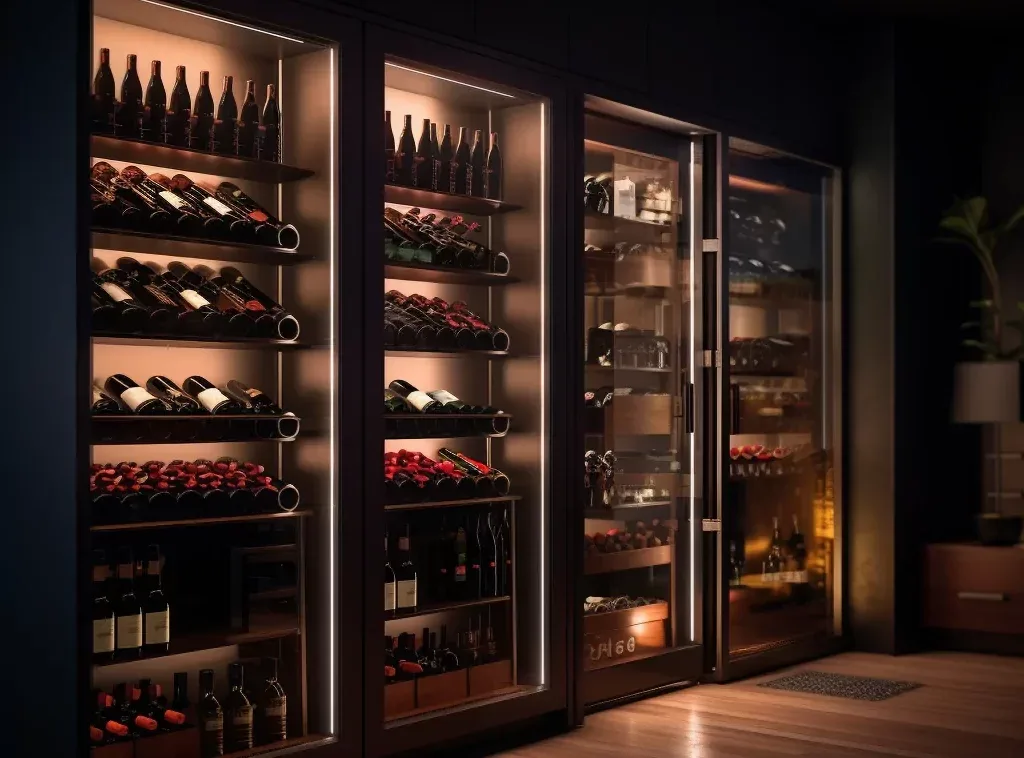
One of the biggest advantages of a built-in wine cellar is customization. Unlike a wine refrigerator, which comes in standard sizes and configurations, a wine cellar can be designed to fit your space and your needs. You can choose the size, shape, and layout, as well as the materials and finishes. Some restaurants even use their wine cellar as a design feature, with glass walls or doors that allow guests to see the bottles as they dine.
But customization comes at a cost. Building a wine cellar is a major project that requires architectural planning, construction, and specialized equipment. You’ll need to work with a contractor who has experience building wine cellars, as well as a climate control specialist who can design a system that maintains the ideal temperature and humidity levels. And because wine cellars are often built into existing spaces, you might need to make structural changes, like reinforcing floors or adding insulation.
Here’s what you’ll need to consider when building a wine cellar:
- Location: Wine cellars are typically built in basements or other below-ground spaces, as these areas tend to stay cooler and more stable. If you don’t have a basement, you can build a wine cellar in an above-ground space, but you’ll need to take extra steps to insulate it and control the climate.
- Insulation: Proper insulation is key to maintaining a consistent temperature and humidity level. You’ll need to insulate the walls, floor, and ceiling, as well as any doors or windows. Many wine cellars use spray foam insulation, which provides a tight seal and helps prevent air leaks.
- Climate control: A wine cellar needs a dedicated climate control system to maintain the ideal temperature and humidity levels. This might include a split-system air conditioner, a humidifier, and a dehumidifier, all of which need to be properly sized for the space.
- Vapor barrier: To prevent moisture from seeping into the walls and causing mold or mildew, you’ll need to install a vapor barrier on the warm side of the insulation. This is typically a plastic sheet that’s applied to the walls before the insulation is installed.
- Lighting: Wine cellars need to be well-lit, but the lighting should be designed to minimize UV exposure. Many wine cellars use LED lights with a warm color temperature (around 2700K) and turn them off when the cellar isn’t in use.
- Shelving and storage: The shelving in a wine cellar needs to be sturdy enough to hold the weight of the bottles, and it should be designed to store wine horizontally. Many wine cellars use wooden racks or metal shelving with rubber or cork padding to minimize vibration.
Is a built-in wine cellar worth the investment? For most restaurants, probably not. If you’re moving inventory quickly, or if you’re only storing a small number of bottles, a wine refrigerator or DIY setup might be sufficient. But if you’re running a high-end restaurant with a serious wine program, a wine cellar can be a game-changer. It’s not just about storage, it’s about presentation, prestige, and peace of mind.
Here’s the thing: a wine cellar is a long-term investment. It’s not something you can easily move or reconfigure, so you’ll need to be sure that it’s the right solution for your restaurant. If you’re not ready to commit to a built-in cellar, you might want to start with a wine refrigerator and upgrade later. But if you’re serious about your wine program, a wine cellar is the ultimate way to protect your investment and elevate your restaurant’s reputation.
4. Modular Wine Storage Systems: Flexibility Meets Functionality
What if you want the benefits of a built-in wine cellar but don’t have the space or budget for a full custom build? Enter modular wine storage systems. These pre-fabricated units offer many of the same benefits as a built-in cellar-climate control, humidity regulation, and insulation-but they’re designed to be more flexible and affordable. They’re a great option for restaurants that want a high-quality storage solution without the hassle and expense of a custom build.
Modular wine storage systems come in a variety of sizes and configurations, from small units that hold a few dozen bottles to large systems that can store hundreds. They’re typically made from insulated panels that snap together like a puzzle, making them easy to assemble and disassemble. This makes them a great option for restaurants that are still growing or experimenting with their wine program, as you can add or remove panels as needed.
One of the biggest advantages of modular systems is their portability. Unlike a built-in wine cellar, which is a permanent fixture, a modular system can be moved if you relocate or reconfigure your restaurant. This makes them a great option for pop-up restaurants, food trucks, or other temporary spaces. Plus, they’re relatively easy to install, you don’t need a contractor or climate control specialist to set one up.
Here’s what to look for in a modular wine storage system:
- Insulation: Look for a system with high-quality insulation to maintain a consistent temperature and humidity level. Many modular systems use foam-core panels that provide a tight seal and help prevent air leaks.
- Climate control: Some modular systems come with built-in climate control, while others require you to add a separate unit. If you’re storing wine for long-term aging, you’ll want a system with temperature and humidity control to protect your investment.
- Ventilation: Proper ventilation is key to preventing mold and mildew, especially in humid environments. Look for a system with ventilation fans or airflow channels to keep the air moving.
- Lighting: Many modular systems come with built-in lighting, but you’ll want to make sure it’s designed to minimize UV exposure. Look for LED lights with a warm color temperature (around 2700K) and turn them off when the system isn’t in use.
- Shelving and storage: The shelving in a modular system should be designed to store wine horizontally, with enough space between bottles to prevent them from touching. Many systems use wooden racks or metal shelving with rubber or cork padding to minimize vibration.
I’ll be honest: I was skeptical about modular wine storage systems at first. They seemed like a compromise, a middle ground between a wine refrigerator and a built-in cellar. But the more I’ve learned about them, the more I’ve come to appreciate their flexibility. If you’re not ready to commit to a built-in cellar, but you want something more permanent than a wine refrigerator, a modular system might be the perfect solution.
Here’s the thing: modular systems aren’t for everyone. If you’re storing a large inventory, or if you’re aging wine for years, you might need a more robust solution. But if you’re looking for a flexible, affordable way to store wine, a modular system is worth considering. Plus, they’re a great way to test the waters before investing in a full custom build.
5. Pass-Through Wine Storage: The Best of Both Worlds
If you’re running a busy restaurant with a high-volume wine program, you know how important it is to have quick, easy access to your bottles. That’s where pass-through wine storage comes in. These systems are designed to bridge the gap between storage and service, allowing you to pull bottles directly from storage and serve them without having to transfer them to a separate holding area.
Pass-through wine storage systems come in a variety of configurations, but they all share a few key features:
- Dual access: Pass-through systems have two doors, one on the storage side and one on the service side. This allows your staff to pull bottles from storage and serve them without having to walk through the kitchen or storage area.
- Temperature control: Many pass-through systems have dual-zone or triple-zone temperature control, which allows you to store reds, whites, and sparkling wines at their ideal serving temperatures. This eliminates the need for a separate holding area, as the bottles are already at the right temperature when they’re pulled from storage.
- Humidity regulation: Some pass-through systems come with built-in humidity control, which helps protect the corks and labels. This is especially important if you’re storing wine for long-term aging.
- Vibration reduction: Many pass-through systems are designed with compressors that are mounted on rubber grommets or suspended to minimize vibration. This is especially important if you’re storing wine near high-traffic areas.
One of the biggest advantages of pass-through wine storage is efficiency. By eliminating the need to transfer bottles from storage to a holding area, you can save time and reduce the risk of breakage. This is especially important in busy restaurants, where every second counts. Plus, pass-through systems can help you maximize your storage space, as they’re designed to fit seamlessly into your restaurant’s layout.
Here’s where it gets tricky: pass-through systems aren’t for everyone. If you’re running a small restaurant with a limited wine program, you might not need the added complexity of a pass-through system. But if you’re serving a high volume of wine, or if you’re running a large restaurant with multiple dining areas, a pass-through system can be a game-changer.
Another consideration: placement. Pass-through systems need to be installed in a way that allows for easy access from both the storage and service sides. This might mean cutting a hole in a wall or installing the system in a central location. If you’re not sure where to place the system, work with a contractor or designer who has experience with pass-through storage.
I’m torn between recommending pass-through systems for their efficiency and acknowledging that they’re not always the best fit. If you’re running a high-volume restaurant with a serious wine program, a pass-through system can save you time and hassle. But if you’re just getting started, you might want to stick with a simpler solution until you’ve ironed out the kinks in your workflow.
Choosing the Right Wine Storage Solution for Your Restaurant
1. Assess Your Needs: How Much Wine Do You Really Need to Store?
Before you can choose the right wine storage solution, you need to assess your needs. How much wine do you need to store? How quickly do you rotate your inventory? What’s your budget? These are all important questions to consider, as they’ll help you narrow down your options and choose a solution that’s right for your restaurant.
Start by taking a look at your current inventory. How many bottles do you have on hand? How many do you plan to add in the next 6-12 months? If you’re just getting started, you might not have a clear idea of your inventory needs, but it’s important to make an educated guess. A good rule of thumb is to plan for 20-30% more storage than you think you’ll need, as wine programs tend to grow over time.
Next, think about your inventory turnover. How quickly do you sell your wine? If you’re moving inventory quickly (say, within 3-6 months), you might not need a high-end storage solution. But if you’re aging wine for years, or if you’re storing high-end bottles, you’ll want to invest in a system that’s designed for long-term storage.
Finally, consider your budget. Wine storage solutions range from a few hundred dollars for a DIY setup to tens of thousands of dollars for a custom-built wine cellar. Be honest with yourself about what you can afford, and don’t be afraid to start small. You can always upgrade later as your wine program grows.
Here’s the thing: there’s no one-size-fits-all solution. Every restaurant is different, and what works for one might not work for another. The key is to assess your needs and choose a solution that fits your space, your budget, and your goals.
2. Consider Your Space: Where Will You Store Your Wine?
Once you’ve assessed your needs, the next step is to consider your space. Where will you store your wine? Do you have a basement, closet, or unused office space that could be repurposed? Or are you working with a tight layout that requires a more creative solution?
Start by taking a look at your restaurant’s layout. Do you have a dedicated storage area, or will you need to carve out space in an existing room? If you’re working with a small space, you might need to get creative. For example, you could install wall-mounted wine racks or under-counter storage to maximize your space. If you’re working with a larger space, you might have more flexibility to create a dedicated wine storage area.
Here are a few things to consider when choosing a storage location:
- Temperature and humidity: Look for a space that’s naturally cool and stable, like a basement or a closet away from the kitchen. Avoid areas that are prone to temperature swings, like near windows or doors.
- Vibration: Avoid storing wine near sources of constant vibration, like refrigeration units or dishwashers. If you’re storing wine on open shelves, consider adding a layer of foam or rubber to minimize movement.
- Light: Avoid storing wine in direct sunlight or under bright fluorescent lights. If your storage area has windows, cover them with UV-blocking film or heavy curtains.
- Accessibility: Think about how easy it will be to access your wine. If you’re storing wine in a basement or closet, you might need to install a dumbwaiter or lift to make it easier to transport bottles to the dining area.
Maybe I should clarify: your storage space doesn’t have to be perfect, it just has to be functional. If you’re working with a tight budget or a small space, you might not be able to create the ideal storage environment. But that’s okay, you can still take steps to protect your wine, like using a wine refrigerator or adding insulation to a closet.
3. Think About Your Workflow: How Will You Access and Serve Your Wine?
Wine storage isn’t just about keeping bottles safe, it’s also about making them easy to access and serve. If your storage area is disorganized or hard to reach, it can slow down your service and frustrate your staff. That’s why it’s important to think about your workflow when choosing a storage solution.
Start by thinking about how your staff will access the wine. Will they need to walk through the kitchen or storage area to retrieve bottles? Or will they be able to pull bottles directly from storage and serve them? If you’re running a busy restaurant, you’ll want to minimize the time it takes to access and serve wine. This might mean installing a pass-through storage system or creating a dedicated service station near the dining area.
Next, think about how you’ll organize your wine. Will you group bottles by region, varietal, or price point? Or will you use a color-coding system or inventory management software to keep track of your stock? The key is to create a system that’s intuitive and easy to use, so your staff can quickly find the bottles they need.
Here are a few workflow considerations to keep in mind:
- Accessibility: Make sure your storage area is easy to access, especially during peak service times. If you’re storing wine in a basement or closet, consider installing a dumbwaiter or lift to make it easier to transport bottles.
- Organization: Keep your storage area organized and well-labeled, so your staff can quickly find the bottles they need. Consider using color-coded labels, shelving dividers, or inventory management software to keep track of your stock.
- Temperature control: If you’re pulling bottles directly from storage to serve, make sure they’re at the right temperature. This might mean using a dual-zone wine refrigerator or creating a separate holding area for wines that are about to be served.
- Staff training: Make sure your staff knows how to access and serve wine from your storage system. This might mean providing training sessions or written instructions to ensure everyone is on the same page.
I’ll be honest: workflow is one of those things that’s easy to overlook until it’s too late. If your storage system is disorganized or hard to access, it can slow down your service and frustrate your staff. That’s why it’s important to think about your workflow before you invest in a storage solution. The key is to create a system that’s efficient, intuitive, and easy to use-so your staff can focus on what they do best: serving your guests.
4. Plan for the Future: How Will Your Wine Program Grow?
When choosing a wine storage solution, it’s important to think about the future. How will your wine program grow in the next 1-5 years? Will you add more bottles to your inventory? Will you expand your wine list to include more high-end or rare wines? These are all important questions to consider, as they’ll help you choose a solution that can grow with your restaurant.
Start by thinking about your long-term goals. Do you want to build a wine program that’s known for its depth and variety? Or are you focused on serving a small, curated selection of wines that pair well with your menu? If you’re planning to expand your wine list, you’ll want to choose a storage solution that can accommodate your future needs. This might mean investing in a modular system that can be expanded over time, or choosing a built-in cellar that’s designed to grow with your restaurant.
Next, think about your budget. Wine storage solutions range from a few hundred dollars to tens of thousands of dollars, so it’s important to be realistic about what you can afford. If you’re just getting started, you might want to start small and upgrade later as your wine program grows. But if you’re running a high-end restaurant with a serious wine program, you might need to invest in a more permanent solution from the start.
Here are a few things to consider when planning for the future:
- Scalability: Choose a storage solution that can grow with your restaurant. This might mean investing in a modular system that can be expanded over time, or choosing a built-in cellar that’s designed to accommodate future growth.
- Flexibility: Look for a solution that’s flexible and adaptable, so you can make changes as your wine program evolves. This might mean choosing a wine refrigerator that can be moved or reconfigured, or investing in a modular system that can be customized to fit your needs.
- Technology: Consider investing in smart storage solutions that can help you manage your inventory and track your wine. This might include inventory management software, temperature sensors, or humidity monitors that can alert you to potential issues before they become problems.
- Training: Make sure your staff is trained to use your storage system, and that they understand how to access and serve wine from it. This might mean providing ongoing training sessions or written instructions to ensure everyone is on the same page.
Is this the best approach? Let’s consider: maybe you don’t need to plan for the future right now. If you’re just getting started, you might want to focus on the present and upgrade later as your wine program grows. But if you’re running a high-end restaurant with a serious wine program, it’s worth thinking about how your needs might change in the coming years. The key is to choose a solution that’s flexible, scalable, and adaptable-so you can grow your wine program without having to start from scratch.
5. Don’t Forget About Maintenance: How Will You Keep Your Storage System in Top Shape?
Once you’ve chosen a wine storage solution, it’s important to think about maintenance. Wine storage systems require regular upkeep to ensure they’re functioning properly and protecting your wine. If you neglect maintenance, you could end up with a system that’s not working as intended, which could compromise your wine and cost you money.
Start by thinking about the specific maintenance needs of your storage system. For example, if you’re using a wine refrigerator, you’ll need to clean the coils and filters regularly to ensure it’s running efficiently. If you’re using a built-in wine cellar, you’ll need to monitor the climate control system and make sure it’s maintaining the ideal temperature and humidity levels. And if you’re using a DIY setup, you’ll need to check the temperature and humidity regularly to make sure they’re within the ideal range.
Here are a few maintenance tasks to keep in mind:
- Cleaning: Regularly clean your storage system to prevent dust, mold, and mildew from building up. This might mean wiping down shelves, vacuuming floors, or cleaning filters and coils.
- Monitoring: Use temperature and humidity sensors to monitor the conditions in your storage area. This will help you catch potential issues before they become problems.
- Inspections: Regularly inspect your storage system for signs of wear and tear, like loose shelves, damaged insulation, or malfunctioning climate control. Address any issues promptly to prevent them from getting worse.
- Repairs: If your storage system breaks down, make sure you have a plan in place for repairs. This might mean working with a contract or climate control specialist who can diagnose and fix the problem quickly.
I’ll be honest: maintenance is one of those things that’s easy to overlook until it’s too late. If you neglect your storage system, you could end up with a system that’s not working as intended, which could compromise your wine and cost you money. That’s why it’s important to create a maintenance schedule and stick to it. The key is to stay on top of maintenance tasks so you can catch potential issues before they become problems.
Here’s the thing: maintenance doesn’t have to be complicated. If you’re using a wine refrigerator, it might just mean cleaning the coils and filters every few months. If you’re using a built-in wine cellar, it might mean monitoring the climate control system and making sure it’s maintaining the ideal temperature and humidity levels. The key is to create a routine and stick to it, so your storage system can keep your wine in peak condition for years to come.
Final Thoughts: Protecting Your Wine (and Your Investment)
Let’s circle back to where we started: wine storage isn’t just about having a place to stash bottles, it’s about protecting your restaurant’s reputation, your profit margins, and the trust of your guests. A well-designed wine storage system can make the difference between a wine program that thrives and one that struggles. It can help you serve wine that’s in peak condition, impress your guests, and keep them coming back for more.
But here’s the thing: there’s no one-size-fits-all solution. Every restaurant is different, and what works for one might not work for another. The key is to assess your needs, consider your space, and choose a solution that fits your budget and your goals. Whether you opt for a DIY setup, a wine refrigerator, a built-in cellar, or something in between, the most important thing is to take action. Don’t let your wine suffer in a dusty back room or a poorly controlled storage area. Invest in a system that will protect your wine and elevate your restaurant’s reputation.
So, what’s next? If you’re just getting started, take a look at your current storage setup and ask yourself: Is this really the best we can do? If the answer is no, it’s time to make a change. Start small if you need to, even a wine refrigerator or a few well-placed shelves can make a big difference. And if you’re running a high-end restaurant with a serious wine program, don’t be afraid to invest in a solution that will set you apart from the competition.
At the end of the day, wine storage is about more than just bottles and shelves. It’s about hospitality, trust, and the experience you create for your guests. And if there’s one thing I’ve learned in my years of writing about food and wine, it’s that the details matter. So take the time to get this right. Your wine, and your guests, will thank you.
FAQ: Wine Storage Solutions for Restaurant Wine Programs
Q: What’s the ideal temperature for storing wine in a restaurant setting?
A: The ideal temperature for storing wine is 55°F (13°C), but consistency is more important than hitting that exact number. A wine stored at a steady 60°F will age more gracefully than one that fluctuates between 50°F and 70°F. For restaurants, it’s also important to consider how quickly bottles will warm up or cool down to their ideal serving temperature when pulled from storage.
Q: Do I really need to worry about humidity in my wine storage area?
A: Yes! Humidity levels between 50% and 80% are ideal for wine storage, with 70% being the sweet spot. Too little humidity can dry out corks, allowing oxygen to seep in and spoil the wine. Too much humidity can encourage mold growth on corks and labels. If your storage area isn’t naturally humid, consider using a humidifier or a wine refrigerator with built-in humidity control.
Q: What’s the best way to store wine in a small restaurant with limited space?
A: If space is limited, consider wall-mounted wine racks, under-counter storage, or a small wine refrigerator. These solutions maximize vertical space and keep bottles organized and accessible. You can also repurpose a closet or unused office space with proper insulation and climate control. The key is to find a solution that fits your space while still protecting your wine from temperature fluctuations, light, and vibration.
Q: How do I know if my wine storage solution is working?
A: The best way to know if your storage solution is working is to monitor the conditions in your storage area. Use temperature and humidity sensors to track the environment, and regularly inspect your bottles for signs of spoilage, like leaking corks or moldy labels. You can also taste-test your wine periodically to ensure it’s aging as expected. If you notice any issues, it’s time to reassess your storage setup and make adjustments.
@article{wine-storage-solutions-for-restaurant-wine-programs-a-sommeliers-guide-to-protecting-your-investment,
    title   = {Wine Storage Solutions for Restaurant Wine Programs: A Sommelier’s Guide to Protecting Your Investment},
    author  = {Chef's icon},
    year    = {2026},
    journal = {Chef's Icon},
    url     = {https://chefsicon.com/wine-storage-solutions-for-restaurant-wine-programs/}
}