The Best Fluffy Pancakes recipe you will fall in love with. Full of tips and tricks to help you make the best pancakes.
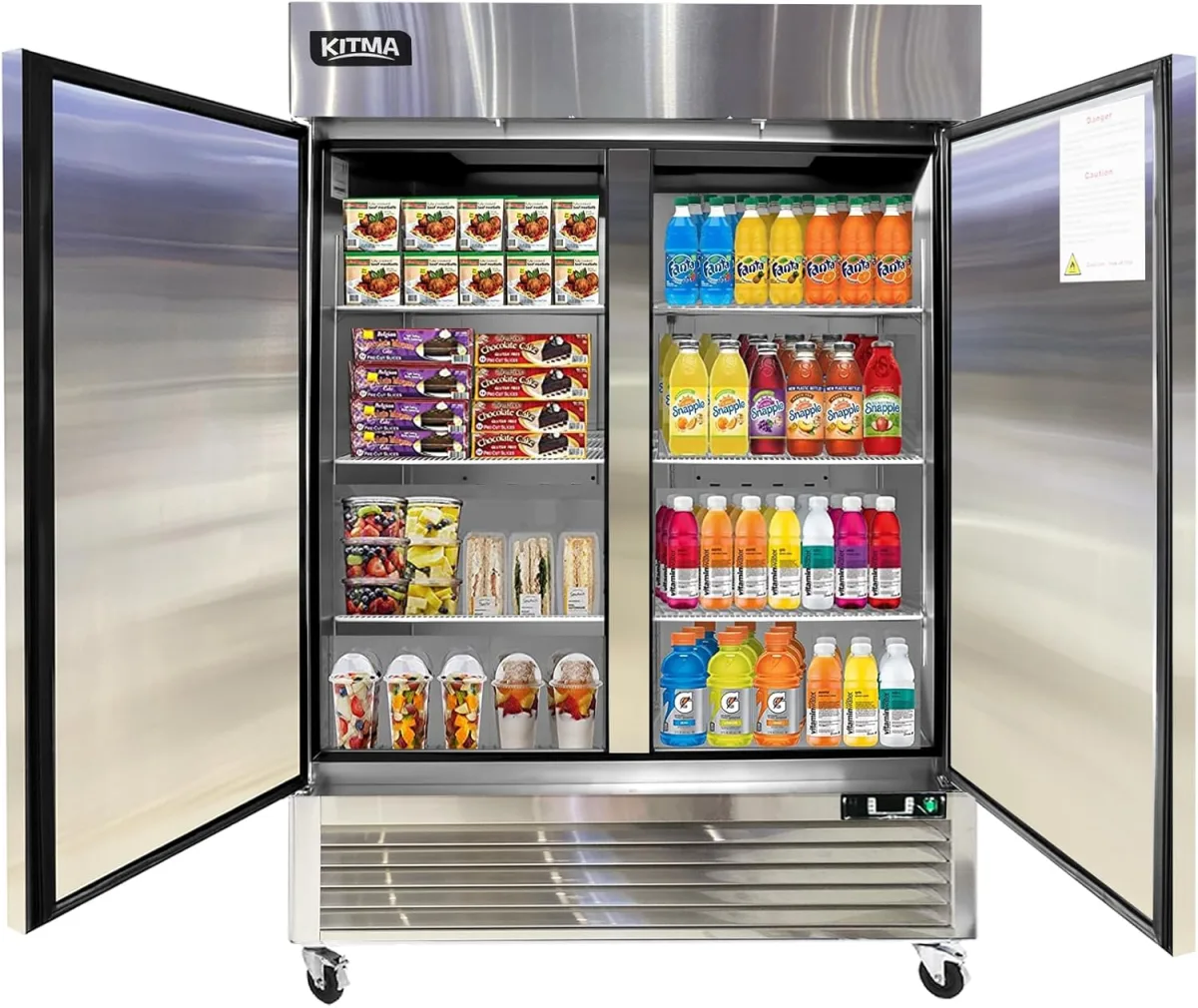
Let me tell you about the time I almost ruined a perfectly good batch of Nashville hot chicken because my under-counter refrigerator decided to play Tetris with my prep containers. It was a Tuesday, because of course it was a Tuesday, when I realized my “organized” system of stacking everything vertically was actually just a recipe for condensation buildup and forgotten leftovers. That’s when it hit me: maximizing storage in small commercial refrigerators isn’t just about cramming more stuff in. It’s about working smarter, not harder, and maybe admitting that my “I’ll organize it later” approach was doing more harm than good.
If you’re running a café, food truck, or small restaurant, you know the struggle. Every square inch of refrigeration space feels like prime real estate, and yet somehow, you’re still playing Jenga with your ingredients at 2 AM. The good news? There’s a method to the madness. Over the years, I’ve picked up tricks from chefs, suppliers like Chef’s Deal (who, by the way, offer free kitchen design services to help you avoid my hot chicken disaster), and even my own trial-and-error experiments. This isn’t just about storage, it’s about efficiency, food safety, and keeping your sanity intact. So, let’s dive in. By the end of this, you’ll know how to turn your compact fridge from a cluttered mess into a well-oiled machine. (Or at least a less chaotic one.)
Here’s what we’ll cover:
- Why small commercial refrigerators are the unsung heroes of tight kitchens
- The psychology of fridge organization (yes, it’s a thing)
- How to assess your current storage setup like a pro
- Shelving hacks that’ll change your life (or at least your workflow)
- Container strategies that actually work
- Temperature zones and why they matter more than you think
- Labeling systems that don’t make you want to scream
- How to train your staff without losing your cool
- Maintenance tips to keep things running smoothly
- When to call in the experts (and where to find them)
Sound like a lot? It is. But trust me, once you start implementing even a few of these strategies, you’ll wonder how you ever survived without them. And hey, if I can go from fridge chaos to fridge zen, so can you.
The Underrated Power of Small Commercial Refrigerators
Why Size Doesn’t Always Matter (But Efficiency Does)
Let’s start with a hard truth: small commercial refrigerators get a bad rap. They’re often seen as the “starter fridge” or the “backup fridge,” relegated to holding condiments or overflow when the big walk-in is bursting at the seams. But here’s the thing, when used correctly, a compact refrigerator can be just as powerful as its larger counterparts. Maybe even more so.
Think about it. In a tight kitchen, every movement counts. A well-organized small fridge means less time spent digging for ingredients, less wasted space, and fewer instances of that dreaded moment when you realize the mayo you *swear* you had is actually hiding behind a mystery container of something… questionable. Plus, let’s not forget the energy savings. Smaller fridges use less power, which is great for both the environment and your utility bills. (And if you’re in a food truck or a café with limited square footage, energy efficiency isn’t just a bonus, it’s a necessity.)
But here’s where it gets tricky. Small fridges aren’t just scaled-down versions of their larger siblings. They have their own quirks, their own challenges, and their own rules. For example, airflow is a bigger deal in a compact unit because there’s less room for air to circulate. Stack things too tightly, and you’ll end up with hot spots and uneven cooling. And let’s not even talk about the nightmare of trying to fit a full sheet pan in there. (Spoiler: it’s not happening unless you’re a Tetris master.)
So, how do you make the most of what you’ve got? First, you’ve got to shift your mindset. A small fridge isn’t a limitation, it’s an opportunity to get creative. And second, you’ve got to understand the science behind how these things work. Because trust me, there *is* a science to it.
The Science of Small: Airflow, Temperature, and Why Your Fridge Hates You
I’ll admit it, I used to think refrigerators were just magic boxes that kept things cold. Turns out, there’s a lot more going on under the hood. And when you’re dealing with a small commercial unit, those details matter even more.
Let’s talk about airflow. In a perfect world, cold air would circulate evenly throughout your fridge, keeping everything at the same temperature. But in reality, fridges have hot spots and cold spots, and in a small unit, those spots are *way* more noticeable. The back of the fridge? Usually colder. The door? Warmer. The bottom shelf? Often the most consistent. Why does this matter? Because if you’re storing your dairy products in the door (a common mistake), they’re not getting the consistent cold they need. And if you’re stacking things too tightly, you’re blocking the airflow entirely, which can lead to spoilage and uneven cooling.
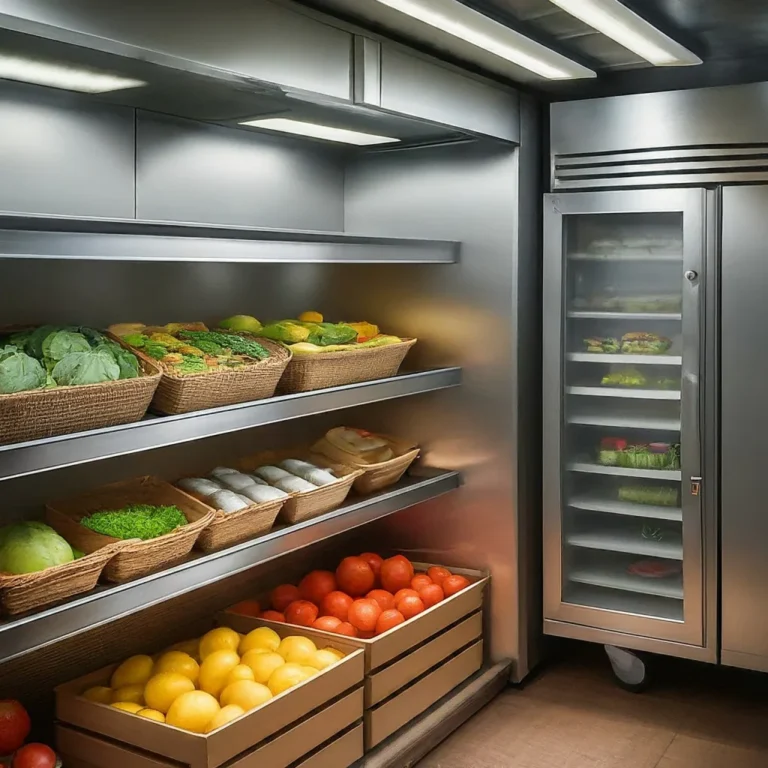
Then there’s the issue of temperature zones. Most people don’t realize that different parts of the fridge are better suited for different types of food. For example, the bottom shelf is usually the coldest, making it ideal for raw meats and seafood. The middle shelves? Perfect for dairy and ready-to-eat foods. The door? Best for condiments and items that don’t need to stay *super* cold. And the crisper drawers? Well, those are for produce, but only if you’re using them correctly. (More on that later.)
But here’s the kicker: even if you *do* everything right, your fridge might still be working against you. Why? Because commercial refrigerators, especially compact ones, are designed for efficiency, not necessarily for ease of use. They’re built to keep things cold, not to make your life easier. That’s where the human element comes in. You’ve got to work *with* your fridge, not against it. And that starts with understanding its limitations, and yours.
When Less Space Forces You to Be Smarter
I get it. When you’re used to a big walk-in fridge, downsizing to a compact unit can feel like a demotion. But here’s the thing: small spaces force you to be more intentional. And in a kitchen, intentionality is everything.
Take inventory, for example. In a large fridge, it’s easy to shove things to the back and forget about them. Out of sight, out of mind, right? But in a small fridge, there’s no hiding. Every item has to earn its place. That means you’re forced to take stock of what you actually need, what you’re using, and what’s just taking up space. It’s like a built-in system for reducing waste. (And let’s be real, waste is the enemy of any small business.)
Then there’s the issue of workflow. In a tight kitchen, every second counts. A well-organized small fridge means less time spent searching for ingredients, less time wasted moving things around, and more time actually cooking. And when you’re working with limited space, efficiency isn’t just a nice-to-have, it’s a survival skill.
But here’s where I struggle: how do you balance efficiency with flexibility? Because let’s face it, kitchens are unpredictable. One day you’re prepping for a big event, the next you’re scrambling to accommodate a last-minute order. A small fridge needs to be organized, but it also needs to be adaptable. So, how do you strike that balance? I’m still figuring that out myself, but I’ve got a few ideas. Let’s dive into the nitty-gritty of assessing your current setup.
Assessing Your Current Storage Setup: Where Are You Going Wrong?
The Fridge Audit: A Humbling Experience
I’ll be honest, this is the part where I cringe. Because if you’re anything like me, taking a hard look at your current fridge situation is going to be a mix of “Oh, that’s not so bad” and “How is this even legal?” But trust me, it’s necessary. You can’t fix what you don’t acknowledge, right?
So, let’s start with a fridge audit. Grab a notebook (or your phone, if you’re fancy) and open up that fridge. Take everything out. Yes, *everything*. I know it’s a pain, but you need to see what you’re working with. As you pull things out, ask yourself these questions:
- What’s actually in here? Be honest. Are there expired items? Mystery containers? Half-used ingredients that you’ll *probably* use someday?
- How is it organized? Are things stacked haphazardly? Are there designated zones for different types of food, or is it a free-for-all?
- What’s taking up the most space? Are there bulky containers that could be swapped for something more efficient? Are you storing things in their original packaging when you don’t need to?
- What’s missing? Are there tools or accessories that could make your life easier? Maybe some stackable bins or a lazy Susan for easy access?
This is also a good time to check for any maintenance issues. Is the fridge running at the right temperature? (You’d be surprised how many aren’t.) Are the seals intact? Is there any ice buildup or condensation that shouldn’t be there? If you’re not sure what to look for, this might be a good time to call in the pros. Companies like Chef’s Deal offer expert consultations to help you troubleshoot these kinds of issues, and they can even recommend upgrades if you need them.
Once you’ve got everything out, take a step back and look at the empty fridge. What do you notice? Are there shelves that could be adjusted? Are there dead spaces that aren’t being used efficiently? This is your blank canvas, and the goal is to turn it into something functional.
The Psychology of Clutter: Why Your Brain Hates Your Fridge
Here’s something I’ve been thinking about a lot lately: clutter isn’t just a physical problem, it’s a mental one. And nowhere is that more true than in a commercial kitchen. A cluttered fridge doesn’t just waste space; it wastes time, energy, and brainpower. Every time you open that door and can’t find what you’re looking for, you’re not just frustrated, you’re also wasting precious seconds that add up over the course of a shift.
But why does clutter have such a big impact? It comes down to something called cognitive load. That’s the fancy term for the amount of mental effort your brain is using at any given time. When your fridge is a mess, your brain has to work harder to process what it’s seeing. It’s like trying to read a book with a bunch of random words scribbled in the margins, it’s distracting, and it slows you down. And in a fast-paced kitchen, slowing down isn’t an option.
There’s also the issue of decision fatigue. The more choices you have to make, the harder it is to make good ones. When your fridge is disorganized, every time you open it, you’re faced with a barrage of decisions: Where is the butter? Is this the right container? Did we already use the last of the heavy cream? Over time, those little decisions add up, and they can leave you feeling drained. And let’s be real, no one wants to feel drained before the dinner rush even starts.
So, how do you fight back against the clutter? It starts with systems. And not just any systems, systems that work *for you*. Because let’s face it, what works for one person might not work for another. Some people thrive with color-coded labels, while others prefer a more minimalist approach. The key is to find what works for your brain and your workflow. And that brings us to the next step: shelving.
Shelving Hacks That’ll Change Your Life (Or At Least Your Workflow)
The Great Shelf Debate: Adjustable vs. Fixed
If you’ve ever stood in front of a fridge, staring at the shelves and wondering why they’re not where you need them to be, you’re not alone. Shelving is one of those things that seems simple until you actually have to use it. And in a small commercial refrigerator, where every inch counts, the type of shelving you have can make or break your storage game.
Let’s start with the basics: adjustable vs. fixed shelving. Fixed shelving is exactly what it sounds like, shelves that don’t move. They’re sturdy, they’re reliable, and they’re great if you’re storing items of a consistent size. But here’s the problem: in a commercial kitchen, consistency is a luxury. One day you’re storing sheet pans, the next you’re stacking containers of prepped ingredients. Fixed shelving just doesn’t have the flexibility you need.
Adjustable shelving, on the other hand, is a game-changer. Being able to move shelves up or down means you can customize your fridge to fit whatever you’re storing. Need more vertical space for tall containers? No problem. Need to fit a full sheet pan? Just adjust the shelves accordingly. It’s like having a fridge that grows and shrinks with your needs. And if you’re working with a supplier like Chef’s Deal, they can help you find a unit with shelving that’s not just adjustable, but also durable enough to handle the demands of a commercial kitchen.
But here’s where I get stuck: adjustable shelving is great, but it’s not always the most stable. If you’re constantly moving shelves around, they can become loose or wobbly over time. And in a busy kitchen, the last thing you want is a shelf collapsing mid-service. So, how do you balance flexibility with stability? One solution is to invest in high-quality shelving units that are designed to handle frequent adjustments. Another is to use shelf liners or non-slip mats to keep things in place. And if you’re really struggling, it might be worth looking into custom shelving solutions. Some suppliers offer professional installation services to ensure your shelving is both flexible and secure.
Vertical Space: The Final Frontier
When you’re working with a small fridge, vertical space is your best friend. But it’s also one of the most underutilized areas in most kitchens. Why? Because we’re used to thinking horizontally. We see a shelf, and we think, “Okay, I’ll put things on top of it.” But what about the space *above* the shelf? That’s where the magic happens.
Here’s the thing: most small commercial refrigerators have a ton of vertical space that goes unused. And the best way to take advantage of it? Stackable containers. But not just any containers, containers that are designed to maximize vertical space without compromising stability. Think clear, rectangular bins that can be stacked two or three high. Or collapsible containers that can be expanded when you need them and flattened when you don’t. The key is to find containers that fit your shelves perfectly, so you’re not wasting any space.
But here’s the catch: stacking things too high can be a recipe for disaster. One wrong move, and suddenly you’ve got a tower of containers teetering precariously on the edge of collapse. So, how do you stack safely? First, make sure your containers are stable. Look for ones with interlocking lids or non-slip bases. Second, don’t stack things too high. If you can’t see what’s in the bottom container, you’re asking for trouble. And third, use shelf risers or dividers to create separate zones. That way, you’re not putting all your eggs in one basket (literally).
Another pro tip: use the door. I know, I know, I just said the door is warmer than the rest of the fridge. But that doesn’t mean it’s useless. The door is perfect for storing condiments, sauces, and other items that don’t need to be *super* cold. And if you’re using the right kind of door storage, you can free up a ton of shelf space. Look for door racks that are adjustable and can accommodate different-sized bottles. And if you’re really tight on space, consider adding a door organizer to hold smaller items like butter packets or individual servings of cream.
Shelf Dividers: The Unsung Heroes of Fridge Organization
If you’ve never used shelf dividers, you’re missing out. These little tools are like the Swiss Army knives of fridge organization, they’re small, they’re versatile, and they can solve a ton of problems.
So, what exactly are shelf dividers? They’re basically barriers that you can place on your shelves to create separate zones. They come in all shapes and sizes, from simple plastic dividers to more heavy-duty metal ones. And they’re great for a few reasons:
- They keep things in place. No more sliding containers or toppled bottles. Dividers create a barrier that keeps everything where it belongs.
- They maximize space. By creating separate zones, you can fit more items on a single shelf without things getting jumbled together.
- They make it easier to access what you need. No more digging through a pile of containers to find the one you’re looking for. With dividers, everything has its place.
But here’s the thing: not all dividers are created equal. Some are flimsy and won’t hold up in a busy kitchen. Others are too bulky and take up more space than they save. So, how do you choose the right ones? First, think about what you’re storing. If you’re dealing with heavy items like cans or jars, you’ll need something sturdy. If you’re storing lighter items like bags of herbs or small containers, something more lightweight will do. Second, consider the material. Plastic dividers are affordable and easy to clean, but they might not be as durable as metal ones. And third, think about adjustability. Some dividers are fixed, while others can be moved around to create different-sized zones. The more flexible, the better.
And if you’re really struggling to find the right dividers, don’t be afraid to get creative. I’ve seen kitchens use everything from PVC pipes to wooden dowels to create custom dividers. The key is to find something that works for your specific needs. And if you’re not sure where to start, companies like Chef’s Deal offer a wide range of organizational tools, including dividers, that are designed specifically for commercial kitchens.
Container Strategies That Actually Work (And Won’t Drive You Crazy)
The Container Conundrum: Size, Shape, and Material
Let’s talk about containers. Because if you’re anything like me, you’ve got a love-hate relationship with them. On one hand, they’re essential for keeping things organized. On the other hand, they’re also the source of endless frustration. Why? Because not all containers are created equal. Some are too big, some are too small, and some are just plain awkward. And in a small fridge, where every inch counts, choosing the wrong container can be a disaster.
So, how do you pick the right ones? It starts with three things: size, shape, and material.
Size: This one’s obvious, but it’s worth saying. Your containers need to fit your shelves. That means measuring your fridge before you buy anything. And don’t just measure the width and depth, measure the height, too. You’d be surprised how many containers are just a *little* too tall to fit comfortably on a shelf. Also, think about what you’re storing. If you’re prepping large batches of soup, you’ll need bigger containers. If you’re storing individual portions, smaller ones will do.
Shape: This is where things get interesting. Most people default to round containers because they’re easy to find and they stack well. But in a small fridge, round containers can actually waste space. Why? Because they don’t fit together neatly, leaving gaps that could be used for something else. Rectangular containers, on the other hand, fit together like puzzle pieces, maximizing every inch of space. They’re also easier to label and organize. That said, round containers do have their place. They’re great for liquids, and they’re easier to clean. So, it’s all about finding the right balance.
Material: This is where things get a little more complicated. Containers come in all sorts of materials, from plastic to glass to stainless steel. Each has its pros and cons. Plastic is lightweight, affordable, and durable, but it can stain and absorb odors over time. Glass is heavy and more expensive, but it’s non-porous and won’t absorb odors. Stainless steel is durable and easy to clean, but it’s also the most expensive option. So, which one should you choose? It depends on what you’re storing and how you’re using it. For most kitchens, a mix of materials is the way to go. Plastic for dry goods, glass for liquids, and stainless steel for things that need to stay *super* cold.
But here’s the thing: even if you pick the perfect containers, they’re not going to do you any good if you’re not using them correctly. And that brings us to the next big question: how do you organize them?
Stacking vs. Nesting: The Great Debate
If you’ve ever spent more time than you’d like to admit trying to figure out how to fit all your containers in the fridge, you’ve probably wondered: should I stack them or nest them? And the answer, as with most things in life, is: it depends.
Stacking is when you place containers on top of each other. It’s great for maximizing vertical space, and it’s the go-to method for most people. But stacking has its downsides. For one, it can be unstable. If you’re not careful, your tower of containers can come crashing down at the worst possible moment. (Trust me, I’ve been there.) Stacking can also make it harder to access the containers at the bottom. If you’re constantly moving things around to get to what you need, you’re wasting time and energy.
Nesting, on the other hand, is when you place containers inside each other. It’s great for saving space, and it’s a lifesaver if you’re dealing with a lot of small containers. But nesting has its own set of challenges. For one, it can be hard to find what you’re looking for if everything is nested together. It can also be a pain to clean, especially if you’re dealing with sticky or greasy ingredients. And let’s not forget the frustration of trying to pull one container out without disturbing the rest.
So, which one should you choose? The truth is, you don’t have to pick just one. A combination of stacking and nesting can work wonders in a small fridge. For example, you could stack your larger containers and nest your smaller ones. Or you could use stackable containers for dry goods and nestable ones for liquids. The key is to find a system that works for your specific needs. And if you’re not sure where to start, don’t be afraid to experiment. Try different methods and see what feels the most natural.
Another pro tip: use clear containers whenever possible. It might seem like a small thing, but being able to see what’s inside without having to open the container can save you a ton of time. And if you’re really organized, you can even color-code your containers for different types of ingredients. (Green for herbs, red for sauces, etc.) It’s a small detail, but it can make a big difference in a busy kitchen.
Lids: The Good, the Bad, and the Ugly
Let’s talk about lids. Because if you’ve ever spent five minutes searching for the right lid to match your container, you know they’re both a blessing and a curse. On one hand, lids are essential for keeping things fresh and preventing spills. On the other hand, they’re also the source of endless frustration. Why? Because they’re easy to lose, hard to match, and often don’t seal properly.
So, how do you deal with lids? First, let’s talk about the different types. There are snap-on lids, screw-on lids, clip-on lids, and even magnetic lids. Each has its pros and cons. Snap-on lids are easy to use, but they can be hard to seal tightly. Screw-on lids are more secure, but they take longer to put on and take off. Clip-on lids are great for liquids, but they can be bulky. And magnetic lids? Well, they’re a newer option, and they’re great for keeping things airtight, but they can be expensive.
But here’s the thing: no matter what type of lid you choose, the real challenge is keeping track of them. And that’s where most people go wrong. If you’re not careful, your lids can quickly become a jumbled mess, making it impossible to find the right one when you need it. So, how do you keep them organized?
One solution is to store your lids separately from your containers. You can use a lid organizer or even a simple bin to keep them all in one place. That way, you’re not wasting time searching for the right lid every time you need to seal a container. Another option is to use containers with interchangeable lids. Some brands offer lids that fit multiple container sizes, which can be a game-changer if you’re dealing with a lot of different-sized containers.
And if you’re really struggling, it might be worth investing in a set of containers with built-in lids. These are containers where the lid is attached to the container, so you never have to worry about losing it. They’re a little more expensive, but they can save you a ton of time and frustration in the long run.
But here’s where I get stuck: even if you’ve got the perfect containers and lids, they’re not going to do you any good if you’re not using them correctly. And that brings us to the next big topic: temperature zones.
Temperature Zones: Why Your Fridge is a Goldilocks Situation
The Cold Hard Truth About Hot Spots
I’ll admit it, I used to think that as long as my fridge was cold, everything inside was safe. Turns out, that’s not even close to true. Refrigerators, especially small commercial ones, have temperature zones. And if you’re not paying attention to them, you could be putting your food at risk.
Let’s start with the basics. Most small commercial refrigerators have three main temperature zones:
- The bottom shelf: This is usually the coldest part of the fridge. Why? Because cold air sinks. That makes it the perfect spot for raw meats, seafood, and other items that need to stay *super* cold.
- The middle shelves: These are the most consistent in terms of temperature. They’re great for dairy products, ready-to-eat foods, and anything that needs to stay cold but doesn’t require the *coldest* spot in the fridge.
- The door: This is the warmest part of the fridge. It’s perfect for condiments, sauces, and other items that don’t need to stay *super* cold. But it’s also the most susceptible to temperature fluctuations, so it’s not ideal for perishable items.
But here’s where it gets tricky: even within these zones, there can be hot spots. For example, the area near the back of the fridge is usually colder than the area near the front. And if you’re blocking the airflow with containers or shelves, you could be creating even more hot spots. So, how do you deal with this?
First, invest in a good thermometer. Not just any thermometer, a fridge thermometer. These are designed to give you an accurate reading of the temperature inside your fridge, and they’re essential for keeping your food safe. Place one in the warmest part of the fridge (usually the door) and one in the coldest part (usually the bottom shelf). That way, you can monitor the temperature in real-time and make adjustments as needed.
Second, be mindful of airflow. If you’re stacking things too tightly or blocking the vents, you’re going to end up with uneven cooling. Make sure there’s enough space between containers for air to circulate. And if you’re not sure where the vents are, check the manual or ask your supplier. Companies like Chef’s Deal offer expert consultations to help you troubleshoot these kinds of issues, and they can even recommend units with better airflow if you need them.
Third, rotate your stock. This is something I struggle with, but it’s essential for food safety. The items that were in the back of the fridge yesterday should be moved to the front today, and vice versa. That way, nothing gets forgotten, and everything gets used before it goes bad. It’s a small step, but it can make a big difference.
The Crisper Drawer: Friend or Foe?
Ah, the crisper drawer. It’s one of those features that sounds great in theory but often falls short in practice. Why? Because most people don’t use it correctly. They toss their produce in there and forget about it, only to find a sad, wilted mess a few days later. But when used correctly, the crisper drawer can be a game-changer for keeping your produce fresh.
So, how do you use it correctly? It starts with understanding how it works. The crisper drawer is designed to maintain a higher humidity level than the rest of the fridge. That’s great for leafy greens, herbs, and other items that tend to dry out quickly. But it’s not so great for items that need a drier environment, like apples or citrus fruits. So, the first step is to know what to store in the crisper and what to keep elsewhere.
Here’s a quick cheat sheet:
- High humidity (crisper drawer): Leafy greens, herbs, broccoli, carrots, celery, cucumbers, peppers, and other items that tend to wilt quickly.
- Low humidity (regular fridge): Apples, citrus fruits, berries, grapes, and other items that need a drier environment.
But here’s the thing: even if you’re storing the right items in the crisper, it’s not going to do you any good if you’re not maintaining the right humidity level. Most crisper drawers have a vent or a slider that allows you to adjust the humidity. If you’re not sure how to use it, check the manual or ask your supplier. And if you’re really struggling, it might be worth investing in a humidity-controlled storage container. These are designed to maintain the perfect humidity level for your produce, and they can be a lifesaver if you’re dealing with a lot of fresh ingredients.
Another pro tip: don’t overfill the crisper drawer. If you cram too much in there, the air won’t be able to circulate, and your produce will spoil faster. And if you’re not sure how much is too much, err on the side of caution. It’s better to have a little extra space than to end up with a drawer full of wilted greens.
The Door Dilemma: What Belongs and What Doesn’t
Let’s talk about the door. Because if you’re anything like me, you’ve probably been using it all wrong. The door is the warmest part of the fridge, which makes it perfect for condiments, sauces, and other items that don’t need to stay *super* cold. But it’s also the most susceptible to temperature fluctuations, which makes it a risky spot for perishable items.
So, what *should* you store in the door? Here’s a quick list:
- Condiments (ketchup, mustard, mayo, etc.)
- Sauces (hot sauce, soy sauce, etc.)
- Butter (if it’s in a sealed container)
- Pickles and other fermented items
- Bottled drinks (if you’re using the door for storage)
And what *shouldn’t* you store in the door? Here’s what to avoid:
- Dairy products (milk, cream, yogurt, etc.)
- Eggs (unless they’re in a sealed container)
- Raw meats or seafood
- Anything that needs to stay *super* cold
But here’s where I get stuck: what about items that are *kind of* perishable but not *super* perishable? For example, cheese. Some cheeses can handle the door, while others need to stay colder. So, how do you decide? It comes down to a few factors:
- Type of cheese: Hard cheeses (like cheddar or parmesan) can handle the door, while soft cheeses (like brie or goat cheese) need to stay colder.
- Packaging: If the cheese is in a sealed container, it’s more likely to stay fresh in the door. If it’s loosely wrapped, it’s better off in the main part of the fridge.
- How often you use it: If you’re using the cheese every day, it’s probably fine in the door. If it’s something you only use occasionally, it’s better to keep it colder.
And if you’re not sure, err on the side of caution. It’s better to keep something colder than it needs to be than to risk it spoiling.
Labeling Systems: Because “Mystery Meat” Isn’t a Menu Option
The Art of the Label: More Than Just a Sticker
Let’s be real, labeling is one of those things that everyone knows they *should* do, but no one actually wants to. It’s time-consuming, it’s tedious, and let’s face it, it’s not exactly the most exciting part of running a kitchen. But here’s the thing: if you’re not labeling your containers, you’re playing a dangerous game. Because in a busy kitchen, it’s all too easy to forget what’s in a container, how old it is, or even what it’s supposed to be used for. And that’s a recipe for disaster.
So, how do you make labeling less painful? It starts with the right tools. You don’t need anything fancy, a simple label maker or even a roll of masking tape and a Sharpie will do. But if you want to get *really* organized, there are a few things you can do to make your labels more effective:
- Use clear, legible handwriting. If no one can read your labels, they’re not doing you any good. And if your handwriting is as bad as mine, it might be worth investing in a label maker.
- Include the date. This is *essential* for food safety. If you don’t know how old something is, you don’t know if it’s safe to use. And if you’re not sure how long something lasts, check the FDA guidelines or ask your supplier.
- Include the contents. This might seem obvious, but you’d be surprised how many people skip this step. If you’re storing something in a container that’s not see-through, make sure the label includes what’s inside.
- Include the use-by date. This is different from the date you stored it. The use-by date is the last day the item is safe to use, and it’s essential for food safety.
- Color-code your labels. This is a great way to quickly identify different types of ingredients. For example, you could use green labels for herbs, red for sauces, and blue for dairy.
But here’s the thing: even if you’ve got the perfect labeling system, it’s not going to do you any good if you’re not using it consistently. And that’s where most people go wrong. They label a few things, get busy, and then forget about it. So, how do you make labeling a habit?
One solution is to make it part of your workflow. For example, every time you prep something, label it before you put it in the fridge. That way, you’re not adding an extra step, you’re just incorporating labeling into what you’re already doing. Another option is to assign labeling to a specific person. If everyone knows who’s responsible for labeling, it’s less likely to fall through the cracks.
And if you’re really struggling, it might be worth investing in a digital labeling system. These are systems where you can scan a barcode or QR code to get information about the item, including the date it was stored, the use-by date, and even the recipe it’s supposed to be used for. They’re a little more expensive, but they can be a game-changer if you’re dealing with a lot of prepped ingredients.
FIFO: The Four-Letter Word That’ll Save Your Sanity
If you’ve ever worked in a kitchen, you’ve probably heard the term FIFO. It stands for “First In, First Out,” and it’s one of the most important principles of food storage. The idea is simple: the first items you store should be the first ones you use. That way, nothing gets forgotten, and everything gets used before it goes bad.
But here’s the thing: FIFO is easier said than done. In a busy kitchen, it’s all too easy to grab the first thing you see, even if it’s not the oldest. And if you’re not careful, you can end up with a fridge full of forgotten leftovers. So, how do you make FIFO work in the real world?
It starts with organization. If your fridge is a jumbled mess, it’s impossible to know what’s oldest. But if everything has its place, and everything is labeled, FIFO becomes a lot easier. Here’s how to do it:
- Store new items behind old ones. This is the simplest way to ensure that the oldest items get used first. If you’re storing something new, put it in the back and move the older items to the front.
- Use a rotation system. This is a little more involved, but it’s also more effective. Every time you store something new, move the older items to the front. That way, you’re always using the oldest items first.
- Label everything. This is essential for FIFO. If you don’t know how old something is, you don’t know if it’s the oldest. Make sure every container is labeled with the date it was stored.
- Train your staff. FIFO isn’t just your responsibility, it’s everyone’s. Make sure your staff knows how to use the system, and hold them accountable for following it.
But here’s where I get stuck: what if you’re dealing with items that have different shelf lives? For example, some ingredients last longer than others, so even if they were stored at the same time, they might not need to be used at the same time. How do you handle that?
One solution is to use a color-coded system. For example, you could use red labels for items that need to be used within 24 hours, yellow for items that need to be used within 48 hours, and green for items that can last a week or more. That way, you can quickly see what needs to be used first, even if it’s not the oldest item in the fridge.
Another option is to use a separate storage area for items with different shelf lives. For example, you could have one shelf for items that need to be used within 24 hours, another for items that need to be used within 48 hours, and so on. That way, you’re not mixing items with different shelf lives, and you can easily see what needs to be used first.
Digital vs. Analog: Which Labeling System is Right for You?
Let’s talk about digital vs. analog labeling systems. Because if you’re anything like me, you’ve probably wondered: is it worth investing in a digital system, or is good old-fashioned pen and paper enough?
First, let’s talk about analog systems. These are the ones you’re probably most familiar with, labels, masking tape, Sharpies, etc. They’re simple, they’re affordable, and they’re easy to use. But they also have their downsides. For one, they’re not very durable. If you’re using paper labels, they can smudge or fall off. If you’re using masking tape, it can lose its stickiness over time. And if you’re using a Sharpie, the ink can fade or rub off.
Digital systems, on the other hand, are a little more high-tech. These are systems where you can scan a barcode or QR code to get information about the item. They’re more durable, they’re more accurate, and they can save you a ton of time. But they’re also more expensive, and they require a little more setup.
So, which one should you choose? It depends on your needs. If you’re running a small kitchen with a limited budget, an analog system might be the way to go. It’s simple, it’s affordable, and it gets the job done. But if you’re dealing with a lot of prepped ingredients, or if you’re running a larger operation, a digital system might be worth the investment. It’s more accurate, it’s more efficient, and it can help you reduce waste.
But here’s the thing: even if you go digital, you’re still going to need some analog elements. For example, you’ll still need to label your containers with the date and contents, even if you’re also using a digital system. So, don’t think of it as an either/or situation. Think of it as a spectrum, with analog on one end and digital on the other. The key is to find the right balance for your specific needs.
And if you’re not sure where to start, don’t be afraid to ask for help. Companies like Chef’s Deal offer expert consultations to help you find the right labeling system for your kitchen. They can even recommend specific products and tools to make your life easier.
Training Your Staff: Because Your System is Only as Good as the People Using It
The Human Element: Why Your Best-Laid Plans Often Go Awry
Here’s a hard truth: no matter how well you design your fridge storage system, it’s only as good as the people using it. And if your staff isn’t on board, all your hard work is going to go to waste. So, how do you get everyone on the same page?
It starts with communication. You can’t just implement a new system and expect everyone to magically understand it. You’ve got to explain *why* you’re doing it, *how* it works, and *what* you expect from them. And that means holding a training session. I know, I know, training sessions are boring. But they’re also essential. If you skip this step, you’re setting yourself up for failure.
So, what should you cover in your training session? Here’s a quick checklist:
- The basics: Explain the new system, including how to store items, how to label them, and how to rotate stock.
- The why: Explain why the new system is important. Talk about food safety, efficiency, and waste reduction. Make sure everyone understands the bigger picture.
- The how: Demonstrate how to use the system. Show them how to label containers, how to rotate stock, and how to find what they need.
- The expectations: Explain what you expect from them. Make it clear that the new system is *not* optional, and that everyone is responsible for following it.
- The consequences: Explain what happens if the system isn’t followed. This isn’t about punishment, it’s about accountability. Make it clear that food safety is everyone’s responsibility, and that there are real consequences if the system isn’t followed.
But here’s the thing: training isn’t a one-and-done deal. You can’t just hold one session and expect everyone to remember it forever. You’ve got to reinforce the training regularly. That means checking in with your staff, answering their questions, and reminding them of the system’s importance. And if you notice someone struggling, don’t be afraid to offer additional training. It’s better to spend a little extra time upfront than to deal with the consequences of a poorly organized fridge.
Lead by Example: Because Actions Speak Louder Than Words
I’ll be honest, this is the part where I struggle the most. Because no matter how much I talk about the importance of organization, it’s all too easy to fall back into old habits. And if I’m not following the system, why should my staff?
That’s why leading by example is so important. If you want your staff to follow the system, you’ve got to show them that you’re committed to it. That means labeling your containers, rotating your stock, and following the rules *every single day*. It’s not enough to talk the talk, you’ve got to walk the walk.
But here’s the thing: leading by example isn’t just about following the rules. It’s also about being open to feedback. If your staff has suggestions for improving the system, listen to them. If they’re struggling with something, help them. And if they’re doing a great job, let them know. Positive reinforcement goes a long way.
And if you’re really struggling, it might be worth assigning a fridge captain. This is someone on your staff who’s responsible for overseeing the fridge, making sure everything is labeled and organized, and reporting any issues. It’s a small role, but it can make a big difference. And if you’re not sure who to assign, look for someone who’s detail-oriented, organized, and reliable. Someone who takes pride in their work and wants to see the system succeed.
Accountability: Because Rules Are Meant to Be Followed
Let’s talk about accountability. Because no matter how well you train your staff, there’s always going to be someone who doesn’t follow the rules. And if you don’t hold them accountable, the system is going to fall apart.
So, how do you enforce the rules without being a jerk? It starts with setting clear expectations. Make it clear that the system is *not* optional, and that everyone is responsible for following it. And if someone isn’t following the rules, don’t be afraid to call them out. But do it in a way that’s constructive, not confrontational. For example, instead of saying, “You’re not following the system,” try saying, “I noticed that the containers weren’t labeled. Can we go over the labeling system again?”
Another pro tip: make accountability a team effort. If everyone knows that they’re responsible for each other, they’re more likely to hold each other accountable. For example, you could implement a system where anyone can report issues to the fridge captain. That way, it’s not just one person’s responsibility, it’s everyone’s.
And if you’re really struggling, it might be worth implementing a reward system. For example, you could offer a small bonus or incentive to the team that does the best job of following the system. It doesn’t have to be anything big, just something to show that you appreciate their effort. And if you’re not sure what kind of reward to offer, ask your staff. They’ll probably have some great ideas.
Maintenance Tips: Because Even the Best Systems Need a Little TLC
The Forgotten Art of Fridge Maintenance
Let’s be real, maintenance is one of those things that everyone knows they *should* do, but no one actually wants to. It’s time-consuming, it’s tedious, and let’s face it, it’s not exactly the most exciting part of running a kitchen. But here’s the thing: if you’re not maintaining your fridge, you’re setting yourself up for failure. Because even the best-organized fridge is going to fall apart if it’s not properly maintained.
So, what does fridge maintenance actually entail? It starts with a few basic tasks:
- Cleaning: This is the most obvious one, but it’s also the most important. A dirty fridge is a breeding ground for bacteria, and it can also affect the efficiency of your unit. So, make sure you’re cleaning your fridge regularly. That means wiping down the shelves, cleaning the drawers, and scrubbing the door seals. And don’t forget to clean the condenser coils, these are the parts that keep your fridge running, and if they’re dirty, your fridge isn’t going to work as efficiently.
- Defrosting: If your fridge has a freezer compartment, you’re going to need to defrost it regularly. Ice buildup can affect the efficiency of your unit, and it can also take up valuable space. So, make sure you’re defrosting your fridge at least once a month. And if you’re not sure how to do it, check the manual or ask your supplier.
- Checking the seals: The door seals are what keep the cold air in and the warm air out. If they’re not working properly, your fridge isn’t going to stay cold. So, make sure you’re checking the seals regularly. If they’re cracked or damaged, replace them. And if you’re not sure how to do it, ask your supplier. Companies like Chef’s Deal offer professional installation services, and they can help you replace your seals if you need them.
- Monitoring the temperature: This is essential for food safety. If your fridge isn’t staying cold enough, your food is at risk. So, make sure you’re monitoring the temperature regularly. Invest in a good fridge thermometer, and check it at least once a day. And if you notice any issues, don’t be afraid to call in the pros. A small problem now can turn into a big problem later.
But here’s the thing: maintenance isn’t just about the fridge itself. It’s also about the items inside. If you’re not rotating your stock, if you’re not labeling your containers, and if you’re not following the FIFO system, your fridge is going to become a mess. So, make sure you’re maintaining your system as well as your fridge.
When to Call in the Pros (And Where to Find Them)
Let’s talk about when to call in the pros. Because no matter how well you maintain your fridge, there are going to be times when you need a little extra help. Maybe your fridge isn’t staying cold enough, or maybe the seals are damaged. Whatever the issue, it’s important to know when to call in the experts.
So, how do you know when it’s time to call in the pros? Here are a few signs to watch out for:
- The fridge isn’t staying cold enough. If your fridge isn’t maintaining the right temperature, it’s time to call in the pros. This could be a sign of a bigger issue, like a faulty compressor or a refrigerant leak.
- The fridge is making strange noises. If your fridge is making a loud humming, buzzing, or clicking noise, it could be a sign of a mechanical issue. Don’t ignore it, call in the pros.
- The seals are damaged. If the door seals are cracked or damaged, your fridge isn’t going to stay cold. This is an easy fix, but it’s one that’s best left to the pros.
- The fridge is leaking. If you notice water or refrigerant leaking from your fridge, it’s time to call in the pros. This could be a sign of a serious issue, and it’s not something you want to ignore.
But where do you find the pros? If you’re not sure where to start, ask your supplier. Companies like Chef’s Deal offer expert consultation and support, and they can help you find a technician who knows what they’re doing. And if you’re really struggling, it might be worth investing in a maintenance plan. These are plans where a technician comes out regularly to check on your fridge and make sure everything is running smoothly. They’re a little more expensive, but they can save you a ton of time and money in the long run.
Preventative Maintenance: Because an Ounce of Prevention is Worth a Pound of Cure
Let’s talk about preventative maintenance. Because the best way to deal with fridge issues is to prevent them from happening in the first place. And that starts with a few simple steps:
- Clean the condenser coils regularly. These are the parts that keep your fridge running, and if they’re dirty, your fridge isn’t going to work as efficiently. So, make sure you’re cleaning them at least once a month. And if you’re not sure how to do it, check the manual or ask your supplier.
- Check the seals regularly. The door seals are what keep the cold air in and the warm air out. If they’re not working properly, your fridge isn’t going to stay cold. So, make sure you’re checking the seals regularly. If they’re cracked or damaged, replace them.
- Monitor the temperature. This is essential for food safety. If your fridge isn’t staying cold enough, your food is at risk. So, make sure you’re monitoring the temperature regularly. Invest in a good fridge thermometer, and check it at least once a day.
- Rotate your stock. This is essential for food safety and efficiency. If you’re not rotating your stock, you’re going to end up with forgotten leftovers and wasted ingredients. So, make sure you’re following the FIFO system.
- Label everything. This is essential for organization and food safety. If you don’t know what’s in a container or how old it is, you don’t know if it’s safe to use. So, make sure you’re labeling everything.
But here’s the thing: preventative maintenance isn’t just about the fridge itself. It’s also about the people using it. If your staff isn’t following the system, your fridge is going to become a mess. So, make sure you’re training your staff, holding them accountable, and reinforcing the system regularly.
Wrapping It Up: Your Fridge, Your Rules
So, there you have it, everything you need to know about maximizing storage in your small commercial refrigerator. It’s a lot to take in, I know. And if you’re feeling overwhelmed, that’s okay. Rome wasn’t built in a day, and neither is a perfectly organized fridge. The key is to start small, implement one change at a time, and build from there.
Remember, the goal isn’t perfection, it’s progress. If you can go from a fridge that’s a chaotic mess to one that’s at least *somewhat* organized, you’re already ahead of the game. And if you can implement even a few of the strategies we’ve talked about, you’re going to see a big improvement in your workflow, your food safety, and your sanity.
But here’s the thing: no matter how well you organize your fridge, there’s always going to be room for improvement. Kitchens are dynamic, and what works today might not work tomorrow. So, don’t be afraid to experiment. Try different systems, see what works, and adjust as needed. And if you’re not sure where to start, don’t be afraid to ask for help. Companies like Chef’s Deal offer free kitchen design services, and they can help you find the right solutions for your specific needs.
At the end of the day, your fridge is your responsibility. It’s up to you to make it work for you, not against you. So, take a deep breath, roll up your sleeves, and get to work. Your future self (and your staff) will thank you.
FAQ
Q: What’s the best way to organize a small commercial refrigerator for maximum storage?
A: The best way to organize a small commercial refrigerator is to start with a fridge audit, use adjustable shelving, maximize vertical space with stackable containers, and implement a labeling system. Focus on airflow and temperature zones, store raw meats on the bottom shelf, dairy in the middle, and condiments in the door. Use shelf dividers to create separate zones, and always follow the FIFO (First In, First Out) system to reduce waste. Companies like Chef’s Deal can provide expert consultations to help you design a system tailored to your kitchen’s needs.
Q: How do I prevent my small commercial refrigerator from developing hot spots?
A: Hot spots in small commercial refrigerators are usually caused by poor airflow or overcrowding. To prevent them, avoid blocking the vents with containers or shelves, and leave enough space between items for air to circulate. Use a fridge thermometer to monitor temperature zones, place one in the warmest part (the door) and one in the coldest part (the bottom shelf). If you’re still experiencing issues, consider upgrading to a unit with better airflow or consulting a professional for maintenance tips. Suppliers like Chef’s Deal can recommend units designed to minimize hot spots.
Q: What are the best containers for maximizing storage in a small commercial refrigerator?
A: The best containers for small commercial refrigerators are rectangular, stackable, and made of durable materials like plastic or stainless steel. Rectangular containers maximize space by fitting together like puzzle pieces, while stackable designs allow you to use vertical space efficiently. Clear containers are ideal because they let you see the contents without opening them. For liquids, consider containers with secure lids to prevent spills. If you’re unsure which containers to choose, look for ones that are NSF-certified for food safety and durability.
Q: How often should I clean and maintain my small commercial refrigerator?
A: You should clean your small commercial refrigerator at least once a week to prevent bacteria buildup and maintain efficiency. Wipe down shelves, drawers, and door seals with a mild detergent, and scrub the condenser coils at least once a month to ensure proper airflow. Check the door seals regularly for cracks or damage, and replace them if necessary. Monitor the temperature daily with a fridge thermometer, and defrost the freezer compartment (if applicable) at least once a month. For deeper maintenance, consider scheduling a professional inspection every 6-12 months to catch potential issues early.
@article{small-but-mighty-how-to-maximize-storage-in-your-compact-commercial-refrigerator-without-losing-your-mind-or-your-margins,
    title   = {Small But Mighty: How to Maximize Storage in Your Compact Commercial Refrigerator Without Losing Your Mind (or Your Margins)},
    author  = {Chef's icon},
    year    = {2026},
    journal = {Chef's Icon},
    url     = {https://chefsicon.com/maximizing-storage-small-commercial-refrigerators/}
}