The Best Fluffy Pancakes recipe you will fall in love with. Full of tips and tricks to help you make the best pancakes.
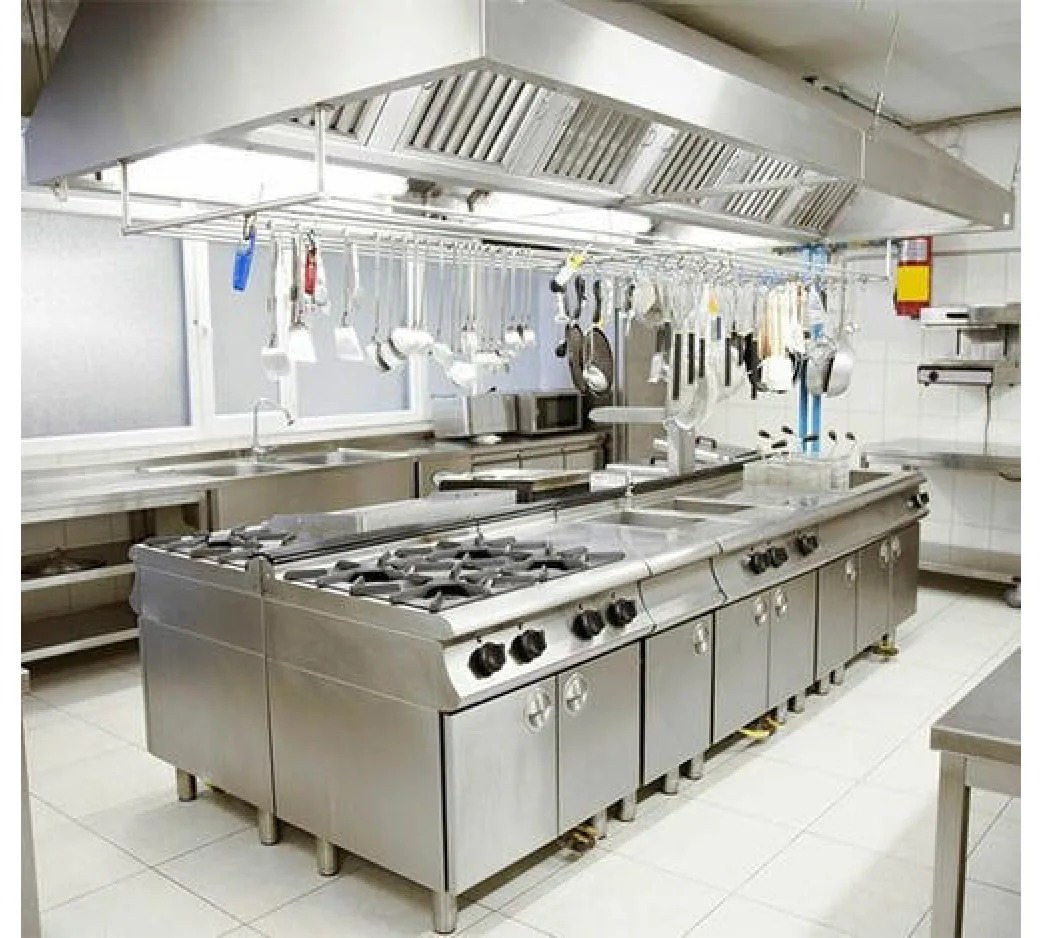
Why Your Home Kitchen is Begging for a Commercial Upgrade
Let me set the scene: It’s 7:30 PM on a Tuesday, and I’m standing in my Nashville kitchen, staring at a pile of onions that need dicing, a chicken breast that’s refusing to sear evenly, and a sauce that’s somehow both too thin and too lumpy. Luna, my rescue cat, watches from her perch on the counter (yes, I know, bad human) with what I can only describe as feline judgment. That’s when it hits me, again, why am I still fighting with my $20 chef’s knife and a skillet that warps if you look at it wrong?
I’ve spent years writing about food, interviewing chefs, and touring commercial kitchens from San Francisco to Nashville. And here’s the thing: the tools pros use aren’t just for show. They’re designed to solve problems, problems home cooks face every damn day. The difference? Commercial equipment is built to handle volume, precision, and durability. And while you might not need a 60-quart mixer or a blast chiller at home, there’s a sweet spot where commercial-grade tools can transform your cooking without turning your kitchen into a restaurant.
So, what’s the catch? Well, commercial tools often come with commercial price tags, and some are overkill for a home setup. But here’s the good news: there’s a middle ground. Companies like Chef’s Deal specialize in bridging that gap, offering everything from high-performance equipment to free kitchen design services that help you figure out what actually fits your space and needs. (More on that later, because let’s be real, no one wants to realize their dream combi oven won’t fit through the door after it’s delivered.)
In this guide, I’m breaking down the 10 commercial kitchen tools that home chefs should “steal”-not literally, of course, but in spirit. These are the tools that’ll save you time, improve your results, and maybe even make Luna a little less judgmental. We’ll cover what they do, why they matter, and how to adapt them for home use without turning your kitchen into a health code violation. Let’s dive in.
The Commercial Kitchen Tools Home Chefs Actually Need (And How to Use Them)
1. The French Knife That Doesn’t Quit: Why Your Chef’s Knife is Holding You Back
I’ll admit it: I used to think all chef’s knives were basically the same. Then I spent a week working the line at a Nashville bistro, and my hands haven’t forgiven me for my ignorance. Home knives, even the “high-end” ones, are often too light, too flexible, or just plain dull out of the box. Commercial knives? They’re built for hours of chopping, slicing, and dicing without turning your wrist into a pretzel.
Take the Wüsthof or Victorinox Fibrox 10-inch chef’s knife. These are staples in professional kitchens for a reason. The weight is balanced, the blade is thick enough to hold an edge but thin enough to slice cleanly, and the handle is designed for grip, not aesthetics. (Sorry, those pretty wooden handles that crack after a year.) The difference is night and day when you’re breaking down a butternut squash or julienning a pile of carrots. Suddenly, prep work isn’t a chore, it’s almost meditative.
But here’s the thing: a great knife is only as good as its maintenance. Commercial kitchens have honing steels and whetstones at every station. At home? Most people let their knives go dull for months. Pro tip: hone your knife before every use with a steel, and sharpen it every few weeks with a whetstone. It’s the difference between slicing and sawing.
Is this overkill for home cooking? Maybe for some. But if you cook more than twice a week, a commercial-grade knife will change your life. And no, you don’t need to spend $300. A $50 Victorinox will outperform most $200 home knives.
2. The Skillet That Doesn’t Warp: Cast Iron vs. Carbon Steel Showdown
I have a confession: I used to be a nonstick evangelist. Why scrub when you can just wipe? Then I watched a line cook sear 50 steaks in a row on a carbon steel pan, and I realized I’d been living a lie. Nonstick pans are great for eggs, but they’re not built for high heat, and they degrade over time. Commercial kitchens? They rely on cast iron and carbon steel-and for good reason.
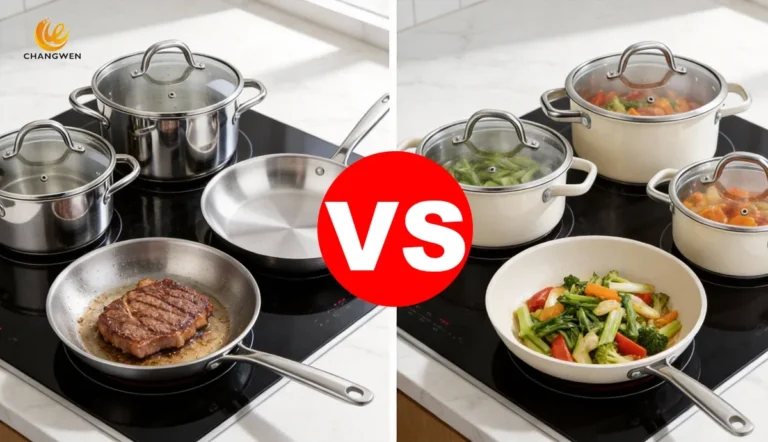
Cast iron is the OG. It retains heat like a champ, develops a natural nonstick surface over time, and can go from stovetop to oven without blinking. But it’s heavy, and it takes forever to heat up. Carbon steel? It’s lighter, heats up faster, and develops a nonstick patina just like cast iron. The catch? It’s finicky. You have to season it regularly, and it can warp if you’re not careful.
So which should you steal for your home kitchen? If you’re searing steaks, frying chicken, or making pan pizzas, carbon steel is the way to go. It’s what most professional kitchens use for high-heat cooking. If you’re baking cornbread, making deep-dish pizza, or slow-cooking something in the oven, cast iron wins. And if you’re on a budget, Lodge’s pre-seasoned cast iron is a steal at under $30.
One caveat: these pans require maintenance. You can’t just throw them in the dishwasher (please don’t). But once you get the hang of seasoning and cleaning them, they’ll last longer than you will. And let’s be real, there’s something satisfying about cooking on a pan that’s been passed down for generations.
3. The Scale That Doesn’t Lie: Why Grams Are Your New Best Friend
I’ll never forget the first time I saw a pastry chef weigh everything, down to the gram. Flour, sugar, butter, even eggs. At first, I thought it was overkill. Then I tried baking a cake with volume measurements (you know, cups and teaspoons) and ended up with a brick. Turns out, baking is a science, and science doesn’t care about your “eyeballing it” skills.
Commercial kitchens use digital scales with gram precision because consistency is everything. A cup of flour can weigh anywhere from 120 to 150 grams depending on how you scoop it. That’s a 25% difference! And in baking, that’s the difference between a light, fluffy cake and a doorstop. Even in savory cooking, weighing ingredients can save you time and improve your results. No more dirtying a dozen measuring cups, just tare the scale and add ingredients one by one.
What should you look for in a scale? Accuracy, obviously, but also tare function, a readable display, and a decent capacity. The OXO Good Grips 11lb scale is a favorite among home cooks and pros alike. It’s precise, easy to clean, and won’t break the bank. And if you’re really serious, some scales even connect to apps that store your favorite recipes by weight. (Yes, it’s extra. No, you don’t need it. But do you want it? Absolutely.)
Is this necessary for every home cook? Probably not. But if you bake even occasionally, a scale is a game-changer. And once you start using it, you’ll wonder how you ever lived without it.
4. The Thermometer That Takes the Guesswork Out of Cooking
Here’s a hard truth: you’re probably overcooking your meat. Not because you’re bad at cooking, but because most home cooks rely on time and color to judge doneness. Commercial kitchens? They use thermometers. Always. Because nothing ruins a $30 steak like serving it well-done when it was supposed to be medium-rare.
But not all thermometers are created equal. The cheap dial thermometers you find at grocery stores? They’re slow and inaccurate. What pros use are instant-read digital thermometers like the Thermapen or the Thermoworks ChefAlarm. These things give you a reading in 2-3 seconds, with accuracy within a degree. And when you’re cooking something like a turkey or a brisket, that precision matters.
Here’s how to use one like a pro:
- For steaks and chops: Insert the thermometer sideways into the thickest part of the meat, avoiding bone and fat. Pull it out when it’s 5°F below your target temp, it’ll rise as it rests.
- For poultry: Check the thickest part of the breast and the innermost part of the thigh. Both should hit 165°F.
- For fish: Insert the thermometer into the thickest part. It’s done at 145°F, but most chefs pull it at 140°F and let it carry over.
And if you’re really serious, consider a leave-in probe thermometer for things like roasts or smoked meats. These let you monitor the temperature without opening the oven or smoker, which is crucial for low-and-slow cooking. The ChefAlarm even has an alarm that goes off when your food hits the right temp. No more overcooked briskets. No more dry turkey. Just perfect meat, every time.
I know what you’re thinking: “But I’ve cooked meat without a thermometer for years!” And sure, you can get by. But if you’ve ever cut into a chicken breast and watched it bleed pink, or served a steak that was more shoe leather than medium-rare, a thermometer will change your life. It’s the difference between guessing and knowing.
5. The Mixer That Doesn’t Quit: Stand Mixers for the Home Cook
I used to think stand mixers were for people who bake a lot. Then I tried to make pizza dough by hand. After 20 minutes of kneading, my arms felt like they were going to fall off, and the dough was still sticky and uneven. Enter the stand mixer, the unsung hero of commercial kitchens and home bakers alike.
But not all stand mixers are created equal. The ones you find in home stores? They’re fine for occasional use, but they struggle with thick doughs and heavy batters. Commercial mixers, like the KitchenAid Commercial Series or the Hobart Legacy, are built to handle volume and durability. They have more powerful motors, heavier-duty gears, and attachments that actually work.
Now, I’m not suggesting you drop $1,000 on a mixer for your home kitchen. But if you bake bread, make pizza dough, or whip up batches of cookies regularly, a high-quality stand mixer is worth the investment. The KitchenAid Pro 600 is a favorite among serious home cooks. It’s powerful enough to knead stiff bread dough without overheating, and it comes with attachments for everything from pasta to ice cream.
And here’s a pro tip: if you’re making bread, let the mixer do the work. Kneading by hand is romantic, but it’s also inconsistent. A stand mixer will develop gluten evenly and save you a ton of time. Just don’t walk away while it’s running, unless you want to come back to a kitchen covered in flour.
Is this overkill for the average home cook? Maybe. But if you bake even semi-regularly, a good stand mixer will pay for itself in time and effort saved. And let’s be real, there’s something deeply satisfying about watching a mixer do the hard work for you.
6. The Blender That Pulverizes Anything: High-Performance Blenders for Home Use
I have a love-hate relationship with my blender. On one hand, it makes smoothies and soups. On the other, it struggles with anything thicker than a milkshake, and the lid always leaks. Then I used a Vitamix or Blendtec in a commercial kitchen, and I realized my blender was holding me back.
Commercial blenders are in a league of their own. They’re powerful enough to make nut butter, grind grains, and even heat soups with friction. The Vitamix 5200, for example, has a 2-horsepower motor and blades that spin at 240 mph. That’s not a typo. It can blend a frozen margarita without breaking a sweat, and it’ll puree a butternut squash soup so smooth you won’t need to strain it.
But here’s the thing: these blenders aren’t cheap. A Vitamix will set you back $400-$600. Is it worth it? If you use it regularly, absolutely. If you only blend the occasional smoothie, probably not. But if you make soups, sauces, nut milks, or even homemade flour, a high-performance blender is a game-changer.
And let’s talk about the self-cleaning function. You heard that right. Just add a drop of soap and some warm water, run it for 30 seconds, and boom, clean blender. No more scrubbing dried-on smoothie residue. It’s the little things, you know?
If you’re on a budget, the Ninja Foodi Power Blender is a solid alternative. It’s not as powerful as a Vitamix, but it’s a fraction of the price and still outperforms most home blenders. And if you’re really serious, some blenders even come with vacuum attachments that remove air from the container, keeping smoothies fresh for days. (Yes, it’s extra. No, you don’t need it. But do you want it? Absolutely.)
7. The Squeeze Bottles That Make Plating Look Easy
I’ll be honest: I used to think squeeze bottles were just for ketchup and mustard. Then I watched a chef plate a dish with precision drizzles of sauce, and I realized I’d been missing out. Squeeze bottles are the secret weapon of professional plating. They give you control, consistency, and the ability to make your dishes look like they belong in a restaurant.
In commercial kitchens, squeeze bottles are used for everything from sauces to purees to infused oils. They’re made of durable plastic, have leak-proof lids, and come in a variety of sizes. The best part? They’re cheap. You can get a set of three for under $10.
Here’s how to use them at home:
- Sauces: Fill a bottle with your favorite sauce (think balsamic glaze, aioli, or even chocolate syrup) and drizzle it over your dish with precision. No more globs of sauce ruining your plating.
- Purees: Blend roasted vegetables into a smooth puree, transfer it to a squeeze bottle, and use it to create artistic swirls on your plate.
- Infused oils: Fill a bottle with flavored oil (like chili or herb-infused olive oil) and use it to add a finishing touch to soups, salads, or pasta.
And here’s a pro tip: if you’re using a squeeze bottle for something thick, like a puree, cut a small hole in the tip of the bottle. This will give you more control over the flow. If you’re using it for something thin, like oil, a smaller hole will prevent drips.
Is this necessary for everyday cooking? Probably not. But if you’re hosting a dinner party or just want to make your meals look a little fancier, squeeze bottles are an easy way to up your plating game. And let’s be real, there’s something deeply satisfying about squeezing sauce onto a plate like a pro.
8. The Speed Rack That Organizes Your Chaos
I used to think my kitchen was organized. Then I saw a commercial speed rack in action, and I realized I’d been living in chaos. Speed racks are the backbone of professional kitchens. They’re sturdy, mobile, and designed to hold sheet pans, hotel pans, and even cutting boards. And the best part? They’re not just for restaurants.
At home, a speed rack can be a game-changer for organization and storage. Here’s how to use one:
- Baking: Store your sheet pans, cooling racks, and muffin tins on a speed rack. No more digging through cabinets to find the right pan.
- Meal prep: Use a speed rack to hold containers of prepped ingredients. It keeps everything visible and accessible, so you’re not rummaging through the fridge.
- Entertaining: If you’re hosting a party, a speed rack can hold trays of appetizers, desserts, or even drinks. It’s like having a mobile buffet.
But here’s the thing: speed racks are big. Like, really big. If you have a small kitchen, you might need to get creative. Some home cooks use half-size racks or even repurpose old bookshelves. And if you’re really tight on space, consider a wall-mounted pot rack or a pegboard organizer. These won’t hold as much as a speed rack, but they’ll still keep your kitchen organized.
And if you’re worried about aesthetics, don’t be. Speed racks are industrial, but they’re also functional. And let’s be real, there’s something deeply satisfying about a well-organized kitchen. Plus, you can always cover it with a pretty tablecloth if you’re hosting guests.
Is this overkill for the average home cook? Maybe. But if you bake, meal prep, or entertain regularly, a speed rack can save you time and frustration. And if you’re really serious, you can even use it to store your commercial-grade equipment-like that stand mixer or blender you just bought.
9. The Chinois That Strains Like a Dream
I’ll never forget the first time I tried to strain a stock with a colander. The broth was cloudy, the vegetables were falling through the holes, and I ended up with a sink full of mush. Then I used a chinois in a commercial kitchen, and I realized I’d been doing it wrong my whole life.
A chinois (pronounced “shin-wah”) is a conical strainer with a fine mesh. It’s designed to strain stocks, sauces, and purees without letting any solids through. And unlike a colander, it has a pointed shape that fits perfectly into a pot or bowl. The result? Crystal-clear broths, smooth sauces, and no more bits of herb or vegetable ruining your dish.
But here’s the thing: not all chinois are created equal. The cheap ones you find at home stores? They’re flimsy and the mesh is too coarse. What you want is a stainless steel chinois with a fine mesh. The Matfer Bourgeat 7-inch chinois is a favorite among chefs. It’s sturdy, durable, and the mesh is fine enough to strain even the thinnest sauces.
And here’s a pro tip: if you’re straining something thick, like a puree, use a ladle to press the solids against the mesh. This will extract every last drop of liquid. If you’re straining something thin, like a stock, just let it drip naturally. No need to press, you’ll end up with a cloudy broth.
Is this necessary for every home cook? Probably not. But if you make stocks, sauces, or soups regularly, a chinois is a game-changer. And let’s be real, there’s something deeply satisfying about a perfectly clear broth. It’s the little things, you know?
10. The Hotel Pan That Does It All
I used to think hotel pans were just for, well, hotels. Then I saw a chef use one to roast a chicken, steam vegetables, and even bake a cake. Turns out, hotel pans are the Swiss Army knife of commercial kitchen tools. They’re versatile, durable, and designed to fit in standard ovens and steam tables. And the best part? They’re not just for restaurants.
At home, a hotel pan can be used for everything from roasting to baking to storage. Here’s how:
- Roasting: Line a hotel pan with parchment paper, add your protein and vegetables, and roast as usual. The high sides prevent juices from spilling, and the pan fits perfectly in most home ovens.
- Baking: Use a hotel pan to bake cakes, brownies, or even bread. The even heat distribution ensures your baked goods cook evenly.
- Steaming: Fill a hotel pan with water, add a steamer basket, and steam vegetables, fish, or dumplings. The high sides keep the water from boiling over.
- Storage: Use a hotel pan to store leftovers in the fridge. The tight-fitting lid keeps food fresh, and the pan stacks neatly with others.
But here’s the thing: hotel pans come in a variety of sizes and depths. The most common size is a full-size hotel pan (12” x 20”) or a half-size (12” x 10”). If you have a small oven, a half-size pan is your best bet. And if you’re really serious, you can even get a perforated hotel pan for steaming or a solid pan for roasting.
And if you’re worried about storage, don’t be. Hotel pans stack neatly, so you can store multiple pans in the same space as one. Plus, they’re made of durable stainless steel, so they’ll last forever. (Seriously, I’ve seen hotel pans that are older than I am.)
Is this overkill for the average home cook? Maybe. But if you roast, bake, or steam regularly, a hotel pan is a game-changer. And let’s be real, there’s something deeply satisfying about a tool that can do it all. Plus, it’s a great conversation starter when you have guests over. (“Oh, this? It’s a hotel pan. I use it to roast my chicken.”)
Putting It All Together: How to Steal Like a Pro Without Going Broke
Okay, let’s take a step back. I’ve just thrown a lot at you, knives, pans, scales, thermometers, mixers, blenders, squeeze bottles, speed racks, chinois, and hotel pans. If you’re feeling overwhelmed, I get it. The last thing I want is for you to read this and think, “Great, now I need to spend $5,000 to have a functional kitchen.”
Here’s the thing: you don’t need all of this. You don’t even need most of it. What you need is to identify the pain points in your cooking and address them one at a time. Are you tired of overcooking your steak? Get a thermometer. Do you hate chopping onions? Invest in a good knife. Are your cakes always dense? Buy a scale.
And if you’re not sure where to start, companies like Chef’s Deal can help. They offer free kitchen design services, so you can figure out what equipment actually fits your space and needs. (Because let’s be real, no one wants to realize their dream mixer won’t fit on their counter after it’s delivered.) They also have competitive pricing and financing options, so you don’t have to drop a ton of cash upfront.
Here’s my challenge to you: pick one tool from this list and try it. Just one. See how it changes your cooking. If it doesn’t make a difference, move on to the next. But if it does? Well, then you’ll know what to ask for next Christmas.
And who knows? Maybe one day, Luna will look at me with something other than disdain. A guy can dream, right?
FAQ: Your Burning Questions About Commercial Kitchen Tools at Home
Q: Isn’t commercial equipment overkill for a home kitchen?
A: It depends. Some tools, like a high-end chef’s knife or a digital scale, are just as useful at home as they are in a restaurant. Others, like a 60-quart mixer, are definitely overkill. The key is to identify the tools that solve real problems in your cooking. If you’re constantly struggling with uneven searing, a carbon steel pan might be worth it. If you bake once a year, maybe not.
Q: Where can I buy commercial-grade equipment without breaking the bank?
A: There are a few options. First, check out suppliers like Chef’s Deal, which specialize in commercial equipment for home and professional use. They often have sales, financing options, and free design services to help you figure out what you need. Second, look for used equipment. Many restaurants sell their gear when they upgrade or close, and you can find some great deals on sites like Craigslist or Facebook Marketplace. Just make sure to inspect it thoroughly before buying, no one wants a mixer with a burned-out motor. Finally, consider renting. Some companies offer equipment rental for events or short-term use, which can be a great way to test something before committing.
Q: How do I know if a tool is worth the investment?
A: Ask yourself three questions: 1) Does this solve a problem I actually have? 2) Will I use it regularly? 3) Is there a cheaper alternative that does the same thing? If the answer to the first two is yes and the third is no, it’s probably worth it. For example, a $50 chef’s knife might seem expensive, but if you use it every day for years, it’s a steal. On the other hand, a $1,000 blast chiller is probably not necessary unless you’re running a home-based catering business.
Q: What’s the one commercial tool you can’t live without at home?
A: Hands down, my digital thermometer. It’s the difference between guessing and knowing, and it’s saved me from overcooking more steaks than I can count. Close seconds? My carbon steel pan and my scale. But if I had to pick just one, it’s the thermometer. It’s cheap, it’s easy to use, and it works for everything from meat to candy to bread. If you don’t have one, get one. You won’t regret it.
@article{10-commercial-kitchen-tools-thatll-make-your-home-cooking-feel-like-a-michelin-starred-operation-without-the-michelin-budget,
    title   = {10 Commercial Kitchen Tools That’ll Make Your Home Cooking Feel Like a Michelin-Starred Operation (Without the Michelin Budget)},
    author  = {Chef's icon},
    year    = {2026},
    journal = {Chef's Icon},
    url     = {https://chefsicon.com/commercial-kitchen-tools-that-home-chefs-should-steal/}
}