The Best Fluffy Pancakes recipe you will fall in love with. Full of tips and tricks to help you make the best pancakes.
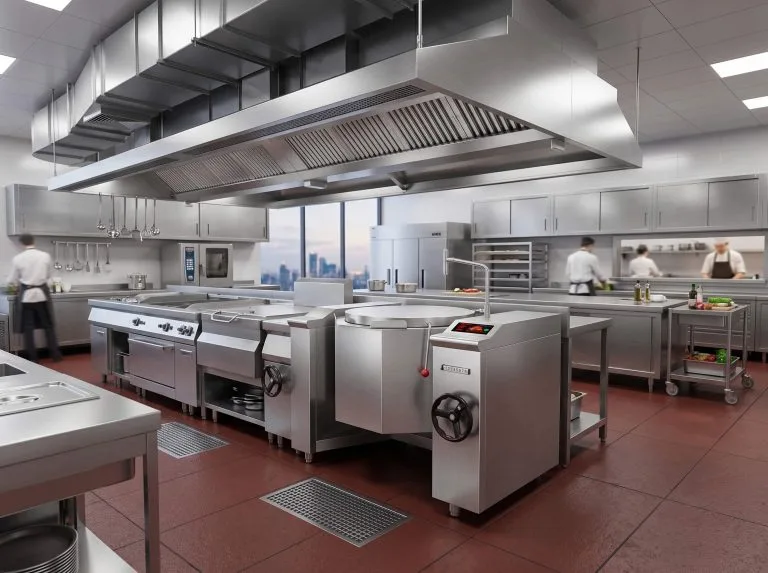
Let me tell you something, I’ve spent more hours than I’d like to admit standing in front of a simmering pot of Thai curry, watching the coconut milk reduce just a little too fast, or worse, scalding at the bottom because the heat wasn’t even. There’s an art to it, sure, but when you’re running a restaurant, art alone won’t cut it. You need reliability. You need consistency. And most of all, you need a commercial batch cooker that can handle the demands of a busy Thai kitchen without turning your masaman into a science experiment gone wrong.
I remember the first time I walked into a Thai restaurant in Nashville that had just upgraded their equipment. The owner, a friend of mine, was practically giddy. “Sammy,” he said, “I just made 50 gallons of green curry in one go, and every single portion tasted like it came from the same pot.” That’s the kind of magic we’re talking about here. But not all batch cookers are created equal, and if you’re serving Thai curry, you need something that understands the nuances, gentle heat, even distribution, and the ability to keep those aromatic herbs and spices from turning bitter.
So, what’s the goal of this guide? Simple: to help you navigate the overwhelming world of commercial batch cookers for Thai curry restaurants. We’ll dive into what makes a cooker ideal for Thai cuisine, the key features to look for, and, of course, the top models on the market in 2026. By the end, you’ll know exactly what to invest in, and maybe, just maybe, you’ll avoid the heartbreak of a ruined batch of panang curry. Let’s get into it.
Why Thai Curry Demands a Specialized Batch Cooker
The Unique Challenges of Cooking Thai Curry at Scale
Thai curry isn’t like your average stew. It’s a delicate balance of flavors, creamy coconut milk, fiery chilies, fragrant lemongrass, galangal, and kaffir lime leaves, all dancing together in a way that’s equal parts science and poetry. But when you’re cooking for 50, 100, or even 200 people a night, that poetry can quickly turn into a nightmare if your equipment isn’t up to the task. Here’s why:
- Heat Sensitivity: Coconut milk is finicky. Too much direct heat, and it splits, turning your curry into a greasy, unappetizing mess. Too little, and you’re left with a watery sauce that lacks depth. Thai curry requires a low-and-slow approach, but with the precision of a surgeon’s scalpel.
- Even Distribution: Ever had a curry where one spoonful is perfect and the next is scorched? That’s usually a sign of uneven heat distribution. In a restaurant setting, you can’t afford to have hot spots or cold zones. Your cooker needs to maintain a consistent temperature throughout the entire batch.
- Aromatic Preservation: Thai curry is all about the aromatics. Lemongrass, galangal, and kaffir lime leaves release their flavors slowly, and if the heat is too aggressive, those delicate notes get lost or, worse, turn bitter. A good batch cooker should gently coax out flavors without destroying them.
- Volume and Speed: Let’s be real, no one wants to wait 45 minutes for their curry when the kitchen is slammed. You need a cooker that can handle large volumes without sacrificing quality, and that means rapid heating paired with precise temperature control.
I’ve seen too many restaurants try to cut corners here. They’ll use a standard stockpot on a range, or worse, a cheap steam kettle that’s better suited for soups than curries. The result? Inconsistent dishes, wasted ingredients, and frustrated customers. If you’re serious about serving authentic Thai curry at scale, you need a cooker that’s built for the job.
What Happens When You Use the Wrong Equipment
Let me paint you a picture. It’s a Friday night, and your restaurant is packed. You’ve got a line out the door, and your kitchen is running at full tilt. Your chef, who’s usually unflappable, is starting to sweat because the green curry isn’t behaving. The coconut milk has split, the herbs are turning bitter, and the whole kitchen smells like burnt lemongrass. Sound familiar?
This isn’t just a hypothetical. I’ve been in kitchens where this exact scenario played out, and it’s not pretty. The problem? They were using a high-pressure steam kettle designed for soups and sauces, not Thai curries. These cookers are great for dishes where you want to blast heat quickly, but for something as delicate as Thai curry, they’re a disaster waiting to happen. The high pressure and intense heat destroy the coconut milk’s emulsion, and the uneven cooking turns your aromatics into a bitter, unrecognizable sludge.
Another common mistake? Using a tilt skillet. Don’t get me wrong, tilt skillets are versatile and great for a lot of things, but they’re not ideal for Thai curry. The flat bottom and direct heat source make it nearly impossible to maintain the gentle, even heat that curry requires. Plus, the lack of a lid means you’re constantly losing moisture and flavor to evaporation. By the time you’re done, you’ve got a curry that’s either too thick or too thin, and the flavors are all over the place.
So, what’s the takeaway? If you’re cooking Thai curry at scale, you need a cooker that’s designed for the job. That means gentle heat, even distribution, and precise control. Anything less, and you’re setting yourself up for failure.
Key Features to Look for in a Commercial Batch Cooker for Thai Curry
1. Temperature Control: The Heart of the Matter
If there’s one feature that separates the good batch cookers from the great ones, it’s temperature control. Thai curry doesn’t just need heat, it needs the right heat, and it needs it consistently. Here’s what to look for:
- Digital Controls: Gone are the days of guessing with analog dials. A digital control panel gives you precise temperature adjustments, usually in increments of 1°F or 1°C. This is crucial for Thai curry, where a few degrees can mean the difference between a silky sauce and a split mess.
- Programmable Settings: Some of the higher-end models come with programmable settings, which let you save your ideal temperature profiles for different curries. Green curry might need a slightly lower temp than red, for example, and being able to switch between them with the push of a button is a game-changer.
- Even Heat Distribution: Look for cookers with jacketed heating systems. These use a layer of water or steam between the heating element and the cooking vessel to distribute heat evenly. No hot spots, no scorching, just consistent, gentle heat.
- Low-Temperature Capabilities: Thai curry often requires simmering at temperatures as low as 160°F (71°C). Make sure your cooker can maintain these low temps without fluctuating wildly.
I’ll be honest, this is where I’ve seen a lot of restaurants skimp, and it’s a mistake. You wouldn’t buy a car without checking the brakes, so why would you buy a batch cooker without checking the temperature control? It’s the difference between a curry that wows your customers and one that sends them running for the door.
2. Capacity: How Much Do You Really Need?
Capacity is a tricky one. You don’t want to underestimate and end up running out of curry mid-service, but you also don’t want to overestimate and waste money on a cooker that’s too big for your needs. Here’s how to figure it out:
- Calculate Your Peak Demand: How many servings of curry do you sell on your busiest night? If you’re a small restaurant selling 50 portions a night, a 20-gallon cooker might be plenty. If you’re a large operation selling 200 portions, you’ll need something in the 40-60 gallon range.
- Consider Your Menu: Do you offer multiple types of curry? If so, you might need a cooker with multiple compartments or the ability to switch between batches quickly. Some models come with divided kettles, which let you cook two different curries simultaneously.
- Think About Future Growth: If you’re planning to expand, it might be worth investing in a larger cooker now rather than upgrading later. But don’t go overboard, buying a 100-gallon cooker when you only need 40 is just throwing money away.
One thing I’ve learned the hard way? Always round up. If you think you need a 30-gallon cooker, go for 40. Trust me, there’s nothing worse than running out of curry when the kitchen is slammed. And if you’re worried about waste, most modern cookers have insulated walls that keep your curry hot for hours without overcooking.
3. Material Matters: Stainless Steel vs. Non-Stick
This is one of those debates that gets chefs fired up. Should you go with stainless steel or on-stick? Here’s the breakdown:
- Stainless Steel:
- Pros: Durable, easy to clean, and resistant to corrosion. Stainless steel is the gold standard in commercial kitchens because it can handle the wear and tear of daily use. It’s also non-reactive, which means it won’t interact with the acidic ingredients in Thai curry (like lime juice or tamarind).
- Cons: Food can stick, especially if you’re not careful with the heat. You’ll need to stir frequently to prevent scorching, which can be a pain during a busy service.
- Non-Stick:
- Pros: Less sticking means less stirring, which can save time and effort. Non-stick surfaces are also easier to clean, which is a big plus in a busy kitchen.
- Cons: Non-stick coatings can wear out over time, especially if you’re using metal utensils. They’re also not as durable as stainless steel, and they can be more expensive to replace.
So, which should you choose? For Thai curry, I’d lean toward stainless steel, but with a caveat. If you’re cooking at low temperatures and stirring regularly, sticking shouldn’t be a huge issue. But if you’re worried about it, look for a cooker with a polished stainless steel interior. The smoother the surface, the less likely food is to stick.
One more thing: avoid aluminum. It’s lightweight and cheap, but it’s also reactive, which means it can interact with the acidic ingredients in Thai curry and give your sauce a metallic taste. Not exactly what you want when you’re serving up a bowl of authentic tom kha gai.
4. Stirring Mechanism: Manual vs. Automatic
Stirring is non-negotiable when it comes to Thai curry. You need to keep the sauce moving to prevent scorching, distribute heat evenly, and incorporate all those aromatic ingredients. But how you stir, well, that’s where things get interesting.
- Manual Stirring:
- Pros: Gives you complete control over the process. You can adjust your stirring technique based on how the curry is behaving, which is especially useful for delicate sauces. Plus, it’s cheaper upfront, no extra parts or mechanisms to maintain.
- Cons: Labor-intensive. If you’re cooking large batches, you’re going to be standing there stirring for a long time, which isn’t ideal during a busy service. It’s also easy to get distracted and let the curry scorch.
- Automatic Stirring:
- Pros: Takes the labor out of stirring. Most automatic stirrers come with adjustable speeds, so you can set it to a gentle stir for simmering or a faster pace for incorporating ingredients. This is a huge time-saver, especially if you’re cooking multiple batches.
- Cons: More expensive upfront, and there’s always the risk of something going wrong with the mechanism. Plus, you lose a bit of control, if the stirrer is moving too fast, it can break up delicate ingredients like herbs or tofu.
Is one better than the other? It depends. If you’re a small restaurant with a tight budget, manual stirring might be the way to go. But if you’re cooking large volumes or have a busy kitchen, an automatic stirrer can be a lifesaver. Just make sure it’s adjustable and easy to clean, nobody wants to spend an hour scrubbing curry out of a complicated mechanism.
I’ve seen kitchens where the automatic stirrer was a game-changer, and I’ve seen others where it was more trouble than it was worth. The key is to think about your workflow. If you’re constantly multitasking, an automatic stirrer might free you up to focus on other things. But if you’re hands-on and like to control every aspect of the cooking process, manual stirring might be more your speed.
5. Ease of Cleaning: Because Nobody Wants to Scrub for Hours
Let’s be real, cleaning is the least glamorous part of running a restaurant, but it’s also one of the most important. A batch cooker that’s a pain to clean is a batch cooker you’ll dread using, and that’s a recipe for disaster. Here’s what to look for:
- Removable Parts: The easier it is to take apart, the easier it is to clean. Look for cookers with removable lids, stirring mechanisms, and heating elements. Some models even have dishwasher-safe components, which is a huge time-saver.
- Smooth Surfaces: The fewer nooks and crannies, the better. A smooth, seamless interior means less places for food to get stuck, which means less scrubbing for you.
- Self-Cleaning Features: Some high-end models come with self-cleaning cycles that use steam or hot water to loosen stuck-on food. It’s not a substitute for manual cleaning, but it can make the process a lot easier.
- Non-Stick Coatings: As I mentioned earlier, non-stick surfaces are easier to clean, but they’re not as durable as stainless steel. If you go this route, make sure the coating is high-quality and designed for commercial use.
One thing I can’t stress enough? Clean as you go. Thai curry is sticky, and if you let it dry on the sides of the cooker, you’re in for a long night of scrubbing. Most modern cookers have a drain valve that makes it easy to empty the pot without making a mess, so use it. And if your cooker has a self-cleaning feature, run it at the end of the night, it’ll save you a ton of time.
I’ve worked in kitchens where cleaning was an afterthought, and it’s not pretty. Grease builds up, flavors get muddled, and before you know it, your curry tastes like last week’s special. Don’t let that happen to you. Invest in a cooker that’s easy to clean, and make cleaning a priority.
6. Energy Efficiency: Saving Money Without Sacrificing Performance
Energy efficiency might not be the first thing you think of when you’re shopping for a batch cooker, but it should be. Commercial kitchens are energy hogs, and the last thing you want is a cooker that’s going to send your utility bills through the roof. Here’s how to save money without sacrificing performance:
- Insulated Walls: Cookers with insulated walls retain heat better, which means they use less energy to maintain the desired temperature. This is especially important for Thai curry, which often requires long simmering times.
- Energy-Efficient Heating Elements: Look for cookers with high-efficiency heating elements. Induction cookers, for example, are more energy-efficient than traditional electric or gas models because they heat the pot directly rather than the air around it.
- Programmable Timers: Some cookers come with programmable timers that let you set the cooking time in advance. This is great for Thai curry, which often requires precise timing to get the flavors just right. Plus, it means you’re not wasting energy keeping the cooker on longer than necessary.
- Low-Wattage Options: If you’re cooking at low temperatures, look for a cooker with a low-wattage setting. This can save a ton of energy, especially if you’re simmering for hours.
I’ll be honest, energy efficiency isn’t the most exciting topic, but it’s one that can save you a lot of money in the long run. A cooker that’s 20% more energy-efficient might cost a little more upfront, but it’ll pay for itself in no time. Plus, it’s better for the environment, which is something we should all be thinking about.
One more thing: if you’re using a gas cooker, make sure it’s well-ventilated. Gas cookers can release harmful fumes if they’re not properly ventilated, which is bad for your health and your energy bills. A good ventilation system will keep the air clean and help your cooker run more efficiently.
The Top Commercial Batch Cookers for Thai Curry Restaurants in 2026
1. Cleveland Range KET-40: The Workhorse
If you’re looking for a reliable, no-nonsense batch cooker that can handle the demands of a busy Thai kitchen, the Cleveland Range KET-40 is a solid choice. This thing is built like a tank, with a 40-gallon capacity that’s perfect for medium to large restaurants. Here’s what I love about it:
- Jacketed Heating System: The KET-40 uses a steam-jacketed kettle to distribute heat evenly, which is exactly what you need for Thai curry. No hot spots, no scorching, just consistent, gentle heat.
- Digital Temperature Control: The digital control panel lets you set the temperature in 1°F increments, which is crucial for getting your curry just right. It also has a hold function that keeps the curry at the perfect serving temperature without overcooking.
- Durable Construction: This cooker is made from heavy-duty stainless steel, so it can handle the wear and tear of a busy kitchen. The polished interior makes it easy to clean, and the removable lid is a nice touch.
- Energy Efficient: The insulated walls help retain heat, which means the KET-40 uses less energy to maintain the desired temperature. It’s not the most energy-efficient cooker on the market, but it’s a solid choice for restaurants that need reliability above all else.
Now, let’s talk about the downsides. The KET-40 doesn’t come with an automatic stirrer, which means you’ll be doing a lot of manual stirring. It’s also on the heavier side, so if you’re tight on space, you might want to look for something more compact. But if you’re looking for a workhorse that can handle large volumes of Thai curry without breaking a sweat, this is a great option.
I’ve seen this cooker in action in a few Thai restaurants, and it’s always a crowd-pleaser. The chefs love the temperature control, and the owners love the durability. It’s not the cheapest option out there, but it’s a solid investment that’ll pay off in the long run.
2. Groen Kettle Series: The Versatile Performer
The Groen Kettle Series is another heavy hitter in the world of commercial batch cookers, and for good reason. This line offers a range of sizes, from 10 gallons all the way up to 100 gallons, so you can find the perfect fit for your restaurant. Here’s why it’s worth considering:
- Multiple Heating Options: Groen kettles come in electric, gas, and steam models, so you can choose the one that best fits your kitchen’s setup. The electric models are great for kitchens with limited ventilation, while the gas models are ideal for restaurants that need quick heat-up times.
- Precise Temperature Control: Like the Cleveland Range, the Groen kettles come with digital temperature controls that let you set the perfect simmer for your Thai curry. They also have a low-temperature setting that’s perfect for delicate sauces.
- Automatic Stirring Option: Some models come with an optional automatic stirrer, which is a game-changer if you’re cooking large batches. The stirrer is adjustable, so you can set it to a gentle pace for simmering or a faster speed for incorporating ingredients.
- Easy to Clean: The Groen kettles have a smooth, seamless interior that makes cleaning a breeze. The removable lid and drain valve are nice touches, and the polished stainless steel is resistant to corrosion.
So, what’s the catch? The Groen kettles are a bit more expensive than some of the other options on this list, especially if you opt for the automatic stirrer. They’re also not as energy-efficient as some of the newer induction models, but they’re still a solid choice for restaurants that need versatility and reliability.
I’ve worked with a few restaurants that use Groen kettles, and they’re always impressed with the performance. The automatic stirrer is a huge time-saver, and the temperature control is spot-on. If you’re looking for a versatile, high-performance cooker that can handle everything from Thai curry to soups and sauces, this is a great option.
3. Vulcan VC4E40: The Energy-Efficient Choice
If energy efficiency is a top priority for your restaurant, the Vulcan VC4E40 is worth a look. This 40-gallon electric kettle is designed with energy savings in mind, and it’s packed with features that make it ideal for Thai curry. Here’s what sets it apart:
- Induction Heating: The VC4E40 uses induction heating, which is more energy-efficient than traditional electric or gas models. Induction heats the pot directly, rather than the air around it, which means less energy waste and faster heat-up times.
- Digital Temperature Control: Like the other cookers on this list, the VC4E40 comes with digital temperature controls that let you set the perfect simmer for your curry. It also has a hold function that keeps the curry at the ideal serving temperature without overcooking.
- Insulated Walls: The insulated walls help retain heat, which means the VC4E40 uses less energy to maintain the desired temperature. This is especially important for Thai curry, which often requires long simmering times.
- Durable Construction: The VC4E40 is made from heavy-duty stainless steel, so it can handle the wear and tear of a busy kitchen. The polished interior makes it easy to clean, and the removable lid is a nice touch.
Now, let’s talk about the downsides. The VC4E40 doesn’t come with an automatic stirrer, which means you’ll be doing a lot of manual stirring. It’s also a bit more expensive than some of the other electric models on the market, but the energy savings can make up for the higher upfront cost.
I’ve seen this cooker in action in a few energy-conscious restaurants, and it’s always a hit. The chefs love the induction heating, and the owners love the lower utility bills. If you’re looking for a high-performance, energy-efficient cooker that can handle large volumes of Thai curry, this is a great option.
4. Blodgett Kettle Series: The Compact Powerhouse
If you’re tight on space but still need a high-performance batch cooker, the Blodgett Kettle Series is worth considering. These cookers come in a range of sizes, from 10 gallons to 60 gallons, and they’re designed to fit into compact kitchens without sacrificing performance. Here’s what I love about them:
- Compact Design: The Blodgett kettles are designed to take up less space than traditional batch cookers, which is a huge plus if you’re working with a small kitchen. They’re also lighter, so they’re easier to move around if you need to reconfigure your space.
- Precise Temperature Control: Like the other cookers on this list, the Blodgett kettles come with digital temperature controls that let you set the perfect simmer for your Thai curry. They also have a low-temperature setting that’s perfect for delicate sauces.
- Durable Construction: The Blodgett kettles are made from heavy-duty stainless steel, so they can handle the wear and tear of a busy kitchen. The polished interior makes them easy to clean, and the removable lid is a nice touch.
- Energy Efficient: The insulated walls help retain heat, which means the Blodgett kettles use less energy to maintain the desired temperature. They’re not as energy-efficient as the Vulcan VC4E40, but they’re still a solid choice for restaurants that need to save space without sacrificing performance.
So, what’s the catch? The Blodgett kettles are a bit more expensive than some of the other compact models on the market, and they don’t come with an automatic stirrer. But if you’re tight on space and need a reliable, high-performance cooker, this is a great option.
I’ve worked with a few restaurants that use Blodgett kettles, and they’re always impressed with the performance. The compact design is a huge plus, and the temperature control is spot-on. If you’re looking for a space-saving cooker that can handle everything from Thai curry to soups and sauces, this is a great choice.
5. Market Forge Kettle Series: The Budget-Friendly Option
If you’re on a tight budget but still need a reliable batch cooker for your Thai curry, the Market Forge Kettle Series is worth considering. These cookers come in a range of sizes, from 10 gallons to 60 gallons, and they’re designed to deliver solid performance without breaking the bank. Here’s what I love about them:
- Affordable Price: The Market Forge kettles are some of the most budget-friendly options on the market, which is a huge plus if you’re just starting out or working with a tight budget. They’re not as feature-rich as some of the higher-end models, but they get the job done.
- Simple Controls: The Market Forge kettles come with analog temperature controls, which are easy to use and reliable. They’re not as precise as digital controls, but they’re still a solid choice for restaurants that need simplicity above all else.
- Durable Construction: The Market Forge kettles are made from stainless steel, so they can handle the wear and tear of a busy kitchen. The polished interior makes them easy to clean, and the removable lid is a nice touch.
- Compact Design: The Market Forge kettles are designed to take up less space than traditional batch cookers, which is a huge plus if you’re working with a small kitchen. They’re also lighter, so they’re easier to move around if you need to reconfigure your space.
Now, let’s talk about the downsides. The Market Forge kettles don’t come with an automatic stirrer, and the analog controls aren’t as precise as digital ones. They’re also not as energy-efficient as some of the higher-end models, but they’re still a solid choice for restaurants on a budget.
I’ve seen this cooker in action in a few small Thai restaurants, and it’s always a hit. The chefs love the simplicity, and the owners love the price. If you’re looking for a budget-friendly cooker that can handle everything from Thai curry to soups and sauces, this is a great option.
Making the Final Decision: Which Batch Cooker Is Right for You?
Alright, let’s take a step back. We’ve covered a lot of ground here-temperature control, capacity, materials, stirring mechanisms, cleaning, energy efficiency, and, of course, the top models on the market. But how do you make the final decision? Which commercial batch cooker is right for your Thai curry restaurant?
First, let’s recap the key factors to consider:
- Temperature Control: This is non-negotiable. Thai curry requires precise, even heat, so make sure your cooker has digital controls and a jacketed heating system.
- Capacity: Think about your peak demand and your menu. If you’re a small restaurant selling 50 portions a night, a 20-gallon cooker might be plenty. If you’re a large operation selling 200 portions, you’ll need something in the 40-60 gallon range.
- Material: Stainless steel is the gold standard, but if you’re worried about sticking, look for a polished interior or a on-stick coating.
- Stirring Mechanism: Manual stirring gives you more control, but automatic stirring saves time. Think about your workflow and choose accordingly.
- Ease of Cleaning: Look for cookers with removable parts, smooth surfaces, and self-cleaning features. The easier it is to clean, the more likely you are to do it.
- Energy Efficiency: Insulated walls, induction heating, and programmable timers can save you money in the long run. Don’t overlook this factor.
Now, let’s talk about the models we’ve covered:
- Cleveland Range KET-40: The workhorse. Reliable, durable, and perfect for medium to large restaurants. Great temperature control, but no automatic stirrer.
- Groen Kettle Series: The versatile performer. Comes in multiple sizes and heating options, with an optional automatic stirrer. A bit more expensive, but worth it for the versatility.
- Vulcan VC4E40: The energy-efficient choice. Uses induction heating to save energy, but no automatic stirrer. A great option for eco-conscious restaurants.
- Blodgett Kettle Series: The compact powerhouse. Designed for small kitchens, but still delivers solid performance. No automatic stirrer, but great for tight spaces.
- Market Forge Kettle Series: The budget-friendly option. Affordable and reliable, but lacks some of the features of the higher-end models. A great choice for small restaurants or those on a tight budget.
So, which one should you choose? Here’s my take:
- If you’re a medium to large restaurant and need reliability above all else, go with the Cleveland Range KET-40. It’s a workhorse that can handle the demands of a busy kitchen, and the temperature control is spot-on.
- If you need versatility and don’t mind spending a little more, the Groen Kettle Series is a great choice. The optional automatic stirrer is a game-changer, and the multiple heating options give you flexibility.
- If energy efficiency is a top priority, the Vulcan VC4E40 is the way to go. The induction heating saves energy, and the digital controls make it easy to get the perfect simmer.
- If you’re tight on space, the Blodgett Kettle Series is a solid choice. It’s compact but still delivers solid performance, and the temperature control is reliable.
- If you’re on a tight budget, the Market Forge Kettle Series is a great option. It’s not as feature-rich as the higher-end models, but it gets the job done.
Is this the best approach? Let’s consider another angle. Maybe you’re not just cooking Thai curry, maybe you’re also making soups, sauces, or other dishes. In that case, you might want a cooker that’s versatile as well as reliable. The Groen Kettle Series is a great choice here, thanks to its multiple heating options and optional automatic stirrer.
Or maybe you’re running a small restaurant and need something that’s affordable and easy to use. In that case, the Market Forge Kettle Series might be the way to go. It’s not as fancy as the other models, but it’s reliable and gets the job done.
Ultimately, the right cooker for you depends on your specific needs. But no matter which model you choose, make sure it’s one that can handle the delicate balance of flavors that makes Thai curry so special. Because at the end of the day, that’s what it’s all about, serving up a curry that wows your customers and keeps them coming back for more.
Final Thoughts: Investing in the Right Tool for the Job
Let me leave you with this: a commercial batch cooker isn’t just a piece of equipment, it’s an investment in your restaurant’s success. The right cooker can save you time, money, and a whole lot of headaches. It can help you serve up consistent, delicious Thai curry night after night, and that’s something your customers will notice.
But here’s the thing, there’s no one-size-fits-all solution. What works for one restaurant might not work for another. That’s why it’s so important to think about your specific needs, your menu, and your workflow. Do you need a cooker with an automatic stirrer? Do you need something energy-efficient? Do you need a compact model that fits into a small kitchen? These are the questions you need to ask yourself before making a decision.
And let’s not forget about the little things. The ease of cleaning, the durability of the materials, the precision of the temperature control-these are the details that separate the good cookers from the great ones. Don’t overlook them.
So, where do you go from here? Start by assessing your needs. Talk to your chefs, look at your menu, and think about your peak demand. Then, do your research. Read reviews, compare models, and don’t be afraid to ask questions. And if you’re still not sure, reach out to a commercial kitchen equipment specialist. They can help you find the perfect cooker for your restaurant.
Because at the end of the day, that’s what it’s all about, finding the right tool for the job. And when you do, you’ll wonder how you ever managed without it. Trust me, your customers will thank you.
FAQ: Your Questions About Commercial Batch Cookers for Thai Curry Restaurants, Answered
Q: How do I know if a batch cooker is right for my Thai curry restaurant?
A: If you’re cooking large volumes of Thai curry and struggling with consistency, a batch cooker is a game-changer. Look for models with precise temperature control, even heat distribution, and a capacity that matches your peak demand. If you’re still unsure, talk to a commercial kitchen equipment specialist, they can help you assess your needs.
Q: What’s the difference between a steam-jacketed kettle and a regular stockpot?
A: A steam-jacketed kettle uses a layer of steam or water between the heating element and the cooking vessel to distribute heat evenly. This prevents hot spots and scorching, which is crucial for delicate dishes like Thai curry. A regular stockpot, on the other hand, relies on direct heat, which can lead to uneven cooking and burnt sauces.
Q: Can I use a batch cooker for other dishes besides Thai curry?
A: Absolutely! Most commercial batch cookers are versatile and can handle everything from soups and sauces to stews and braised dishes. Just make sure the cooker you choose has the right features for your menu. For example, if you’re cooking a lot of delicate sauces, look for a model with low-temperature capabilities and gentle stirring.
Q: How often should I clean my batch cooker, and what’s the best way to do it?
A: You should clean your batch cooker after every use to prevent buildup and ensure food safety. Here’s how to do it:
- Drain the cooker using the drain valve.
- Fill the cooker with hot water and a mild detergent, then let it soak for 10-15 minutes.
- Scrub the interior with a on-abrasive brush or sponge, paying special attention to any stuck-on food.
- Rinse thoroughly with hot water.
- If your cooker has a self-cleaning feature, run it to loosen any remaining debris.
- Dry the cooker thoroughly before storing it.
For deep cleaning, you can use a commercial degreaser or a mixture of baking soda and water. Just make sure to rinse thoroughly afterward.
@article{the-ultimate-guide-to-the-best-commercial-batch-cookers-for-thai-curry-restaurants-in-2026,
    title   = {The Ultimate Guide to the Best Commercial Batch Cookers for Thai Curry Restaurants in 2026},
    author  = {Chef's icon},
    year    = {2026},
    journal = {Chef's Icon},
    url     = {https://chefsicon.com/best-commercial-batch-cookers-for-thai-curry-restaurants/}
}