The Best Fluffy Pancakes recipe you will fall in love with. Full of tips and tricks to help you make the best pancakes.
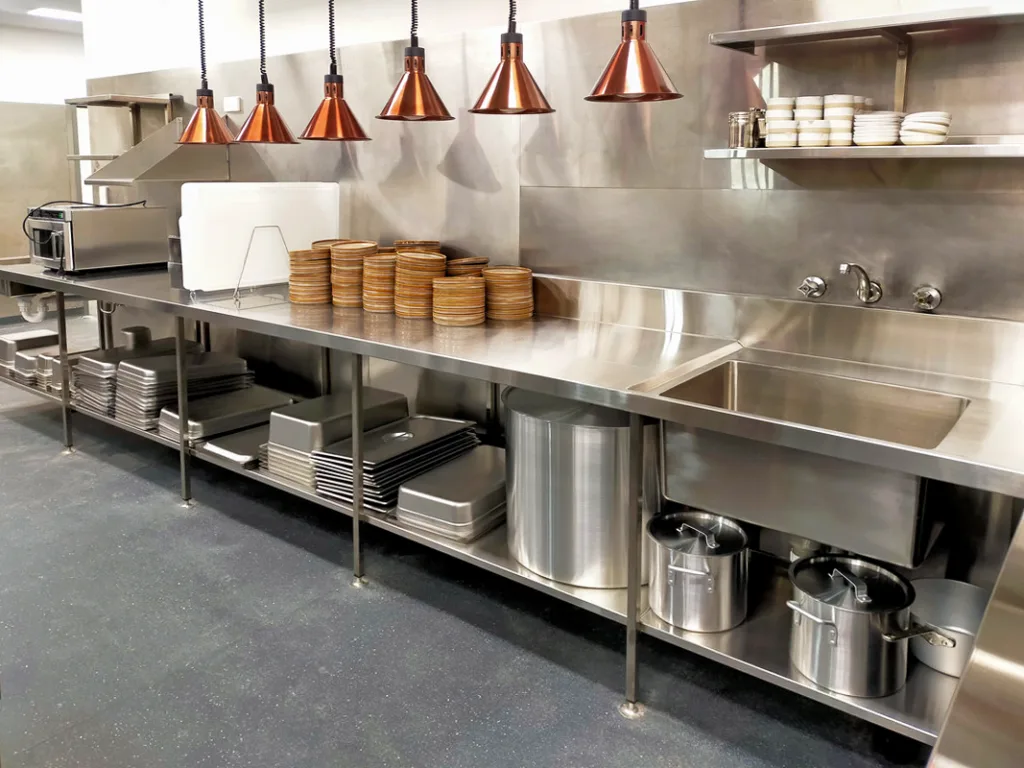
Let me tell you about the time I walked into a high-end Nashville restaurant last month, one of those places where the vibe is as carefully curated as the menu. The hostess smiled, the lighting was just right, and the open kitchen? It gleamed. Not just clean, but *intentional*. Every piece of stainless steel equipment had the restaurant’s logo etched into it, the handles matched their brand colors, and even the refrigeration units had custom panels that blended seamlessly with the decor. It wasn’t just functional; it was part of the story. And that’s when it hit me: stainless steel equipment customization isn’t just about durability or hygiene, it’s about identity.
I’ve spent years writing about commercial kitchens, from mom-and-pop diners to Michelin-starred temples of gastronomy, and I’ll admit, I used to think of stainless steel as just… well, stainless steel. Cold, utilitarian, necessary. But after talking to chefs, designers, and brand managers, I’ve realized that’s like saying a blank canvas is just fabric and paint. The truth? Customization turns equipment into a silent ambassador for your brand. It’s the difference between a kitchen that *works* and a kitchen that *communicates*.
So, if you’re designing a branded kitchen, whether it’s for a restaurant, hotel, corporate cafeteria, or even a food truck, this guide is for you. We’re diving deep into why customization matters, how to approach it without breaking the bank (or your sanity), and the little details that make a big difference. By the end, you’ll see stainless steel not as a necessity, but as an opportunity. Ready? Let’s get into it.
The Psychology Behind Customized Stainless Steel: Why It’s More Than Just Metal
The Subconscious Power of Branding in Unexpected Places
Here’s a question: When was the last time you noticed a kitchen’s equipment? If you’re like most people, the answer is probably “never.” And that’s exactly the point. Stainless steel customization works because it’s subtle. It’s not about slapping a logo on a prep table and calling it a day (though we’ll get to that). It’s about creating a cohesive experience where every detail reinforces your brand’s identity, even the parts your customers might not consciously register.
Think about it. When you walk into a high-end hotel, the lobby isn’t just functional; it’s designed to make you feel a certain way. The same goes for a kitchen. A custom-fabricated stainless steel range hood with a sleek, minimalist design? That’s not just ventilation, it’s a statement about your brand’s commitment to quality. A refrigeration unit with a matte finish and integrated lighting? That’s not just storage; it’s an extension of your aesthetic. These details don’t scream for attention, but they *do* shape the subconscious impression your space leaves on guests, staff, and even social media influencers who might snap a photo of your kitchen in action.
I’m not saying this to make you paranoid about every bolt and hinge. But I *am* saying that if you’re investing in a branded kitchen, you’re already thinking about the big picture. Customization is just the next logical step. It’s the difference between a kitchen that feels like it was *built* for your brand and one that feels like it was *assembled* for it.
Durability Meets Design: The Best of Both Worlds
Let’s talk about the elephant in the room: cost. Yes, customizing stainless steel equipment is an investment. But here’s the thing, it’s an investment that pays off in ways you might not expect. Custom stainless steel isn’t just about looks; it’s about longevity. When you work with a fabricator to design equipment tailored to your kitchen’s layout, workflow, and brand, you’re not just getting a pretty piece of metal. You’re getting something that’s built to last, often with better materials and craftsmanship than off-the-shelf options.
Take, for example, a restaurant I visited in San Francisco a few years back. They had a custom stainless steel prep station with integrated cutting boards, tool holders, and even a built-in scale. It wasn’t just a prep station; it was a *system*. And because it was designed specifically for their menu and workflow, it reduced prep time by nearly 20%. That’s not just a win for efficiency, it’s a win for the bottom line. Customization can also mean fewer repairs, less downtime, and a longer lifespan for your equipment. So while the upfront cost might be higher, the long-term savings can be significant.
But here’s where I get a little torn. On one hand, I’m all for investing in quality. On the other, I’ve seen brands go overboard, customizing every little thing to the point where it becomes more about ego than practicality. So where’s the line? I think it comes down to this: Customize what matters. If a piece of equipment is central to your brand’s identity or workflow, it’s worth the investment. If it’s something that’s rarely seen or used, maybe not so much. We’ll dig into how to make those calls later.
How to Approach Stainless Steel Customization Without Losing Your Mind (or Your Budget)
Step 1: Define Your “Why” Before You Define Your “What”
Before you start sketching out designs or calling fabricators, ask yourself: Why are you customizing? Is it to reinforce your brand’s aesthetic? To improve workflow? To create a “wow” factor for guests? Or is it something else entirely? Your “why” will shape every decision you make from here on out, so it’s worth getting clear on it upfront.
For example, if your goal is to create a seamless, Instagram-worthy kitchen, you might focus on custom finishes, integrated lighting, or even hidden branding elements that only reveal themselves in photos. If your goal is to improve efficiency, you might prioritize ergonomic designs, modular components, or equipment that’s tailored to your menu. And if your goal is to create a cohesive brand experience, you might focus on consistency, using the same finishes, fonts, and design elements across all your equipment.
I’ll be honest: I’ve seen brands skip this step and end up with a kitchen that looks amazing but doesn’t actually work for their team. Or worse, a kitchen that’s so over-customized that it becomes a maintenance nightmare. So take the time to define your “why.” It’ll save you headaches (and money) down the road.
Step 2: Find the Right Fabricator (Hint: It’s Not Just About Price)
Not all stainless steel fabricators are created equal. Some specialize in industrial equipment, others in high-end custom work. Some are local, others ship nationwide. And while price is obviously a factor, it shouldn’t be the only one. Here’s what to look for when choosing a fabricator:
- Experience with branded kitchens: You want someone who understands the unique challenges of commercial kitchens, things like health code compliance, durability, and workflow efficiency. Ask for examples of past work, especially projects similar to yours.
- Design capabilities: Some fabricators just build what you tell them to build. Others will work with you to refine your ideas, suggest improvements, and even create 3D models or renderings. If you’re not a designer yourself, this can be a game-changer.
- Material quality: Not all stainless steel is created equal. Look for fabricators who use high-grade stainless steel (like 304 or 316) and can explain the differences between finishes (e.g., brushed vs. polished vs. matte).
- Lead times and flexibility: Custom work takes time, but some fabricators are faster than others. Ask about their typical turnaround times and whether they can accommodate rush jobs if needed. Also, find out how flexible they are if you need to make changes mid-project.
- Warranty and support: Custom equipment is an investment, so you want to make sure it’s protected. Ask about warranties, maintenance plans, and what happens if something goes wrong after installation.
I’ve worked with fabricators who were amazing at what they did but terrible at communication. And I’ve worked with fabricators who were great communicators but didn’t quite “get” the vision. Finding the right balance is key. Don’t be afraid to ask for references or even visit a fabricator’s workshop if you can. It’s your kitchen, your brand, and your money, so you want to make sure you’re in good hands.
Step 3: Balance Aesthetics and Functionality (Without Compromising Either)
Here’s where things get tricky. Customization is exciting, and it’s easy to get carried away with design ideas. But at the end of the day, your kitchen still needs to *work*. A prep station that looks like a piece of modern art won’t do you any good if your chefs can’t use it efficiently. Similarly, a refrigeration unit with a custom finish might look great, but if it doesn’t keep your food at the right temperature, it’s a liability.
So how do you strike the right balance? Start by involving your team in the process. Chefs, line cooks, and even dishwashers will have insights into what works and what doesn’t. They’re the ones who’ll be using this equipment day in and day out, so their input is invaluable. I’ve seen too many kitchens where the owner or designer made all the decisions, only to realize later that the staff hated the layout or found certain features impractical.
Another tip: test before you invest. If you’re considering a custom piece of equipment, see if you can get a prototype or a 3D rendering to test in your space. Some fabricators will even let you visit their workshop to see a mockup. This can help you catch potential issues before they become expensive mistakes. For example, I once worked with a restaurant that designed a custom pass-through window between the kitchen and dining room. It looked great on paper, but when they tested it, they realized it was too small for large trays. They were able to adjust the design before fabrication, saving them time and money.
The Nitty-Gritty: Customization Options You Might Not Have Considered
Beyond Logos: Creative Ways to Brand Your Stainless Steel
When most people think of stainless steel customization, they think of logos. And while logos are a great starting point, they’re just the tip of the iceberg. Here are some creative ways to brand your equipment that you might not have considered:
- Custom finishes: Stainless steel doesn’t have to be shiny. You can opt for a brushed, matte, or even colored finish to match your brand’s aesthetic. Some fabricators can even create textured finishes or patterns for a unique look.
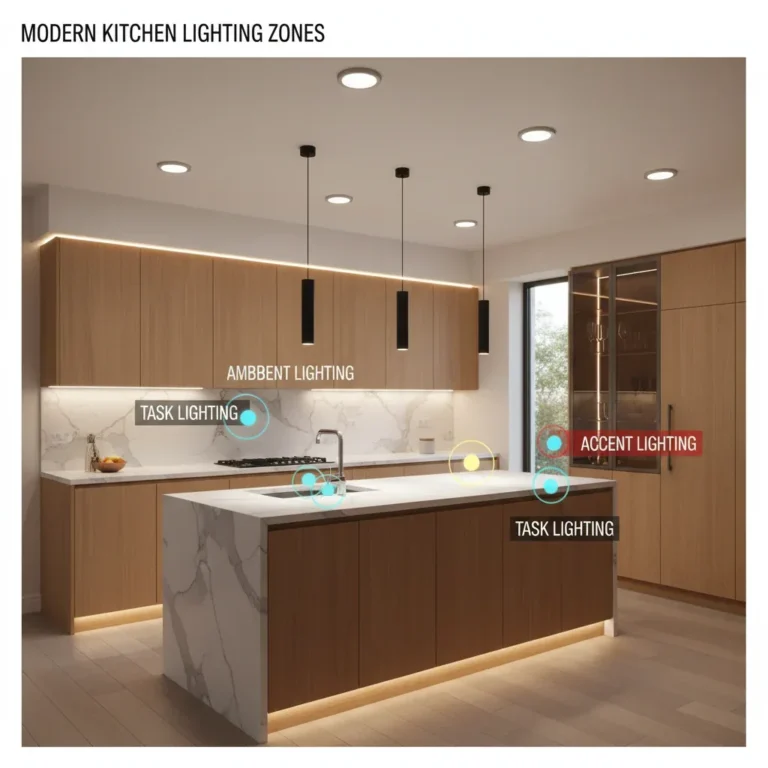
- Integrated lighting: LED strips or backlighting can turn a piece of equipment into a design feature. This works especially well for refrigeration units, range hoods, or even prep stations.
- Etching and engraving: Logos are one thing, but you can also etch patterns, quotes, or even artwork into your stainless steel. I’ve seen restaurants use this to tell their brand’s story, like a seafood spot that etched nautical maps into their prep tables.
- Color accents: While stainless steel is the star of the show, you can add pops of color with handles, knobs, or even custom panels. This is a great way to incorporate your brand’s color palette without sacrificing durability.
- Modular designs: If you’re designing a kitchen for a chain or franchise, consider modular equipment that can be easily reconfigured or updated. This allows you to maintain consistency across locations while still giving each space a unique feel.
- Hidden branding: For a subtle touch, consider branding elements that aren’t immediately visible. For example, a logo etched into the underside of a counter or a brand name stamped into the metal where only staff can see it. It’s a small detail, but it can make your team feel like they’re part of something special.
I’ll admit, some of these ideas might feel a little “out there” at first. But that’s the thing about customization, it’s an opportunity to think outside the box. The key is to choose options that align with your brand’s identity and enhance the guest experience. For example, if you’re a farm-to-table restaurant, a custom finish that mimics the texture of wood might reinforce your connection to nature. If you’re a high-tech startup cafeteria, integrated lighting and sleek, minimalist designs might be the way to go.
Ergonomics and Workflow: Customization That Actually Makes Life Easier
Let’s talk about something that doesn’t get enough attention: ergonomics. Customization isn’t just about looks, it’s about making your kitchen more comfortable and efficient for your team. And when your team is happy, your food is better, your service is smoother, and your guests leave happier. It’s a win-win-win.
So what does ergonomic customization look like? Here are a few ideas:
- Adjustable heights: Not all chefs are the same height, so why should all your counters be? Adjustable-height prep stations or worktables can reduce strain and improve efficiency.
- Custom tool storage: Instead of generic utensil holders, consider built-in tool racks, magnetic strips, or even pull-out drawers tailored to your menu. This keeps everything within reach and reduces clutter.
- Integrated sinks and cutting boards: A prep station with a built-in sink or cutting board can streamline workflow and reduce cross-contamination. Some fabricators can even create custom-sized sinks to fit your space perfectly.
- Modular components: If your menu changes frequently, consider modular equipment that can be reconfigured as needed. For example, a prep station with removable inserts or adjustable shelving can adapt to different tasks.
- Anti-fatigue mats: Okay, these aren’t stainless steel, but they’re worth mentioning. Custom mats with your logo or brand colors can reduce fatigue for staff who stand for long periods.
I’ve seen kitchens where the customization was all about aesthetics, and the staff ended up hating it because it made their jobs harder. Don’t let that be you. Talk to your team about their pain points and brainstorm solutions. For example, if your chefs complain about back pain from bending over low counters, adjustable-height stations might be a game-changer. If they’re constantly reaching for tools, custom storage solutions could save time and frustration.
The Hidden Benefits of Customization (That No One Talks About)
How Custom Equipment Can Boost Staff Morale and Retention
Here’s something I don’t hear enough people talking about: custom stainless steel equipment can actually improve staff morale. Think about it. When you invest in equipment that’s tailored to your team’s needs, you’re sending a message: We value you. And when your team feels valued, they’re more likely to stick around, work harder, and take pride in their space.
I’ve talked to chefs who’ve worked in kitchens with generic, off-the-shelf equipment, and they’ll tell you it feels like an afterthought. But when they walk into a kitchen where the equipment is designed with their workflow in mind, it’s a different story. It’s like the difference between renting a furnished apartment and designing your own home. One feels temporary; the other feels like yours.
Customization can also foster a sense of ownership among your team. When they’re involved in the design process, they’re more likely to take care of the equipment and feel invested in the kitchen’s success. And when guests compliment the space, your team can take pride in knowing they helped create it.
Of course, this isn’t a magic bullet. Custom equipment won’t fix a toxic work environment or low wages. But it can be one piece of the puzzle in creating a kitchen where people actually want to work. And in an industry with high turnover, that’s no small thing.
Social Media and the “Instagrammable Kitchen” Effect
Let’s be real: in 2026, if your kitchen isn’t photogenic, you’re missing out. Social media isn’t just a marketing tool, it’s a way for guests to connect with your brand, share their experiences, and (let’s be honest) show off to their friends. And custom stainless steel equipment can make your kitchen a whole lot more shareable.
Think about it. A generic kitchen is forgettable. But a kitchen with a custom range hood, branded prep stations, or integrated lighting? That’s the kind of detail that makes people pause their scroll and think, “I need to go there.” And when guests post photos of your space, they’re not just promoting your restaurant, they’re promoting your brand’s identity.
I’ve seen this play out in real time. A Nashville brewery I visited last year had a custom stainless steel fermentation tank with their logo etched into it. It wasn’t the most practical piece of equipment (they could’ve just bought a generic tank), but it was a hit on Instagram. Guests loved taking photos with it, and the brewery saw a noticeable uptick in social media engagement. Was it worth the investment? For them, absolutely.
But here’s the thing: you don’t need to go overboard. A few well-placed custom elements can make a big impact. For example, a custom backsplash with your logo, a branded pass-through window, or even a unique finish on your refrigeration units can make your kitchen stand out. The key is to choose elements that are both functional and photogenic. A piece of equipment that looks great but gets in the way of your staff’s workflow isn’t doing you any favors.
Common Mistakes to Avoid (And How to Sidestep Them)
Over-Customizing: When More Isn’t Always Better
I get it. Customization is exciting. It’s easy to get carried away and start thinking, “What if we customized EVERYTHING?” But here’s the thing: over-customizing can backfire. It can make your kitchen feel cluttered, increase your costs, and even create maintenance headaches down the road.
So how do you know when to stop? I like to use the “80/20 rule”. Focus on customizing the 20% of your equipment that will make 80% of the impact. For most kitchens, that means prioritizing high-visibility pieces (like range hoods, prep stations, or refrigeration units) and equipment that’s central to your workflow (like custom sinks or tool storage). The rest can be off-the-shelf or lightly customized.
Another tip: think about longevity. If you’re designing a kitchen for a pop-up or a short-term project, you might not want to invest in heavy customization. But if you’re building a space that you plan to use for years, it’s worth putting in the time and money to get it right.
I’ve seen brands go all-in on customization only to realize later that they didn’t actually need it. For example, a restaurant I worked with customized every single piece of equipment, only to realize that their menu was going to change frequently. The custom pieces that worked for their original menu didn’t work for the new one, and they ended up having to replace a lot of equipment. Lesson learned: customize with flexibility in mind.
Ignoring Health Codes and Safety Regulations
This is a big one. Customization is great, but it can’t come at the expense of safety or compliance. Every jurisdiction has its own health codes and regulations, and if your custom equipment doesn’t meet them, you could be in for a world of trouble. Fines, shutdowns, and even legal issues are all on the table if you cut corners.
So how do you make sure your custom equipment is up to code? Start by working with a fabricator who understands commercial kitchen regulations. They should be familiar with things like NSF (National Sanitation Foundation) standards, ADA (Americans with Disabilities Act) requirements, and local health codes. If they’re not, that’s a red flag.
Here are a few things to keep in mind:
- Materials: Not all stainless steel is food-safe. Make sure your fabricator uses materials that are approved for commercial kitchens.
- Surfaces: Custom finishes are great, but they need to be easy to clean and sanitize. Avoid textured finishes or intricate designs that can trap food particles or bacteria.
- Accessibility: If your kitchen is open to the public, you’ll need to make sure it’s accessible to people with disabilities. This might mean adjusting counter heights, ensuring clear pathways, or adding Braille signage.
- Ventilation: Custom range hoods or ventilation systems need to meet local codes for airflow and filtration. This is not an area to skimp on.
- Fire safety: Custom equipment should be designed with fire safety in mind. This might mean using fire-resistant materials or ensuring that electrical components are properly insulated.
I’ll be honest: this is the part of customization that stresses me out the most. It’s easy to get caught up in the design and forget about the practicalities. But trust me, it’s not worth the risk. Work with your fabricator to make sure your custom equipment meets all the necessary regulations, and don’t be afraid to ask for documentation or certifications.
Skipping the Prototyping Phase
This is a mistake I see all the time. A brand gets an idea in their head, works with a fabricator to design a custom piece of equipment, and then, boom, it’s installed in their kitchen. No testing, no feedback, no second thoughts. And then they realize it doesn’t quite work the way they imagined.
Prototyping is your friend. Whether it’s a 3D rendering, a mockup in the fabricator’s workshop, or a temporary installation in your kitchen, testing your custom equipment before it’s finalized can save you a lot of headaches. It’s like trying on a pair of shoes before you buy them. You wouldn’t order a custom suit without a fitting, so why would you order custom equipment without testing it?
Here’s how to approach prototyping:
- Start with a rendering: A 3D model or rendering can help you visualize the equipment in your space and catch any obvious issues.
- Visit the fabricator’s workshop: If possible, visit the fabricator to see a physical mockup of your equipment. This can help you get a sense of the size, scale, and functionality.
- Test in your kitchen: If you can, install a temporary version of the equipment in your kitchen to see how it works in practice. This is especially important for pieces that are central to your workflow.
- Get feedback from your team: Your staff will be the ones using this equipment day in and day out, so their input is invaluable. Ask them what works, what doesn’t, and what they’d change.
- Make adjustments: Use the feedback to refine your design before the final fabrication. It’s easier (and cheaper) to make changes at this stage than after the equipment is installed.
I know prototyping can feel like an extra step, but it’s worth it. I’ve seen brands skip this phase and end up with equipment that looks great but doesn’t work for their team. Don’t let that be you.
The Future of Stainless Steel Customization: Trends to Watch in 2026 and Beyond
Sustainability and Eco-Friendly Customization
Sustainability isn’t just a buzzword, it’s a movement. And in 2026, eco-friendly stainless steel customization is becoming more important than ever. Brands are looking for ways to reduce their environmental impact, and custom equipment is no exception. Here are a few trends to watch:
- Recycled materials: More fabricators are using recycled stainless steel to create custom equipment. This reduces waste and lowers the carbon footprint of your kitchen.
- Energy-efficient designs: Custom equipment can be designed to use less energy, whether it’s through better insulation, more efficient motors, or smart controls.
- Modular and reusable components: Instead of designing equipment that’s meant to be replaced, some brands are opting for modular designs that can be updated or repurposed as needed. This reduces waste and extends the lifespan of your equipment.
- Local fabrication: Working with local fabricators reduces the carbon footprint of shipping and supports your local economy. It’s a win-win.
I’m really excited about this trend. Sustainability isn’t just good for the planet, it’s good for business. Guests are increasingly looking for brands that align with their values, and eco-friendly customization is a great way to show that you care. Plus, it can save you money in the long run through reduced energy costs and longer equipment lifespans.
Smart Kitchens and Integrated Technology
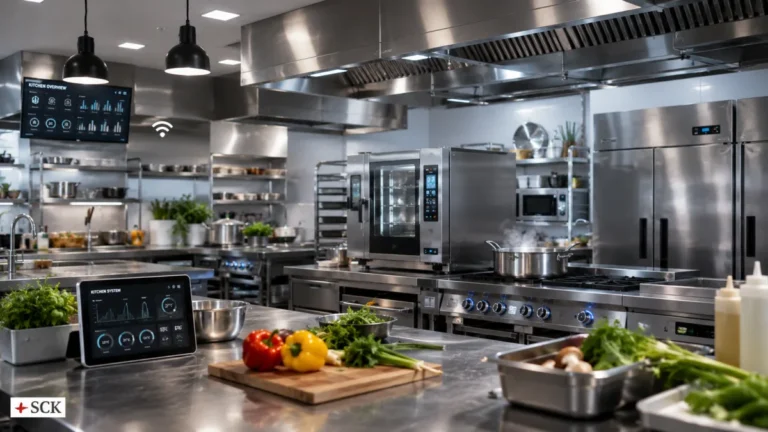
We’re living in the age of smart homes, so why not smart kitchens? Integrated technology is becoming a bigger part of stainless steel customization, and it’s changing the way we think about commercial kitchens. Here are a few ways technology is being incorporated into custom equipment:
- IoT (Internet of Things) sensors: Custom equipment can be outfitted with sensors that monitor temperature, humidity, and even food freshness. This data can be used to improve efficiency, reduce waste, and ensure food safety.
- Touchless controls: In a post-pandemic world, touchless faucets, soap dispensers, and even refrigeration units are becoming more popular. Custom equipment can be designed with integrated touchless controls for added hygiene.
- Digital displays: Custom range hoods, refrigeration units, or even prep stations can be outfitted with digital displays that show menus, specials, or even social media feeds. This is a great way to keep guests engaged and informed.
- Automated systems: From automated inventory tracking to self-cleaning surfaces, custom equipment can be designed to reduce manual labor and improve efficiency.
I’ll admit, I’m a little torn on this trend. On one hand, technology can make kitchens more efficient and safer. On the other, I worry about the cost and complexity. Not every kitchen needs a fully automated system, and not every brand has the budget for it. But if you’re designing a high-tech kitchen, integrated technology can be a game-changer.
One thing I’m particularly excited about is the potential for data-driven customization. Imagine if your custom equipment could collect data on how it’s being used and suggest improvements. For example, if your sensors show that a certain prep station is being used more than others, you might decide to invest in a second one. Or if your data shows that a refrigeration unit is running inefficiently, you might adjust the settings or upgrade the insulation. The possibilities are endless.
Wrapping Up: Is Stainless Steel Customization Right for You?
So, where does this leave us? After all this research, all these conversations with chefs and designers, and all these late-night musings with Luna curled up on my lap, I’ve come to a conclusion: stainless steel equipment customization is not for everyone. But for the right brand, in the right context, it can be a game-changer.
If you’re designing a kitchen that’s meant to last, that’s central to your brand’s identity, or that needs to stand out in a crowded market, customization is worth considering. It’s an investment in your brand, your team, and your guests. But if you’re working with a tight budget, a short timeline, or a menu that changes frequently, it might not be the right move.
Here’s my challenge to you: Take a walk through your kitchen (or the kitchen you’re designing) and ask yourself, “What’s missing?” Is it a sense of identity? A more efficient workflow? A “wow” factor for guests? Whatever it is, customization might be the answer. But don’t just jump in blindly. Start small, test your ideas, and work with a fabricator who understands your vision.
And remember, customization isn’t just about the equipment. It’s about the people who use it, the guests who see it, and the story it tells. So make it count.
FAQ
Q: How much does stainless steel equipment customization typically cost?
A: The cost of customization varies widely depending on the complexity of the project, the materials used, and the fabricator you work with. On average, you can expect to pay anywhere from 20% to 100% more than off-the-shelf equipment. For example, a custom stainless steel prep station might cost $3,000 to $6,000, while a generic one might cost $1,500 to $3,000. It’s important to weigh the upfront cost against the long-term benefits, like improved efficiency, durability, and brand identity. Always get multiple quotes and ask for references before making a decision.
Q: Can I customize existing stainless steel equipment, or does it have to be new?
A: You can absolutely customize existing equipment! Many fabricators offer retrofitting services, where they can add logos, finishes, or other custom elements to your current equipment. This can be a cost-effective way to update your kitchen without replacing everything. However, keep in mind that retrofitting might not be possible for all types of equipment, especially if the modifications could affect functionality or compliance. Always consult with a fabricator to see what’s possible.
Q: How do I ensure my custom stainless steel equipment meets health and safety regulations?
A: The best way to ensure compliance is to work with a fabricator who has experience with commercial kitchens and understands the relevant regulations. They should be familiar with standards like NSF (National Sanitation Foundation), ADA (Americans with Disabilities Act), and local health codes. Before fabrication begins, ask your fabricator to provide documentation or certifications that confirm the equipment meets these standards. It’s also a good idea to consult with a health inspector or kitchen designer to review your plans before installation.
Q: What are some low-cost ways to customize stainless steel equipment?
A: If you’re working with a tight budget, there are still plenty of ways to add a personal touch to your stainless steel equipment. Here are a few ideas:
- Vinyl decals: Affordable and easy to apply, vinyl decals can add logos, patterns, or even artwork to your equipment. They’re not as durable as etching or engraving, but they’re a great option for temporary or low-traffic areas.
- Paint or powder coating: While not as durable as stainless steel, paint or powder coating can add color accents to your equipment. This is a good option for handles, knobs, or other non-food-contact surfaces.
- Magnetic signs: Magnetic signs can be easily attached and removed from stainless steel surfaces. They’re a great option for seasonal promotions or temporary branding.
- Custom handles or knobs: Swapping out generic handles or knobs for custom ones is a simple way to add a personal touch. You can choose finishes, colors, or even materials that match your brand’s aesthetic.
- Etching or engraving: While more expensive than decals or paint, etching or engraving is a durable way to add logos or designs to your equipment. Many fabricators offer this service at a reasonable cost.
These options won’t give you the same level of customization as a fully fabricated piece, but they can still make a big impact. The key is to choose options that align with your brand’s identity and enhance the guest experience.
@article{why-stainless-steel-equipment-customization-is-the-secret-weapon-for-branded-kitchens-in-2026,
    title   = {Why Stainless Steel Equipment Customization is the Secret Weapon for Branded Kitchens in 2026},
    author  = {Chef's icon},
    year    = {2026},
    journal = {Chef's Icon},
    url     = {https://chefsicon.com/stainless-steel-equipment-customization-for-branded-kitchens/}
}