The Best Fluffy Pancakes recipe you will fall in love with. Full of tips and tricks to help you make the best pancakes.
Why Your Pantry Layout Could Be the Secret Weapon in a High-Volume Kitchen
I’ll never forget the first time I walked into the back-of-house at Nashville’s busiest brunch spot-you know, the one with the two-hour wait on Sundays and a line that snakes around the block by 9 AM. The kitchen was a symphony of chaos: tickets flying, voices overlapping, and a sous chef nearly taking out a server with a tray of hollandaise. But what struck me wasn’t the noise or the speed, it was the pantry. Or, more accurately, the lack of one. Dry goods were stacked haphazardly on shelves near the walk-in, spices were buried behind cases of canned tomatoes, and the prep cook was literally climbing over boxes to grab flour. It was like watching a game of Jenga, except the stakes were a hundred covers and a Michelin-level reputation.
That day, I realized something: a well-designed pantry isn’t just storage, it’s the backbone of a high-volume kitchen. It’s where efficiency is either born or buried. And if you’re running a restaurant that moves at the speed of a Taylor Swift chorus drop, your pantry layout isn’t just important, it’s existential. So, let’s talk about how to design one that doesn’t just survive the rush but thrives in it. Is this the be-all and end-all of pantry design? Probably not. But it’s a start, and honestly, that’s half the battle.
In this guide, we’re going to break down the commercial pantry layout designs for high-volume restaurants-what works, what doesn’t, and why some kitchens seem to hum while others feel like they’re one wrong move away from collapse. We’ll cover everything from zoning strategies to ergonomic shelving, from inventory flow to the psychology of where you place your most-used ingredients. And yes, we’ll even talk about the stuff no one wants to admit: the mistakes, the shortcuts, and the moments when you have to choose between perfect and functional. Because in a high-volume kitchen, perfect is a myth. Functional? That’s the goal.
By the end of this, you’ll have a blueprint for a pantry that doesn’t just store your ingredients, it supercharges your kitchen’s workflow. And if you’re anything like me, you’ll walk away with a few “why didn’t I think of that?” moments. (Spoiler: I’ve had plenty of those myself.) So, let’s dive in.
The Philosophy Behind Pantry Layouts: More Than Just Shelves
Before we get into the nitty-gritty of shelf heights and storage bin sizes, let’s take a step back. Because a pantry isn’t just a room with shelves, it’s a system. And like any system, it’s only as strong as its weakest link. I’ve seen kitchens with state-of-the-art equipment and a pantry that looked like it was designed by someone who’d never set foot in a restaurant. Conversely, I’ve seen modest kitchens with pantries so well-organized that they could’ve been lifted straight out of a Bourdain episode. The difference? Intentionality.
So, what’s the philosophy here? It’s simple: design for the people who use it, not the people who design it. That means thinking about how your team moves, how they think, and, most importantly, how they feel when they’re in the weeds. A pantry that’s a nightmare to navigate is a pantry that’s going to slow your kitchen down. And in a high-volume restaurant, time isn’t just money, it’s sanity.
Let’s start with the big picture. When you’re designing a pantry for a high-volume kitchen, you’re balancing three core principles:
- Accessibility: Can your team grab what they need without breaking stride?
- Organization: Is everything labeled, categorized, and easy to find, even in the middle of a dinner rush?
- Scalability: Can your pantry grow (or shrink) with your menu, your team, and your business?
Miss one of these, and your pantry becomes a bottleneck. Nail all three, and you’ve got a kitchen that runs like a well-oiled machine. But here’s the thing: there’s no one-size-fits-all solution. What works for a 200-seat steakhouse might be a disaster for a fast-casual taco joint. And what works for a team of seasoned line cooks might not cut it for a crew of part-timers. So, where do you start? Let’s break it down.
1. The Golden Rule: Zone Like You Mean It
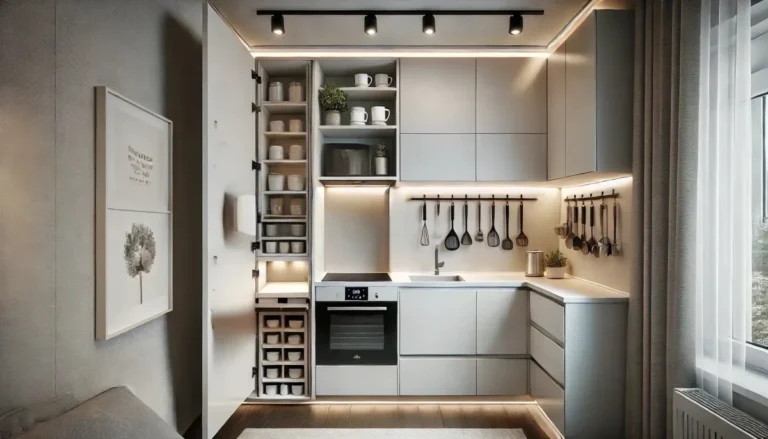
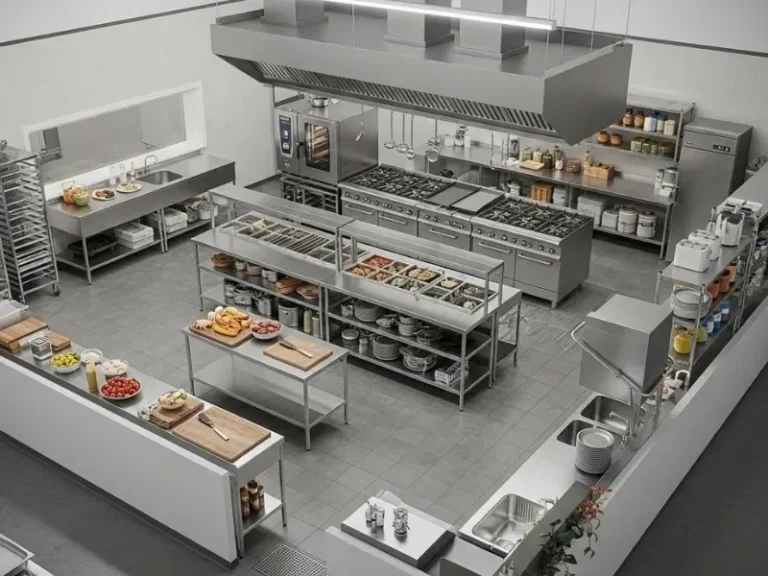
If there’s one thing I’ve learned from years of writing about (and occasionally working in) high-volume kitchens, it’s this: zoning is everything. Your pantry shouldn’t be a free-for-all, it should be a series of dedicated zones that reflect how your kitchen actually operates. Think of it like a grocery store: you don’t find the milk next to the cereal, and you don’t have to walk past the frozen foods to grab a loaf of bread. Why? Because someone, somewhere, designed that layout to make sense for the customer. Your pantry should do the same for your team.
So, what does zoning look like in practice? Here’s a rough breakdown of how most high-volume kitchens structure their pantries:
- Dry Goods Zone: Flour, sugar, rice, pasta, grains, anything that doesn’t need refrigeration and is used in bulk. This is usually the largest zone and often the most accessible.
- Canned & Packaged Goods Zone: Tomatoes, beans, broths, sauces, and other shelf-stable items that come in cans or jars. These are typically stored on lower shelves for easy access.
- Spice & Seasoning Zone: Salt, pepper, dried herbs, and specialty spices. This zone should be highly visible and easy to reach, no one wants to play “where’s the paprika?” during a rush.
- Baking & Pastry Zone: If your kitchen does a lot of baking, this is where you’ll store things like yeast, baking powder, chocolate, and specialty flours. Keep it separate from the main dry goods to avoid cross-contamination.
- Prep & Smallwares Zone: Mixing bowls, measuring cups, scales, and other tools that live in the pantry. This zone should be near the prep area for easy access.
- Backup & Overflow Zone: Extra inventory that doesn’t fit in the main zones. This is often the least accessible area, reserved for items you don’t need daily.
Now, here’s where it gets tricky. Not every kitchen needs all of these zones. A pizzeria, for example, might not have a dedicated baking zone, but it’ll need a massive dry goods zone for flour. A seafood restaurant, on the other hand, might prioritize a canned goods zone for clams and broths. The key is to design your zones based on your menu and your team’s workflow. And if you’re not sure where to start? Ask your cooks. They’re the ones who’ll be using the space, and they’ll have opinions, trust me.
Is this the only way to zone a pantry? Absolutely not. But it’s a starting point, and honestly, that’s often enough. The goal isn’t to create a pantry that looks good on paper, it’s to create one that works when the tickets are flying and the adrenaline is pumping.
2. The Science of Shelf Placement: Why Height Matters More Than You Think
Let’s talk about shelves. Specifically, let’s talk about how high they are. Because if there’s one thing that’ll make your team hate your pantry, it’s shelves that are either too high or too low. I’ve seen kitchens where the most-used ingredients are stored on the top shelf, forcing cooks to climb on stools or stretch like they’re in a yoga class. I’ve also seen kitchens where everything is stored at waist level, turning the pantry into a maze of bending and squatting. Neither is ideal. So, what’s the sweet spot?
Here’s the rule of thumb: store your most frequently used items between waist and shoulder height. This is what ergonomists call the “golden zone”-the range where humans can grab things without straining. For most people, that’s roughly between 36 and 60 inches off the ground. Anything above or below that, and you’re asking for trouble. Literally. Back injuries, shoulder strain, and general frustration are all on the table when your shelves aren’t ergonomically designed.
But it’s not just about height, it’s also about depth. Shelves that are too deep (more than 24 inches) force your team to reach into the abyss, which is a recipe for lost items and wasted time. Shelves that are too shallow (less than 12 inches) don’t hold enough, which means you’ll run out of space faster. So, what’s the ideal depth? For most pantries, 18 to 24 inches is the sweet spot. It’s deep enough to hold bulk items but shallow enough that nothing gets lost in the back.
Now, let’s talk about shelf materials. You’ve got options here, and each has its pros and cons:
- Wire Shelving: The most common choice for commercial pantries. It’s durable, easy to clean, and allows for airflow, which is great for dry goods. The downside? It can be noisy, and smaller items can fall through the gaps.
- Solid Shelving: Typically made of stainless steel or plastic, solid shelves are great for storing smaller items or things that might roll around (like cans). They’re also easier to clean than wire shelving. The downside? They don’t allow for as much airflow, which can be an issue for some dry goods.
- Adjustable Shelving: This is the gold standard for high-volume kitchens. Adjustable shelves let you customize your storage based on your inventory, which is a game-changer when your menu changes seasonally. The downside? They’re more expensive upfront, but they’ll save you money (and headaches) in the long run.
So, which should you choose? If you’re on a budget, wire shelving is a solid choice. If you’ve got a little more to spend, adjustable shelving is the way to go. And if you’re storing a lot of small items, solid shelving might be your best bet. But here’s the thing: o shelf material is perfect for every situation. You might need a mix of all three, depending on your inventory. And that’s okay. The goal isn’t to have a pantry that looks like it belongs in a catalog, it’s to have one that works for your team.
Oh, and one more thing: label everything. I can’t stress this enough. Even the best-designed pantry will fail if your team can’t find what they need. Labels should be clear, consistent, and easy to read. And if you’re feeling fancy, color-code them by zone. It’s a small detail, but it makes a big difference.
The Nuts and Bolts: Practical Tips for High-Volume Pantry Design
Alright, let’s get into the weeds. Because designing a pantry isn’t just about big-picture ideas, it’s about the small, practical details that make or break your workflow. And in a high-volume kitchen, those details add up fast. So, let’s talk about the stuff that doesn’t always make it into the design magazines but absolutely should.
3. The Flow of Traffic: Why Your Pantry’s Layout Should Mimic Your Kitchen’s Rhythm
Here’s a question: how does your team move through the kitchen? Do they start at the walk-in and work their way to the line? Do they prep near the pantry and then move to the hot station? Or is it a free-for-all, with everyone crisscrossing paths like they’re in a game of Frogger? If it’s the latter, your pantry is probably part of the problem.
The best pantries are designed to mirror the kitchen’s natural flow. That means placing the most-used items along the paths your team already takes. For example, if your cooks start their shift by grabbing dry goods for prep, those items should be near the entrance of the pantry. If they’re constantly running between the pantry and the hot station, the pantry should be close to the hot station. And if your pastry chef is always grabbing flour and sugar, those items should be in a zone that’s easy for them to access without getting in the way of the line cooks.
This is where traffic flow mapping comes in. It’s a fancy term for something pretty simple: watch how your team moves and design your pantry around that. Here’s how to do it:
- Observe: Spend a few shifts watching how your team uses the pantry. Where are the bottlenecks? Where do people get in each other’s way? What items are grabbed the most?
- Sketch: Draw a rough map of your kitchen and pantry. Mark the paths your team takes most often. Are there any unnecessary steps? Any areas where people are crossing paths?
- Adjust: Redesign your pantry layout to minimize cross-traffic and maximize efficiency. This might mean moving shelves, relocating zones, or even expanding the pantry if space allows.
Is this a perfect science? No. But it’s a start, and honestly, that’s often enough. The goal isn’t to create a pantry that’s 100% efficient, it’s to create one that’s better than what you have now. And if you can eliminate even one unnecessary step during a rush, you’re already winning.
Oh, and one more thing: leave room for growth. Your menu will change. Your team will change. And your pantry should be able to change with it. That means leaving some empty space on your shelves, avoiding permanent fixtures, and designing with flexibility in mind. Because the last thing you want is to outgrow your pantry six months after you’ve set it up.
4. The Psychology of Placement: Why Where You Put Things Affects How Fast Your Team Moves
Here’s something they don’t teach you in culinary school: where you place things in your pantry affects how fast your team moves. It’s not just about ergonomics, it’s about psychology. And if you’re not thinking about that, you’re missing out on a huge opportunity to speed up your kitchen.
Let’s start with the basics: the “prime real estate” rule. In any pantry, there are spots that are easier to access than others. These are your prime real estate spots, and they should be reserved for your most-used items. For example, the shelf at eye level right inside the pantry door? That’s prime real estate. The back corner of the bottom shelf? Not so much. The goal is to place your most frequently used items in the most accessible spots and relegate the less-used items to the harder-to-reach areas.
But it’s not just about accessibility, it’s also about visibility. Humans are visual creatures, and we’re more likely to grab something if we can see it. That’s why clear storage bins and open shelving are your friends. They let your team see what’s inside without having to open a lid or dig through a pile. And in a high-volume kitchen, every second counts.
Here’s another trick: group items by function, not by type. For example, instead of storing all your spices together, store them near the items they’re used with. So, if you use a lot of cumin in your taco seasoning, keep the cumin near the other taco ingredients. This might seem counterintuitive, but it’s a game-changer for speed. Why? Because it reduces the number of steps your team has to take. Instead of running back and forth between the spice rack and the prep station, they can grab everything they need in one trip.
And here’s a pro tip: use the “two-hand rule”. If your team is constantly grabbing two items at once (like flour and sugar for baking), store them next to each other. This might seem obvious, but you’d be surprised how often it’s overlooked. The goal is to minimize the number of trips your team has to make, and the two-hand rule is a great way to do that.
Is this the only way to organize a pantry? No. But it’s a strategy that works, and honestly, that’s what matters. The best pantry layouts aren’t the ones that look the prettiest, they’re the ones that work for your team. And if that means storing your spices next to your taco shells instead of in a fancy spice rack, so be it.
5. The Backup Plan: How to Handle Overflow Without Losing Your Mind
Here’s a hard truth: o matter how well you design your pantry, you’re going to run out of space. It’s inevitable. Maybe it’s a busy weekend and your supplier delivers a day early. Maybe your menu changes and you need to stock up on new ingredients. Or maybe you just ordered too much of something (we’ve all been there). Whatever the reason, you’re going to need a backup plan for when your pantry is overflowing.
So, what’s the solution? It’s not as complicated as you might think. Here are a few strategies for handling overflow without turning your pantry into a disaster zone:
- Designate an Overflow Zone: This is a specific area (either inside or outside the pantry) where you store extra inventory. It should be easy to access but out of the way of your main workflow. Think of it as your pantry’s “attic”-a place for things you don’t need every day but still need to keep on hand.
- Use Vertical Space: If you’re running out of shelf space, look up. Wall-mounted shelves, pegboards, and hanging racks can all add extra storage without taking up floor space. Just make sure they’re sturdy enough to handle the weight of your inventory.
- Invest in Mobile Storage: Rolling carts, stackable bins, and modular shelving units can all be moved around as needed. This is a great option if your overflow is temporary (like during the holidays) or if you need to reconfigure your pantry frequently.
- Implement a First-In, First-Out (FIFO) System: This is a fancy way of saying “use the oldest stuff first.” It’s a simple concept, but it’s easy to overlook when you’re in a rush. A FIFO system ensures that nothing gets lost in the back of the pantry, and it helps reduce waste. How do you implement it? Label everything with the date it was received, and train your team to grab the oldest items first.
Now, here’s the thing: overflow is inevitable, but chaos isn’t. The key is to have a system in place before you need it. Because when you’re in the middle of a dinner rush and your supplier drops off an unexpected delivery, you don’t want to be scrambling to find a place for everything. You want to know exactly where it goes and how to get to it quickly.
And speaking of suppliers, let’s talk about delivery schedules. One of the biggest causes of pantry overflow is poor inventory management. If you’re ordering too much or too often, you’re going to run out of space. So, take a hard look at your inventory levels and your delivery schedule. Are you ordering too much of something? Are you getting deliveries at the wrong time? A few small tweaks can make a big difference.
Is this the most exciting part of pantry design? Probably not. But it’s one of the most important. Because when your pantry is overflowing and your team is stressed, you’ll be glad you have a plan.
The Little Things: Details That Make a Big Difference
Alright, let’s talk about the small stuff. The things that don’t always make it into the design plans but can make or break your pantry’s efficiency. Because in a high-volume kitchen, the little things add up fast. And if you’re not paying attention to them, you’re leaving money (and time) on the table.
6. Lighting: Why Your Pantry Needs More Than Just a Bare Bulb
Here’s a question: can your team see what they’re doing in your pantry? If the answer is “not really,” you’ve got a problem. Poor lighting is one of the most common (and most overlooked) issues in commercial pantries. And it’s not just about visibility, it’s about safety. A poorly lit pantry is a recipe for accidents, from spills to trips to mislabeled ingredients.
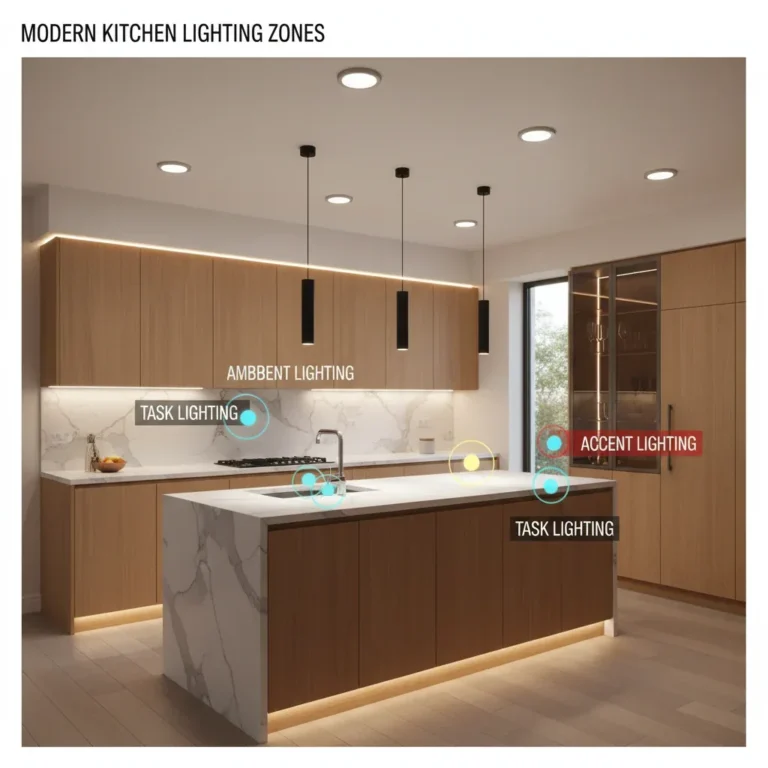
So, what’s the solution? It’s not as complicated as you might think. Here are a few lighting tips for your pantry:
- Bright, Even Lighting: Your pantry should be well-lit from all angles. That means no dark corners or shadowy shelves. LED lights are a great option, they’re bright, energy-efficient, and long-lasting.
- Task Lighting: If your pantry has specific work areas (like a prep station or a scale), consider adding task lighting. This is a small light that’s focused on a specific area, making it easier to see what you’re doing.
- Motion-Activated Lights: If your pantry isn’t used 24/7, consider installing motion-activated lights. They’ll turn on when someone enters the pantry and turn off when they leave, saving energy and reducing the risk of accidents.
- Color Temperature: Not all light is created equal. For pantries, you want a light with a cool color temperature (around 4000K to 5000K). This type of light is bright and clear, making it easier to see labels and ingredients.
Now, here’s the thing: lighting isn’t just about visibility, it’s about mood. A well-lit pantry feels safer, more organized, and more inviting. And when your team feels good about their workspace, they’re more likely to use it efficiently. So, don’t skimp on the lighting. It’s a small investment that can make a big difference.
Oh, and one more thing: make sure your lighting is up to code. Commercial kitchens have specific lighting requirements, and you don’t want to run afoul of the health department. Check your local regulations before you install anything, and if you’re not sure, consult a professional.
7. Flooring: Why Your Pantry’s Floor Matters More Than You Think
Let’s talk about floors. Specifically, let’s talk about why your pantry’s floor is more important than you think. Because if you’re still using the same flooring you installed when you opened your restaurant, you might be missing out on a huge opportunity to improve your workflow.
Here’s the thing: your pantry’s floor needs to be durable, easy to clean, and safe. That means no carpet, no hardwood, and no slick tiles. What you want is a floor that can handle spills, heavy traffic, and the occasional dropped can of tomatoes. Here are a few options:
- Epoxy Flooring: This is the gold standard for commercial kitchens. Epoxy is durable, easy to clean, and slip-resistant. It’s also seamless, which means no cracks or crevices for bacteria to hide in. The downside? It’s expensive upfront, but it’ll save you money in the long run.
- Quarry Tile: This is a classic choice for commercial kitchens. Quarry tile is durable, slip-resistant, and easy to clean. It’s also more affordable than epoxy. The downside? It can be hard on the feet, and it’s not as seamless as epoxy.
- Vinyl Flooring: This is a budget-friendly option that’s easy to install and maintain. It’s also softer underfoot than quarry tile or epoxy. The downside? It’s not as durable as the other options, and it can be slippery when wet.
So, which should you choose? If you’ve got the budget, epoxy is the way to go. If you’re on a tighter budget, quarry tile is a solid choice. And if you’re looking for something soft and affordable, vinyl might be your best bet. But here’s the thing: o flooring is perfect for every situation. You might need a mix of materials, depending on your pantry’s layout and your team’s needs.
And speaking of layout, let’s talk about floor markings. If your pantry is large or has multiple zones, consider using floor markings to designate specific areas. For example, you could use tape or paint to mark the boundaries of your dry goods zone, your spice zone, and your prep zone. This might seem like overkill, but it’s a great way to keep your pantry organized and your team on track.
Oh, and one more thing: make sure your flooring is up to code. Commercial kitchens have specific flooring requirements, and you don’t want to run afoul of the health department. Check your local regulations before you install anything, and if you’re not sure, consult a professional.
8. Ventilation: Why Your Pantry Needs to Breathe
Here’s something you might not have thought about: your pantry needs ventilation. And no, I’m not just talking about the occasional open window. I’m talking about proper airflow to keep your pantry dry, cool, and free of odors.
Why does this matter? Because a poorly ventilated pantry can lead to a host of problems, from mold and mildew to pest infestations. And if you’re storing dry goods in a damp, humid environment, you’re asking for trouble. So, how do you keep your pantry well-ventilated?
Here are a few tips:
- Install a Ventilation System: If your pantry is large or has a lot of dry goods, consider installing a ventilation system. This could be as simple as a fan or as complex as a full HVAC system. The goal is to keep the air moving and the humidity low.
- Use Dehumidifiers: If your pantry is prone to humidity, consider using a dehumidifier. This is a great option for kitchens in humid climates or for pantries that are located near the dishwashing area.
- Store Dry Goods Properly: Even the best ventilation system won’t help if your dry goods are stored improperly. Make sure everything is in airtight containers and that your shelves are spaced to allow for airflow.
- Keep the Door Open: If your pantry is small and doesn’t have a ventilation system, consider keeping the door open when it’s not in use. This will help keep the air moving and reduce humidity.
Now, here’s the thing: ventilation isn’t just about preventing mold and pests, it’s about preserving your ingredients. Flour, sugar, and other dry goods can absorb moisture from the air, which can lead to clumping, spoilage, and waste. And if you’re storing spices in a humid environment, they’ll lose their flavor faster. So, don’t overlook the importance of ventilation. It’s a small detail that can make a big difference.
Oh, and one more thing: make sure your ventilation system is up to code. Commercial kitchens have specific ventilation requirements, and you don’t want to run afoul of the health department. Check your local regulations before you install anything, and if you’re not sure, consult a professional.
The Future of Pantry Design: Trends to Watch
Alright, let’s talk about the future. Because if there’s one thing I’ve learned from years of writing about the restaurant industry, it’s that things are always changing. And that includes pantry design. So, what’s next for commercial pantries? What trends should you be watching? And how can you future-proof your pantry so it doesn’t become obsolete in a few years?
Here are a few trends to keep an eye on:
9. Smart Pantries: How Technology Is Changing the Game
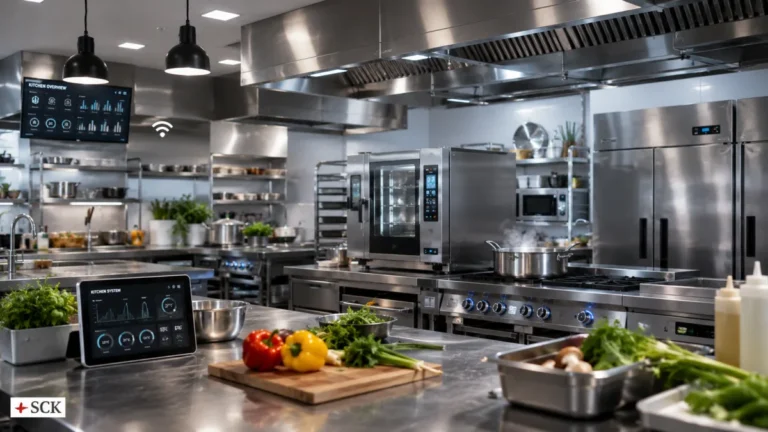
You’ve heard of smart kitchens, but what about smart pantries? It’s not as far-fetched as it sounds. In fact, some high-volume restaurants are already using technology to streamline their pantry operations. Here’s how:
- Inventory Management Software: This is software that tracks your inventory in real-time, alerting you when you’re running low on something or when an item is about to expire. It can also generate purchase orders and help you manage your suppliers. The downside? It’s an extra expense, and it requires some training.
- RFID Tags: These are small tags that you attach to your inventory. They can be scanned with a handheld device, allowing you to track your inventory quickly and accurately. The downside? They’re not cheap, and they require a bit of setup.
- Smart Shelves: These are shelves that are equipped with sensors to track your inventory. They can alert you when you’re running low on something or when an item is about to expire. The downside? They’re expensive, and they’re not widely available yet.
- Automated Dispensing Systems: These are systems that dispense ingredients automatically, based on your recipes. They’re great for high-volume kitchens that use the same ingredients over and over. The downside? They’re expensive, and they require a lot of maintenance.
So, should you invest in a smart pantry? It depends. If you’re running a high-volume kitchen with a large inventory, the answer is probably yes. The time and money you’ll save on inventory management will more than make up for the initial investment. But if you’re running a smaller operation, you might not need all the bells and whistles. Start with something simple, like inventory management software, and go from there.
Is this the future of pantry design? Maybe. But even if smart pantries don’t become the norm, the principles behind them-efficiency, accuracy, and automation-are here to stay. So, keep an eye on the trends, and don’t be afraid to experiment.
10. Sustainable Pantries: How to Go Green Without Sacrificing Efficiency
Here’s another trend to watch: sustainability. More and more restaurants are looking for ways to reduce their environmental impact, and that includes their pantries. So, how can you design a pantry that’s both efficient and eco-friendly?
Here are a few ideas:
- Use Reusable Containers: Instead of storing your dry goods in disposable bags or boxes, invest in reusable containers. They’re better for the environment, and they’ll save you money in the long run.
- Buy in Bulk: Buying in bulk reduces packaging waste and can save you money. Just make sure you have enough storage space.
- Compost Food Waste: If your pantry generates food waste (like expired ingredients or trimmings), consider composting it. This is a great way to reduce your environmental impact and create nutrient-rich soil for your garden.
- Use Energy-Efficient Lighting: LED lights are a great option for pantries. They’re energy-efficient, long-lasting, and bright.
- Install a Water Filtration System: If your pantry has a sink, consider installing a water filtration system. This will reduce the need for bottled water and help you cut down on plastic waste.
Now, here’s the thing: sustainability isn’t just about the environment, it’s about your bottom line. Many of these changes will save you money in the long run, from reduced waste to lower energy bills. So, don’t think of sustainability as a cost, think of it as an investment.
Is this the future of pantry design? It’s certainly a big part of it. As consumers become more environmentally conscious, restaurants are under increasing pressure to go green. And that includes their pantries. So, start small, and don’t be afraid to experiment. Even the smallest changes can make a big difference.
Putting It All Together: Your Pantry Design Checklist
Alright, let’s wrap this up. Because if you’ve made it this far, you’re probably feeling a little overwhelmed. And that’s okay. Designing a pantry for a high-volume kitchen is a big job, and there’s a lot to consider. But here’s the good news: you don’t have to do it all at once. Start with the basics, and build from there. And if you’re not sure where to start, here’s a checklist to help you get organized.
Here’s what you need to do:
- Assess Your Needs: What does your kitchen need from its pantry? What are your most-used ingredients? What are your biggest pain points?
- Map Your Workflow: How does your team move through the kitchen? Where are the bottlenecks? What items are grabbed the most?
- Design Your Zones: What zones do you need? Where should they be located? How much space should each zone get?
- Choose Your Shelving: What type of shelving do you need? How high should it be? How deep?
- Plan for Overflow: Where will you store extra inventory? How will you handle seasonal changes?
- Light It Up: What type of lighting do you need? Where should it be located? How bright should it be?
- Pick Your Flooring: What type of flooring is best for your pantry? How will you keep it clean and safe?
- Ventilate: How will you keep your pantry dry and cool? What type of ventilation system do you need?
- Label Everything: How will you label your shelves and bins? What system will you use?
- Train Your Team: How will you train your team to use the pantry efficiently? What rules will you put in place?
Is this a perfect checklist? Probably not. But it’s a start, and honestly, that’s often enough. The goal isn’t to create a pantry that’s 100% efficient, it’s to create one that’s better than what you have now. And if you can eliminate even one unnecessary step during a rush, you’re already winning.
So, take it one step at a time. Start with the basics, and build from there. And don’t be afraid to experiment. Because the best pantry layouts aren’t the ones that look the prettiest, they’re the ones that work for your team. And if that means storing your spices next to your taco shells instead of in a fancy spice rack, so be it.
At the end of the day, your pantry is more than just a storage space, it’s the backbone of your kitchen. And if you design it right, it’ll help your team move faster, work smarter, and keep your customers coming back for more. So, what are you waiting for? It’s time to get to work.
FAQ: Your Pantry Design Questions, Answered
Q: How much space should I allocate for a pantry in a high-volume restaurant?
A: The size of your pantry depends on your menu, your inventory, and your kitchen’s layout. As a general rule, aim for 10-15% of your total kitchen space. For example, if your kitchen is 2,000 square feet, your pantry should be around 200-300 square feet. But this is just a starting point, some kitchens need more space, while others can get by with less. The key is to design a pantry that fits your specific needs, not someone else’s.
Q: What’s the best way to organize a small pantry in a high-volume kitchen?
A: If you’re working with limited space, maximize vertical storage and use multi-functional shelving. Wall-mounted shelves, pegboards, and hanging racks can all add extra storage without taking up floor space. You should also prioritize your most-used items and store them in the most accessible spots. And don’t forget to label everything-in a small pantry, organization is key.
Q: How do I keep my pantry organized during a busy shift?
A: The key is to design your pantry for speed. That means storing your most-used items in the most accessible spots, using clear storage bins, and labeling everything. You should also train your team to put things back where they belong-no “I’ll deal with it later” piles. And if you’re really struggling, consider implementing a “clean as you go” policy. It’s a small change, but it can make a big difference.
Q: What are the biggest mistakes to avoid when designing a commercial pantry?
A: The biggest mistakes are usually the ones that seem small at first but add up over time. Here are a few to watch out for:
- Poor Zoning: If your pantry isn’t divided into clear zones, your team will waste time searching for items.
- Bad Shelving: Shelves that are too high, too low, or too deep will slow your team down and increase the risk of accidents.
- Lack of Labeling: If your team can’t find what they need, your pantry isn’t doing its job.
- Ignoring Overflow: If you don’t plan for extra inventory, your pantry will become a disaster zone during busy periods.
- Poor Lighting: A poorly lit pantry is a recipe for accidents and mistakes.
The key is to think like your team. What do they need to work efficiently? What frustrates them about your current setup? And how can you design a pantry that makes their jobs easier?
@article{commercial-pantry-layout-designs-for-high-volume-restaurants-a-chefs-guide-to-efficiency-and-flow,
    title   = {Commercial Pantry Layout Designs for High-Volume Restaurants: A Chef’s Guide to Efficiency and Flow},
    author  = {Chef's icon},
    year    = {2026},
    journal = {Chef's Icon},
    url     = {https://chefsicon.com/commercial-pantry-layout-designs-for-high-volume-restaurants/}
}