The Best Fluffy Pancakes recipe you will fall in love with. Full of tips and tricks to help you make the best pancakes.
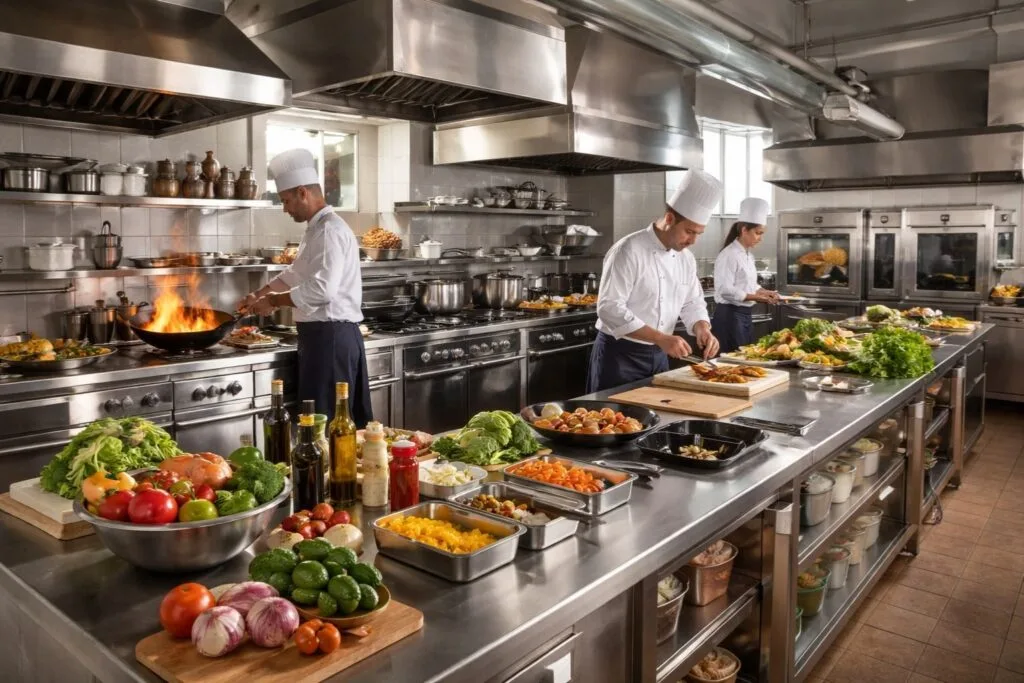
Let me set the scene for you. It’s 3 AM, and I’m standing in the back of a commercial kitchen in Nashville, watching as a team of chefs move like a well-oiled machine, except this machine is fueled by ghee, masala, and what feels like pure adrenaline. The air is thick with the scent of roasting spices, simmering curries, and something sweet that I can’t quite place. A wedding planner just called in a last-minute change: the groom’s side wants an extra 200 servings of biryani, and the bride’s family has decided to add a live chaat counter. Oh, and did I mention this is all happening in about 12 hours?
If you’ve ever attended an Indian wedding, you know the food is more than just a meal, it’s an experience. A spectacle. A love letter to flavor, tradition, and sheer abundance. But what you don’t see is the orchestrated chaos happening behind the scenes in the commercial kitchens that make it all possible. How do these kitchens handle the scale, the complexity, and the emotional weight of feeding thousands of guests with dishes that often require hours of prep and precision? That’s what we’re diving into today. And honestly, I’m still wrapping my head around it myself.
I’ve spent the last few months talking to chefs, kitchen managers, and caterers who specialize in Indian weddings. I’ve toured facilities, asked a million questions (some of them probably stupid), and even rolled up my sleeves to help with prep a few times, though let’s be real, I’m no chef. What I’ve learned is that handling Indian wedding catering demands isn’t just about cooking. It’s about logistics, psychology, cultural nuance, and a whole lot of problem-solving on the fly. By the end of this, you’ll never look at a plate of butter chicken the same way again.
So, whether you’re a curious foodie, a future bride or groom planning your big day, or someone who’s ever wondered how the sausage (or in this case, the samosa) gets made, stick around. We’re going deep into the world of commercial kitchens and the wild, wonderful, and sometimes overwhelming demands of Indian wedding catering.
The Scale of the Challenge: Why Indian Wedding Catering is a Beast of Its Own
Numbers That Make Your Head Spin
First, let’s talk about the sheer scale of Indian weddings. I’m not exaggerating when I say that feeding 500 to 2,000 guests (or more) in a single event is pretty standard. And we’re not talking about a simple buffet of chicken and rice. Oh no. A typical Indian wedding menu can include 15 to 30 different dishes, ranging from appetizers and mains to desserts and live-action stations. That’s not even counting the regional variations, North Indian, South Indian, Punjabi, Gujarati, Bengali, the list goes on. Each comes with its own set of must-have dishes, cooking techniques, and presentation styles.
For example, a North Indian wedding might feature a live tandoor station for naan and kebabs, a chaat counter with pani puri and bhel puri, multiple curries (butter chicken, dal makhani, paneer tikka masala), biryani, raita, and a dessert spread that includes gulab jamun, jalebi, and kheer. South Indian weddings, on the other hand, might lean into dosas, sambar, coconut-based curries, and payasam. And let’s not forget the vegetarian vs. non-vegetarian divide, which adds another layer of complexity to the planning.
Now, imagine prepping all of that for 1,000 people. In a single day. In a kitchen that wasn’t necessarily designed for this kind of volume. It’s enough to make even the most seasoned chef break out in a cold sweat. And yet, somehow, it happens. Every weekend. All year round. How?
The Emotional Stakes: More Than Just a Meal
Here’s the thing about Indian weddings: the food isn’t just about sustenance. It’s about honor, tradition, and family pride. I remember talking to a chef in Chicago who told me, “If the food isn’t perfect, it’s not just a bad meal, it’s a reflection on the family. People will talk about it for years.” That’s a lot of pressure to put on a plate of food.
This emotional weight means that commercial kitchens can’t just treat Indian wedding catering like any other event. There’s a cultural sensitivity required that goes beyond the usual customer service. For example, certain dishes might need to be prepared in a specific way to honor family traditions. A bride’s grandmother might insist on making the gajar ka halwa herself, which means the kitchen has to find a way to incorporate it into the menu without disrupting the flow of service. Or a family might request that a particular dish be served first because it holds sentimental value. These aren’t just requests, they’re non-negotiable cultural expectations.
And then there’s the issue of waste. Indian weddings are notorious for their abundance, and while no one wants to run out of food, overestimating can lead to massive waste. I’ve seen kitchens struggle with this balance, how do you ensure there’s enough for everyone without ending up with 500 uneaten samosas? It’s a delicate dance, and one that requires a deep understanding of the community you’re serving.
The Logistical Nightmare: Timing, Space, and Manpower
Let’s break down the logistical challenges. First, there’s the timing. Indian weddings often span multiple days, with different events requiring different menus. A sangeet might call for lighter, finger-food-style dishes, while the reception demands a full, sit-down meal. And then there’s the baraat, where the groom’s procession is often greeted with a lavish spread. Each of these events might have its own set of dishes, prep timelines, and service requirements.
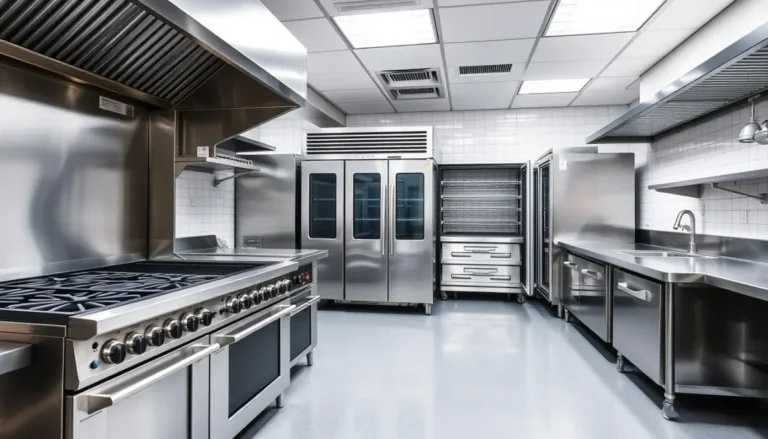
Then there’s the space. Most commercial kitchens aren’t built to handle the volume of an Indian wedding. We’re talking about industrial-sized pots for biryani that can hold 50 pounds of rice, tandoors that take up an entire corner of the kitchen, and spice grinders that sound like jet engines. And don’t even get me started on the refrigeration needs. You can’t just toss 200 pounds of marinated chicken into a standard walk-in fridge and call it a day. These kitchens need customized storage solutions to keep ingredients fresh and organized.
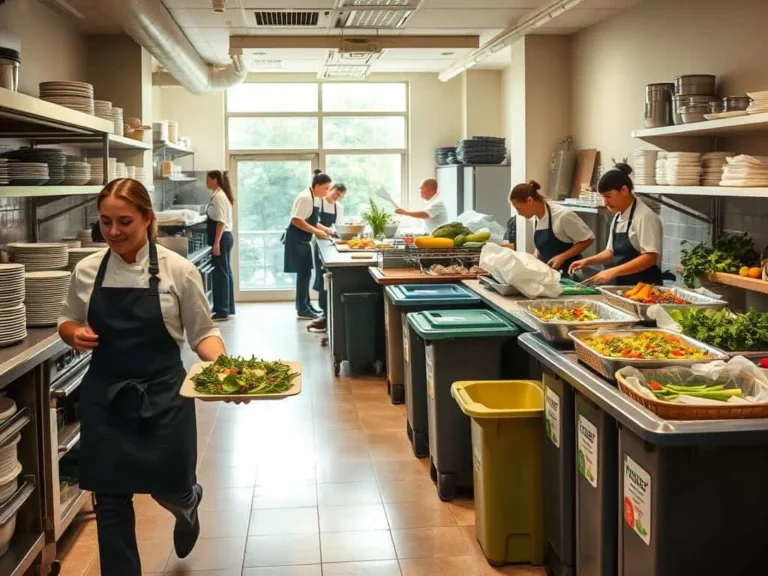
And let’s not forget the manpower. Indian wedding catering isn’t a one-person job. It’s a symphony of roles: head chefs who oversee the menu and taste-test every dish, prep cooks who chop, marinate, and assemble, tandoor specialists who handle the naan and kebabs, dessert chefs who churn out sweets by the hundreds, and service staff who plate and serve with precision. And all of this has to happen in a space that’s often not much bigger than your average restaurant kitchen. It’s like trying to fit an orchestra into a closet and expecting them to sound good.
The Prep Work: How Kitchens Plan for the Chaos
Menu Planning: The Art of the Possible
So, how do commercial kitchens even begin to tackle this? It starts with the menu, and let me tell you, menu planning for an Indian wedding is like playing 4D chess. You’re not just thinking about what dishes to include, you’re thinking about how they’ll be prepped, cooked, stored, transported, and served. And you’re doing all of this while balancing the family’s expectations, the kitchen’s capabilities, and the budget.
First, there’s the cultural checklist. Certain dishes are non-negotiable. If it’s a Punjabi wedding, you’d better have butter chicken, dal makhani, and sarson ka saag. If it’s a South Indian wedding, dosa, sambar, and coconut rice are must-haves. But within those categories, there’s room for customization. Maybe the family wants a fusion twist, like a butter chicken pizza or a deconstructed rasmalai. Or maybe they want to include a dish that’s specific to their regional sub-community, like a Maharashtrian varan bhaat or a Goan vindaloo.
Then there’s the practical checklist. Can the kitchen handle live stations? Do they have enough burners to simmer multiple curries at once? Is there enough fridge space for all the marinated meats and prepped veggies? And perhaps most importantly, can the dishes be prepped ahead of time without losing quality? Some dishes, like biryani or curries, actually taste better when they’re made a day in advance and reheated. Others, like naan or dosa, need to be made fresh. The menu has to account for all of this.
I remember talking to a caterer in Houston who told me about a wedding where the family insisted on having 12 different types of bread-naan, roti, paratha, kulcha, you name it. The kitchen had to figure out how to bake all of them fresh without overwhelming the tandoor or the griddle. Their solution? Pre-cook some of the breads, freeze them, and then reheat them on-site. It wasn’t ideal, but it worked. That’s the kind of creative problem-solving that happens behind the scenes.
The Timeline: A Symphony of Prep
Once the menu is locked in, the real work begins: prep. And let me tell you, prep for an Indian wedding isn’t something that happens the day before. It starts weeks in advance. Here’s a rough breakdown of how it typically goes:
- 4-6 Weeks Out: Finalize the menu, order ingredients, and start prepping anything that can be frozen or stored long-term. This might include marinating meats, making spice blends, or pre-cooking certain components of dishes, like the base for curries.
- 2 Weeks Out: Begin bulk prep. This is when the kitchen starts cooking dishes that can be made ahead of time and reheated, like biryani, curries, and some desserts. They’ll also start prepping chutneys, raitas, and pickles, which often need time to develop their flavors.
- 1 Week Out: Finalize headcounts, adjust quantities, and begin portioning. This is also when the kitchen starts prepping fresh ingredients that can’t be stored long-term, like chopping vegetables or making dough for breads.
- 3 Days Out: Begin assembling dishes. Curries are finished, biryani is layered and cooked, and desserts are prepped. The kitchen also starts setting up any live stations, like the tandoor or chaat counter, and ensures all equipment is in working order.
- 1 Day Out: Final touches. Dishes are reheated, garnishes are prepped, and everything is portioned out for transport. The kitchen also does a dry run of the service to make sure everything is timed correctly.
- Day Of: The chaos begins. Dishes are transported to the venue, final cooking happens on-site, and the kitchen team works like a well-oiled machine to plate and serve everything on time.
It’s a lot. And that’s assuming everything goes according to plan. Which, let’s be real, it rarely does.
The Ingredient Game: Sourcing and Storage
Let’s talk about ingredients. Indian cooking relies on a massive variety of spices, herbs, and specialty items, many of which aren’t readily available in your average grocery store. We’re talking about fresh curry leaves, whole spices like cardamom and cloves, ghee, paneer, and regional ingredients like kokum or amchur. Sourcing these ingredients in bulk is a challenge in itself, especially if the wedding is in a city with a smaller Indian community.
I remember visiting a kitchen in Atlanta where the chef was stressing over a last-minute order of fresh fenugreek leaves (methi) for a dish. The usual supplier had run out, and they were scrambling to find an alternative. In the end, they had to adjust the recipe slightly, but it was a reminder of how fragile the supply chain can be. These kitchens often work with specialty importers to ensure they have a steady supply of ingredients, but even then, things can go wrong.
And then there’s the storage. You can’t just toss 50 pounds of paneer into a fridge and call it a day. Indian ingredients often require specific storage conditions. For example, fresh curry leaves need to be stored in a way that keeps them from drying out, while whole spices need to be kept in airtight containers to preserve their potency. And let’s not forget the marinated meats, which need to be stored at precise temperatures to prevent spoilage. Many commercial kitchens invest in customized storage solutions, like walk-in fridges with adjustable shelving or dedicated spice racks, to keep everything organized and fresh.
Oh, and did I mention the dairy? Indian cooking uses a lot of dairy, ghee, yogurt, paneer, cream, and all of it needs to be stored carefully to prevent contamination. Some kitchens even have dedicated dairy fridges to keep everything separate and safe.
The Day Of: Chaos, Creativity, and a Whole Lot of Ghee
Transportation: The Great Logistical Puzzle
The day of the wedding is when the real fun begins. First, there’s the transportation. Getting hundreds of pounds of food from the kitchen to the venue is no small feat. Most commercial kitchens use insulated food carriers, hot boxes, and chafing dishes to keep food at the right temperature during transit. But even then, things can go wrong. I’ve heard stories of traffic jams causing delays, of dishes arriving cold because the hot boxes weren’t properly insulated, and of entire trays of food getting tipped over in transit. It’s a nightmare scenario, but one that kitchens have to plan for.
Some kitchens mitigate this risk by prepping on-site. They’ll transport raw ingredients and cook everything at the venue, using portable kitchen setups with burners, tandoors, and griddles. This is especially common for live stations, like the chaat counter or the tandoor. But even then, you’re dealing with the logistical challenge of setting up a temporary kitchen in a space that wasn’t designed for it. I’ve seen kitchens set up in parking lots, in hotel ballrooms, and even in the back of a truck. It’s not pretty, but it works.
And let’s not forget the equipment. If the venue doesn’t have a tandoor, the kitchen has to bring one. If they need a griddle for dosas, they have to bring that too. And all of this equipment needs to be set up, tested, and ready to go by the time the guests arrive. It’s like moving an entire restaurant for a single event.
On-Site Execution: The Art of the Hustle
Once the food arrives at the venue, the real work begins. The kitchen team has to reheat dishes, finish cooking anything that needs to be made fresh, and plate everything in a way that looks as good as it tastes. And they have to do all of this while dealing with last-minute changes, like a sudden increase in headcount or a family member insisting on adding a new dish to the menu.
I’ve seen kitchens handle this in a few different ways. Some set up a central plating station, where dishes are portioned out and then handed off to servers. Others use a buffet-style setup, where guests serve themselves from large chafing dishes. And then there are the live stations, like the tandoor or the chaat counter, where food is prepared to order. Each of these setups has its own challenges. For example, a buffet requires careful monitoring to ensure dishes don’t run out, while live stations require skilled chefs who can work quickly and efficiently under pressure.
And let’s not forget the timing. Indian weddings often have multiple courses, with appetizers served during the cocktail hour, mains during the reception, and desserts at the end. The kitchen has to coordinate with the event staff to ensure everything is served at the right time. This means staggering the cooking so that dishes are ready when they’re needed, and not a minute before. It’s a delicate balance, and one that requires constant communication between the kitchen and the event team.
Oh, and did I mention the family? Because trust me, they’ll be in the kitchen. I’ve seen everything from well-meaning aunties offering unsolicited advice to uncles insisting on taste-testing every dish. It’s a lot to handle, but the best kitchens find a way to make it work. They’ll assign a dedicated liaison to interact with the family, answer questions, and handle any last-minute requests. It’s not just about cooking, it’s about managing expectations and keeping everyone happy.
The Unsung Heroes: The Kitchen Staff
Let’s take a moment to talk about the people who make all of this possible: the kitchen staff. These are the folks who work tirelessly behind the scenes, often for 12+ hours a day, to ensure that every dish is perfect. And let me tell you, it’s not easy. Indian wedding catering is physically demanding. We’re talking about standing for hours over a hot tandoor, lifting 50-pound bags of rice, and chopping vegetables by the hundreds. It’s a labor of love, but it’s also a labor of sheer willpower.
I remember talking to a chef in New York who told me about a wedding where the kitchen staff had to hand-roll 1,000 samosas the day before the event. That’s 1,000 samosas, each one folded and filled by hand. And they had to do it while also prepping curries, desserts, and all the other dishes on the menu. It’s a level of dedication that’s hard to fathom, but it’s what makes these events possible.
And it’s not just about the physical labor. These chefs also have to be culturally sensitive. They need to understand the significance of each dish, the traditions behind them, and the expectations of the family. For example, in some communities, it’s considered bad luck to taste the food before the wedding ceremony. In others, certain dishes have to be prepared in a specific way to honor the family’s heritage. The best chefs know how to navigate these nuances with grace and respect.
But perhaps the most impressive thing about these kitchen teams is their ability to adapt. No matter how much you plan, something will go wrong. A dish will burn, an ingredient will run out, or a family member will change their mind at the last minute. And when that happens, the kitchen staff has to think on their feet. They’ll adjust recipes, improvise with what they have, and find a way to make it work. It’s a skill that can’t be taught, it’s something you develop through years of experience.
The Tools of the Trade: Equipment That Makes It All Possible
Industrial-Sized Everything
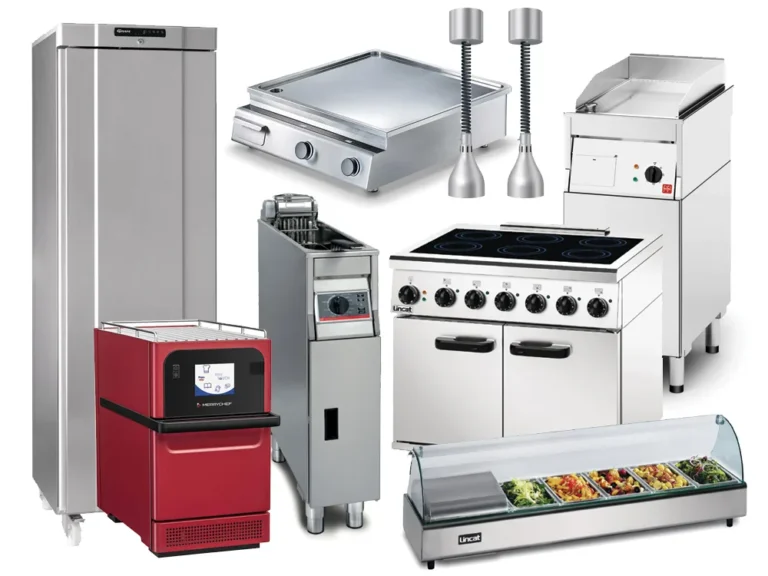
Let’s talk about the equipment that makes Indian wedding catering possible. Because let’s be real, you can’t cook 1,000 servings of biryani in a standard home kitchen. These commercial kitchens rely on industrial-sized appliances that are built to handle the volume and intensity of large-scale events.
First, there’s the tandoor. This isn’t your average backyard grill. We’re talking about a massive, cylindrical oven that can reach temperatures of up to 900°F. It’s used for everything from naan and roti to kebabs and tandoori chicken. Some kitchens have multiple tandoors to handle the volume, while others rely on portable tandoors that can be transported to the venue. Either way, it’s a centerpiece of the kitchen, and it requires a skilled chef to operate.
Then there are the industrial-sized pots and pans. We’re talking about 50-gallon stock pots for curries, giant woks for stir-fries, and huge griddles for dosas and parathas. These aren’t the kind of pots you can just toss in the sink and wash by hand. They require specialized cleaning equipment and a lot of elbow grease. And let’s not forget the steamers, which are used for everything from idlis to dumplings. These kitchens need multiple steamers to handle the volume, and they have to be carefully monitored to ensure they don’t run out of water or overcook the food.
And then there’s the refrigeration. We’re not talking about a standard walk-in fridge here. These kitchens need customized refrigeration solutions to store all the ingredients, marinated meats, and prepped dishes. Some kitchens have dedicated fridges for dairy, separate fridges for meats and veggies, and even temperature-controlled spice racks to keep ingredients fresh. It’s a lot to manage, but it’s essential for keeping everything organized and safe.
The Rise of Smart Kitchen Tech
In recent years, smart kitchen technology has started to make its way into commercial kitchens, and it’s changing the game for Indian wedding catering. We’re talking about temperature-controlled transport containers that keep food at the perfect temperature during transit, smart ovens that can be programmed to cook dishes to perfection, and inventory management systems that help kitchens track ingredients and reduce waste.
For example, some kitchens now use IoT-enabled sensors to monitor the temperature of fridges and freezers in real-time. If the temperature starts to rise, the system sends an alert to the kitchen staff, allowing them to take action before the food spoils. Other kitchens use AI-powered inventory systems to track ingredient usage and predict when they’ll need to reorder. This helps reduce waste and ensures that the kitchen never runs out of a key ingredient at the last minute.
And then there are the digital ordering systems, which allow caterers to manage orders, track headcounts, and adjust menus on the fly. These systems can be a lifesaver when dealing with last-minute changes, like a sudden increase in guests or a family member requesting a new dish. They also help streamline communication between the kitchen and the event staff, ensuring that everyone is on the same page.
But perhaps the most exciting development is the rise of cloud kitchens. These are shared commercial kitchen spaces that caterers can rent by the hour, giving them access to industrial-sized equipment without the overhead of a full-time kitchen. This is especially useful for smaller caterers who might not have the resources to invest in their own equipment. It’s a game-changer for the industry, and it’s making Indian wedding catering more accessible than ever.
The Workhorses: Small but Mighty Tools
Of course, not everything in a commercial kitchen is industrial-sized. There are also a lot of small but mighty tools that play a crucial role in Indian wedding catering. For example, spice grinders are essential for freshly grinding whole spices, which is key to achieving the authentic flavors of Indian cuisine. Then there are the mortar and pestles, which are used for everything from crushing garlic to making chutneys. And let’s not forget the tandoor skewers, which are used to cook kebabs and tandoori chicken to perfection.
And then there are the knives. Oh, the knives. Indian cooking requires a wide variety of knives, from the vegetable chopper (a curved blade used for chopping onions and herbs) to the meat cleaver (used for cutting through bones). These knives need to be sharpened regularly to ensure they’re up to the task, and they require a skilled hand to use safely. I’ve seen chefs chop vegetables so quickly that their hands become a blur, it’s like watching a culinary magic trick.
And let’s not forget the tandoor tools. Cooking in a tandoor requires a specific set of tools, like long skewers for kebabs, naan paddles for sliding bread into the oven, and tongs for retrieving food. These tools are essential for working safely and efficiently in a tandoor, and they require a lot of practice to master.
The Challenges: What Keeps Chefs Up at Night
Last-Minute Changes: The Bane of Every Chef’s Existence
If there’s one thing that every chef I’ve talked to agrees on, it’s this: last-minute changes are the worst. And in Indian wedding catering, they’re inevitable. Whether it’s a sudden increase in headcount, a family member requesting a new dish, or a venue change that throws off the entire timeline, last-minute changes are a fact of life. And they can throw even the most well-planned kitchen into chaos.
I remember talking to a caterer in Toronto who told me about a wedding where the family decided, two days before the event, that they wanted to add a live dosa station. The kitchen had to scramble to source the ingredients, find a chef who could operate the griddle, and adjust the rest of the menu to accommodate the change. It was a logistical nightmare, but they made it work. How? By reprioritizing tasks, bringing in extra staff, and improvising with what they had. It’s not pretty, but it’s what happens when you’re dealing with the unpredictability of Indian weddings.
And then there are the headcount changes. Nothing throws off a kitchen like a sudden increase in guests. I’ve seen kitchens have to double their portions at the last minute, which means sourcing more ingredients, adjusting recipes, and rethinking the entire service plan. It’s a lot to handle, but the best kitchens have contingency plans in place. They’ll always order 10-15% more ingredients than they think they’ll need, just in case. And they’ll have backup dishes ready to go in case something goes wrong.
But perhaps the most frustrating last-minute change is the menu tweak. You know the one: a family member tastes a dish and decides it’s not quite right, so they ask the kitchen to adjust the recipe. It’s a delicate situation, because on the one hand, you want to keep the family happy. On the other hand, you’re dealing with hundreds of pounds of prepped food, and changing the recipe at the last minute can be a logistical nightmare. The best kitchens handle this by assigning a dedicated liaison to work with the family, taste-test dishes, and make adjustments before the food is prepped in bulk.
Food Safety: The Invisible Battle
Let’s talk about food safety. Because when you’re cooking for thousands of people, the stakes are high. One mistake, like undercooking meat or storing dairy at the wrong temperature, can lead to foodborne illness, which is every caterer’s worst nightmare. And in Indian wedding catering, the risks are even higher because of the sheer volume of food, the variety of ingredients, and the complexity of the dishes.
For example, marinated meats are a staple of Indian cuisine, but they’re also a food safety risk if they’re not handled properly. Meats need to be marinated at the right temperature, stored in the right containers, and cooked to the right internal temperature to ensure they’re safe to eat. And then there’s the dairy. Indian cooking uses a lot of dairy, ghee, yogurt, paneer, cream, and all of it needs to be stored carefully to prevent contamination. Some kitchens even have dedicated dairy fridges to keep everything separate and safe.
And let’s not forget the spices. While spices themselves aren’t a food safety risk, they can be a cross-contamination hazard if they’re not stored properly. For example, if you’re using the same cutting board for raw meat and spices, you could end up with bacteria spreading to your spice blends. That’s why many kitchens have separate prep areas for meats and veggies, and they use color-coded cutting boards to prevent cross-contamination.
Then there’s the transportation. Getting food from the kitchen to the venue is a food safety minefield. Dishes need to be kept at the right temperature during transit, which means using insulated food carriers, hot boxes, and chafing dishes. And even then, things can go wrong. I’ve heard stories of dishes arriving cold because the hot boxes weren’t properly insulated, or of food spoiling because the kitchen didn’t account for traffic delays. It’s a lot to manage, but it’s essential for keeping guests safe.
And finally, there’s the service. Once the food arrives at the venue, it needs to be kept at the right temperature until it’s served. This means using chafing dishes for hot food and ice baths for cold dishes. It also means monitoring the food throughout the event to ensure it doesn’t sit out too long. The best kitchens assign a dedicated staff member to monitor food safety during service, ensuring that everything is handled properly and that guests stay safe.
The Pressure to Be Perfect
Let’s be real: the pressure to be perfect is intense. Indian weddings are a big deal, and the food is a huge part of the experience. If the food isn’t perfect, it’s not just a bad meal, it’s a reflection on the family, the caterer, and the entire event. And in a culture where word of mouth is everything, one bad experience can have a ripple effect that lasts for years.
I remember talking to a chef in San Francisco who told me about a wedding where the biryani was undercooked. It was a disaster. The family was furious, the guests were disappointed, and the caterer had to comp the entire meal. But here’s the thing: the chef didn’t let it break him. Instead, he used it as a learning experience. He revamped his prep process, invested in better equipment, and hired more staff to ensure it never happened again. It’s that kind of resilience that separates the good caterers from the great ones.
But the pressure isn’t just about the food. It’s also about the experience. Indian weddings are a sensory overload, and the food is a huge part of that. The best kitchens understand this, and they go above and beyond to create an experience that’s memorable for all the right reasons. Whether it’s a live chaat counter with a flamboyant chef, a tandoor station where guests can watch their naan being made, or a dessert spread that looks like it belongs in a magazine, these kitchens know how to create a spectacle.
And then there’s the personal touch. The best caterers understand that Indian weddings are about family, tradition, and love, and they find ways to incorporate that into the food. Whether it’s a signature dish that’s been passed down through generations, a custom dessert that tells the couple’s love story, or a live cooking demonstration that honors the family’s heritage, these personal touches make all the difference.
The Future of Indian Wedding Catering: Trends and Innovations
Fusion and Customization: The New Normal
Let’s talk about the future. Because if there’s one thing I’ve learned, it’s that Indian wedding catering is constantly evolving. And one of the biggest trends I’m seeing is the rise of fusion and customization. Couples are no longer content with a standard North Indian or South Indian menu. They want unique, personalized experiences that reflect their tastes, their heritage, and their love story.
For example, I’ve seen weddings where the menu includes butter chicken pizza, tandoori tacos, or deconstructed gulab jamun. These dishes might sound gimmicky, but they’re a reflection of the blending of cultures that’s happening in modern Indian weddings. Couples are embracing their heritage while also making it their own, and the food is a huge part of that.
And then there’s the customization. Couples are no longer satisfied with a one-size-fits-all menu. They want personalized dishes that tell their story. Maybe it’s a signature cocktail that incorporates the couple’s favorite flavors, or a custom dessert that features their names or wedding date. Some couples are even working with caterers to create entirely new dishes that are unique to their wedding. It’s a level of personalization that was unheard of a decade ago, but it’s becoming the new normal.
But here’s the thing: fusion and customization are hard. They require a deep understanding of both Indian and non-Indian cuisines, as well as the creativity to blend them in a way that’s delicious and authentic. And they require a kitchen that’s flexible enough to handle the unpredictability of custom dishes. It’s a challenge, but it’s one that the best caterers are embracing with open arms.
Sustainability: The Next Frontier
Another big trend I’m seeing is the rise of sustainability. Indian weddings are notorious for their waste, and couples are starting to take notice. They’re looking for ways to reduce their environmental impact, whether it’s by minimizing food waste, using eco-friendly packaging, or sourcing ingredients locally. And caterers are stepping up to the challenge.
For example, some caterers are now offering compostable plates and cutlery, which can be a game-changer for large events. Others are working with local farms to source ingredients, reducing the carbon footprint of the food. And some are even donating leftover food to local shelters, ensuring that nothing goes to waste.
But sustainability isn’t just about the environment. It’s also about economic sustainability. Indian weddings are expensive, and couples are looking for ways to cut costs without sacrificing quality. This is where smart kitchen technology comes in. By using inventory management systems and AI-powered ordering tools, caterers can reduce waste, streamline operations, and pass those savings on to the couple.
And then there’s the cultural shift. In the past, Indian weddings were all about abundance and excess. But younger generations are starting to question that mindset. They’re looking for ways to celebrate their love without contributing to waste, and they’re turning to caterers for help. It’s a shift that’s still in its early stages, but it’s one that I think will only grow in the coming years.
Technology: The Great Equalizer
Finally, let’s talk about technology. Because if there’s one thing that’s changing the game for Indian wedding catering, it’s tech. From digital ordering systems to smart kitchen appliances, technology is making it easier than ever for caterers to handle the demands of large-scale events.
For example, cloud kitchens are becoming increasingly popular. These are shared commercial kitchen spaces that caterers can rent by the hour, giving them access to industrial-sized equipment without the overhead of a full-time kitchen. This is especially useful for smaller caterers who might not have the resources to invest in their own equipment. It’s a game-changer for the industry, and it’s making Indian wedding catering more accessible than ever.
And then there are the digital ordering systems. These tools allow caterers to manage orders, track headcounts, and adjust menus on the fly. They can be a lifesaver when dealing with last-minute changes, like a sudden increase in guests or a family member requesting a new dish. They also help streamline communication between the kitchen and the event staff, ensuring that everyone is on the same page.
But perhaps the most exciting development is the rise of AI and automation. Some kitchens are now using AI-powered inventory systems to track ingredient usage and predict when they’ll need to reorder. Others are using automated cooking equipment to ensure that dishes are cooked to perfection every time. And some are even using virtual reality to train staff, giving them a hands-on experience without the risk of mistakes.
Of course, technology isn’t a magic bullet. It can’t replace the skill, creativity, and cultural sensitivity that are essential to Indian wedding catering. But it can make the process more efficient, more sustainable, and more accessible. And that’s a win for everyone.
Final Thoughts: The Heart Behind the Chaos
So, what’s the takeaway from all of this? At the end of the day, Indian wedding catering is about more than just food. It’s about love, tradition, and family. It’s about creating an experience that’s memorable, meaningful, and delicious. And it’s about the unsung heroes-the chefs, the kitchen staff, the caterers, who work tirelessly behind the scenes to make it all happen.
I’ll admit, when I first started researching this topic, I was overwhelmed. The scale, the complexity, the emotional weight, it’s a lot to take in. But the more I learned, the more I realized that there’s a method to the madness. There’s a science to the prep, a strategy to the execution, and a heart behind every dish. And that’s what makes Indian wedding catering so special.
So, the next time you’re at an Indian wedding, take a moment to appreciate the food. Not just for the flavors, but for the love and effort that went into making it. And if you’re planning your own wedding, remember: the kitchen is your ally. They’re not just cooking your food, they’re helping you create a memory that will last a lifetime.
And with that, I’ll leave you with a question: What’s the most memorable dish you’ve ever had at an Indian wedding? For me, it’s the gajar ka halwa my grandmother used to make. It wasn’t fancy, but it was made with love, and that’s what made it special. Drop your stories in the comments, I’d love to hear them.
FAQ
Q: How far in advance do commercial kitchens start prepping for an Indian wedding?
A: Most commercial kitchens start prepping 4-6 weeks in advance, with bulk prep beginning around 2 weeks out. This timeline allows them to handle the volume and complexity of an Indian wedding menu, which often includes dishes that need to be marinated, slow-cooked, or aged for optimal flavor. However, the exact timeline can vary depending on the size of the event, the complexity of the menu, and the kitchen’s capacity. For example, a smaller wedding with a simpler menu might only require 2-3 weeks of prep, while a large, multi-day event with a complex menu could require 2 months or more.
Q: What are the biggest challenges commercial kitchens face when catering Indian weddings?
A: The biggest challenges include last-minute changes (like sudden increases in headcount or menu tweaks), food safety (handling large volumes of marinated meats, dairy, and spices), and logistics (transporting food to the venue while keeping it at the right temperature). Other challenges include cultural expectations (honoring family traditions and preferences), equipment limitations (working in kitchens that weren’t designed for large-scale events), and manpower (coordinating a large team of chefs, prep cooks, and service staff). Each of these challenges requires careful planning, flexibility, and a lot of problem-solving on the fly.
Q: How do commercial kitchens handle last-minute changes to the menu or headcount?
A: The best kitchens have contingency plans in place to handle last-minute changes. For example, they might order 10-15% more ingredients than they think they’ll need, just in case the headcount increases. They might also have backup dishes ready to go in case a family member requests a new dish or a last-minute menu tweak. For headcount changes, kitchens often adjust portion sizes or add more servers to ensure everyone is fed. For menu changes, they might reprioritize tasks, bring in extra staff, or improvise with what they have. It’s not always pretty, but the best kitchens find a way to make it work.
Q: What equipment is essential for a commercial kitchen catering Indian weddings?
A: Essential equipment includes industrial-sized tandoors (for naan, kebabs, and tandoori chicken), large stock pots (for curries and biryani), giant woks and griddles (for stir-fries, dosas, and parathas), steamers (for idlis and dumplings), and customized refrigeration (for storing marinated meats, dairy, and prepped ingredients). Other important tools include spice grinders, mortar and pestles, tandoor skewers, and a wide variety of knives (for chopping vegetables, meats, and herbs). Many kitchens also invest in smart kitchen technology, like temperature-controlled transport containers and inventory management systems, to streamline operations and reduce waste.
@article{behind-the-scenes-how-commercial-kitchens-tackle-the-madness-of-indian-wedding-catering-demands,
    title   = {Behind the Scenes: How Commercial Kitchens Tackle the Madness of Indian Wedding Catering Demands},
    author  = {Chef's icon},
    year    = {2026},
    journal = {Chef's Icon},
    url     = {https://chefsicon.com/how-commercial-kitchens-handle-indian-wedding-catering-demands/}
}