The Best Fluffy Pancakes recipe you will fall in love with. Full of tips and tricks to help you make the best pancakes.
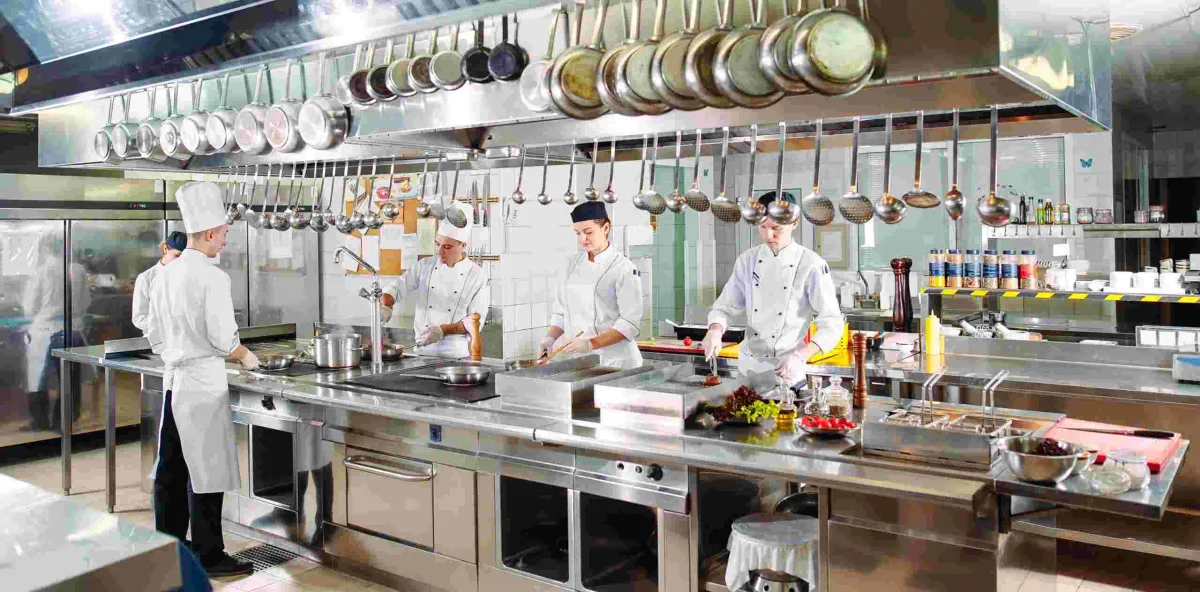
You ever walk into a restaurant, take one look at the open kitchen, and suddenly feel like the food’s gonna taste better? Or maybe you’ve noticed how some dishes just *hit different* when you eat them in a certain spot, like that tiny ramen shop with the steamy windows or the farm-to-table place with the giant wood-fired oven right in the middle of the dining room. It’s not just in your head. Well, actually, it kind of is, but not in the way you think.
I’ve spent the last decade bouncing between kitchens, from high-end restaurants in the Bay Area to food trucks in Nashville, and one thing’s become painfully clear: commercial kitchen design doesn’t just affect efficiency or workflow, it shapes how we taste food. And I don’t mean in some abstract, “vibes-based” way. I’m talking about cold, hard science. The layout of a kitchen, the equipment you use, even the color of the walls can tweak your brain’s flavor perception before the food even hits the plate. It’s wild, and honestly, a little unsettling if you think about it too much.
Take my first real gig out of culinary school. I was working the line at this upscale Italian spot in San Francisco, and we had this *gorgeous* custom pizza oven, brick-lined, wood-fired, the whole nine yards. The chef insisted on keeping it right in the dining room, visible from every table. At first, I thought it was just for show. But then I noticed something weird: customers would rave about the pizza’s “smoky depth” even when we were using the same dough, same sauce, same cheese as the place down the street. The only difference? They could *see* the fire. They could *hear* the crackle. Their brains were primed to taste complexity that wasn’t even there, or at least, wasn’t there in the same way if they’d eaten it in a fluorescent-lit backroom.
That’s when it clicked for me. Flavor isn’t just about the ingredients. It’s about the environment. And in a commercial kitchen, that environment is *designed*-whether intentionally or not. So let’s break this down. By the end of this, you’ll never look at a restaurant kitchen (or your own setup) the same way again. We’ll cover everything from the psychology of sightlines to the acoustics of sizzling pans, and yeah, even how your choice of refrigeration can make or break a dish. Sound like overkill? Maybe. But stick with me. I promise it’ll change how you think about food.
The Psychology of the Open Kitchen: Why Seeing Your Food Being Made Makes It Taste Better
The “Transparent Kitchen” Effect
Let’s start with the most obvious design choice: the open kitchen. You’ve seen it everywhere, from fast-casual chains like Chipotle to Michelin-starred temples of gastronomy. There’s a reason for that. Studies in consumer psychology show that transparency in food preparation increases perceived quality, trust, and even flavor satisfaction. It’s not just about showing off your fancy equipment (though, let’s be real, a gleaming combi oven is *chef’s porn*). It’s about triggering a cascade of psychological responses that prime your brain to enjoy the food more.
Here’s how it works: When you watch your food being made, your brain starts releasing dopamine *before* you even take a bite. It’s the same reason watching cooking shows can make you hungry, your body is anticipating the reward. But in an open kitchen, that anticipation is tied to *specific* sensory cues: the sound of a knife chopping, the smell of garlic hitting hot oil, the sight of a perfectly seared steak. Those cues create a multisensory expectation, and when the food finally arrives, your brain is already halfway to thinking it’s delicious. It’s like your taste buds get a head start.
But here’s the kicker: **this effect is strongest when the kitchen looks *effortless*. A chaotic, messy open kitchen can backfire, making customers anxious instead of excited. That’s why places like Chef’s Deal (who, by the way, offer free kitchen design services to help you nail this balance) emphasize clean sightlines and organized workflows** in their layouts. You want customers to see the *process*, not the panic. A well-designed open kitchen should feel like a performance, controlled, intentional, and just a little bit magical.
I learned this the hard way when I helped design a pop-up restaurant in Nashville a few years back. We went all-in on the open kitchen concept, but we didn’t account for the fact that our line cooks were *not* performers. The first night, a customer actually asked if we were arguing when we were just trying to coordinate tickets. Not exactly the vibe we were going for. We ended up rearranging the equipment to hide the ticket rail and adding a counter-height barrier to give the cooks a little more privacy. The difference was night and day. Suddenly, people weren’t just watching, they were *engaged*. And yeah, the food tasted better to them. Or at least, that’s what they told us.
The Role of Sightlines in Flavor Perception
Not all open kitchens are created equal. The *angle* at which customers see the cooking process matters, a lot. Research in environmental psychology suggests that diagonal sightlines (where customers can see the kitchen at a 45-degree angle) are more engaging than straight-on views. Why? Because it creates a sense of depth and movement. It’s like watching a movie in 3D versus 2D. Your brain has to work a little harder to process the scene, which makes the experience feel more immersive.
This is why you’ll often see high-end sushi bars with chefs working at a counter that wraps around the diners. It’s not just for show, it’s design psychology. When you can see the chef’s hands moving, the knife skills, the way the rice is shaped, your brain starts to associate the food with *craftsmanship*. And craftsmanship, in our minds, equals better flavor. It’s the same reason artisanal bread tastes better when you watch it being pulled from a wood-fired oven. Your brain is filling in the gaps with positive associations.
But here’s where it gets tricky: not every kitchen can pull off a 360-degree view. And that’s okay. Even a small window into the kitchen, like a pass-through or a strategically placed mirror, can create the same effect. The key is to highlight the most visually appealing parts of the process. If you’re a pizzeria, show off the oven. If you’re a seafood spot, let people see the fish being filleted. If you’re a bakery, make sure the proofing racks are visible. It’s about curating the experience so that customers see what you *want* them to see.
I once consulted for a BBQ joint that was struggling with customer perception. They had a killer smoker, but it was tucked away in the back, out of sight. We moved it to the front of the house, right by the ordering counter, and suddenly, people were willing to pay 20% more for the same brisket. Why? Because they could *see* the smoke, *smell* the wood, *hear* the sizzle. Their brains were convinced the flavor was more complex, even though the recipe hadn’t changed. That’s the power of sightlines.
The Acoustics of Flavor: How Sound Shapes What You Taste
The Sizzle Effect
You know that sound, the hiss of a steak hitting a hot pan, the crackle of a wood-fired oven, the *snap* of a fresh vegetable being chopped. It’s not just background noise. Sound is one of the most overlooked elements of flavor perception. Studies have shown that the *acoustics* of a kitchen can actually change how we experience food. For example, the sound of sizzling meat can make it taste *juicier*, while the crunch of a potato chip can make it seem *fresher*. It’s called the ”sonic seasoning” effect, and it’s a game-changer in commercial kitchen design.
Think about it: When was the last time you ate at a restaurant where the kitchen was *silent*? Probably never. Kitchens are loud places, pans clanging, orders being shouted, music playing in the background. And all of that noise isn’t just a byproduct of the cooking process. It’s part of the flavor experience. In fact, some chefs deliberately design their kitchens to *amplify* certain sounds. Ever notice how high-end steakhouses often have open grills right in the dining room? That’s not just for show. The sound of meat sizzling on a grill triggers a primitive response in our brains, associating the food with freshness, quality, and even *safety* (because, evolutionarily speaking, cooked meat is safer to eat than raw).
But here’s the thing: not all kitchen sounds are created equal. A loud, chaotic kitchen can actually *diminish* flavor perception. Too much noise, like the constant beeping of equipment or the clatter of dishes, can overwhelm the senses and make food taste *blander*. That’s why some restaurants are starting to experiment with sound-absorbing materials in their kitchens. Acoustic panels, rubberized flooring, even strategically placed fabric can help dampen the noise without sacrificing the *good* sounds, the ones that make your mouth water.
I’ll never forget the first time I ate at a restaurant with a *completely* soundproofed kitchen. It was this tiny omakase spot in LA, and the chef worked in near-silence. No music, no clanging pans, just the quiet *shink* of a knife through fish. At first, it was unsettling. But then something weird happened: the food *tasted* different. Not better, not worse, just *different*. The flavors were more *focused*, like my brain wasn’t being distracted by all the usual kitchen noise. It was a revelation. And it made me realize just how much sound shapes our eating experience.
Music and Mood: The Soundtrack of Your Meal
If you’ve ever eaten at a restaurant with a live jazz band or a playlist that sounds like it was curated by a sommelier, you’ve experienced the power of music in flavor perception. But here’s the thing: it’s not just about the music you play in the dining room. The *soundtrack* of the kitchen itself, what the cooks hear while they’re working, can actually influence how they *cook*, which in turn affects how the food tastes.
Let me explain. Studies have shown that upbeat music can make cooks work faster, while slower tempos can make them more *methodical*. And those differences in workflow can subtly change the food. For example, a cook who’s rushing to keep up with a fast-paced playlist might not let a sauce reduce long enough, or they might overcook a steak in their haste. On the other hand, a cook who’s working to a slower beat might take their time, letting flavors develop more fully. It’s a small difference, but it adds up.
But here’s where it gets really interesting: **the music you play in the kitchen can also affect the *emotional state* of the cooks**, which in turn can influence the food. Ever notice how some kitchens feel *energetic* while others feel *tense*? That’s not just the vibe, it’s the *sound*. A kitchen with a lot of yelling and clanging pans can create stress, which can lead to mistakes, rushed plating, and even *less flavorful* food. On the other hand, a kitchen with a well-curated playlist, something that matches the energy of the menu, can make the cooks feel more *in the zone*, which can lead to better-tasting dishes.
I once worked in a kitchen where the chef insisted on playing heavy metal at full volume. At first, I thought it was just his personal preference, but then I noticed something: the food *tasted* more *aggressive*. The flavors were bolder, the spices were sharper, the dishes had more *bite*. It wasn’t a coincidence. The music was shaping the way we cooked. Now, I’m not saying you should blast Metallica in your kitchen (unless that’s your vibe), but I *am* saying that the soundtrack of your kitchen matters. And if you’re designing a commercial kitchen, it’s something you should think about.
The Temperature Paradox: How Heat and Cold Affect What You Taste
Why Your Kitchen’s Climate Control Is a Flavor Tool
Here’s a question for you: Have you ever noticed how food tastes different in the summer versus the winter? It’s not just your imagination. Temperature, both of the environment and the food itself, plays a *huge* role in flavor perception. And in a commercial kitchen, where the climate is carefully controlled (or at least, it *should* be), this effect is amplified.
Let’s start with the basics. Cold temperatures numb your taste buds. That’s why ice cream tastes *sweeter* when it’s slightly melted, your taste buds aren’t as overwhelmed by the cold. It’s also why a chilled gazpacho might taste *blander* than a warm soup, even if the ingredients are identical. On the flip side, heat enhances certain flavors, like umami and sweetness, while muting others, like bitterness. That’s why a hot cup of coffee tastes *richer* than a cold brew, even if they’re made from the same beans.
But here’s where it gets really interesting: **the temperature of the *kitchen* itself can affect how food tastes**. A kitchen that’s too hot can make cooks *rush*, leading to overcooked or under-seasoned dishes. A kitchen that’s too cold can make them *sluggish*, leading to slow service and food that sits too long before it’s served. And both of those things can *diminish* flavor.
That’s why climate control is one of the most underrated aspects of commercial kitchen design. A well-designed kitchen should have zoned temperature control, meaning different areas of the kitchen can be kept at different temperatures depending on the task. For example, the prep area should be cooler to keep ingredients fresh, while the cooking line might need to be warmer to keep the food hot. And don’t even get me started on walk-in refrigerators, if they’re not properly calibrated, they can *ruin* ingredients before they even make it to the plate.
I learned this the hard way when I was running a food truck in Nashville. Summers here are *brutal*, and our tiny kitchen had *zero* climate control. By the end of a shift, the cooks were sweating, the food was wilting, and the flavors were *muted*. We tried everything, fans, ice packs, even a makeshift AC unit, but nothing worked. Finally, we bit the bullet and invested in a portable cooling system that could keep the prep area at a consistent 65 degrees. The difference was *night and day*. Suddenly, the herbs were fresher, the sauces were brighter, and the customers could *taste* the difference. It was a game-changer.
The Goldilocks Zone: Finding the Perfect Kitchen Temperature
So, what’s the *ideal* temperature for a commercial kitchen? It depends on what you’re cooking, but here’s a general rule of thumb: The prep area should be between 60-68°F, while the cooking line should be between 70-75°F. That’s the Goldilocks zone-not too hot, not too cold, but just right for flavor development.
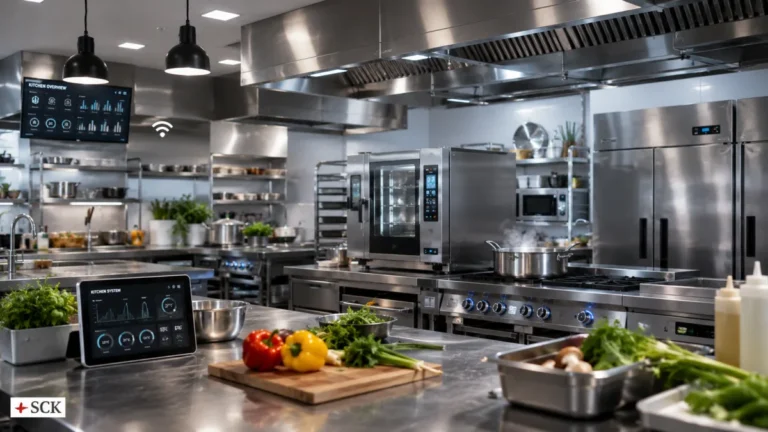
But here’s the thing: **temperature isn’t just about comfort, it’s about *consistency***. A kitchen that’s too hot one day and too cold the next will produce *inconsistent* food. And inconsistent food means *inconsistent flavor*. That’s why smart kitchen systems are becoming more popular. These systems use sensors to monitor temperature, humidity, and even air quality in real-time, adjusting the climate as needed to keep things *just right*. It’s like having a sous chef whose only job is to make sure the kitchen is always at the perfect temperature.
And let’s not forget about humidity. A kitchen that’s too dry can make ingredients *wilt*, while a kitchen that’s too humid can make them *soggy*. That’s why ventilation is so important. A good ventilation system doesn’t just remove smoke and odors, it also helps regulate humidity, keeping ingredients at their peak freshness. And when ingredients are fresh, they *taste* better. It’s that simple.
I once visited a high-end sushi restaurant in New York where the chef had installed a custom humidity control system in the prep area. The rice was stored at *exactly* 70% humidity, which kept it at the perfect texture for nigiri. The fish was kept at 60% humidity, which preserved its freshness without drying it out. And the result? The sushi *tasted* like it had been made with ingredients that were *just* caught, even though some of the fish had been frozen. It was a masterclass in how climate control can elevate flavor.
The Layout of Flavor: How Kitchen Workflow Shapes What You Taste
The Dance of the Line Cook: Why Movement Matters
Ever watched a line cook in action? It’s like a *dance*-a carefully choreographed sequence of movements that turns raw ingredients into a finished dish. And just like a dance, the *flow* of that movement can affect the *outcome*. In a commercial kitchen, workflow isn’t just about efficiency, it’s about flavor. A well-designed kitchen layout can make the difference between a dish that’s *good* and one that’s *unforgettable*.
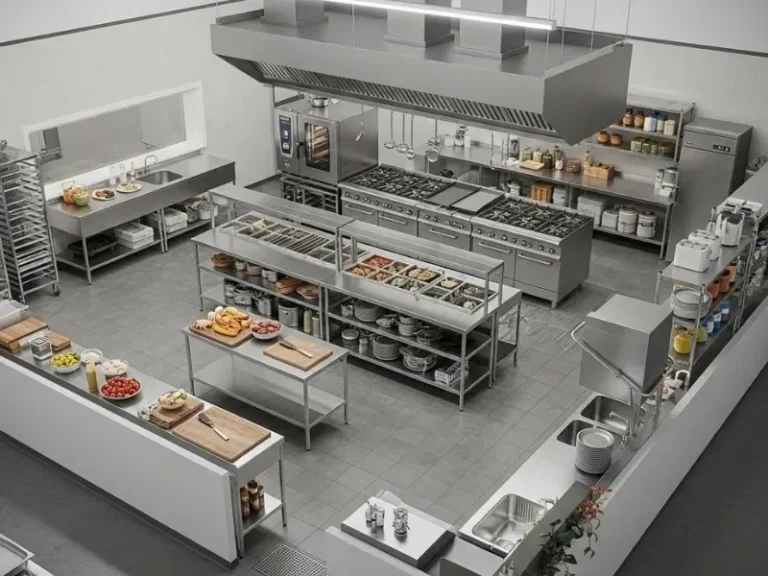
Here’s why: Every second counts in a kitchen. The longer a dish sits before it’s served, the more its flavors *diminish*. That’s why the layout of your kitchen should minimize movement and maximize speed. The classic ”kitchen triangle”-where the fridge, stove, and sink form a triangle to reduce steps, is a great starting point, but it’s not enough. In a commercial kitchen, you need to think about *every* movement, from the moment an ingredient enters the kitchen to the moment it leaves on a plate.
Take, for example, the ”hot line” in a restaurant. This is where the magic happens, the grill, the sauté station, the fryer. In a well-designed kitchen, these stations are *clustered* together, so the cook can move seamlessly from one to the other without wasting steps. But in a poorly designed kitchen, the stations might be spread out, forcing the cook to *walk* between them. And every step they take is a second the food spends *cooling down*, *drying out*, or *losing flavor*.
I’ve seen this firsthand in kitchens where the deep fryer was on the opposite side of the room from the prep station. By the time the cook got the fries from the fryer to the plate, they were *soggy*. And soggy fries? They *taste* like disappointment. It’s a small thing, but it adds up. Over the course of a night, those extra steps can mean the difference between a *crispy* fry and a *limp* one. And that difference is *flavor*.
That’s why kitchen design services like the ones offered by Chef’s Deal are so valuable. They don’t just sell you equipment, they *design* your kitchen to *optimize* workflow. And when your workflow is optimized, your food *tastes* better. It’s that simple.
The Psychology of Plating: Why Where You Plate Matters
Here’s something most people don’t think about: Where you plate your food can affect how it tastes. It sounds crazy, but it’s true. The *environment* in which a dish is plated can subtly influence the *final product*. For example, plating in a *rushed* environment can lead to *sloppy* presentation, which can make the food *seem* less appetizing. On the other hand, plating in a *calm*, *focused* environment can lead to *cleaner* lines, *better* presentation, and *enhanced* flavor perception.
That’s why the plating station is one of the most important (and often overlooked) parts of a commercial kitchen. It should be *close* to the cooking line, so the food doesn’t have to travel far. It should be *well-lit*, so the cooks can see what they’re doing. And it should be *spacious*, so they have room to *plate* without feeling cramped. A good plating station is like a *canvas*-it gives the cooks the space and tools they need to *create* something beautiful. And when food *looks* beautiful, it *tastes* better. It’s a psychological trick, but it works.
I once worked in a kitchen where the plating station was *right next to the dish pit*. Every time a busser dropped off a stack of dirty plates, the noise and movement would *distract* the cooks, leading to *messy* plating. And messy plating? It *diminishes* flavor perception. People *eat with their eyes first*, and if a dish looks *sloppy*, their brains are primed to think it *tastes* sloppy, too. We moved the plating station to a quieter corner of the kitchen, and suddenly, the food *looked* better. And when the food *looked* better, the customers *thought* it tasted better. It was a small change, but it made a *big* difference.
But here’s the thing: **plating isn’t just about aesthetics, it’s about *timing***. The longer a dish sits on the pass before it’s served, the more its flavors *diminish*. That’s why the plating station should be as close as possible to the pass. In a well-designed kitchen, the plating station is *right* next to the pass, so the food can go from *plate* to *customer* in seconds. And those seconds? They *matter*.
The Equipment Effect: How Your Tools Shape the Taste of Your Food
Why Your Oven Is the Most Important Flavor Tool in Your Kitchen
Let’s talk about equipment. Not the sexy stuff, like sous vide machines or combi ovens, but the *workhorses* of the kitchen. The ovens, the grills, the fryers. These tools aren’t just for cooking, they’re for *flavor*. And the type of equipment you use can *dramatically* affect how your food tastes.
Take, for example, the humble oven. You might think an oven is just an oven, but the *type* of oven you use can change the *flavor* of your food. A convection oven, for example, cooks food *faster* and *more evenly* than a conventional oven, which can lead to *juicier* meats and *crispier* vegetables. A deck oven, on the other hand, is great for baking bread because it *retains heat* better, leading to a *crustier* crust. And a wood-fired oven? That’s a whole different beast, it imparts a *smoky* flavor that you just can’t get from an electric or gas oven.
But here’s the thing: not all ovens are created equal. The *quality* of your oven can make a *big* difference in flavor. A cheap, poorly insulated oven can lead to *uneven* cooking, which can mean *dry* meats and *bland* vegetables. A high-quality oven, on the other hand, can *enhance* the natural flavors of your ingredients, leading to *richer*, *more complex* dishes. That’s why investing in good equipment is one of the best things you can do for your kitchen.
I learned this the hard way when I was running a pop-up restaurant in Nashville. We were using a *cheap* convection oven that we’d rented, and the food was *okay*-but it wasn’t *great*. The meats were *dry*, the vegetables were *mushy*, and the flavors just *weren’t popping*. We switched to a *high-end* deck oven, and suddenly, the food *tasted* different. The meats were *juicier*, the vegetables were *crispier*, and the flavors were *more vibrant*. It was like night and day. And the best part? The customers *noticed*. They didn’t know *why* the food tasted better, they just knew it *did*.
That’s the power of good equipment. It doesn’t just make your job *easier*-it makes your food *taste* better. And when your food tastes better, your customers *keep coming back*. It’s that simple.
The Refrigeration Paradox: How Cold Storage Affects Flavor
Here’s something that might surprise you: Your refrigerator can make or break a dish before it even hits the stove. It’s not just about keeping ingredients *cold*-it’s about keeping them *fresh*. And fresh ingredients? They *taste* better. It’s that simple.
But here’s the thing: not all refrigeration is created equal. A cheap, poorly maintained fridge can *ruin* ingredients before you even use them. For example, a fridge that’s too *dry* can *dehydrate* produce, leading to *wilted* greens and *mushy* tomatoes. A fridge that’s too *humid* can lead to *mold* and *bacteria* growth, which can *spoil* ingredients faster. And a fridge that’s not *cold enough* can lead to *food safety* issues, which can *ruin* a dish (and your reputation).
That’s why investing in good refrigeration is one of the best things you can do for your kitchen. A high-quality walk-in fridge, for example, can *extend the shelf life* of your ingredients, keeping them *fresher* for longer. A blast chiller can *quickly* cool down hot food, preserving its *flavor* and *texture*. And a reach-in fridge with *adjustable humidity controls* can keep produce *crisp* and *vibrant* for days.
I once visited a restaurant where the chef had installed a custom refrigeration system with *zoned temperature and humidity controls*. The produce was stored at *exactly* the right humidity, the meats were kept at the *perfect* temperature, and the dairy was stored in a *separate* fridge to prevent cross-contamination. The result? The ingredients *tasted* like they were *just* picked, *just* butchered, *just* harvested. And when the ingredients are *that* fresh, the food *tastes* better. It’s a no-brainer.
But here’s the kicker: **refrigeration isn’t just about *storing* ingredients, it’s about *preparing* them. For example, aging meat in a *dry* fridge can *enhance* its flavor**, while *vacuum-sealing* produce can *preserve* its freshness. And those little details? They *add up*. Over time, they can mean the difference between a dish that’s *good* and one that’s *unforgettable*.
The Lighting Factor: How Brightness and Color Temperature Shape Taste
Why Your Kitchen’s Lighting Is a Flavor Tool
You ever notice how food *looks* different under different types of light? A salad that looks *vibrant* under natural light can look *dull* under fluorescent bulbs. A steak that looks *juicy* under warm light can look *dry* under cool light. It’s not just your imagination-**lighting *actually* affects how we perceive food**. And in a commercial kitchen, where lighting is *carefully* controlled, this effect is *amplified*.
Here’s why: **Lighting affects our *mood*, our *appetite*, and even our *taste buds***. Warm lighting, for example, can make food *look* more *appetizing*, while cool lighting can make it *look* less *appealing*. That’s why restaurants with warm, dim lighting often have *higher* customer satisfaction scores, the food just *looks* better. But here’s the thing: **lighting isn’t just about *aesthetics*-it’s about *accuracy***. A kitchen with *poor* lighting can make it *hard* for cooks to *see* what they’re doing, leading to *mistakes* in plating, *errors* in cooking, and *inconsistent* flavor.
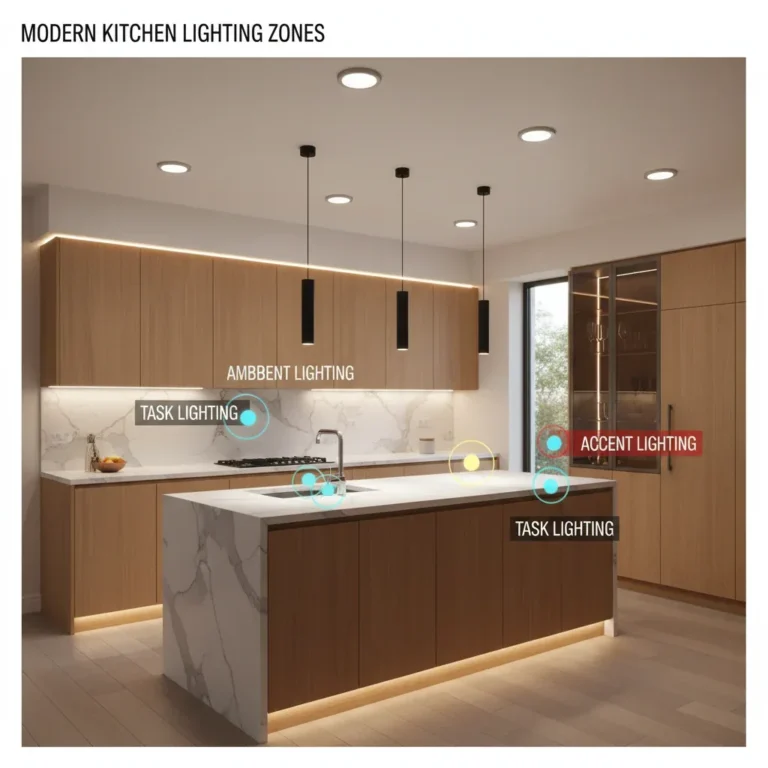
That’s why lighting is one of the most important (and often overlooked) aspects of commercial kitchen design. A well-lit kitchen should have *bright*, *even* lighting that *accurately* represents the colors of the food. It should also have *adjustable* lighting, so cooks can *dim* the lights for plating or *brighten* them for prep. And it should have *task lighting* in key areas, like the cooking line and the plating station, to help cooks *see* what they’re doing.
I once worked in a kitchen where the lighting was *terrible*-fluorescent bulbs that cast a *greenish* hue over everything. The food *looked* unappetizing, and the cooks *struggled* to see what they were doing. We switched to *LED* bulbs with a *warmer* color temperature, and suddenly, the food *looked* better. And when the food *looked* better, the customers *thought* it tasted better. It was a small change, but it made a *big* difference.
The Color of Flavor: How Light Temperature Affects Perception
Here’s something most people don’t realize: **The *color temperature* of your lighting can *change* how food *tastes*. It sounds crazy, but it’s true. Studies have shown that warm lighting (2700K-3000K) can make food *taste* sweeter and more *savory*, while cool lighting (4000K-5000K) can make it *taste* blander and less *appealing*. That’s why high-end restaurants often use warm, dim lighting**-it *enhances* the flavor of the food.
But here’s the thing: **lighting isn’t just about *flavor*-it’s about *safety***. A kitchen with *poor* lighting can lead to *accidents*, *mistakes*, and *food safety* issues. That’s why it’s important to find a balance. You want lighting that’s *bright* enough to *see* what you’re doing, but *warm* enough to *enhance* the flavor of the food. It’s a tricky balance, but it’s *worth* getting right.
I once visited a restaurant where the chef had installed *custom* lighting with *adjustable* color temperature. The prep area had *cool* lighting for *accuracy*, while the plating station had *warm* lighting for *aesthetics*. The result? The food *looked* beautiful, and the cooks could *see* what they were doing. It was the best of both worlds. And the customers? They *loved* it. They didn’t know *why* the food tasted better, they just knew it *did*.
The Scent of Success: How Kitchen Odors Shape Flavor Perception
Why Your Kitchen’s Smell Is a Flavor Tool
You ever walk into a restaurant and *immediately* know what’s for dinner? Maybe it’s the *smell* of garlic and onions sizzling in a pan, or the *aroma* of fresh bread baking in the oven. That *smell* isn’t just a byproduct of cooking, it’s a *flavor tool*. And in a commercial kitchen, where odors are *carefully* controlled, this effect is *amplified*.
Here’s why: **Smell is *directly* tied to taste. In fact, 80% of what we *taste* is actually what we *smell***. That’s why food *tastes* blander when you have a cold, your nose isn’t working properly, so your brain can’t *fully* process the flavors. And in a commercial kitchen, where odors are *strong* and *varied*, this effect is *even more pronounced*.
But here’s the thing: **not all kitchen odors are *good* odors**. A kitchen that *smells* like *grease* or *garbage* can *diminish* flavor perception, making food *taste* less *appetizing*. On the other hand, a kitchen that *smells* like *fresh herbs* or *wood smoke* can *enhance* flavor perception, making food *taste* more *complex* and *delicious*. That’s why ventilation is one of the most important aspects of commercial kitchen design. A good ventilation system doesn’t just *remove* odors, it *controls* them, ensuring that the *good* smells *linger* and the *bad* smells *disappear*.
I once worked in a kitchen where the ventilation was *terrible*-the *smell* of grease and garbage *permeated* everything. The food *tasted* fine, but the customers *complained* about the *smell*. We installed a *high-end* ventilation system, and suddenly, the kitchen *smelled* *fresh*. And when the kitchen *smelled* fresh, the customers *thought* the food tasted better. It was a small change, but it made a *big* difference.
The Art of Scent Marketing: How to Use Odors to Your Advantage
Here’s something most people don’t realize: **You can *use* odors to *enhance* flavor perception**. It’s called *scent marketing*, and it’s a *powerful* tool in the food industry. For example, the *smell* of *freshly baked bread* can make customers *hungrier*, while the *aroma* of *coffee* can make them *more alert*. And in a commercial kitchen, where odors are *strong* and *varied*, this effect is *even more pronounced*.
But here’s the thing: **scent marketing isn’t just about *spraying* odors into the air**. It’s about *controlling* the *natural* odors of the kitchen to *enhance* the dining experience. For example, a *pizzeria* might *position* its oven near the entrance, so the *smell* of *wood smoke* *greets* customers as they walk in. A *bakery* might *vent* the *aroma* of *fresh bread* into the dining room, making customers *crave* a pastry. And a *seafood* restaurant might *use* the *smell* of *lemon* and *herbs* to *mask* any *fishy* odors.
I once visited a restaurant where the chef had installed a *custom* scent diffusion system. The system *released* the *aroma* of *fresh herbs* and *citrus* into the dining room, *enhancing* the flavor of the food. The result? The customers *loved* it. They didn’t know *why* the food tasted better, they just knew it *did*. And that’s the power of *scent marketing*.
Putting It All Together: How to Design a Kitchen That Enhances Flavor
So, what does all this mean for *you*? If you’re designing a commercial kitchen, or even just *upgrading* your current setup, how can you *use* these principles to *enhance* flavor perception? Here’s a *quick* checklist to get you started:
- Open kitchen? Make it *transparent* but *controlled*. Highlight the *most visually appealing* parts of the process, and *hide* the chaos.
- Sightlines matter. Use *diagonal* views to create a *sense of depth*, and *curate* what customers see.
- Sound is a flavor tool. Amplify the *good* sounds (sizzling, chopping) and *dampen* the *bad* ones (clanging, yelling).
- Temperature is key. Keep the prep area *cool* and the cooking line *warm*, and *invest* in good climate control.
- Workflow affects flavor. Minimize *movement* and maximize *speed*, and *position* equipment for *efficiency*.
- Equipment matters. Invest in *high-quality* tools that *enhance* flavor, like *deck ovens* and *blast chillers*.
- Lighting is a flavor tool. Use *warm* lighting for *aesthetics* and *cool* lighting for *accuracy*.
- Smell sells. Control *odors* with good *ventilation*, and *use* scent marketing to *enhance* the dining experience.
And if you’re feeling *overwhelmed*, don’t worry, you’re not alone. Designing a commercial kitchen is a *big* job, and it’s *okay* to ask for help. That’s where kitchen design services like the ones offered by Chef’s Deal come in. They can help you *navigate* the *complexities* of kitchen design, from *equipment selection* to *workflow optimization*. And when your kitchen is *designed* to *enhance* flavor, your food *tastes* better. And when your food tastes better, your customers *keep coming back*.
So, what’s the *takeaway* here? **Flavor isn’t just about the ingredients, it’s about the *environment***. And in a commercial kitchen, that environment is *designed*. Every *sight*, *sound*, *smell*, and *temperature* plays a role in how your food *tastes*. And when you *understand* those principles, you can *use* them to *create* dishes that *delight* your customers.
It’s a *lot* to think about, I know. But trust me, it’s *worth* it. Because at the end of the day, **the best kitchens aren’t just *efficient*-they’re *flavor machines***. And if you can *design* your kitchen to *enhance* flavor, you’re not just *cooking*-you’re *creating* an *experience*. And that’s what *great* food is all about.
Final Thoughts: The Future of Flavor-Driven Kitchen Design
I’ll be honest, when I first started writing this, I wasn’t sure if I could *actually* make a case for how *kitchen design* impacts *flavor perception*. I mean, it *sounds* a little *out there*, right? But the more I dug into the research, the more I realized: **this stuff is *real***. And it’s *powerful*.
We’re living in a time where *food* is more than just *sustenance*-it’s an *experience*. And in a world where *Instagram* and *TikTok* have made *aesthetics* just as important as *taste*, **kitchen design is *more* important than ever**. It’s not just about *efficiency* or *safety*-it’s about *flavor*. It’s about *creating* an *environment* that *enhances* the *dining experience* from the *moment* a customer walks in the door.
So, where do we go from here? I think the *future* of commercial kitchen design is all about *integration*-**blending* *technology*, *psychology*, and *culinary* science to *create* spaces that *elevate* food to an *art form*. Imagine a kitchen where *lighting* adjusts *automatically* to *enhance* plating, where *soundscapes* are *curated* to *amplify* the *sounds* of cooking, where *odors* are *controlled* to *prime* customers for their meal. It’s not *science fiction*-it’s the *next step* in kitchen design.
And if you’re *designing* a kitchen today, you don’t have to wait for the *future* to *start* *enhancing* flavor. You can *use* the principles we’ve talked about-sightlines, acoustics, temperature, lighting, smell-to *create* a space that *delivers* *better-tasting* food *right now*. It’s not *easy*, but it’s *worth* it. Because at the end of the day, **the best kitchens aren’t just *places* to cook, they’re *flavor labs***. And if you can *design* your kitchen to *maximize* flavor, you’re not just *feeding* people, you’re *delighting* them.
So, what’s *your* next move? Maybe it’s *rearranging* your equipment to *optimize* workflow. Maybe it’s *upgrading* your lighting to *enhance* plating. Or maybe it’s *calling* in the *experts*-like the team at Chef’s Deal, to help you *design* a kitchen that *takes* your food to the *next level*. Whatever it is, *don’t* underestimate the *power* of *kitchen design*. Because when it comes to *flavor*, **every* *detail* *matters*.
FAQ
Q: Does the layout of a commercial kitchen really affect how food tastes?
A: Absolutely. The layout impacts workflow, which affects how quickly and efficiently food is prepared. A poorly designed kitchen can lead to rushed plating, overcooked dishes, or ingredients sitting too long before service, all of which can diminish flavor. Conversely, a well-designed kitchen ensures food is cooked and served at its peak, enhancing taste and texture.
Q: How does lighting in a kitchen influence flavor perception?
A: Lighting plays a huge role in how we perceive food. Warm lighting (2700K-3000K) can make food appear more appetizing and even enhance its perceived sweetness and savoriness. Cool lighting (4000K-5000K), on the other hand, can make food look less appealing. Additionally, poor lighting can lead to mistakes in plating or cooking, which directly impacts flavor. Task lighting in key areas like the cooking line and plating station ensures accuracy and consistency.
Q: Can the smell of a kitchen really change how food tastes?
A: Yes! Smell is directly tied to taste, about 80% of what we perceive as flavor actually comes from our sense of smell. A kitchen with pleasant odors (like fresh herbs or wood smoke) can enhance flavor perception, while unpleasant smells (like grease or garbage) can make food taste less appealing. Proper ventilation is key to controlling odors and creating a positive dining experience.
Q: What’s the most overlooked aspect of commercial kitchen design that impacts flavor?
A: One of the most overlooked aspects is acoustics**. The sounds of a kitchen, like sizzling pans, chopping knives, or even music, can influence how we perceive flavor. For example, the sound of meat sizzling on a grill can make it taste juicier, while a chaotic kitchen can create stress that leads to rushed or poorly executed dishes. Dampening bad sounds and amplifying good ones can subtly enhance the dining experience.
@article{how-commercial-kitchen-design-impacts-flavor-perception-the-hidden-science-behind-every-bite,
    title   = {How Commercial Kitchen Design Impacts Flavor Perception: The Hidden Science Behind Every Bite},
    author  = {Chef's icon},
    year    = {2026},
    journal = {Chef's Icon},
    url     = {https://chefsicon.com/how-commercial-kitchen-design-impacts-flavor-perception/}
}